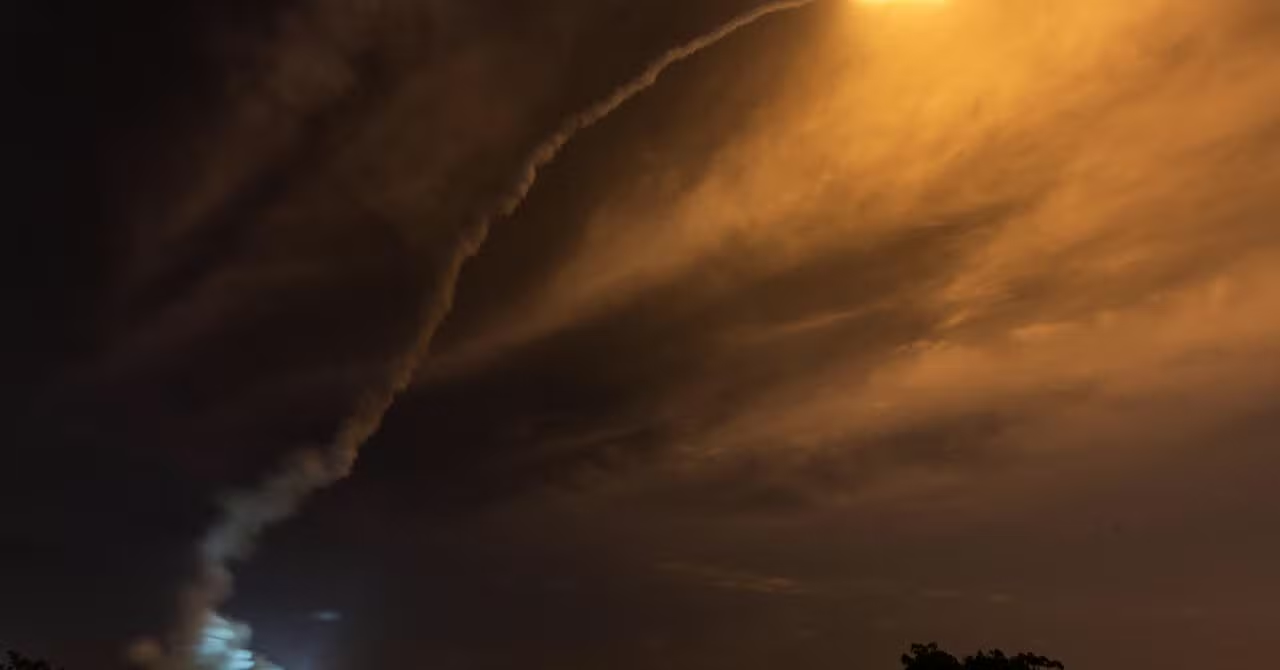
La mission BepiColombo est entrée dans l'orbite de Mercure après huit ans de voyage
The European Space Agency announced that BepiColombo, a dual European-Japanese probe, entered orbit around Mercury on 22 November 2026 after eight years of travel to the smallest and least explored planet in the Solar System. Launched on an Ariane 5 rocket from Kourou in October 2018, the four-tonne probe traveled more than 10 billion kilometers and made nine planetary flybys to adjust its speed and trajectory. The day before, ESA said a 37-minute thruster firing had begun to slow it enough for orbital capture, which its flight dynamics unit confirmed. From April 2027, ESA's Mercury Planet Orbiter is to study the planet as close as 480 kilometers above its surface while JAXA's Mio probes its magnetic field.
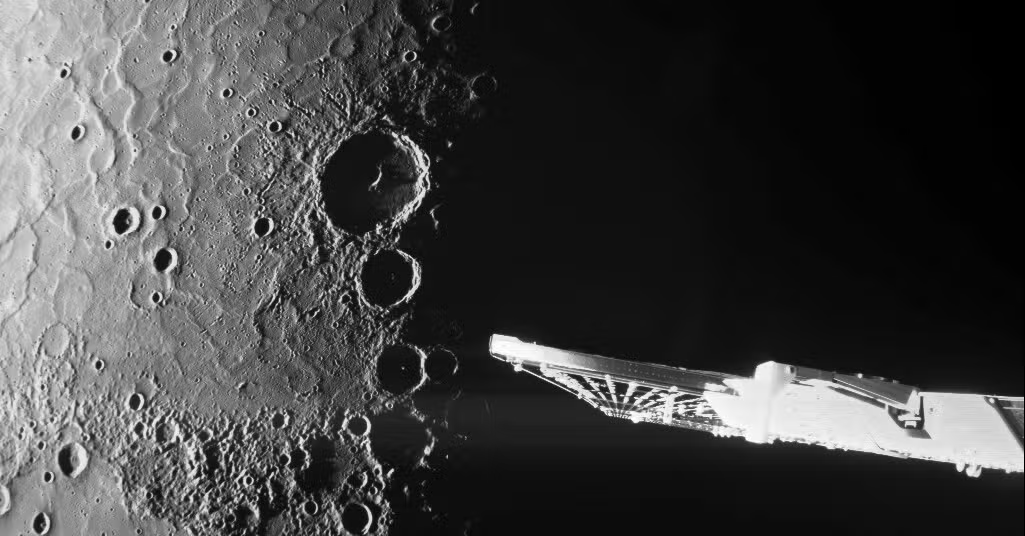
Little Mercury gets its first visitor in years as a pair of spacecraft loop into orbit
A pair of spacecraft, one European and the other Japanese, slipped into orbit around Mercury on Saturday after an eight-year cruise through the inner solar system, becoming the planet's first visitor in years. The $2 billion mission, known collectively as BepiColombo, was slowed by a series of thruster firings so Mercury's weak gravity could capture it, and the European Space Agency announced the arrival via social media. It took several hours before flight controllers in Germany, 94 million miles away, could confirm the spacecraft had achieved orbit. The linked robotic explorers are to separate within the month to map and study Mercury from different altitudes.
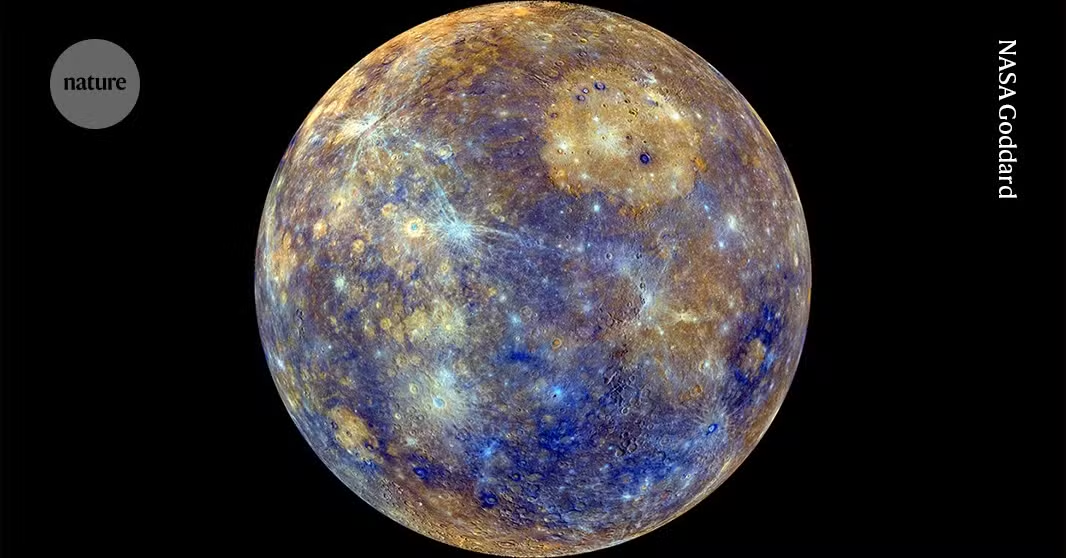
BepiColombo finally reaches Mercury after eight-year odyssey
The European and Japanese BepiColombo mission has arrived at Mercury after an eight-year journey, becoming only the second mission, after NASA's MESSENGER in 2011–2015, to orbit the innermost planet. On 21 November the European Space Agency announced that its European-built module had inserted itself into Mercury's orbit, starting a months-long series of manoeuvres. The two probes will stay conjoined until 9 December, then separate, with Japan's MIO sampling Mercury's magnetic field and the European orbiter descending until March 2027 to study the surface. Mission scientist Emma Bunce says reaching Mercury takes more energy than going to the outer Solar System.
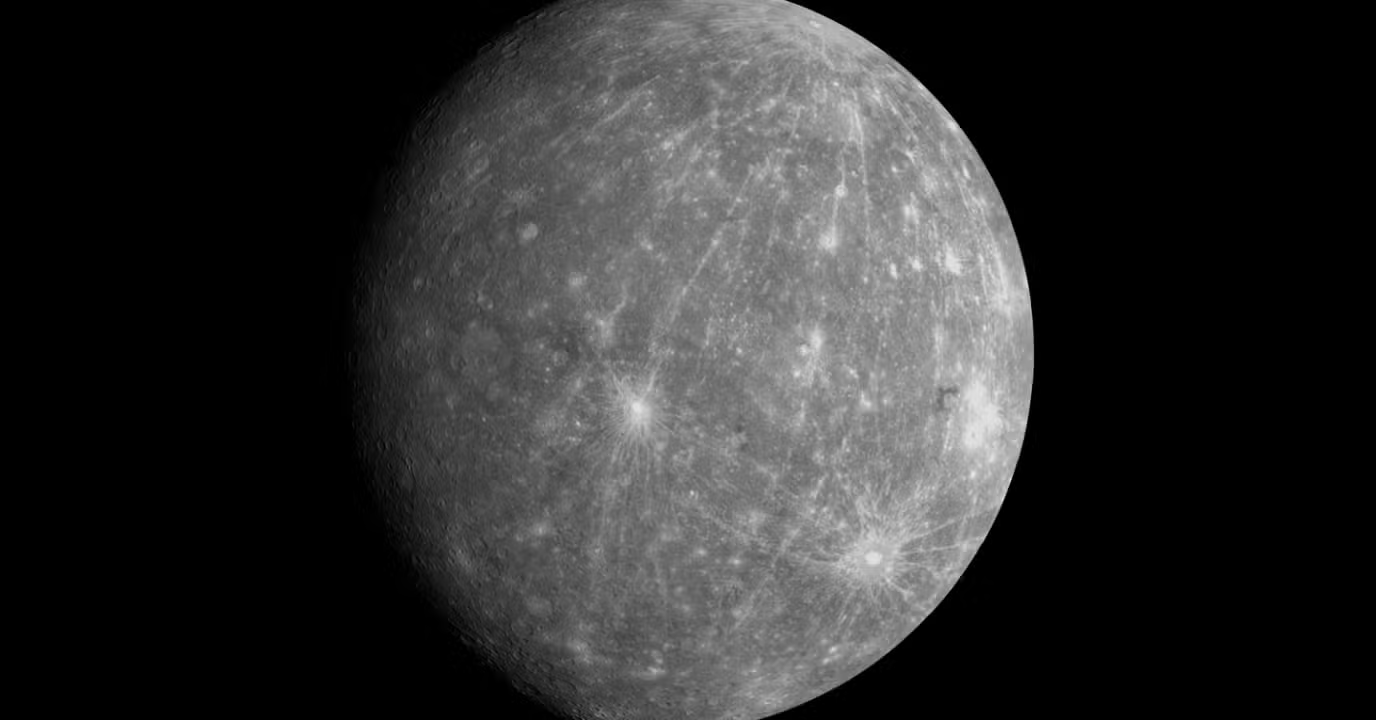
Les mystères de Mercure, l’étrange planète du Système solaire, que la mission BepiColombo devrait lever
The European-Japanese BepiColombo mission entered orbit around Mercury on Saturday 21 November at 19:24, after eight years of travel with numerous flybys to slow its two probes, and Le Monde expects the mission to solve the many enigmas surrounding the strange planet. Only the third mission ever to reach Mercury, it arrives at the smallest planet in the Solar System, one of the hardest to observe from Earth because of its proximity to the Sun and among the least visited, with only Uranus and Neptune seen by fewer missions. Earlier probes, NASA's Mariner-10 and Messenger, showed Mercury is far from the dead, burning world scientists long took it for, and Le Monde expects the 13 instruments aboard BepiColombo's two orbiters to define its intriguing properties in the coming years.
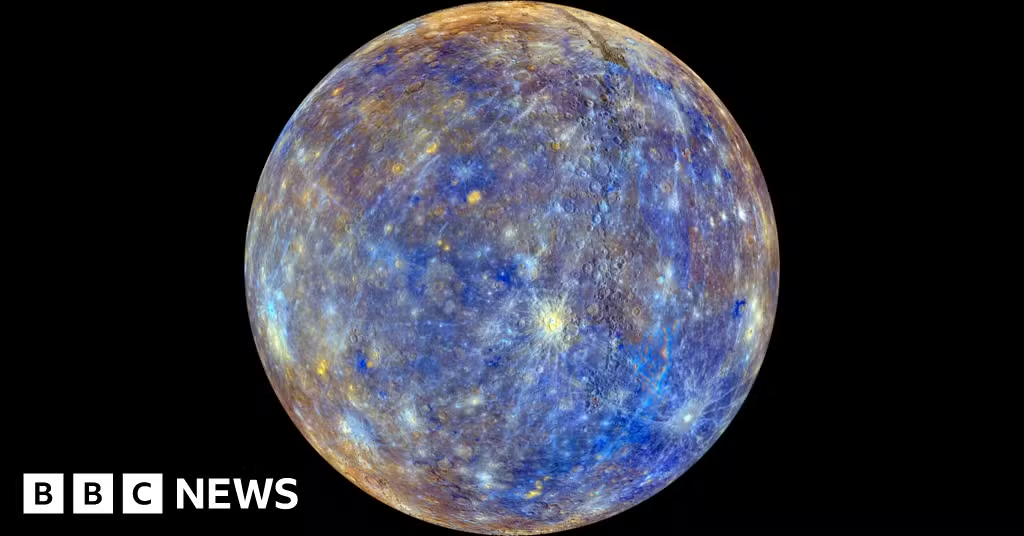
BepiColombo spacecraft arriving at Mercury after eight years
BBC News reports that the BepiColombo spacecraft, an ESA-JAXA mission launched in 2018, is about to enter orbit around Mercury after an eight-year, six-billion-mile journey slowed by the Sun's pull, and that a 37-minute braking manoeuvre will decide whether it is captured or hurtles past. Professor Emma Bunce calls Mercury an under-loved planet, while the mission aims to probe its mysterious hollows, huge metal core, and possible 'hit and run' past.
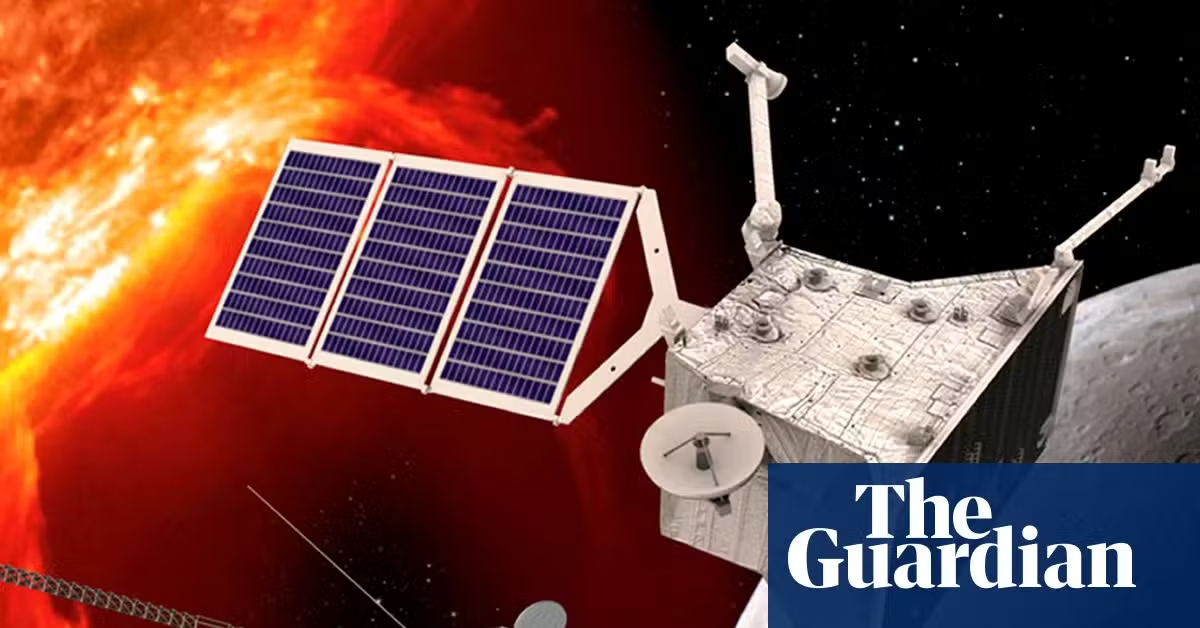
Spacecraft reaches Mercury on second-ever mission to enter its orbit
The Guardian reports that the joint European-Japanese BepiColombo mission has arrived at Mercury after an eight-year, 6bn-mile voyage, becoming set to make a second-ever orbital entry as controllers fire its thrusters. In December the spacecraft will split into European and Japanese orbiters to study Mercury's surface, interior, magnetic field, and why the planet is so dense.

