Iraqi forces deploy in Kataeb Hezbollah bastion of Jurf al-Sakhar under deal
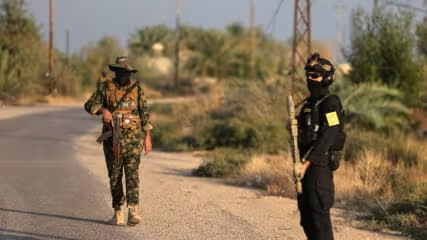
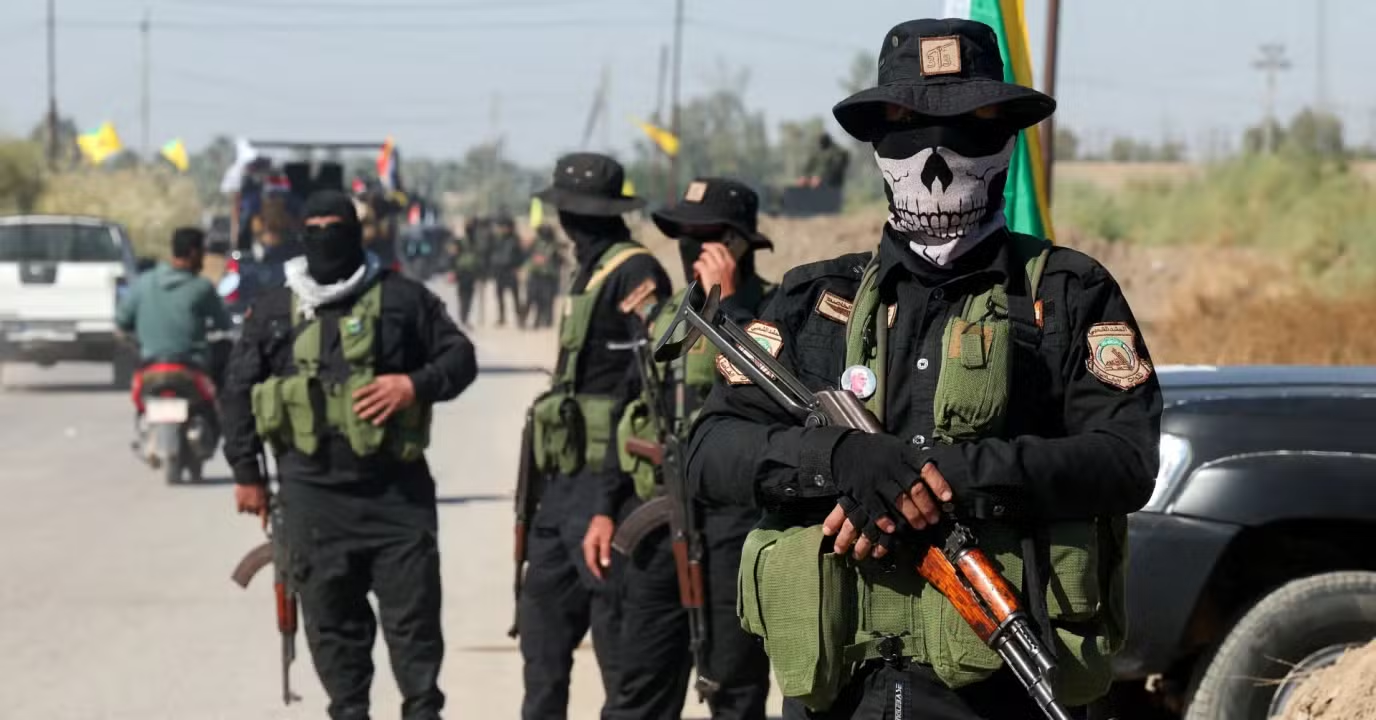
Iraqi security forces deployed on 20 November 2026 in Jurf al-Sakhar, a stronghold south of Baghdad of the Iran-aligned armed group Kataib Hezbollah.
The entry followed a compromise deal, helped by Quds Force commander Esmail Qaani, under which Kataib Hezbollah is to withdraw within a month.
A combined force of army, Federal Police, Energy Police and Popular Mobilisation Forces units is to protect oil pipelines near Jurf al-Sakhar.
Prime Minister Ali al-Zaidi demanded the group leave after an investigation into suspected oil smuggling there, which the group denies.
The deployment is understood to have been driven by pressure from the United States and its Gulf allies; the government says the area has been closed for about 12 years.
Iraqi state media reported on 19 November 2026 that government forces would begin deploying in the Kataeb Hezbollah bastion of Jurf al-Sakher the next day.
Sources in Tehran-backed armed groups said a compromise found during Esmail Qaani's visit foresees Kataeb Hezbollah gradually redeploying over a month to areas on the periphery of Jurf al-Sakher rather than withdrawing completely.
On 17 November 2026, Kataeb Hezbollah refused Prime Minister Ali al-Zaidi's demand to leave Jurf al-Sakher and denied involvement in the suspected oil smuggling there.
Ali al-Zaidi urged Kataeb Hezbollah to leave Jurf al-Sakher, about 60 kilometers south of Baghdad, after an investigation into suspected oil smuggling in the area was announced.
Esmail Qaani, head of the Quds Force, met Iraqi Prime Minister Ali al-Zaidi on 16 November 2026.
Iraqi government military spokesman Sabah al-Numan said, "An official decree has been issued for the creation of a command headquarters" at Jurf al-Sakher.
Kataeb Hezbollah military spokesman Jaafar al-Husseini said at Jurf al-Sakher on 19 November 2026, "The problems between us and the head of government will be settled through discreet channels".
Kataeb Hezbollah denied involvement in the suspected oil smuggling at Jurf al-Sakher.
Kataeb Hezbollah said it had met with its own leader and with leaders of the Hashd al-Shaabi and called the results of the meetings positive.
Security officials said at a press conference that the deployment in Jurf al-Sakhar, in Babel province, was taking place under a compromise deal designed to ease tensions with Iran's most powerful Shi'ite militia ally in Iraq.
Iraqi security forces entered Jurf al-Sakhar in Babil province, south of Baghdad, on Friday 20 November 2026, deploying in the stronghold of the Iran-aligned Kataib Hezbollah under a compromise deal.
Lieutenant General Ahmed Hatem Hamid said on 20 November 2026 that a control headquarters had been established in Jurf al-Sakhar and that the Federal Police would control the facility.
Under a compromise deal sealed on 19 November 2026, Kataib Hezbollah is to withdraw from Jurf al-Sakhar within a month and move to other areas of Iraq.
Under the deal, a combined force of an Iraqi army brigade, a Federal Police battalion, an Energy Police regiment and two Popular Mobilisation Forces brigades is to protect oil pipelines in the Jurf al-Sakhar area.
Esmail Qaani, commander of Iran's Quds Force, visited Iraq in the days before 20 November 2026 to help defuse tension and seal the deal over Jurf al-Sakhar.
The Iraqi government announced on Monday 16 November 2026 that it would take control of Jurf al-Sakhar.
Prime Minister Ali al-Zaidi told the troops entering Jurf al-Sakhar they are "not waging war", adding, "Everyone present there are your brothers, the sons of this nation, and their blood is our blood."
Prime Minister Ali al-Zaidi insisted that his decision to restrict weapons to state control is final.

