Australia strikes online safety deal with fines up to 5% of tech revenue

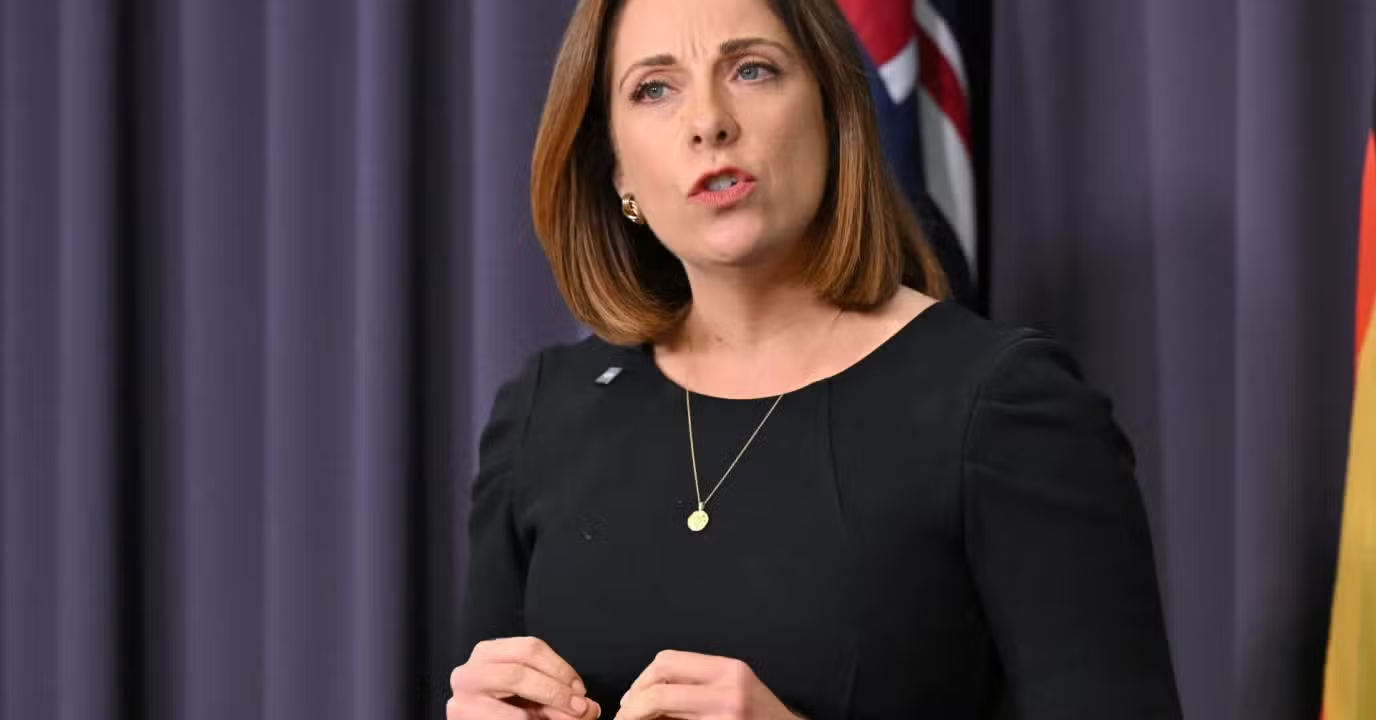
Australia has struck a deal to pass a Digital Duty of Care law that threatens internet companies including Google and Meta with fines of up to 5 per cent of their global revenue, raised from a previously proposed maximum of A$109 million. The centre-left Labor government announced the plan at a news conference at Parliament House in Canberra on 24 November 2026, after reaching an agreement with the Australian Greens in the Senate that puts the bill on track to become law.
The proposed law would replace a patchwork of industry codes of conduct covering messaging apps, search engines and AI chatbots with a single law forcing platforms to proactively check for and stop harmful user experiences. Harms it targets include child sexual abuse material, non-consensual fake nude material, gender-based violence, self-harm promotion and terrorism.
Under the deal, individuals will gain the right to sue platforms for enabling wrongdoing, a concession Labor agreed with the Greens. The Greens also ensured addictive features are among the harms social media companies must assess before rolling out new features, and Australians aged 16 or older will have the option to turn off algorithm-driven feeds. Companies will be required to file annual written risk assessments to the government, and an independent ombudsman will mediate disputes between companies and Australian users.
The Greens were not able to convince the government to include gambling as an online harm.
Australia outlined details of a proposed Digital Duty of Care law on 24 November 2026 that threatens internet companies including Google and Meta with fines of up to 5 per cent of their global revenue, raised from a previously proposed maximum of A$109 million.
Australia's centre-left Labor government struck a deal with the Australian Greens in the Senate that puts the Digital Duty of Care bill on track to pass parliament and become law, and under which individuals will gain the right to sue platforms for enabling wrongdoing.
The proposed law would replace a patchwork of industry codes of conduct covering messaging apps, search engines and AI chatbots with a single law forcing platforms to proactively check for and stop harmful user experiences.
Harms targeted by the law include child sexual abuse material, non-consensual fake nude material, gender-based violence, self-harm promotion and terrorism.
Communications Minister Anika Wells called the Digital Duty of Care reform seismic and urgent, and said the government would deliver it to Australians in parliament during the week of 24 November 2026.
Prime Minister Anthony Albanese told parliament the law is about Australia taking action on the side of parents and children, not foreign-owned tech companies, and called it world-leading reform and the next step after Australia's under-16s social media ban.
Industry groups warned the law might push platforms to become heavy-handed in deciding what content to remove as they sought to avoid punishment.
The tech advocate Digital Industry Group declined to comment because it had not seen a new draft of the proposed law, and Google declined to comment on the bill.
Labor agreed concessions to the Greens including allowing Australians to sue companies for harm suffered online, and the deal ensures addictive features are among the harms social media companies must assess before rolling out new features.
Companies could face fines of A$109 million or up to 5 per cent of their global revenue, after Labor initially pushed for the framework to apply to domestic revenue only.
Social media companies will be required to file annual written risk assessments to the Australian government, and an independent ombudsman will be established to mediate disputes between companies and Australian users.
The Greens were not able to convince the government to include gambling as an online harm.
Asked about the prospect of the laws being challenged in court, Anika Wells said, "if people want to have another go, bring it on," and said Labor intends to exempt small platforms deemed low risk from the requirements.
Australia's opposition Coalition and free speech advocates argued the law would give the government sweeping powers to censor content online.
Greens communications spokesperson Sarah Hanson-Young said Big Tech will face big consequences for failing to protect Australians, that the Greens' amendments will ensure a "hit to their bottom line," and that Big Tech will now be held to account and forced to ensure its products are safe.
Australia's government announced the plans at a news conference at Parliament House in Canberra on 24 November 2026, detailing fines of up to five per cent of worldwide revenue for companies including Google and Meta.
To curb addictive features, Australians aged 16 or older will have the option to turn off algorithm-driven feeds.
Greens Senator Sarah Hanson-Young said the legislation would help stop Australians from being exploited, and that "Big tech for far too long has run our lives, dictated what we see in our social media feeds, and pumped our feeds full of addictive, harmful content and thought that they could just get away with it."

