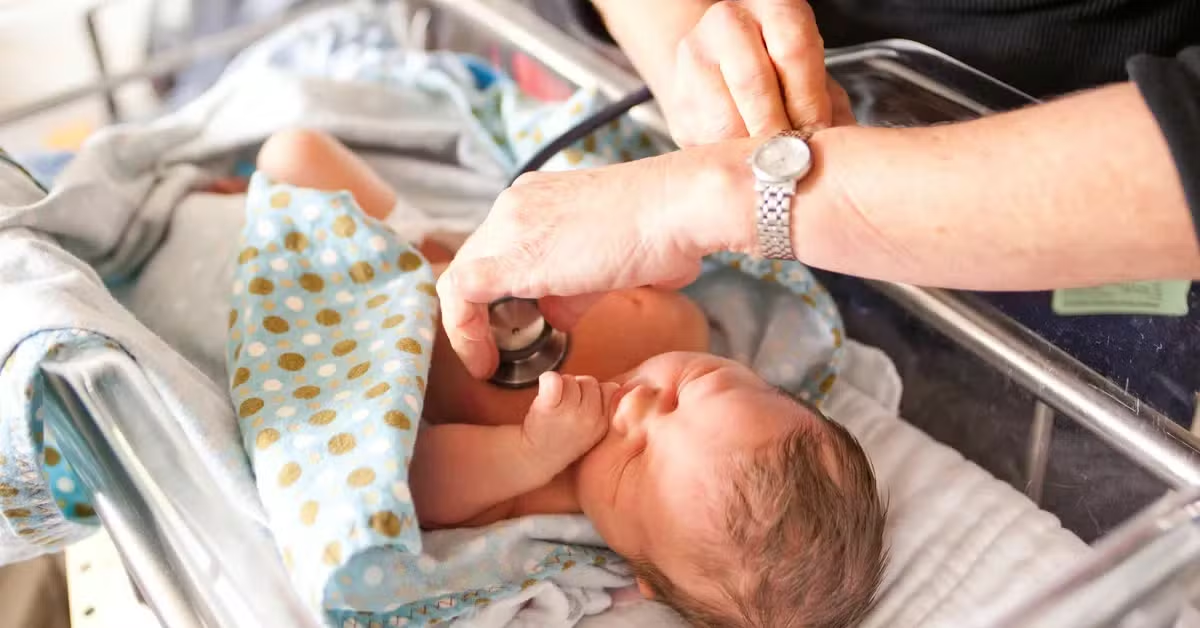
Doctors Have A Serious Warning About The Decline In Newborn Hepatitis B Vaccinations
Doctors are warning that a steep drop in newborn hepatitis B vaccinations in the United States will inevitably raise infection rates and permanently affect lives. A study by researchers from Callen-Lorde Community Health Center and Truveta, analyzing the medical records of more than 1.3 million babies, found that as of June 2026 only 65.6% of newborns were vaccinated against hepatitis B in their first 24 hours of life, down from 80% in 2022, with the decline starting in 2023. The fall comes as Trump-era federal vaccine advisers voted to remove the hepatitis B vaccine from the childhood schedule, though an American Academy of Pediatrics lawsuit has blocked that removal. Doctors stress the stakes: untreated lifelong hepatitis B kills about 1 in 4 children eventually through cirrhosis or liver cancer, and the vaccine's early timing matters because transmission at birth carries the highest risk of chronic infection. They add that the consequences of the decline may not be seen for some time.
Less babies receiving hepatitis B vaccine at birth, report finds
A new analysis in The New England Journal of Medicine reports that the percentage of US newborns receiving a hepatitis B vaccine at birth dropped from 80% during 2020-2022 to 65.6% in 2026. The decline follows the Advisory Committee on Immunization Practices' 2025 vote to replace its universal birth-dose recommendation, in place since 1991, with individualized decision-making for infants of mothers who tested negative, despite no supporting data being presented. The analysis drew on a study with Truveta covering 1.3 million infants born to 1.1 million women. Its authors also note vaccination rates fell among babies born to mothers who tested positive for hepatitis B, from 97%-98% to 93.9%, and estimate some 360,000 infants a year are born to mothers without evidence of screening.
‘Shocking’ drop in hep B vaccination, including babies with infected mothers
A large new analysis found that newborn hepatitis B vaccination in the United States has dropped sharply, from 80% of babies vaccinated within a day of birth in 2022 to 66% by June 2026, and that rates also fell among babies whose mothers are known to be infected, from up to 98% between 2018 and 2025 to 94% in early 2026. The study, by the health care analytics company Truveta and published in NEJM Evidence, drew on medical records of more than 1.3 million U.S. babies born from January 2018 through June 2026. The decline began before federal vaccine advisers voted in December 2025 to abandon the decades-old recommendation that all babies get the shot at birth, though a federal judge later halted that decision in a lawsuit by the American Academy of Pediatrics. Lead author Nina Masters calls the nearly 15% three-year drop shocking and a real preventable tragedy, and Dr. James Conway writes in an email that the reversal is sad, tragic and preventable, putting lives at risk.
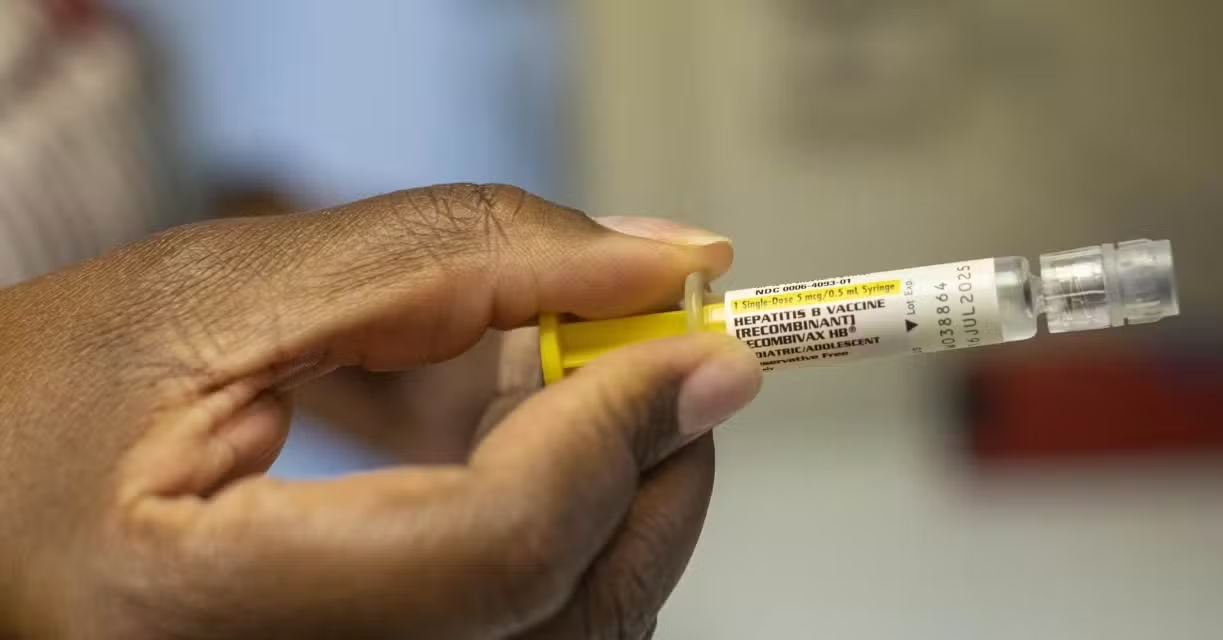
Not Even Two-Thirds of America’s Newborns Are Getting the Hepatitis B Shot
A study published in the New England Journal of Medicine finds a declining share of U.S. newborns are getting the hepatitis B vaccine at birth, following a federal vaccine panel's decision the previous winter to end its longstanding recommendation for the birth dose. According to the report, 65.6% of newborns received the hepatitis B birth dose in the first half of 2026, down from around 80% in 2020 to 2022. The vaccine has been given within 24 hours of birth in the U.S. for more than three decades, and the report says the share of newborns getting it has fallen consistently since 2023, dropping 10 percentage points in the two years before publication.
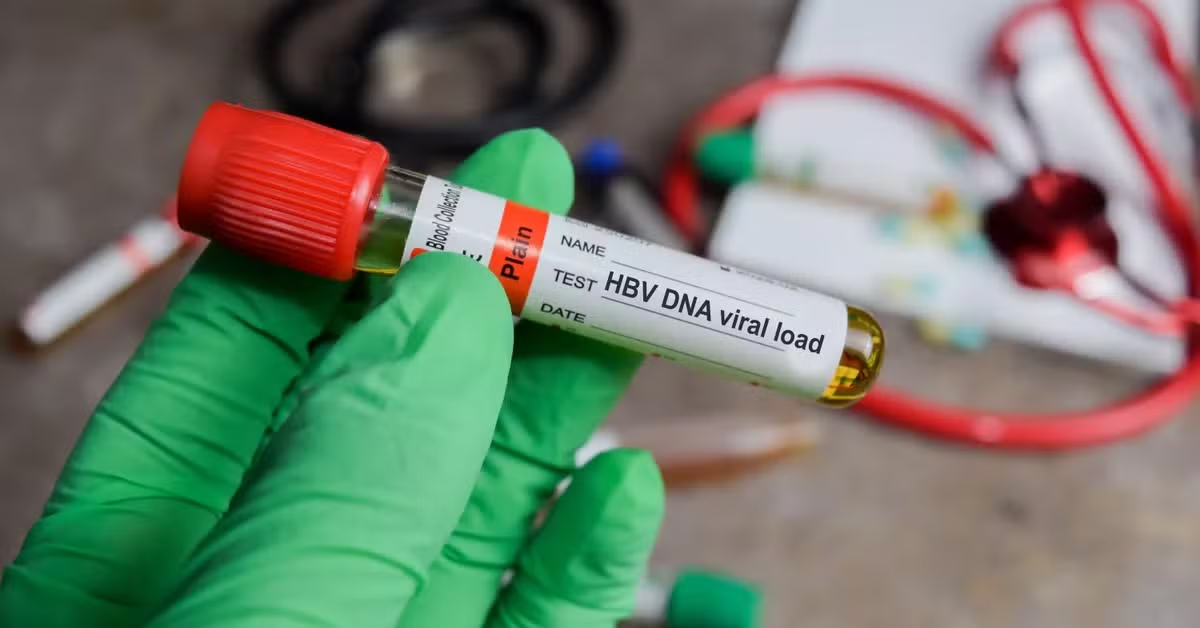
The number of babies getting vaccinated for hepatitis B at birth is dropping precipitously
A Scientific American article reports on a new study finding that the percentage of U.S. babies vaccinated for hepatitis B within 24 hours of birth fell from 80 percent in 2022 to 65.6 percent in 2026. The study, by researchers at the health data firm Truveta and Callen-Lorde Community Health Center in New York City, drew on anonymized electronic health records from more than 1.3 million infants and was published in the journal NEJM Evidence. The decline reached babies most at risk: the share of mothers who tested positive for hepatitis B and got their babies vaccinated fell from up to 98 percent in 2022 to just under 94 percent. Hepatitis B is a liver disease that can be passed from mother to baby and can be fatal if left untreated.

