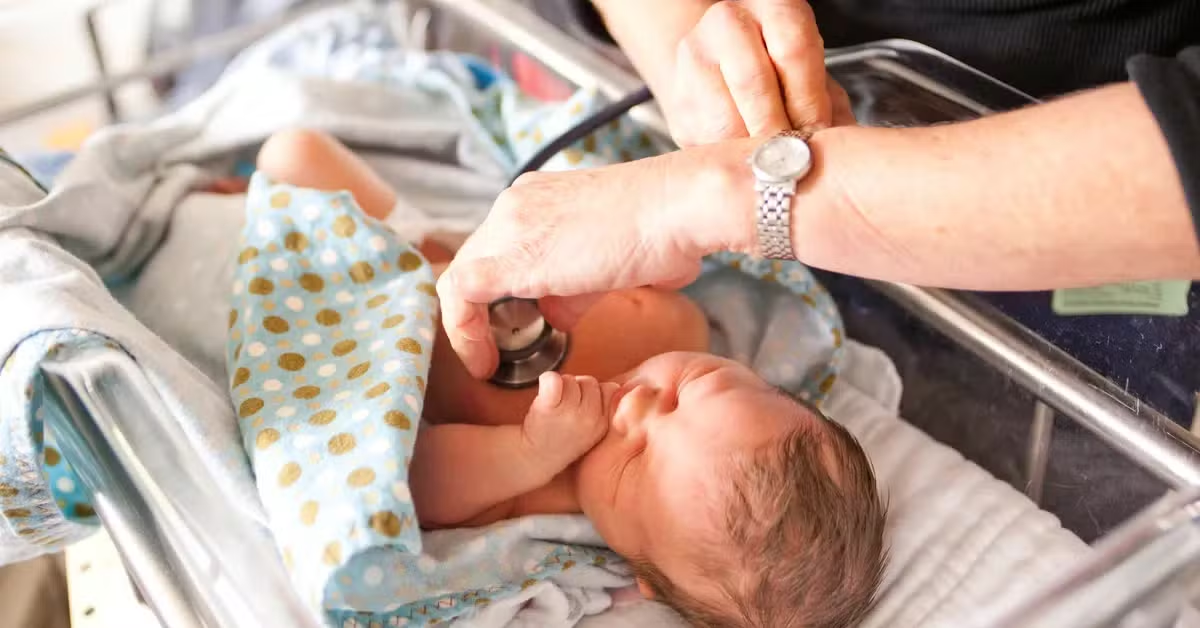
Newborn hepatitis B vaccination falls to 66%, study finds
The share of American newborns vaccinated against hepatitis B within a day of birth has fallen sharply, from 80% in 2022 to 66% as of June 2026, according to a study published on 2026-11-24 in NEJM Evidence. Researchers from Callen-Lorde Community Health Center in New York and Truveta, a company that analyzes medical records, examined the records of more than 1.3 million babies born in the United States from January 2018 through June 2026.
The decline marked a reversal. Vaccination rates had risen from 76% in 2018 to 80% in 2022 before starting to fall in mid-2023. Babies born to mothers known to be infected were also vaccinated less often, dropping from up to 98% between 2018 and 2025 to 94% between January and June 2026.
The stakes are high, because up to 90% of babies infected with hepatitis B develop chronic infections that put them at risk of liver failure and liver cancer later in life. Nina Masters said infants born to mothers with hepatitis B have a 90% chance of perinatal infection, which can mean a lifetime of chronic liver disease, cirrhosis and early death.
The study's authors also tracked screening, reporting that the share of mothers not tested for hepatitis B during pregnancy fell from over 15% in 2018 to under 8% in 2026. With nearly 91% of pregnancies screened, they estimate that about 360,000 infants are born each year in the United States to mothers without evidence of hepatitis B screening.
The continuing decline comes at a time when Trump-era federal vaccine advisers voted to remove the hepatitis B vaccine from the childhood vaccine schedule.
A Truveta study of medical records from more than 1.3 million babies born in the United States from January 2018 through June 2026 was published in NEJM Evidence.
The study found that the share of newborns vaccinated against hepatitis B within a day of birth fell from 80% in 2022 to 66% as of June 2026.
Rates rose from 76% in 2018 to 80% in 2022 before the decline began in mid-2023.
Vaccination of babies born to mothers known to be infected fell from up to 98% between 2018 and 2025 to 94% between January and June 2026.
Up to 90% of babies infected with hepatitis B develop chronic infections that put them at risk of liver failure and liver cancer later in life.
Nina Masters said infants born to mothers with hepatitis B have a 90% chance of perinatal infection, which can mean a lifetime of chronic liver disease, cirrhosis and early death.
Nina Masters, the study's lead author, said it is shocking to see a nearly 15% decline in newborn hepatitis B vaccination in three years.
Nina Masters called the decline in newborn hepatitis B vaccination a real preventable tragedy.
Dr. Richard Besser said hepatitis B and the rise in unvaccinated newborns are silent and unseen for years until the babies grow up and end up having liver disease.
The Truveta study analyzed data from 1.3 million infants born to 1.1 million women.
Nearly 91% of pregnancies in the study included a hepatitis B screening test, and 0.18% of tested pregnancies were positive for hepatitis B antibodies.
More than 1 million newborns received a hepatitis B vaccine within 24 hours of birth during the study period.
The analysis's authors report that the share of mothers not screened for hepatitis B during pregnancy declined from over 15% in 2018 to under 8% in 2026.
The authors estimate, applying the study's 90% screening rate to roughly 3.6 million births a year, that about 360,000 infants are born annually to mothers without evidence of hepatitis B screening.
Researchers from Callen-Lorde Community Health Center in New York and Truveta conducted the study of more than 1.3 million babies' medical records.
The continuing decline comes at a time when Trump-era federal vaccine advisers voted to remove the hepatitis B vaccine from the childhood vaccine schedule.
Dr. Leslie Treece, a Tennessee pediatrician not involved in the study, said it is unfortunate that vaccination rates are declining.
Dr. Leslie Treece said declining vaccination rates mean rates of hepatitis B infection will inevitably rise and lives will be permanently affected.
Dr. Rick Malley said the consequences of the drops in hepatitis B vaccination may not be observed as quickly as those of the measles outbreaks and may not be seen for a while.

