
Experts advise against passive-aggressive phrases in friendships
Summary
- A new advice article explains how passive-aggressive phrases like 'Wow, must be nice', 'It's fine', and 'You do you' create distance in friendships.
- Experts say passive aggression expresses negative feelings indirectly through sarcasm, withdrawal, backhanded comments, and small digs.
- They attribute passive aggression to fear of conflict, fear of losing the friendship, and upbringing that made indirect anger feel safe.
- They recommend naming hurt feelings directly, such as 'I felt hurt when you canceled our plans', while noting not every slight needs addressing.
Reactions
- Thais Gibson recommends saying 'I'm noticing I feel a bit left out, and I'd really like to talk about that' instead of sarcastic remarks.
- Natalie Moore recommends messaging a friend directly about feeling left out after seeing photos of an event online.
- Meg Gitlin recommends sharing opinions honestly, like 'I want to be a supportive friend, but I don't agree with this decision.'
- Irene S. Levine advises against undermining a friend's achievements with sarcastic remarks and calls the silent treatment a way to punish.
- Vanessa Cornell recommends a formula for direct communication: 'I feel [emotion] when [behavior] because [reason]'.
- The article advises acknowledging hurt caused by a joke rather than dismissing it with 'Can't you take a joke?'
Timeline newest first
Sources newest first
- 10 Passive-Aggressive Phrases You Shouldn’t Use With Your Friends
huffpost.com· 9h
A HuffPost advice article explains why passive-aggressive phrases — "Wow, must be nice," "It's fine," "You do you" — breed misunderstanding and distance in friendships. Experts like Vanessa Cornell and Natalie Moore say hurt feelings are better handled directly, offering alternatives such as "I'm noticing I feel a bit left out."
Background newest first
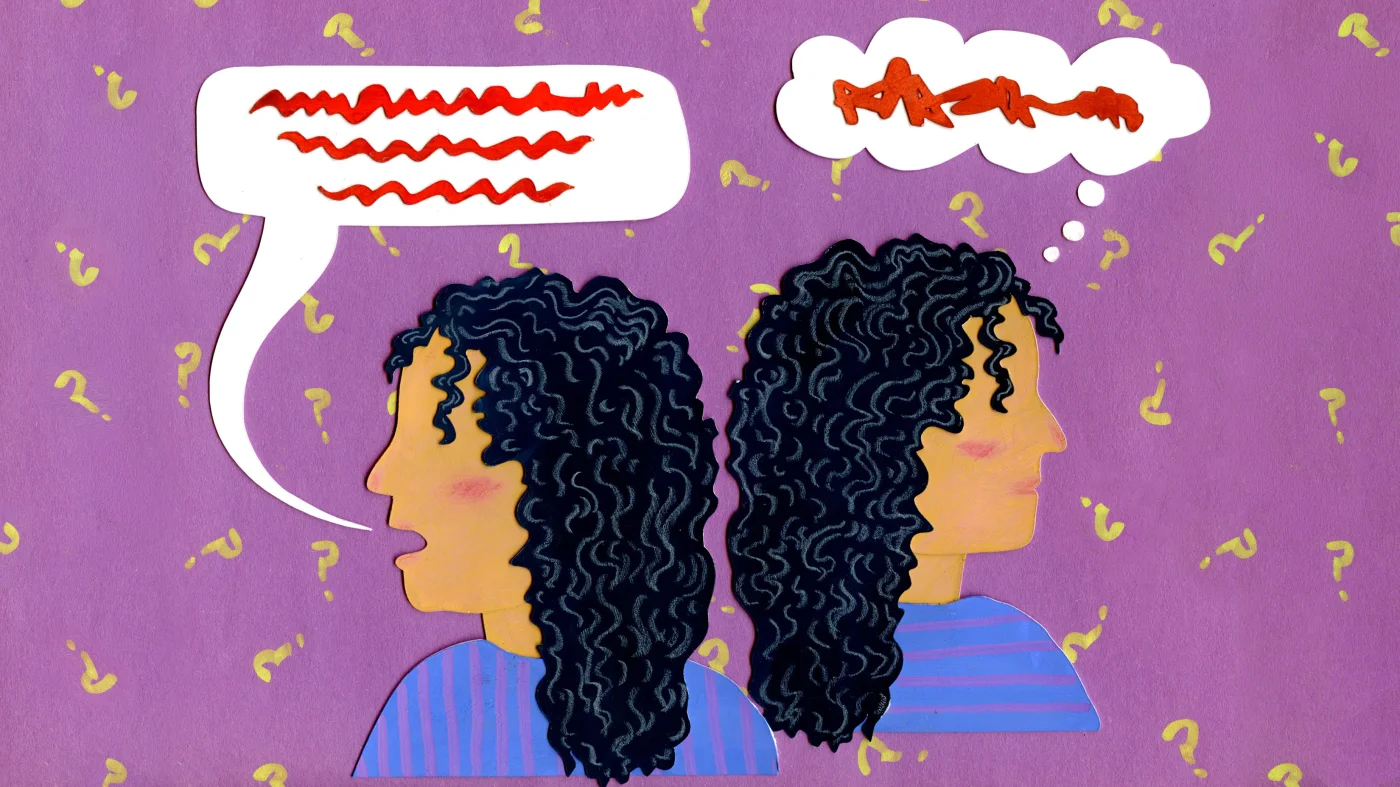 Is honesty always the best policy? When to speak up — or stay silent
npr.org· 4d
NPR's Life Kit draws on Vanessa Bohns's book on when to speak up, noting a 2022 survey in which fewer than 3% of strangers pointed out lipstick or chocolate smudges on researchers' faces. Bohns says honesty helps only when it benefits someone, and advises asking people whether they want feedback rather than assuming.
