Dutch government plans to fight rollout of US MATCH Act curbs on ASML
'Alles op alles' om Amerikaanse wet tegen te houden: wat kan Nederland doen?
nos.nl· 4h
Netherlands Plans to Fight Rollout of Proposed US Curbs on ASML
bloomberg.com· 30h
Dutch minister says US chip curbs bill would hurt Europe
reuters.com· 31h
Dutch government working to prevent passing of US MATCH bill, minister says
Dutch lawmakers urge government to resist US MATCH bill targeting ASML
Dutch resist ‘unacceptable’ US bid to tighten semiconductor export controls
politico.eu· 10d
The Dutch government is working to block a proposed US law that could curb ASML's sales of chipmaking equipment to China. Dutch lawmakers urged the government on 24 November 2026 to push back against the MATCH Act, a bipartisan bill that would force allies including the Netherlands and Japan to adopt tougher export controls on China or face unilateral US restrictions on their equipment, including ASML's immersion DUV lithography tools.
The bill's fate is live: the US Congress is negotiating whether to attach it to the annual National Defense Authorization Act before the outgoing Congress finishes its work.
The Hague has taken the fight abroad. Foreign Minister Tom Berendsen said in Beijing on 25 November that the Netherlands is working to prevent Congress from passing the act, and declined to speculate on its effects if passed.
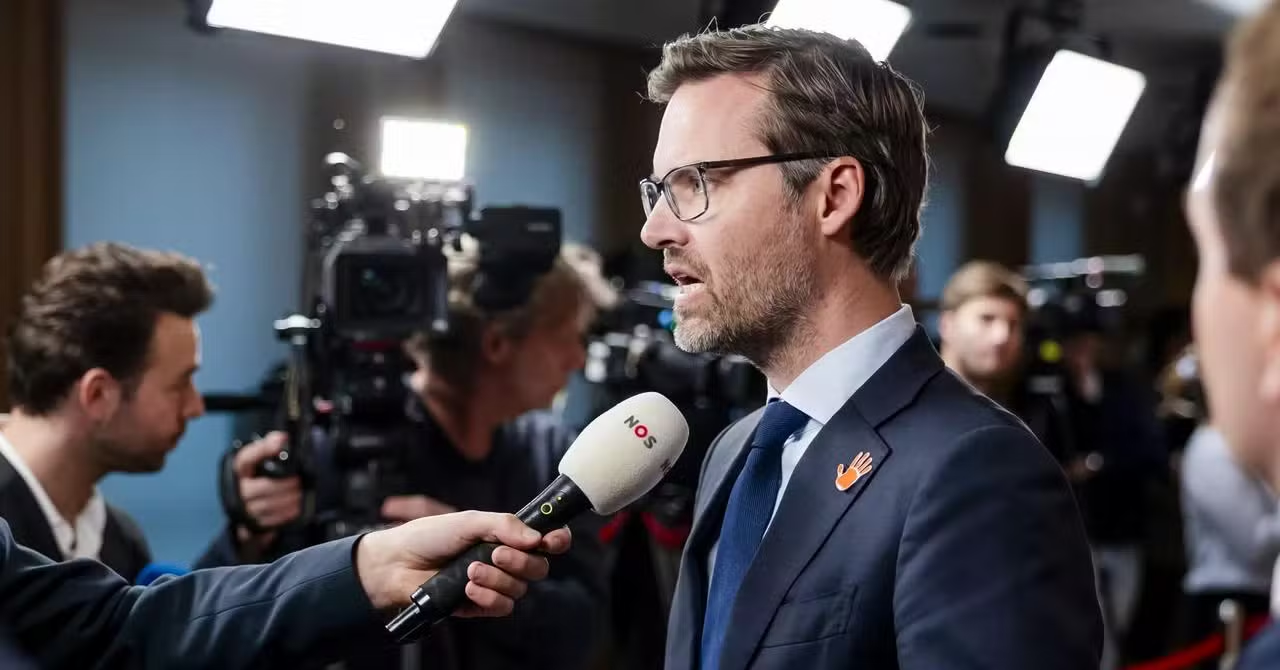
Trade Minister Sjoerd Sjoerdsma told the Dutch parliament on 26 November that the government opposes the law's extraterritorial scope and will fight its rollout. He said the Netherlands is lobbying hard with the European Commission, Germany and France to keep it off the defence bill, and that if it passes anyway, the Netherlands and the EU will weigh options to limit its consequences, with the message to the US administration being not to enforce it.
Dutch lawmakers urged the government on 24 November 2026 to push back against proposed US legislation that could further restrict ASML's business in China.
The US Congress is negotiating whether to attach the bipartisan MATCH Act to the annual National Defense Authorization Act before the outgoing Congress finishes its work.
The MATCH Act would force allies including the Netherlands and Japan to adopt tougher export controls on China or face unilateral US restrictions on their equipment, including ASML's immersion DUV lithography tools.
Nicole Maes of the VVD party said during a Dutch trade policy debate, "The MATCH Act is disastrous for ASML, and therefore also for the Dutch economy".
Laurens Dassen of the Volt party urged European measures to shield ASML, saying he believes the United States "hates the fact that we have ASML in Europe".
Michiel Hoogeveen of the JA21 party called the MATCH Act "unacceptable" and urged a diplomatic effort to prevent its passage in December.
Michiel Hoogeveen said, "We are, of course, very dependent on America, not only economically but also for our security".
ASML has described the MATCH Act as a "bad idea" that will lead China to develop competing technology more quickly.
Dutch Foreign Minister Tom Berendsen was expected to discuss the MATCH Act during a visit to China that week.
Foreign Minister Tom Berendsen said in Beijing on 25 November 2026 that the Netherlands is working to prevent the US Congress from passing the MATCH Act, and declined to speculate on its effects if passed.
Tom Berendsen said the Netherlands would always make its own independent decisions on export controls and that its focus is on making sure the MATCH Act will not be passed.
Tom Berendsen said the Netherlands does not want unilateral decisions that have extraterritorial effect.
Trade Minister Sjoerd Sjoerdsma said the Dutch government is lobbying hard against the MATCH Act and is working with the European Commission, Germany and France to keep it off the US defence policy bill.
Sjoerdsma said that if the MATCH Act is adopted despite the lobbying, the Netherlands and the EU will weigh options to limit its consequences, and the Netherlands' message to the US administration will be not to enforce it.
Sjoerd Sjoerdsma said US efforts to curb China's advanced chip production could put Europe at an unacceptable disadvantage and that the proposal goes "way too far".
Sjoerdsma told Dutch lawmakers the MATCH Act's effects would be felt across the European Union, hitting other countries' semiconductor industries and creating a strong precedent.
Sjoerdsma said "Europe can't afford to fall behind", citing the importance of the semiconductor industry and rapid developments in artificial intelligence.
Sjoerdsma said the Netherlands will not simply be told what to do and will explore bilaterally and in the European context how to avoid enforcing the act.
Sjoerd Sjoerdsma told the Dutch parliament on 26 November 2026 that the government opposes the extraterritorial scope of the MATCH Act and will fight the rollout of the proposed US curbs on ASML's sales to China.
The Dutch government called the proposed US rules a threat to ASML Holding, Europe's most valuable company.

