Justice Department asks judge to deny stay of Fort Hood shooter Nidal Hasan's execution
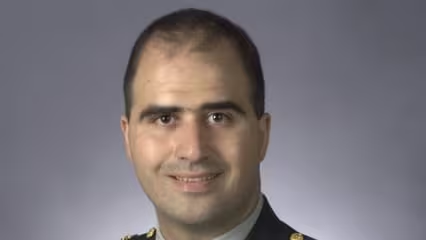
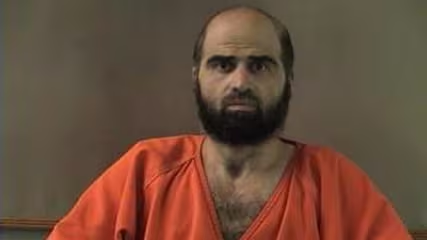
Nidal Hasan, a former U.S. Army major sentenced to death for killing 13 people in the 2009 Fort Hood shooting, is scheduled to die by firing squad on December 3, 2026 at the Fort Hood Army base. On November 24 he filed a civil suit seeking a stay of the execution, naming Col. Andrew Sergent, commandant of the U.S. Disciplinary Barracks where he is held, as the defendant.
Hasan asks for habeas corpus proceedings in which a judge would decide whether his conviction and sentence were constitutional, arguing he was barred from advancing his defense at trial in violation of due process. He also intends to argue that President Donald Trump and Defense Secretary Pete Hegseth violated military rules in setting the execution date, including by promising to broadcast his death. Attorneys from the American Civil Liberties Union Capital Punishment Project helped draft his motion, and the ACLU and ACLU of Kansas have entered appearances as standby counsel.
U.S. district judge Tony Mattivi, appointed by President Trump, set a public hearing on the stay request for 10 a.m. on November 30, 2026 at the federal courthouse in Kansas City, Kansas.
In a November 27 filing in the U.S. District Court for the District of Kansas, federal prosecutors asked the judge to deny the stay, saying Hasan had not yet filed his habeas petition and offered no justification for delaying an execution he requested nine days before the scheduled date. They called his anticipated claim that his victims posed a threat to Taliban members frivolous, and argued his claim of unlawful command influence by Trump and the secretary of war is not cognizable on habeas review, barred by laches, and meritless. The government and victims, prosecutors said, have an important interest in the timely enforcement of the sentence, noting many victims were traveling to Texas to witness the execution. The filing also noted that rather than express remorse, Hasan has justified his attack by citing America's war on Islam.
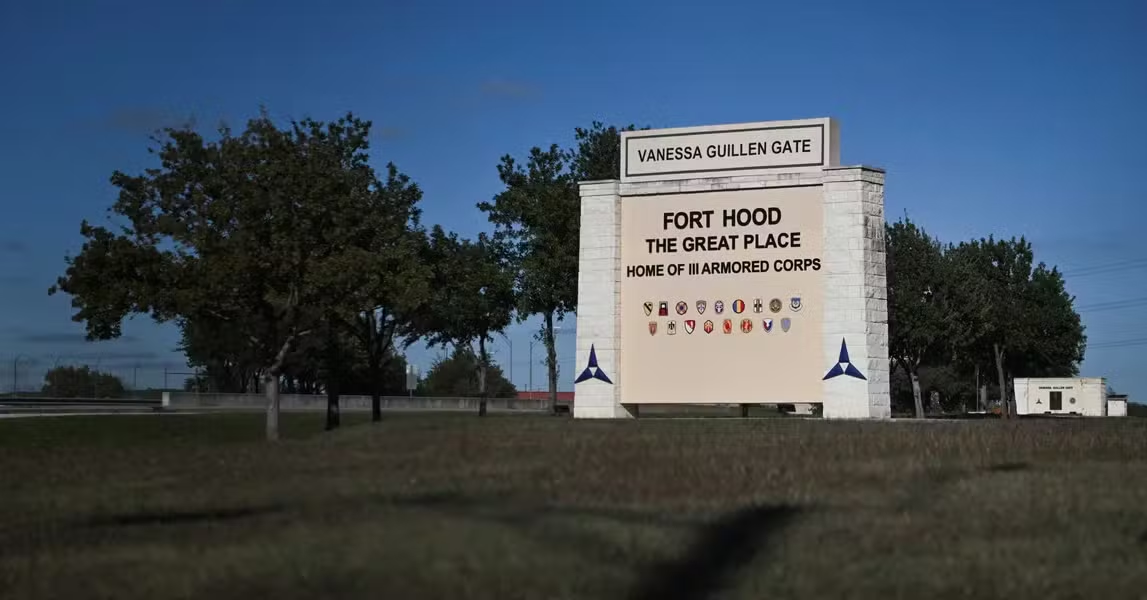
Nidal Hasan, a former U.S. Army major sentenced to death for killing 13 people in the 2009 Fort Hood shooting, is scheduled to be executed by firing squad on December 3, 2026, at the Fort Hood Army base.
Nidal Hasan filed a civil suit on November 24, 2026 seeking a stay of his execution, naming Col. Andrew Sergent, commandant of the U.S. Disciplinary Barracks where he is held, as the defendant.
Nidal Hasan requests habeas corpus proceedings in which a judge would decide whether his conviction and sentence were constitutional, arguing he was barred from advancing his defense at trial in violation of due process.
Nidal Hasan intends to argue that President Donald Trump and Defense Secretary Pete Hegseth violated military rules when setting his execution date, including by promising to broadcast his death.
Attorneys from the American Civil Liberties Union Capital Punishment Project helped Nidal Hasan draft his motion, and the ACLU and ACLU of Kansas have entered appearances as standby counsel.
U.S. district judge Tony Mattivi, appointed by President Trump, set a public hearing on the stay request for 10 a.m. on November 30, 2026, at the federal courthouse in Kansas City, Kansas.
Nidal Hasan said in his motion that he is entitled to a stay to provide him and standby counsel with sufficient opportunity to investigate, prepare, and present his habeas petition.
Nidal Hasan said he is optimistic that his execution will be delayed.
Federal prosecutors asked a judge in a November 27, 2026 filing in the U.S. District Court for the District of Kansas to deny Nidal Hasan's request to stay his December 3, 2026 firing-squad execution.
Federal prosecutors argued that Nidal Hasan had not yet filed his habeas petition and offered no justification for delaying his execution, which he requested nine days before the scheduled date.
Federal prosecutors called Nidal Hasan's anticipated claim that his victims posed a threat to Taliban members frivolous, saying his logic would let anyone declare a war unlawful and shoot U.S. military personnel with impunity.
Federal prosecutors argued that Nidal Hasan's claim of unlawful command influence and bigoted animus by President Donald Trump and the secretary of war is not cognizable on habeas review, barred by laches, and meritless.
Federal prosecutors said the government and victims have an important interest in the timely enforcement of the sentence, noting many victims were traveling to Texas to witness the execution, and cited the Supreme Court's warning that courts should police last-minute challenges carefully.
The government's filing noted that rather than express remorse, Nidal Hasan has justified his 2009 attack by citing America's war on Islam.
Federal prosecutors said Nidal Hasan's vague constitutional concerns do not come close to showing that Donald Trump or the acting Army secretary overstepped their roles.

