Houthis launched 274 attacks on Saudi Arabia since July, killing 13 at Riyadh airport
Inside Saudi Arabia, Houthi attacks test kingdom's image of security
bbc.com· 24h
Saudi Arabia prepares to delay flagship mining conference as attacks continue
ft.com· 2d
Arabie saoudite : après la frappe sur le siège de son fonds souverain, Riyad se prépare à une guerre plus intense au Yémen
lemonde.fr· 2d
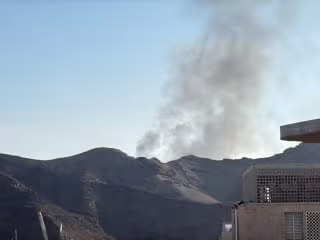
An analysis of data from the Armed Conflict Location and Event Data Project has identified 274 Houthi attacks on Saudi Arabia between 1 July and 25 November, against just one in the previous five months. The escalation followed the unravelling in July of an informal ceasefire in Yemen, since when the Houthis have stepped up drone and missile attacks on Saudi cities including Riyadh, with drones used in almost two-thirds of the attacks and ballistic missiles in more than half. Most of the 274 attacks were intercepted, but at least 41 were not.
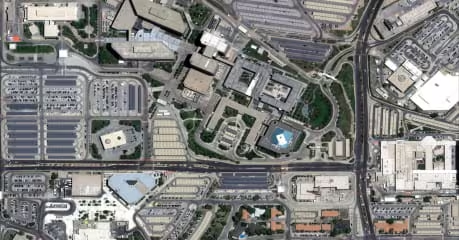
The deadliest came on 10 October, when a Houthi strike on Riyadh's King Khalid International Airport killed 13 people and injured more than 300, the deadliest attack on Saudi soil in years. The Houthis also said they were responsible for an attack on an oil facility south of Riyadh on 3 October, and strikes have additionally targeted Medina and the airport in the eastern city of Dammam. The Houthis say their attacks are retaliation for deadly Saudi air strikes in Yemen and a Saudi blockade of ports and airports in Houthi-controlled territory.
Riyadh's landmarks have been hit repeatedly. A strike on 19 November injured 11 people at the Public Investment Fund Tower, Saudi Arabia's tallest skyscraper and the headquarters of its sovereign wealth fund, and an attack on 24 November damaged the same tower for the second time in five days, injuring 11 people including foreign workers repairing floors blown out in the earlier strike. The Aramco building in Riyadh's financial district was also struck in November, though its damaged exterior was completely repaired within days.
The attacks have severely disrupted flights to Riyadh, with many passengers routed through other airports and completing the final leg of the journey by land. A Saudi-led coalition has responded with intensified air strikes, and a coalition strike on Sanaa in November killed 44 people, according to Houthi authorities.
A Houthi attack on 24 November damaged Riyadh's tallest skyscraper, which houses the Saudi sovereign wealth fund, the Public Investment Fund, for the second time in five days.
Eleven people were injured in the 24 November attack, including foreign workers who were repairing floors blown out in an earlier strike on the same tower.
Nawaf Obaid, a researcher at King's College London and a former adviser to Saudi officials, said the Houthis, with Iranian support, seek to transform Saudi economic power into a strategic vulnerability.
Nawaf Obaid said the Houthis try to affect the confidence of international investors and increase the economic and political cost of the war for Riyadh.
An informal ceasefire in Yemen unravelled in July, and since the fighting escalated the Houthis have stepped up drone and missile attacks on Saudi cities including Riyadh.
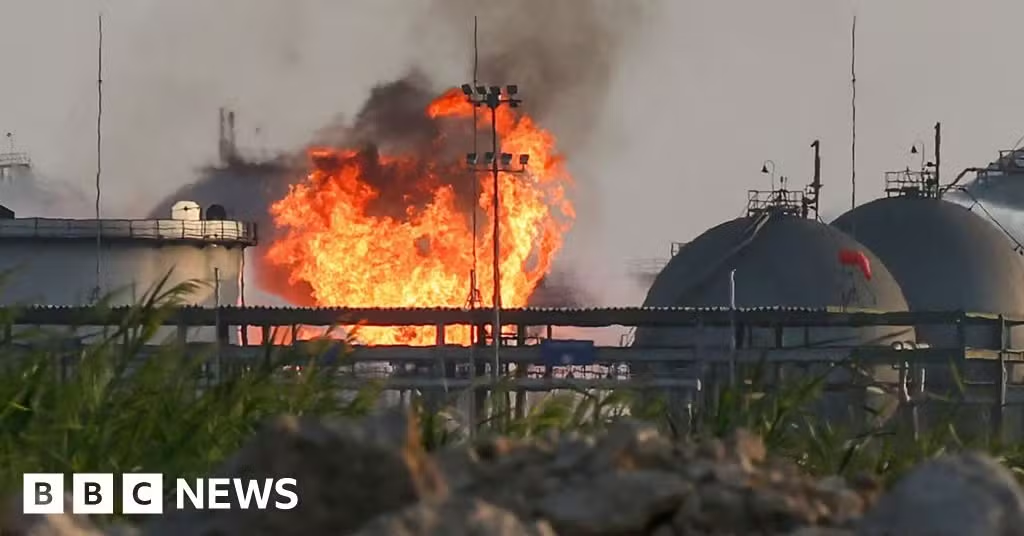
The Houthis said they were responsible for an attack on an oil facility south of Riyadh on 3 October.
The Houthis say their attacks are retaliation for deadly Saudi air strikes in Yemen and a Saudi blockade of ports and airports in Houthi-controlled territory.
A Houthi strike on Riyadh's King Khalid International Airport on 10 October killed 13 people and injured more than 300, the deadliest attack on Saudi soil in years.
Analysis of data from the Armed Conflict Location and Event Data Project identified 274 Houthi attacks on Saudi Arabia between 1 July and 25 November, against just one in the previous five months.
According to Acled, most of the 274 attacks were intercepted but at least 41 were not, with drones used in almost two-thirds of the attacks and ballistic missiles in more than half.
A strike on the Public Investment Fund Tower, Saudi Arabia's tallest skyscraper and the headquarters of its sovereign wealth fund, on 19 November injured 11 people.
The Aramco building in Riyadh's financial district was also struck in November, and its damaged exterior was completely repaired within days of the attack.
The strikes have also targeted Medina and the airport in the eastern city of Dammam.
Flights to Riyadh have been severely disrupted, with many passengers routed through other airports and completing the final leg of the journey by land.
A Saudi-led coalition has responded to the Houthi attacks with intensified air strikes, and a coalition strike on Sanaa in November killed 44 people, according to Houthi authorities.
The Saudi government condemned terrorist attacks targeting civilian and economic facilities and said it would take all necessary measures to defend itself.
Saudi Arabia said the coalition's operations were to protect the Yemeni population and global trade from the Houthis.
Majid, an engineer who witnessed the airport strike while rushing to a flight, said 'The threat is real' but that he will not let the Houthis make him feel unsafe in his own country.
Badr, a man speaking at a busy Riyadh market, said the airport attack was worrying but life quickly returned to normal, praising the security forces and saying 'I sleep comfortably.'
British expatriate Alex Malouf said he worries about the psychological impact on his 11-year-old daughter, who has experienced security alerts at school and has said 'Daddy, I'm scared'.