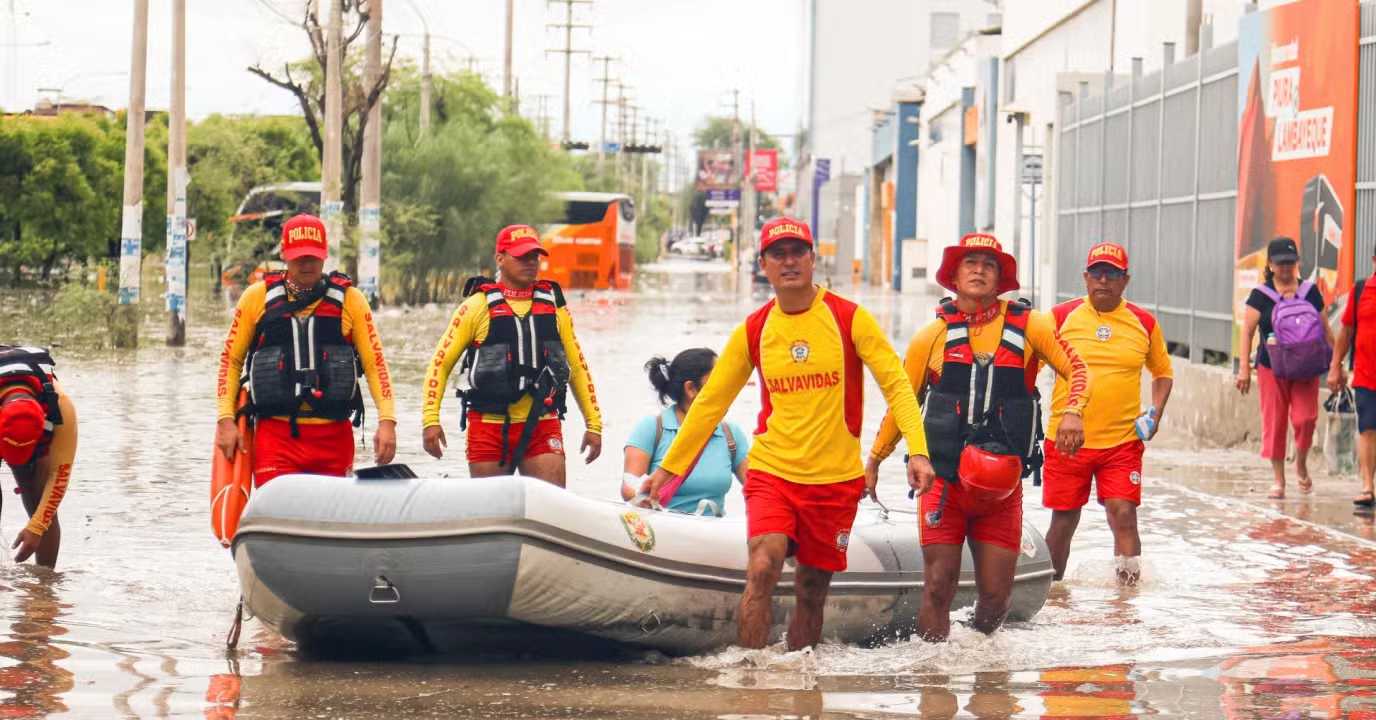
El Nino floods Peru and Ecuador, killing at least 34 as rescues continue
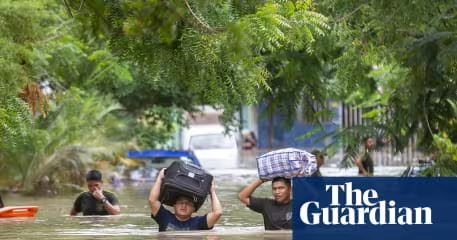
Floodwaters from a powerful El Nino swept across northern Peru and coastal Ecuador on November 28, 2026, forcing water rescues, evacuations and road closures along the Pacific coast. Ecuador's risk management agency said the downpours have killed at least 34 people since late August, including two who died on November 27 when a mudslide crashed into their homes, and that the rain has affected 47,000 people.
The floods cut through the region's roads and touched its politics. Floods and landslides damaged more than 50 road sections across Ecuador by the morning of November 28, closing at least 10, including the main highway between Quito and the coast. Ecuador's National Electoral Council said on November 27 that it had moved polling stations in five provinces and warned dozens more were at risk before local elections set for November 29, which officials had moved up from February 2027 to avoid El Nino's expected peak.
In northern Peru, the Tumbes River swallowed part of the Pan-American Highway and swelled on November 28 to nearly twice the level authorities consider dangerous, swamping homes, schools and rice and banana fields. Police rescued several ranchers trapped by its floodwaters earlier in the week.
Piura saw a record 143 millimeters of rain in 24 hours, overwhelming storm drains and leaving streets under waist-high water, and more than 2,000 families were affected in the city, according to Peru's civil defense chief Luis Vasquez. Peruvian President Keiko Fujimori toured the flooded El Chilcal neighborhood by police boat as families waited on rooftops, and said crews had pulled 400 people from flooded homes there with about a dozen still trapped. Rescuers reached the two teenage children of radio caller Henry Salazar early on November 28, after they spent two days without food on the second floor of a flooded house.
El Nino's reach extends beyond the flood zone. Peru's Culture Ministry declared a 90-day emergency at Kuelap, a pre-Inca citadel among the largest ancient monuments in the Americas, to brace its stone walls. The pattern has brought persistent drizzle to some Lima neighborhoods and unusual heat to others, with temperatures reaching 32C, nearly 10C above normal, while Pacific swells have battered hotels in coastal resort towns. Fujimori postponed a trip to Colombia as the crisis continued.
Rivers overflowed across northern Peru and coastal Ecuador on November 28, 2026, after weeks of heavy rain from a powerful El Nino, prompting water rescues, evacuations and road closures along the Pacific coast from Ecuador's Colombian border into northern Peru.
Ecuador's risk management agency said the downpours have killed at least 34 people since late August 2026, including two who died on November 27 when a mudslide crashed into their homes.
Floods and landslides damaged more than 50 road sections across Ecuador by the morning of November 28, 2026, closing at least 10, including the main highway between Quito and the coast.
Ecuador's National Electoral Council said on November 27, 2026, that it had moved polling stations in five provinces and warned dozens more were at risk ahead of local elections scheduled for November 29, which officials had moved up from February 2027 to avoid El Nino's expected peak.
The Tumbes River swallowed part of the Pan-American Highway, Peru's main north-south artery, and swelled on November 28 to nearly twice the level authorities consider dangerous, swamping homes, schools and rice and banana fields in northern Peru.
Police rescued several ranchers trapped by the Tumbes River's floodwaters earlier in the week of the flooding.
A record 143 millimeters of rain fell in 24 hours at a weather station in Piura, Peru, overwhelming storm drains and leaving streets under waist-high water, and more than 2,000 families were affected in the city, according to Peru's civil defense chief Luis Vásquez.
Police and firefighters evacuated families in Ecuador's Esmeraldas province after two rivers burst their banks.
Peruvian President Keiko Fujimori toured the flooded El Chilcal neighborhood of Piura by police boat on November 28, 2026, as families waited on rooftops to be evacuated.
Rescuers reached the two teenage children of Peruvian radio caller Henry Salazar early on November 28, 2026, after they spent two days trapped without food on the second floor of a flooded house.
Peru's Culture Ministry declared a 90-day emergency at Kuélap, a pre-Inca citadel among the largest ancient monuments in the Americas, to brace its stone walls against the coming rains.
Peruvian President Keiko Fujimori said Piura had received as much rain in a single day as it normally gets in a year, and promised emergency cash payments to families affected by the flooding.
Forecasters warned of more rain and extended a red alert for Peru's Piura and Tumbes regions through Monday, November 30, 2026.
Henry Salazar pleaded for help on a Peruvian radio station while his teenage children were trapped, saying there were people who did not want to leave their homes because they had nowhere to go.
Fujimori's government is coordinating aid from the United States and China to confront what she has called a mega Nino.
Keiko Fujimori said crews had pulled 400 people from flooded homes in Piura and that about a dozen people were still trapped inside flooded homes there.
El Nino has brought persistent drizzle to some Lima neighborhoods and unusual heat to others, with temperatures reaching 32C, nearly 10C above normal.
Pacific swells have battered hotels in coastal resort towns.
Keiko Fujimori postponed a trip to Colombia.
Ecuador's risk management agency said the heavy rain has affected 47,000 people.
Forecasters said El Nino will stay at extraordinary strength until February.
Piura resident Pierre Garavito said the storm was only the first heavy rain of the El Nino phenomenon and that he had lost everything.
Manta resident Fernanda Navarrete said residents had been soaking in mud for four days.

