
Lawmakers look to add provisions restricting remote access to chips into defense package
POLITICO's Inside Congress newsletter reports growing momentum in Congress to fold bills restricting China's access to advanced U.S. chips into the fiscal year 2027 defense package, led by the Remote Access Security Act from Sens. Dave McCormick and Ron Wyden, which would let the Commerce Department require licenses before companies give Chinese firms remote access to controlled U.S. technology rented through cloud data centers. The push gained force when alleged Chinese smuggling of Nvidia chips burst into public view in November 2026, forcing the ouster of CEO Jensen Huang. Negotiators are considering attaching the Remote Access Security Act's language to the AI OVERWATCH Act, per a Senate aide and lobbyists, and the Commerce Department issued an interim rule on Nov. 16, 2026 requiring licenses for advanced AI chips sold to overseas data centers renting computing power to Chinese companies.
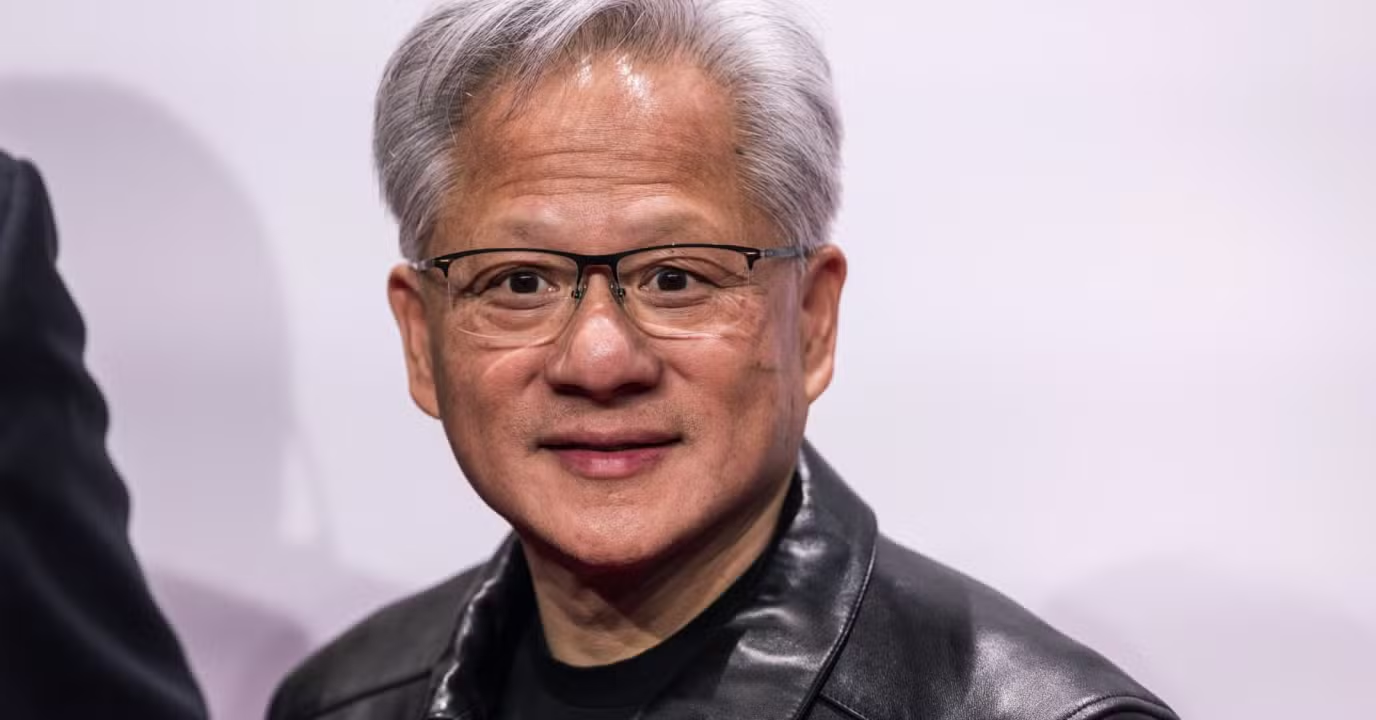
Jensen Huang scandal fuels bipartisan push to block AI chip sales to China
A CNBC news report says a scandal that forced Jensen Huang to resign as Nvidia's chief executive has energized a bipartisan push to attach stalled AI chip export control bills to the National Defense Authorization Act. Huang stepped down after reports of extramarital affairs, including one with a Chinese business executive whom U.S. intelligence believed could be a spy and who worked until 2025 at a Singaporean company under investigation for allegedly routing U.S. chips to Chinese firms. The AI Overwatch Act, the MATCH Act, and the Chip Security Act stalled in the summer of 2026, but support has grown since the scandal broke, with leaders from both parties including Chuck Schumer and Hakeem Jeffries joining the push. The stakes are high because Trump had authorized sales of Nvidia's H200 chips to approved Chinese customers in December 2025 under pressure from Huang, who lobbied against banning such sales.
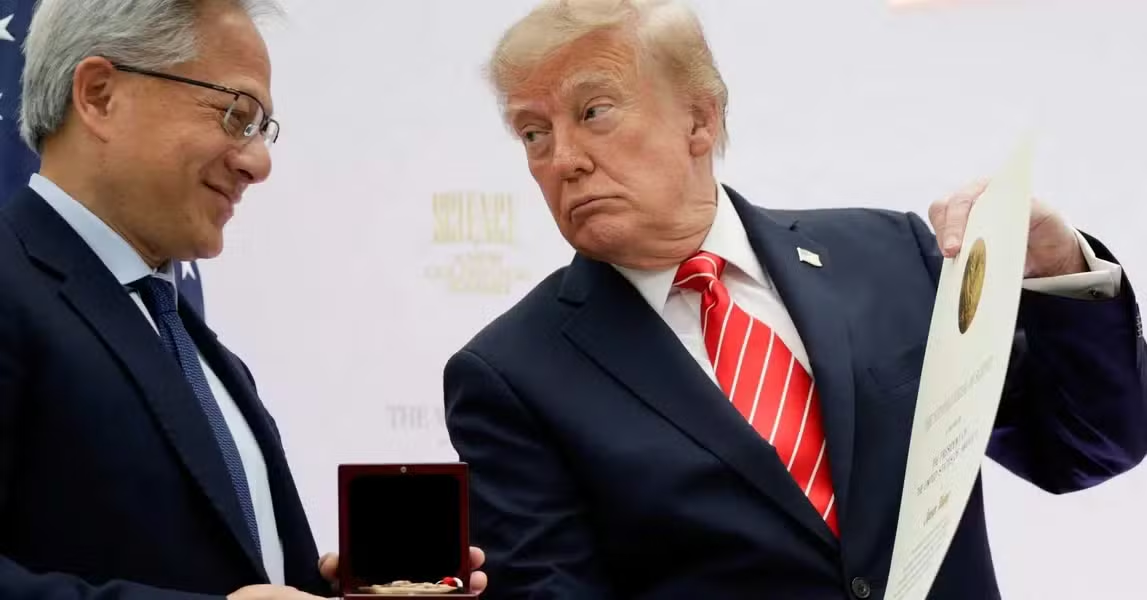
‘Five-alarm fire’: Mad dash in DC as scandal threatens to blow up Trump truce
Raw Story reports that the spy scandal that ended Jensen Huang's run as Nvidia's CEO has thrown Washington's chip lobbying into a scramble and threatens President Trump's fragile trade truce with China just before his November 19 meeting with Xi Jinping in Shenzhen. Huang had spent more than a year persuading Trump to ease restrictions on Nvidia's AI chip sales to China, and his exit has left an influence vacuum that rivals like AMD and Qualcomm and AI labs including Anthropic and OpenAI are rushing to fill with pushes for tighter export limits. A chip industry lobbyist tells Politico the fallout is a 'five-alarm fire' that makes it nearly impossible to publicly fight export restrictions, and the scandal has put Commerce Secretary Howard Lutnick in the hot seat over a reported secret warning while one senator threatens a probe of the administration.

Bessent pushes back on need for tighter chip sale legislation
Treasury Secretary Scott Bessent on 15 November 2026 pushed back on lawmakers' claims that the United States needs new legislation to clamp down on chip sales to China, saying on Fox News Sunday that the country has all the rules it needs and they just need to be enforced. Momentum on Capitol Hill to tighten export curbs through the year-end defense bill grew after revelations that Nvidia CEO Jensen Huang had an affair with alleged Chinese spy Alice Huang, an executive at Singapore-based Megaspeed, suspected of smuggling chips to China; Huang has since resigned. Bessent says the threats stem from lax enforcement, demanded Nvidia answer within 10 days whether it knew chips were reaching Chinese buyers, and said Commerce Secretary Howard Lutnick had resisted cabinet-level entreaties to crack down on Megaspeed. Bipartisan scrutiny of Lutnick is intensifying, with lawmakers including House Speaker Mike Johnson and John Moolenaar pushing for tighter export controls and for Lutnick to testify.

OpenAI tells congressional offices it supports key chip export control bills
In its Inside Congress newsletter, POLITICO reports OpenAI has privately told congressional offices it backs three bills making advanced semiconductors and chipmaking tools harder for China to access. The support tones down OpenAI's earlier advocacy for tightening export controls, a shift that came as the company deepened its financial ties with Nvidia, whose chief executive Jensen Huang has been among the loudest opponents of such curbs. The newsletter reports OpenAI could benefit from more stringent controls on foreign sales of Nvidia's chips. Lawmakers on both sides of the aisle say it is increasingly likely Congress will include at least some of the measures in the must-pass 2026 defense bill.

House Foreign Affairs chair: ‘Very likely’ chips restrictions make it into defense bill
In its Capitol Hill newsletter, POLITICO reports that House Foreign Affairs Chair Brian Mast said it is 'very likely' bills imposing new guardrails on exports of advanced U.S. chips to China will make it into the 2026 must-pass defense bill. The effort gained momentum after Nvidia's Jensen Huang resigned Thursday as CEO, president, and board chair over reports he had affairs with a woman suspected of being a Chinese intelligence asset who allegedly helped funnel Nvidia chips to China in violation of U.S. export policies. Mast said he 'absolutely' wants to investigate the Commerce Department's Bureau of Industry and Security, is prepared to subpoena Huang for testimony 'basically in a week,' and has weighed in as more than half a dozen Republicans demanded answers from Commerce Secretary Howard Lutnick over whether he put private tech interests above national security, while Senate Banking Chair Tim Scott called on both Huang and Lutnick to testify in December. OpenAI has privately told congressional offices it now supports the three export control bills, a pivot its backers tie partly to Nvidia's scandal, though President Donald Trump has been cool to tighter restrictions and previously signed off on deals letting Nvidia sell more high-end chips to China.

