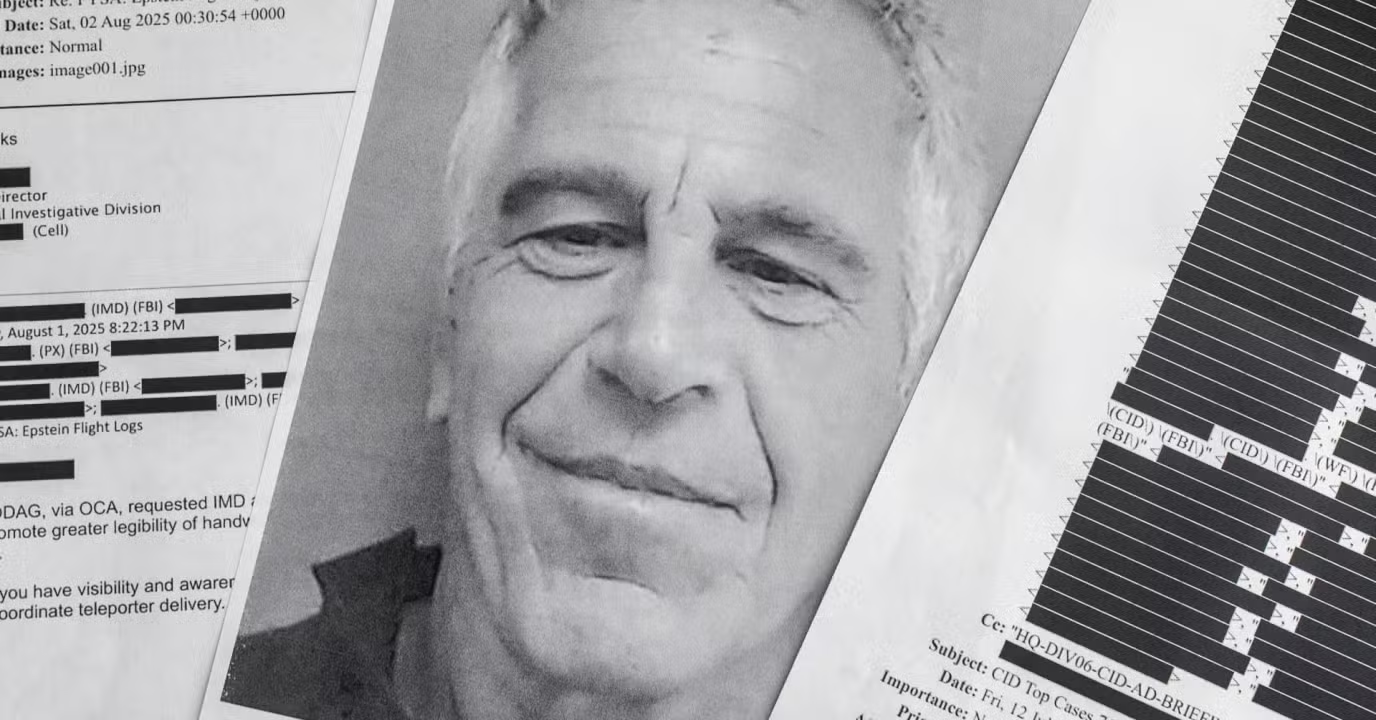
Why a trio of experts alleges Jeffrey Epstein did not die by suicide
A trio of forensic experts has released a report arguing Jeffrey Epstein did not die by suicide in his New York jail cell in 2019, as New York's medical examiners ruled, but that his injuries were most consistent with homicidal strangulation, likely with a narrow knotted fabric ligature. Michael Freeman, Anders Eriksson and Itiel Dror point to ligature marks not slanted as hanging from the bedpost would leave them, bruising on his back, shoulder and neck that the original autopsy never acknowledged, and investigative failures: no photos taken before the body was moved, the guard who found him initially refusing interview, and the medical examiner barred from visiting the prison. Dror, who studied the records with access provided by Epstein's brother Mark, says political pressure and emotion biased what should have been a scientific decision. Other experts have sided with the official ruling, noting the unusual circumstances are not necessarily inconsistent with suicide.
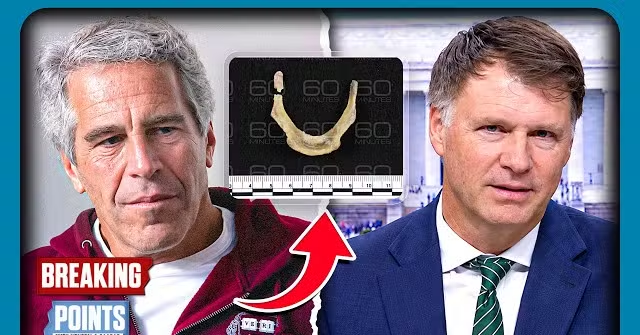
NYT FLIPS On Epstein: Expert Says IT WAS MURDER
Breaking Points centers its episode on a New York Times report that a forensic scientist now says Jeffrey Epstein was killed. Michael Freeman, given Epstein's autopsy photos and data by his brother Mark, says in BBC interview clips played on the show that hanging alone cannot explain the injuries, which are most consistent with a ligature strangulation from behind and then suspension of the body from the bunk bed, and he puts the chance Epstein staged his suicide as a homicide at one in 10,000. The hosts call the Times's willingness to print the murder theory itself newsworthy, since most viewers already assumed Epstein was killed, and Mark Epstein's account is that his brother, a fighter who always survived his jams, would not have ended his life. Other Epstein threads fill out the episode: Thomas Massie's push to force a vote on the Epstein Files Transparency Act, said to be at 218 supporters; Harvard's conclusion that it cannot remove Leslie Wexner's name from a building despite the 142 million dollars he gave and his closeness to Epstein; and Johnny McEntee's claim, played from a podcast clip, that Susie Wiles blocked early release of the files, which the hosts say offloads blame from Trump.
Epstein’s death more likely homicide than suicide, forensic expert says
A forensic expert says Jeffrey Epstein was most likely murdered, not dead by suicide, contradicting the official autopsy. Michael Freeman, editor-in-chief of the Journal of Forensic and Legal Medicine, says that after a years-long investigation he concluded Epstein was strangled, most likely from behind with a narrow knotted fabric ligature, while awaiting trial on sex trafficking charges in 2019, and that the injuries documented by the medical examiner were not consistent with suicidal hanging. The New York City Office of Chief Medical Examiner says it stands by its determination that Epstein took his own life, and his brother Mark has called for a new investigation following Freeman's comments.
Epstein neck wounds point to homicide for expert: 'Doesn’t look like a hanging mark'
A forensic expert says Jeffrey Epstein was more likely strangled from behind than to have killed himself, telling a London legal society that the pattern and multitude of neck injuries are not explained by a suicidal hanging. Dr. Michael Freeman, whose doubts began with a photo of Epstein's neck, built 3D models from the autopsy file and points to fingernail scratches, a low abrasion, and fresh bleeding in the left shoulder as signs of a struggle, faulting investigators for skipping DNA tests on the fingernails. New York City's medical examiner stands by its 2019 suicide ruling, and several pathologists say the unusual neck mark does not rule out suicide. Per The New York Times, the evidence still points overwhelmingly to suicide, and Freeman's co-authored study has yet to find a peer-reviewed publisher.
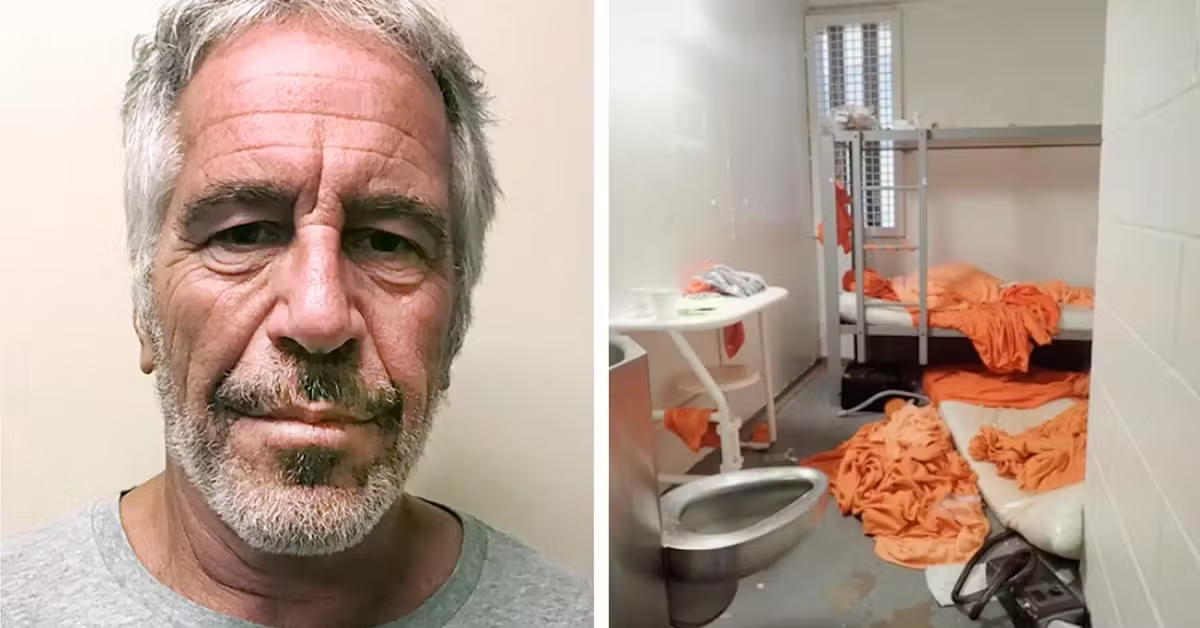
Jeffrey Epstein's death may not have been suicide, new analysis by leading forensics expert suggests
In a CBS News report, forensics expert Dr. Michael Freeman concludes that Jeffrey Epstein was likely attacked and killed by another person in 2019, making his death more likely a homicide than the suicide the New York City medical examiner ruled. Freeman, editor-in-chief of the Journal of Forensic and Legal Medicine, spent months reviewing never-before-published autopsy records and photos, and built a 3-D biomechanical reconstruction of the scene based on the account of the officer who found the body. He says the two ligature marks on Epstein's neck, a deep shoulder hemorrhage, and other injuries are not consistent with suicidal hanging and instead fit a homicidal strangulation from behind using a narrow knotted fabric ligature. His report is the second by an outside expert to question the ruling, after Dr. Michael Baden raised doubts in 2020, but Freeman acknowledges it was rejected by an academic journal, and a 2025 CBS News investigation found the prison cameras mostly not functioning and the death scene evidence poorly preserved.
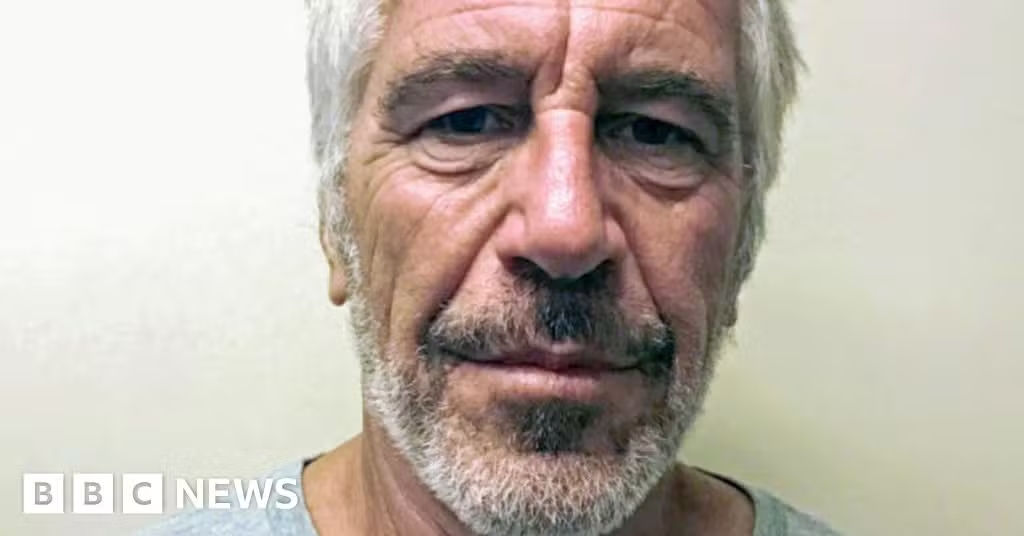
Forensic expert says his analysis raises doubts about how Epstein died
A BBC News article reports that forensic expert Michael Freeman says Jeffrey Epstein's death in his New York prison cell in August 2019 was the result of a homicide, not a suicide. Freeman, who did not see the body, bases his conclusion on the medical examiner's files and photographs obtained from Epstein's brother Mark, and says the evidence points to strangulation with a ligature from behind, with injuries such as a deep haemorrhage to the left shoulder suggesting an assault. Dr Barbara Sampson, the chief medical examiner at the time, stands firmly behind the original finding that Epstein died by hanging and the manner was suicide. Freeman, a cause-of-death expert who has advised US attorneys-general, says he was not paid by Mark Epstein and has no opinion on who might have killed him.
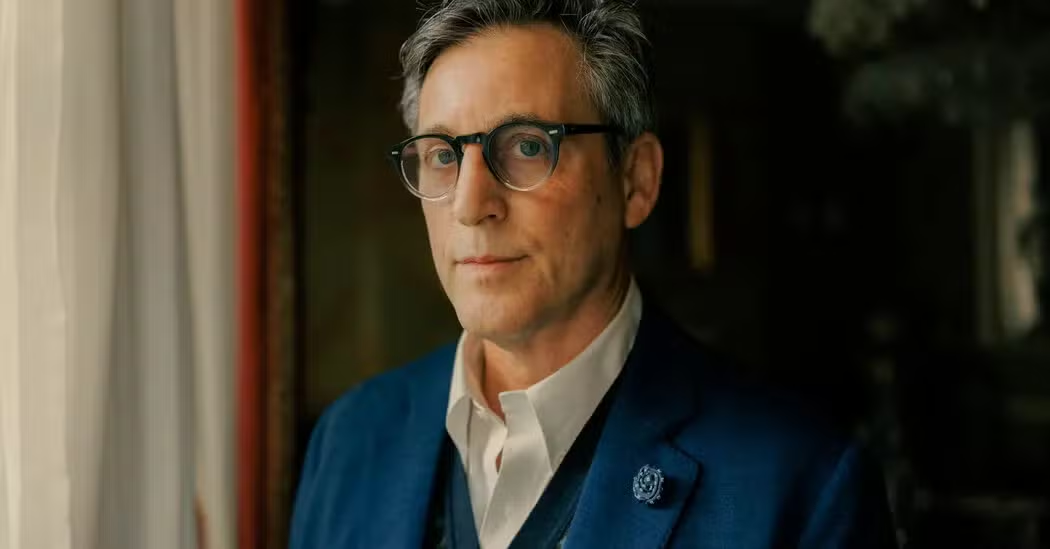
Challenging Consensus, Scientist Says Photos Show Epstein Was Killed
A New York Times news report tells how forensic scientist Michael Freeman, after a year examining Jeffrey Epstein's autopsy file obtained from the dead man's brother, argues the injuries point to homicidal strangulation rather than the suicide by hanging the medical examiner ruled. He says the neck mark was deep and ragged, unlike a textbook hanging, and cites fingernail marks, an abrasion, and a hemorrhage he says suggest a struggle, and he presented his findings at the Middle Temple in London after University College London withdrew from hosting the talk. He has been unable so far to publish in a peer-reviewed journal, and the New York City medical examiner's office says it stands by its suicide determination, while other forensic pathologists who saw some photos agree the mark was atypical but say the images alone cannot tell the full story. Freeman, who is not a board-certified forensic pathologist but has doctorates in epidemiology and forensic medicine, says he has no idea who might have killed Epstein and is focused on what he calls oversights in the death investigation.
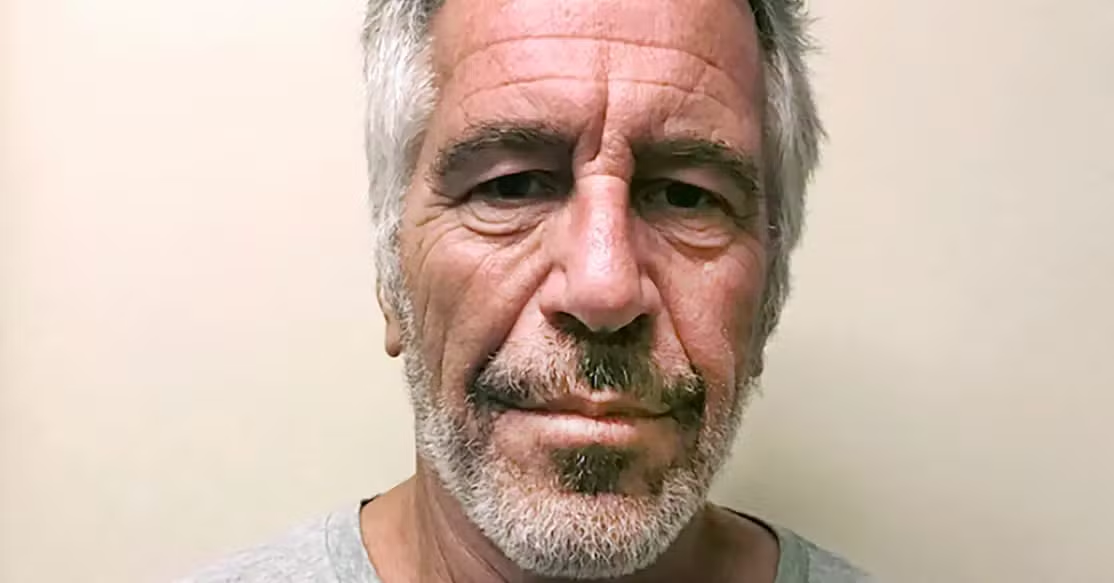
Forensic Scientist Michael Freeman Says Jeffrey Epstein Was Killed
A forensic scientist says Jeffrey Epstein was killed. Michael Freeman says he spent a year examining Epstein's autopsy file and, according to The New York Times, presented his findings at the London legal society Middle Temple. He says photos of Epstein's body suggest a struggle that ended in strangulation, telling HuffPost, "The pattern and distribution and multitude of injuries are not explained by a suicidal hanging."

