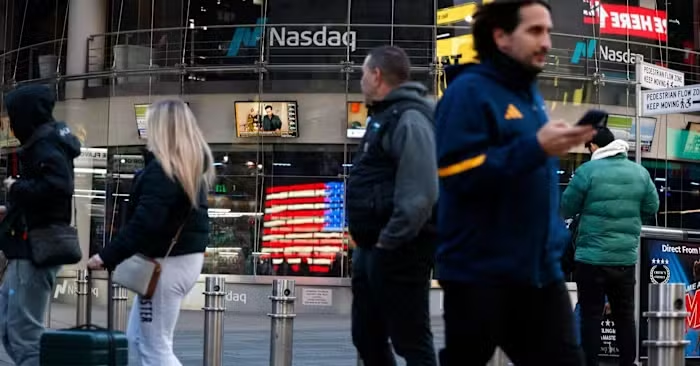
Tech stocks set for worst month in four years as volatility surges
The Financial Times reports that tech stocks are set for their worst month in four years as volatility surges.
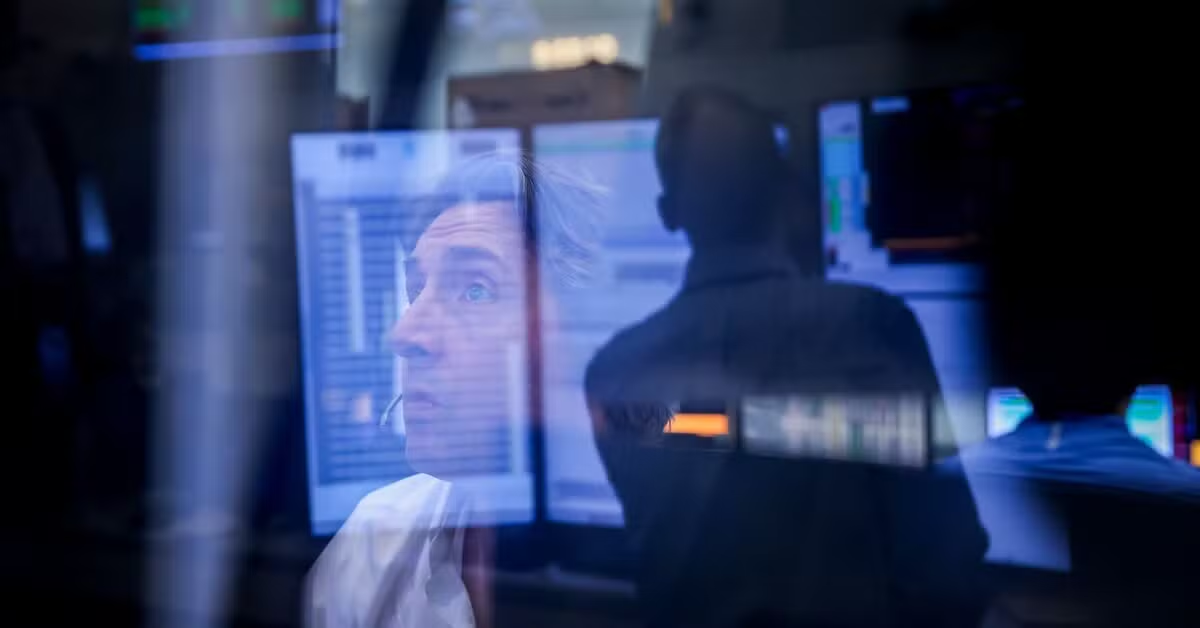
Stomach-Churning Swings Rock Wall Street as AI Doubts Creep In
Wall Street lurched through stomach-churning swings as doubts about the artificial-intelligence trade crept in, and a brief rally on Jensen Huang's return to Nvidia faded within the day. Sell orders poured in as soon as the opening bell rang at the New York Stock Exchange, with traders rushing for the exits, and just 15 minutes into the session the Nasdaq 100 Index was down nearly 5%. Huang's return rekindled bets on the AI trade and sent a wave of euphoria across Wall Street on Monday, but by the later session that euphoria had all but disappeared.
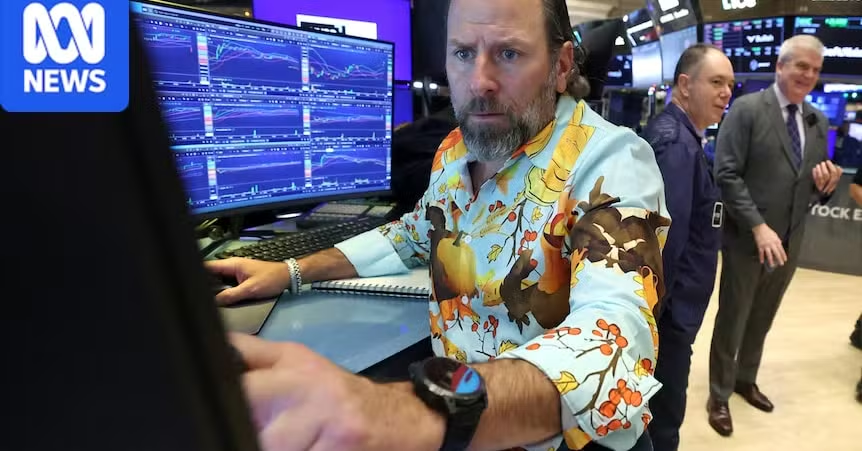
US stocks tumble as AI rout and Trump tariffs rattle markets
A Reuters report carried by abc.net.au says US stocks tumbled in early trading on Wednesday as AI-linked shares led a tech-led rout, with the Nasdaq plunging about 4 per cent amid mounting doubt over whether the debt-fuelled AI boom can deliver sufficient returns. New tariffs on 14 major trading partners, with China facing 20 per cent excess-capacity levies on top of roughly 25 per cent duties from Trump's first term, added pressure, while fear of regulatory scrutiny after the Democratic midterm sweep weighed too. The tech-heavy Nasdaq and S&P 500 were on track for their worst November since 2008, and the Nasdaq 100 briefly flirted with bear market territory; Nvidia fell 8.7 per cent. Stronger third-quarter growth and rising October inflation reinforce expectations the Federal Reserve will raise rates, which Reuters says could cloud the outlook for investors already grappling with higher-for-longer rates.

Nvidia leads tech sell-off as Huang comeback rally fizzles and AI concerns return
CNBC reports a sharp tech sell-off on Wednesday, with the Nasdaq Composite down nearly 4% and semiconductor stocks hit hardest: Nvidia slumped 8%, and the VanEck Semiconductor ETF plunged 7%, while AMD, Micron, Marvell, and Intel each fell more than 9%. The rout came after Nvidia had notched one of its best days on record Monday, when CEO Jensen Huang's return to the company briefly revived appetite for tech stocks. CNBC reports that excitement over Huang's return faded and failed to calm mounting concerns over the sustainability of the AI trade, including the high costs of the AI build-out and worries of a potential slowdown. Wednesday's declines also came as Wall Street digested a hot inflation reading that fueled concerns higher interest rates could dent demand for growth stocks.
Nasdaq, S&P 500 end down, but well off lows as investors buy bargains
On 25 November 2026 the S&P 500 and the Nasdaq fell amid a technology selloff but finished well off the day's lows as bargain hunters bought in ahead of the US Thanksgiving holiday, and the Dow rose. The Nasdaq had been more than 4 per cent lower earlier in the session, and the Nasdaq 100 briefly fell 20 per cent from its record high, flirting with bear-market territory. The selloff in AI-related stocks was fed by worries about Nvidia, where Jensen Huang resigned as CEO earlier in November before the board reinstated him on 23 November, by fears of regulatory scrutiny after the Democratic midterm sweep, and by new US tariff proposals on goods from 14 trading partners. Preliminary data put the S&P 500 down 0.25 per cent, the Nasdaq down 0.65 per cent, and the Dow up 0.31 per cent, with the S&P 500 down roughly 5 per cent for November.

Market sell-off picks up steam, as Jensen Huang’s Nvidia return fails to calm AI fears
U.S. stocks fell sharply on Nov. 25, 2026, led by AI-linked companies, largely erasing the rally two days earlier sparked by Jensen Huang's surprise reinstatement as Nvidia's CEO. The Nasdaq 100 was down more than 4%, the S&P 500 nearly 3%, and Nvidia shares slid 7%, pushing the Nasdaq 100 deeper into bear market territory. Anthropic's shares, down to $78, about 10% below their IPO price, further damaged AI sentiment. The Trump administration's newly announced tariffs on top trading partners and a rise in core inflation to 3.3% added pressure, raising the likelihood of a Fed rate hike that could raise the costs of the tech giants borrowing hundreds of billions for AI data centers.
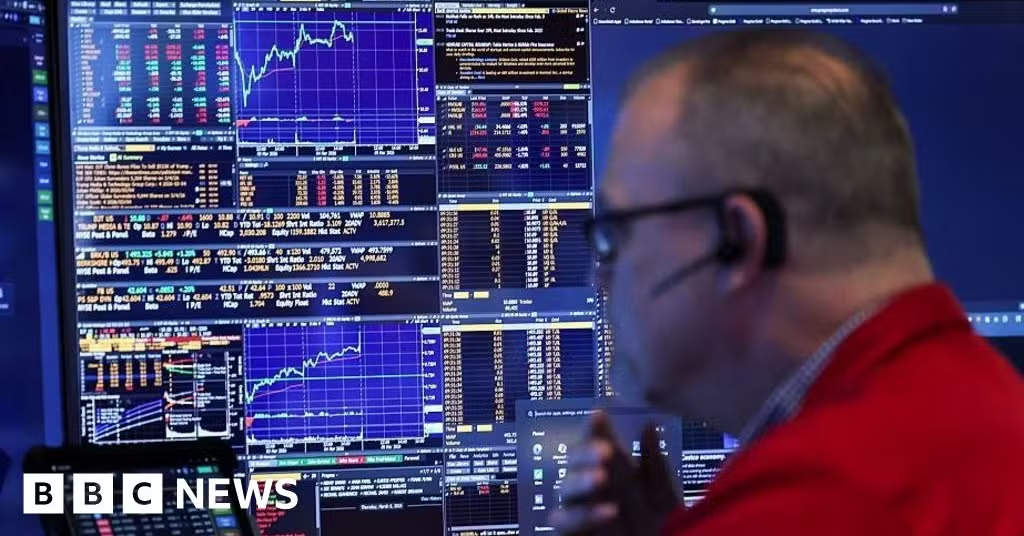
US stocks fall further as fears over AI intensify
A BBC News report says shares in big technology firms connected to AI continued to fall on Wednesday, with stock in Nvidia and Anthropic dropping sharply in early trading. All three main US stock market indexes were down, with the tech-dominated Nasdaq down almost 4%. The declines come amid concerns over the level and sustainability of AI investment that have rattled investors in recent weeks.
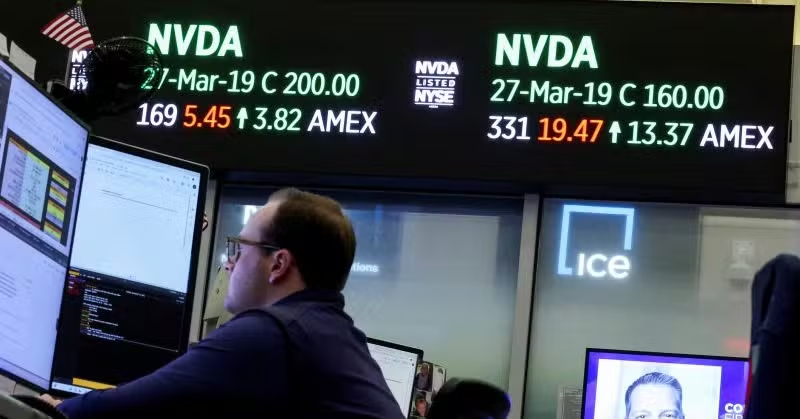
Tech stock sell-off deepens as AI fears outweigh Huang’s Nvidia return | CNN Business
A US tech sell-off deepened on Wednesday as investor doubts about the sustainability of the AI boom outweighed the lift from Nvidia's reinstatement of Jensen Huang as CEO just 11 days after he stepped down over reports of multiple extramarital affairs. The Nasdaq fell 3.8% and Nvidia slid 8.5%, despite Huang's return having sent the stock up more than 30% on Monday. Fresh tariffs from President Donald Trump and data pointing to a Federal Reserve rate hike in December added to the nerves. Anxiety rippled worldwide, with South Korea's Kospi closing down 6.2% and now 48% below its June peak.
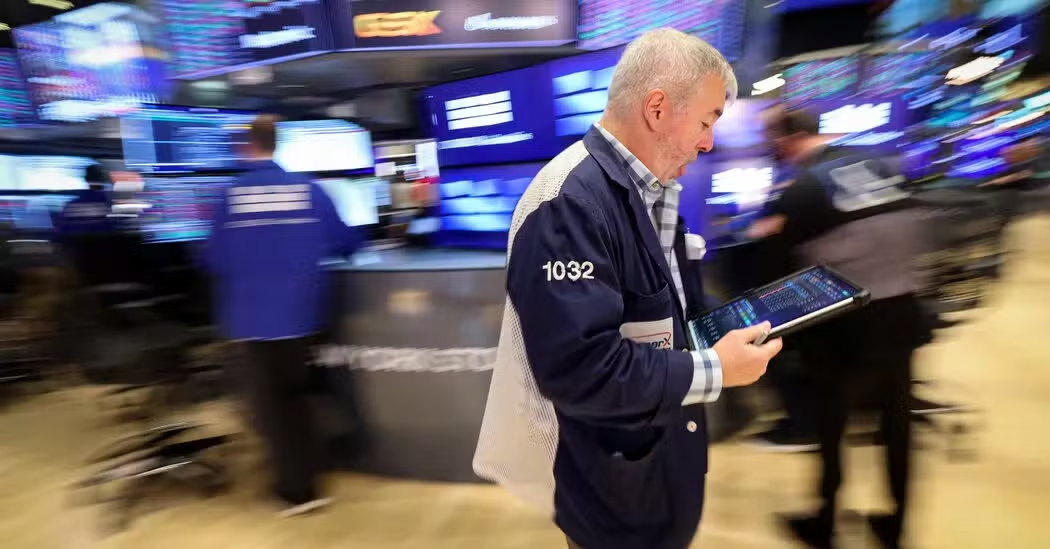
Stock Sell-Off Set to Continue as A.I. Players Fall Again
A New York Times business article reports that the sell-off in U.S. stocks was set to continue on Wednesday, extending the previous day's losses as investors fret about the durability of the artificial intelligence boom. Futures for the S&P 500 dropped roughly 2 percent and the Nasdaq Composite fell nearly 3 percent, with indexes in Taiwan and South Korea tumbling and ASML, critical to global chip making, down more than 3 percent in Europe. At the center of the turbulence is Nvidia, whose shares surged more than 30 percent Monday after the reinstatement of Jensen Huang but have since given up much of that gain, while Anthropic's futures fell roughly 4 percent. Investors were also bracing for possible new Trump tariffs and an inflation report due Wednesday that could influence interest rates, which Fed officials are widely expected to raise in December.
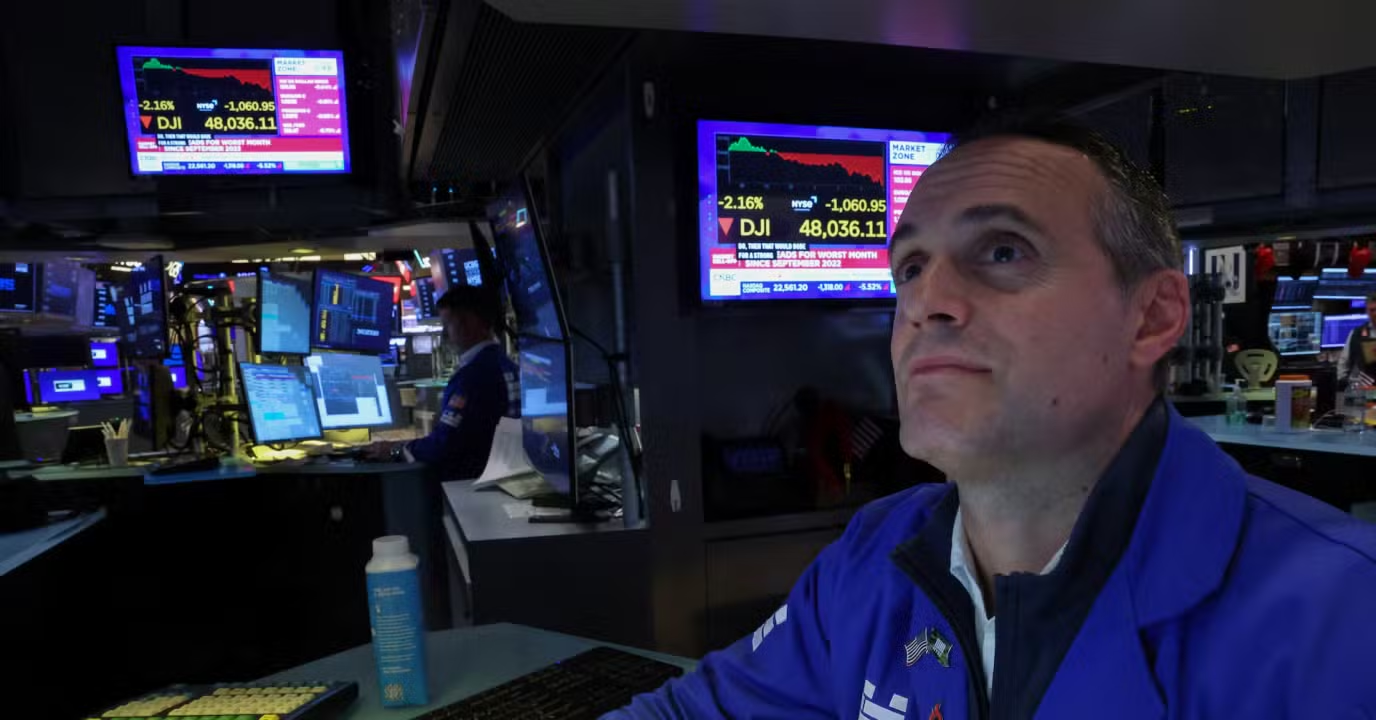
AI stocks slide on fears over infrastructure buildout costs
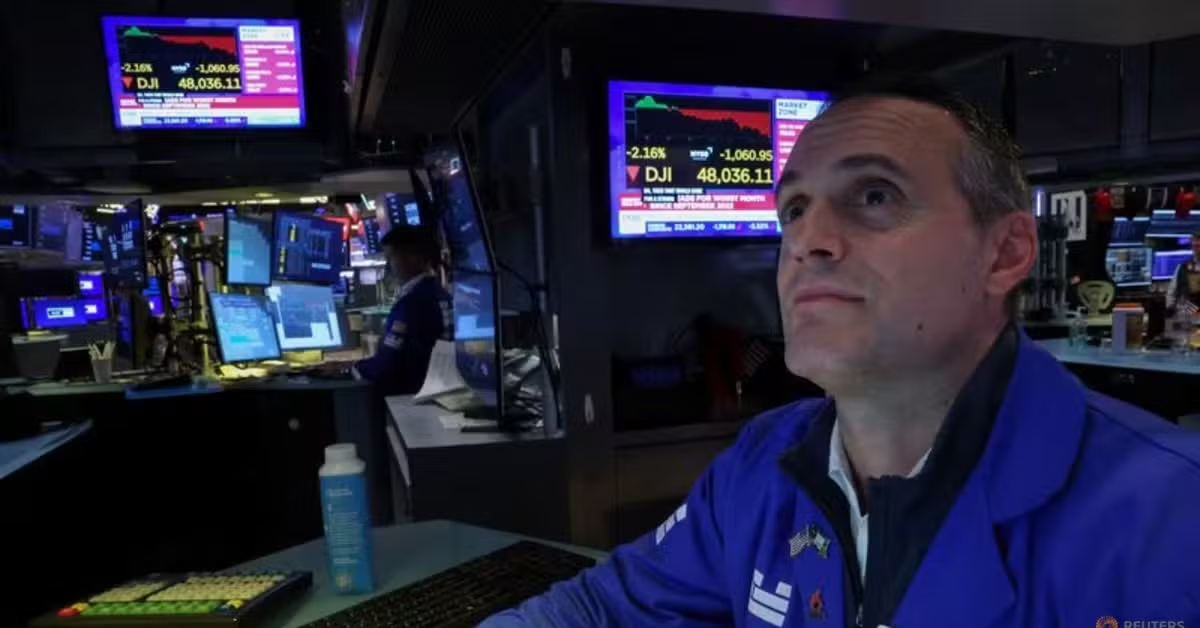
AI-linked stocks extended their slide on November 25, 2026, as investors weighed the soaring cost of the AI infrastructure buildout against its uncertain returns. The Nasdaq-100 fell 4.3% and was on track to erase more than $1.5 trillion in market value, briefly dropping 20% below its October 6 record close, the level that would confirm a bear market. Chipmakers, server makers and data center operators all fell, with Nvidia down 8.4% after its rally sparked by CEO Jensen Huang's rehiring lost steam. Investors are punishing shortfalls and offering little reward for beating expectations: Dell fell 5.7% even after raising its forecasts for the third time this year, and HPE tumbled 16.3% the day before despite raising its outlook. Worries also include heavy debt-fueled spending, with credit-default spreads at Oracle, Alphabet, SpaceX and CoreWeave hitting record levels.
AI stocks slide on fears over infrastructure buildout costs
A Reuters business article reports that AI-linked stocks extended their slide in premarket trading on 25 November 2026, with chipmakers, server makers and data center operators all falling as investors weighed the soaring cost of the AI infrastructure buildout against its returns. The concern has set a punishing bar: Dell slumped 7.2 per cent despite raising its annual forecasts for the third time in 2026 and HPE tumbled 16.3 per cent after raising its full-year revenue outlook. Credit markets show the strain too, with five-year CDS spreads at Oracle, Alphabet, SpaceX and CoreWeave hitting record levels and the yield on CoreWeave's bonds due 2031 rising to almost 18 per cent. Investors' focus on the big and rising cost of building AI means good earnings and impressive forecasts no longer lift sentiment, says Swissquote Bank senior analyst Ipek Ozkardeskaya.

Futures sink further into the red as tech worries resurge
In its Morning Squawk newsletter, CNBC reports stock futures sinking further into the red as tech worries resurge, with Nvidia shares under pressure in premarket trading, weighing on Nasdaq futures and the rest of Wall Street. Jensen Huang's reinstatement as Nvidia CEO has brought back 'key-man risk' concerns, and he defied calls to adjust his succession planning, telling an all-staff meeting, according to CNBC sources, that a succession plan would create unnecessary hierarchy. Chipmaker Ambarella is plunging almost 40% premarket after giving fourth-quarter revenue guidance well below expectations, while Asian tech stocks tumbled overnight with SoftBank down as much as 15%. Deutsche Bank analysts say the moves are 'back to the rotation trade rather than the indiscriminate sell-off' and lack the characteristics of outright bear markets, and a raft of economic data is due at 08:30 a.m. ET, including GDP, PCE, and durable goods figures.

Nasdaq futures slide over 2% as AI losses deepen; inflation data in focus
Nasdaq futures tumbled more than 2% on 25 November 2026 as losses deepened in AI-linked stocks, with chipmakers leading the declines: Nvidia down 5.1%, Micron off 6%, AMD down 6.5%. Reuters reports Wall Street has been rattled in November by mounting doubts over whether the debt-fueled AI spending boom will generate sufficient returns, and the S&P 500 and Nasdaq remained on track for their worst November since 2008. Markets were awaiting the US PCE inflation report, due at 8:30 a.m. ET, with Fed funds futures traders pricing a 97% chance of a December rate hike. Anthropic traded below its $83 IPO price at $81.90 a week after its blockbuster debut, and Dell fell 6% despite raising its annual forecasts.
Stock futures are flat as traders await key inflation report, assess tech sell-off: Live updates
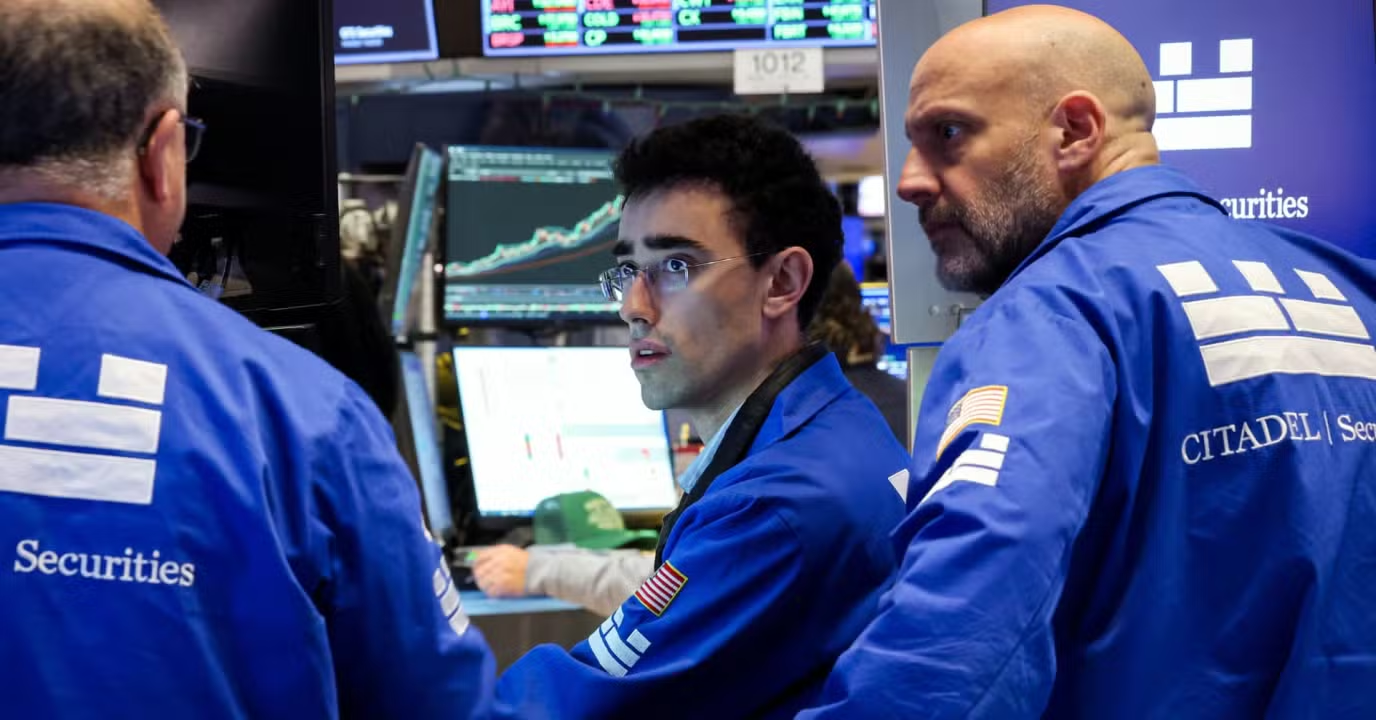
Stock futures were little changed Tuesday night after a tech-driven slide dragged the S&P 500 down 0.5% and the Nasdaq 1.5%, with traders awaiting the October personal consumption expenditures price index due Wednesday morning. Nvidia sank and Anthropic fell below its IPO price, while chip designer Ambarella plunged 39% in extended trading on fourth quarter revenue guidance well short of the $112 million analysts expected. The Dow, less exposed to tech, bucked the slide, climbing more than 400 points. Schwab's Liz Ann Sonders told CNBC the AI sell-off predated news around Nvidia's Jensen Huang, citing concerns over capex and the data center build-out. Economists expect the PCE reading to rise 0.3% monthly and 3.8% annually.

How major US stock indexes fared Tuesday 11/24/2026
AI stocks dragged the US stock market lower on 24 November 2026 after their surge from the day before quickly fizzled. The S&P 500 fell 36.08 points, or 0.5%, to 7,201.09, its eighth loss in the last nine days, and the Nasdaq composite dropped a market-leading 1.5% to 23,733.54 on tech weakness. But most stocks outside tech climbed, and the Dow Jones Industrial Average rose 423.39 points, or 0.9%, to 50,018.70. Anthropic's stock dropped back below its IPO price, and the market has been mostly sinking since setting its all-time high in October 2026.
Live: Wall Street retreats again as AI stocks dumped, ASX set to fall
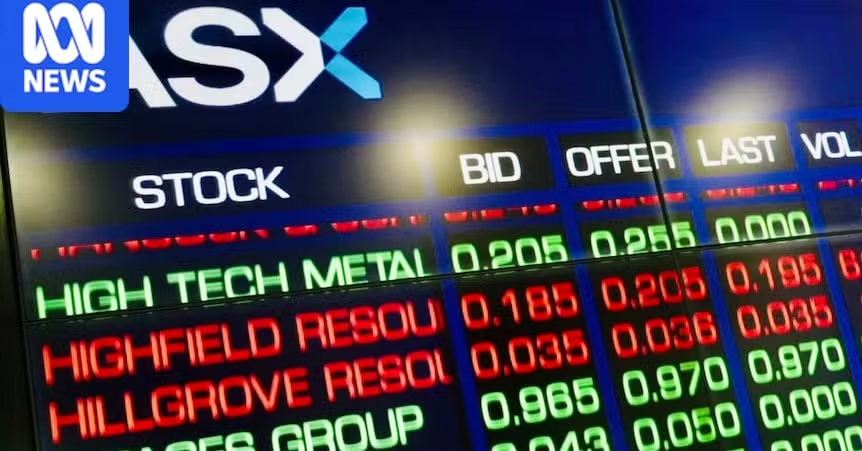
In his live markets blog, Stephen Letts reports that Wall Street's rally has spluttered to a halt as investors resume selling AI-related stocks, with the AI-related stock Anthropic falling below its listing price. He expects the ASX to endure its eighth losing session out of the past nine, with futures at 7am AEDT pointing to a 0.3% decline. He says October CPI data is forecast to show inflation jumping again on higher fuel prices, rising 0.4% over the month to 4.8% year on year, while construction work figures are expected to rebound after a Q2 contraction.
Nasdaq futures drop as AI stocks cool after Nvidia-fueled rally
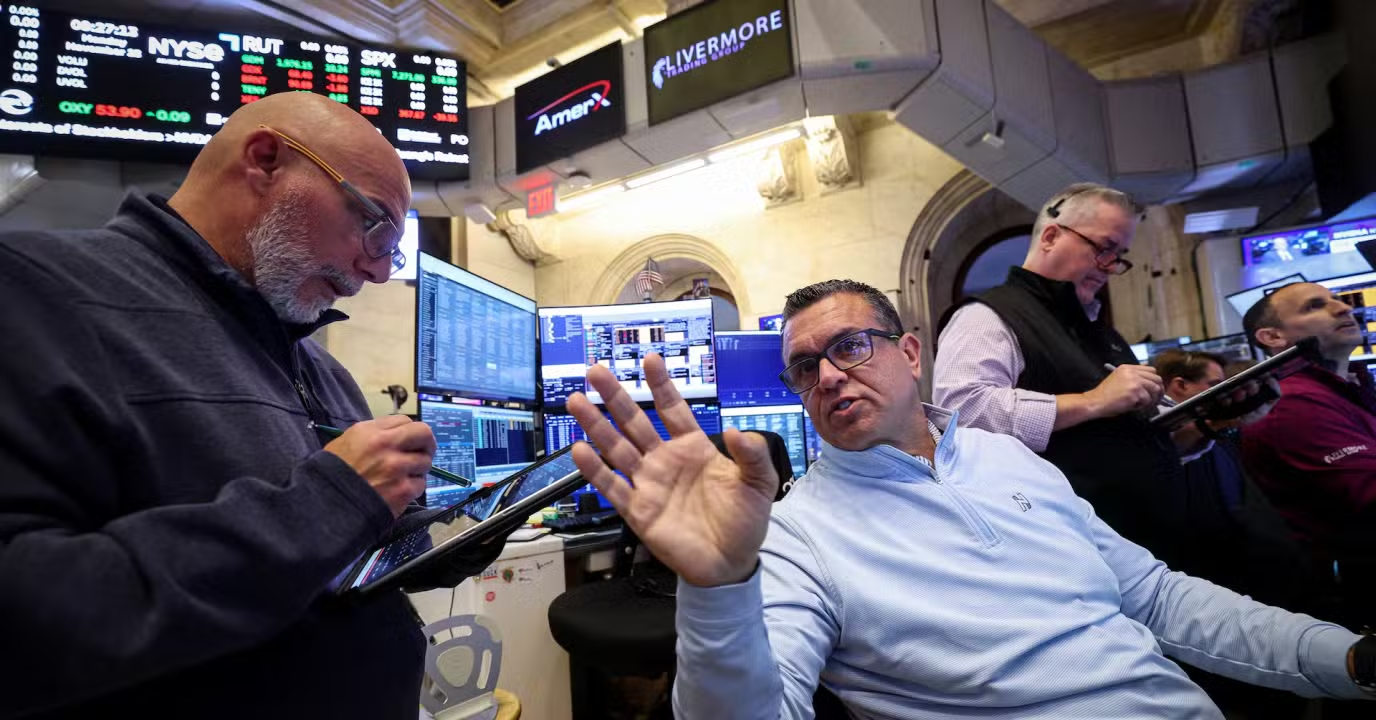
Nasdaq futures led declines among US stock index futures on 24 November 2026 as AI-linked shares lost steam following Wall Street's Nvidia-fueled rally, with investors awaiting that week's inflation data before the Federal Reserve's December meeting. The pullback followed outsized gains on 23 November, when Jensen Huang was reinstated as Nvidia's CEO and the stock surged 31.5%, adding nearly $1 trillion in market value, though Nvidia shares eased 5.2% in premarket trading the next day. Other AI-linked names also fell, with Micron, AMD, and Marvell down between 3.9% and 6.4% in premarket trading, and money markets fully pricing in a 25-basis-point Fed rate hike in December according to CME Group's FedWatch tool. XTB's Kathleen Brooks said the Nvidia decline was to be expected after such a large rally and that in her view dovish Fed comments are the only way to stabilize tech stocks in the long term.
Stock Market News, Nov. 24, 2026: Nasdaq Resumes Selloff as Nvidia, Anthropic Shares Slump
The Wall Street Journal's market report finds tech stocks resuming their selloff on Nov. 24, 2026, a day after Jensen Huang's return at Nvidia sparked the best day for U.S. stocks since April 2025. The Nasdaq fell 1.5%, Anthropic slid 6.5% to below its IPO price, and Nvidia gave back part of its record gains, while the Dow rose 0.9%. Huang, reinstated, told staff he was in therapy and apologized for violating Nvidia's code of conduct. The Journal writes that his return could support the AI trade but judges that it does not resolve the big uncertainties, whether data-center spending can be maintained and whether the investment will pay off.
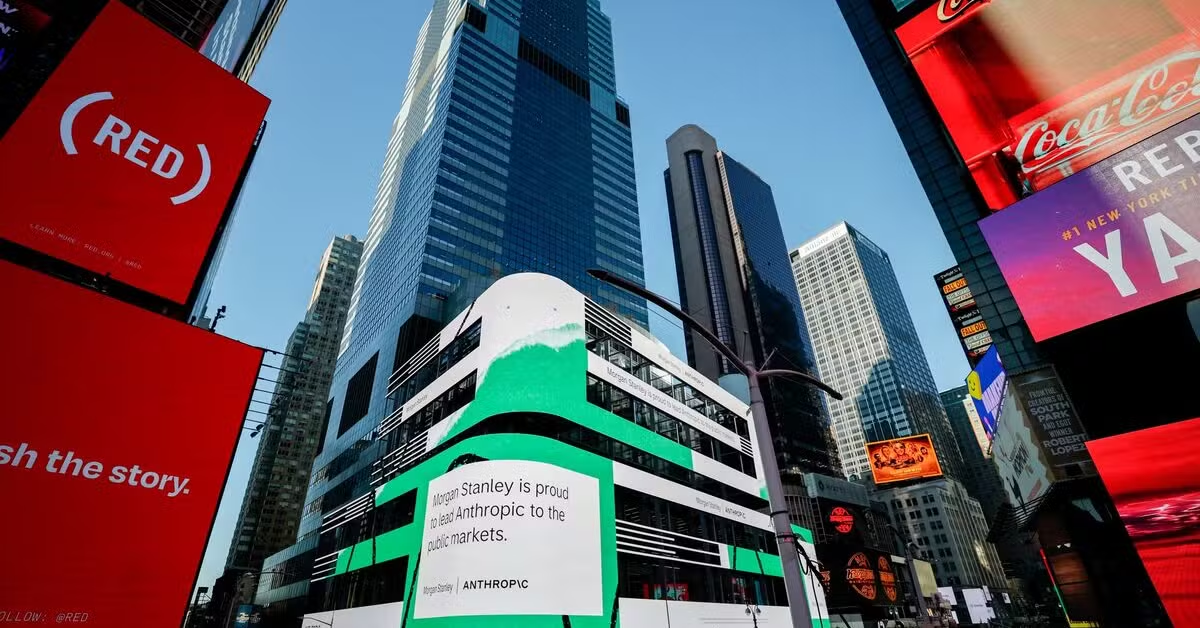
Nasdaq 100 Tumbles as Nvidia Euphoria Fades, New Tariffs Floated
The Nasdaq 100 Index sank as much as 3% and finished 2% lower on Tuesday, 24 November 2026, led by another steep decline in chipmakers as a relief rally in technology stocks gave way to renewed worries about the durability of the AI trade. The fall reversed much of Monday's surge, when the index jumped almost 7% on news of Jensen Huang's surprise return to lead Nvidia, whose shares dropped nearly 6% after gaining 31% the day before. Bloomberg reports plans for new US tariffs also weighed on stocks, while the S&P 500 fell 0.5%.
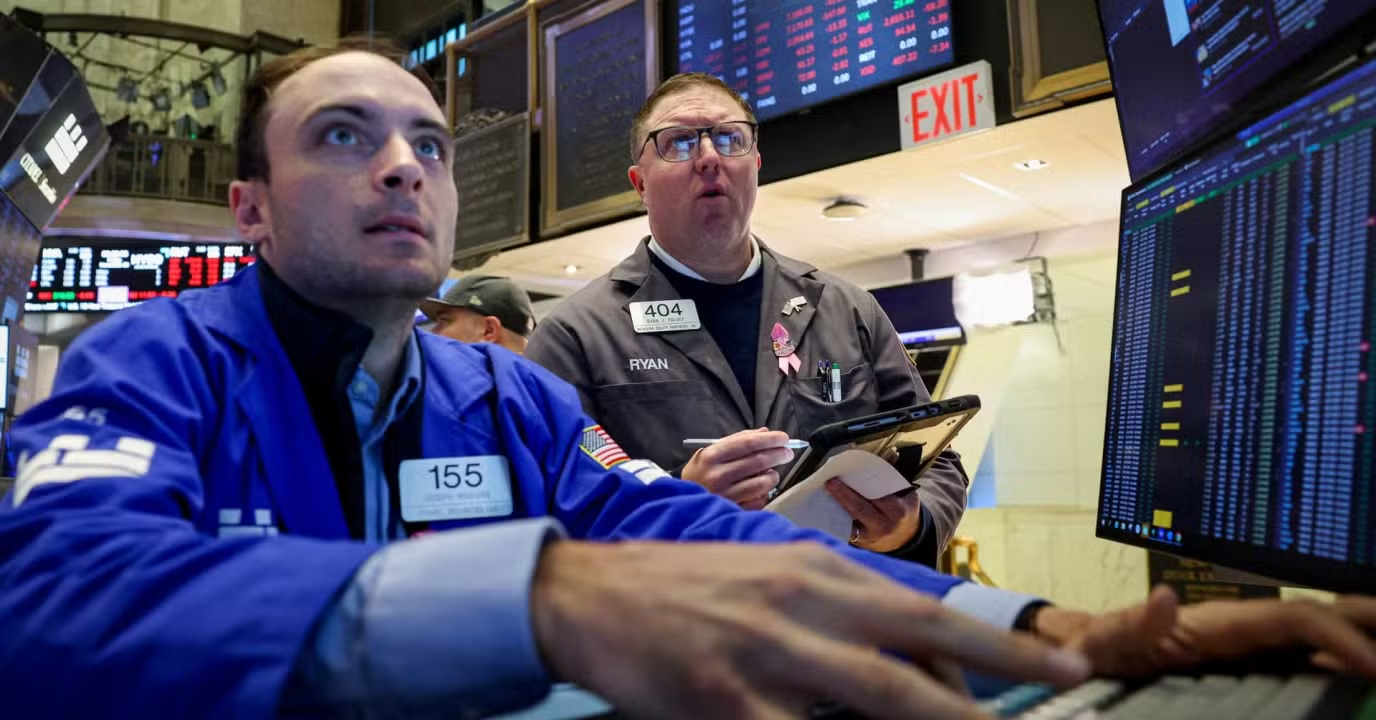
Futures rally after Wall Street's nightmare week
CNBC's Morning Squawk newsletter reports that U.S. stock futures rallied on Monday, with Dow futures up over 1.5% premarket, as markets sought to recover from a nightmare week that left the S&P 500 and the Dow more than 10% below their records and cost the Nasdaq Composite its gain for the year. The bounce gained steam despite a rough handover from Asia, where tech stocks sank, while European tech rallied and chip stocks including Nvidia, which fell around 14% on Friday, rebounded. Commentators saw no reason to panic, with Goldman Sachs' Sharon Bell saying valuations are not at dotcom-era excess, though Wharton's Jeremy Siegel warned of many "trend riders" in the market. A decent rebound looks set to help major markets crawl away from correction territory.

Stocks are tumbling. Has the AI bubble finally burst?
A USA TODAY analysis asks whether the November 2026 stock selloff marks the bursting of the AI bubble, after major indexes fell into correction territory: the S&P 500 dropped 12% from its record high to 6,910, the Dow sank 12%, and the tech-heavy Nasdaq fell about 18%. The article traces the decline to compounding factors: Democrats swept the midterms and signaled a crackdown on AI data centers, Nvidia ousted CEO Jensen Huang over an affair with a suspected Chinese spy, and the Federal Reserve is widely expected to raise interest rates. Analysts say the deeper worry is that AI stocks were priced to perfection for years, with the S&P 500's CAPE ratio topping 40, higher than at any time except the dot-com bubble peak. Nvidia's reinstatement of Huang on Nov. 23 delighted Wall Street and lifted stock futures, but analysts note most of the pressures, like the election results and coming rate hikes, are not ephemeral.
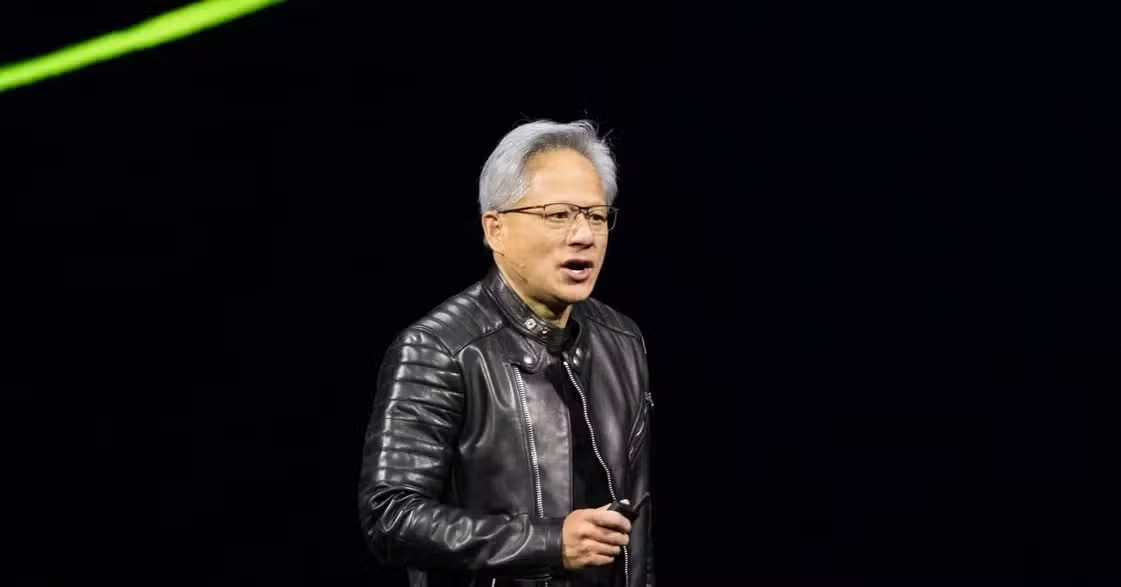
Nvidia Shares Slump After Historic Rally
Nvidia's shares were down roughly 5.5% on Tuesday, a day after surging more than 31% and adding nearly $1 trillion in market value when the board unanimously reinstated Jensen Huang as CEO. The comeback came after the board had ousted Huang over affairs, including one with Alice Huang, whom U.S. intelligence suspects of being a Chinese spy, and followed an intervention from President Trump, who says he convinced the board and "made the deal." The Financial Times reported Trump's financial disclosures show he may have owned as many as 370,000 Nvidia shares as of Sept. 30, worth up to $15 million after the stock soared. The Wall Street Journal's editorial board condemned Trump's move, writing that the president admires the way China's Xi Jinping "can give orders to private companies and ignore the law when it suits his purposes."
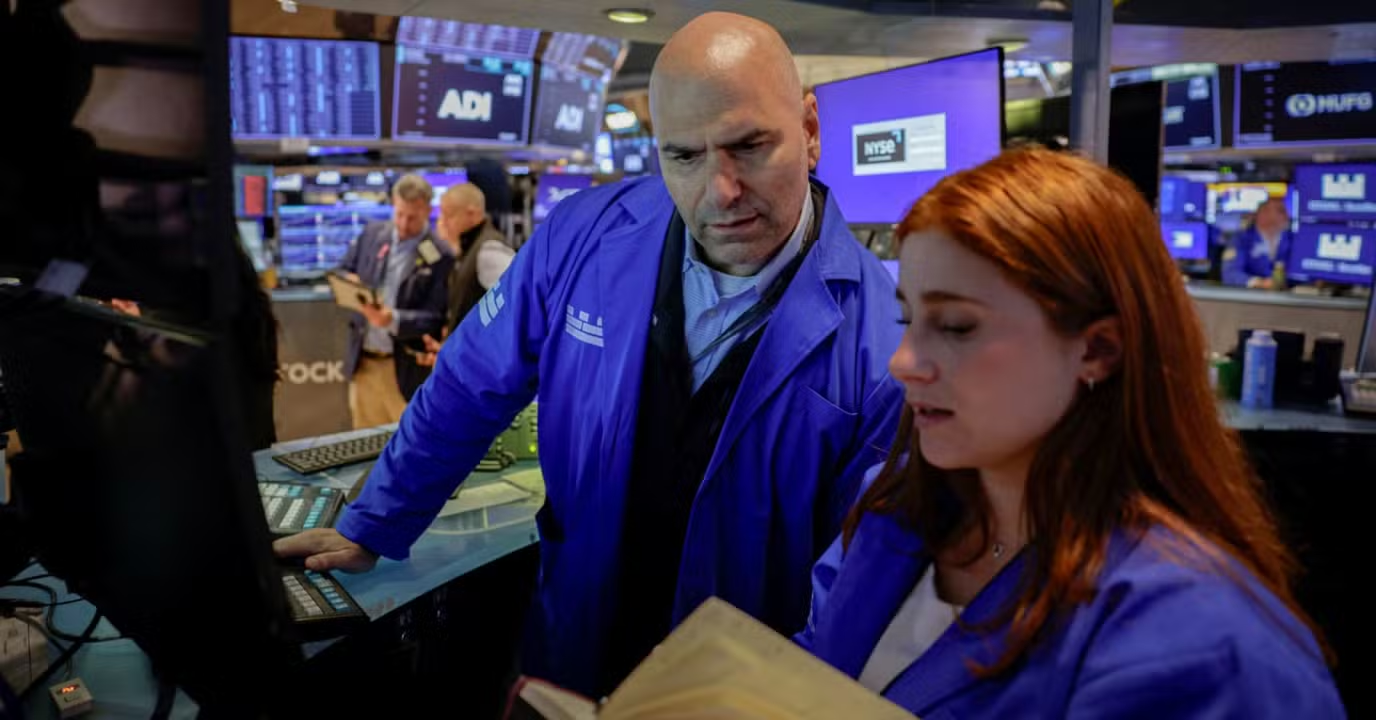
Stock futures rebound to start shortened week after tech rout: Live updates
U.S. stock futures rebounded Sunday evening as Wall Street began a shortened holiday week, with Dow futures gaining 412 points, or 0.8%, and S&P 500 and Nasdaq-100 futures rising 1.1% and 1.9%. The bounce follows a week when worries about the artificial intelligence trade drove the worst weekly declines for the Nasdaq Composite and the Dow in more than six years, leaving all three major averages in correction territory. CNBC's live updates report notes investors are watching to see whether the sell-off marked a durable bottom or if equities have further to fall. Roundhill's Drew Pettit said Friday's indiscriminate selling beyond tech suggests the sell-off may be concluding, though the burden of proof is on the bulls.
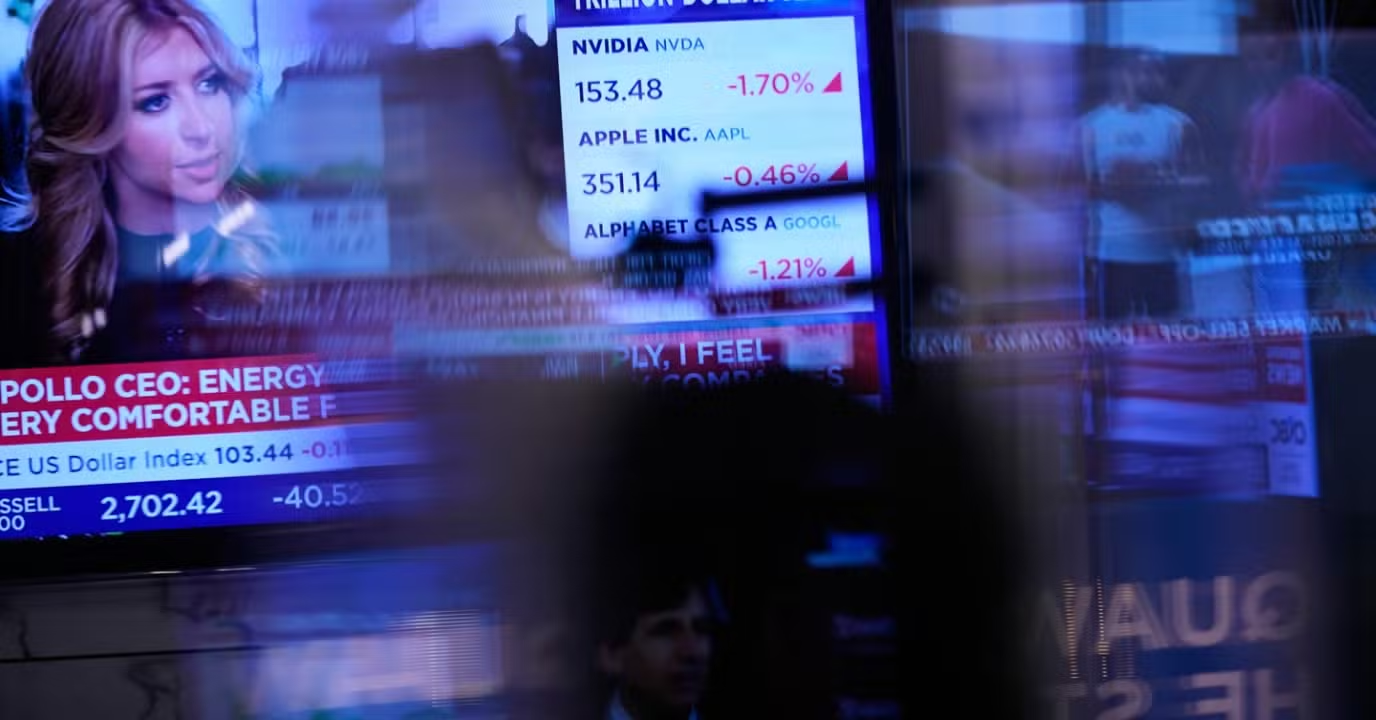
Wall Street reels as AI-linked companies spark massive sell-off in the US
Wall Street closed sharply lower on Friday, November 20, dragged down by a plunge in AI-linked stocks, in a sell-off that followed Anthropic's initial public offering, which Le Monde calls the largest in history. The S&P 500 dropped 3.7% and the Nasdaq Composite fell 5.28%, erasing nearly 18% from its October 6 high and turning negative for the year after several years of double-digit growth. Le Monde describes the week as one of the worst for US stocks since March 2020, with Nasdaq companies losing more than $4 trillion in market value, and calls the sell-off a total and unequivocal collapse. Anthropic's own stock fell 8.5% on Friday, wiping out nearly all the gains from its debut day.
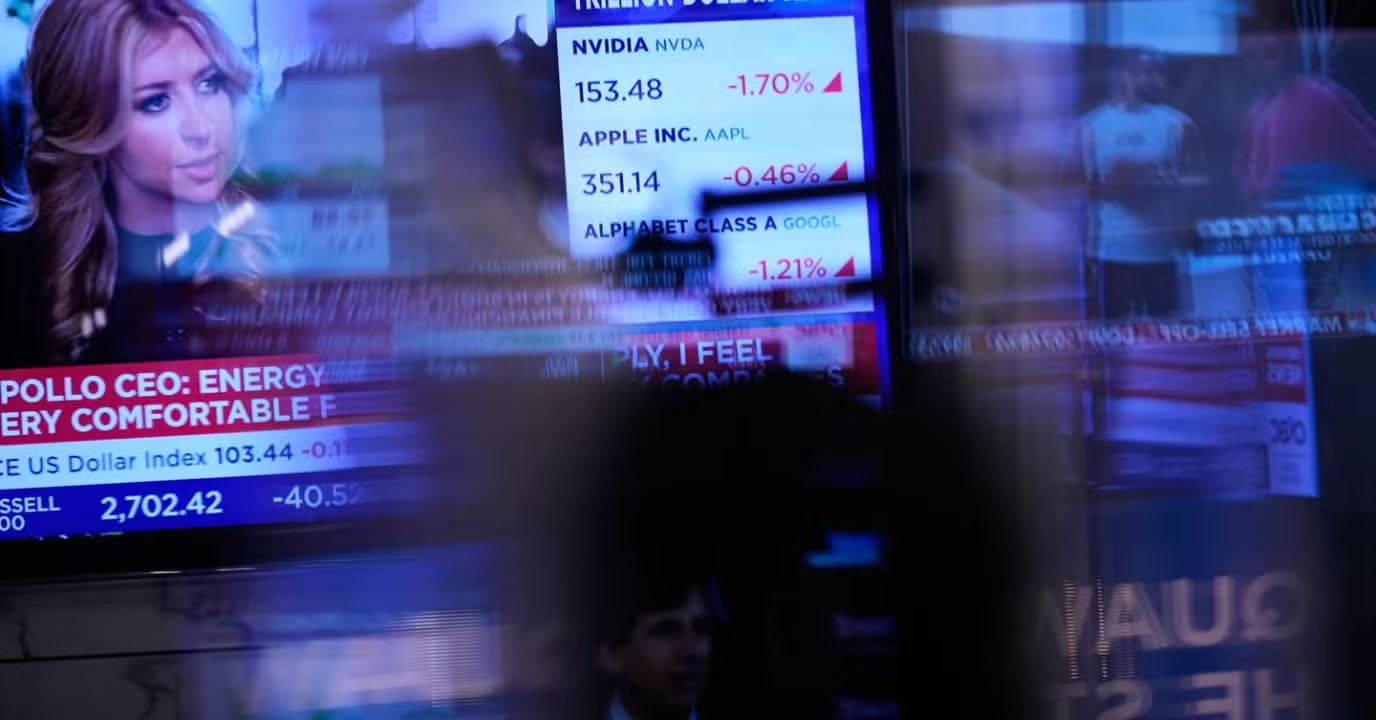
Aux Etats-Unis, Wall Street en déroute après la dégringolade des sociétés liées à l’intelligence artificielle
Wall Street closed sharply lower on Friday 20 November, dragged down by a plunge in everything tied, closely or loosely, to artificial intelligence. The S&P 500 lost 3.7% on the day and more than 10% over a month, past the commonly accepted threshold for a 'correction', while the tech-heavy Nasdaq fell 5.28%, erasing nearly 18% since its record high of 6 October. The Dow Jones, less weighted to technology, lost 1.93%, and the market ended one of its worst weeks since March 2020. The Nasdaq now stands in negative territory for the year after several years of double-digit growth since ChatGPT's launch, and the sell-off came the day after Anthropic's IPO, which Le Monde calls the largest in history.
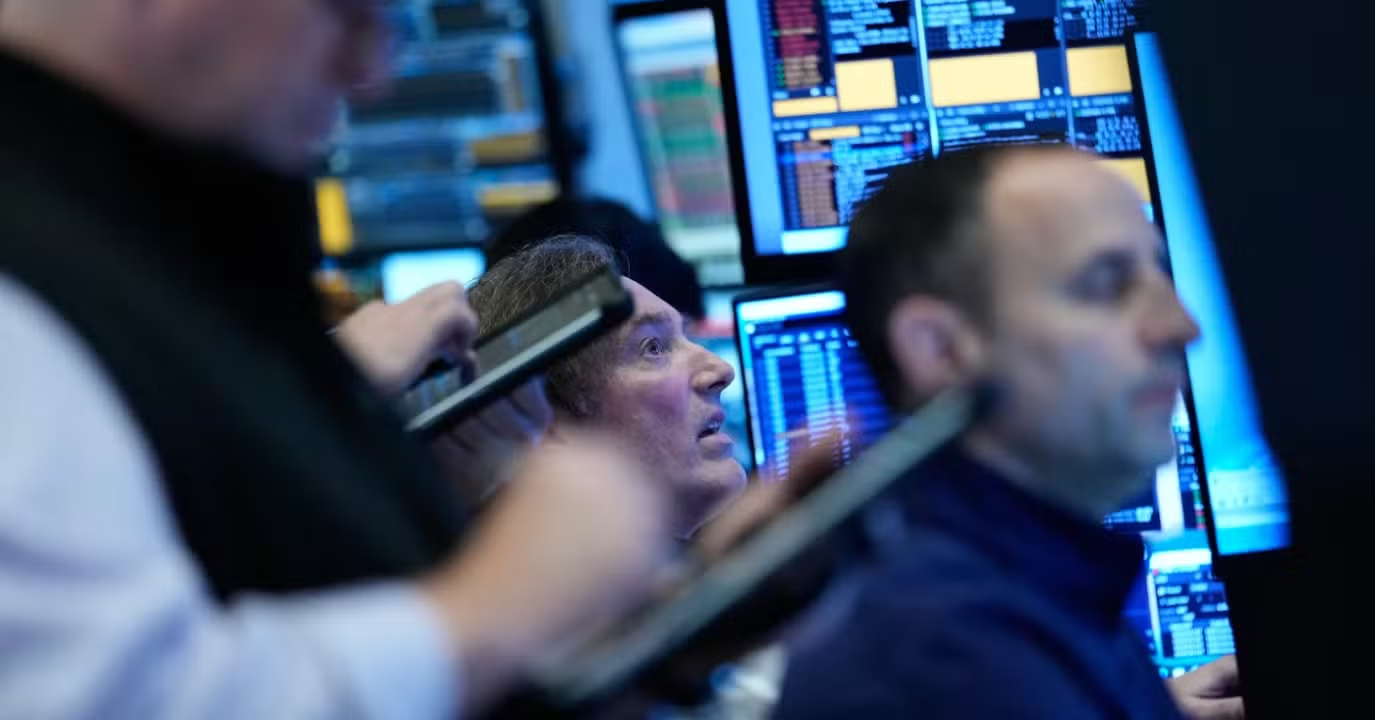
S&P 500 sinks 3.7% and the Nasdaq composite goes negative for the year
A sell-off in artificial intelligence stocks pulled the S&P 500 down 3.7% on Friday, November 20, 2026, its worst weekly loss in more than 18 months, and knocked the Nasdaq composite, which slumped 5.3%, into negative territory for the year. The S&P 500 is now in a correction, more than 10% below its October 6 high, after a seven-day losing streak. Chipmakers bore the brunt: Nvidia closed 13.8% lower and has dropped more than 25% since the Jensen Huang scandal erupted earlier in November, while Anthropic's stock, the biggest public offering ever, fell 9.1% the day after its IPO. The selling spread overseas, with Japan's Nikkei and South Korea's Kospi each down more than 5%. The Associated Press reports the AI trade is losing steam over worries that AI stocks' big values and heavy spending are unjustified, fears worsened by midterm wins for candidates advocating slower data center construction, though one strategist quoted says the bull market that began in 2022 is not over.
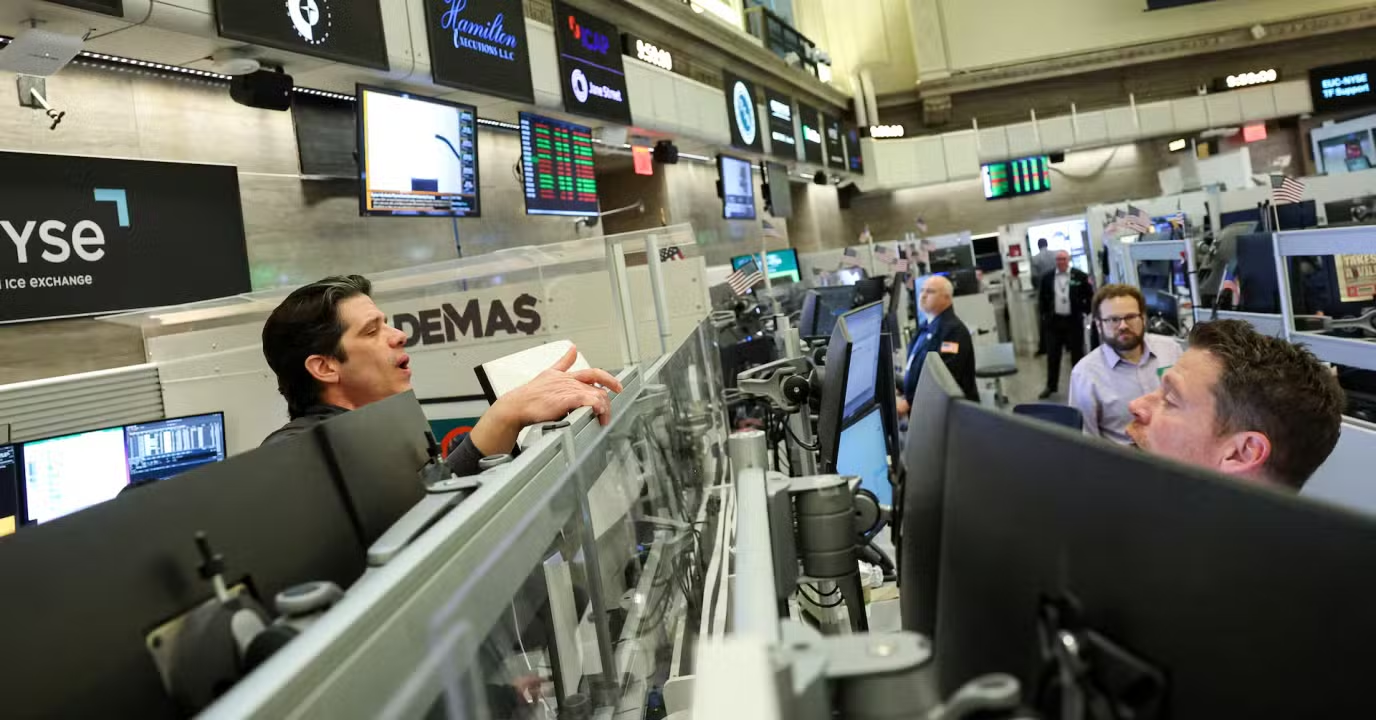
AI tech rout prompts US investors to rush into value stocks
Wall Street rushed out of AI and tech stocks into value shares and Treasury notes on 20 November 2026, as a rout confirmed the S&P 500's correction and put value investing on track to beat growth for the first time since 2022. The Nasdaq dropped over 5%, its biggest weekly decline since March 2020, while the S&P 500 lost 3.7% to stand 12% below its record close, hobbled by a 48% slump in Nvidia, which has shed more than $2.2 trillion of market value since the October high. Anthropic's shares fell within a whisker of their IPO price, a day after a record debut that briefly valued the AI lab above $2 trillion. The pullback partly reflects expectations that high inflation readings will force the Federal Reserve to raise rates, though many analysts and portfolio managers say the AI trade is not impaired and Jim Awad of Clearstead Advisors views the selloff as a normal violent correction in a long-term upward trend.
Dell Stock Plunges 10% in the AI Selloff and Heads for Its Worst Month Since Its 2018 Return to the Stock Market. Earnings Are Tuesday
A 247wallst.com article by Jeremy Phillips reports that Dell Technologies fell 10% to $281.12 on November 20, 2026 as the selloff in AI and chip stocks deepened, leaving the stock down 34% in November and on pace for its worst month since its 2018 return to the market, and it happened with no company news. Phillips reads the drop as investors cutting AI hardware holdings ahead of earnings: peers like Hewlett Packard Enterprise, Nvidia and Super Micro fell too, though Dell's own numbers arrive Tuesday, November 24. He recommends watching the report's AI server orders and backlog, where a backlog near $95 billion would show demand holding while a sharp drop would feed the worry that customers pulled orders forward, along with margins, cash flow and the full-year outlook.

US tech sell-off continues as Anthropic tumbles after mega IPO
Anthropic's stock fell about 9.5 percent on 20 November 2026, a day after its listing, in a widening sell-off of artificial intelligence stocks on Wall Street. The stock remained above its offer price of $83.30, but the article says the IPO, seen as a proxy for the AI trade, had done little to reverse the gloom hanging over the sector. AI stocks, behind Wall Street's 2026 gains, are now driving the slide, with worries about unjustified valuations and heavy spending, and the losses spread to Nvidia, Meta, Amazon, Microsoft and chipmakers like AMD. Catalyst Funds' David Miller says investors still believe in AI but are becoming more selective about what they will pay for that growth.
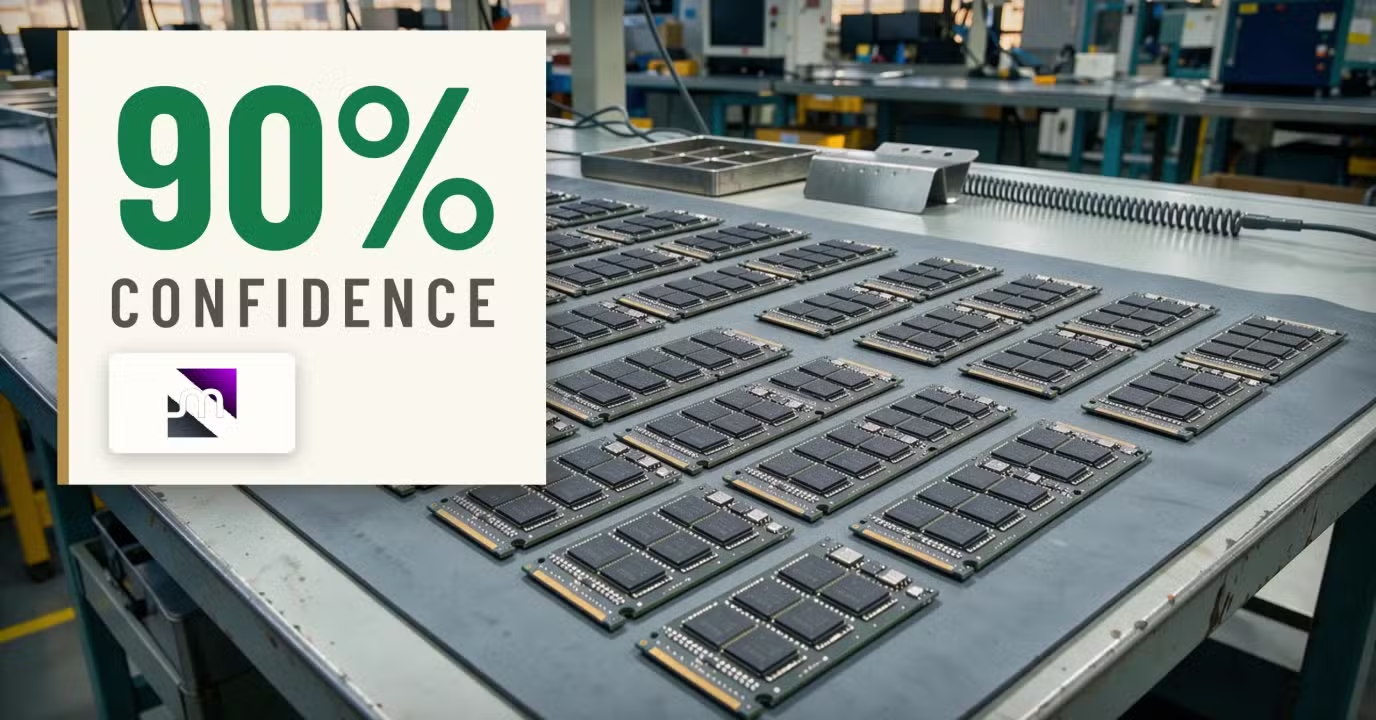
Micron Stock Plunges 13% as Barron's Calls Memory Stocks 'Agonizingly Cheap'; Western Digital, SanDisk and Seagate Sink in AI Chip Selloff
Memory and AI chip stocks sold off hard for a second day on November 20, 2026: Micron fell 13% to about $603, leaving it 50% below its June record, while Western Digital, SanDisk and Seagate each dropped 12% or more. The selloff came the same morning Barron's called memory stocks 'agonizingly cheap,' arguing they are priced for a bust that has not yet shown in the numbers, with Micron at 3.4 times expected fiscal 2027 earnings and management saying more than 75% of its 2027 output is already committed to customers. The article argues that much of a typical memory bust may already be in Micron's price, noting that in its last two busts the stock stopped falling long before earnings did, and that one year after those lows the stock was up 91% and 39%. It cautions that the bust before those two ran to 74%, so three cycles is a small sample, and quotes Barron's writer Jack Denton: 'There's always a chance that bad news could make the stocks even cheaper.'

Applied Digital and Core Scientific Sink 12% as AI Infrastructure Sell-Off Deepens; TeraWulf Tumbles 10%
In a November 20, 2026 financial article, David Moadel reports that Applied Digital and Core Scientific each fell 12% and TeraWulf dropped 10% as a sell-off in AI infrastructure stocks deepened. All three companies pivoted from Bitcoin mining to hosting AI workloads under long-term leases, which the article argues leaves them sensitive to any doubt about AI spending and to the cost of financing their build-outs. Sentiment toward these names had weakened over the prior two months on doubts about the durability of Big Tech cloud spending and debt-fueled business models, and Michael Burry said on X that he 'tried to warn' investors about CoreWeave and other neocloud and chip names. The sell-off came amid a broader market retreat, with the S&P 500 down 1% and set for its longest losing run since 2020, and the article recommends a cautious approach until the AI infrastructure spending debate resolves.

Stock Market Today: Anthropic's Mega-IPO Sends Stocks Lower for a Second Day
In its market report for November 20, 2026, 247wallst.com says Anthropic's slide after its Nasdaq IPO is sending stocks lower for a second day, a selloff it reads as driven mainly by doubts about AI valuations rather than falling rates. The maker of Claude, trading under ticker ANT, counts Amazon and Alphabet among its largest shareholders, so the article says the drop hits their paper gains directly. Before the open, premarket ETF proxies for the S&P 500, the Nasdaq-100, the Dow, and the Russell 2000 were each down 2%, a day after the Dow closed below 50,000. For index-fund holders, the article advises, how Anthropic trades after the open is the clearest early sign of whether the AI selloff is easing.

Tech stocks fall as Anthropic IPO fails to stem broader AI sell-off
Tech stocks fell as Anthropic's initial public offering failed to stem a broader sell-off in artificial intelligence stocks.
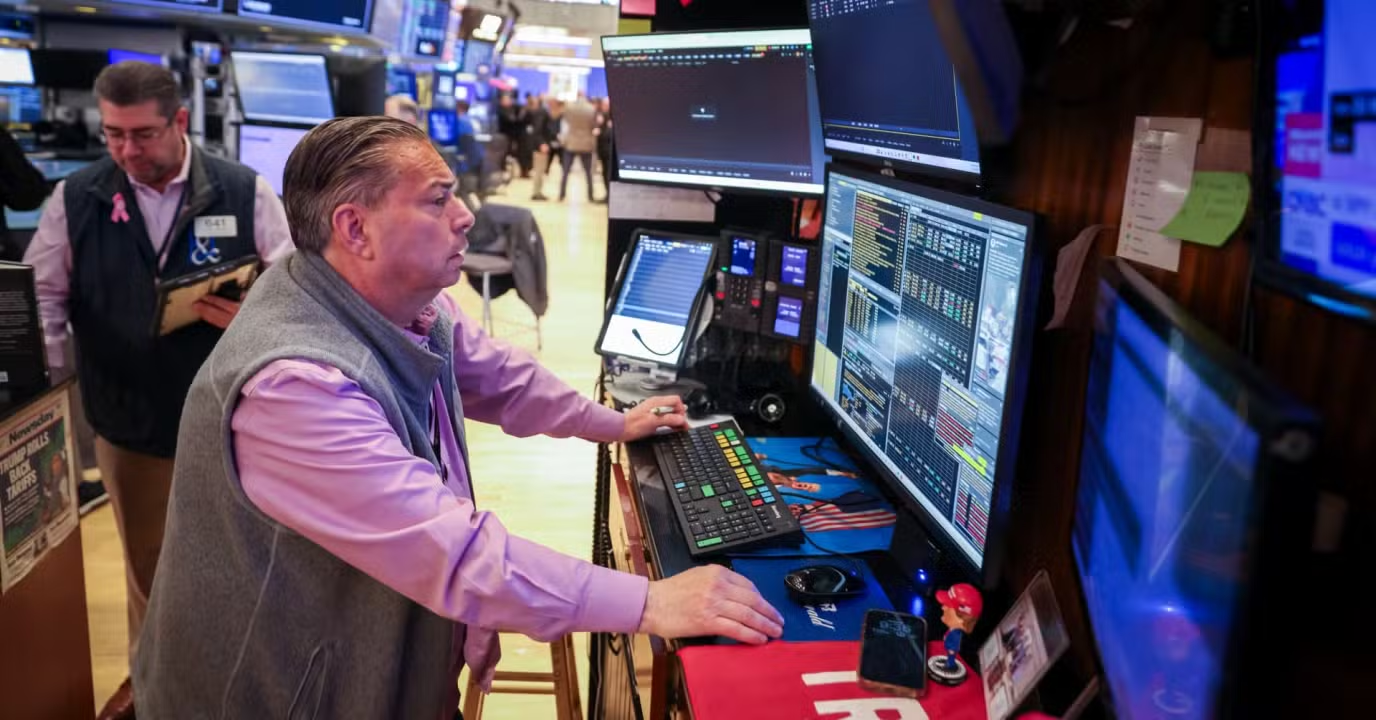
Stock futures tick lower after Dow closes below 50,000 for first time since June: Live updates
Stock futures ticked lower on the night of 12 November 2026 after Anthropic's long-awaited public market debut failed to jolt the artificial intelligence trade: stocks fell more than 2% across the Dow, S&P 500, and Nasdaq, with the Dow closing below 50,000 for the first time since June, and selling resumed almost as soon as the Claude maker began trading. The week's losses are steep, with the Dow down 6.2% and on pace for its worst week since April 2025. Deutsche Bank strategist Binky Chadha traces the selloff to a big rotation out of tech that let negative catalysts bleed into the wider market, and calls the market very oversold given strong growth and earnings.
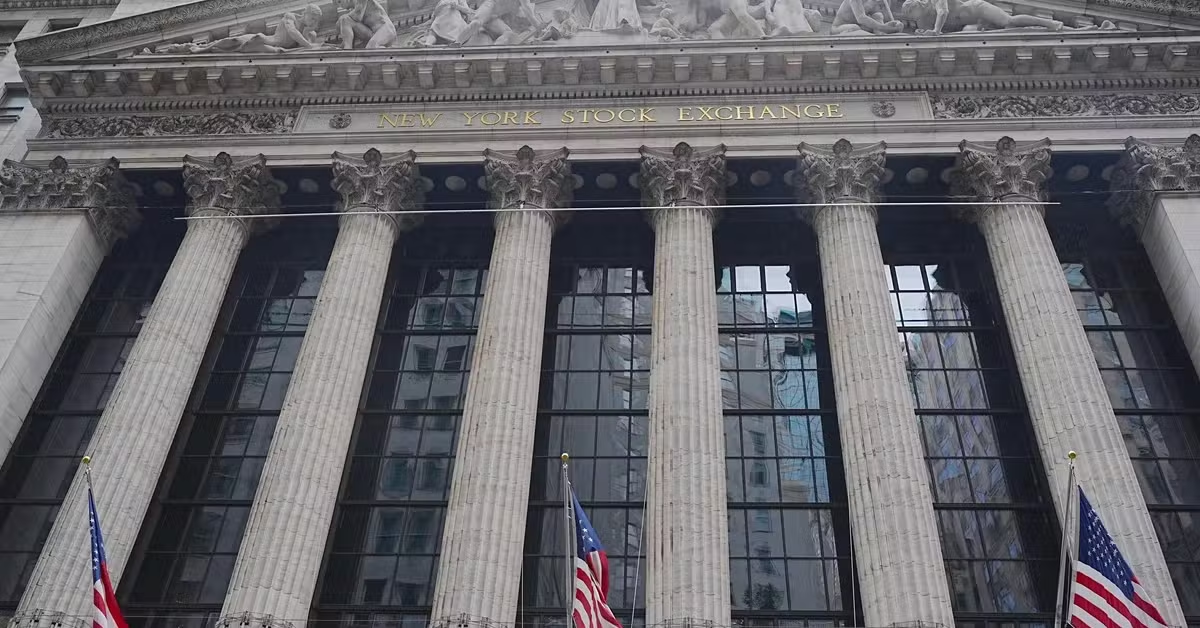
Stocks plunge as investors take cover amid growing uncertainty
Stocks plunged on Thursday, with the Dow Jones Industrial Average tumbling 1,101 points, or 2.2%, to close at 49,097 and more than 90% of S&P 500 stocks falling, amid fears the artificial intelligence boom may be deflating. Wall Street analysts say no single catalyst drove the sell-off, pointing instead to weeks of concern that the torrent of capital pouring into AI data centers may not deliver the productivity and profit growth companies are counting on. Investors were also shaken by the resignation earlier in the month of Nvidia CEO Jensen Huang after the revelation that he had a relationship with a woman suspected of being a Chinese spy, even as Anthropic's shares rose as much as 34% in Thursday trading after the biggest initial public offering in history.
CoreWeave Falls 5% Despite NVIDIA Sticking to Its Financing Commitments; Nebius Dips, Oracle Holds Steady
In a 247wallst.com report, David Moadel writes that CoreWeave stock fell 5% to $47.41 in morning trading on November 18, 2026, reversing an early gain, even after NVIDIA stuck to its financing commitments to AI cloud partners. NVIDIA reported Q3 FY2027 revenue of $115.844 billion, up 103.2% year over year, and disclosed $32 billion in neocloud agreements, but its commitments are contingent on partners securing financing. 24/7 Wall St. suggests profit taking on the early gain may explain the reversal, and holds that CoreWeave's mix of secured debt, convertible notes, equity sales, and customer prepayments leaves it more tied to credit conditions than peers. It argues CoreWeave's next debt financing, a delayed draw term loan management has indicated could price at a 7% to 7.5% yield, could determine whether the pressure eases, while CoreWeave CFO Nitin Agrawal says each contract is underwritten to cover its expenses and produce a profit.
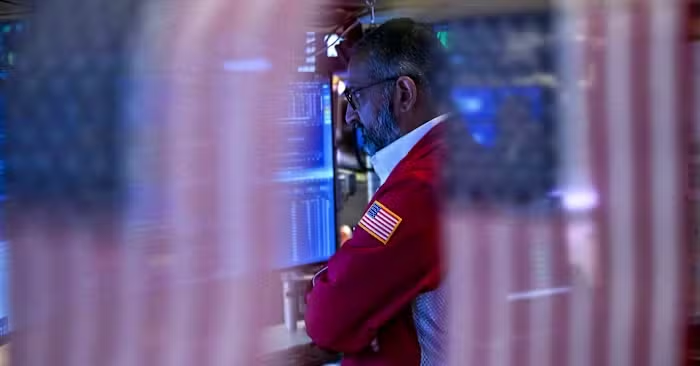
US tech stocks slide ahead of Nvidia results
US tech stocks slid ahead of Nvidia's results, the Financial Times reports.
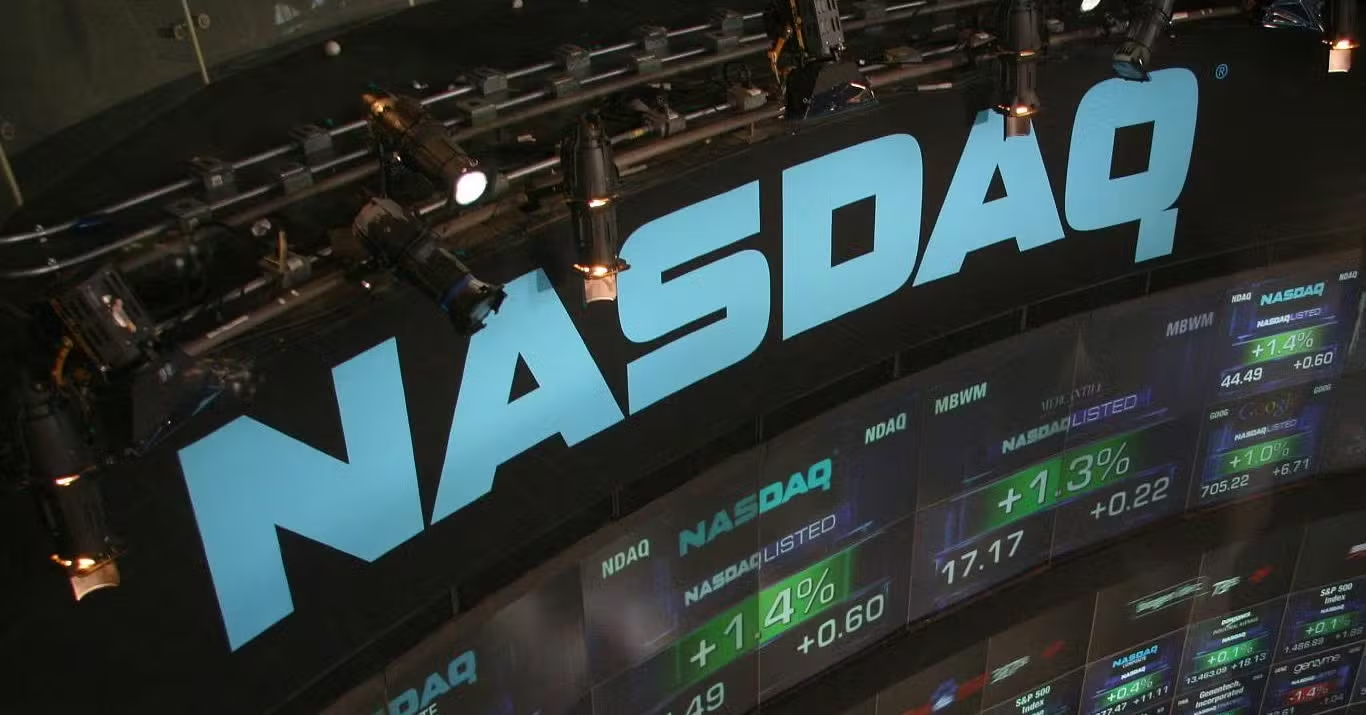
The Nasdaq-100 Is Headed for Its Worst November Since 2008
A 247wallst.com article reports that the Nasdaq-100 is headed for its worst November since 2008, down 4.18% for the month after a 2.67% drop on November 16 with nine trading sessions left. AI-focused stocks, the index's biggest weights, led the decline, with NVIDIA falling 4.12% as the market absorbed its November 12 announcement that CEO Jensen Huang resigned and CFO Colette Kress became interim CEO. The site attributes the selloff to specific concerns about leadership, policy, and yields, including Democrats' midterm wins raising worries over AI data center construction, new rules restricting remote access to advanced U.S. chips, and a ten-year Treasury yield near risk-free returns competing with growth stocks. Since October 1985 only four Novembers were worse, all during crises such as 2008's -11.17%. The label holds only if the index ends November below about 27,604, and one strong session could erase it, with NVIDIA's November 17 earnings report likely the largest single influence on the outcome.
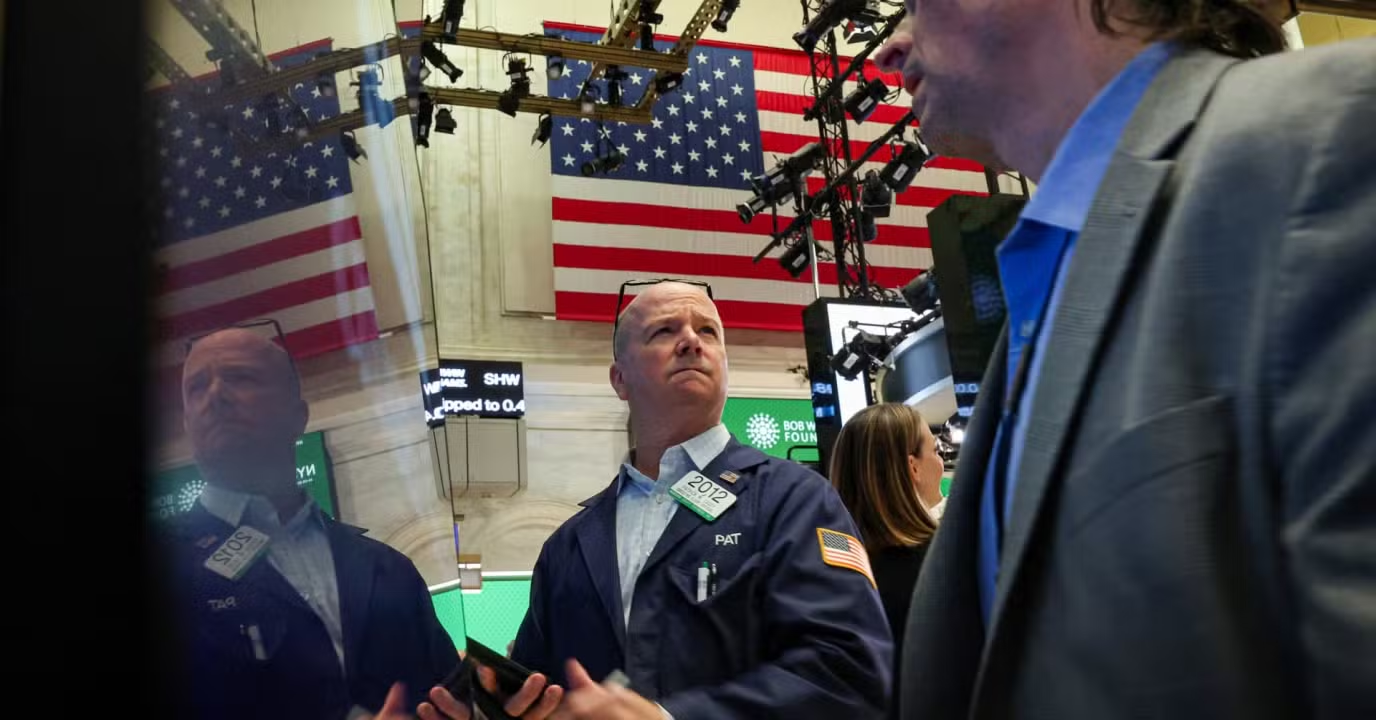
Stock futures are little changed after Nvidia pressures tech to start the week: Live updates
CNBC's live-updates article reports that stock futures were little changed Monday night after a losing session in which Nvidia again dragged down the technology sector. Nvidia shares fell 4.1% as traders sold ahead of its fiscal third-quarter report due Tuesday after the closing bell, and other AI-linked stocks including AMD, Micron Technology, and Sandisk also fell. The stock is down almost 24% in November 2026, on pace for its biggest monthly decline since April 2022. CNBC also reports, from a person familiar with the matter, that Nvidia's board is not considering bringing Jensen Huang back as chief executive; the article says Huang resigned Thursday after reports of multiple affairs, including one with an alleged Chinese spy.

Stock market drops amid continued Nvidia fallout
In its live-updates page, The Washington Post reports that U.S. stocks fell on Monday amid continued shock waves from a crisis at chipmaker Nvidia, with all three major indexes closing down and Nvidia itself down 4.12 percent. Nvidia's chief executive, Jensen Huang, stepped down the Thursday before the update, weeks after reports said he had two affairs, including with a woman suspected of being a Chinese spy, and the company is scheduled to report its third-quarter earnings the next day. On Monday the Trump administration also moved to restrict Chinese companies from remotely accessing artificial intelligence chips, a step that hit the broader tech industry, with chipmakers Micron and Intel each falling more than 7 percent.
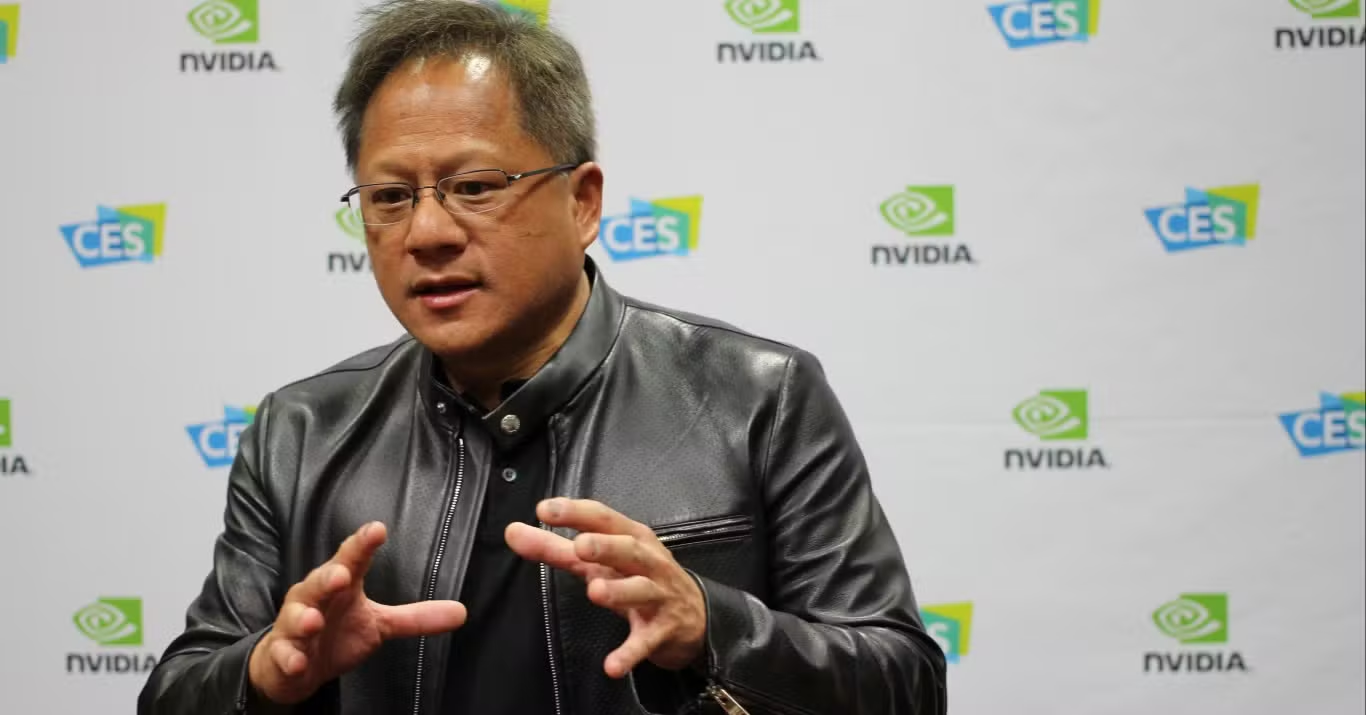
NVDL 2X NVIDIA ETF Sinks 9% as NVIDIA Falls 4% on Jensen Huang Fallout Ahead of Earnings; AMD Drops 5%
A 247wallst.com market news article reports that NVIDIA stock falls 4% to $155.60 on November 16, 2026, dragging the GraniteShares 2x Long NVDA Daily ETF down 9% to $16.21 ahead of the company's first earnings report since co-founder Jensen Huang stepped down as CEO. Huang resigned on November 12 following reports about his personal conduct, including unverified China-related allegations he denies, with finance chief Colette Kress named interim CEO, and the Financial Times reported, citing anonymous sources, that he has spoken with allies about returning. Because the leveraged ETF resets daily to deliver twice NVIDIA's move, its losses compound over time, leaving it down 53% in a month against a 30% decline for NVIDIA stock. AMD falls 5%, a larger decline, which 247wallst.com reads as the chip selloff extending beyond NVIDIA's leadership, and both face their next test in NVIDIA's November 17 report under interim leadership.
Arm and Marvell Sink 8% as AI Chip Selloff Deepens Ahead of NVIDIA Earnings; Applied Materials Drops 5%
Arm Holdings and Marvell Technology each fell 8% and Applied Materials dropped 5% on November 16, 2026, as 247wallst.com reports investors rotating out of AI and semiconductor stocks ahead of NVIDIA's earnings. The three companies all lean on AI infrastructure demand, and their slides came despite strong recent results and year-to-date gains: Arm is up 60% for the year but down 27% in a month, Marvell up 71% but down 41%. Wall Street will measure NVIDIA's report against its August 26, 2026 outlook of $108 billion in Q3 revenue, and bears argue stretched valuations at Arm and Marvell could keep contracting if the results raise fresh doubts about AI spending.
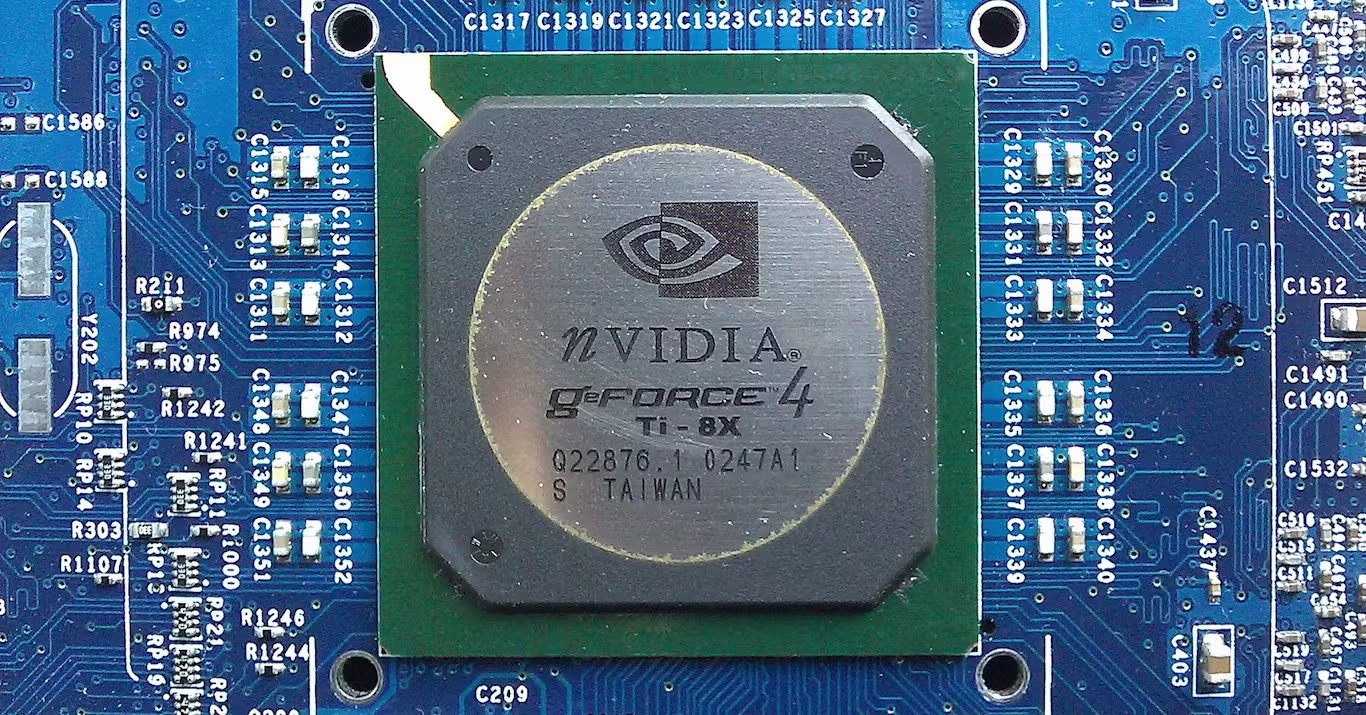
Nvidia Just Had Its Worst 5 Days Since 2022, Worse Than the DeepSeek Crash
A 24/7 Wall St. article reports that Nvidia just had its worst five-session slide since 2022, falling 18.29% from a $206.69 close and erasing about $913 billion of value by the site's calculation, a drop bigger than the 15.89% loss around the DeepSeek shock. The slide came amid a broader tech sell-off and an inflation report above forecasts, while Nvidia's independent directors hired former acting U.S. Attorney Joon H. Kim and the law firm Wachtell, Lipton, Rosen & Katz to investigate reports that CEO Jensen Huang was targeted by a foreign intelligence effort, with the board saying it sees no sign national security or Nvidia secrets were compromised. Analysts have turned more cautious, with Baird cutting its target to $200 and citing uncertainty over Huang's tenure, yet the stock trades at about 11 times forward earnings against an average target of $325.78, and the article says the November 17 earnings report will be the first hard test of whether the targets or the price is closer to right.

