
Iowa Army Ammunition Plant has an expensive history
A USA Today report on Lee Rood's Reader's Watchdog column describes the Iowa Army Ammunition Plant in Middletown as one of the most expensive in U.S. history for tax dollars spent on sickened workers, remediation after more than 80 years of weapons-making, and new construction. The Army detonated 9,500 pounds of lead azide at the plant on Nov. 25, 2026, after inspections in March 2026 found the explosive had crystallized on 68 barrels, and officials said the blasts 'wildly exceeded expectations' with EPA monitors showing no lead detected. The article puts workers' payouts above $392 million, notes a nearly $140 million cleanup largely completed in June 2026, and the Army's July groundbreaking on a $635.2 million Future Artillery Complex. Toxicologist Dr. Devra Davis said the Army had obviously failed to maintain appropriate monitoring, and the Environmental Health Trust filed a FOIA request over the Army's assertion that no lead reached the air or soil.
Scientists Question EPA 'Zero' Lead Readings After Iowa Army Chemical Blast
CBS News reports that independent scientists are questioning the EPA's finding of no airborne lead after the U.S. Army detonated around five tons of lead-based explosive chemicals at an ammunition plant in Middletown, Iowa on November 25, which forced hundreds of residents to evacuate before Thanksgiving. The EPA says it detected no airborne lead azide, and the Army says the operation 'exceeded expectations,' but toxicologist Dr. Devra Davis argues 'zero isn't a real number. Zero is the limit of our ability to detect,' noting lead can be toxic at parts per billion. Per Inside Climate News, Professor Alexander More identified seven nonzero readings in the EPA's underlying data that were rounded down to 0.0 on its public dashboard. Independent groups, including Scott Smith's Blue Shirt Justice League, are running their own tests, Davis's nonprofit has filed a public records request, and EPA sample results are not yet public.
EPA expects Iowa lead detonation results soon
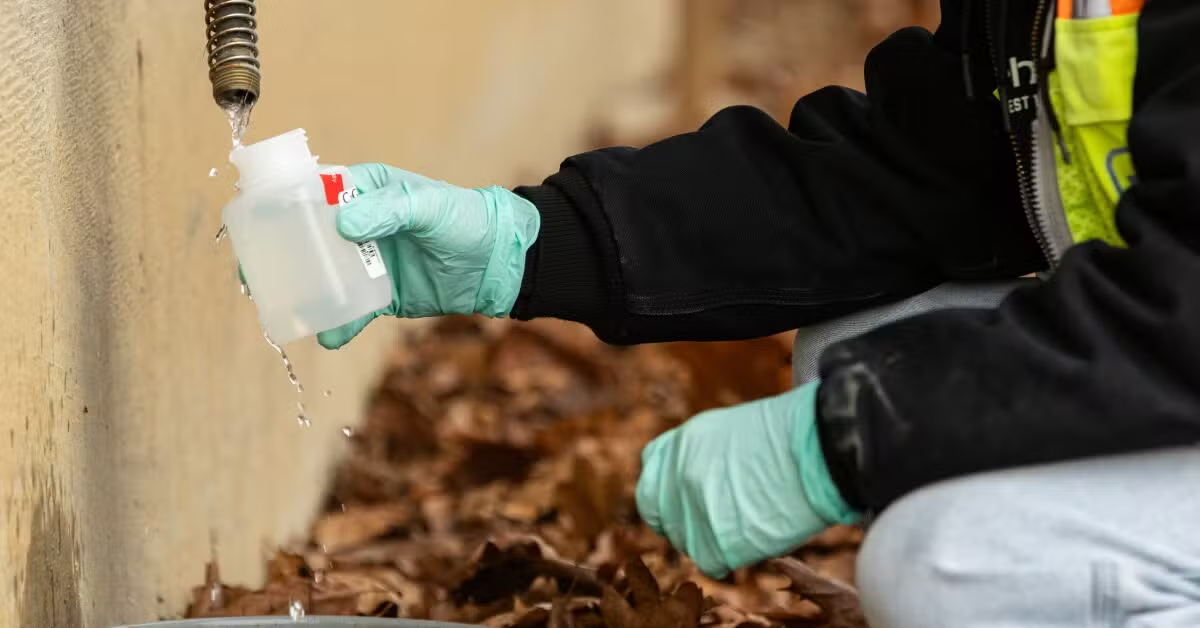
In an AP News report, the U.S. Army says it detonated the nation's entire stockpile of lead azide, an explosive chemical, in Iowa on 25 November 2026 because the degrading stockpile might have exploded uncontrollably as the weather got colder, making a controlled detonation the safest option. The EPA and contractors took over 1,500 samples of air, water, soil and dust before the blast near Augusta, along the Iowa Army Ammunition Plant's perimeter, and hundreds more afterward from homes, parks and drinking water. The EPA says there has been zero airborne lead detected since and that it is testing for other compounds the explosion could have released, with results starting to come in as early as 27 November 2026.
EPA Says New Tests Find No Airborne Lead After Army’s Iowa Blast
The EPA says there is no evidence that the planned detonation of several tons of lead azide at the Iowa Army Ammunition Plant in Middletown on November 25, 2026 spread airborne lead across the region, in a Bloomberg report by Greg Ritchie. The agency says all real-time monitors continue to report zero detection of airborne lead, and more than 300 of its employees and contractors are collecting water, soil, and dust samples from a variety of locations. Lab results are expected as early as November 27, 2026.
The Army Knew Much Earlier of the Explosive Risk in Iowa, Evidence Suggests
Evidence reported by The New York Times indicates the Army knew of the unstable lead azide at its Iowa munitions plant far longer than it admitted before intentionally detonating nearly five tons of the crystallized explosive there on Wednesday. Documents show its contractor, American Ordnance, sought a bid in September 2025 from MuniRem Environmental to chemically neutralize more than 9,700 pounds of the material, but the government rejected the contract for safety reasons and the protective liquid keeping the explosive stable kept evaporating until a March inspection confirmed crystallization. Army officials had said in the days before the blast that they only discovered the problem in March, and the plant is already a Superfund site with a decades-long history of fatal accidents. Gov. Kim Reynolds says she learned of the detonation only a week beforehand, President Trump blames the Obama administration for the deteriorating stockpile, and senator-elect Josh Turek promises investigations and hearings.
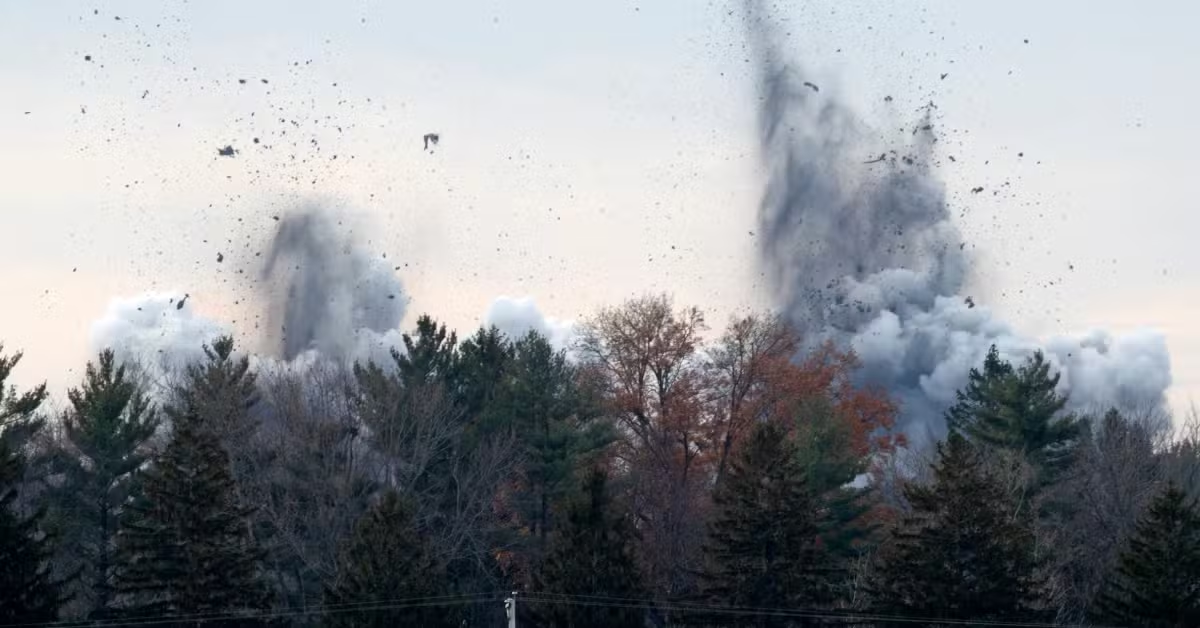
Army says detonation of bomb chemicals in Iowa a ‘success’
The U.S. Army says a controlled detonation of 5 tons of degraded lead azide at the Iowa Army Ammunition Plant in Middletown, Iowa, was a success, with first checks showing no toxic dust spread to nearby homes and farms. The stockpile had partially crystallized, creating a risk of spontaneous explosion, and the Army said destroying it right away was the safest option. The operation went ahead on 25 November 2026 after earlier delays amid public and environmental groups' concerns, with two-story blast barriers, foam and water absorbing the blast, and EPA air monitors detecting no lead. Some experts cautioned it was too early to say communities were in the clear, and extensive testing for lead in water, farms, homes and playgrounds is planned in the weeks ahead.

Stephen Miller Breaks With Trump in Praise of Iowa Democrat - Newsweek
A Newsweek report says Stephen Miller broke ranks with President Donald Trump by praising Iowa Governor-elect Rob Sand, whom Trump had sharply criticized. Trump said on Truth Social that Sand was 'absolutely no help,' should rejoice at the Army's 'flawless detonation' rather than nitpick, and added 'I will remember!' The praise came after a controlled detonation of lead azide at the Iowa Army Ammunition Plant, for which Miller thanked Sand for his 'cooperation and engagement.' Sand had pressed before the detonation for transparency on why a removal contract signed in the spring was cancelled and why demolition was rushed in late November, and after it called the lead-up chaotic and said Iowans must be kept safe and informed.
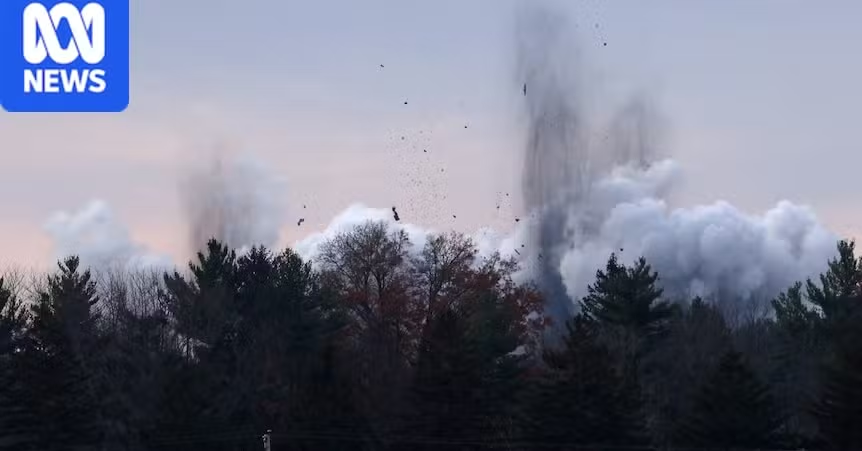
Why the US Army detonated tonnes of toxic chemical near farmland
The US Army has destroyed America's entire stockpile of lead azide, more than four tonnes of toxic bomb-making material, in a controlled detonation at the Iowa Army Ammunition Plant in Middletown, Iowa. The Army said the chemical, stored there since 2009, had crystallised and become unstable, and that neutralising or moving it was not possible, though environmental groups sued to block the blast and an appeals court and President Donald Trump temporarily halted it before it went ahead. Officials warned lead-laced dust could travel up to 80 kilometres, potentially impacting about 350 farms in one of America's biggest farming states, and residents were told to shelter indoors. The Environmental Protection Agency said its air monitors detected zero airborne lead after the blast, but researchers said final fallout results are not yet in, and some residents, including livestock farmer Doug Seyb, remain concerned and have gathered their own soil samples.

JD Vance Dragged Online After Trying To Blame Obama For Iowa Detonation
HuffPost reports that Vice President JD Vance faced online backlash after trying to blame the Obama administration for a controlled detonation of five tons of lead azide at the Iowa Army Ammunition Plant on 25 November 2026. Speaking to reporters in Ohio, Vance said the Obama administration stored the highly unstable chemical with no real plan for moving or neutralizing it and that when he says 'we,' he means the Obama administration. The material had been moved to Iowa from bases across the United States in 2009, and a March 2026 inspection found it had partially crystallized, leaving it vulnerable to spontaneous combustion. Many commenters pointed out that Donald Trump had already served a term and years of a second after Obama, questioning why the issue was not dealt with then.
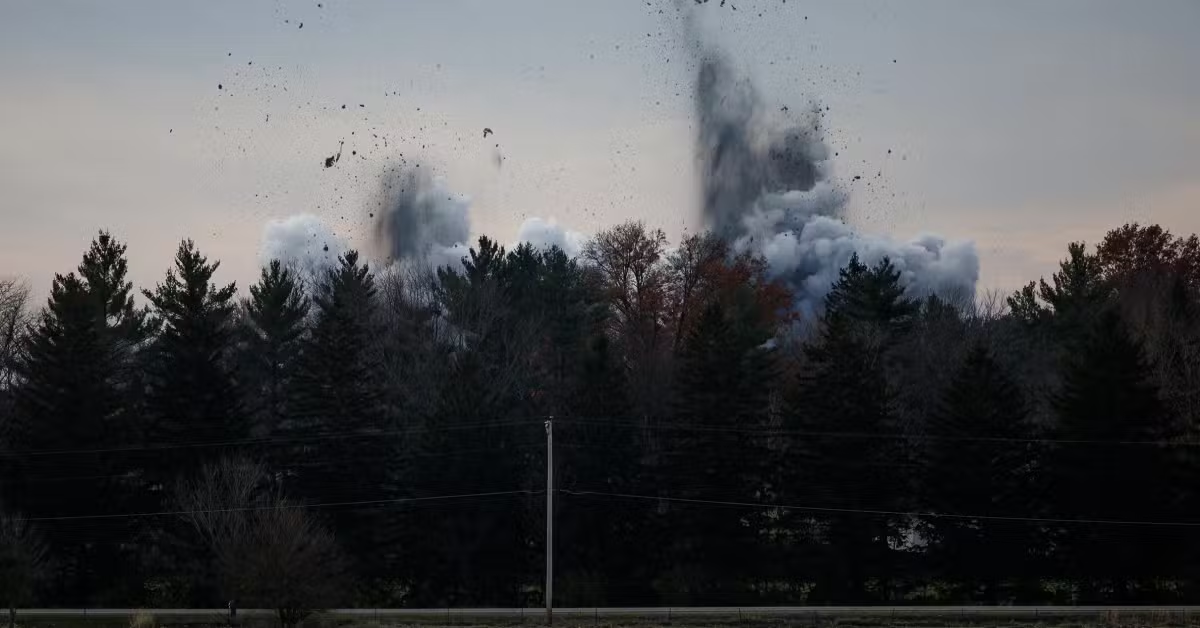
Questions linger about lead pollution from Iowa blast, despite officials’ assurances

'Arsonist' Trump bewilders analyst with excuse for toxic problem: 'Just making it worse'
RawStory reports that the US Army detonated 5 tons of lead azide in an Iowa stockpile on Wednesday, November 25, 2026, leaving residents rattled, and that President Trump answered for it by blaming former President Barack Obama and Iowa Gov.-elect Rob Sand. In a Truth Social post, Trump writes that Sand was 'obviously unhappy that that Obama-created (2009!) mess was so perfectly handled by the U.S. Army through a flawless detonation,' and that Sand 'hurt and delayed the process, was absolutely no help, just another politician,' adding 'I will remember!' Vice President JD Vance tells reporters the Obama administration 'kicked' the problem to Trump's and that 'we ultimately had to solve it.' On The MeidasTouch Podcast, analyst Ben Meiselas says plumes of smoke after the detonation are 'actually a very bad sign' with unknown consequences, and calls Trump's post 'the perfect example of Donald Trump the arsonist wanting to take credit for the problems that he created.' Meiselas says Trump is 'just making it so much worse right now' and calls Vance's blaming of Obama 'the most despicable, noncredible, lack of leadership thing you could ever imagine.'
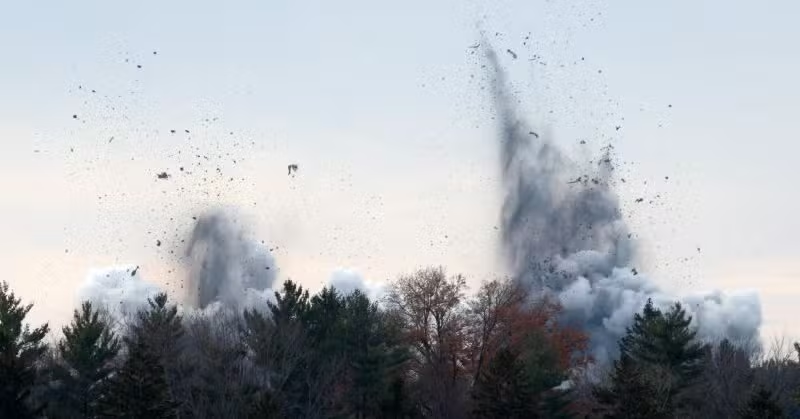
The government says Iowa detonation results exceeded expectations. Now what? | CNN
The Army detonated nearly five tons of deteriorating lead azide at the Iowa Army Ammunition Plant in Middletown, Iowa, on November 25, 2026, after days of legal battles and public outcry, with the government saying the results exceeded expectations. Officials including the Army and EPA say monitoring showed zero airborne lead after the blasts, and an all-clear came nearly nine hours later, though some residents had still been away from home under an evacuation recommendation. Environmental groups' legal challenge briefly paused but failed to stop the detonation, which the Army proceeded with under an emergency exemption under an EPA permit. More extensive soil and air testing remains ahead to determine what the blasts left behind, and University of Iowa engineering professor Dave Cwiertny, whose team is independently monitoring for contamination, says there are many unanswered questions about what federal agencies are testing and where. Iowa's governor-elect Rob Sand says the lead-up should never have been so chaotic and that Iowans are understandably alarmed.
Iowa Poison Control Center says residents near Middletown plant should stay diligent after blast
After a blast at the Middletown plant, the Iowa Poison Control Center urges residents nearby to stay diligent and minimize lead exposure, advising them to wipe down surfaces, hose down their cars, change clothes inside, and leave contaminated shoes and rags outside. Clinical manager Grant tells KCCI no amount of lead is safe and the center is waiting on environmental test data before making further recommendations. Federal officials say the mitigation exceeded their expectations and was as close to fully contained as possible, and they continue monitoring for lead. The center's hotline, 1-800-222-1222, is available around the clock for anyone with concerns.
What the Army's Iowa detonation means for nearby communities
A PBS News Hour segment reports on the Army's two controlled detonations of about 10,000 pounds of lead azide, the nation's entire stockpile, at an Iowa ammunition plant on November 25, 2026, a chemical that had grown unstable after decades of storage and risked exploding on its own as temperatures fell. The Army had warned a lead plume could drift as far as 100 miles into Missouri, so it took extensive precautions, from earth walls and spray foam to canisters holding 100,000 gallons of water, and residents within five miles were urged to leave or stay indoors. Officials, including Maj. Gen. Eric Shirley and FEMA Administrator Cameron Hamilton, call the operation a success, saying monitoring found a 0.0 detection level of lead in the atmosphere, but they took no questions from reporters. Many residents remain divided, environmental groups that tried to block the blast in court want a full accounting of its effects, and Iowa Public Radio's Eliza Billingham says the back-and-forth of the previous ten days has really hurt trust between the region and the military.

This is Why They Blew Up Iowa
In a commentary video, James Li argues the Army's detonation of five tons of lead azide at the Middletown, Iowa ammunition plant was unnecessary and served as a political distraction, timed to the same weekend the Senate passed the bipartisan 'BAJ' bill, which he says weakens environmental laws, locks in fossil fuel projects, and lets big oil and big chemical pollute without accountability. Whistleblowers described by Dr. Robert Crudel's team say the material was not stored there for over 20 years but recently consolidated from shuttered bases, and that other ways to deactivate it exist but cost more than blowing it up. Li notes the Army gave only five days' notice and that residents were told to leaf-blow or hose off lead dust, while the EPA reports zero airborne lead and officials call the detonation a success that exceeded expectations. He says whether or not there was a conspiracy, the effect on locals is the same, and that the common thread is profits prioritized over people, pointing to data center developers waiting to take the land.
Critics Say Iowa Lead Blast Epitomizes US Militarism's Planet-Wrecking 'Cycle of Violence' | Common Dreams
The US Army detonated nearly five tons of degraded lead azide at its Iowa Ammunition Plant near Middletown on Wednesday in what it called a controlled blast, over the warnings of residents, environmental groups, and lawmakers. Earthjustice, representing the Sierra Club's Iowa chapter and the Iowa Environmental Council, won a temporary stay of the originally scheduled November 20 detonation, but the stay was lifted after the Army agreed to additional protective measures; the groups say the Army knew since 2009 the material was deteriorating and told Iowans of the plan only days before. Critics, including CodePink and Tennessee state Representative Justin Pearson, say the blast exemplifies a decades-long pattern in which the military, the world's largest institutional polluter by their account, treats communities as sacrifice zones, from depleted uranium in Iraq to Agent Orange in Southeast Asia. CodePink and Wally Taylor of the Sierra Club say officials must see the cleanup through, and CodePink urges lawmakers to vote no on the $1.5 trillion defense bill.

'Gimme a break': JD Vance's 'silly' excuse for toxic Iowa blast immediately backfires
RawStory reports that Vice President JD Vance was mocked online on November 25, 2026, after he blamed the Obama administration for the Army's detonation of nearly five tons of lead azide in a rural Iowa farm community, where residents had criticized the short notice from the federal government. At a press conference a few hours after the blast, Vance said, "Fundamentally, we were trying to deal with a problem that the Obama administration had kicked to us. There was no plan to solve this, and we ultimately had to solve this." Former Obama adviser David Axelrod replied on X that three administrations, two led by Donald Trump, had come since Obama left office, and attorney Scott Greenfield wrote that Vance would feel silly to learn another Republican administration in between could have dealt with the problem but failed.

Army calls detonation of bomb chemicals in Iowa a success after earlier fears of a toxic plume
The U.S. Army blew up the nation's entire stockpile of lead azide, some five tons stored at the Iowa Army Ammunition Plant in Middletown, in a controlled detonation, and says first checks show no toxic dust reached nearby homes and farms. The blast came after weeks of controversy: the stockpile had partially crystallized during a March inspection, making it sensitive to friction and at risk of exploding spontaneously, and after residents and environmental groups raised health fears, the Army delayed the detonation and added two-story blast barriers, foam, and water. Environmental groups that sued say that pressure forced the extra safeguards, and EPA air monitors detected no lead around the site, but some experts caution it is too early to know whether nearby communities are in the clear, and extensive testing of water, farms, homes, and playgrounds is planned in the coming weeks.
Blindsided by lead-based explosives in Iowa, White House now searching for accountability, sources say
A CBS News report says the White House is searching for accountability after the Army's controlled detonation of about five tons of degraded lead azide at its Iowa munitions plant blindsided senior administration officials. Several officials say the Army had known since spring that the chemicals threatened the public and environment, but then-Army Secretary Dan Driscoll failed to raise the issue to Defense Secretary Pete Hegseth, while a competing account says Hegseth's office was notified early on. Officials say Acting Army Secretary Adam Telle also learned of the risk in September without briefing superiors, leaving chief of staff Stephen Miller to scramble a dozen agencies from Air Force One as Trump flew home from Asia. Trump praised the blast, which the EPA says sent no lead into the air, but was furious at the Army's handling, and sources say there have been discussions about quietly moving Telle out of the acting role in coming weeks.
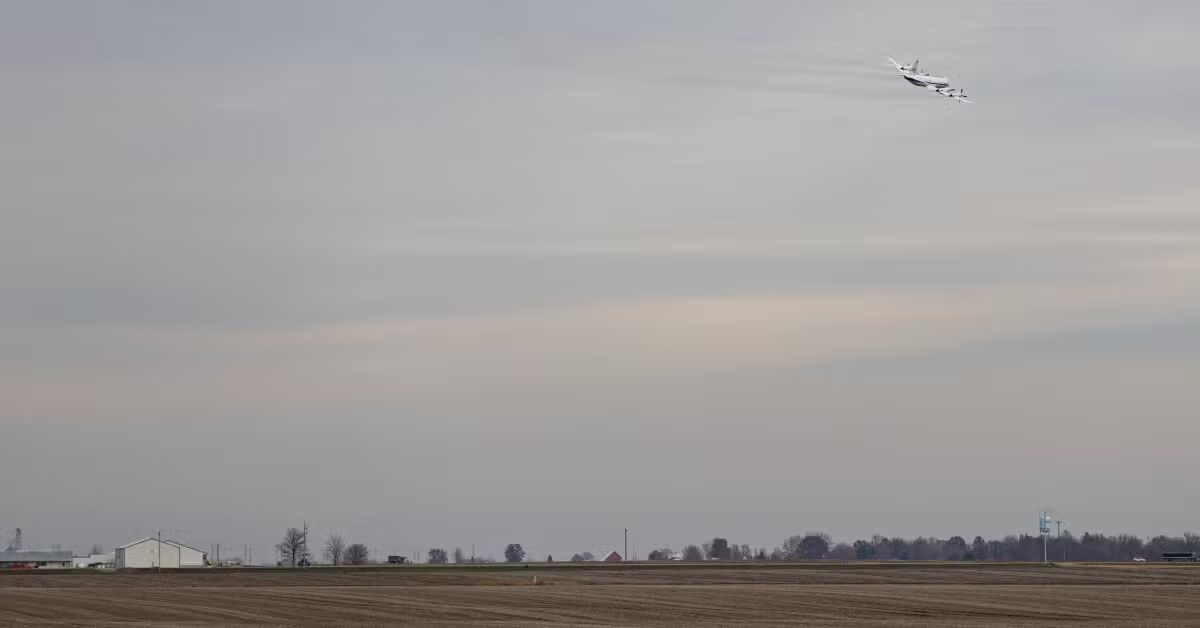
FACT FOCUS: Maps online falsely claim to show the path of fallout from Iowa lead azide detonation
A fact-check article by Melissa Goldin for AP News examines maps that spread widely on social media falsely claiming to show the path of toxic fallout from the U.S. Army's detonation of the nation's entire stockpile of lead azide at the Iowa Army Ammunition Plant on 25 November 2026. The viral maps showed lead dust spreading across the Midwest, Southeast and East Coast, but the Army's own updated maps project a much more contained plume blowing southwest into northern Missouri, and EPA air monitors detected no lead around the plant in Middletown. At least one misrepresented map actually shows predicted snowfall accumulation labeled in its corner, and thin lines on another represent Mississippi River tributaries, matching maps published by the EPA and American Rivers. Whether the plume carried any lead toward homes and farms remained unclear, and government agencies and independent researchers plan further environmental testing.

Trump berates CNN for 'inaccurate and deplorable' Iowa blast coverage: 'Crazy with anger'
RawStory reports that Donald Trump lashed out at CNN in a Truth Social tirade over the network's coverage of the United States Army's detonation of nearly five tons of toxic lead azide at a facility in a rural Iowa farming community, a blast locals sharply criticized for the lack of notice. In his posts, Trump said 'Fake News CNN' was hoping for a bad outcome, went 'crazy with anger' when a 'PERFECT detonation' was completed, and wants the country to lose, calling CNN's pre-coverage 'inaccurate and deplorable' and the detonation 'Another win for Trump!'. CNN had reported extensively before the blast on potential lead risks for evacuated residents, and afterward on officials' plans for more testing before residents could return. The article also notes that Iowa's Democratic governor-elect, Rob Sand, told CNN there needs to be more transparency around the blast, and that the detonation is expected to send a plume of potentially toxic chemicals into other states.

See how the Army detonated tons of lead explosives in Iowa
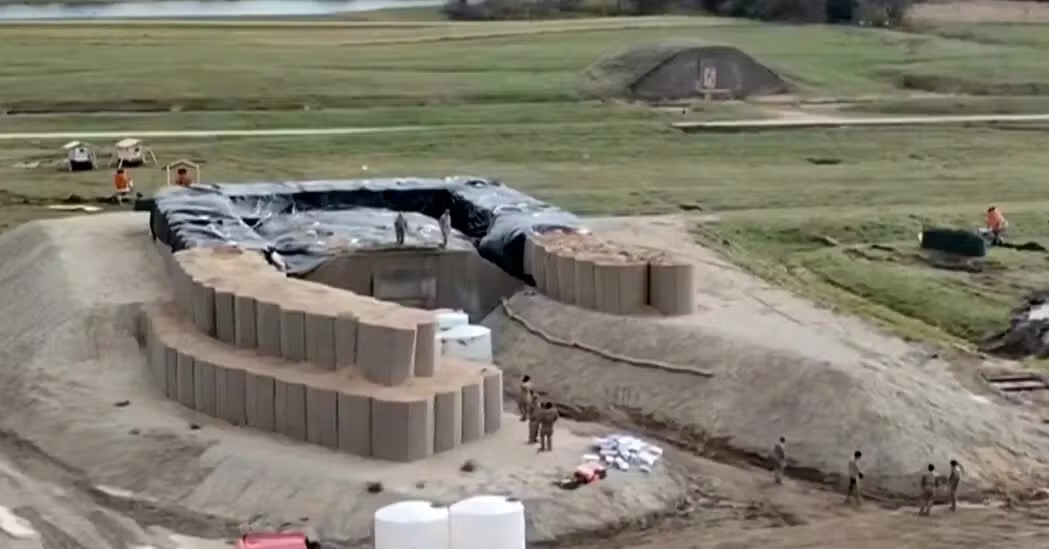
The Army detonated nearly 10,000 pounds of degraded lead explosives at the Iowa Army Ammunition Plant in Middletown, Iowa, on Wednesday, ending ten days of public outcry, evacuations and legal wrangling over a plume of toxic lead dust. The Army had announced the controlled detonation of degraded lead azide, a highly reactive munitions material, on Nov. 15 after ruling out chemical neutralization, and advised residents of Middletown and a five-mile cone southwest of the plant to evacuate. The Army barricaded the bunkers with buffers two stories high and sand-filled HESCO blocks to deflect the blast, and data posted to an EPA monitoring site showed no lead detected at four air-sampling stations in the hours after the detonation. The Army plans to excavate and test the soil for lead and give the EPA a full report within 60 days. The page also carries other developing stories: a lawsuit alleging ICE detained and shackled pregnant and nursing women, the Senate Democratic contest between Chuck Schumer and Chris Van Hollen for majority leader, a forecast of three to six inches of Thanksgiving snow in St. Louis, and Thanksgiving cooking advice, including a 15-minute post-meal 'fart walk' and how to roast a frozen turkey.

'I will remember!' Trump lashes out at gov-elect after 'chaotic and unclear' explosion
President Donald Trump lashed out at Iowa's governor-elect Rob Sand on Truth Social after Sand criticized the U.S. Army's detonation of nearly five tons of degraded lead azide at the Army Ammunition Plant in Middletown, Iowa, on the morning of 25 November 2026. Sand, a Democrat who criticized the detonation in a post on X, wrote that 'the lead-up to the detonation should never have been so chaotic and unclear.' Trump called Sand 'just another politician' who 'hurt and delayed the process,' said he should 'rejoice at this great success,' and warned, 'I will remember!' The detonation went ahead after a federal appeals court cleared the way for it, and according to reports its cloud is expected to drift into neighboring states.

Miller touts Iowa blast as ‘tremendous display of unity’ under Trump
The Hill reports that White House chief of staff Stephen Miller touts the U.S. Army's detonation of decades-old lead-based munitions at the Iowa Army Ammunition Plant as a success, calling it in a post on X 'a tremendous display of unity of effort, purpose and action led by President Trump' and praising the engineering that directed the blast downward into the earth. The Army carried out the controlled detonation on 25 November 2026 because the munitions, stored there since 2009, were said to be crystallizing and at risk of exploding on their own and releasing toxic lead into the air; officials used mitigations including a 'water wall' and many nearby Iowans evacuated or sheltered in place. Early reports suggest the spread of lead pollution was lower than expected, and acting Army Secretary Adam Telle said EPA sensors detected no lead in the air nearly an hour after the blast. Miller blames the Obama administration for the state the munitions reached, while Governor-elect Rob Sand, who had expressed concern for days, writes that Iowans are understandably alarmed, calls the lead-up 'chaotic and unclear,' and demands immediate transparency and full care for anyone impacted.
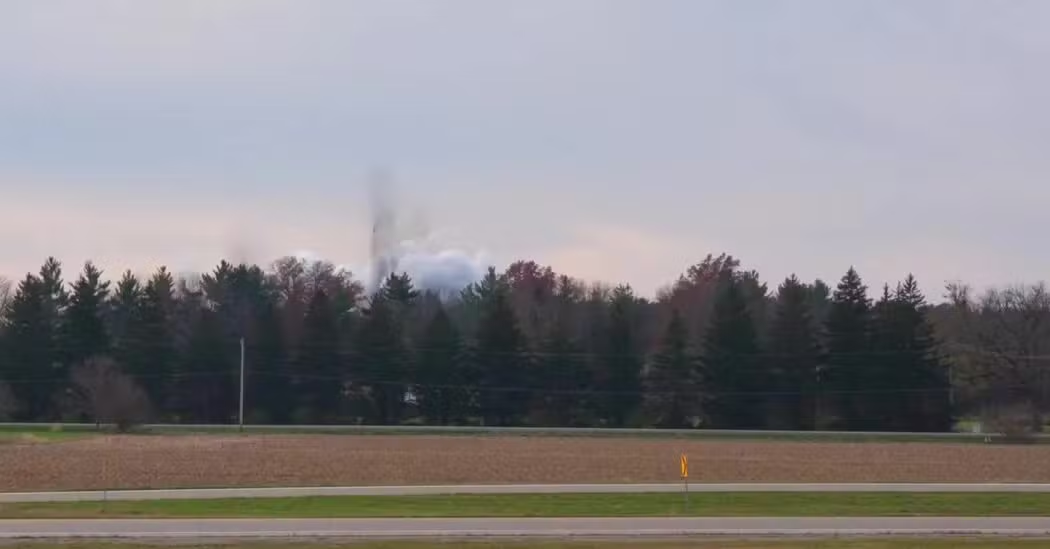
After Extraordinary Iowa Explosion, Officials and Scientists Assess Fallout Risks
The Army detonated a stockpile of about 10,000 pounds of degrading lead azide, an unstable explosive compound that had sat in bunkers at the Iowa Army Ammunition Plant since at least 2009, sending a plume of smoke over southeastern Iowa. A public outcry and a court challenge had delayed the detonation from its planned Friday date, prompting last-minute mitigation such as water tanks and foam walls, though President Trump hailed the operation. The EPA said initial monitoring suggested toxic dust had not left the blast site, and Maj. Gen. Eric Shirley called the detonation successful, but EPA administrator Lee Zeldin said the government still needed time to assess fallout. Residents had been told to evacuate or shelter indoors, while critics, including Iowa's governor-elect Rob Sand, called the handling chaotic and demanded transparency about how it got there.
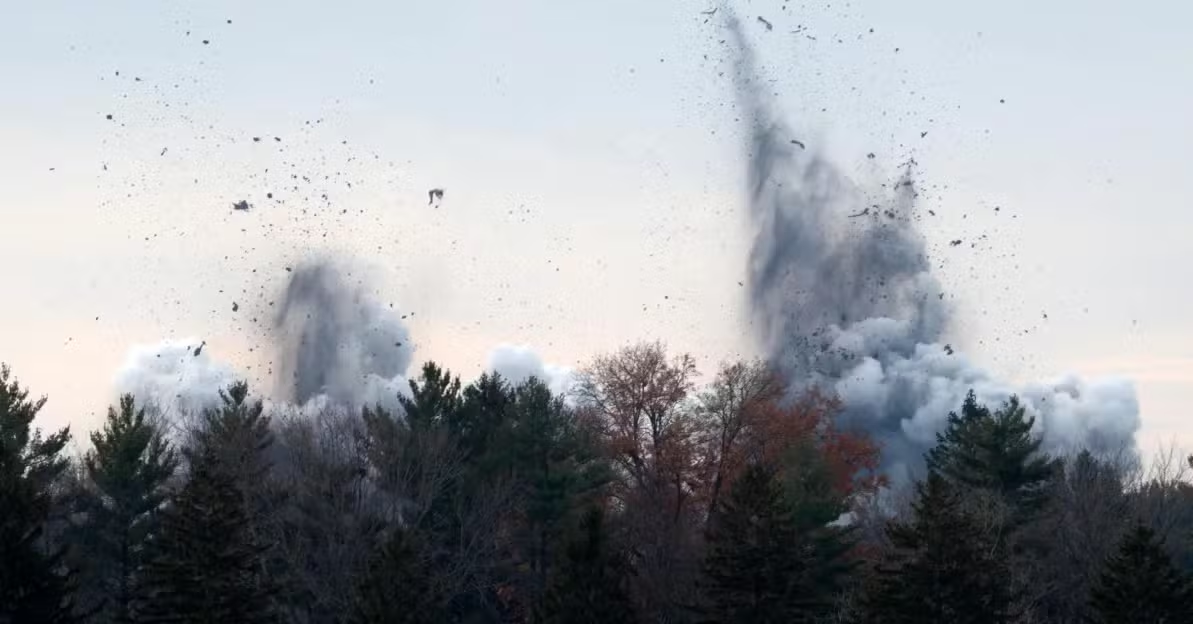
EPA reports ‘zero’ airborne lead following controlled Army detonation in Iowa
The US Army carried out a controlled detonation of over 9,700 pounds of lead azide, the country's entire remaining stockpile, at the Iowa Army Ammunition Plant in Middletown, Iowa, on 25 November 2026, and an hour later the EPA reported that real-time air monitors were showing zero detection of airborne lead throughout the region. The Army said the detonation was necessary because the aging stockpile had crystallized to the point it could spontaneously explode at ambient temperatures, a risk found in a March 2026 inspection of the barrels. It said precautions including water tank walls, tarps, lead containment screens, and foam kept lead dust from spreading, with no secondary explosions or infrastructure damage, and residents of Middletown and nearby areas had been voluntarily relocated ahead of the blast and can return once the all-clear is given.
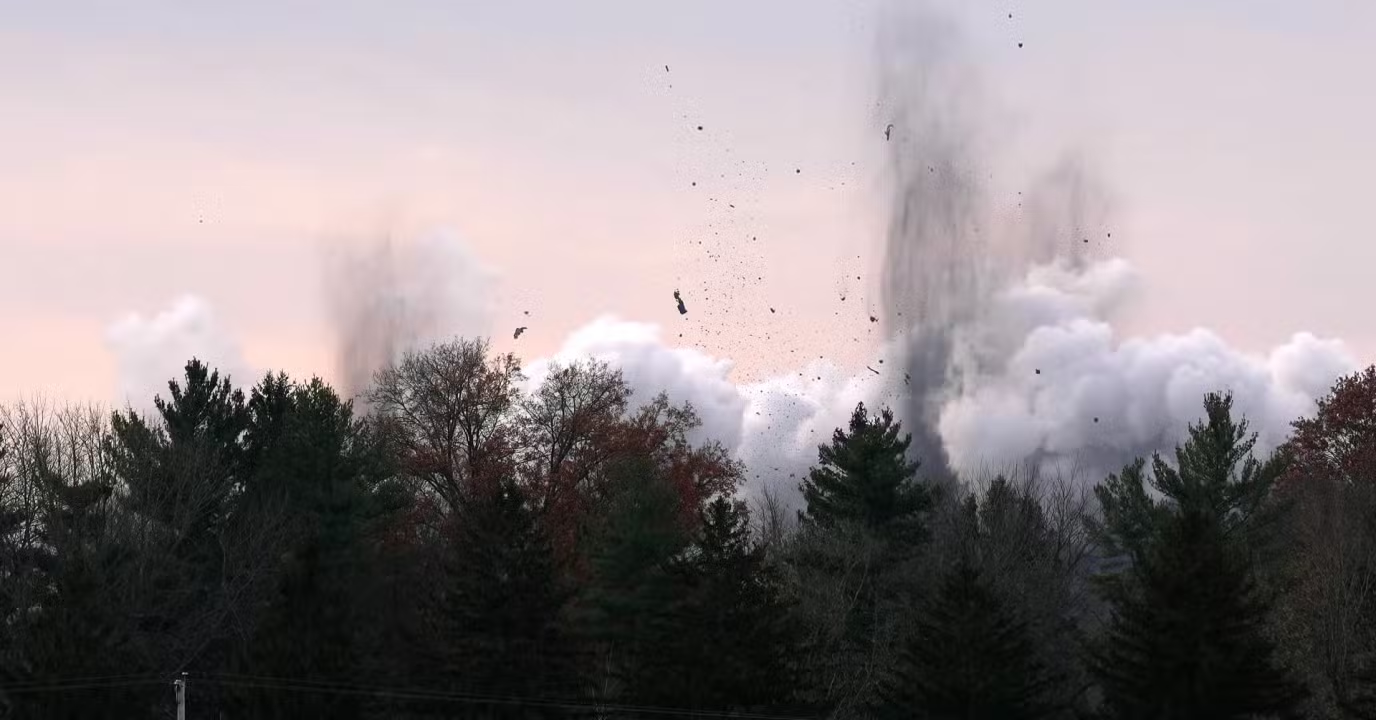
US Army declares Iowa lead azide detonation ‘tremendously successful’
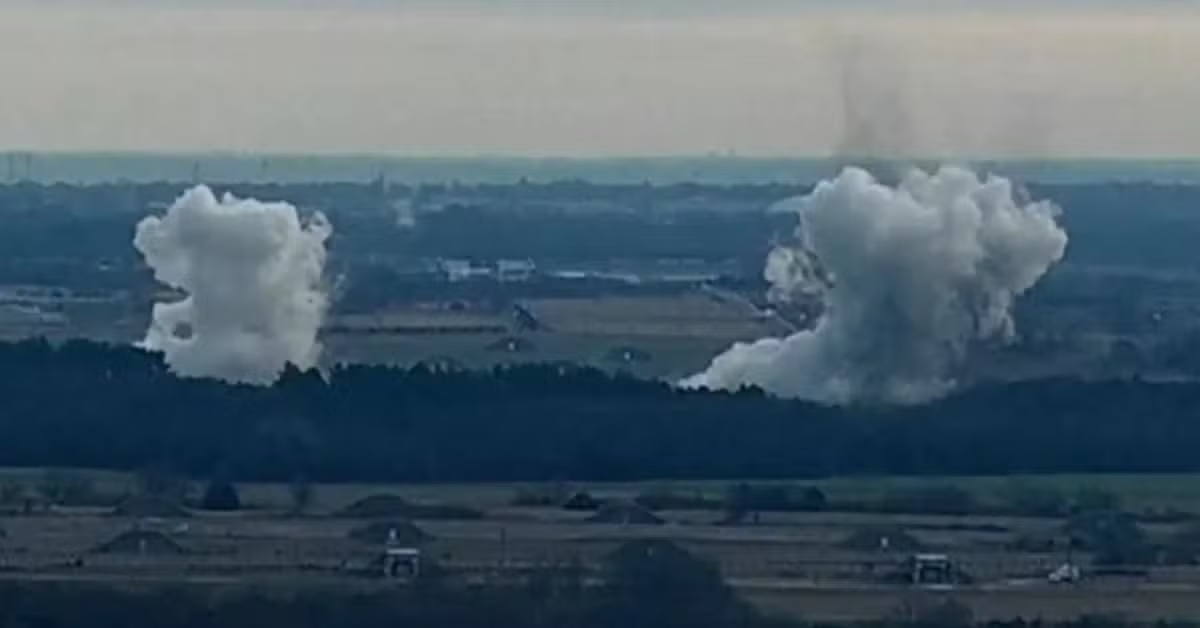
The United States Army destroyed about 4,500kg (10,000lb) of deteriorating lead azide in a controlled detonation at the Iowa Army Ammunition Plant in Middletown, Iowa, at 10:15am on 25 November 2026, and declared the mission a success that wildly exceeded its expectations. Major General Eric Shirley, who led the disposal, says overhead footage showed all 68 drums were definitively removed, with no secondary explosions or infrastructure damage, and federal officials say EPA sensors detected no airborne lead after the blast. The report notes that detonating lead azide, an explosive used since World War I, decomposes it into nitrogen gas and metallic lead, a nonbiodegradable neurotoxin whose airborne particles can settle on soil, leach into groundwater and threaten children and pregnant women. Democratic Representative Mike Quigley calls the Army's scheduling of the detonation the day before Thanksgiving and its lack of communication unconscionable, and environmental testing expert Scott Smith says the EPA must also test for lead azide's breakdown products, some of which are endocrine disruptors or cancer-causing.

Vance blames Obama for toxic lead threat in Iowa
In a news report for The Hill, Julia Manchester writes that Vice President JD Vance blamed former President Obama for the toxic lead risk created when the Army detonated a cache of explosives in Iowa on the Wednesday of the article. Speaking to reporters in Ohio, Vance said the Obama administration stored the highly unstable explosives in 2009 with no real plan for moving or neutralizing them, and that by the time the Trump administration learned of the problem it faced a choice between a controlled detonation and leaving them to sit. He said experts told the administration there was a very good chance the explosives would detonate on their own in the cold weather, and added, 'The can had been kicked down the road.' Critics question how the situation was allowed to escalate, while locals and public health experts worry about lead exposure's effects on people, including children, and livestock.

U.S. Bombs Itself: Army Detonates Lead Azide In Iowa
In a commentary video, The Rational National covers the US Army's detonation of 10,000 pounds of lead azide at an ammunition plant in Middletown, Iowa, which sent a toxic plume drifting down into Missouri and prompted evacuations the day before Thanksgiving. He argues the blast was avoidable: the Army had hired a company, Mun Environment, to dissolve the chemical safely, then canceled the contract two months later, and an EPA guide lists that approach as valid. He points to farmers told to shield their cows and buy Tyvek suits and respirators, and to CNN finding the EPA hotline number Zeldin gave residents was not working, even as Zeldin said the mitigation exceeded expectations. Noting the two plumes visible, he doubts the Army's aim of zero release was met and says the contamination will need tracking for months and years to understand its true impact.
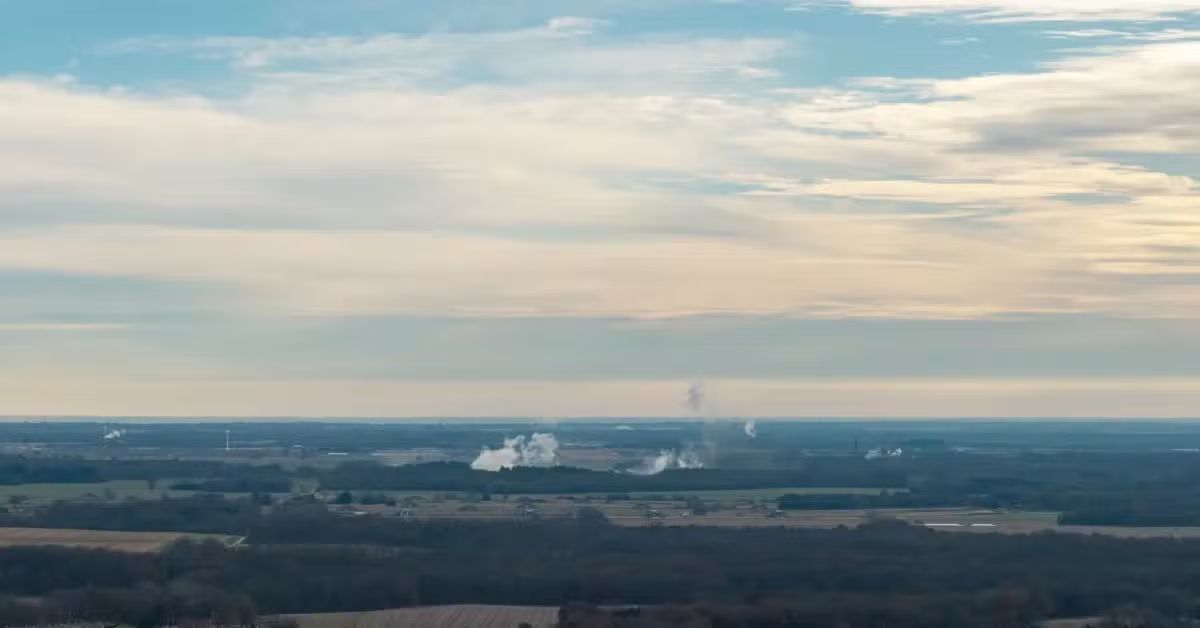
Trump admin officials praise Stephen Miller over Iowa lead azide detonation
The U.S. Army detonated 68 drums holding more than 9,700 pounds of degraded lead azide at the Iowa Army Ammunition Plant in Middletown, Iowa, after days of uncertainty, public concern and legal challenges. Residents and environmental groups feared the blast could disperse toxic lead particles, and although they challenged the EPA's emergency permit in federal court, the Eighth Circuit allowed the detonation to proceed. Federal officials had concluded the stockpile was dangerously unstable and that manipulating, neutralizing or transporting it posed an unacceptable risk, making an in-place detonation the only viable option. Initial air monitoring showed zero detection of lead, according to EPA Administrator Lee Zeldin, but comprehensive post-detonation sampling results were not immediately available, and testing of air, soil, dust and water will continue for days to weeks. Trump administration officials credit White House Chief of Staff Stephen Miller with overseeing an interagency effort involving the Army, EPA, FEMA and other agencies, with Steven Cheung calling it a historic, all-of-government response and Zeldin saying he has never seen anyone take the reins of such a process so exceptionally.

Trump officials declare success after Iowa blast
Trump administration officials blanketed cable news and social media on 25 November 2026 declaring success for the Army's detonation of 68 barrels of degraded lead azide at the Middletown, Iowa ammunition plant, a blast meant to avoid an accidental explosion as temperatures dropped below freezing. Acting Army Secretary Adam Telle called it a 'HUGE success' on X, and more than two hours after the explosion EPA sensors still showed zero traces of lead in the air. But the operation had provoked public outrage in the week before, with residents and leaders arguing they were alerted at the last minute and given too little information, and as of 1 p.m. Eastern FEMA had not yet lifted its shelter-in-place recommendation for residents within 20 miles. Gov.-elect Rob Sand said federal officials reported lead dispersal should be limited and Iowans are safe, but that the lead-up to the detonation should never have been so chaotic and unclear.
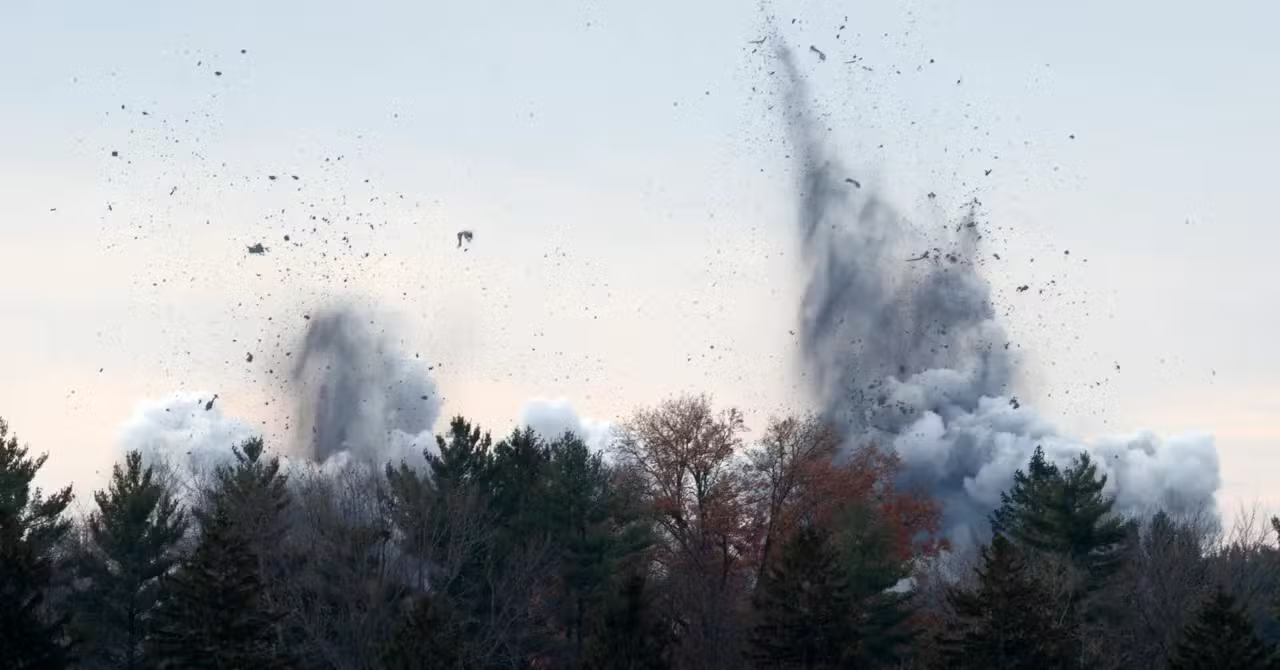
The Iowa Lead Detonation Happened. Now the Real Work Begins to Study It
The US Army detonated nearly five tons of degraded lead azide, stored for decades at a base near Middletown, Iowa, because it was too unstable to move, and a barrage of government, university, and citizen monitoring and testing projects will now determine the extent of any lead exposure in the area. Late October notice to surrounding towns was the only warning many received before the blast, and the poor communication stirred public distrust, though NASA joined with research jets and satellites and the EPA maintains a live air quality website. University of Iowa scientists monitoring the plume found low lead levels in pre-detonation soil samples, and Peter Thorne says he would be concerned only by something like a 10-fold increase downwind, adding that places like East Chicago, Indiana have soil lead levels roughly 10,000-fold higher. On crops and water, Jeffrey Catalano says corn is bad at absorbing lead and Patrick McNamara says municipal drinking water is unlikely to be affected, though private wells and streams are more worrisome.
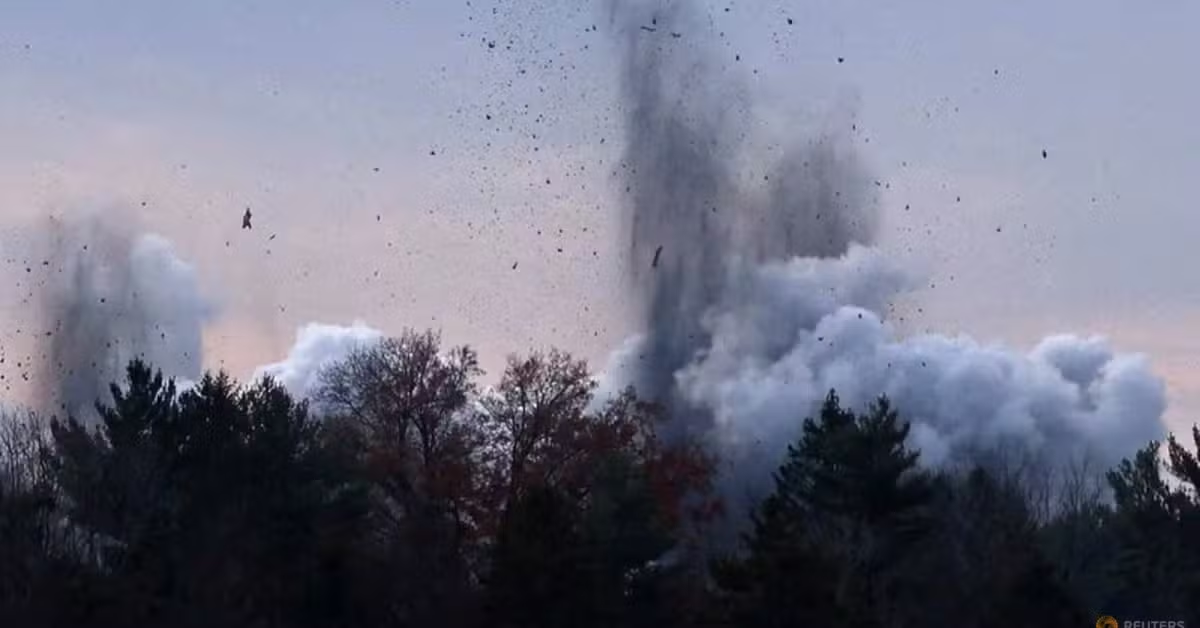
US Army detonates toxic explosives in Iowa despite contamination fears
An AFP news report says the US Army detonated 68 drums of lead azide, its entire stockpile of the degraded explosive, at the Iowa Army Ammunition Plant in Middletown, Iowa on 25 November 2026. Officials said the nearly five tons, stored for more than 15 years, were at risk of spontaneous explosion and too unstable to move. President Trump paused the operation, but a court cleared it on 23 November 2026. The Army urged residents to leave, FEMA is supporting relocation of Middletown residents, and EPA chief Lee Zeldin said sampling showed no lead detection for now.
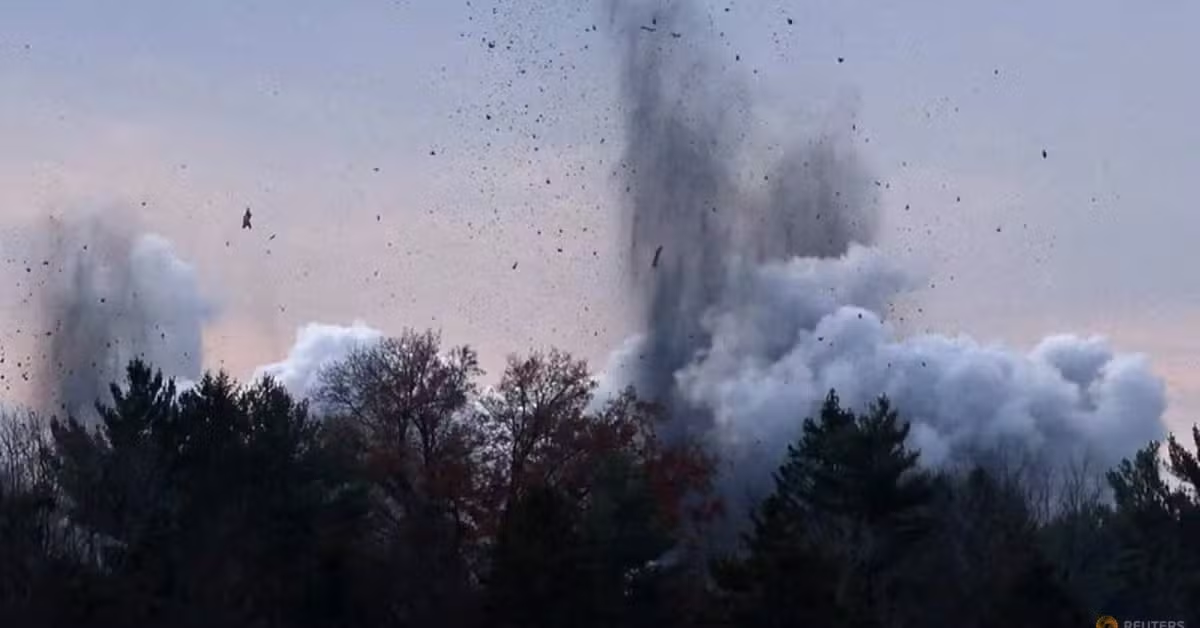
US Army detonates toxic explosives in Iowa despite contamination fears
The US Army detonated nearly five tons of toxic lead azide, the entire US stockpile held in 68 drums, at the Iowa Army Ammunition Plant in Middletown, Iowa, on 25 November 2026, saying the degraded material was too unstable to move and at risk of spontaneous explosion. The blast, initially set for 20 November, was paused by President Donald Trump pending a court decision and the approval of incoming Iowa governor Rob Sand, and a court cleared it on 23 November. Residents were urged to evacuate out of an abundance of caution, with FEMA supporting the relocation of Middletown residents, and the Army warned that lead dust exposure could reach more than 75 miles southwest of the site. Colonel Aaron Teller, who led the operation, pointed to protective earthen barriers, water tanks and foam meant to contain the lead, noting that in the last major disposal in 1977 three quarters of the lead stayed at the site. Acting Secretary Adam Telle called the operation a success, and EPA chief Lee Zeldin said sampling showed no detection of lead for now.
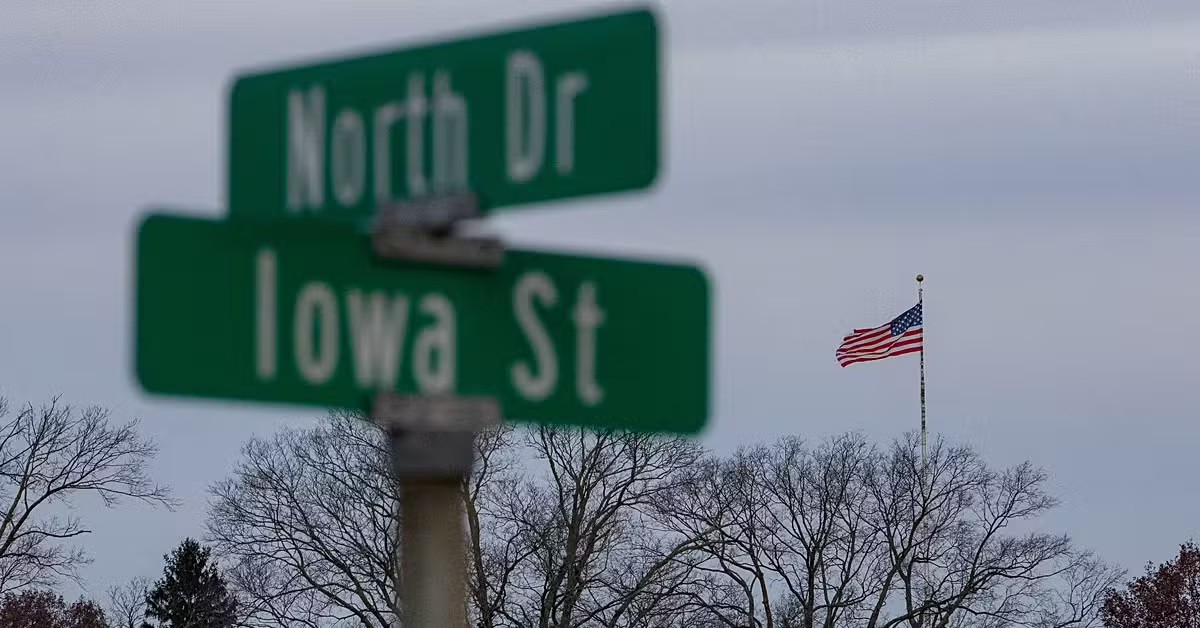
US Army detonates toxic explosives in Iowa despite contamination fears
The US Army destroyed the country's entire stockpile of lead azide, about five tonnes of hazardous material stored at an Iowa ammunition plant since 2009, in a controlled explosion on 25 November 2026. The deteriorating explosives, found unstable in a March 2026 inspection, risked spontaneously detonating as temperatures dropped, and military experts concluded a controlled explosion was safer than alternatives. Residents and environmental groups opposed the blast over fears of toxic lead dust, with schools closing, some residents sealing windows, and authorities urging people within eight kilometres to evacuate, while environmental organisations took legal action. A federal appeals court allowed the operation to go ahead two days before the explosion, ruling that the Environmental Protection Agency had incorporated adequate safeguards, but residents remain concerned about long-term consequences for their water, land, animals and homes.

Trump official goes silent on live TV after CNN says his Iowa blast hotline doesn't work
A RawStory news report describes EPA Administrator Lee Zeldin going silent on live television when CNN anchor Pamela Brown said the hotline number he gave Iowans was not working. The number was for residents worried about lead after the Army detonated nearly 5 tons of unstable lead azide at the Iowa Army Ammunition Plant in Middletown, which led officials to order a shelter in place within 20 miles. Brown said her team called the number Zeldin gave and could not find it online, and after several seconds of dead air he said he had just received an update that it had a digit off. He then gave a number, 833-649-9624, that matched neither his first version nor the one CNN had on screen, and the working number was already listed on the EPA's response page for the blast.
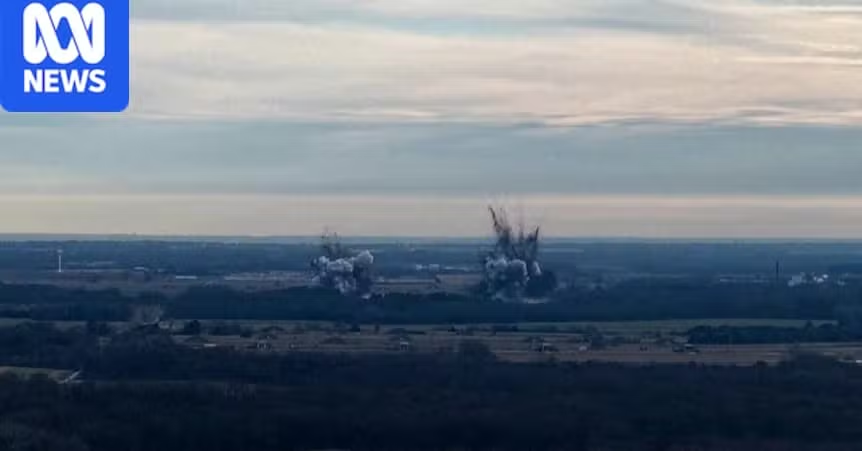
US Army detonates country's entire stockpile of lead azide explosives
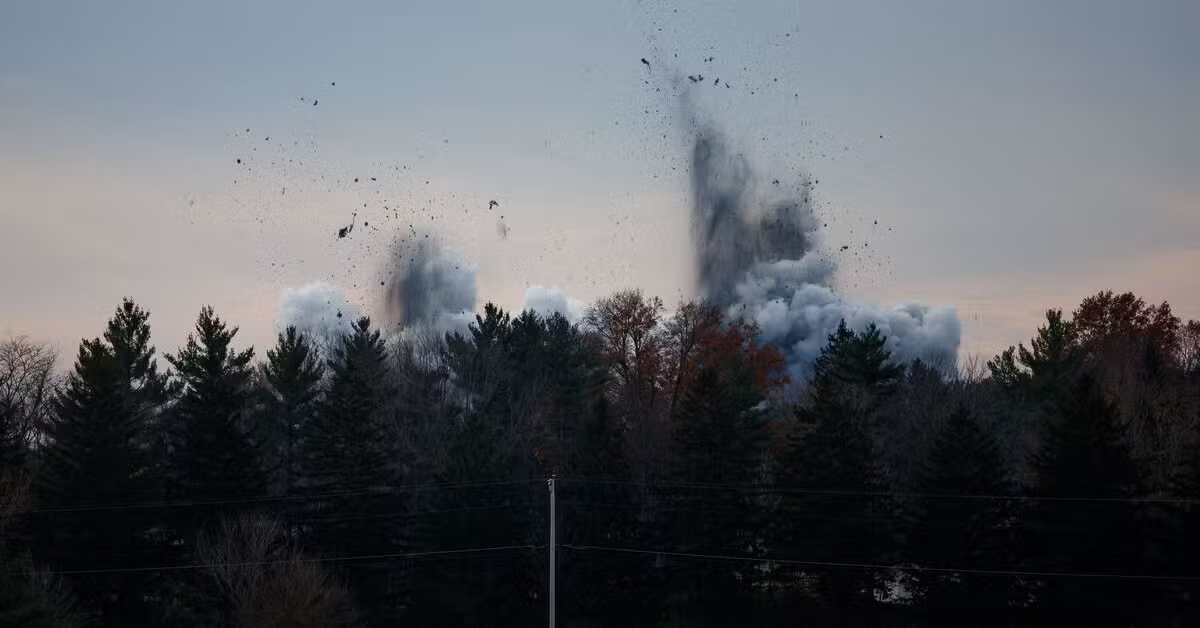
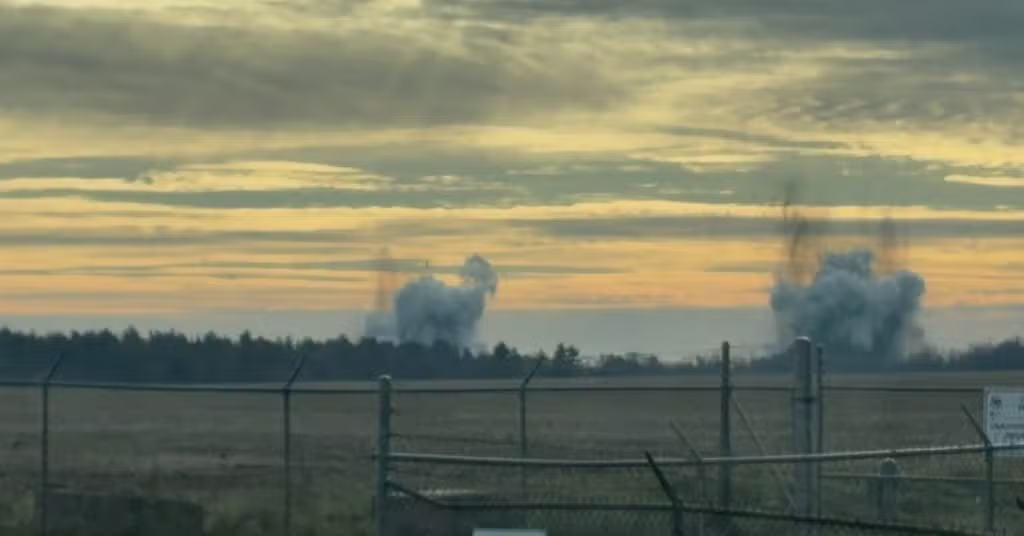
The US Army has detonated the country's entire stockpile of lead azide in a controlled blast at an ammunition plant in Middletown, Iowa, after fears of toxic lead dust prompted evacuations and school closures. Environmental Protection Agency air monitors around the plant showed no lead in the air half an hour after two loud booms sent wispy white plumes into the sky. The Army had changed the detonation date three times amid public backlash, saying the 4.5 tonnes of degraded bomb-making materials could explode spontaneously as temperatures cooled if not destroyed in a controlled manner. Burlington resident Tim Brandt, who watched the blast, said the government 'put fear in a lot of people over nothing'.

LIVE HOURS AFTER Army Detonated LEAD BOMB | Residents REACT LIVE
In a live broadcast hours after the event, Status Coup News reports that the U.S. Army detonated nearly 10,000 pounds of hazardous lead azide over Middletown, Iowa. The outlet says the Army went ahead with the detonation after much back-and-forth and overwhelming opposition, and reports the blast poisoned the air and soil nearby. Resident Patricia Dumenil, who lives just miles from the Iowa Army Ammunition Plant, tells the reporter she received a phone alert that morning warning her to stay indoors if she was within a 20-mile radius of the blast, and that she and her four animals sheltered in place during the explosion.
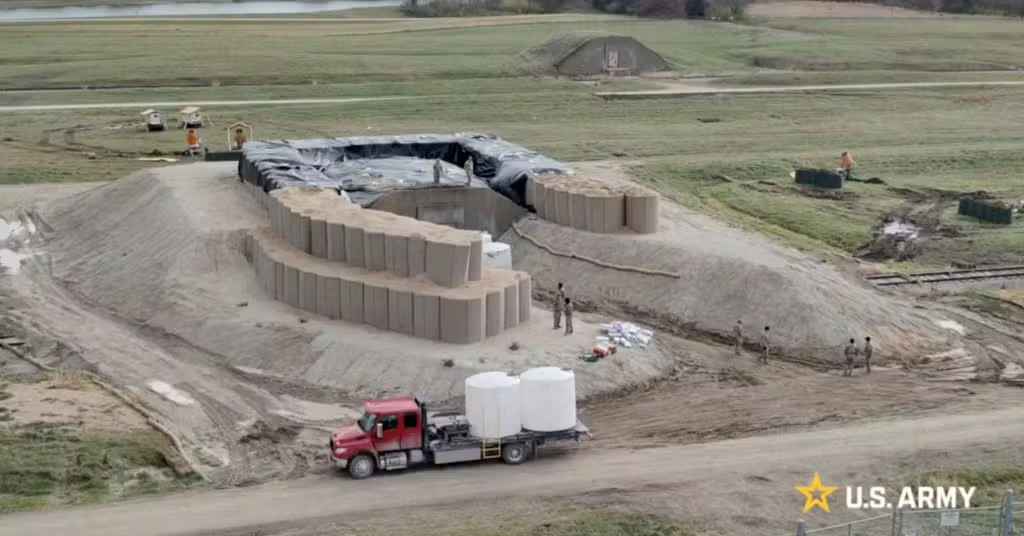
WATCH: Army offers update after detonating lead azide stockpile in Iowa
The U.S. Army intentionally detonated the nation's entire stockpile of lead azide, some 5 tons of the explosive-making chemical, at the Iowa Army Ammunition Plant in Middletown on 25 November 2026, and Maj. Gen. Eric Shirley, who led the operation, said early signs indicated no toxic dust had spread to nearby homes and farms. The action followed a March inspection that found the stockpile had partially crystallized and risked exploding spontaneously, and a federal appeals court ruling on 23 November allowed the plan to proceed after environmental groups sued to halt it. Environmental Protection Agency air monitors reported no lead in the air after two loud booms sent up white plumes that dissipated quickly, though it was unclear whether the plume carried any toxic lead, and officials had encouraged residents within 5 miles to evacuate while schools canceled classes. Acting Secretary of the Army Adam Telle and the governors of Iowa and Missouri called it a success, while some residents worried about impacts on water, farms, animals and homes, and agencies and independent researchers plan further testing in the days and weeks ahead.

FEMA’s Hotline Did Not Offer Promised Help for Iowa Residents
A New York Times report finds that FEMA's hotline, which an emergency alert told residents near the Iowa Army Ammunition Plant to call for evacuation details, had no evacuation information when callers rang ahead of a planned controlled detonation. Times reporters calling 1-800-621-FEMA found only the usual disaster-assistance recording, and four reporters in Iowa were unable to get evacuation information from any agent and were told to call 911 or 211 instead. FEMA is leading the response because the Army runs Wednesday's explosion, and its call-center scripts say representatives should share information about temporary housing and transportation help to evacuate. FEMA spokesman John Mills said in a statement that the agency called each household within the five-mile radius and knocked on doors, and administrator Cameron Hamilton had promised at a news conference that a hotline would be published.
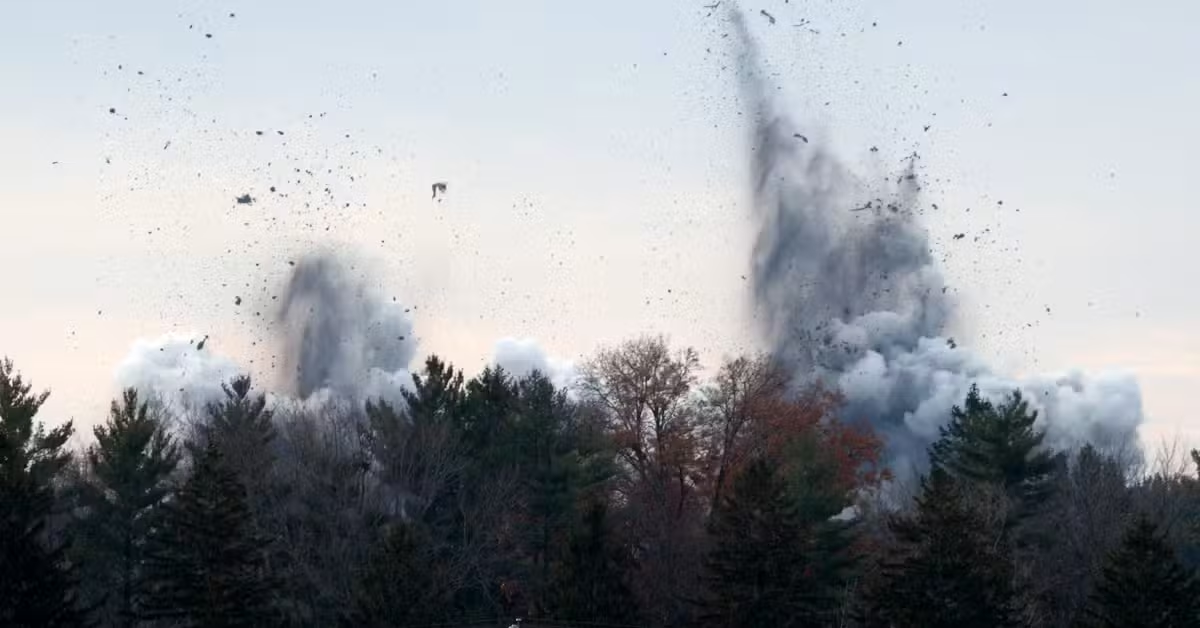
Watch the Pentagon’s Weird Iowa Lead Explosion Video
The New Republic's blog roundup leads with the U.S. Army's hype video, set to inspiring music, for the 10,000 pounds of toxic lead azide it blew up in Middletown, Iowa, on November 25, 2026, a detonation that forced hundreds of nearby residents to evacuate and tape their windows down. Kate Aronoff writes that lead dust could spread as far as 100 miles and reach the Mississippi River, while Iowa's Democratic Governor-elect Rob Sand says the lead-up should never have been so chaotic and demands immediate transparency and full care for anyone affected. The roundup also gathers the week's Trump news: a federal judge granted The Intercept and the Freedom of the Press Foundation discovery into who subscribes to Truth API, which Trump Media revealed in August 2026 has 10 trading firms paying $60,000 to $100,000 per month and which The New Republic calls Trump's blatant pay-to-play scheme. It reports Judge Zia Faruqui's 48-page opinion that the Justice Department rushed charges against two former FBI officials over Hunter Biden's laptop at Trump's behest to score midterm points, calling it one of a long string of botched, politicized cases. It also notes Trump offering a pardon to Nvidia's Jensen Huang days after Huang's reappointment sent the stock up 31.5 percent, a jump that reportedly made Trump, who holds 370,000 shares, up to $15 million, and it covers homeland security secretary Markwayne Mullin's baseless suggestion that AI downed the flights the FAA grounded, which administration officials reportedly see as making him a liability whose days may be numbered.
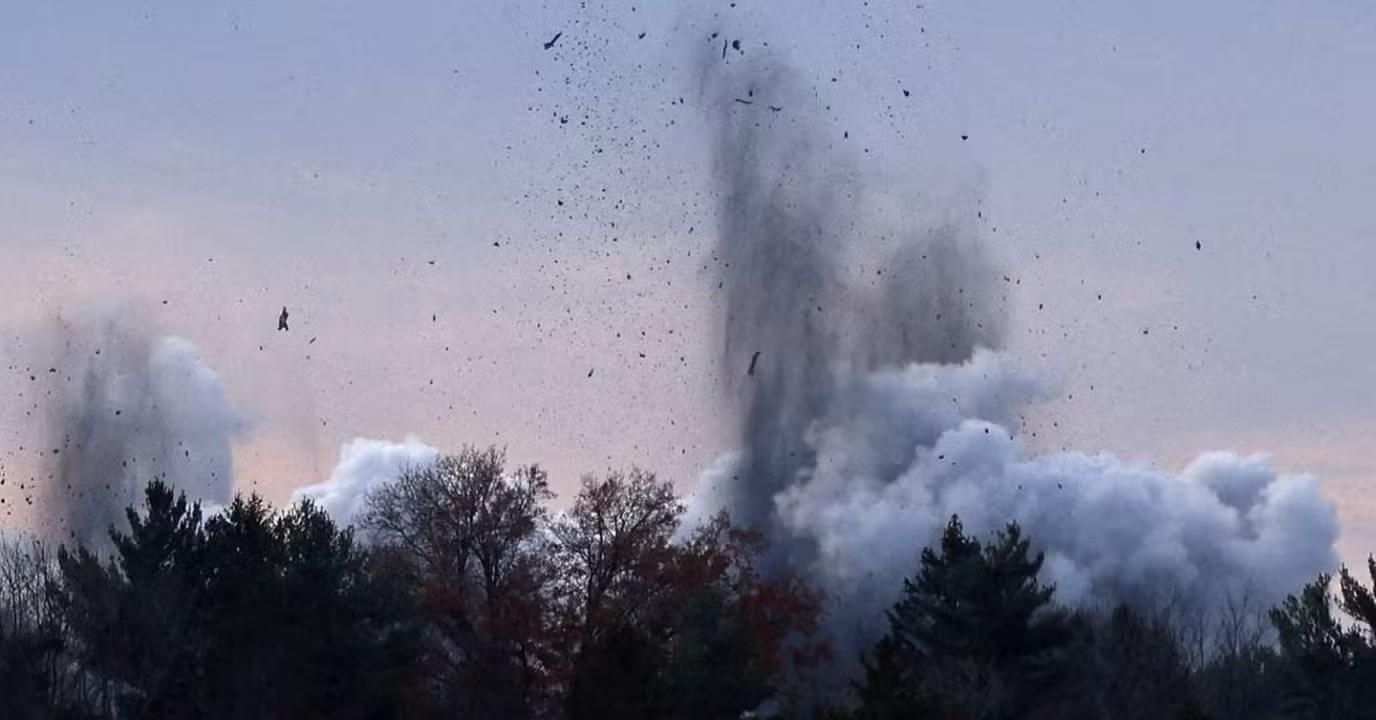
L’armée américaine fait exploser des tonnes de matériel militaire vieillissant et toxique ; des habitants appelés à évacuer face aux risques de pollution
Le Monde, with AFP, reports that the US Army on Wednesday 25 November destroyed more than four tons of lead azide, a toxic explosive stored over 15 years at its Iowa ammunition plant, and warned residents of nearby Middletown, a village of 350 people, to evacuate over pollution risks. Containment measures included a 375,000-liter water wall, foam barriers, and a sand wall around the storage room, and residents were told to stay inside with windows closed after the blast released a thick smoke cloud. Authorities said the barrels were too old to move safely, and Donald Trump briefly suspended the detonation before an appeals court allowed it. EPA Administrator Lee Zeldin promised immediate water and soil testing and cleanup, urging residents to wipe outdoor surfaces children touch with a damp cloth.

Trump Plays Politics as Iowa Experiences a Toxic Explosion | Morning Shots
In an episode of The Bulwark's Morning Shots, hosts Andrew Egger and Bill Kristol argue that Trump is playing politics as Iowa experiences a toxic explosion. They present the detonation of toxic military explosives in Iowa as a fact, and say the Trump administration's response to it was a last-minute scramble to manage the crisis. Beyond Iowa, they say Trump is doubling down on tariffs even as inflation remains stubborn, and that the Nvidia scandal exposes new cracks in Republican loyalty to him. They also argue Stephen Miller's grip on the federal government is growing.
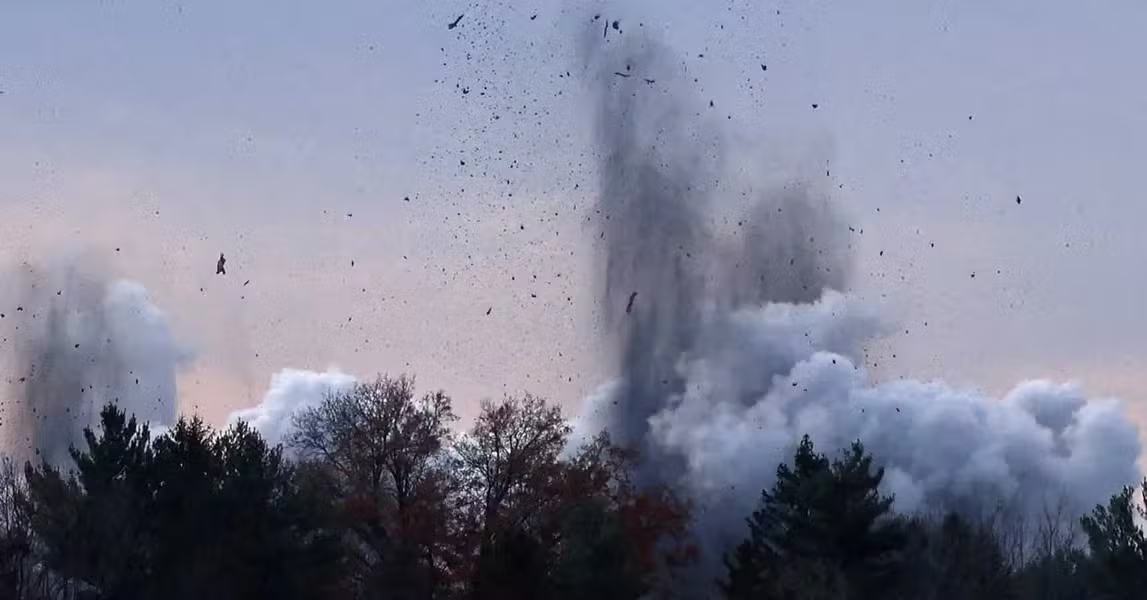
Army stuns with 'utterly wild' 11 pm advice to Iowa before detonating lead explosives
The US Army detonated tons of degraded lead azide explosives at the Iowa Army Ammunition Plant in Middletown, Iowa, on November 25, 2026, after a judge cleared the way despite objections. The Trump administration suggested high-quality furnace filters could protect locals from fallout, with the Army first issuing the filter advice the morning before the blast and repeating it near midnight, leaving residents little time before the 9 a.m. Central detonation. State and local officials say they got only days of notice, federal officials urged children, pregnant women, and people with chronic illnesses to leave the possible plume's path, and critics say the administration botched its handling. On Truth Social, Trump says early reports from Iowa are that the Army's mitigation efforts far exceeded expectations, though he threatened to blame an Iowa Democrat if the blast was stalled.
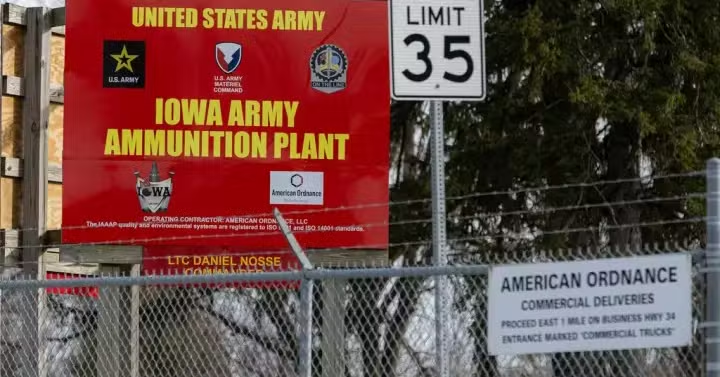
U.S. Army detonates bomb chemicals in Iowa despite toxic plume concerns - National | Globalnews.ca
The U.S. Army intentionally detonated the nation's entire stockpile of lead azide, about five tonnes, at the Iowa Army Ammunition Plant in Middletown, Iowa, after a federal appeals court ruled the EPA had adequately incorporated safeguards against lead dust dispersal. The blast had been planned for 20 November but was delayed three times amid public backlash, a lawsuit by environmental groups, and added safety measures including two-story concrete and sand blast barriers and more than 100,000 gallons of water to tamp down the plume. The Army said the stockpile, stored since 2009 and found partially crystallized during a March 2026 inspection, risked exploding uncontrollably as temperatures cooled. Early EPA air monitors reported no lead in the air in the first 15 minutes after the detonation, while nearby schools canceled classes, some residents sealed their windows, and officials said the wind was expected to carry any plume toward Missouri.
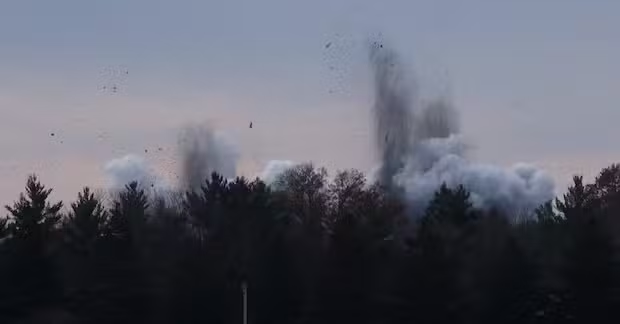
U.S. army blows up bomb chemicals in Iowa despite fears toxic plume could endanger residents | CBC News
The U.S. army intentionally blew up the nation's entire stockpile of lead azide, about five tons of degraded bomb-making material, at the Iowa Army Ammunition Plant in Middletown on 25 November 2026, after officials said the crystallized explosive risked detonating uncontrollably as temperatures dropped. Environmental groups sued to halt the blast, but a federal appeals court found the EPA had adequately incorporated safeguards to limit lead dust, and residents within five miles were urged to evacuate while some sealed their windows. U.S. Environmental Protection Agency air monitors reported no lead in the air more than half an hour after the detonation, and President Donald Trump said early reports showed the army's mitigation efforts had far exceeded expectations.

Photos: Army blows up 5 tons of chemicals in controlled explosion in Iowa
In a photo article for the Chicago Tribune, Armando L. Sanchez documents the Army blowing up the nation's entire stockpile of lead azide in a controlled explosion at the Iowa Army Ammunition Plant in Middletown, Iowa on November 25, 2026. The blast destroyed 68 drums containing 9,500 pounds of the chemical. Officials said the degraded lead azide was at risk of exploding uncontrollably as temperatures cooled. One photograph shows a person watching the drums detonate.
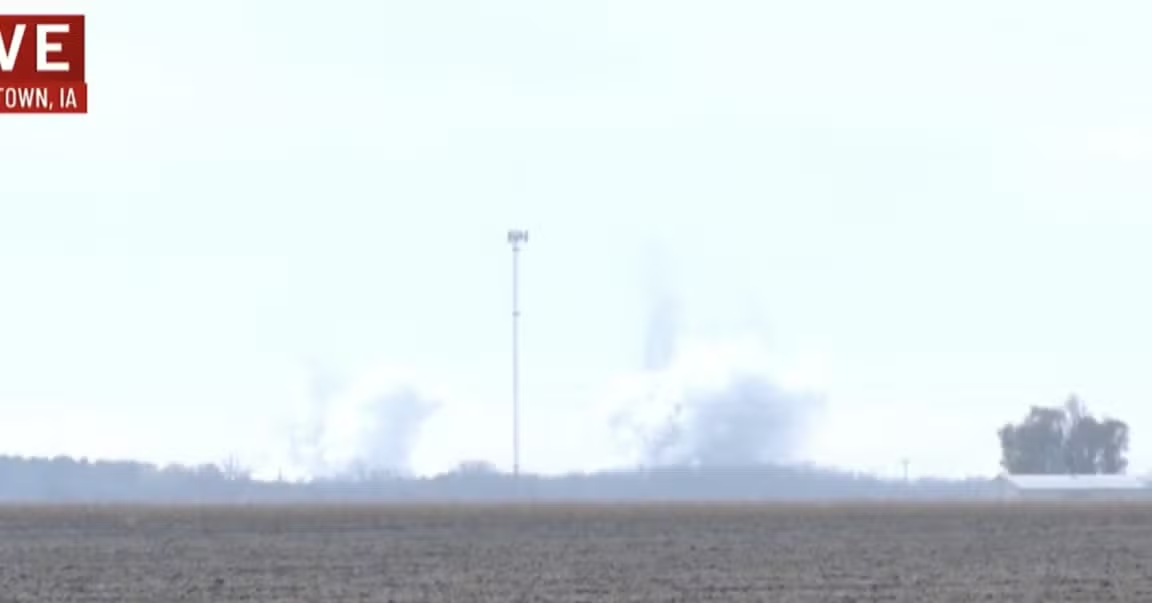
Army detonates tons of lead azide as local residents brace for toxic plume
The Army detonated 68 barrels holding 9,700 pounds (4.4 tons) of degraded, highly unstable lead azide at the Iowa Army Ammunition Plant in Middletown, Iowa, on Wednesday, preventing a spontaneous explosion but sending gray-white clouds over southeastern Iowa. Residents within 5 miles were advised to evacuate and people farther out told to shelter in place with windows closed and air systems set to recirculate, while researchers collected air and soil samples as baseline readings for the fallout. The detonation had been delayed after public alarm, an emergency court filing from environmental groups, and a federal appeals court stay, with the court in the week of the blast allowing the Army to move ahead given no better option. The Army's maps showed modeled airborne lead traveling about 100 miles southwest with dust deposition over some 200 square miles, and while the Army said it had known of the hazard since March, the Washington Post reported emails suggesting it knew since at least September 2025.
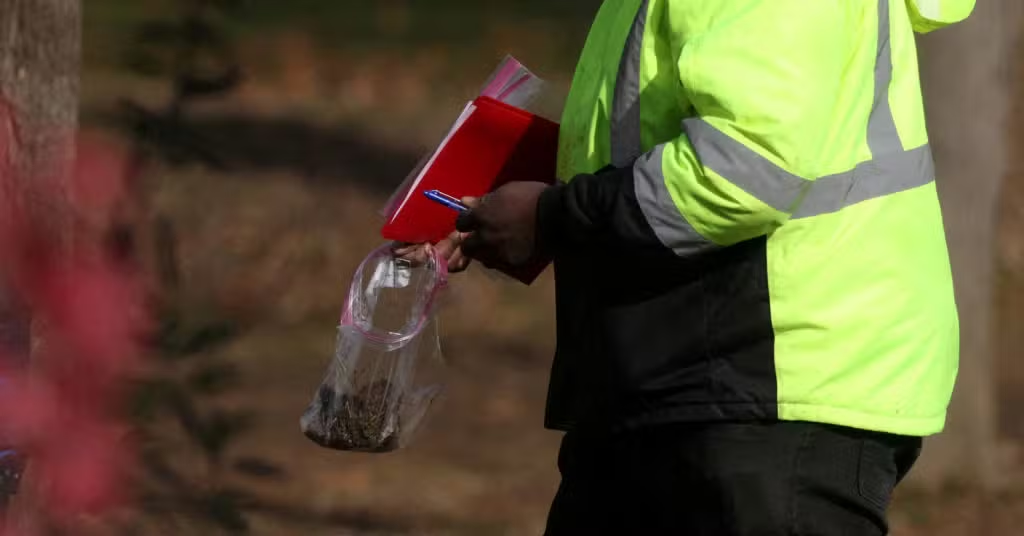
What is lead azide? What to know about the chemical detonated at an Iowa Army base
In a news explainer, the Associated Press reports that the U.S. Army detonated a degraded stockpile of lead azide at the Iowa Army Ammunition Plant in Middletown, Iowa, on 25 November 2026. Lead azide is a highly sensitive compound of lead and nitrogen, used in detonators to set off other explosives, that the military stopped using in the 1980s because of its hazards; the decades-old Iowa supply was forming unstable larger crystals that posed a risk of spontaneous detonation. Officials and researchers are questioning the levels of lead that might end up in the air and in nearby land and water, affecting residents, crops, cattle, and wildlife, since lead exposure causes both immediate and longer-term harm to the brain, nervous system, kidneys, heart, and other organs. The Army says the detonation included barriers around the blast zone to reduce the plume and ballistic gels to absorb lead dust.

Iowa’s lead bomb is touching a nerve with MAHA
The Army detonated nearly five tons of explosive materials, including lead azide, at an ammunition plant in Middletown, Iowa, on 25 November 2026, drawing outrage among President Donald Trump's Make America Healthy Again supporters. The anger lands in a state with the country's second highest cancer rate, where Iowans already worry environmental pollutants are behind it. Zach Lahn, a businessman-turned-organic farmer who lost the Iowa governor's race after campaigning on the cancer issue, has emerged as an intermediary, saying he spoke with Health Secretary Robert F. Kennedy Jr. and Vice President JD Vance's team, and crediting the outcry for additional precautions like sand barriers and water walls. The Trump administration urges residents to stay calm, while acting Army Secretary Adam Telle says the public should not panic but acknowledges some risk, and heavy redactions in the released plans have left many skeptical.

What happens after Army detonated lead azide in Iowa?
NewsNation reports that the U.S. Army has completed a controlled detonation of 68 barrels of highly unstable lead azide at the Iowa Army Ammunition Plant in Middletown, Iowa, chosen to avoid a spontaneous, uncontrolled explosion. The detonation prompted public outcry over possible lead contamination, with fears that a lead dust plume could carry lead into surrounding areas and neighboring states, and residents closest to the plant were told to evacuate, though an alert sent just under an hour before the blast warned there was no longer time to evacuate and to shelter in place. Mitigation measures included walls of water tanks and foam blocks, suppressant foam, and misting units to weigh down particles, and the Army says its goal was 'zero release' of lead into the air, though the article reports concerns that its modeling underestimated a worst-case wind-carried release. Authorities say testing will give a more detailed picture of any lead release, and experts recommend steps such as damp-dusting surfaces, using HEPA-filter vacuums, washing outdoor items and cars, and keeping children out of leaves and grass until rain or snow washes away residual dust.
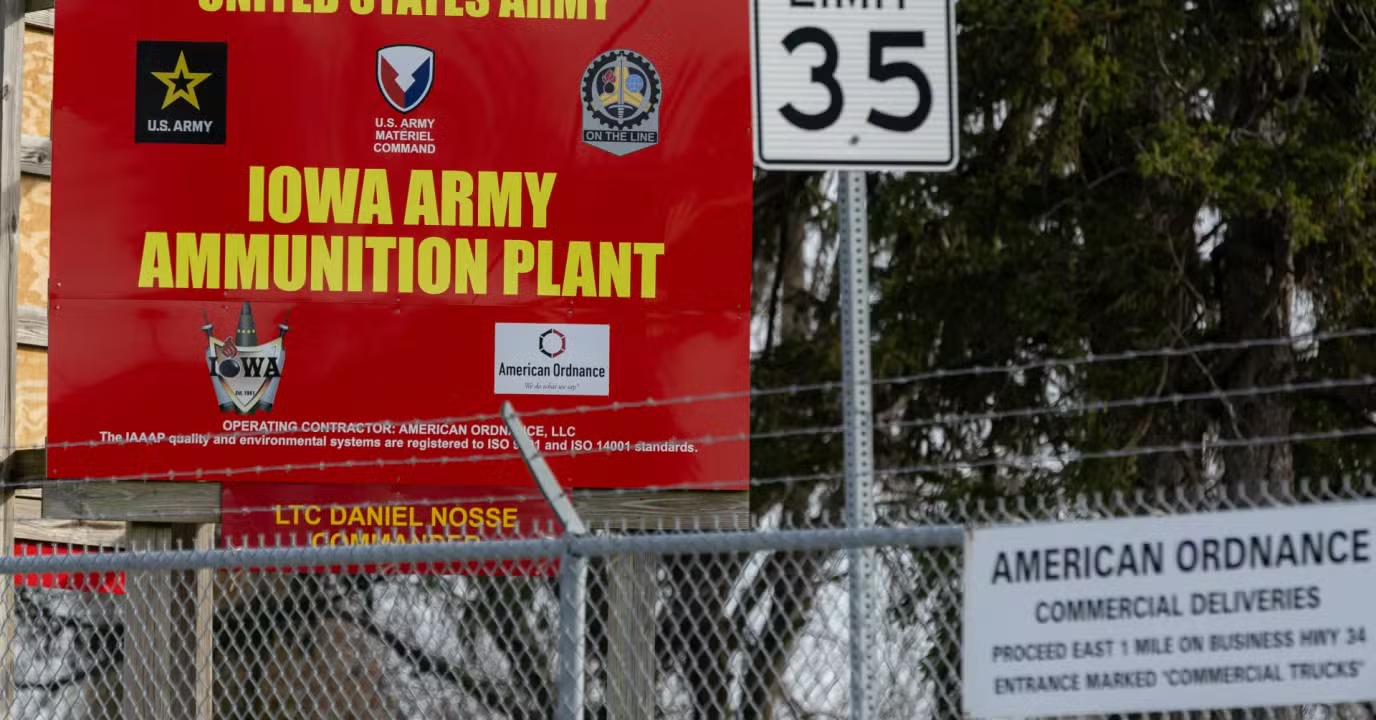
US Army detonates toxic lead explosives in Iowa amid health concerns
In a news report, Al Jazeera says the United States Army destroyed a stockpile of nearly 4,500kg (10,000lb) of lead azide, a highly volatile lead-based explosive, in two open-air detonations at the Iowa Army Ammunition Plant on Wednesday 25 November 2026, ending a brief legal battle sparked by fears that toxic fallout dust would endanger residents, livestock and farmland. Before the blasts, outgoing Republican Governor Kim Reynolds declared a disaster emergency across Des Moines, Lee and Van Buren counties, and health officials in northeast Missouri advised residents 8km to 32km southwest of the plant to shelter indoors. Assistant Secretary of the Army Jordan Gillis said in a video on X that the Army faced a choice between a spontaneous, uncontrolled detonation of dangerous material and a controlled one timed and placed to optimise public safety, and revised wind projections showed airborne lead particles shifting southwest into northeast Missouri. United States Department of Agriculture undersecretary Richard Fordyce said about 350 farms across Iowa and Missouri could lie within the projected plume area, in a state that ranks second only to California in agricultural output value. University of Illinois professor Will Sander said the acute exposure is the biggest risk because the lead will not yet have dispersed, and advised cattle producers to cover feed and water supplies to limit animals' ingestion of lead dust.
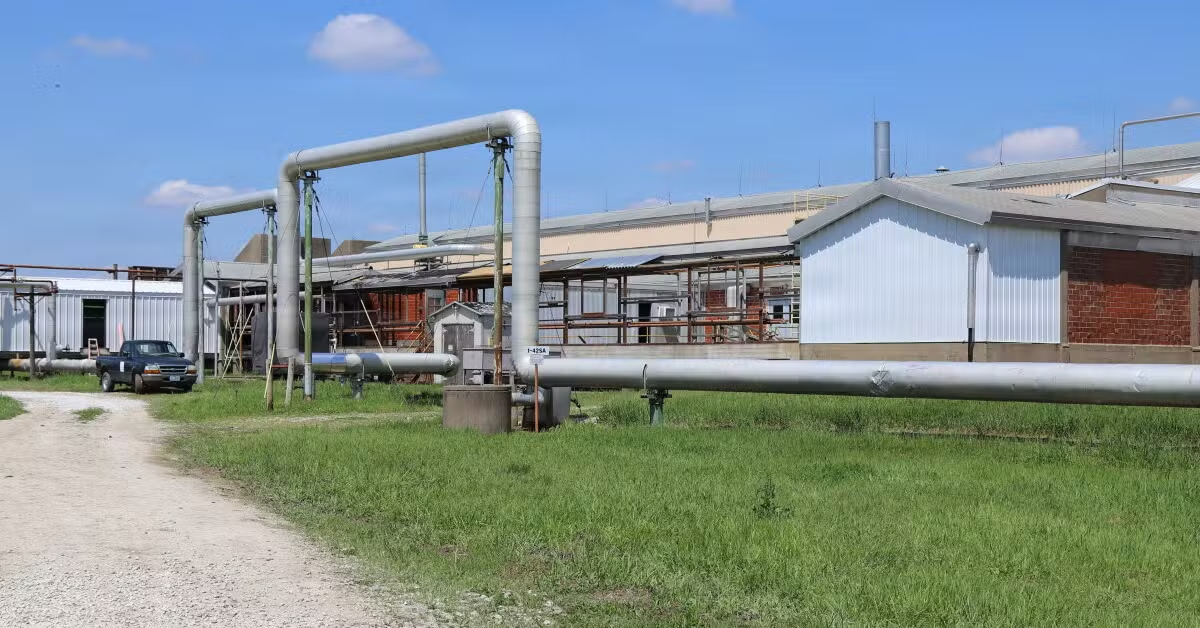
Live updates: Army detonates entire US stockpile of lead azide in Iowa
The U.S. Army detonated the nation's entire stockpile of lead azide, roughly 5 tons, at the Iowa Army Ammunition Plant in Middletown, Iowa, on November 25, 2026, after plant staff found in March 2026 that the bomb-making chemical had partially crystallized and risked spontaneous detonation as temperatures cooled. Environmentalists sued to stop the blast, but a federal appeals court cleared the way, and the detonation, the third date the Army set after delays for added safety measures and favorable winds, went ahead with blast barriers, ballistic gels and foams, and water meant to absorb lead dust. Officials urged people within 20 miles to shelter in place and schools and businesses closed nearby, while the Environmental Protection Agency, which took more than 1,200 air, land and water samples beforehand and found no lead in the air before the blast, expected only a brief rise in lead levels. Local farmer Doug Seyb, whose family has held the farm for over 150 years, fears deformities in his spring calves and lead in the soil for his crops.
Army Detonates Hazardous Material in Iowa Despite Outcry
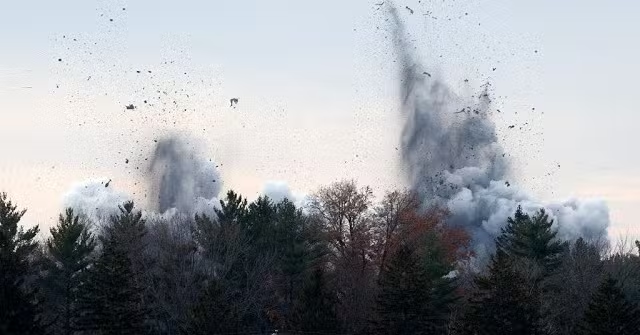
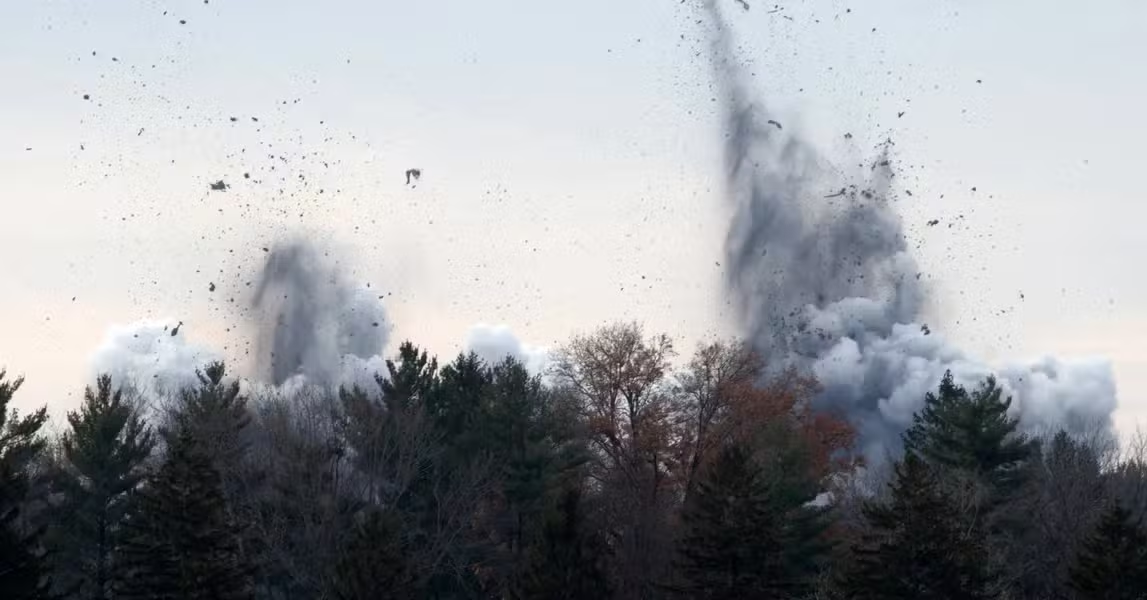
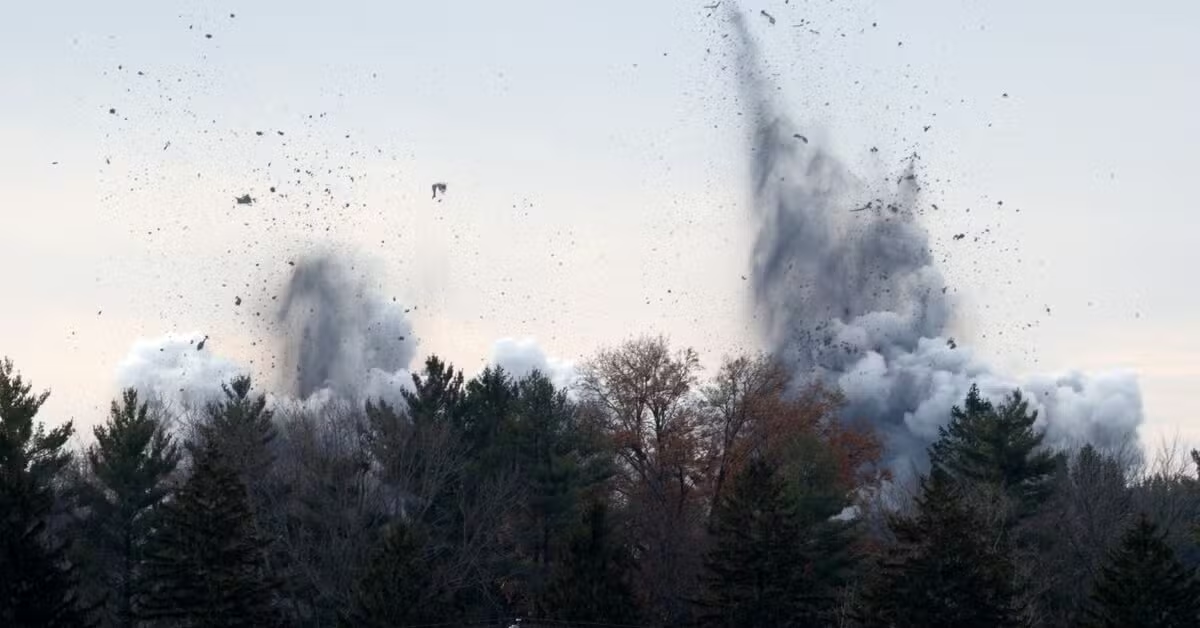
The Army detonated five tons of lead azide, hazardous material stored at the Iowa Army Ammunition Plant in Middletown, Iowa, on November 25, 2026, despite public outcry. A Bloomberg report says early indications suggest planners averted the worst-case scenario of a massive cloud of toxic lead wafting over surrounding communities. A C-SPAN live feed showed two white plumes rise into the air after the detonation. President Donald Trump said on X that the Army's handling had 'far exceeded expectations'.
Live Updates: Army detonates stockpile of lead azide in Iowa
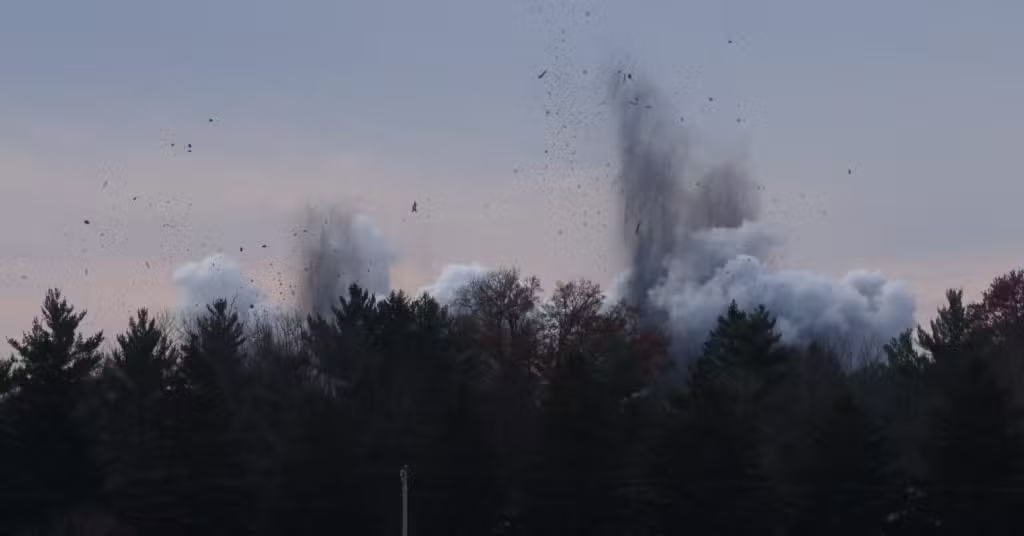
The U.S. Army blew up the nation's entire stockpile of about 5 tons of lead azide at the Iowa Army Ammunition Plant in Middletown on 25 November 2026, after officials warned the degrading bomb-making chemicals could explode uncontrollably as temperatures cooled. Staff had found during a March 2026 inspection that the lead azide had partially crystallized, making it sensitive to friction and cold, and the Army concluded a controlled detonation was safer than alternatives; it rescheduled the blast three times and won court approval after environmentalists sued to stop it. Residents within 20 miles were told to shelter in place and those in Middletown and a 5-mile cone were advised to evacuate, while the Army used blast barriers and ballistic gels to limit the lead dust plume. Environmentalists and nearby farmers, including Doug Seyb, whose family has farmed 18 miles away for over 150 years, worry about health and environmental effects, and the Environmental Protection Agency collected more than 1,200 samples beforehand and will monitor lead levels during and after the blast.

Watch: Army blows up 5 tons of toxic lead explosives in Iowa
The US Army plans to detonate around five tons of deteriorating lead azide at the Iowa Army Ammunition Plant in Middletown, southeastern Iowa, at around 10 a.m. ET on 25 November 2026 despite pushback from residents and state officials. A federal appeals court cleared the way, after the Army moved the detonation date three times following objections. The Army says the lead azide has become too dangerous to move or leave in place, and officials say the 68 barrels could go off on their own as temperatures drop. Acting Army Secretary Adam Telle says a controlled blast is 'far preferable to an uncontrolled spontaneous detonation,' while state and local leaders say they got little notice, and federal officials urged children, pregnant women, and people with chronic illnesses to leave areas where a toxic lead dust plume could travel, possibly into northern Missouri.
The U.S. Army is blowing up five tons of toxic lead azide in Iowa
In a news article for Scientific American, Claire Cameron reports that the U.S. Army is detonating five tons of lead azide, a munitions explosive that can form unstable crystals able to detonate spontaneously, at a site in Iowa on November 25, 2026, with two controlled explosions set for 10 A.M. EDT. Residents nearby had been urged to evacuate in the days before, but leaving is no longer possible, so anyone remaining is being told to block and secure windows and doors, and state officials recommend staying inside with windows and doors closed for at least 24 hours. Officials say the detonation is necessary because lead azide becomes explosively unstable at certain temperatures, and they anticipate 'zero release' of toxins thanks to mitigation efforts, with any exposure estimated to last about one hour. Experts counter that any toxic material released could extend for miles, affecting parts of Iowa and neighboring Missouri, and would pose a significant danger to people's health.
WATCH LIVE: Army expected to carry out controlled detonation of Iowa lead azide stockpile
An Associated Press report says the U.S. Army expects to carry out a controlled detonation of the nation's entire stockpile of lead azide, roughly 5 tons of degraded bomb-making chemicals, at the Iowa Army Ammunition Plant in Middletown, Iowa, on the morning of 25 November 2026. The plan was put back on track when a federal appeals court ruled on 23 November 2026 that the EPA had adequately incorporated safeguards against lead dust dispersal, rejecting environmental groups' lawsuit to halt it. The Army moved to detonate after a March 2026 inspection found the lead azide had partially crystallized, making it sensitive to friction and cold and at risk of exploding spontaneously, and it says the chemicals could otherwise explode at any time. Officials urged residents within 5 miles to evacuate, schools shut down and businesses closed as a precaution, while nearby residents voiced frustration over the lack of information and worries about lead dust reaching their homes, farms and water.

🚨U.S. ARMY Advances DANGEROUS Lead DETONATION Despite MAJOR LEGAL ACTION!!
In an interview with Earthjustice managing attorney Rachel Riddleman, Katie Phang reports that the Eighth Circuit Court of Appeals denied Earthjustice's stay and cleared the Army to detonate five tons of lead azide the next day in Middletown, Iowa, despite Earthjustice's suit to stop it. The material, stored in 68 drums across two bunkers for more than 20 years, is now crystallized to the point of possible spontaneous explosion, and Riddleman says the record shows the Army knew since March that crystallization had reached a crisis point. Riddleman blames the Army's neglect for creating the emergency and faults the EPA for granting the emergency permit with less than five days' public notice. She warns the risk is not isolated, saying military stockpiles across the country hold aging munitions that could face the same situation, and Earthjustice will keep pushing for cleanup, monitoring, and accountability.
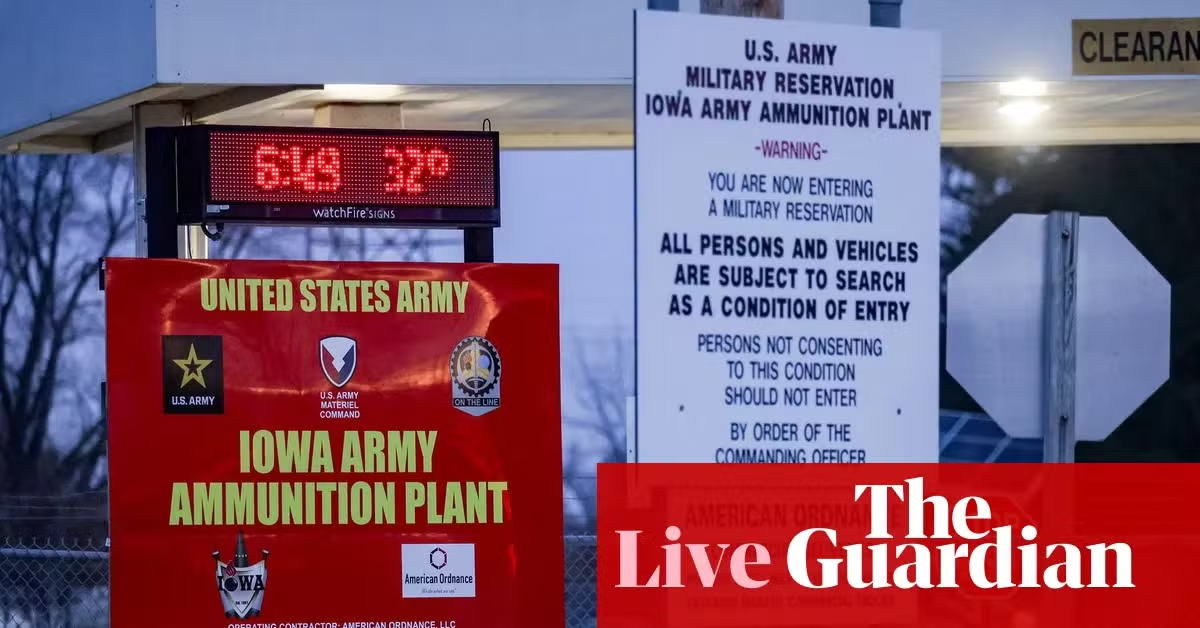
Iowa lead detonation: US army to blow up bomb-making chemicals despite concerns - live updates
The US Army plans to detonate the nation's entire stockpile of lead azide, about 9,700lb of bomb-making chemicals stored at the Iowa Army Ammunition Plant in Middletown, a small town in south-eastern Iowa, on Wednesday morning, after changing the date three times amid an outpouring of public concern. The Army warns the blast could release toxic lead dust over a 100-mile radius, and its newest blast models put the plume heading south-west into southern Iowa and Missouri, where officials say about 350 farms could be affected. Acting secretary of the army Adam Telle says on X there is no reason for the public to panic and that government entities unanimously judged an extensively mitigated, carefully controlled detonation should proceed. In a FEMA cellphone alert on the morning of the detonation, residents within 20 miles were told to shelter in place with windows closed, and local reports describe farmers rushing to buy water containers, tarps, and lead-testing kits.
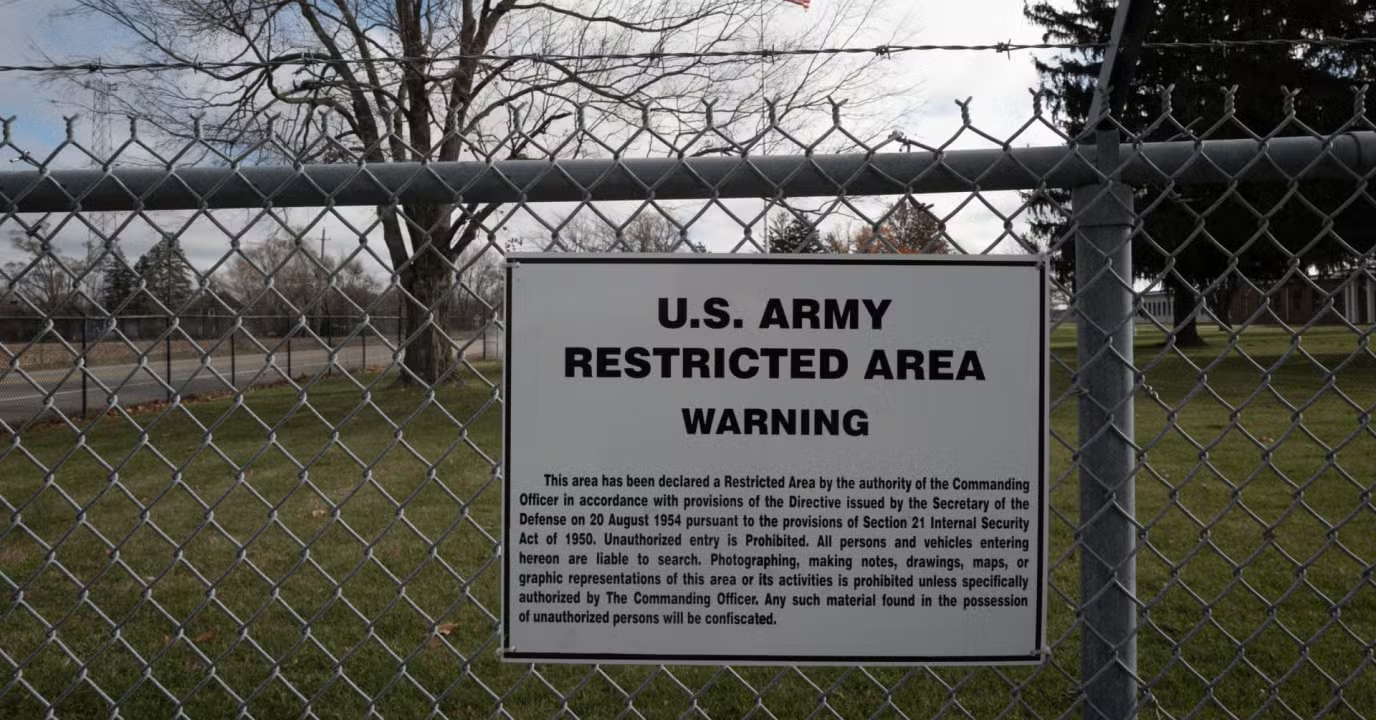
Army plans to detonate U.S. stockpile of lead azide in Iowa
The U.S. Army plans to detonate the nation's entire stockpile of lead azide, about 5 tons, at the Iowa Army Ammunition Plant near Middletown, Iowa, around 10 a.m. on Wednesday morning. The Army says the degrading bomb-making chemicals could otherwise explode at any time, and it has set up barriers and ballistic gels to limit the lead dust plume. Officials warned residents to prepare to evacuate, FEMA recommended evacuation for Middletown and anyone within a 5-mile cone of the plant, and schools and some businesses in the plume's path closed ahead of the blast. Farmers were urged to move livestock indoors and get baseline soil samples, since about 350 farms could fall in the projected plume, and the Army won approval from a federal appeals court after environmentalists sued to stop the detonation.

An Out-of-Control President Tries a Controlled Detonation
In a Bulwark newsletter, Andrew Egger argues that Donald Trump's handling of a planned controlled detonation of more than 9,000 pounds of degrading, toxic lead azide at the Iowa Army Ammunition Plant reveals a president frantically casting around for someone else to blame. The explosives have sat at the plant since the 1980s, the Army judged them too unstable to move and considered a controlled detonation safer than risking an unplanned one, and a brief environmentalist lawsuit was cleared aside when the Eighth Circuit let the detonation proceed. Yet Trump wincing at the political danger, falsely blamed the Obama administration in a Truth Social post and threatened to hold Iowa's incoming Democratic governor-elect Rob Sand, who does not take office for two months, responsible for any death or destruction if the detonation is delayed. Egger concedes it is not Trump's fault the explosives are moldering and that blowing them up may be the best course, but calls the blame-shifting as ridiculous as it gets and hard to imagine a more striking illustration of Trump's pathological need to pass the buck.

US Army prepares to detonate tons of bomb-making materials
CNN reports that the US Army plans to detonate around 5 tons of bomb-making materials that are considered too volatile to move. The planned controlled explosion has stirred public outcry in rural Iowa over its potential health dangers. The Army shared a video showing how it will 'mitigate the impacts' of the detonation.
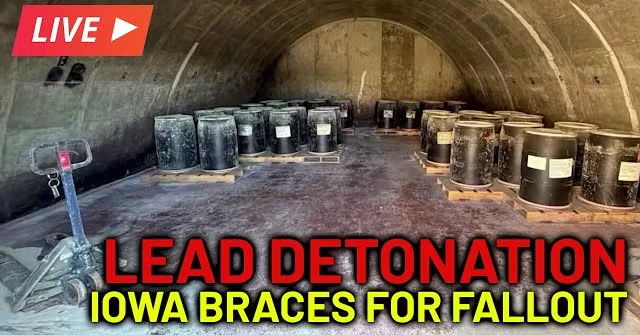
LIVE: Iowa Lead Azide Detonation and Safety Concerns
In a live video, First Alert 6 covers the U.S. Army's planned detonation of unstable lead azide at the Iowa Army Ammunition Plant near Middletown, set for approximately 9 a.m. Central, though the timing could change. Officials recommend relocation for people in Middletown and in a designated zone southwest of the plant, and say people in other affected areas should follow shelter guidance. The Army says weather conditions may change the projected path of lead-containing dust from the detonation, and residents seeking evacuation assistance can call FEMA at 1-800-621-3362.

Army’s Maps of Iowa Explosion May Underestimate Impact
A New York Times review of publicly released information finds that the Army's estimates of the toxic plume from a planned detonation at an ammunition plant in Middletown, Iowa, are based on a lower standard than the worst-case scenario the Environmental Protection Agency's permit required. If the Army's mitigation measures fail, the release of toxic material could be nearly four times larger than the models officials made public showed, since the Army's estimates assume at most 26 percent of toxic material escapes containment. The Army says it will proceed under an emergency exclusion to federal environmental laws, arguing that imminent freezing temperatures risk an accidental, uncontrolled explosion. Purdue professor Andrew Whelton, who led research after the 2023 East Palestine derailment, said it was hard to understand the Army's scientific justification for changing the plume numbers and that officials should prepare for the worst case.
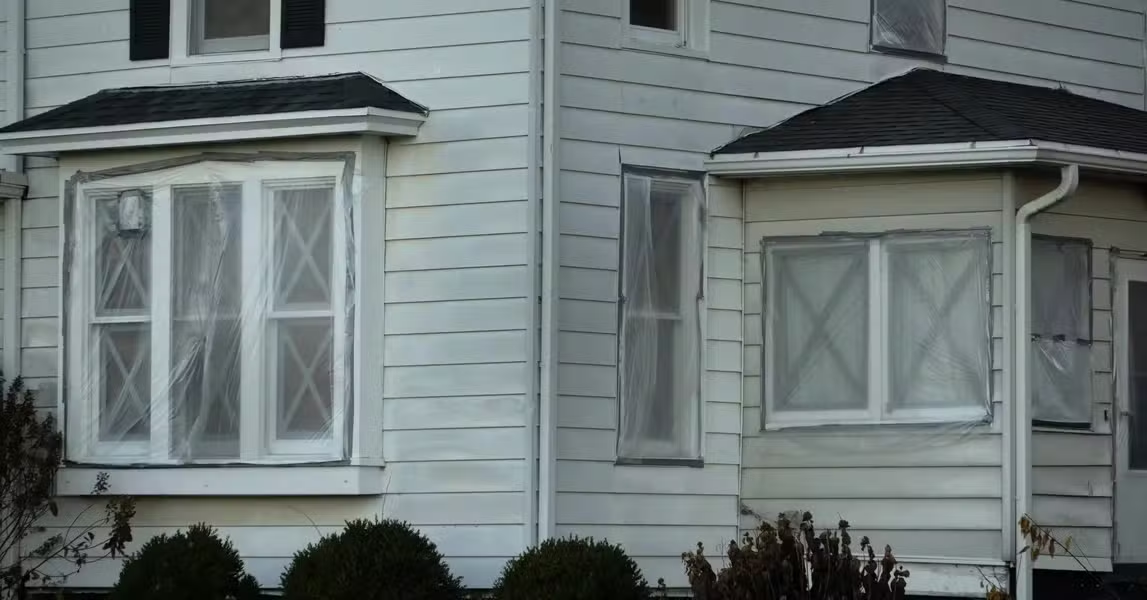
'Outrageous': US Army Set to Detonate Toxic 'Lead Bomb' in Iowa on Thanksgiving Eve | Common Dreams
A Common Dreams news report covers the US Army's plan to detonate roughly 5 tons of degraded lead azide inside the Iowa Army Ammunition Plant in Middletown, Iowa at 9:00 am local time on Wednesday, November 25, 2026, the day before Thanksgiving. A judge ruled on Monday, November 23, in response to a lawsuit by environmental groups, that the Army could proceed, leaving residents with no legal challenges left to stop the blast. The New York Times reported that people living closest to the 19,000-acre site were taping their windows against shattering, watching wind forecasts for a toxic plume of lead dust, and agonizing over whether to shut themselves in or leave southeastern Iowa, while protesters gathered in Des Moines with signs reading 'Iowa Is Not a Sacrifice Area'. Maj. Gen. Eric Shirley, the Army's operation leader, told reporters that 'Inaction was no longer an option' and that there was no safe way to remove the lead azide beyond the planned controlled demolition. Lawmakers including Senator Jeff Merkley, who called the court's greenlight 'outrageous', and Congresswoman Chellie Pingree, who demanded a full investigation and said there is 'NO SAFE LEVEL OF LEAD' in a child's blood, warned that not enough had been done to safeguard communities from the fallout.

“Disaster Waiting to Happen”: Iowa Declares Emergency as U.S. Army Detonates 5 Tons of Lead Azide
Democracy Now! reports that the U.S. Army detonated nearly five tons of lead azide at the Iowa Army Ammunition Plant on November 25, 2026, as Governor Kim Reynolds declared a disaster emergency in three counties and nearby residents were told to evacuate or shelter in place. The Army's own map estimated the lead plume could reach northern Missouri, more than 100 miles from ground zero. A New York Times investigation found the Army had first awarded a contract to MuniRem Environmental to neutralize the explosives with a sulfur-based chemical process, then canceled it two months later and chose detonation instead. Anti-military-toxicity campaigner Pat Elder calls the detonation a disaster waiting to happen, saying Army, EPA, and Johns Hopkins experts had voted the blast too dangerous, and the Army says the deteriorated explosives in 68 drums risked exploding spontaneously anyway.
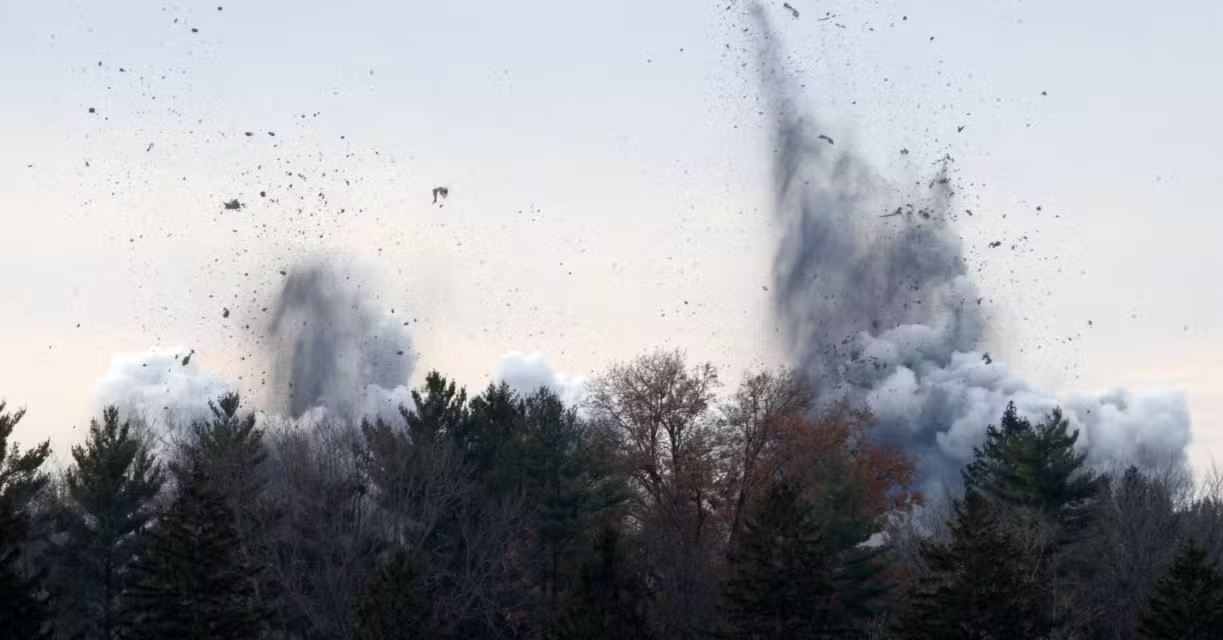
Army Detonates Tons of Toxic Lead Explosives in Iowa
A Wall Street Journal report says the U.S. Army detonated tons of toxic lead explosives in Middletown, Iowa, on Wednesday, capping days of controversy over how to dispose of degraded bomb-making material. The Army had originally planned a controlled demolition of 9,500 pounds of lead azide at the Iowa Army Ammunition Plant the week before, but pushed the date amid weather concerns and a lawsuit from environmental groups seeking to halt the blast. Federal officials said the Army has detonated nearly 10,000 pounds of the toxic explosives and say residents within 20 miles who have not evacuated should shelter in place.

Live: Army detonating lead chemicals at ammunition plant in Iowa
MS NOW streams live video of the U.S. Army carrying out a controlled detonation of five tons of unstable lead azide at the Iowa Army Ammunition Plant near Middletown, Iowa.

Iowa Explosion - LIVE Breaking News Coverage (Army Detonates Lead Azide)
Agenda-Free TV's live breaking news stream covers the U.S. Army's plan to conduct a controlled detonation of five tons of unstable, degraded lead azide at the Iowa Army Ammunition Plant in Middletown, Iowa, set for around 10 a.m. ET/9 a.m. CT on the morning of the stream. In its announcement, the Army says the detonation is to protect the public from an uncontrolled, spontaneous explosion, and calls a controlled explosion the best possible option, with a more precise time to follow once weather conditions are safest. Agenda-Free TV says the blast could spread a plume of toxic lead dust over many miles, and the Army has posted maps of potential exposure areas covering parts of Iowa and Missouri.
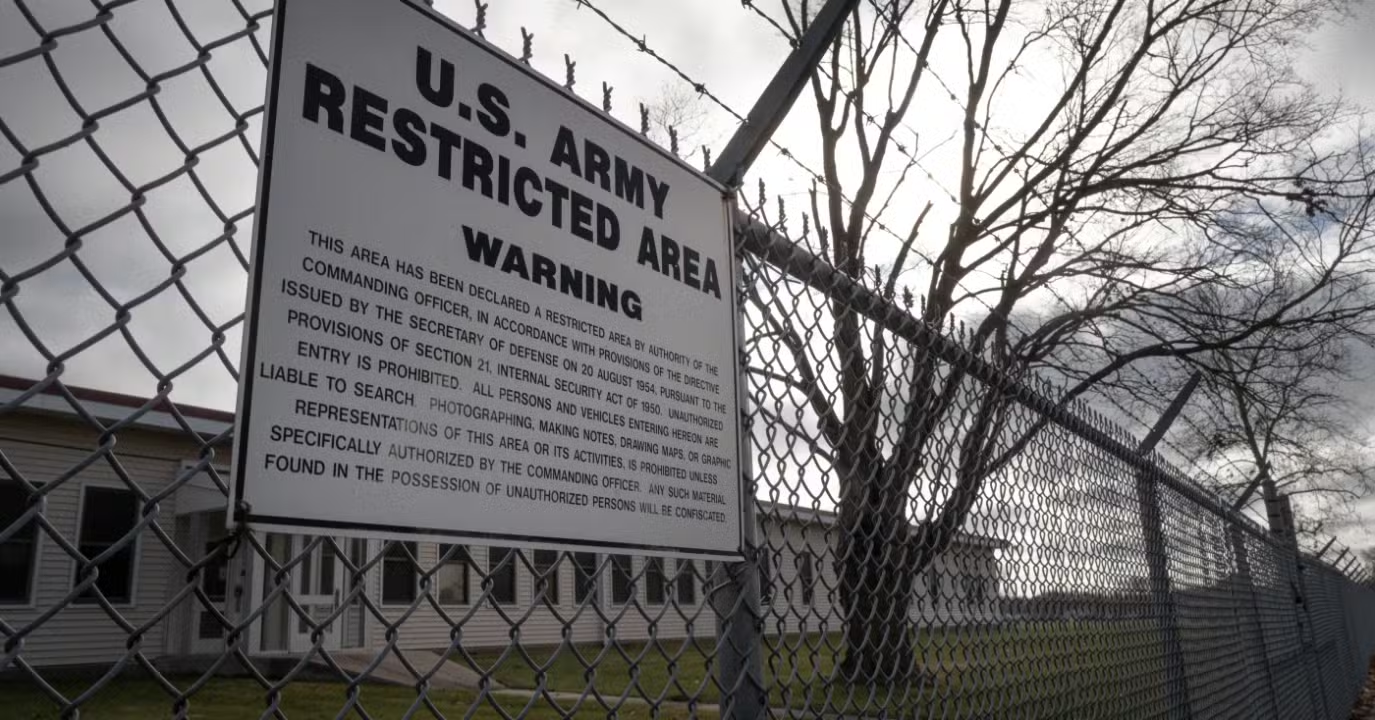
Army to detonate tons of lead azide after delays. And, Abrego Garcia leaves U.S.
NPR's Up First newsletter leads with the Army detonating thousands of pounds of lead azide in Middletown, Iowa, on the morning of November 25, 2026, and with Kilmar Abrego Garcia voluntarily leaving the United States. The explosive, used since World War I, had sat in an Iowa bunker for 17 years and was detonated after officials found it had crystallized and become unstable; authorities evacuated a 5-mile radius, and NPR's Quil Lawrence says the biggest danger is to kids and pregnant people from lead dust in the air or on surfaces. Abrego Garcia, the Salvadoran immigrant who became emblematic of President Trump's mass deportation campaign after being mistakenly deported to El Salvador, was arrested in 2025, returned, and flew to Spain on November 24; his lawyer calls it a temporary departure and says he 'left the United States a free man,' while the Department of Homeland Security says 'now this El Salvadoran man cannot terrorize innocents.' The newsletter also covers the scandal around Nvidia's reinstated CEO Jensen Huang, whose ties to a woman reportedly suspected of being recruited by China's spy agency have drawn a demand from House Democratic leaders and calls for a congressional investigation from Sen. Tom Cotton.

Army detonates lead azide in Iowa; plume expected. Live updates
The U.S. Army detonated its store of 68 barrels of deteriorating lead azide at the Iowa Army Ammunition Plant in Middletown, Iowa, at about 9 a.m. on Nov. 25, 2026, after a delay from the original Nov. 20 date and a last-minute court fight. Environmental groups won a temporary stay of the EPA permit, but President Trump instructed the Army to proceed if the courts sided with it, and the Eighth Circuit Court of Appeals ruled in the Army's favor on Nov. 23. Authorities told residents of Middletown and a 5-mile cone southwest of the plant to evacuate, and the Army is releasing hourly maps projecting the lead-containing dust plume across southeast Iowa and northern Missouri, where officials estimate about 350 farms could be affected. The Army says controlled detonation was the safest disposal option because cold weather risked a spontaneous, uncontrolled explosion, while residents, health experts, and Sen.-elect Josh Turek faulted the lack of transparency and raised concerns over lasting lead exposure.
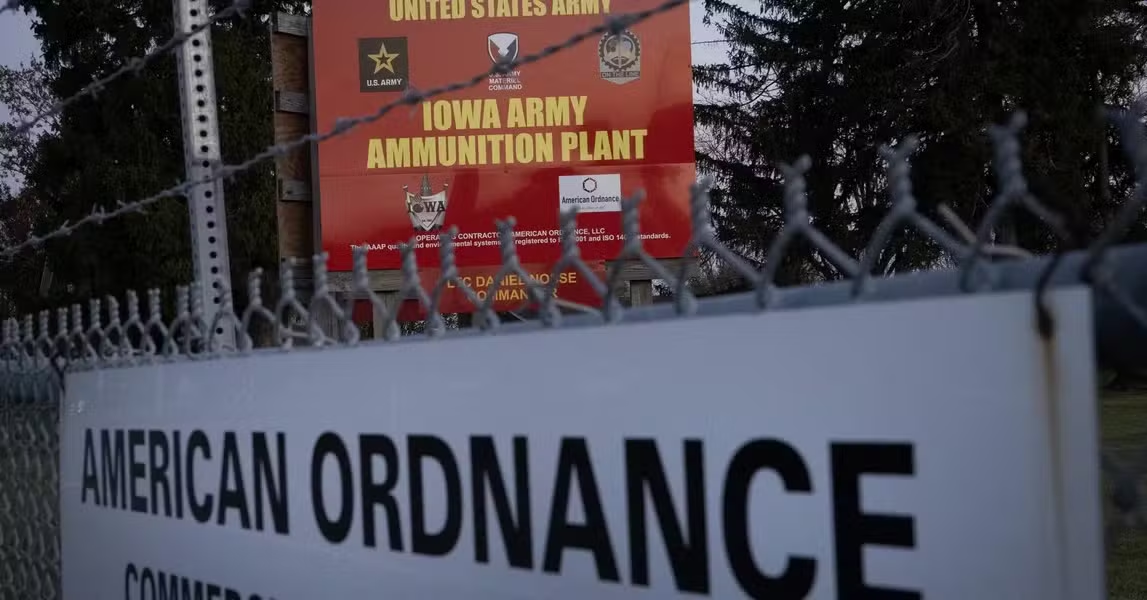
This Lead Bomb in Iowa Is a Form of American Eugenics | Common Dreams
In an opinion column for Common Dreams, the author argues that the Army's plan to detonate 70 drums of lead azide at the Iowa Army Ammunition Plant in Middletown is a form of American eugenics, a chemical attack on rural, poor, and disabled Americans carried out without their consent. The Army found during a March 2026 safety review that the munition-firing material was degrading and recrystallizing, becoming unstable enough that officials called it too dangerous to transport; after cancelling a chemical disposal option over safety concerns, it chose on-site detonation. When citizens and environmental groups won a court pause on the EPA permit, the Justice Department said the Army will invoke an emergency provision under the Resource Conservation and Recovery Act to detonate it without a permit, which the groups call an attempt to circumvent the courts. The column holds this up against a history of secret government testing on civilians, from bacteria sprayed off San Francisco in 1950 to zinc cadmium sulfide sprayed around a predominantly Black St. Louis housing project, and argues the lead dust threatens the health and reproductive health of Iowans while contradicting the Trump administration's pro-natalist agenda.
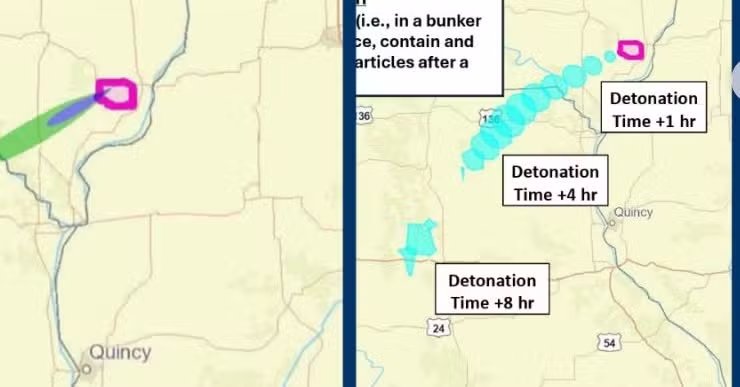
Why this lead explosion in Iowa is so maddening
In a Your Local Epidemiologist essay, Katelyn Jetelina argues the U.S. military's plan to blow up about 9,500 pounds of degraded lead azide near Middletown, Iowa, sending lead dust over southeast Iowa and into Missouri, is maddening chiefly because of how badly agencies have communicated it. Residents learned of the barrels late, and maps on November 24 reversed the plume's path, leaving people in the wider risk zone to evacuate on days' notice during a holiday week. She says the real worry is not the plume but lead dust settling in yards and on porches, where children face largely permanent harm, and that independent scientists, not officials, gave the clearest explanation of what levels matter. Agencies, she writes, keep underestimating the public by simplifying, reassuring, and withholding information, and communities need better emergency operations fast.
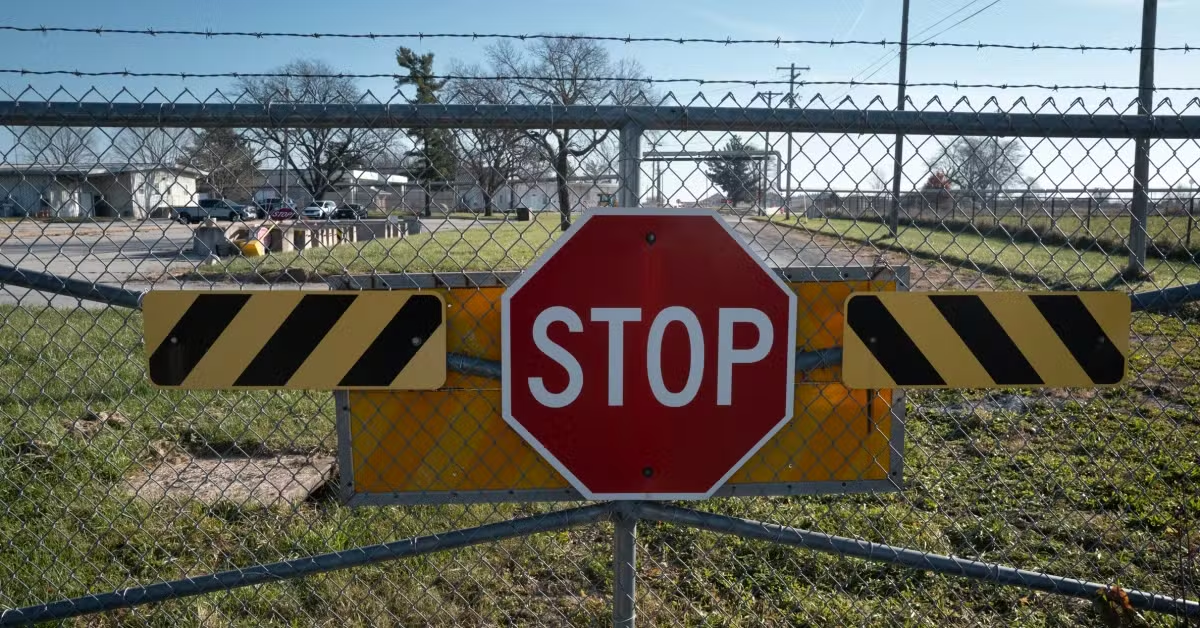
Army to detonate cache of lead explosives Wednesday, sending toxic plume across Iowa
The U.S. Army is set to detonate about 9,700 pounds of deteriorating lead azide at the Iowa Army Ammunition Plant on Wednesday, Nov. 25, 2026, saying the chemicals risked a spontaneous explosion and that a controlled blast with barriers and water walls is safer. It has evacuated Middletown and a 5-mile zone, and Gov. Kim Reynolds, declaring a disaster emergency, says the choice is between a planned detonation and an uncontrolled explosion. Projections show the lead dust plume could travel some 100 miles southwest into Missouri, and residents have taped windows and upended Thanksgiving plans, complaining of too little warning. Purdue professor Andrew Whelton says the Army's emergency permit documents contain no evidence-based plan to determine whether homes, schools, and businesses are safe afterward, though the Army says it will remediate any property exceeding a 200 parts per million lead threshold at its own expense.
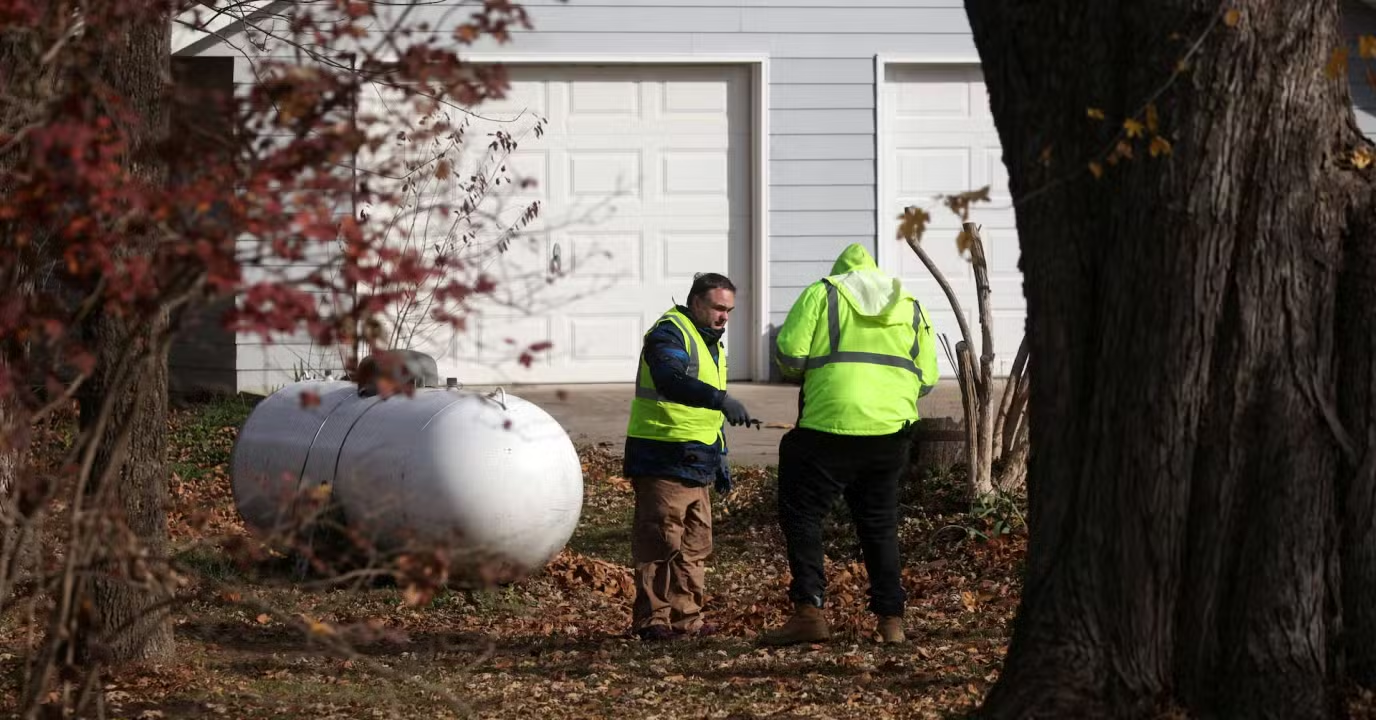
Iowa town braces for planned detonation of lead-based explosives stockpile
A Reuters news report covers the Army's plan to detonate nearly 5 tons of degraded lead azide in 68 deteriorating barrels at the Iowa Army Ammunition Plant near Middletown, Iowa, scheduled for 9 a.m. on 25 November 2026. The material, stockpiled at the plant in 2009 after being deemed obsolete, was found dangerously crystallized during a March 2026 inspection, and officials say a controlled detonation is safer than leaving it to explode on its own or trying to neutralize or move it, which they say would likely trigger an uncontrolled blast. Public concern centers on the toxic lead dust the blast could spread: Army projections show it settling as far as 40 miles southwest into northern Missouri, and agriculture officials estimate 350 farms could be affected. Officials built containment measures including earthen berms, water tanks, and foam systems, FEMA warned residents within 5 miles they may be evacuated, and acting Army Secretary Adam Telle urged calm, saying the priority is the health and safety of the region's citizens.
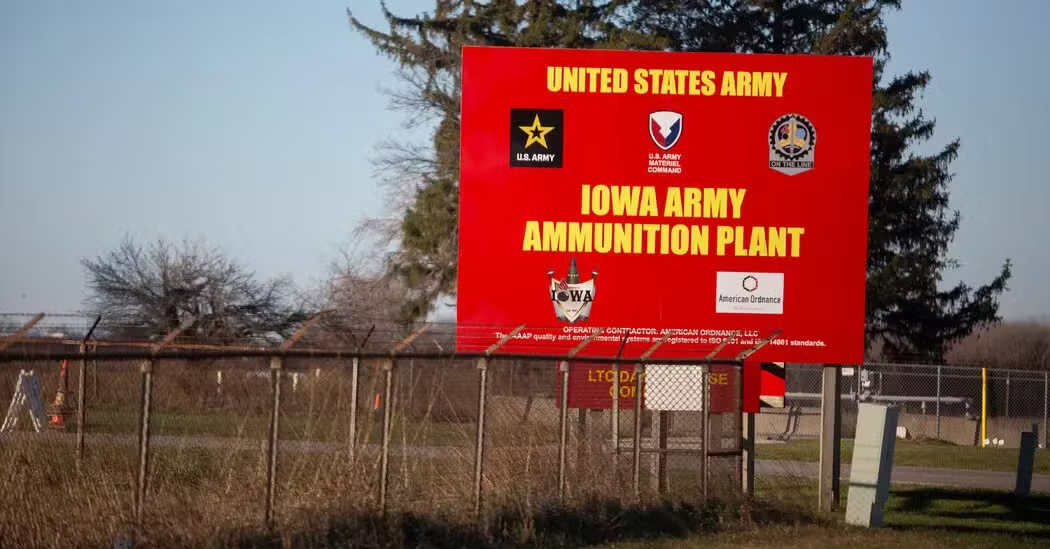
Iowa Detonation Live Updates: Army’s Planned Explosion at Ammunition Plant Risks Dangerous Lead Dust Cloud
Bomb technicians prepared on the day before Thanksgiving to detonate nearly five tons of rapidly degrading lead azide, some 68 barrels stored in two bunkers at the Iowa Army Ammunition Plant in Middletown, in a blast scheduled for 9 a.m. Central time after a series of delays and court challenges. Residents and environmentalists feared the explosion could send a toxic lead cloud over homes, farmland and the Mississippi River watershed, and Army maps showed a botched blast could spread poisonous lead particles over 150 square miles. The Army says the material is too unstable to be moved and could explode spontaneously, and officials said extensive safety measures were in place and they were aiming for zero release of toxic compounds. Residents within a five-mile area were told to evacuate and others to shelter in place, with nearby farmers advised to bring livestock inside.
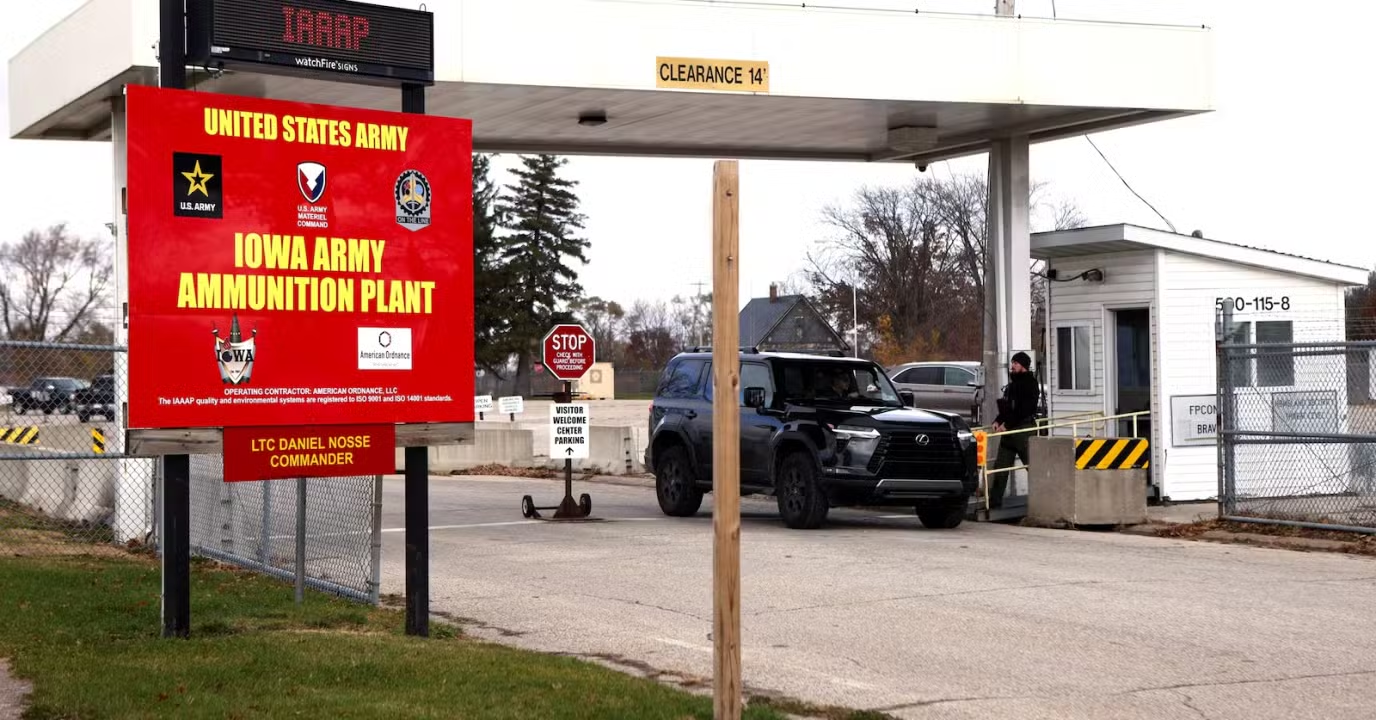
Army's lead azide detonation set for Wednesday at Iowa plant following delays
An ABC News report says the Army is set to intentionally detonate nearly five tons of degraded lead azide, about 68 barrels, at the Iowa Army Ammunition Plant in Middletown, Iowa, at approximately 9 a.m. CT on Wednesday, 25 November 2026, after postponing the operation twice amid public outcry and a legal challenge. The Army says it discovered eight months earlier that the explosive had become unstable and that destroying it in place was the safest option, since packing and moving the stockpile risked an accidental detonation, with a waterwall, foam barriers, and gel blocks used to contain the blast. The Eighth Circuit Court of Appeals denied an emergency motion from the Iowa Environmental Council and the Sierra Club Iowa Chapter, who argued the detonation could spread lead dust to communities more than 100 miles away, and the groups say they will not attempt to block it further. Officials advised residents, particularly pregnant women, children under six, and those with chronic illness, to evacuate, and the EPA and CDC have deployed teams to test air, water, and soil and monitor lead levels.
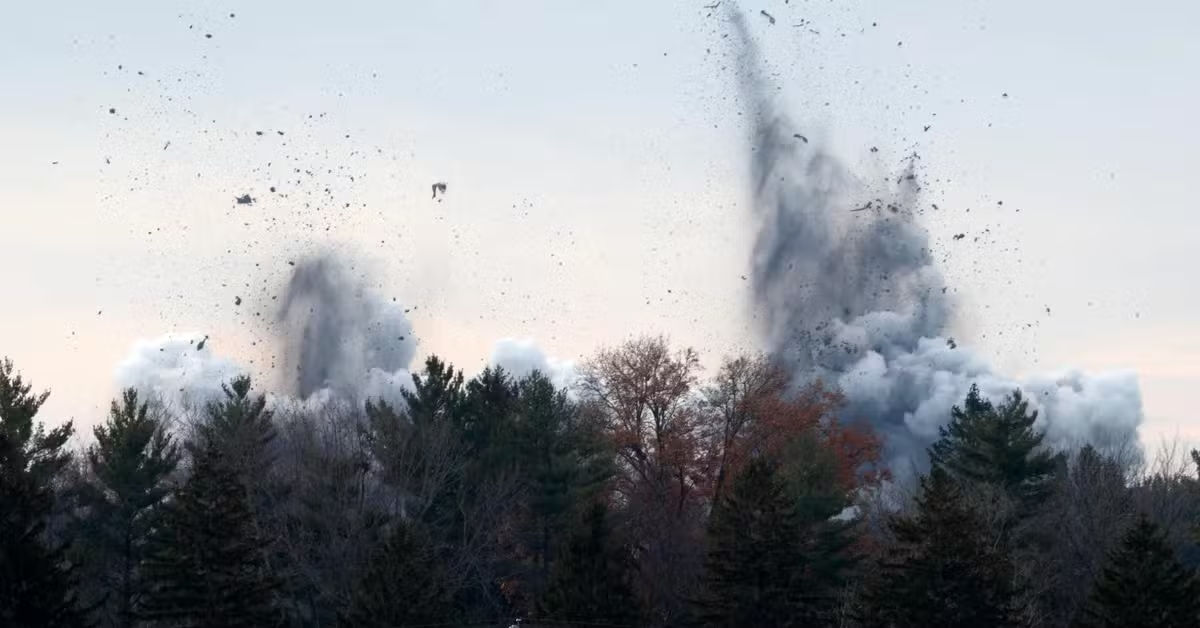
Army detonates unstable lead explosives at Iowa munitions plant despite community concerns
The U.S. Army carried out a controlled detonation of five tons of degrading lead azide explosives at the Iowa Army Ammunition Plant in Middletown, Iowa, on the morning of Nov. 25, 2026, after community outcry and a legal fight over fears of a toxic lead dust plume. Fifteen minutes after the blast, the Environmental Protection Agency reported zero lead detected by four air monitor stations in the area. The detonation had been postponed after environmental groups sued over the emergency permit, but the 8th Circuit Court of Appeals lifted its block, finding the risk of an uncontrolled explosion more harmful than the risks of the planned blast. Officials including Maj. Gen. Eric P. Shirley, who called the operation 'tremendously successful', and Iowa Gov. Kim Reynolds described the detonation as successful and well-contained.

Iowa town awaits Army’s planned detonation of lead-based explosives
With approval from Iowa's governor and a federal appellate court, the U.S. Army is moving forward with its plan to detonate 9,500 pounds of lead-based explosives at an ammunition plant in Iowa on Wednesday. Military and emergency officials said at a Tuesday news conference the detonation is scheduled for 9 a.m. Central time and will take place inside the plant. An AI-generated summary of reader comments says commenters voice significant concern and outrage over the planned detonation of lead azide in Middletown, citing potential lead contamination of soil and water, and many criticize its timing.
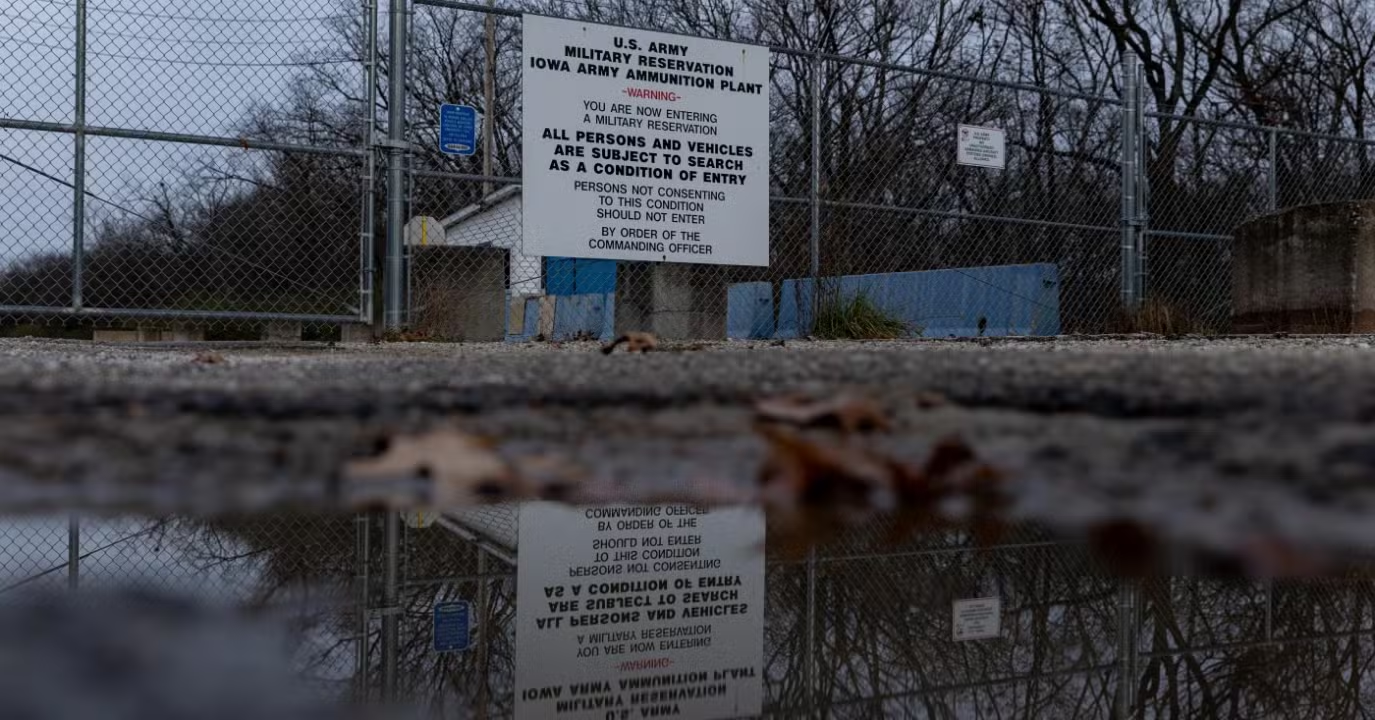
Army plans to detonate nearly five tons of lead-based explosives in Iowa
The U.S. Army is preparing a controlled detonation of nearly five tons of lead azide, an explosive stored for decades at the Iowa Army Ammunition Plant in Middletown, Iowa. The Army says crystals formed inside the storage containers in recent years, making the material too unstable to move or even open, so officials say detonation is the only safe way to dispose of it. The original November 20 date was changed three times after two Iowa environmental groups sued, and President Trump told the Army to wait for court approval before a federal appeals court cleared the blast on November 23. Iowans were told only a week ahead, FEMA urged people within 20 miles southwest of the plant to stay indoors against airborne lead dust, and the CDC says children and pregnant people face the greatest risk.
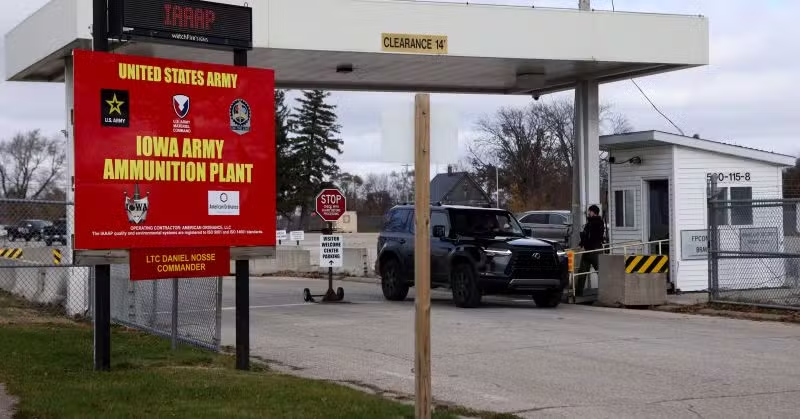
Live updates: Army prepares to detonate several tons of lead azide in Iowa | CNN
The US Army is preparing to detonate nearly 5 tons of degraded lead azide at the Iowa Army Ammunition Plant in Middletown, Iowa, at around 10 a.m. ET the day before Thanksgiving. A federal court had postponed the blast over concern that lead dust could harm health and the environment, but reinstated the permit on Monday, and some Iowans are evacuating ahead of it. Federal officials say the detonation is needed because the crystallized material is degraded and cannot be safely opened, treated, or moved, leaving an uncontrolled explosion as the alternative; the Army says it considered chemical neutralization but found it untenable. Environmental groups, which sued over the blast, warn it could spread toxic lead dust, unhealthy at any level and especially dangerous to children and pregnant people, over rural Iowa and northeastern Missouri, and an attorney with the Iowa Environmental Council says the legal fight is not entirely over. Winds of 5 to 10 mph are forecast to carry particles toward southern Iowa and northeastern Missouri, with dry weather and highs around 40 degrees expected at detonation time.

LIVE: Army detonates the entire US stockpile of lead azide in Iowa
In a live report, the Associated Press says the U.S. Army plans to detonate the nation's entire stockpile of lead azide in Iowa. The Army warned the dangerously degrading bomb-making chemicals could otherwise explode at any time.
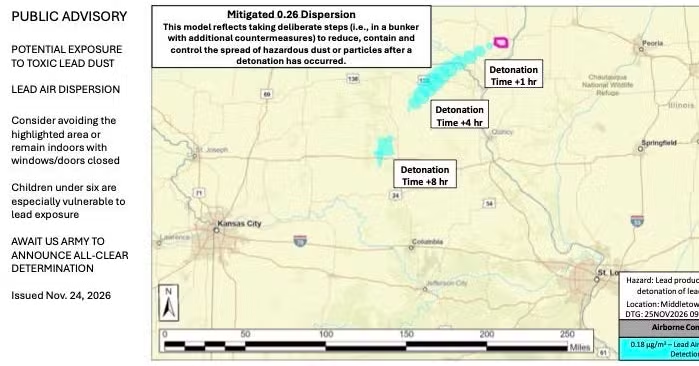
The politics of Iowa’s impending lead blast
In her Substack post embedding the November 23 episode of the KHOI radio show Capitol Week, Laura Belin reports on the politics surrounding the U.S. Army's plan to blow up 68 drums holding more than 9,700 pounds of degraded lead azide at the Iowa Army Ammunition Plant near Middletown, a blast rescheduled three times in one week. Environmental groups failed to stop it when the Eighth Circuit Court of Appeals lifted a stay on their challenge, and President Trump said the military would proceed only with the approval of incoming Iowa Governor-elect Rob Sand. Belin's main finding is the split among Iowa officials: while many Democrats and some Republicans criticized the short notice, the canceled MuniRem neutralization contract, and the Army's lack of transparency, Governor Kim Reynolds held back, Senator Joni Ernst said nothing publicly for days, and Representative Mariannette Miller-Meeks posted no new information before the blast. The Army maintains detonation is the only safe option because the crystallized explosive now risks spontaneous combustion, even as critics question why the stockpile was allowed to degrade in the first place.

Iowans brace for lead blast: ‘So much fear, so much confusion’
NewsNation reports that Iowans are protesting the Army's plan to detonate unstable lead azide at the Iowa Army Ammunition Plant in Middletown, though their objection centers on the late warning, not the detonation itself. Jill Holler of Muscatine says residents first heard of the plan on the Sunday before her Tuesday interview, with a five-day advisory that lead would be exploded into the air, and the lack of notice produced 'so much fear and so much confusion.' She and Garrett Anthony, who lives within 10 miles of Middletown and evacuated his home ahead of the blast, say they learned of the plan through third-party sources. Army officials say they are moving forward with the detonation at 9 a.m. on Wednesday, taking precautions to contain contaminants, and that the dozens of barrels are too unstable to transport, with an accidental explosion posing even greater danger. In an interview, Holler also allows, 'Maybe this is the best option.'

Erin Brockovich Warns Army Lead Bomb Detonation is a Cluster F*ck
In a Status Coup News video, Erin Brockovich warns that the Army's planned detonation of a lead bomb is badly mismanaged and could spread lead fallout over homes, cattle, wildlife, and waterways. She says officials only now told residents the blast's outcome depends on wind conditions, though they knew about it and gave no heads-up, and that lead does not break down once spread through the environment. She adds the bomb has been down there cold for 20 years and is reportedly starting to destabilize, and says she is stunned at the mismanagement and does not believe there is no other solution. She tells people who could be impacted to trust their instincts and prepare to protect themselves and their families on short notice.

From Palestine to Middletown, Iowa: The Company That Slaughtered Hind Rajab and Her Family Will Now Poison Iowa
In an Eyes On Ice article, the planned Army detonation of 68 barrels of unstable lead azide at the Iowa Army Ammunition Plant in Middletown, Iowa on November 25, 2026 is framed as the same war economy that killed six-year-old Hind Rajab and her family in Gaza coming home. The plant is run by American Ordnance LLC, a subsidiary of Day & Zimmermann, and a sabot from a 120mm M830A1 round was recovered near the destroyed ambulance sent for Hind, with serial numbers traced to the Middletown production pipeline. The piece argues the official timeline falls apart: the Army hired MuniRem Environmental for chemical neutralization without detonation in late March 2026, canceled the contract by mid-May, and only told the public the material had degraded beyond safe handling, while federal officials advised evacuations ahead of a possible toxic lead plume. Environmental groups represented by Earthjustice sued to stop the blast, but the 8th Circuit lifted its stay on November 23, 2026, clearing the way.
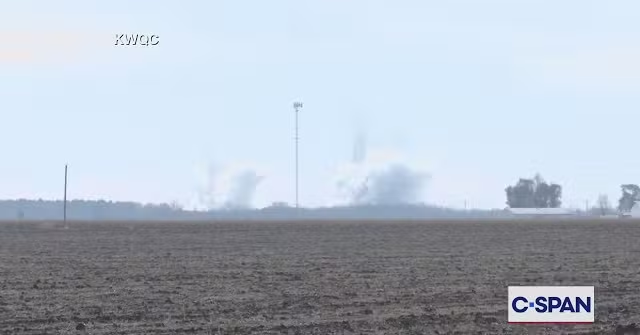
Detonation of Iowa Ammunition Plant
In a C-SPAN briefing led by Acting U.S. Army Secretary Adam Telle, officials defend a plan to detonate approximately five tons of deteriorating, highly explosive lead azide stored at an ammunition plant in Middletown, Iowa. The detonation was scheduled for November 25, following court approval and amid ongoing public-safety and environmental concerns. Officials from the EPA, FEMA, HHS, and other agencies warn that the unstable material could spontaneously explode, potentially causing more severe damage and spreading toxic lead contamination.

Jill Wine-Banks: Trump & Hegseth must be investigated for risking lives of Iowans with lead bomb!
On The Dean Obeidallah Show, former Watergate prosecutor Jill Wine-Banks says Trump and Hegseth must be investigated for endangering Iowans with the Army's plan to explode its munitions, whose plume she says could drift over her in Illinois depending on wind and weather. She says the munitions were already awaiting disposal when she was Army General Counsel in 1980, and the host says the Army signed a March contract with a Georgia firm that could neutralize them chemically, 10 drums a day, but ended it two months later, citing the chance of an accidental explosion. She finds the shift from passing annual inspections to an urgent detonation suspicious, notes it was postponed by weather and a since-lifted court injunction, and expects the blast to now go ahead. Through the interview she casts the administration's conduct, from its DOJ ethics rule to threats against contractors, as corruption that goes beyond Nixon's.
Iowans tape windows, cover gardens and flee with their children as lead explosion looms
An NBC News report describes Iowans near the Iowa Army Ammunition Plant taping their windows, covering their gardens, and fleeing with their children ahead of a planned detonation of lead azide. The Army plans to detonate a deteriorating stock of about 9,700 pounds of the chemical at the plant on Wednesday, Nov. 25, 2026. The report cites residents such as Sean Byers, who lives across the street from the plant.
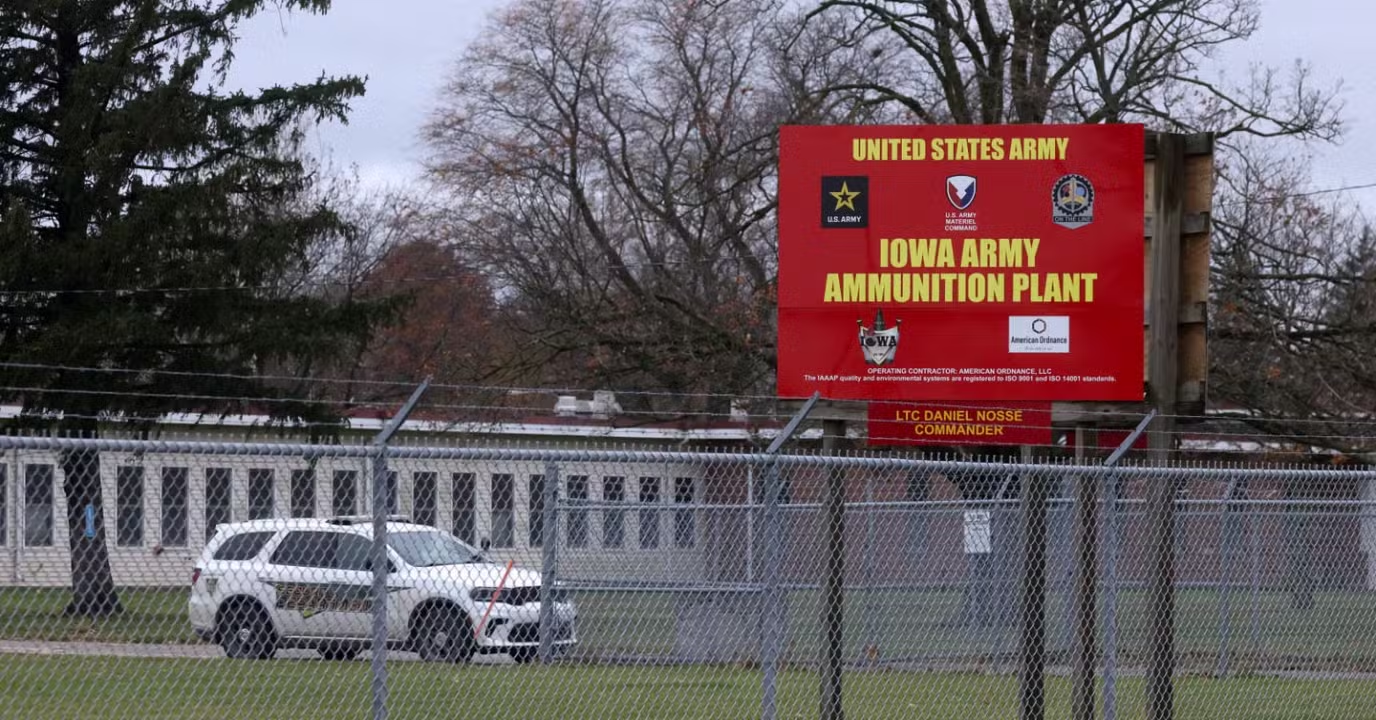
Dans l’Iowa, des évacuations avant la destruction de matériel explosif vieillissant malgré le risque d’exposition au plomb
US authorities have ordered residents of Middletown, Iowa, and nearby areas to evacuate ahead of the planned destruction of 68 barrels of lead azide, more than 4,000 kg of aging explosive material, at a US Army munitions plant. The Army Secretary, Adam Telle, set the operation for Wednesday at 9 a.m., citing ideal weather forecasts to protect public health and safety. President Trump suspended the operation on Monday amid outcry over lead exposure risks, but a court of appeals gave the green light that evening. Residents within an 8 km perimeter are told to leave from Tuesday, and vulnerable people nearby are advised to stay indoors as the Army deploys water walls and foam barriers to contain the lead.

‘LOCK THEM UP!’ Marjorie Taylor Greene Slams Trump and Hegseth Over ‘Dirty Bomb in Iowa’
A Mediaite news report says former Rep. Marjorie Taylor Greene, once one of Donald Trump's most vocal allies but now a frequent critic, called on X for Trump and Defense Secretary Pete Hegseth to be sued and locked up over the Army's plan to destroy five tons of lead azide at its Middletown, Iowa ammunition facility on Wednesday, 25 November 2026. She was responding to an MS NOW report in which the Army is quoted as admitting 350 farms could face lead exposure after the detonation, which she called a 'dirty bomb.' Authorities have warned some Iowa residents could be evacuated and others as far as 20 miles away told to shelter indoors, and Gov. Kim Reynolds declared a disaster emergency in three counties while endorsing the disposal plan after talks with Hegseth. Military officials argue destroying the volatile stockpile under controlled conditions is safer than risking an accidental explosion, with Maj. Gen. Eric Shirley saying at a press conference, 'Inaction is no longer an option.'
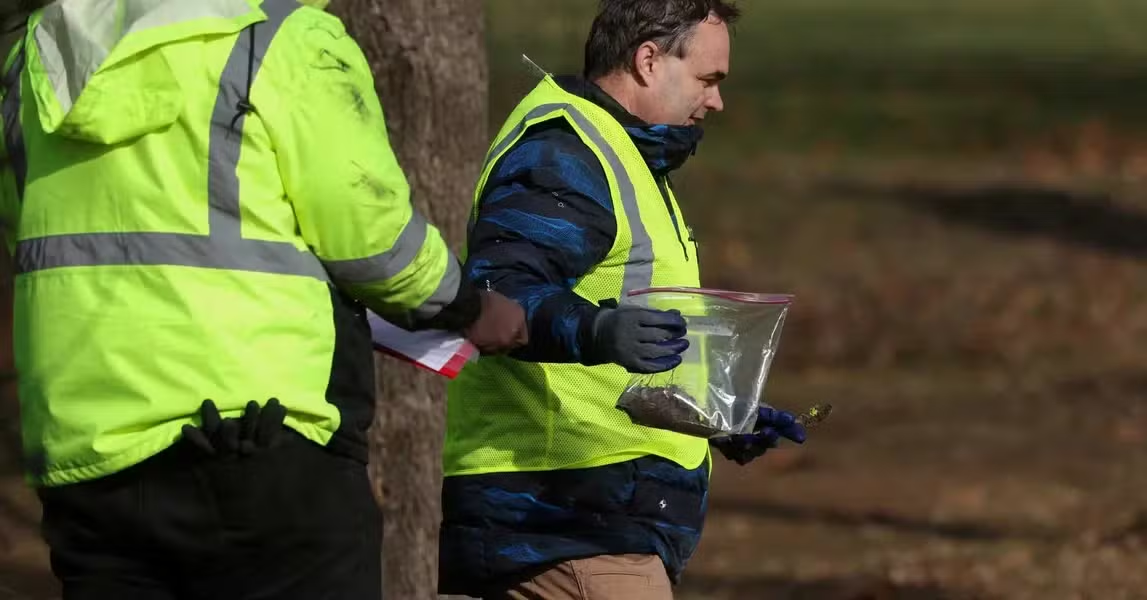
'Dirty bomb' fears ignite as Trump's EPA blacks out toxic explosion details in report
Raw Story reports that fears of a 'dirty bomb' have gone viral after the Environmental Protection Agency blacked out details in the permit for the Army's planned open-air detonation of degraded lead azide at the Iowa Army Ammunition Plant in Middletown. The Nov. 23 EPA notice says the redactions, covering the explosive's quantity and the two bunkers' names and locations, were requested by the Department of the Army for critical infrastructure security; outlets citing Army information put the total at about 9,500 pounds, holding roughly 3.4 tons of lead. Residents are being asked to leave a 5-mile cone southwest of the plant where modeling shows lead dust will travel, with updated maps showing the plume could reach northern Missouri, and Governor Kim Reynolds has declared a disaster emergency in three counties. Army explosives specialist Col. Aaron Teller told reporters the Army believes its mitigation strategy can significantly reduce the last quarter of lead released, based on a 1977 Colorado detonation, while critics online have recast the blast as a 'dirty bomb', and Rep. Thomas Massie posted a poll asking whether Secretary of War Pete Hegseth should remain 'if he detonates a dirty bomb in America's breadbasket'.
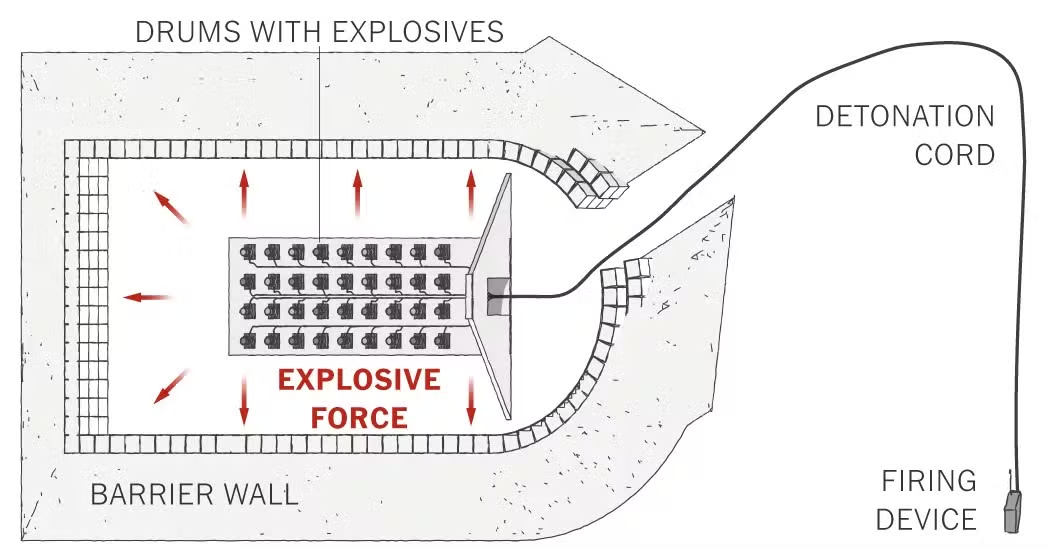
See How the Army Plans to Blow Up Five Tons of Toxic Lead Compounds in Iowa
The Army plans a controlled detonation of 9,700 pounds, nearly five tons, of unstable lead azide held in 68 barrels in two earth-covered bunkers at the Iowa Army Ammunition Plant since 2009. An inspection found the explosive, used in military detonators, had degraded so badly it risked blowing up on its own if moved, and drying makes it more sensitive to heat, shock and friction. The Times reports the plan, set for Wednesday morning, calls for about 3,000 pounds of C4 rigged with detonation cord to destroy every barrel in under a second, with a combined force the Army's permit application puts at 6,000 to 7,000 pounds of TNT. The planned blast has raised concerns it could release a toxic lead cloud over the surrounding area, and if it fails, soldiers or robots may need to place more charges before Col. Aaron C. Teller gives the all-clear.

Erin Brockovich TORCHES Army Detonating LEAD BOMB Over Midwest
Status Coup News posts a video in which reporter Jordan Chariton interviews environmental advocate Erin Brockovich about the Army's lead detonation in Iowa, which is going ahead amid protests and injunctions. Brockovich criticizes the Army's plan, and the video examines the short-term and long-term health risks, how far the lead will spread, the cancelled alternate method, and what the outlet frames as government cover-up of poisoning agriculture. She also discusses what people can do.
The US Army will be detonating a 5-ton stockpile of lead azide in Iowa. Here's what to know
The US Army plans to detonate 5 tons of degraded lead azide, the nation's entire stockpile of the explosive compound, at the Iowa Army Ammunition Plant in southeastern Iowa on 25 November 2026, saying the unprecedented operation is needed to prevent a spontaneous, uncontrolled explosion. Officials say extensive safety measures will limit the plume of lead particles: sand barriers, water-filled walls, foam to capture particles, water-saturated ground, screening to contain lead, and drone surveillance of lead levels before and after. FEMA is supporting the recommended relocation of Middletown residents, and an emergency alert told people up to 20 miles away to stay indoors with windows closed. Environmentalists who sued to stop the detonation argue there is no safe exposure level for lead and that the Army's own modeling showed farmland and waterways could be contaminated, saying in a court filing that "Lead dust in the air will not just disappear once it settles to the ground."

The impact of Iowa lead detonation on water and soil, and how far it will spread
State officials, environmental groups and residents have raised alarms over the Army's plan to detonate a cache of degraded lead explosives at an Iowa ammunition plant on Wednesday. Reporter Daniel Wu writes that the blast could send a plume of hazardous chemicals into the air as far as 100 miles from the site. Reader comments express significant concern and skepticism about the government's handling of the lead contamination, citing potential environmental and health risks, particularly to children and agricultural areas.
The Army's “lead bomb” plan is back on—now timed for Thanksgiving
Mother Jones reports that after a lawsuit, delays, and public outcry, the US Army plans to detonate 68 barrels of lead azide at the Iowa Army Ammunition Plant in Middletown, Iowa on Wednesday morning, the day before Thanksgiving 2026. Residents, especially pregnant women, children, and the chronically ill, are told to evacuate by 9 a.m., and the evacuation zone stretches into Missouri, while neighbors are advised to watch the wind for the plume of lead-laced dust. The explosive is five tons of lead azide placed in barrels in 2009 that the military learned in March 2026 had crystallized and could explode if moved, and measures like a dam flooded with foam were announced only after the detonation was first planned the week before. Politicians have called for an investigation into why the decay went undetected, and an environmental scientist on the Army's advisory board suggests Trump administration cuts to scientific agencies might explain the short warning.
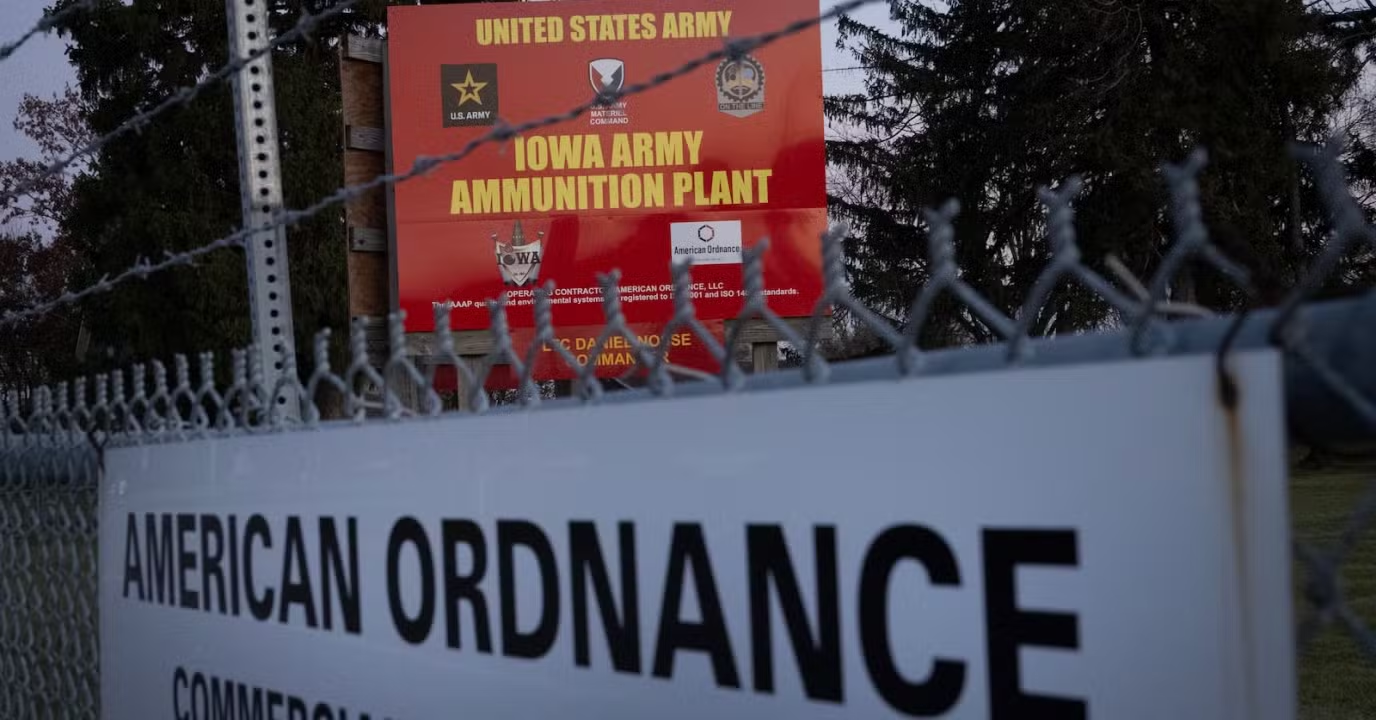
What to know about the Army’s plan to detonate 5 tons of lead in Iowa
The Army plans to detonate nearly 5 tons of lead azide, the nation's entire stockpile of the compound, at the Iowa Army Ammunition Plant in Middletown, Iowa, in a controlled blast set for about 9 a.m. Wednesday. The detonation is meant to eliminate the risk of an accidental explosion, after Army inspectors found in March that the compound in 68 drums had crystallized and become so sensitive that even slight movement could set it off. But the blast carries its own threat: a plume of lead-laden dust that could settle over homes and farmland for miles, prompting evacuations up to 5 miles downwind, warnings to stay indoors as far as 20 miles away, and advice to farmers to move livestock indoors. Earthjustice sued to pause the operation, and elected officials including Iowa Governor Kim Reynolds called for a delay, though a federal appeals court ruled the detonation could proceed. The Army says it will test air, soil, and water before and after to guide any cleanup, and experts note that lead does not break down, so the extent of contamination and its agricultural impacts will remain unknown until after the blast.
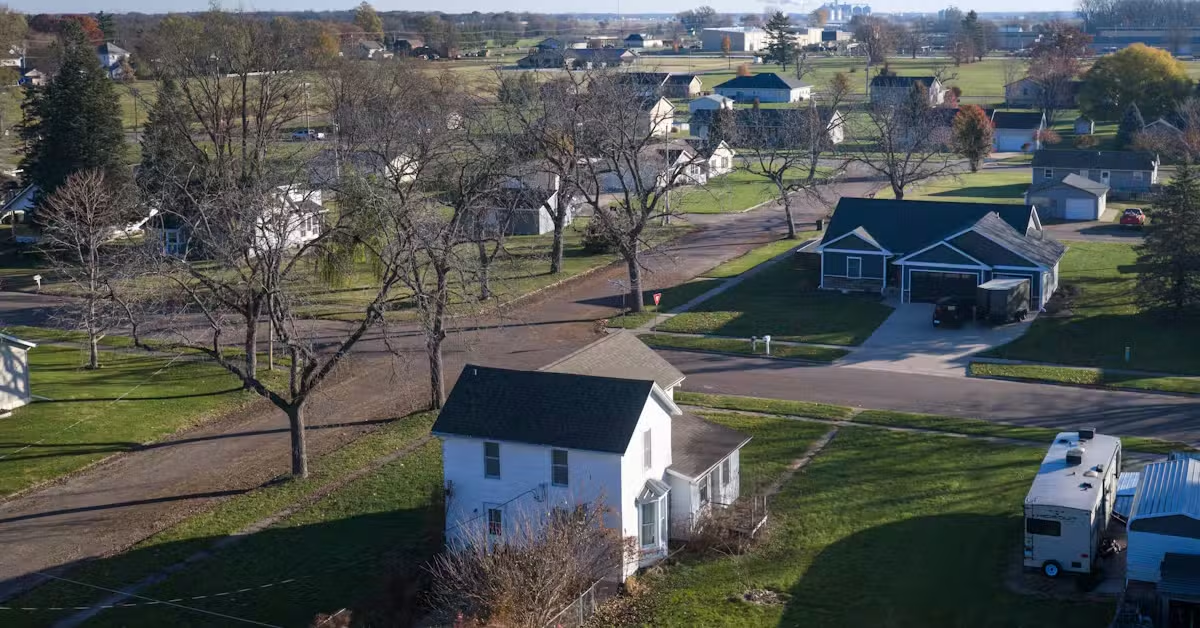
Here’s What Doesn’t Add Up About the Iowa Lead Azide Detonation
In a New Republic article, Kate Aronoff argues the U.S. Army knew for years about its decaying lead azide stockpile in Iowa and that its plan to detonate nearly 10,000 pounds of it near Middletown raises questions the official account does not answer. The Army says it discovered on March 11 that the stored lead azide had partially crystallized, but a 2014 Army press release shows it began developing alternatives in response to the deteriorating stockpile, and in September 2025 it posted a contracting opportunity for lead azide neutralization months before the claimed discovery. Experts say the degraded material cannot be safely handled or transported, making controlled detonation the least unsafe option, though the Army's emergency permit contains redacted sections and officials have offered residents no guidance on hydrazoic acid, a highly toxic substance the blast could produce. Aronoff suggests the deterioration may stem from lost expertise in an aging civilian workforce and hopes testing over the coming months will show how much damage the detonation causes.

The U.S. Army Is About To Blow Up Lead Explosives In Iowa. Experts Have Some Serious Health Concerns.
The U.S. Army plans a controlled detonation of about 9,700 pounds of degraded lead azide in Middletown, Iowa, expected Wednesday morning, saying the blast is the only way to protect the public from an uncontrolled spontaneous explosion of the unstable material. Residents and environmental groups fear the plume will spread invisible, odorless lead dust beyond what the Army projects, threatening children, pregnant people and livestock. Earthjustice sued the EPA and the Army on Nov. 19 to block the plan, and attorney Thien Chau says litigation records show the Army stored the material for over 20 years and inspected it only periodically. The EPA says it is sampling air, water and soil to ensure the detonation is conducted as safely as possible.
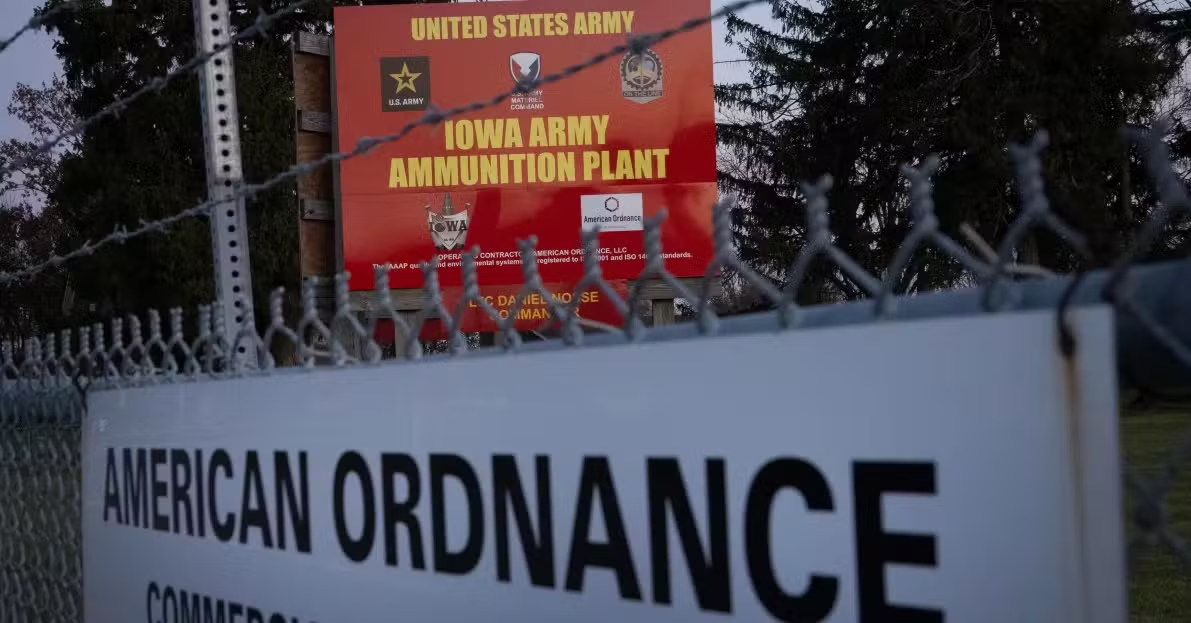
Why the US Army is about to blow up nearly 10,000 pounds of unstable explosives in Iowa
A Verge report explains why the US Army plans to blow up nearly 10,000 pounds of lead azide at the Iowa Army Ammunition Plant in Middletown, Iowa, around 9:00 AM CST on November 25, 2026. The 68 drums of the explosive, some more than 60 years old, have crystallized so badly that opening a lid could detonate them, which officials say leaves controlled detonation as the only safe path. The Army expects to limit lead dust with water tank walls, gel blocks, and foam, while FEMA helps relocate residents within a voluntary 5-mile evacuation zone and the Iowa health department advises people nearby to stay indoors afterward. Environmental groups sought a court order to stop the blast, but a court cleared the way on November 23 after President Donald Trump had called for a pause, and the Army's own modeling shows the dust plume could reach 100 miles. Experts told The Verge the risk is likely minimal but that monitoring the site afterward will be important.
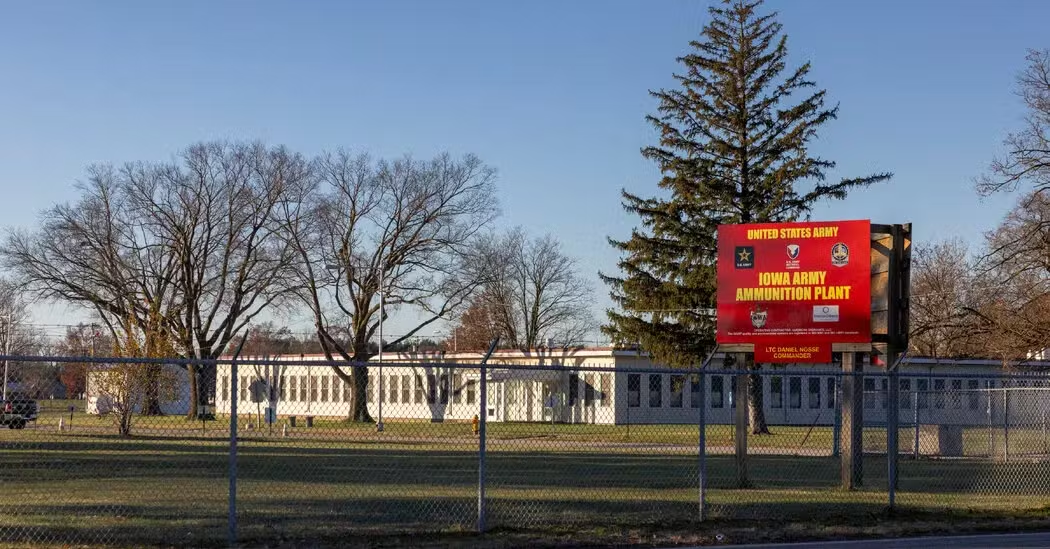
An Explosion Is Coming to Iowa. And Residents Can’t Do a Thing About It.
The New York Times reports that the Army plans to detonate nearly five tons of dangerously degraded lead azide, 68 barrels, at the 19,000-acre Iowa Army Ammunition Plant at 9 a.m. on Wednesday, the day before Thanksgiving. The Army says the stockpile, stored there since 2009, cannot be moved and risks exploding on its own as temperatures fall, and a federal judge cleared the way for the blast on Monday after postponements and legal challenges. In Middletown, a farming town of 360 adjoining the plant, residents are covering windows with blue tape, checking whether the wind will carry a toxic plume of lead dust toward their homes, and closing schools and businesses miles away as a precaution. The Army's newer maps show the plume spreading as far as 100 miles, and the U.S. Department of Agriculture said 350 farms could be affected. Pregnant women and parents of young children, particularly vulnerable to lead exposure, agonized over whether to stay inside or leave, and one mother tested her daughter's blood beforehand to have a baseline. Many residents said they supported a controlled detonation over the risk of a spontaneous one, though some, like day care operators planning to keep children indoors, worried about the fallout.
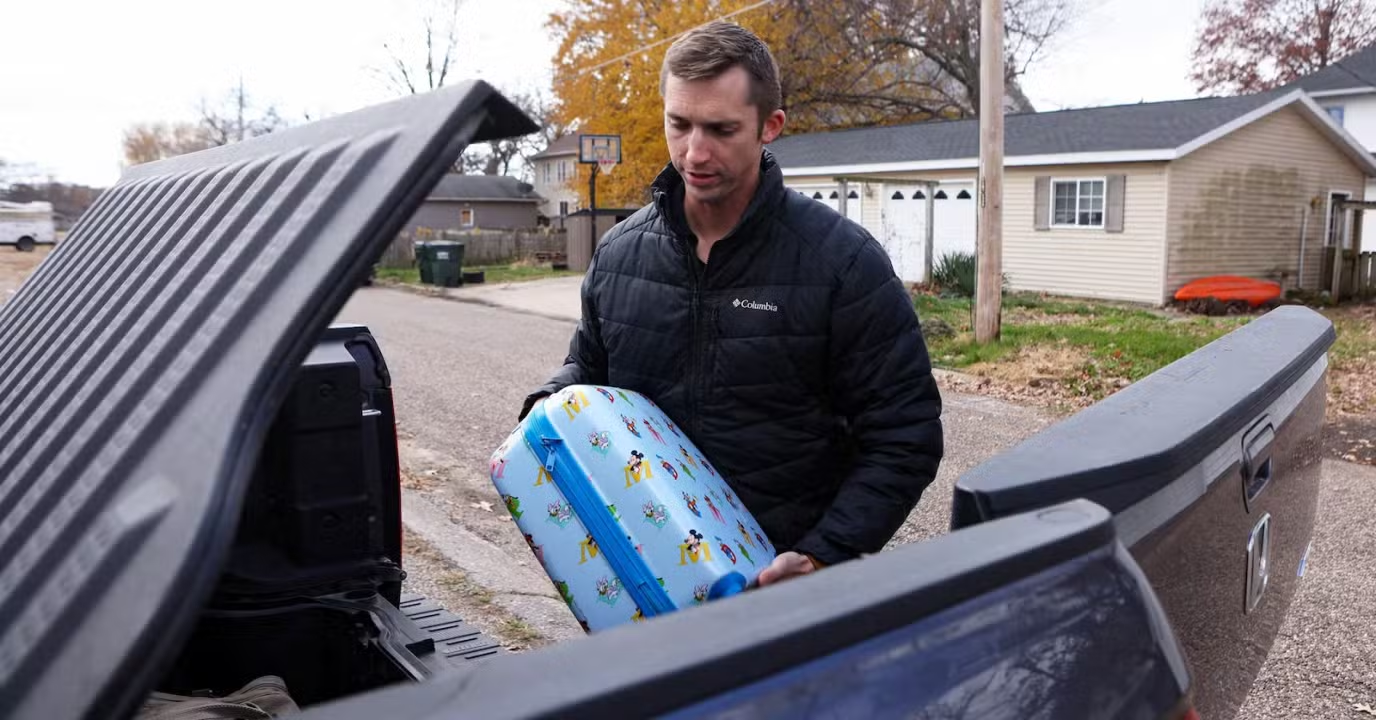
Iowa governor issues emergency proclamation for 3 counties hours before controlled Army munition explosion
In a news report, ABC News says Iowa Governor Kim Reynolds issued a disaster emergency proclamation for Des Moines, Lee and Van Buren counties a day before the U.S. Army was set to detonate nearly five tons of lead azide at the Iowa Army Ammunition Plant in Middletown, scheduled for 9 a.m. Central Time. Federal officials had recommended that nearby residents, especially children and pregnant women, evacuate, and an Eighth Circuit Court of Appeals ruling cleared the way after environmental groups argued the blast could spread lead dust to communities more than 100 miles away. Acting Secretary of the Army Adam Telle says his teams used mitigation measures including a waterwall, foam barriers and gel blocks, while the EPA is testing air, water and soil and NASA sent three research aircraft and satellite data to monitor conditions.
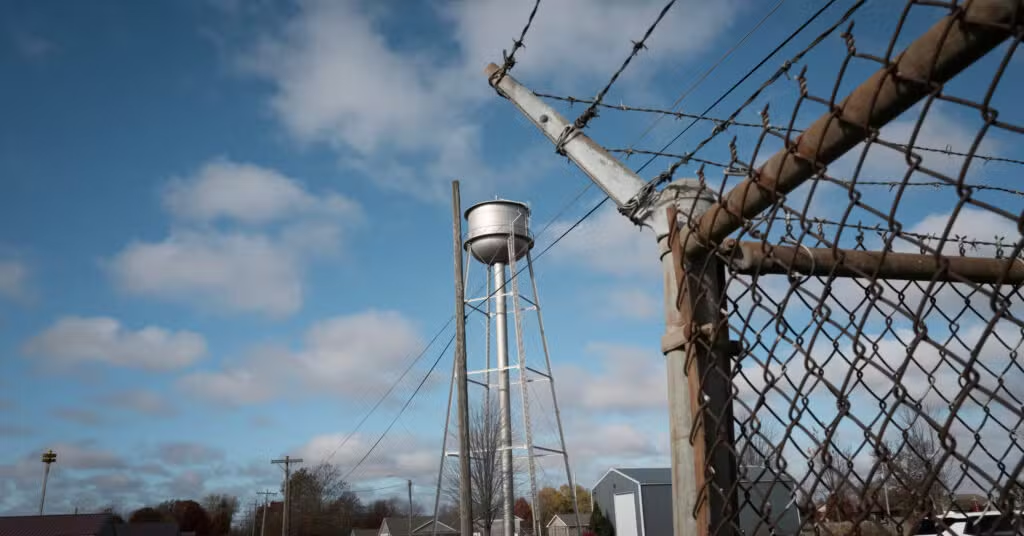
Iowa Lead Blast Will Have Lasting Health Impacts - Inside Climate News
Experts warn that the U.S. Army's planned detonation of nearly 5 tons of degraded lead azide explosives in Middletown, Iowa will have long-lasting impacts on human health and the environment. The Army projects that even with blast containment walls and water misters, the detonation will release a toxic dust cloud traveling over 100 miles to the southwest, and it has advised residents in an evacuation cone five miles southwest of the plant to leave, with FEMA offering lodging through Nov. 27. Scientists and health professionals say lingering contamination in air and soil could pose problems long after the blast, since no level of lead is safe and lead in the environment accumulates in the body. EPA officials said in a news release that a controlled detonation in optimal weather significantly reduces the potential reach of lead dust compared to an uncontrolled explosion, while experts urged monitoring and advised residents to keep dust out of homes, wear N95 masks outdoors and test young children's blood lead levels.

Signs of danger at Iowa plant emerged months before Army says it knew, emails show
Emails show contractors at an Iowa ammunition plant sought to neutralize hazardous, degrading lead explosives nearly six months before the U.S. Army says it became aware the munitions posed a risk. The government plans to detonate several tons of the explosives at the plant on Wednesday. Sarah Kaplan and Alex Horton report the story for The Washington Post.
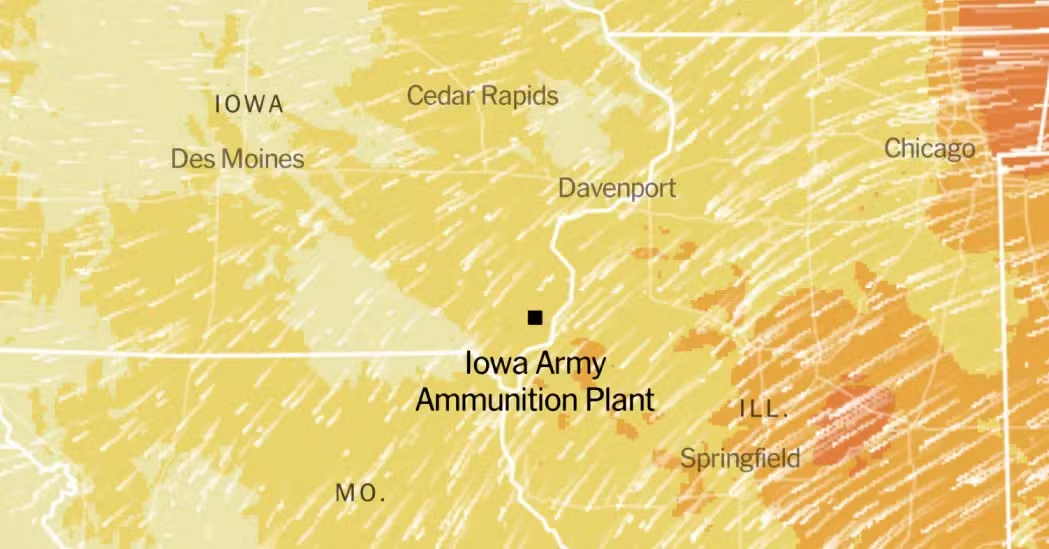
Maps: Tracking the Iowa Ammunition Plant Detonation
Ahead of the U.S. Army's planned Nov. 25 blast to destroy 68 barrels holding nearly five tons of lead azide, a New York Times report maps where a lead-dust plume could travel. The paper's wind map, built on NOAA data, forecasts winds at about 260 feet and shows which communities in southeastern Iowa, northeastern Missouri and western Illinois face the highest exposure risk. Army maps released over the preceding week and a half, showing airborne and surface lead exposure, shifted as forecasts changed, which the Times finds confusing. The urgency comes from Army officials' warning that the lead azide has degraded dangerously and grows more unstable in freezing temperatures. Health officials advise residents near the plant to stay indoors with pets, shut windows and set heating systems to recirculate, and to clean outdoor equipment, vehicles and windowsills after the plume passes.

LIVE: Protesters DEMAND Army Stop TOXIC LEAD BOMB
Status Coup News reports live from Middletown, Iowa, where residents are protesting the US Army's plan to detonate 9,500 pounds of unstable lead azide there on a Wednesday morning. Reporter JT Cestkowski covers the demonstration on the ground and says the outlet will talk to residents about the Army pushing ahead with its detonation plan and hear directly from the people who could be affected. Status Coup also says officials have had more than 20 years to deal with the lead azide.
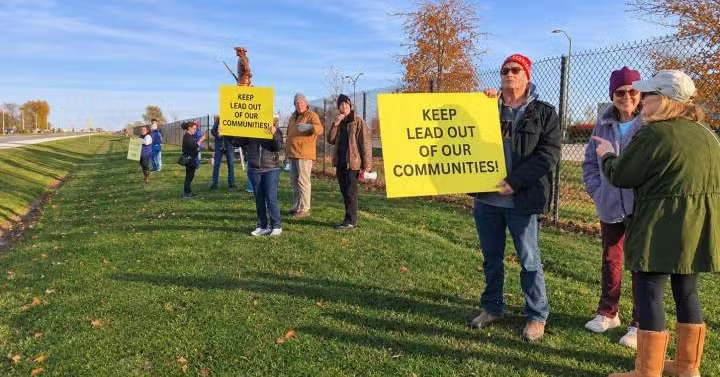
U.S. stockpile of bomb-making chemicals to be detonated in Iowa Wednesday - National | Globalnews.ca
The U.S. Army plans to detonate the nation's entire stockpile of lead azide, about five tons inside 68 barrels, at the Iowa Army Ammunition Plant around 9 a.m. on Wednesday, November 25, 2026, after days of delays. A court gave final approval on November 23, finding the EPA adequately incorporated safeguards such as blast barriers and weather restrictions in rejecting a suit by environmental groups. The Army says the dangerously degrading chemicals could explode on their own at any time and that detonation is safest. New maps show the plume likely drifting southwest toward Missouri, and an alert told some residents within 5 miles they may be evacuated while others were told to stay indoors with windows closed. Residents like Chris Fullenkamp, whose house is 15 miles from the site, sealed their homes, farmers were told to move animals indoors, and officials say the public should not panic.
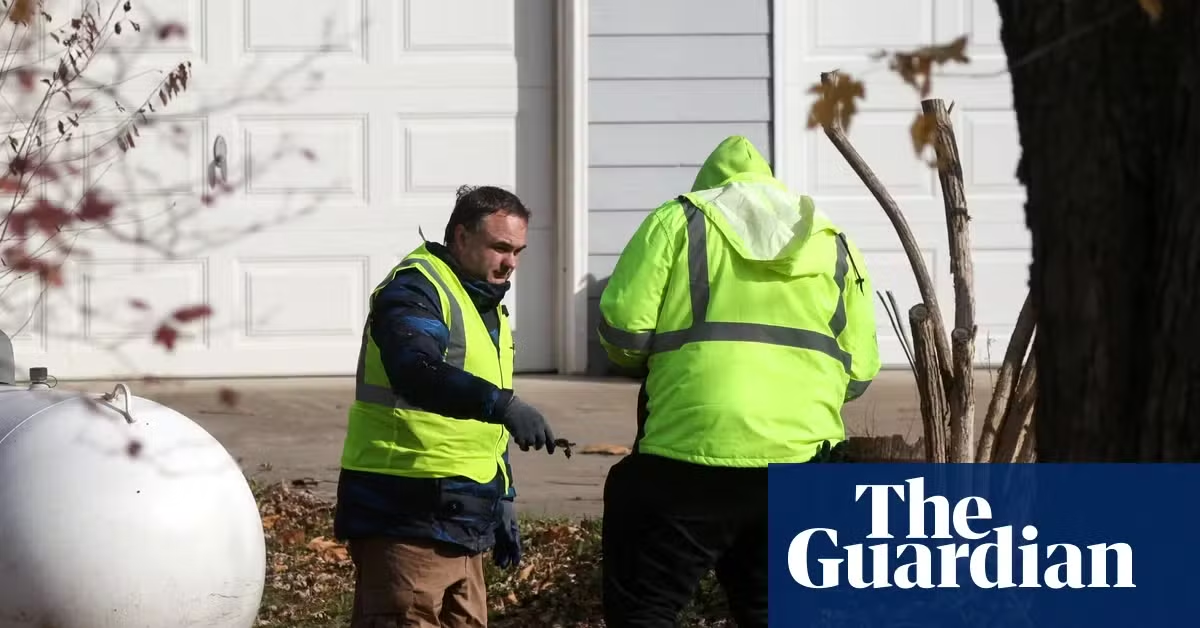
Iowa braces for controlled bomb blast: ‘We had only five days of warning’
Residents around Middletown, Iowa are scrambling to prepare as the US Army prepares to detonate 68 barrels of dangerously unstable lead azide stored at the Iowa Army Ammunition Plant, with the blast scheduled for 10am EST the Wednesday before Thanksgiving after several delays. Neighboring communities were not told until 15 November, five days before the initially planned detonation, and shifting dates have left locals confused and frustrated as they keep up with changing closures, evacuation advice, and toxin predictions that moved with each rescheduling. The blast risks releasing toxic plumes within a 100-mile radius, with the latest models predicting the plume will head south-west into southern Iowa and Missouri, and residents within five miles are encouraged to evacuate while those within 20 miles are advised to stay indoors with windows closed. Army officials say they found no viable alternative, with acting Army secretary Adam Telle arguing a controlled detonation is far preferable to a spontaneous one, while senator Joni Ernst has publicly pressed the military for more transparency.

5 ways to minimize health risks from the Army’s Iowa lead detonation
The Army is scheduled to detonate several tons of lead waste near Middletown, Iowa, on Wednesday, and a Washington Post article lays out five ways to minimize the health risks from it. The article forecasts that the detonation is likely to spread toxic lead dust far from the site. It notes lead's harms in the body: it can affect behavior, harm cognition, and interfere with fetal brain development, and in pregnant women it raises the risk of premature birth and miscarriage.

New Lead Dust Map Shows Plume From Planned Iowa Explosion Stretching Into Missouri | Common Dreams
A Common Dreams news report covers the US Army's updated maps, published the morning of November 24, 2026, showing that the toxic cloud from a planned detonation of nearly 10,000 pounds of degraded lead azide at the Iowa Army Ammunition Plant in Middletown, Iowa could reach northern Missouri, 100 to 110 miles from ground zero, within eight hours. The detonation is scheduled for 9:00 am Central Standard Time on November 25, 2026, the day before Thanksgiving, after the 8th Circuit Court of Appeals denied the Iowa Environmental Council's and Sierra Club's request for an emergency stay. The Department of Health and Human Services warned pregnant women and children under 6 to evacuate the projected affected area, citing lead's irreversible harm to developing brains and risk of miscarriage and premature birth. At a November 24 press conference, acting Army Secretary Adam Telle said the public should not panic, while EPA's Tom Croci described a blanket of sampling and testing teams, and union leader Nicole Cantello and the contractor whose chemical-dissolution contract the Army canceled urged delay until more protective alternatives are evaluated.

Illinois agencies on alert as Army to conduct 2 controlled explosions at Iowa ammunition plant
Illinois agencies are on alert as the U.S. Army plans two controlled explosions of lead azide on the morning of 25 November 2026 at the Iowa Army Ammunition Plant in Middletown, Iowa, according to the Chicago Tribune. The Army changed the date of the detonations three times over concerns about the spread of lead to downwind communities and farms. At a news conference on 24 November 2026, government officials discussed the planned detonation of lead azide, which is highly volatile and extremely hazardous, and safeguards to public health.
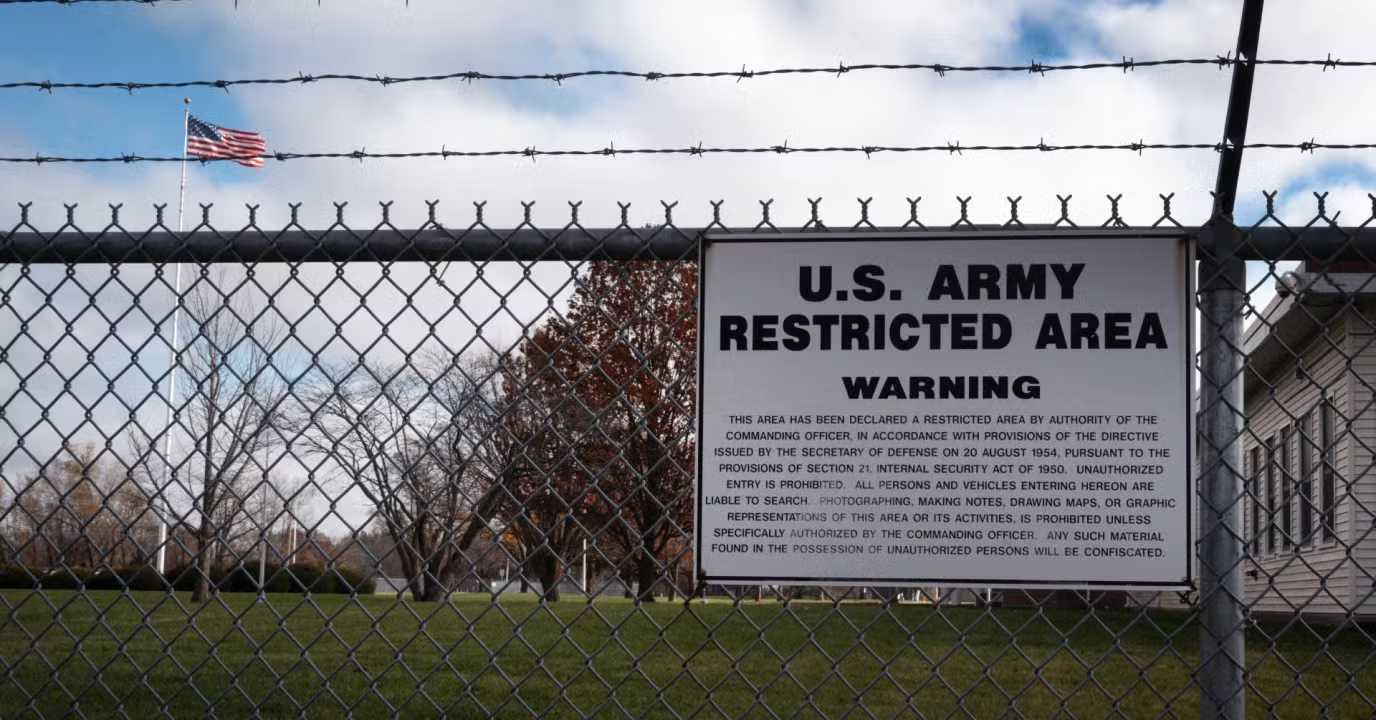
US Army to detonate more than 4 tonnes of lead azide in Iowa on Wednesday
The US Army plans two rapid controlled detonations of almost 4,500kg of deteriorating lead azide at the Iowa Army Ammunition Plant on 25 November, after postponements, a lawsuit by environmental groups, a brief court stay, and an order from President Trump that cleared the way once the appeals court lifted it. Environmental groups and experts warn the blast could send toxic lead particles drifting more than 160km onto homes, crops and livestock, while Major General Eric Shirley says the Army has built earthworks and cisterns to limit harm and that inaction is no longer an option. Landowners in the projected fallout area face years of possible federal testing on their property, and the Army has advised residents to seal off outdoor air intake until the plume clears.
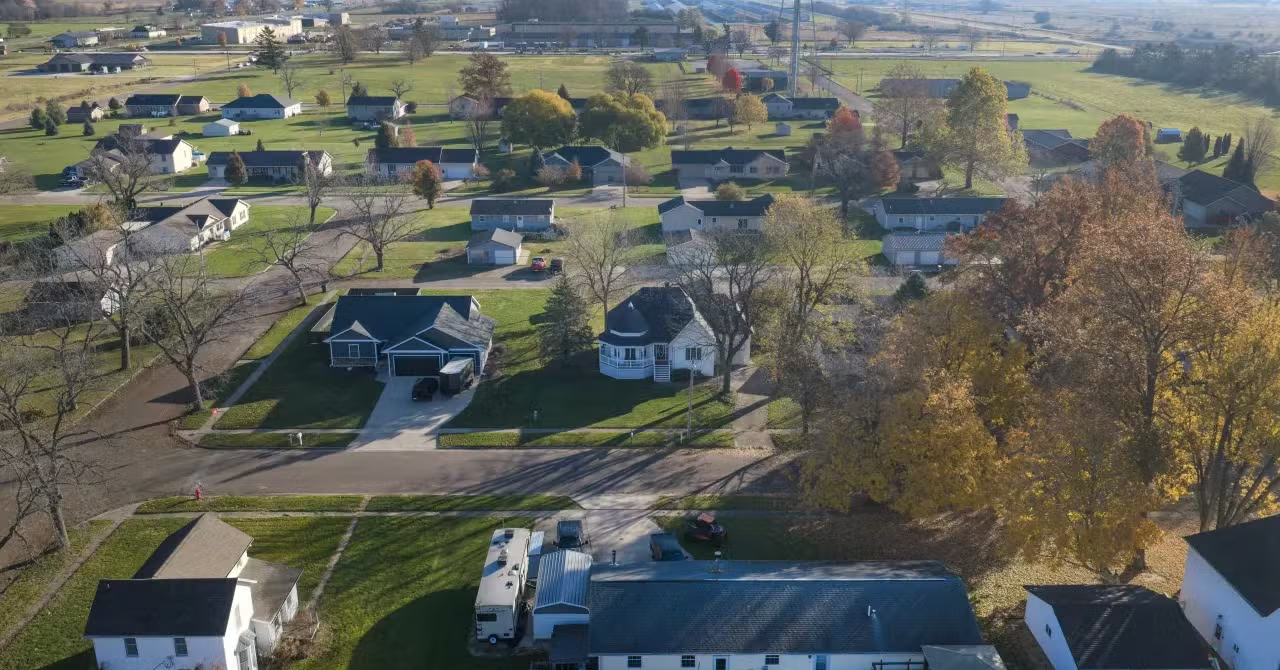
Why does the Army need to blow up 9.5K pounds of lead in Iowa?
The U.S. Army plans to detonate nearly 10,000 pounds of lead azide, a toxic byproduct of ammunition production, stored at the Iowa Army Ammunition Plant in Middletown, Iowa. The plan follows the degradation of the barrels holding the lead, which the EPA calls a highly unstable and dangerous situation, and Army officials say moving it posed an unacceptable risk of accidental detonation while other disposal options were judged unsafe. Residents near the site are sealing their windows, preparing to evacuate, and moving livestock on official advice, while environmental groups including the Sierra Club have sued to stop the detonation, arguing the EPA failed to require the Army to consider safer alternatives. Middletown's mayor and Iowa Gov. Kim Reynolds support the detonation, but Sierra Club lawyer Wally Taylor says it should be canceled outright, and experts say it remains unknown how much lead contamination will reach the atmosphere.

LIVE Hours Before Army Detonates LEAD BOMB | WORRIED Residents Speak to Us
Status Coup News reports live hours before the Army plans to detonate 9,500 pounds of unstable lead azide in Middletown, Iowa, on Wednesday morning. Reporter JT Cestkowski is on the ground speaking with residents who have to live with the decision. The outlet says officials have had more than 20 years to deal with the lead azide, and that hours before the blast the Army and the EPA are dodging questions while families who could be in the path of toxic lead dust still lack answers. It calls the planned detonation a government-made clusterf*ck.
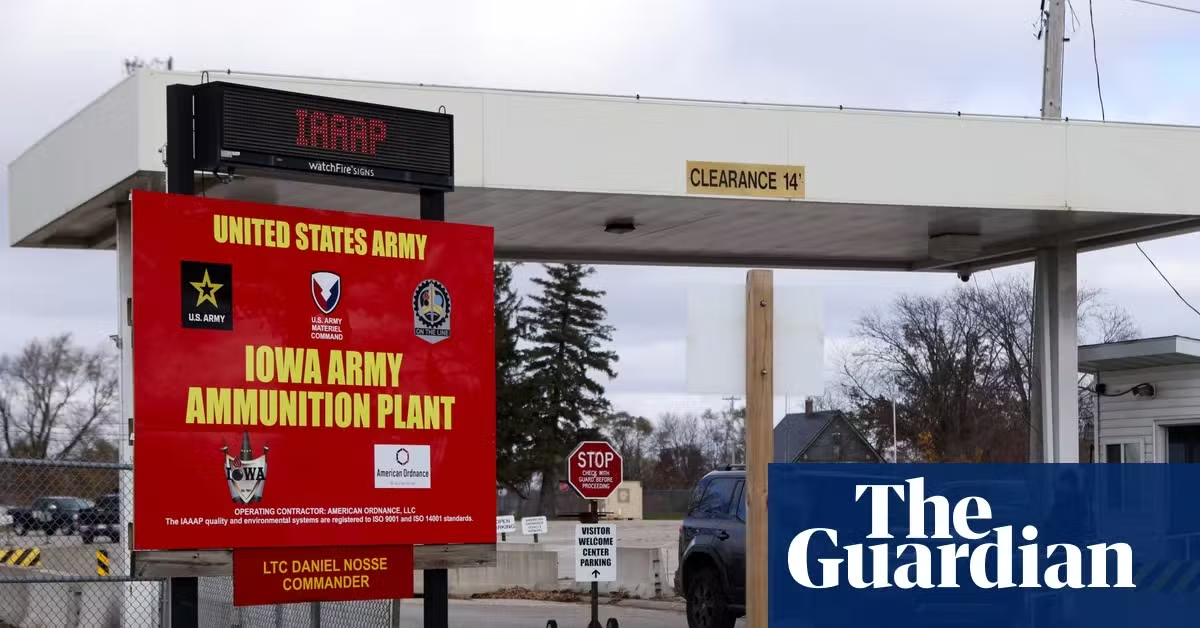
US army maps show projected path of toxic dust from Iowa detonation
The US army has released maps showing that a planned detonation of 68 barrels, five tons, of lead azide at the Iowa army ammunition plant in Middletown would send a toxic dust plume south-west through south-eastern Iowa and into northern Missouri. The blast is scheduled for 10am central time on Wednesday, and an emergency alert told people within 20 miles to stay indoors with windows closed, with possible evacuations within 5 miles south-west. A federal appeals court cleared the detonation after the date was changed three times amid public concern, and environmentalists' challenge centers on the EPA permit's validity. The army says it will use blast barriers, ballistic gels, foams, and thousands of gallons of water to keep lead dust on the plant, and acting army secretary Adam Telle says there is no reason to panic.

Iowa governor cancels turkey pardon event ahead of detonation
A NewsNation report says Iowa Governor Kim Reynolds canceled her turkey pardoning event, slated for Tuesday, as the U.S. Army prepared to detonate barrels of unstable lead azide at the Iowa Army Ammunition Plant after multiple delays. According to a NewsNation affiliate, the controlled detonation in Middletown is set for 9 a.m. CT Wednesday after a court cleared the way for it. The Des Moines County Sheriff's Office says Middletown residents have been urged to evacuate and may get calls or visits from federal or local officials. Per another affiliate, Reynolds will still issue a proclamation pardoning the turkeys.

Trump Tries To BLAME DEMS For Iowa Lead BOMB
In its video, Breaking Points reports that a federal court lifted the block on the US Army's plan to detonate a large stock of toxic lead at the Iowa Army Ammunition Plant, leaving no legal obstacle and setting the blast for the day before Thanksgiving. Residents near the Middletown site are being told to evacuate, or to stay inside with doors and windows closed and air conditioning off. The Army says the lead will explode on its own as cold weather and the material deteriorate, and in a statement Trump blames the Obama administration, says he ordered a pause until the Eighth Circuit and incoming governor Rob Sand agree, and says he will hold Sand responsible for any death or destruction if they do not. Sand says he is not governor yet, had nothing to do with the decision, and defers to the people who have been on the ground, while asking that the government share its information with the public. A Breaking Points host warns that particles could linger and reach waterways and crops in a heavy food-producing area, calls the situation genuinely scary, and notes doctors dispute that a one-time exposure is as dangerous as prolonged exposure. The Environmental Protection Agency says it is testing air, water, and soil before, during, and after the detonation and will post the results.
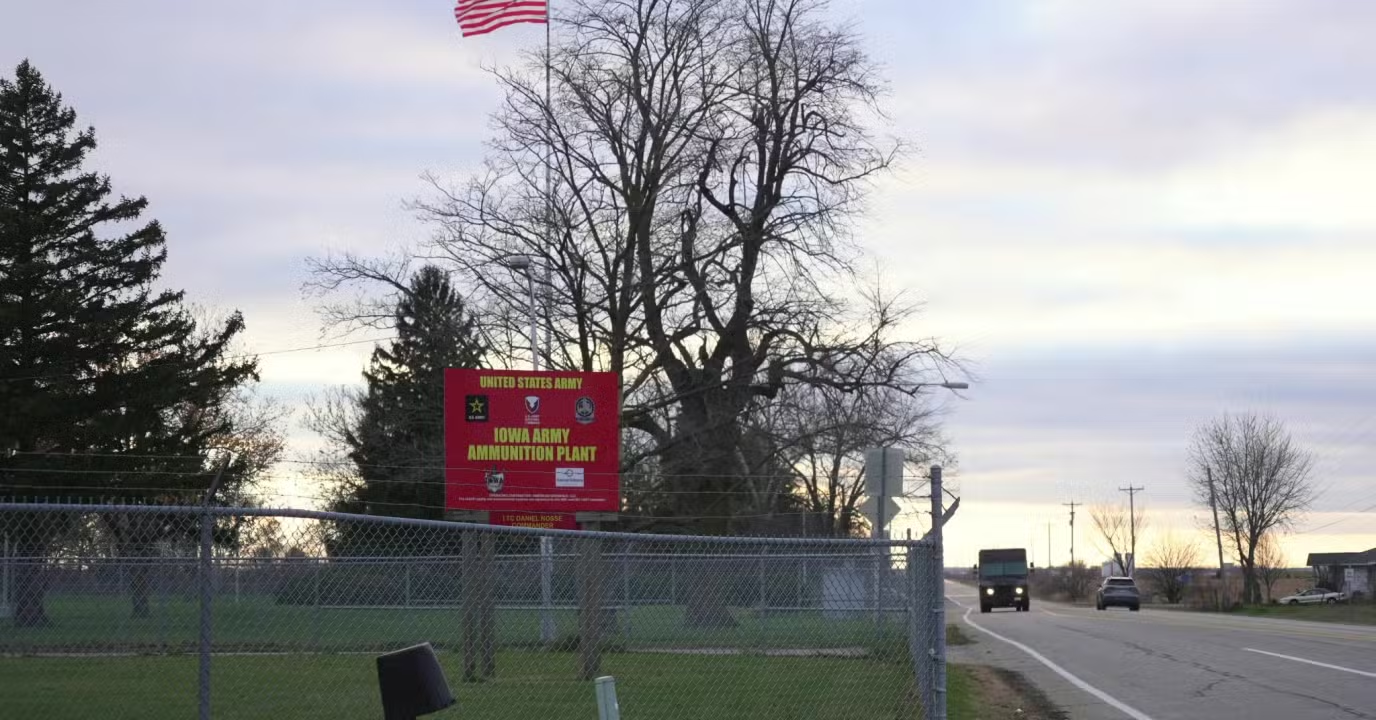
Iowans prepare to be poisoned by Trump team
In an opinion column on Daily Kos, staff writer Oliver Willis writes that the United States Army plans to detonate stockpiles of lead azide stored at the Iowa Army Ammunition Plant in Middletown, Iowa, and that President Trump told the Army not to detonate it without court approval after environmental groups sued to delay the planned explosion, citing a toxic plume that could spread fallout across Iowa, parts of Illinois, and the Mississippi River. A federal appeals court gave the detonation the go-ahead. The column says the danger follows from Trump and Defense Secretary Pete Hegseth deriding previously bipartisan environmental safeguards as 'woke' and throwing them out, and that the administration gave local officials little advance warning: Iowa City's city manager says he learned of the operation only from news reports, leaving him too little time to protect the Iowa River, the city's water supply. The Iowa Poison Control Center highlighted the danger in a document offering tips on dealing with the aftermath, and Daily Kos writes that the public safety threat is a direct result of the administration's war on 'woke' and will be just another stain on Trump's legacy.
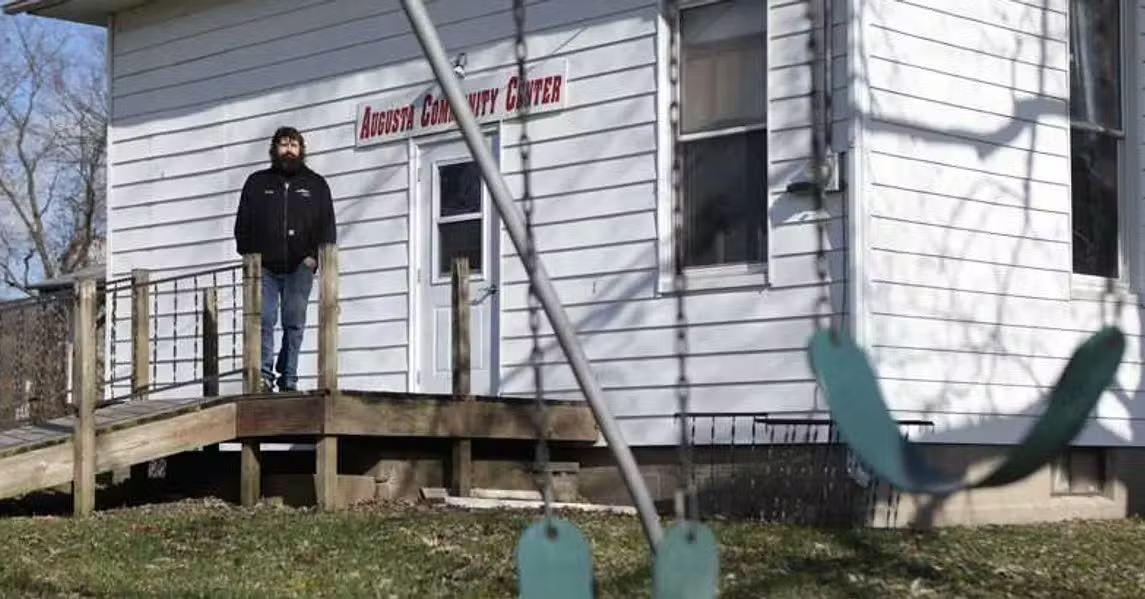
Toxic blast evacuation reaches multiple states: 'Definitely want to be out of that area'
A RawStory report says the Trump administration is urging a wider-than-planned evacuation, now covering parts of two states, ahead of the Army's planned detonation of 68 barrels of deteriorating lead azide at its ammunition plant in Middletown, Iowa, set for 9 a.m. Central Time on Wednesday, 25 November 2026. Updated Army maps show the toxic lead dust plume could reach from southeastern Iowa into northern Missouri, and federal officials have told children, pregnant women, and people with chronic illnesses to leave areas that could be affected. The detonation, originally set for 20 November, was delayed several times after state and local leaders, including Gov. Kim Reynolds, learned of it only days in advance, drawing their criticism. The Army says the explosives are degrading and could detonate on their own as temperatures drop, while President Trump warned he would hold an Iowa Democrat responsible for any and all deaths if the blast was delayed.

US Army sets out measures to limit lead dust from Iowa explosives blast
The US Army says it is working to keep toxic lead dust to a minimum as it prepares to detonate nearly 10,000 pounds (4,500 kg) of degraded lead azide at the Iowa Army Ammunition Plant in Middletown, Iowa, on Wednesday, 25 November 2026, racing to beat a spontaneous explosion of the deteriorating stockpile. Reuters reports that officials outlined mitigation measures including earthworks encircling the two magazines holding the explosive, misting systems to dampen the terrain, and foam to capture particulates from the blast. Acting Secretary Adam Telle says the 9 a.m. detonation is timed for a weather forecast he calls ideal to protect public health. The Army's new projection maps show dust could fall on surfaces as far as 40 miles away and airborne particles could travel close to 100 miles eight hours after the blast, prompting FEMA to warn that residents within 5 miles may be evacuated while those 5 to 20 miles out are advised to stay indoors with windows closed.
Pregnant women, children, chronically ill people should evacuate ahead of Iowa lead detonation: HHS official
A Department of Health and Human Services official says pregnant women, children, and people with chronic diseases should evacuate the area directly affected by a detonation the Army plans in Middletown, Iowa. Sean Kaufman, the department's principal deputy assistant secretary for preparedness and response, spoke at a press conference there the day before the Wednesday detonation of lead-containing weapons, which the Army says are at risk of accidental detonation. The Army expects the detonation to create a plume with lead-containing particles in the air, and Kaufman says those who live near but not in the directly affected area might consider leaving as well. Lead is a neurotoxin particularly harmful to babies and children, whose exposure the EPA says can cause brain damage, nervous system damage, learning problems, and a lower IQ.

Lead azide must be detonated in Iowa, Army says; some residents urged to evacuate
Federal officials urged residents near an Iowa ammunition plant to evacuate ahead of a controlled detonation of lead explosives planned for Wednesday. The Army says lead azide must be detonated in Iowa, and officials acknowledged the risks of a plan that has drawn safety and environmental concerns.
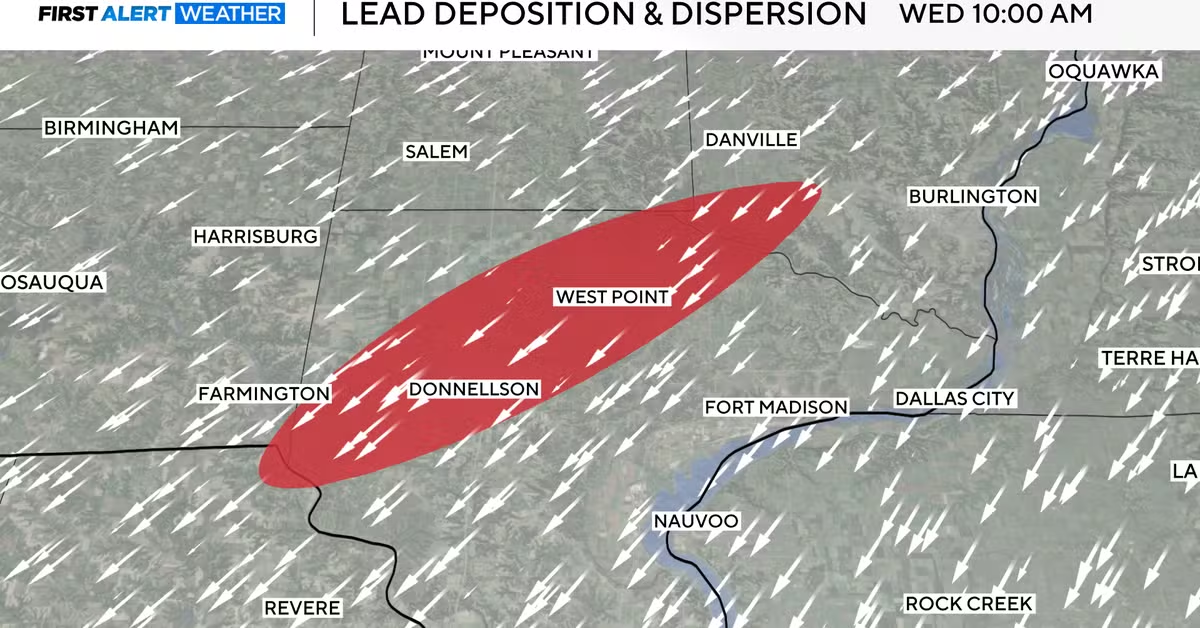
Maps show Iowa lead dust plume drifting southwest into Missouri Wednesday after detonation, Army shares
New maps the Army shared show a plume of toxic lead dust drifting southwest from the Iowa Army Ammunition Plant in Middletown into northeast Missouri between 9 a.m. and 5 p.m. Wednesday, after the Army detonated about 5 tons of degraded lead azide in 68 barrels at 9 a.m. The maps are forecasts that will change with the weather, and they do not establish that harmful exposure occurs at every location in the plume, so sampling will be needed to show where lead settles. A federal appeals court cleared the way on Monday after the detonation had been delayed by lawsuits from environmental groups, saying the degraded explosives risk an uncontrolled blast without the permit's safety measures. Officials recommend people stay indoors during the detonation, and states including Missouri are setting up additional air and water quality monitoring.

Army’s Iowa Ammunition Plant Explosion on Schedule for Wednesday Morning
The Army plans to detonate a cache of dangerously degrading explosive materials at the Iowa Army Ammunition Plant in southeastern Iowa at 9 a.m. Wednesday, a detonation delayed three times before. The urgency comes from the forecast of freezing weather, which the Army warns could fracture the unstable lead azide inside the barrels and trigger an uncontrolled explosion. A federal court late Monday rejected environmental groups' request for an emergency stay, and officials say the operation will be handled safely, with a containment screen and fire-suppressing foam to trap lead and possible evacuations of residents near Middletown, Iowa. The Army's plume models show lead dust could travel as far as 100 miles into northeast Missouri and be deposited over as many as 148 square miles, potentially affecting about 350 farms.

Army to detonate lead explosives in Iowa on Wednesday morning as officials insist plan is necessary
An NBC News report says the Army plans to detonate 68 drums of deteriorating, toxic lead azide at the Iowa Army Ammunition Plant in Middletown at 9 a.m. on Wednesday, Nov. 25, 2026. A federal appeals court gave the plan the green light on Monday, and officials from the Army, the EPA, and other agencies held a press conference on Tuesday to defend it. The Army says the explosive has recrystallized into a highly unstable state, and that moving or opening the drums could itself set it off, so no safer alternative was found. Officials expect the blast to send a plume of lead dust across Iowa and likely into neighboring states, and they urge anyone in its path, especially children and pregnant women, to evacuate. The plan has prompted widespread distress and confusion among local residents, many of whom say they have not had enough time to prepare for the possible health and environmental consequences.
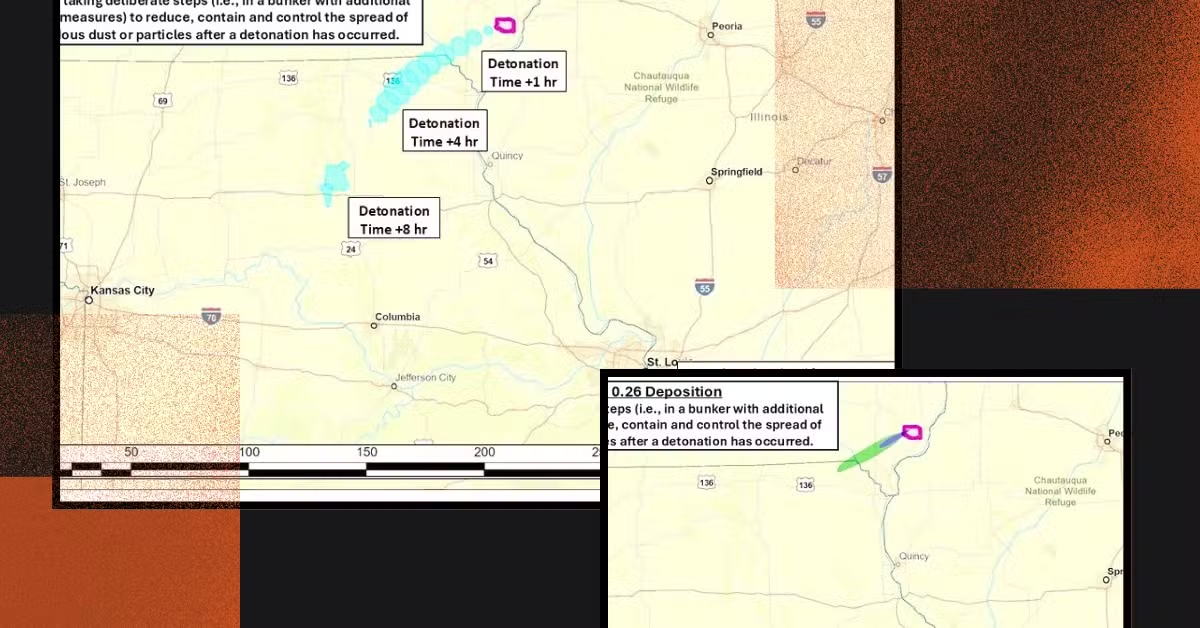
Maps show lead dust from Wednesday Middletown detonation could travel southwest into Missouri
The U.S. Army released maps on November 24, 2026 showing that lead dust from its planned detonation of lead azide in Middletown, Iowa, scheduled for the next morning, could travel southwest as a plume over southeast Iowa and into northern Missouri. The dispersion map traces how lead particles could spread over an eight-hour timeline, and a surface deposition map shows a lighter coating of 5 micrograms per square foot and a heavier coating of 100 micrograms closer to the site, against the EPA's 5 microgram limit for floors in homes and daycares. USDA undersecretary Richard Fordyce estimated on the Army's press call that about 350 farms could be impacted, and the Army advises Middletown residents and those within a five-mile cone to relocate outside the dispersion area and keep windows closed. University of Iowa researchers are placing air and soil monitors around the site, but Patrick O'Shaughnessy and other experts say they have found no prior example of this kind of detonation in the United States, making the effects hard to predict, and Peter Thorne worries the blast could set a precedent for exposing residents in future situations.

Public Safety Advisory: Controlled, Mitigated Detonation of Unstable Lead Azide at Iowa Army Ammunition Plant
In a public safety advisory, the U.S. Army announces a planned controlled, mitigated detonation of decades-old, degraded lead azide at the Iowa Army Ammunition Plant in Middletown, Iowa, at approximately 9:00 a.m. CST on November 25, 2026. A routine inspection on March 11, 2026 found the stored explosive had partially crystallized, making it sensitive to friction, shock, and cold, and an interagency team of experts judged chemical neutralization, thermal treatment, relocation, and continued storage all too dangerous, concluding the controlled detonation was the only viable option. FEMA is supporting relocation of all Middletown residents and nearby impacted areas starting November 24, with lodging through November 27, under an evacuation zone of a 5-mile cone southwest of the plant plus one mile beyond the modeled dispersion path, and residents outside that zone are urged to shelter in place. The Army says unprecedented mitigation measures, including sand-filled barriers, a water wall, gel blocks, and drone surveillance, will reduce lead traveling off the installation, while soil, air, and water are tested before and after and updated dispersion maps are published ahead of the detonation.
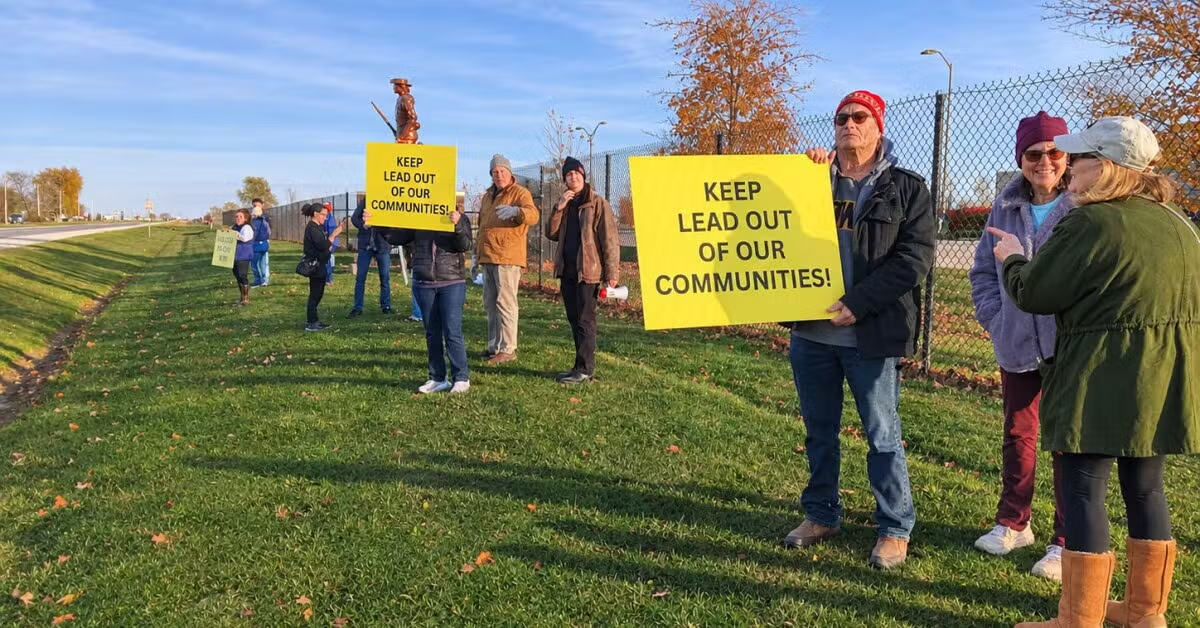
Army says weather conditions favorable for Wednesday detonation of bomb-making material in Iowa
The Army has pushed back its planned detonation of 68 barrels of degraded lead azide at the Iowa Army Ammunition Plant near Middletown to Wednesday, 25 November 2026, citing more favorable wind conditions and extra time for safety measures, in an Associated Press report. The government's court filing says winds are expected to blow away from populated areas, and the new date will allow added blast barriers, gels and foams, and dousing with thousands of gallons of water to cut lead dust. Environmental groups that sued to stop the detonation lost at the 8th U.S. Circuit Court of Appeals on 23 November, which ruled the EPA adequately incorporated safeguards, though the Army says the blast is needed to prevent a possible chain-reaction explosion of the unstable material. The date has changed three times amid public concern, with an alert telling some residents to expect evacuation and others up to 20 miles away to stay indoors, and President Trump said Iowa's Gov.-elect Rob Sand should also approve, while Reynolds, after speaking with Defense Secretary Pete Hegseth, backs the plan.

Detonation of lead azide is on; residents should evacuate, Army says
In a USA TODAY news report, the Army says the controlled detonation of deteriorating lead azide at the Iowa Army Ammunition Plant is on for Nov. 25, 2026, at about 9 a.m., after days of delays, resident outcry and a failed environmentalist lawsuit, and it is urging residents of Middletown, Iowa, and a 5-mile cone southwest of the plant to evacuate. Officials say the blast could create a toxic plume of lead dust traveling 100 miles or more into southeastern Iowa and northern Missouri. Acting Secretary of the Army Adam R. Telle argues a controlled detonation is far preferable to a spontaneous one as the weather cools, since the material cannot safely be moved. The Eighth Circuit Court of Appeals cleared the blast on Nov. 23 after a temporary stay, and the Army advises those who stay indoors to close windows, recirculate air and wet-clean surfaces afterward.
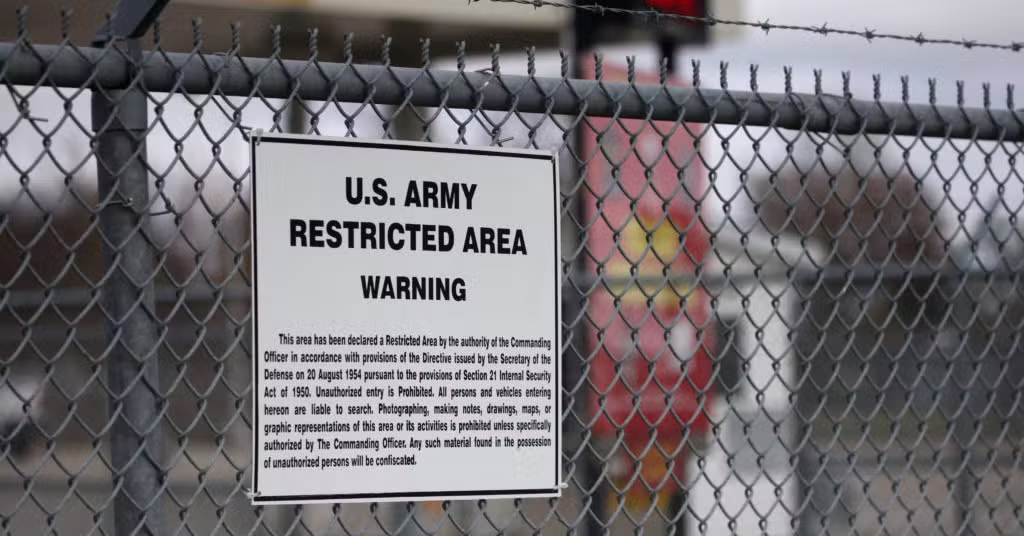
Getting court approval, U.S. Army to detonate degraded bomb-making material in Iowa on Wednesday
A federal appeals court has cleared the U.S. Army to detonate 68 barrels of degraded lead azide near Middletown, Iowa, on the morning of Wednesday, 25 November 2026, after environmental groups failed to stop the plan in court. The 8th U.S. Circuit Court of Appeals ruled the EPA adequately included safeguards in its emergency permit, pointing to barriers, weather restrictions, public notification and updated air monitoring. The barrels, found at the Iowa Army Ammunition Plant in March 2026, have crystallized into an unstable state that experts say grows riskier as temperatures drop, and officials say handling the drums could cause a fatal accidental detonation. Officials recommend people stay indoors during the detonation and wash outdoor surfaces afterward to limit exposure to lead particles.
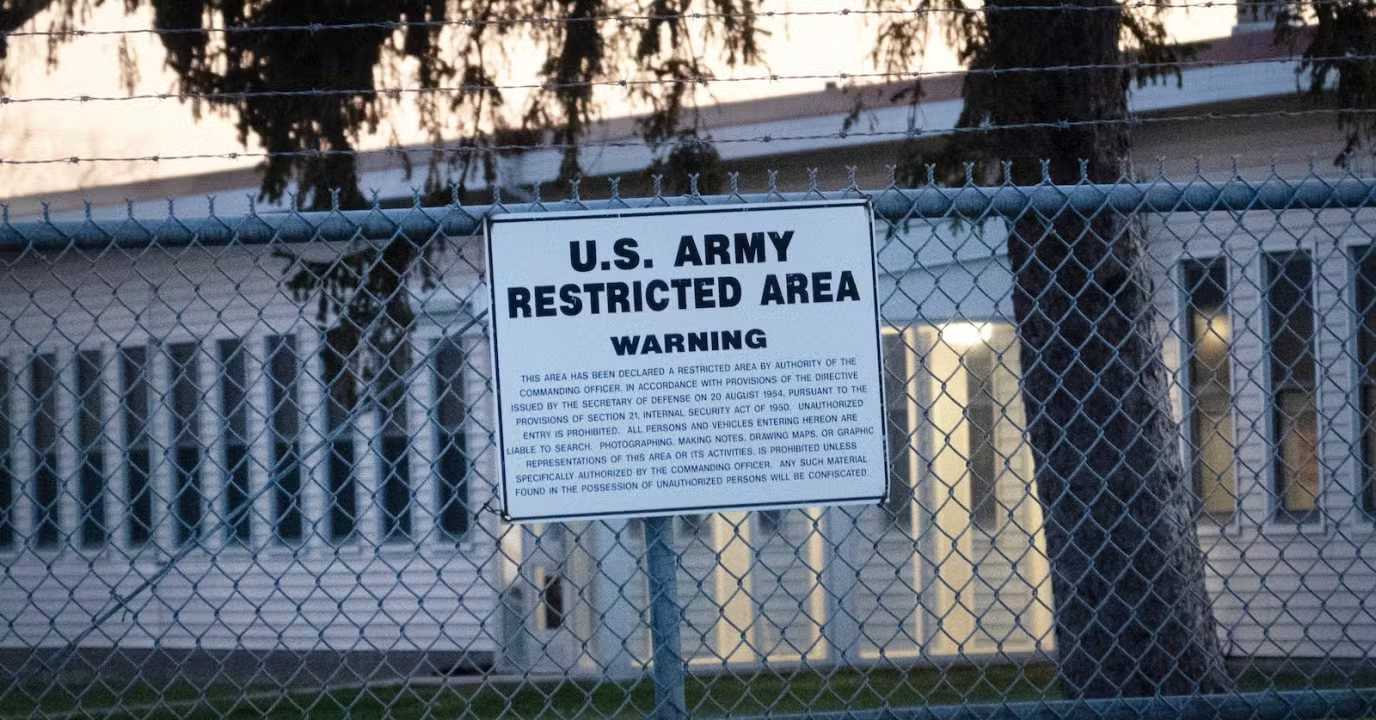
Army says Iowa lead explosives detonation will proceed after appeals court denies bid to stop it
The Army says a controlled detonation of about 9,700 pounds of degraded lead azide at its ammunition plant in Middletown, Iowa will proceed on the morning of Wednesday, November 25, after the Eighth Circuit Court of Appeals denied an emergency motion to halt it. The appeals court found that every day of delay increases the risk of an uncontrolled explosion causing greater harm than the controlled detonation under the permit's terms. The Iowa Environmental Council and the Sierra Club had argued the blast could spread lead dust across a large area, with the Army's own modeling projecting it could settle over an area about 25 miles long and 5 miles wide, including homes and waterways. The EPA, which issued the permit, says the stored material's recrystallization makes disturbing it an unacceptable risk of unintentional detonation, and the Army says destroying it in place is the only responsible option. President Trump says in a social media post that he ordered a hold until the appeals court and incoming Iowa Governor Rob Sand signed off, though Sand has deferred while pressing for transparency.

For Illinois residents: What to know about the Iowa detonation
Illinois officials have launched a webpage to share developments in the U.S. Army's blast plan at the Iowa Army Ammunition Plant in Middletown, Iowa. In a joint news release on the night of 23 November 2026, several state agencies said the page would be a centralized, Illinois-specific source of information. The Army plans to detonate 68 drums containing 9,500 pounds of lead azide there on 25 November 2026, and courts have cleared the way for the detonation.
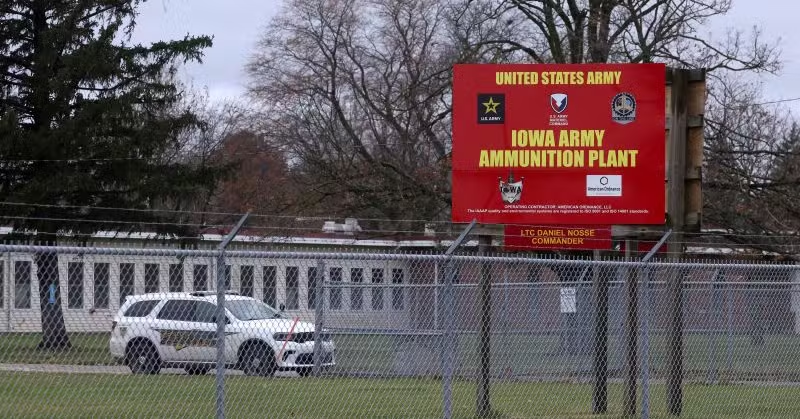
Army set to detonate explosives in Iowa Wednesday after court lifted pause over potential environmental impacts | CNN
The Army plans to move forward Wednesday morning with the controlled detonation of about five tons of degraded lead azide, an unstable explosive, at the Iowa Army Ammunition Plant in Middletown, Iowa, after a three-judge panel of the Eighth Circuit lifted a temporary stay, saying there was not enough evidence the environmental groups would prevail. The Iowa Environmental Council and the Sierra Club had filed an emergency motion alleging the EPA did not properly evaluate the dangers of the explosion or alternative ways of handling it before issuing a permit. Army officials say the material is too volatile to move and that detonating it at the plant is the only safe option, though the blast could spread lead in a plume extending many miles. President Trump had ordered the military to wait for the court and Iowa's Gov.-elect Rob Sand to agree, then announced the plan could go ahead after the ruling.
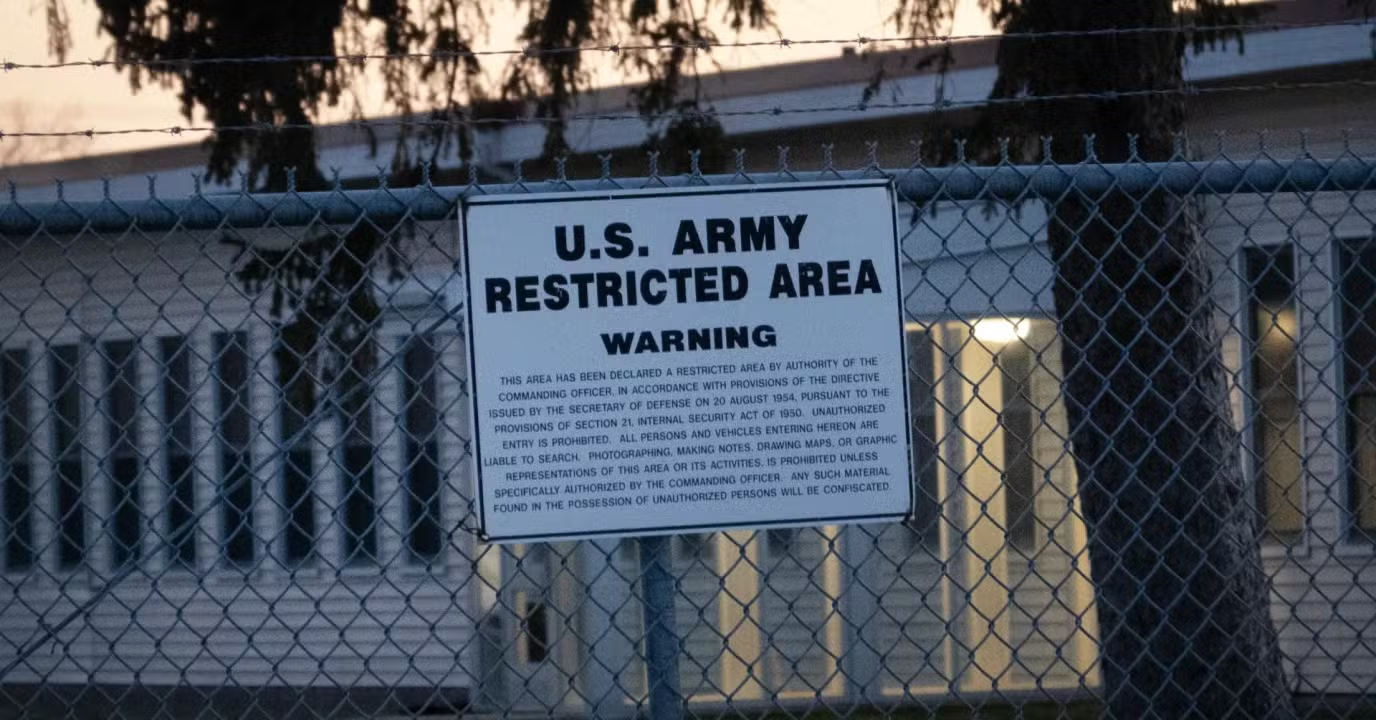
US army says detonation of lead explosives in Iowa will proceed
The United States Army says it will proceed with a plan to blow up nearly 4,500kg (10,000lb) of degraded lead azide at the Iowa Army Ammunition Plant in Middletown, Iowa, after the 8th US Circuit Court of Appeals lifted a temporary stay on the Environmental Protection Agency's permit. The plan prompted a public outcry and a lawsuit from environmental groups, who warned the two controlled detonations of 68 drums could release a plume of toxic lead dust over homes, crops and livestock far beyond the site. President Donald Trump ordered the Army on 23 November 2026 to hold off until the appeals court ruled, but hours later the court sided with the EPA and removed the final legal obstacle. Acting Army Secretary Adam Telle calls the decision to move forward a consensus among federal agencies, the courts and state officials, and the EPA says a managed detonation is far less risky than a spontaneous blast, a scenario it says grows more likely as Iowa's weather turns colder.
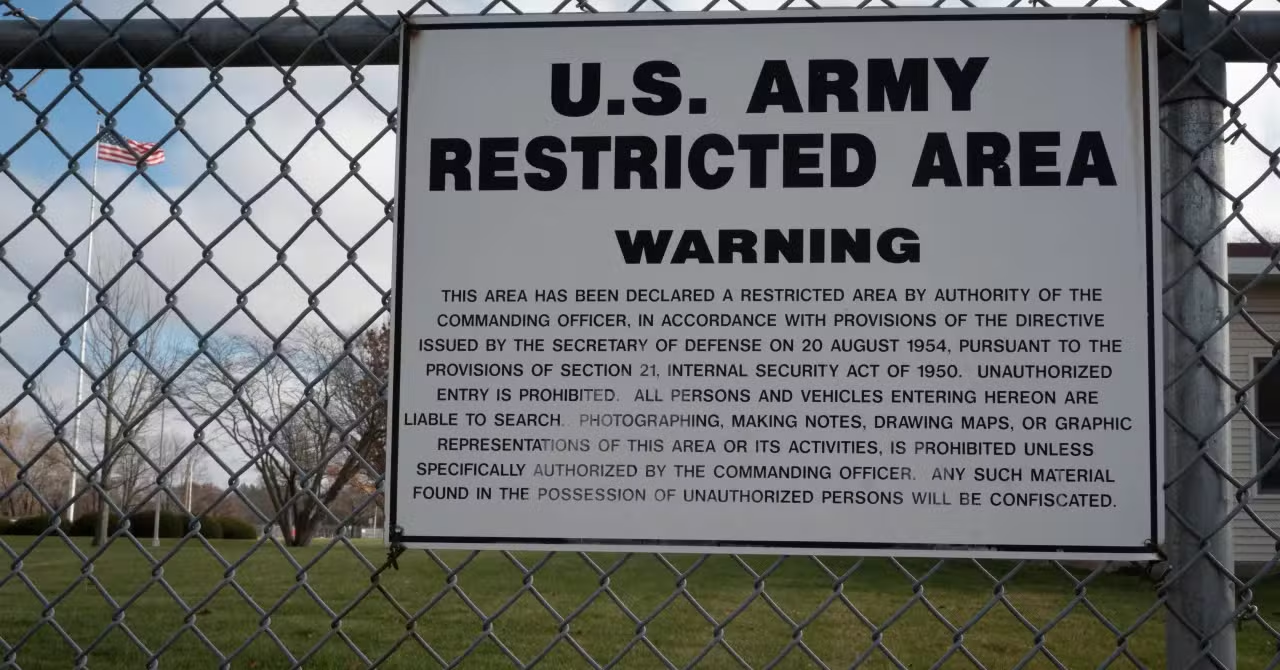
Army moving ahead with Iowa detonation after court declines to step in
The Army is moving ahead with a controlled detonation of degraded lead azide at the Iowa Army Ammunition Plant in Middletown on Wednesday, after a federal appeals court declined on Monday to block the emergency permit. The blast, announced last week and expected to release a plume of lead-containing particles, had been slated for Monday but was pushed to Wednesday for better weather. Acting Army Secretary Adam Telle called moving forward a consensus decision, saying in a post on X that the removal proceeds in full coordination with state, local and federal authorities because the safety of Iowa's citizens comes first. President Trump added uncertainty on Monday by saying the Army would go ahead only with agreement from the court and Gov.-elect Rob Sand, who has said the administration should make the decision. The plan has stirred fears of lead exposure, which can harm children's brains and, in rare cases, cause seizures, coma or death.
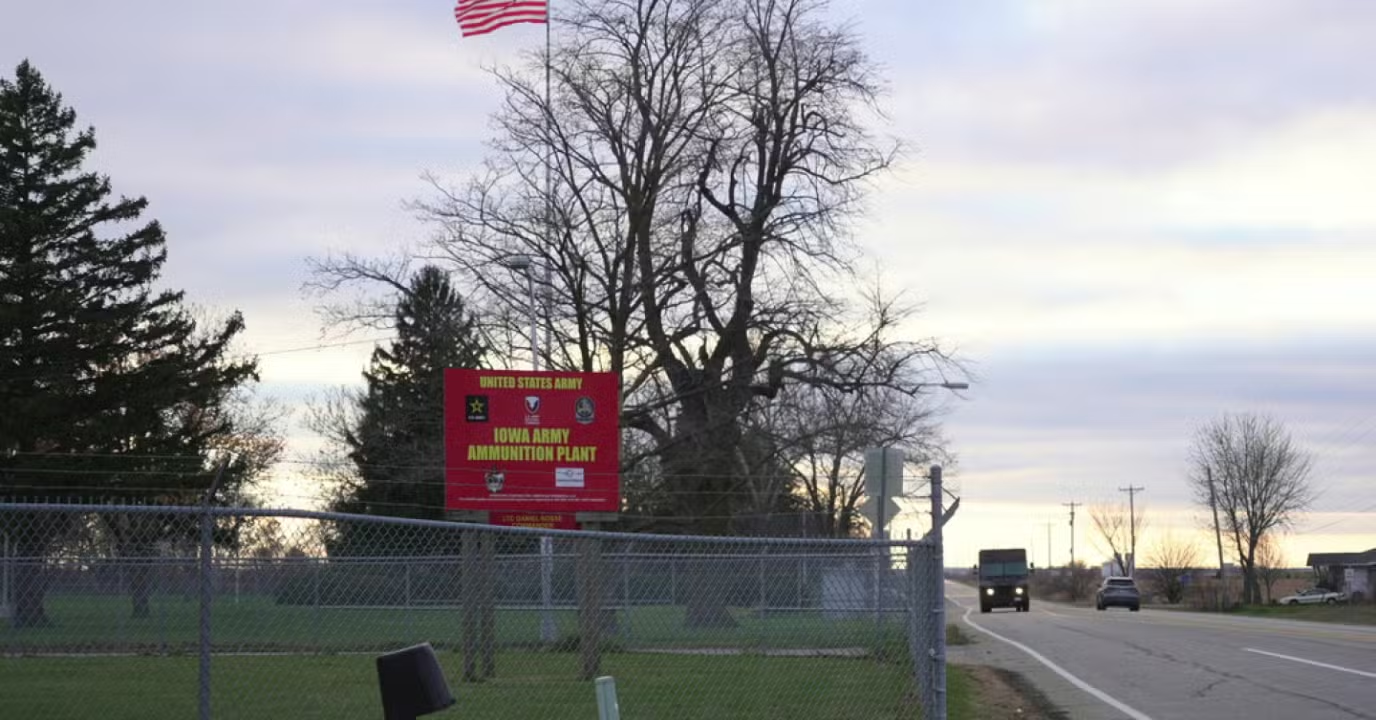
Trump Administration Still Plans to Detonate Lead Explosives in Iowa on Wednesday
The Trump administration confirmed it still plans to detonate 68 barrels of lead azide, several tons of lead explosives, at the Iowa Army Ammunition Plant in Middletown, Iowa, on 25 November 2026, after changing its plans three times in five days as public panic spread over maps showing a possible plume of toxic dust across southeastern Iowa. Both the Army and its contractor American Ordnance have known since at least March 2026 that nearly all the barrels were dangerously degrading, and Army munitions experts say the delays cannot continue because falling temperatures raise the risk of a random explosion, which they warn would spread toxic lead and endanger life far more than a controlled one. Hours after President Trump's Monday statement, the 8th Circuit Court of Appeals lifted its temporary pause and allowed the detonation to proceed, and The Washington Sun reads a Truth Social post by Trump as appearing to threaten Democratic Governor-elect Rob Sand with responsibility for any death or destruction unless he approved the plan. Communities in Iowa, Illinois, and Missouri must wait for the Army's plume projections, which its permit requires it to publish and update, though EPA permitting documents say experts believe the dust dispersion could be far less than the worst-case maps show.
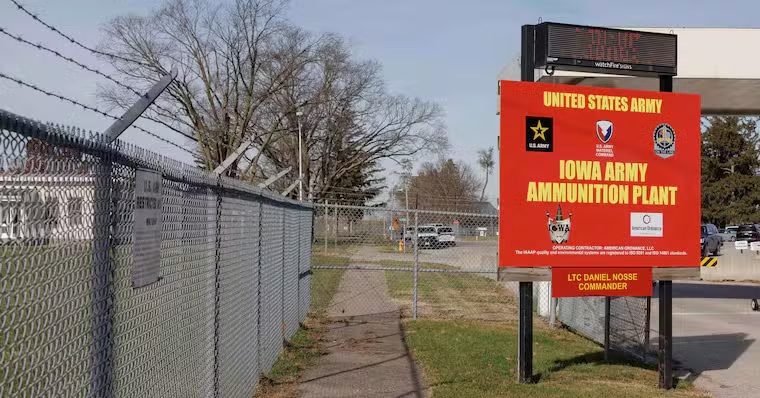
A Philly defense contractor operates the Iowa plant where the Army plans to detonate unstable munitions
A Philadelphia Inquirer news report covers the Army's paused plan to detonate nearly five tons of unstable lead azide at the Iowa Army Ammunition Plant in Middletown, Iowa, a facility operated by American Ordnance, a subsidiary of Philadelphia-based defense contractor Day & Zimmermann. The EPA issued an emergency permit in November 2026 to blow up the drums, but the Iowa Environmental Council and the Sierra Club sued over its validity, a federal appeals court put the permit on hold, and President Donald Trump wrote on Nov. 23 that he had ordered the military not to proceed until the Eighth Circuit agrees it can go forward. Earthjustice, representing the groups, warns the blast could release a toxic plume of lead dust traveling up to 100 miles, and health officials say pregnant women and young children are at particular risk from lead exposure. Federal officials say a controlled detonation is needed to head off a potential spontaneous explosion, with the Justice Department arguing the crystals formed in the degrading explosive break more easily in freezing temperatures, while the Army signaled it planned to move ahead anyway citing legal authority to act without a permit in an emergency.

Trump told the Army to pause the detonation of 9,500 pounds of lead azide in Iowa. Here’s what to know
A PBS News explainer reports that President Trump said on November 23, 2026 that he ordered the U.S. Army not to proceed with a planned controlled detonation of 9,500 pounds of degraded lead azide at the Iowa Army Ammunition Plant in Middletown without court approval, and that he would hold Iowa's incoming Democratic Governor, Rob Sand, responsible if either the courts or the incoming governor block it. The Army found the crystallized stockpile in a March 2026 safety review and says detonation is the only safe way to dispose of it, since the unstable explosive cannot be moved. A federal appeals court had suspended the Army's emergency permit while environmental groups pursue a lawsuit arguing communities were not adequately warned, yet the Army announced it would proceed on November 25 by invoking emergency powers. The Army expects the blasts to send a lead dust plume that could reach as far as 100 miles, and researchers and residents criticize the lack of transparency, with University of Iowa researchers monitoring lead levels on their own.
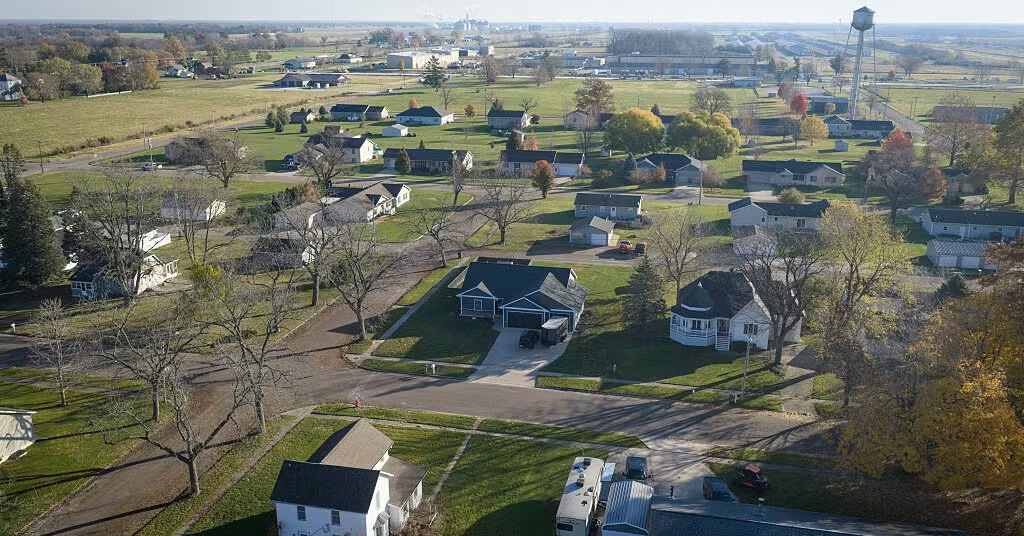
Trump halts Iowa detonation, says new governor to blame if it blows accidentally
President Trump announced on social media that he ordered the US military to halt plans to detonate 68 deteriorating barrels of lead azide at an Army ammunition plant in Middletown, Iowa, saying the fate of the explosive material rests with the federal appeals court and Governor-elect Rob Sand, a Democrat who takes office in January, and that they would be to blame for any death or destruction if it explodes on their watch. The Army's planned November 20 detonation had already been delayed after public outcry and an emergency court filing by Earthjustice, which argued the Army had not fully considered safer options; a federal appeals court put a hold on the detonation's EPA permit. Among those options, a New York Times report says the Army in late March awarded a contract to MuniRem Environmental to chemically neutralize the explosive, then canceled it two months later without explanation. The Army maintains the crystallized lead azide, which becomes highly unstable, cannot be moved or opened without risking a catastrophic explosion, and that winter temperatures raise the risk of spontaneous detonation, leaving only a controlled or an uncontrolled blast.

The Army’s plan to blow up explosive materials in Iowa has gotten messy. Trump has stepped in and put the whole thing on hold.
President Trump has halted the US Army's plan to detonate roughly 10,000 pounds of old lead azide stored for 20 years at the Iowa Ammunition Plant, a disposal once scheduled for November 20, 2026. In a Truth Social post on November 23, Trump said he directed the Army not to proceed until the Eighth Circuit approves it and incoming Governor-elect Rob Sand agrees, warning that otherwise he would hold Sand responsible for any death or destruction from the hazardous material. The plan had drawn public backlash and legal challenges after residents near Middletown were told to leave their homes and an Army map showed potential spread far beyond the town, and the Eighth Circuit froze the Army's environmental permit before the administration invoked an emergency exception to let the detonation go ahead on November 25.

Trump orders hold on Army’s explosive plans in Iowa
President Trump says he has ordered the Army to pause plans to intentionally blow up about five tons of degrading explosive chemicals at the Iowa Army Ammunition Plant until the 8th U.S. Circuit Court of Appeals rules on the matter and incoming Governor Elect Rob Sand agrees to the operation. The pause follows public outrage and a lawsuit by a coalition of environmental groups, which won a temporary pause from the appeals court. The EPA has said the detonation of lead azide would likely send a lead-laden smoke plume across the Mississippi River into Illinois, affecting thousands of people and farmland, though Trump says he agrees with military experts that detonation beats risking the 68 barrels blowing up on their own, and Army officials say they did not need EPA approval because of the imminent threat.
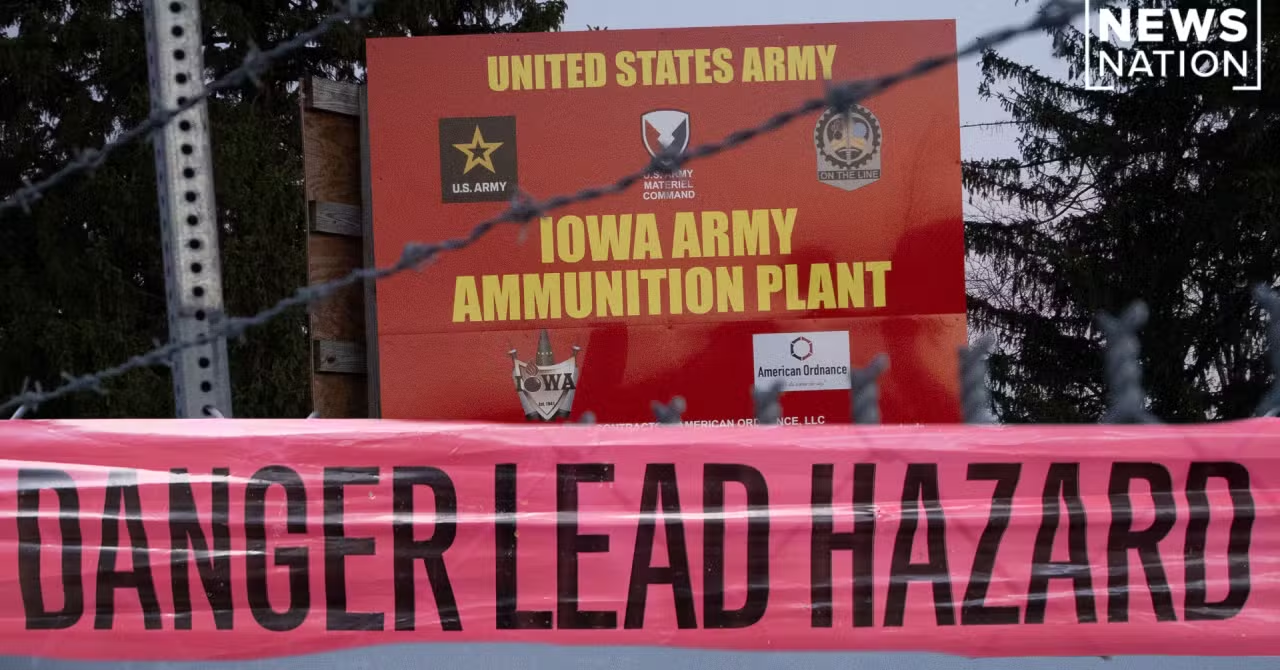
Iowa controlled detonation health concerns: Are you safe?
NewsNation reports that the Army's plan to detonate nearly five tons of degraded lead azide stored for more than 20 years at the Iowa Army Ammunition Plant in Middletown, Iowa, was temporarily halted by the Eighth Circuit Court of Appeals, which froze the Army's environmental permit after environmental groups sued. The Army had already delayed the detonation several times, and warns that as temperatures drop, the recrystallized explosive becomes more prone to an uncontrolled explosion. President Trump then said on social media that the military should not proceed until courts give permission, making the decision subject to the agreement of Governor-elect Rob Sand, while the government said the Army intended to proceed without the permit under an emergency exception. Residents near Middletown City Park and Butterfly Park had been asked to vacate their homes during the planned detonation, and the Iowa Department of Health and Human Services says concerns include inhaling airborne lead or touching settled dust, advising residents to stay indoors with windows closed for 24 to 48 hours afterward and to seek blood lead testing if worried. Army officials say projected lead levels in the air may be elevated but would remain well below the level at which the EPA would require protective actions.
Trump blocks Army's toxic lead bomb—and blames Rob Sand for the fallout
President Trump has stopped the Army from going ahead with a planned detonation of five tons of lead-containing explosive waste in Iowa, and in a Truth Social post blamed incoming Democratic governor-elect Rob Sand for any death or destruction the hazardous material causes. The Army had planned to ignite 68 barrels of lead azide at the Iowa Army Ammunition Plant in Middletown, saying the stockpile has sat there for more than 20 years and become too unstable to move, and announced it would disregard a court-ordered pause. After a lawsuit by the Iowa Environmental Council and the Sierra Club, the 8th Circuit Court of Appeals temporarily paused the EPA permit, and Trump says he will hold off until the court and Sand agree to proceed. Mother Jones reads the post as a move to put Sand on the hook for either outcome.
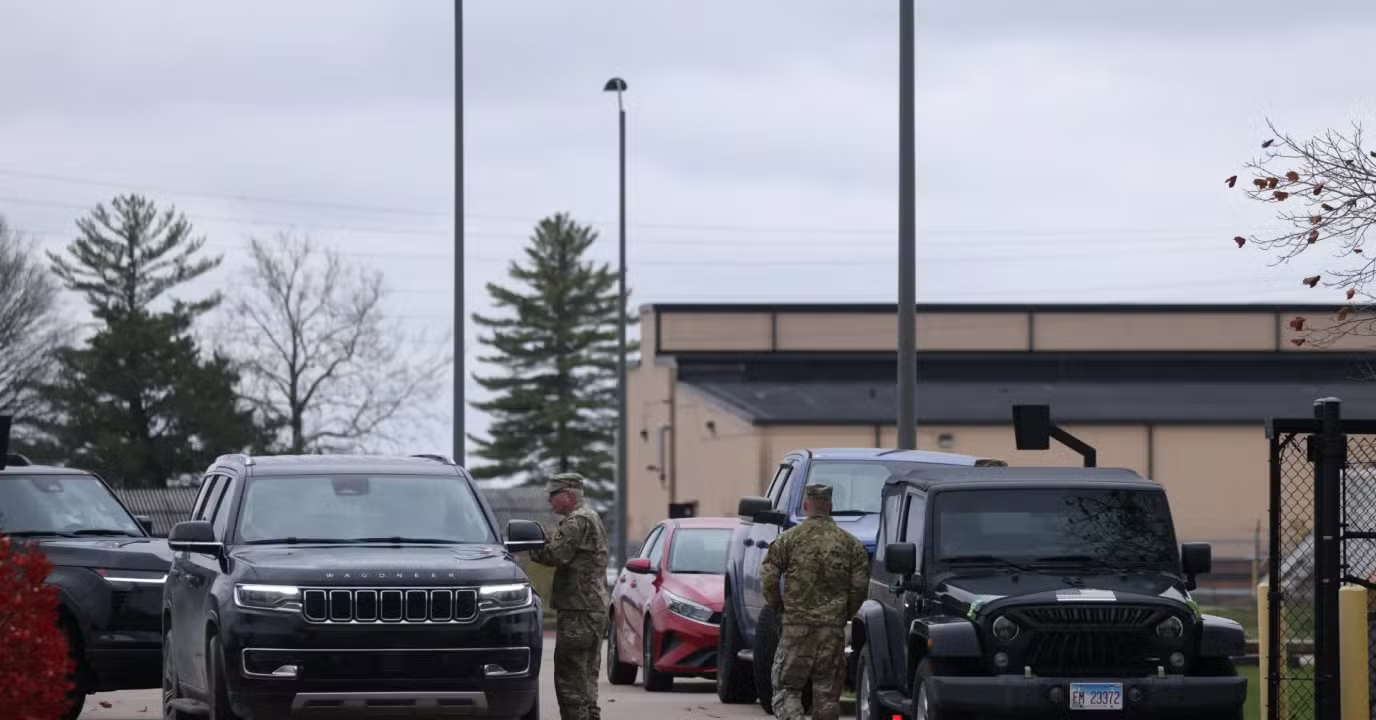
Trump delays explosive detonation in US state of Iowa amid legal battles
President Trump has ordered the military to delay a planned controlled detonation of roughly 9,700 pounds of lead azide at the Iowa Army Ammunition Plant until the Eighth Circuit appeals court and Iowa's incoming governor, Rob Sand, agree to it, Al Jazeera reports. The environmental groups the Sierra Club and the Iowa Environmental Council had moved to halt the blast, arguing the EPA's emergency permit was unlawful, that residents got only a week's notice, and that lead dust could travel as far as 160 kilometres; the court temporarily froze the permit while it reviews the case. In a Truth Social post, Trump, who also blames the Obama administration for improperly storing the munitions, warns that blocking the destruction could have dire consequences and says Sand would be responsible should the material spontaneously detonate, while Sand has himself criticised the lack of communication around the blast and warned a toxic plume could spread across southeastern Iowa and neighbouring Illinois.
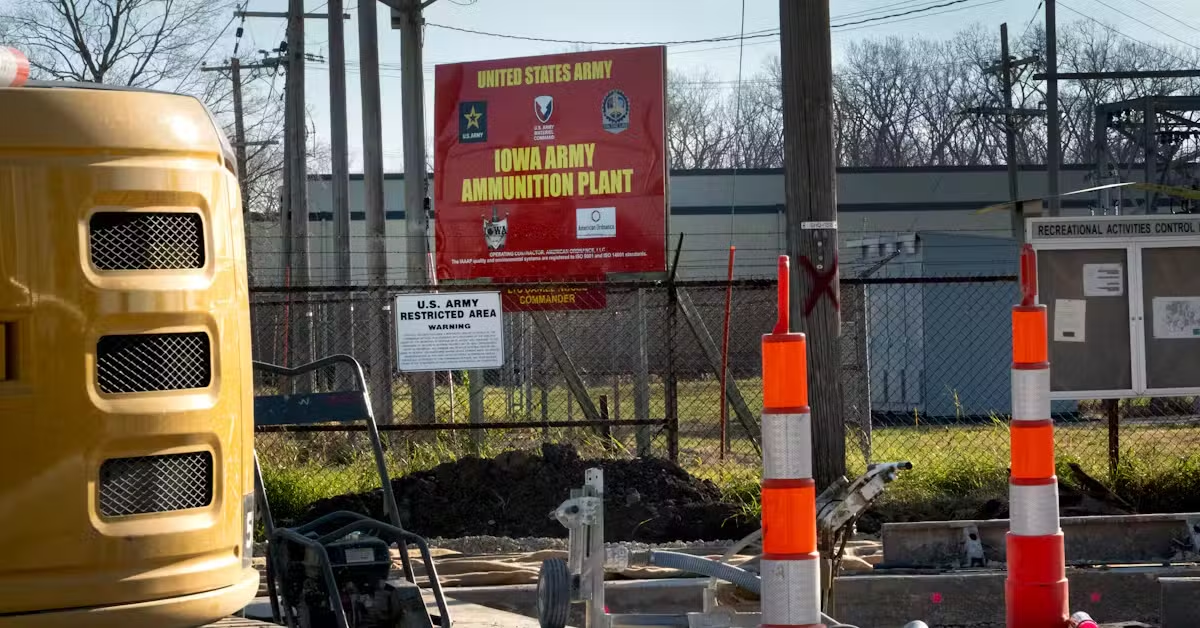
Trump Puts the Brakes on Toxic Lead Detonation in Iowa
In a New Republic news report, President Trump called off a planned detonation of deteriorating explosives at the Iowa Army Ammunition Plant in Middletown that would have showered parts of Iowa with toxic lead dust. The Eighth Circuit had temporarily halted the blast after environmental groups sued, yet the Army invoked emergency legal powers to bypass the order and pushed ahead with plans, delaying the explosion from Monday 23 November 2026 to Wednesday 25 November. On Truth Social, Trump said he ordered the military to wait until the court and incoming Governor-Elect Rob Sand agreed, blamed the Obama Administration for improperly storing the explosives in 2009, and warned he would hold Sand responsible for any death or destruction if approval were withheld. The New York Times reported the Army had rejected a cleaner alternative that risked less lead dust.

Trump orders military to halt plan to detonate stockpile of hazardous chemicals in Iowa
President Trump on Monday ordered the U.S. Army not to proceed with its plan to detonate several tons of explosive chemicals in Iowa. In a post on Truth Social, he says the military may not proceed unless the Eighth Circuit's Court of Appeals and Iowa's governor-elect, Democrat Rob Sand, approve. An AI-generated summary of readers' comments says many express frustration and criticize Trump for shifting blame onto Sand over the handling of unstable explosive materials at a federal military installation, and many highlight a lack of transparency.
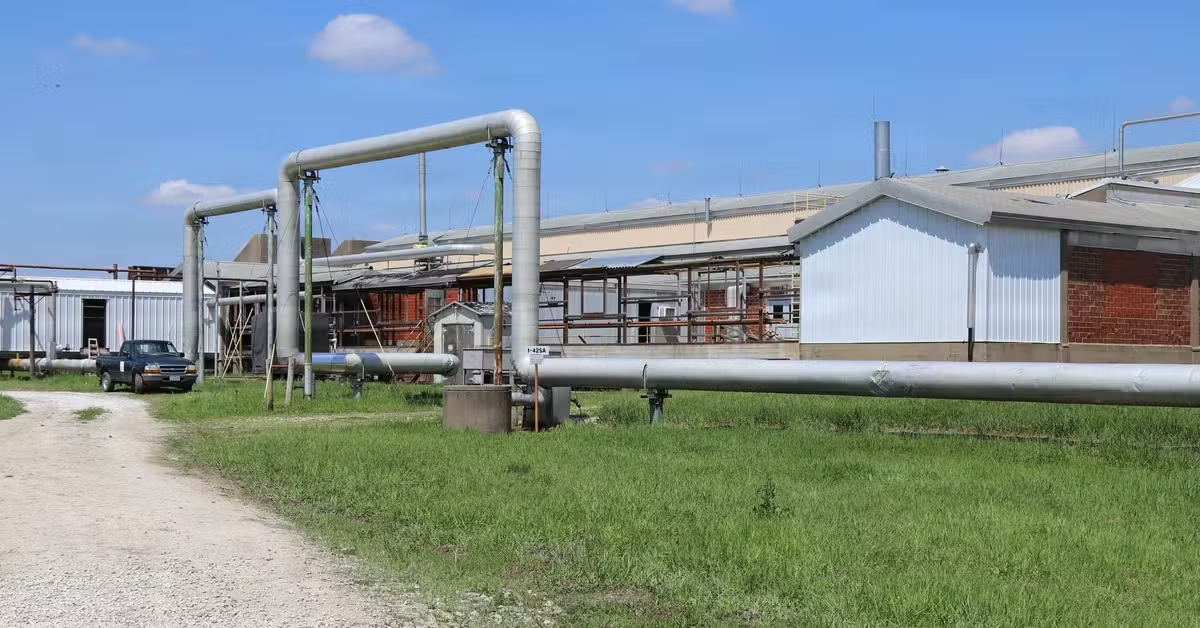
Trump tells Army to halt detonation for now of unstable explosives in Iowa
President Trump says on Truth Social that he has ordered the U.S. military to hold off for now on detonating tons of unstable lead azide stored at a World War II-era munitions plant in Middletown, Iowa, deferring to the 8th Circuit Court of Appeals and Iowa's incoming Democratic Gov.-elect Rob Sand. The Army had planned the detonation for that week, arguing the explosives could detonate spontaneously, and had said it did not need to follow a federal court order pausing it. Two environmental groups had sued to block the blast, challenging the EPA's emergency permit, and the 8th Circuit issued a stay pending a decision on the permit. Trump says the safer option is to detonate the explosives now, calls Iowa a very special place to him, and warns in his post that if the courts or Sand do not agree, he will hold the incoming governor responsible for any death or destruction caused by the hazardous material.

Trump postpones planned detonation of toxic drums at Iowa army facility
President Trump says he has ordered the Army not to go ahead with a planned detonation of 68 drums of toxic lead azide at the Iowa Army Ammunition Plant in Middletown until the courts weigh in. The Army had scheduled the blast for 25 November 2026 after earlier delays, saying the chemical has recrystallized into an unstable state that makes the drums unsafe to move and could spontaneously explode, and that cold weather would worsen the danger. The postponement followed public outcry and a lawsuit from environmental groups, which is pending in the 8th Circuit U.S. Court of Appeals, whose administrative stay put the Army's environmental permit on hold. In Truth Social posts, Trump said he is making the decision fully subject to Iowa's incoming Governor Elect Rob Sand agreeing, and warned he would hold Sand responsible for any death or destruction if Sand or the courts do not agree; NBC News writes that Trump seemed intent on deferring responsibility to Sand. Critics note the detonation would send a plume of lead dust across Iowa and likely into neighboring states, and residents said they had too little time to prepare for the blast, which the Army had warned could break windows and shake homes.
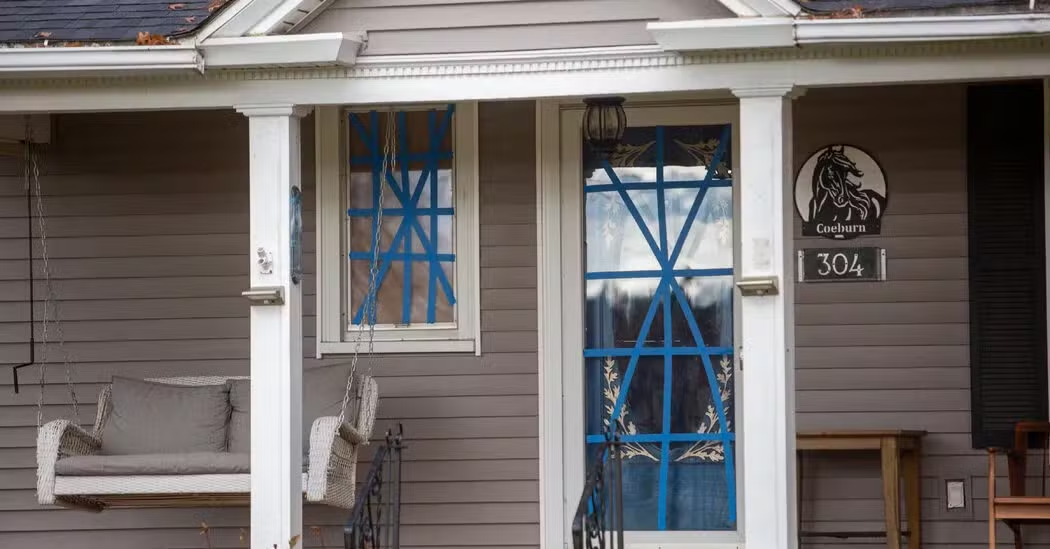
In Iowa, Confusion Over Ammunition Explosion as Trump Calls for Delay
A New York Times news report covers the confusion around a planned detonation of five tons of deteriorated lead azide at the Iowa Army Ammunition Plant, a stockpile stored for decades that risks exploding on its own. After repeated delays amid an uproar and a court challenge, President Trump ordered the Army to pause the blast until the legal challenge is decided, posting that he would not allow the detonation unless incoming Iowa governor Rob Sand also approves and saying he would hold Sand responsible for any death or destruction otherwise. Even a controlled blast is expected to send a plume of lead dust stretching up to 60 miles over communities, farms, and the Mississippi River watershed. Residents like Jim and Krys Plate, living two miles from the fence line, are sealing their homes and monitoring shifting wind forecasts, while scientists take soil samples and farmers move livestock, all left repositioning as the timing slips again and again.

The Feds Left Iowans in the Dark About Plans to Blow Up Tons of Lead
In a WIRED article, senior writer Molly Taft reports that the US Army plans to blow up 68 barrels of degraded lead azide, about 9,500 pounds stored for more than 20 years at the Iowa Army Ammunition Plant near Middletown, by November 24, invoking emergency powers even though a court order blocked the detonation. The Army says the material, officially labeled hazardous waste in March, risks exploding on its own once temperatures drop below 30 degrees Fahrenheit, and that a controlled detonation is by far safer than an uncontrolled one. But the announcement caught nearly all of Iowa by surprise: Mediapolis mayor Charles Massner says an October 26 email gave no details on timing, quantity, or public protection, and the state says even Governor Kim Reynolds' office learned of the blast the same way he did, from the November 15 press release, whose exposure map showed Mediapolis directly in the path of a fallout cloud. Peter Thorne, a University of Iowa environmental health professor, says the Army's approach is closer to worst practice from a public health perspective, and that there is no safe level of lead, especially for young children, though he expects any exposure to be well below that from legacy pollution sources.

Donald Trump Orders Halt to Iowa Lead Azide Detonation, Defers to Rob Sand - Newsweek
President Trump announces he has ordered the military to hold off on a planned detonation of five tons of degraded lead azide at the Iowa Army Ammunition Plant, deferring the decision to incoming Iowa Governor Rob Sand and the courts. On Truth Social, he says he has ordered the Military not to proceed until the Eighth Circuit agrees they can go forward, making the decision fully subject to Sand agreeing to the operation, and warns that if Sand or the Courts do not agree, he will hold the incoming Governor responsible for any death or destruction caused by the situation. The Army had said the detonation was scheduled for Wednesday, November 25, 2026, the day before Thanksgiving, and destroying the lead azide in place was expected to send lead-containing dust into the air over parts of Iowa and Illinois, prompting Illinois officials to urge residents in the plume's path to stay indoors. Trump, who also blames the Obama administration for improperly storing the explosives in 2009, argues a controlled detonation would be far safer than allowing the rapidly corroding materials to explode of their own volition.
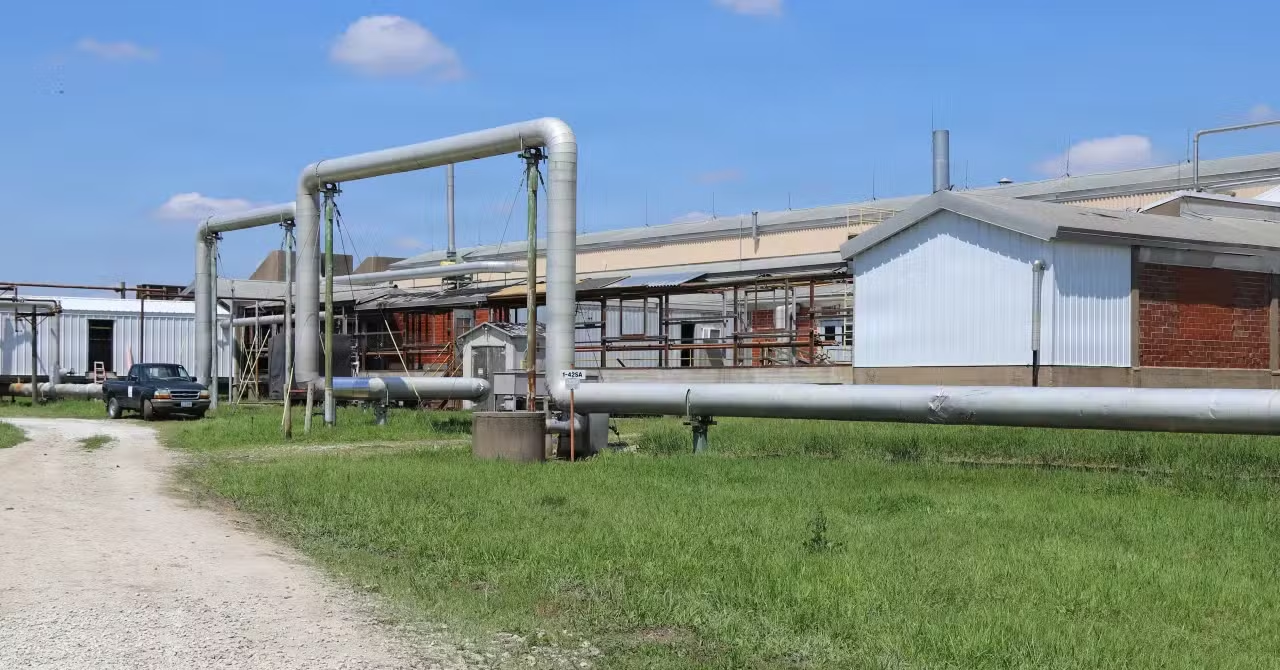
Iowa lead blast: ‘No safe level’ of exposure, experts warn
A NewsNation report covers the U.S. Army's plan to set off two controlled explosions of lead-containing material at the Iowa Army Ammunition Plant in Middletown, Iowa, announced on Nov. 20. Days before the blasts, the American Lung Association warned there is no safe level of lead exposure, and Laura Kate Bender, its advocacy vice president, called on federal, state and local officials to work together to limit people's exposure and tell potentially affected residents what precautions to take. The detonations, involving nearly five tons of lead azide, have been postponed until Wednesday after a string of delays following public outcry and federal court intervention; despite a permit freeze, the Army told a federal appeals court it intended to proceed under emergency authority. The Army says the dust should stay airborne no more than an hour and has released maps predicting where lead dust could travel if containment fails, while Iowa Health and Human Services says young children and pregnant women face the greatest risk and that a blood test is the only recommended way to check for exposure. Officials advise residents in affected areas to stay inside, keep windows and doors closed for 24 to 48 hours, and wipe down surfaces once the dust has cleared.
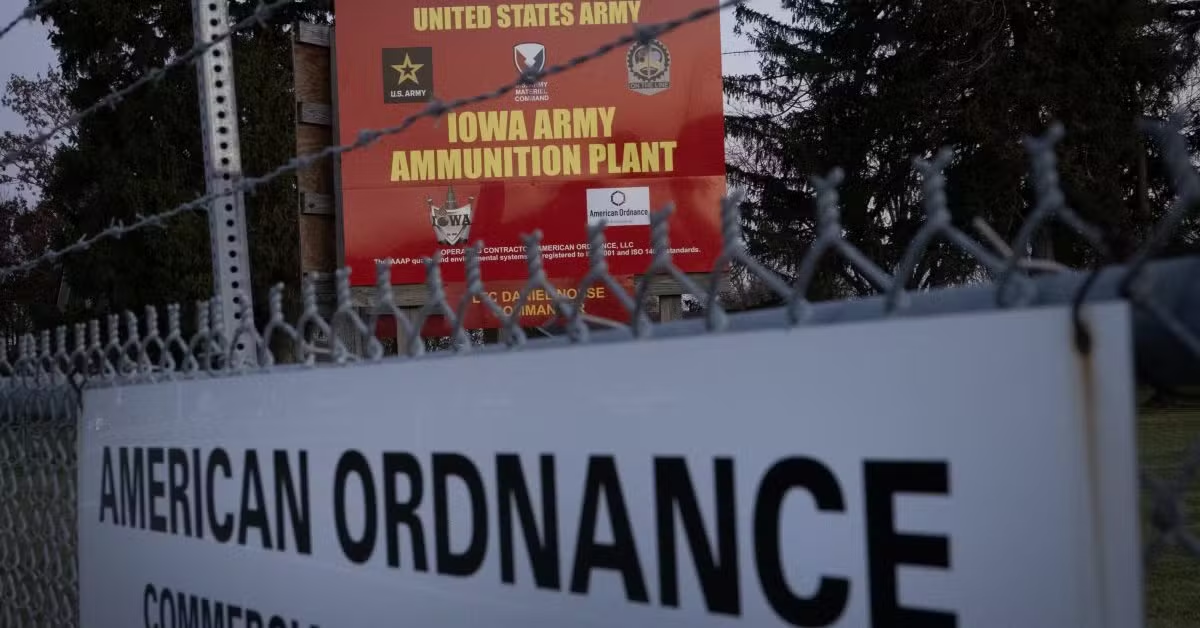
Iowa plant ‘emergency’ is ‘Army’s own making’ environmentalists say
A Task & Purpose report covers a U.S. Court of Appeals for the Eighth Circuit ruling that lifts a stay and allows the Army to detonate dozens of barrels of degraded, crystallizing lead azide at the Iowa Army Ammunition Plant in Middletown, Iowa, now set for Wednesday, 25 November 2026. The three-judge panel found the EPA's emergency permit adequately incorporated safeguards against lead dust, but acknowledged the degraded explosives risk an uncontrolled explosion without those measures. Environmental groups, including the Iowa Environmental Council, Sierra Club, and Earthjustice, say the 'emergency' was 'of the Army's own making,' arguing its storage and inspection practices let the primary explosive degrade until no alternative disposal method is deemed safe, and questioning the Army's transparency. President Trump directed the Army to pause until the ruling, saying the decision should be fully subject to Governor-Elect Rob Sand, who says the administration should release more information about the plans.

Trump orders Army to halt lead azide explosion. Latest updates
A USA TODAY news report says President Trump ordered the Army to halt its plan to detonate nearly 9,500 pounds of unstable lead azide at the Iowa Army Ammunition Plant until the Eighth Circuit Court of Appeals and Governor-elect Rob Sand agree to the operation. The blast, scheduled for 25 November after several delays, was paused when the Iowa Environmental Council and the Sierra Club's Iowa chapter sued and a judge stayed the EPA permit. In a Truth Social post, Trump said he believes detonating the material is best but that if Sand or the courts disagree, the Army will have to hold the incoming governor responsible for any death or destruction. The Army maintains the controlled explosion is the only viable disposal method, and the Justice Department argued it must proceed without the permit because falling temperatures could make the material detonate on its own.
How Can Iowans Protect Themselves From The Army’s Lead Azide Detonation?
In a Forbes article, Judy Stone reports that the Army plans to detonate nearly 10,000 pounds of unstable, crystallized lead azide at the Iowa Army Ammunition Plant in Des Moines County, delayed from November 23 to Wednesday, November 25 after an outpouring of public concern. The crystallized explosive, used in detonators, could blow up accidentally, and the blast will spread lead dust over soil, water, and outdoor surfaces, with children, pregnant women, and livestock most at risk. The Army says its models predict air lead levels well below EPA action thresholds and that health and safety are its first priority, but Stone notes the Army knew of the crystallization for months, gave the community little notice, and dismisses worries about contaminated chickens, cows, and milk as overblown. Experts she consulted, including Flint water crisis whistleblower Dr. Mona Hanna, recommend precautions beyond the Army's reassurances: stay inside during the detonation with furnaces set to recirculate, wear N-95 or KF-94 respirators if outside, use HEPA filtration, keep children and pets indoors, and consider baseline bloodwork for young children and pregnant people.
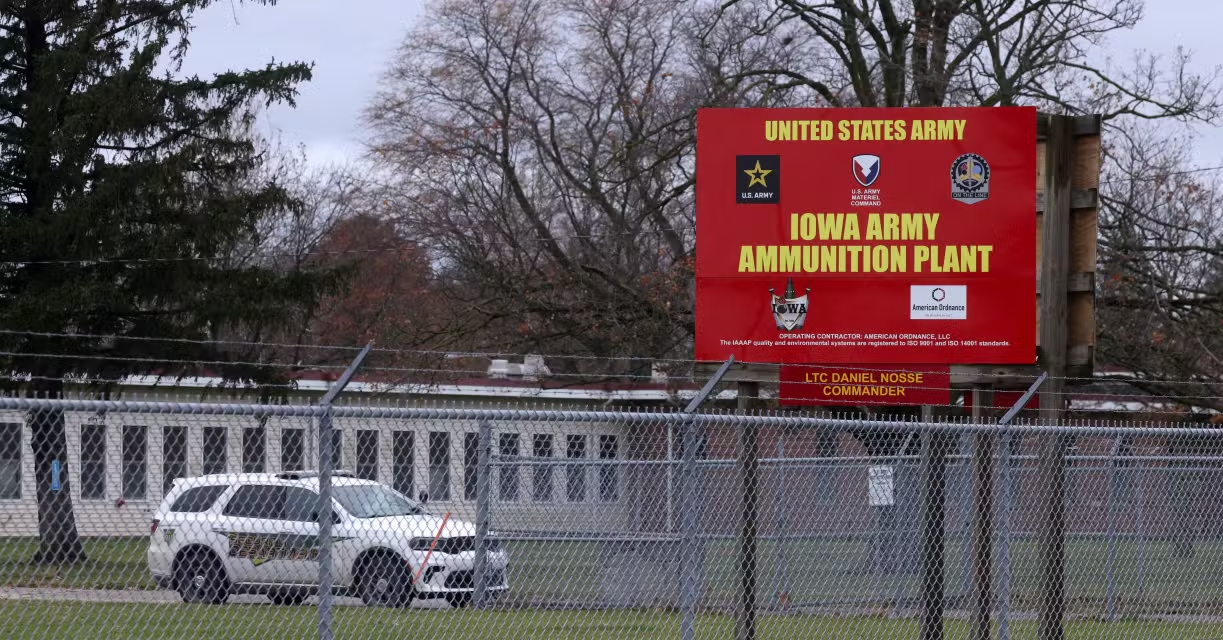
U.S. Army Plans to Detonate Tons of Toxic Lead Explosives in Iowa
A Wall Street Journal news report says the U.S. Army plans to detonate several tons of toxic bomb-making explosives at its Iowa Army Ammunition Plant in Middletown, Iowa, on Wednesday, and expects to use emergency powers to proceed despite a federal court order blocking the detonation. Local residents oppose the planned explosion. The Army says the detonation was originally set for the previous week and was rescheduled to allow for optimal weather conditions.
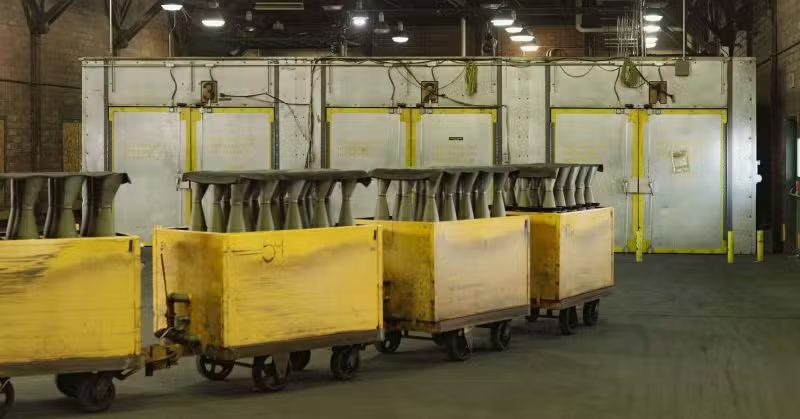
The Army plans to blow up 5 tons of lead azide in Iowa despite outcry and legal challenges. Here’s how we got here | CNN
A CNN explainer recounts how the Army came to plan the controlled detonation of nearly five tons of degraded lead azide stored at the World War II-era Iowa Army Ammunition Plant, even as residents, environmental groups, and legal challenges push back. The Army says decades of storage let the explosive recrystallize in its containers, making it vulnerable to spontaneous detonation, especially in Iowa's winter cold, and that detonation is the only safe treatment; it canceled a contract with a firm offering chemical neutralization, citing safety concerns. After the EPA issued a permit, the Iowa Environmental Council and the Sierra Club won an emergency stay from the Eighth Circuit less than 20 hours before the planned November 20 blast, arguing the permit inadequately protects residents from lead contamination. The federal government counters that the real choice is between a planned detonation with monitoring and cleanup and an uncontrolled explosion with no warning, and the Army, while postponing the blast first to November 24 and then November 25, says it intends to act regardless of the permit's status.
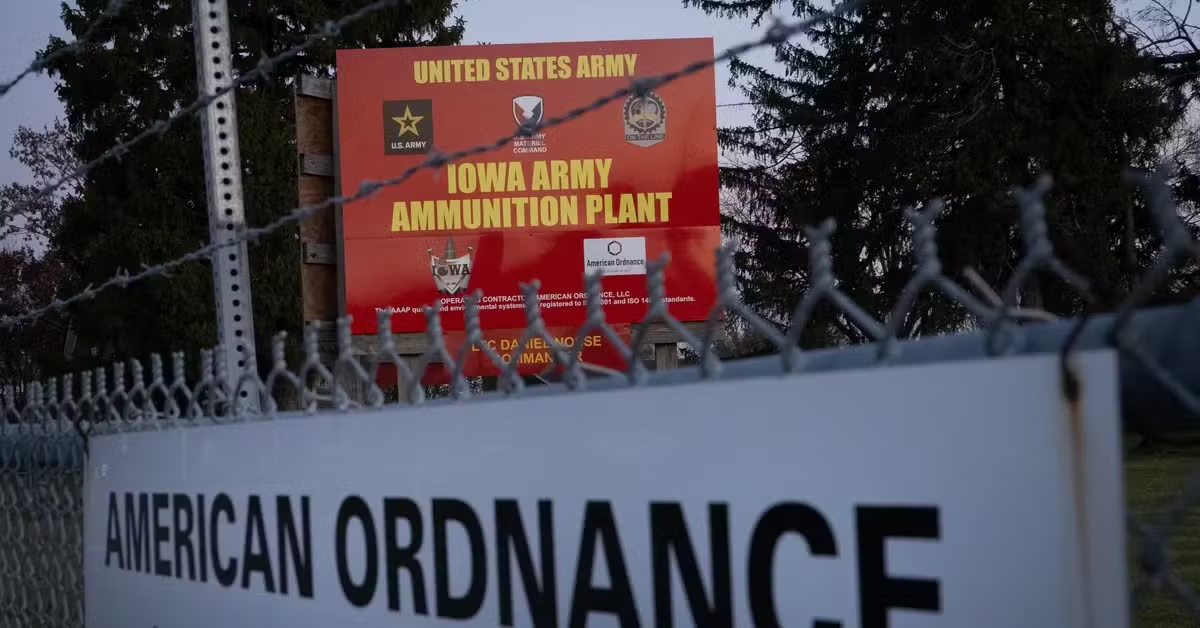
US Army To Detonate Degraded Bomb-Making Material In Iowa On Wednesday
A HuffPost live updates page leads with the U.S. Army's plan to detonate 68 barrels of degraded bomb-making material, lead azide, at an Iowa ammunition plant on Wednesday morning, after the 8th Circuit U.S. Court of Appeals cleared the way on Monday. The Army had changed the date three times after public concern about health and environmental effects, and President Trump had ordered it not to detonate the chemicals without court approval. The page also covers the Justice Department's admission that it wrongly deported Denver-born U.S. citizen Brian José Morales García to Mexico, who is now suing ICE; reported FBI deputy director departures under Director Kash Patel; Gavin Newsom's commutation of 548 death sentences, which Trump attacked at an event with crime victims' families; outrage over Nvidia reinstating Jensen Huang as CEO, which Todd Blanche defended on Fox News; Melania Trump receiving the White House Christmas tree; a lightning outage at the Commanders-Bengals game; and forecasters' warnings that winds of at least 35 mph could ground the Macy's Thanksgiving Day Parade balloons.
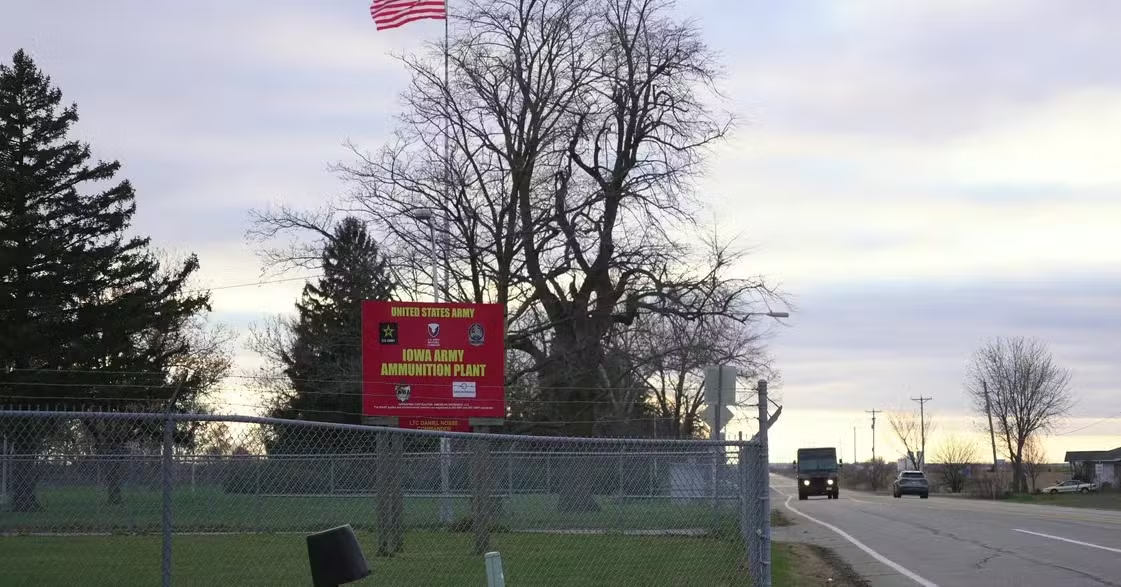
Army Touts Foam And Gel As Methods To Help Contain Hazardous Blast Material At Iowa Plant
In a live-updates report, HuffPost says the Army plans to detonate a stockpile of deteriorating explosive material at the Iowa Army Ammunition Plant on Wednesday and will use aqueous foam barriers, a water wall and huge quantities of gel blocks to keep any released material on site. Acting Secretary of the Army Adam Telle says the mitigation measures have greatly, significantly reduced the possibility of particles heading into the atmosphere, calls the designs unprecedented, and pledges transparency about every forecast model, while ATF Director Robert Cekada warns it is not a matter of if but when the stockpile would have an uncontrolled detonation without a controlled one. A FEMA official says anyone in a southwestern location of the plant who wants to relocate out of an abundance of caution will receive federal assistance. The page's other updates include Trump's reported intervention to reinstate Nvidia's Jensen Huang as CEO, Giuliani's expected Presidential Medal of Freedom, and Zelenskyy's warning that U.S. limits on Patriot air defense supplies are hurting Kyiv.
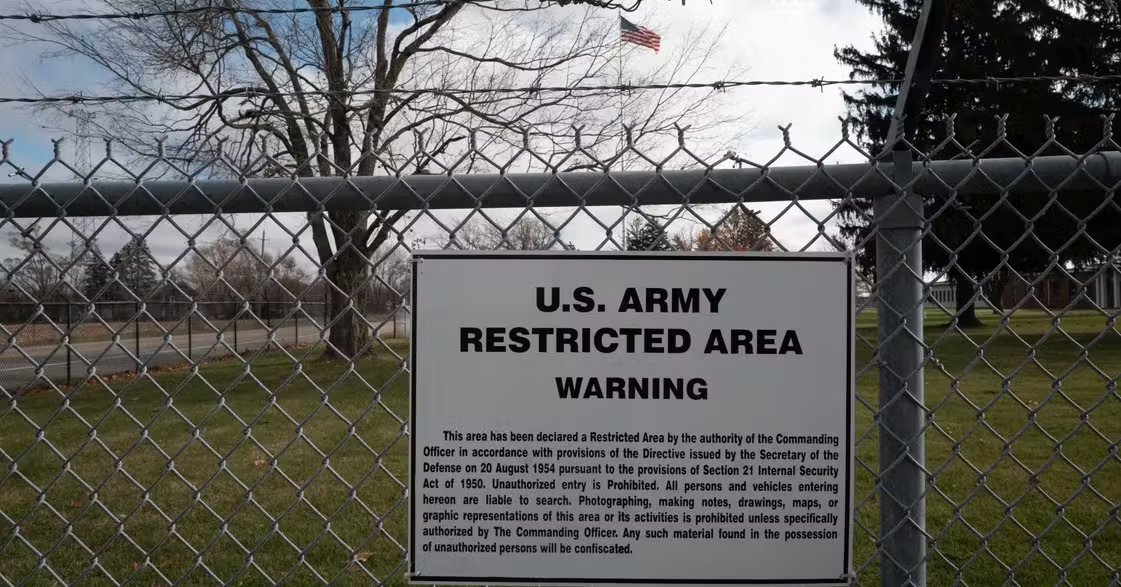
'Just A Matter Of Time': ATF Director Says Hazardous Materials At Iowa Plant Will Self-Detonate If Not Destroyed
HuffPost's live-updates page leads with ATF Director Robert Cekada's warning that deteriorating explosive materials at an Iowa ammunition plant will self-detonate if not destroyed first, telling reporters 'it's not a matter of if, it's a matter of when' and saying there is no option but a controlled detonation. A FEMA official says anyone in a southwestern part of the plant who wants to relocate out of an abundance of caution will receive federal assistance. The page's other rolling briefs include Nvidia's board unanimously reinstating Jensen Huang as CEO after President Donald Trump's intervention, a rally HuffPost calls historic that added nearly $1 trillion in market value before shares faded, and Financial Times reports that Trump made up to $15 million on Nvidia holdings. It also covers two men arrested over a reported break-in at the Sandringham Estate, Trump's planned Presidential Medal of Freedom for Rudy Giuliani, forecasts that San Francisco Bay Area tides could break 40-year-old records and flood the Embarcadero during Thanksgiving week, Volodymyr Zelenskyy's calls for Congress to force Vladimir Putin to end the war, and Mayor Zohran Mamdani's Friday surgery for an Achilles tendon torn in a soccer game with the press corps.

Trump 'Furious' At Army Over Iowa Explosion Debacle: Report
A HuffPost rolling politics blog leads with CBS News' report that President Trump was furious at the Army over the detonation of the nation's entire stockpile of lead azide in Iowa once it became national news, though he was apparently pleased with how the detonation itself went on the day. According to CBS News, Trump watched TV coverage after a planned round of golf was rained off and was angered that White House officials were left to scramble; the administration says the Wednesday detonation of 5 tons of degraded lead azide did not spread toxic dust to nearby homes and farms. The blog's other updates include Christine Lagarde announcing she will step down as European Central Bank president in February, with the Financial Times reporting Pablo Hernández de Cos has majority Eurozone backing to succeed her; Jared Kushner telling the 'MD Meets' podcast he has met Vladimir Putin several times in U.S.-mediated Ukraine talks and calling Putin a grand master of politics; and Elon Musk pledging on X that every child in the United States will receive two SpaceX shares, a gift worth some $18 billion.

Trump Goes On Defensive Rant Over Critics Calling Out Iowa Lead Detonation
In a defensive Truth Social rant, President Donald Trump attacked Iowa Gov.-elect Rob Sand, first getting his name wrong as 'Rob Sands,' for demanding transparency about how Wednesday's lead detonation in Middletown, Iowa came to be. Trump writes that Sand is complaining about an Obama-era mess the U.S. Army handled through a flawless detonation, calls Sand's complaints about 'transparency' phony, says he was no help and that Trump will remember, and calls CNN's coverage of the detonation 'inaccurate and deplorable.' A U.S. Army official, by contrast, says all 5 tons of lead azide was successfully destroyed in the detonation and the EPA reports no lead in the air.
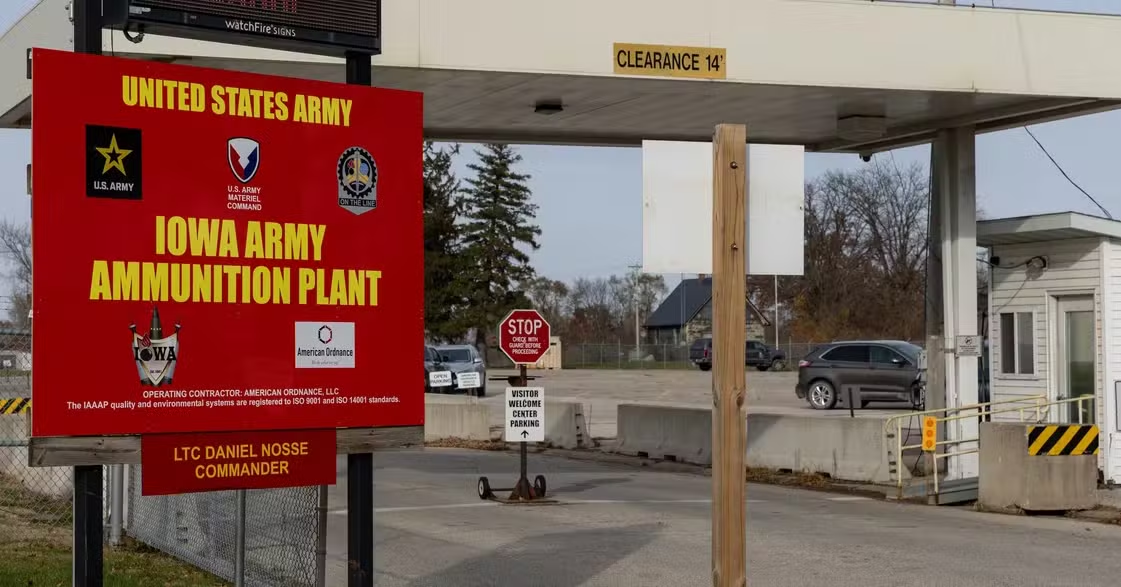
U.S. Army Detonates Bunkers Holding Unstable Explosives At Iowa Ammunition Plant
The U.S. Army has detonated bunkers holding unstable, degraded explosives at the Iowa Army Ammunition Plant in Middletown, Iowa, with a small plume of smoke rising from the area in some live streams. The blast, set for 9 a.m. local time, went ahead as Army officials defended their plans despite public safety concerns, and HuffPost reports it is unclear whether one more controlled blast is expected. In its live-updates article, HuffPost also follows other developments, including the White House saying NATO Secretary-General Mark Rutte will meet President Donald Trump in Palm Beach, Florida to discuss defense spending and Russia-Ukraine peace efforts, and Nvidia reinstating Jensen Huang as CEO less than two weeks after he resigned amid reports of extramarital affairs, following an intervention from President Donald Trump.
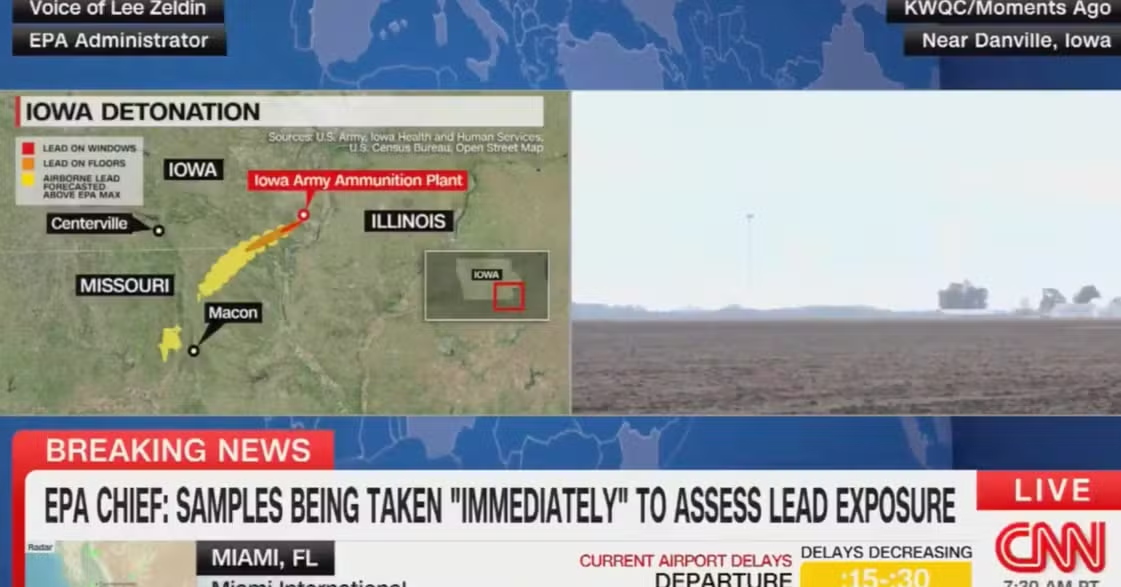
EPA Chief Gives Out Wrong Number For Locals Worried About Explosion
Environmental Protection Agency Administrator Lee Zeldin appeared on CNN shortly after the Army's detonation of unstable lead-based explosives at the Iowa Army Ammunition Plant, read out a 10-digit helpline and urged viewers to reserve it for local residents. He later admitted he had read the last two digits in the wrong order, saying 'There's a digit off.' CNN presenter Pamela Brown said the network called the number and found it is not working, and that CNN would post its own hotline. Officials had warned the blast could spread lead dust toward northern Missouri, and Missouri Gov. Mike Kehoe said initial analysis indicated the mitigation measures appeared successful and the explosion was well-contained. As a live-updates file, the piece also follows Thanksgiving travel and weather, a court challenge to Virginia's voter-approved abortion amendment, and first lady Melania Trump's announced reunification of more Russian and Ukrainian children with their families.
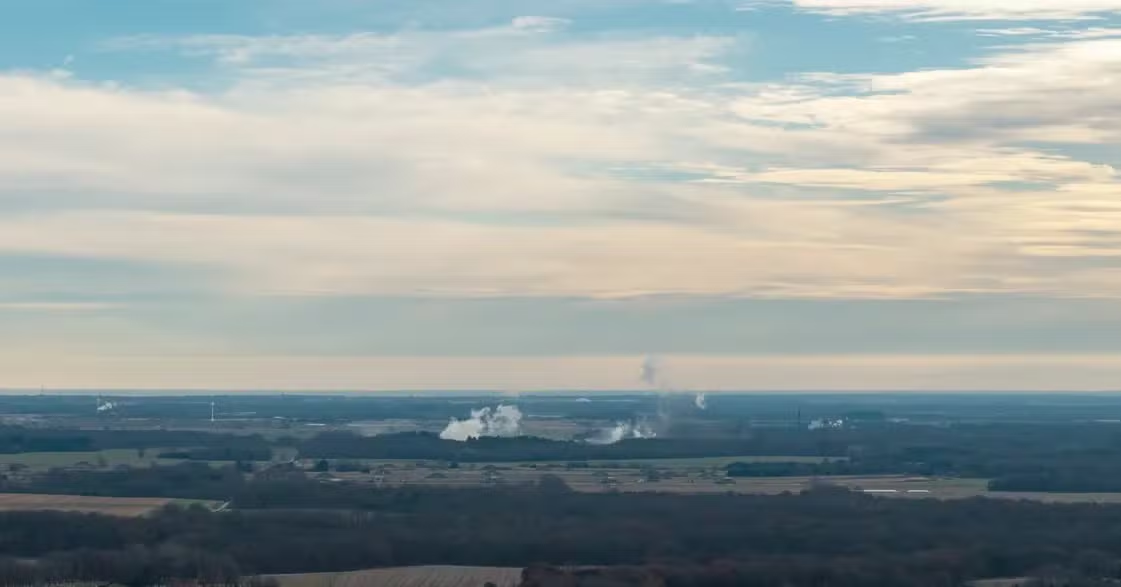
Missouri Gov. Says Lead Explosives Detonation 'Well-Contained'
The U.S. Army detonated a stockpile of unstable, degraded lead azide explosives at the Iowa Army Ammunition Plant in Middletown on Wednesday morning, and Missouri Gov. Mike Kehoe announced on X that initial analysis from federal partners and Iowa Homeland Security indicates the explosion was well-contained. Officials had warned the blast could spread lead dust into northern Missouri, and the Army defended its plans despite public safety concerns; the Associated Press reports it is unclear whether one more controlled blast is expected. As a live-updates article, the piece also tracks other developing stories: Sen. Kirsten Gillibrand says the Democratic Senatorial Campaign Committee would back Sen. John Fetterman if he is the 2028 nominee in Pennsylvania, Melania Trump's office says her efforts have reunited 43 Russian and Ukrainian children with their families, Kilmar Abrego García, illegally deported by the Trump administration, has landed in Spain under a deal with the U.S. government, CNN and The New York Times report China could be behind a cybersecurity breach at the CIA, the Trump administration is expected to raise tariffs on China, the European Union, and 14 other economies, and British police charged two men over a suspected break-in at Prince William and Kate's home on the Sandringham Estate.
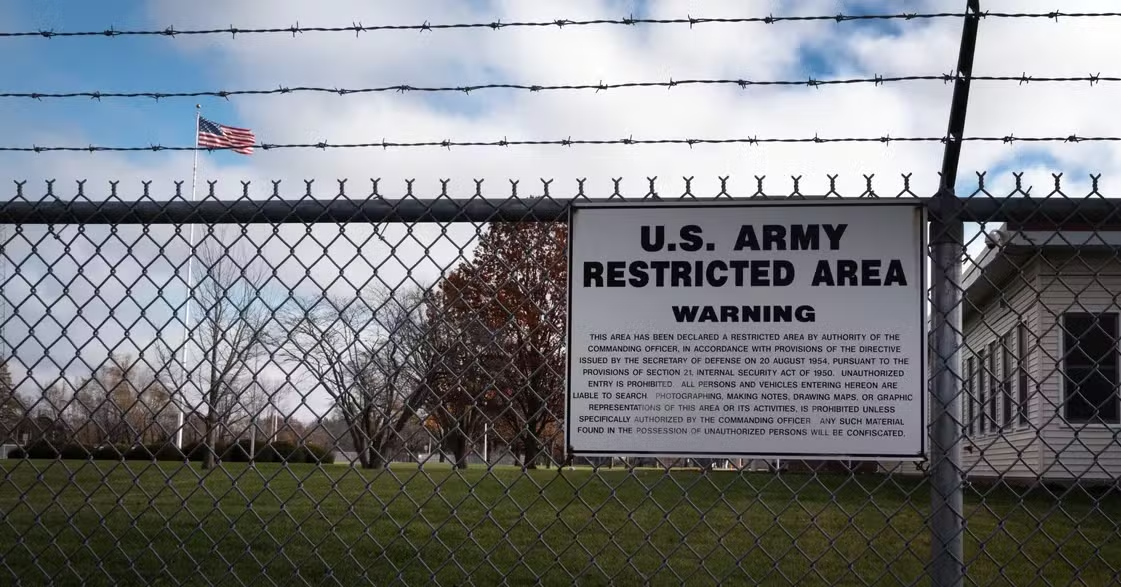
ATF Director: Deteriorating Barrels At Iowa Ammunition Plant Are Behind Rush To Self-Detonate
HuffPost's live-updates article reports ATF Director Robert Cekada's warning that deteriorating barrels at an Iowa ammunition plant will self-detonate unless destroyed first, with a controlled detonation planned for Wednesday. Cekada says the barrels hold the nation's entire stockpile of lead azide, an explosive very sensitive to heat, shock and friction, and that significant deterioration found on the lids earlier in the year left them unsafe to open, so removing even one could set off all the others. He calls a controlled detonation the only safe path forward, saying, 'It's just a matter of time until we have an uncontrolled detonation. It's not a matter of if, it's a matter of when.' Acting Army Secretary Adam Telle says the Army plans aqueous foam barriers, a water wall and huge quantities of gel blocks to control any material released, and HHS official Sean Kaufman urges pregnant women, young children and people with chronic disease to evacuate the directly affected area because of the likelihood of airborne lead exposure. The live blog also carries other stories, including Nvidia's board ousting CEO Jensen Huang over alleged affairs and reinstating him after an intervention from President Donald Trump, the trailer for Netflix's 'The Murder of JonBenét Ramsey,' two arrests over a suspected burglary at the Sandringham Estate, and employees' fears at Anthropic and OpenAI that their new models are too powerful to release safely.
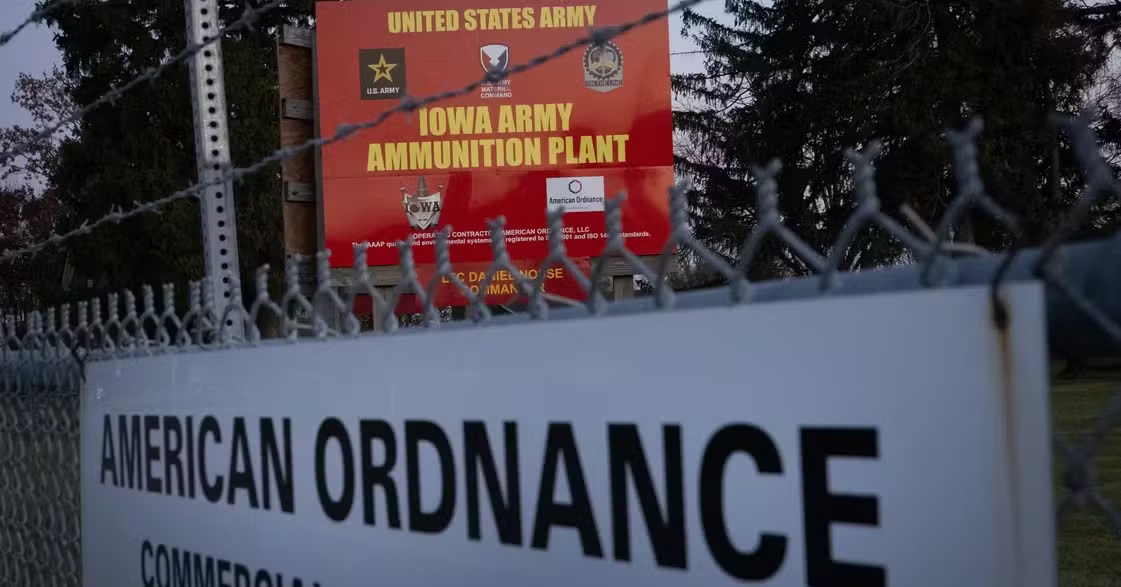
Federal Appeals Court Clears Way For Army To Detonate Degraded Bomb-Making Material In Iowa
A HuffPost live-updates politics page for 23 November 2026 rounds up the day's major news, led by a court ruling on a planned Army detonation in Iowa. The 8th Circuit U.S. Court of Appeals cleared the way for the Army to detonate several tons of degraded bomb-making material at an Iowa ammunition plant, hours after President Donald Trump ordered it not to proceed without court approval; the detonation of 68 barrels of lead azide had already been delayed three times over public health and environmental concerns. The House Ethics Committee found Rep. Jimmy Gomez's conduct toward a House staffer constituted sexual misconduct, and he said he will resign on 1 December; the committee also partly blamed Rep. Mike Collins's hands-off management for his former chief of staff paying his girlfriend roughly $10,000 from taxpayer funds as a fake intern, a matter resolved with a $2,800 Treasury reimbursement. Politicians on both sides expressed outrage as Nvidia reinstated Jensen Huang as CEO after his resignation over affairs, including with tech investor Alice Huang, alleged to be a Chinese spy; Trump took credit for the reinstatement, saying Huang might otherwise be recruited by a Chinese company. Pennsylvania confirmed its ninth measles-associated death of 2026 in an outbreak of 1,638 cases across 46 counties, with less than 1% of those infected fully vaccinated. The page also reported Trump attacking California Gov. Gavin Newsom over his commutation of 548 death sentences, Sen. Cory Booker pressing for prosecution of pizza doxxing threats against federal judges, a Vanity Fair feature on Taylor Swift drawing fan backlash, and forecasters expecting coast-to-coast Thanksgiving storms that could ground the Macy's parade balloons.
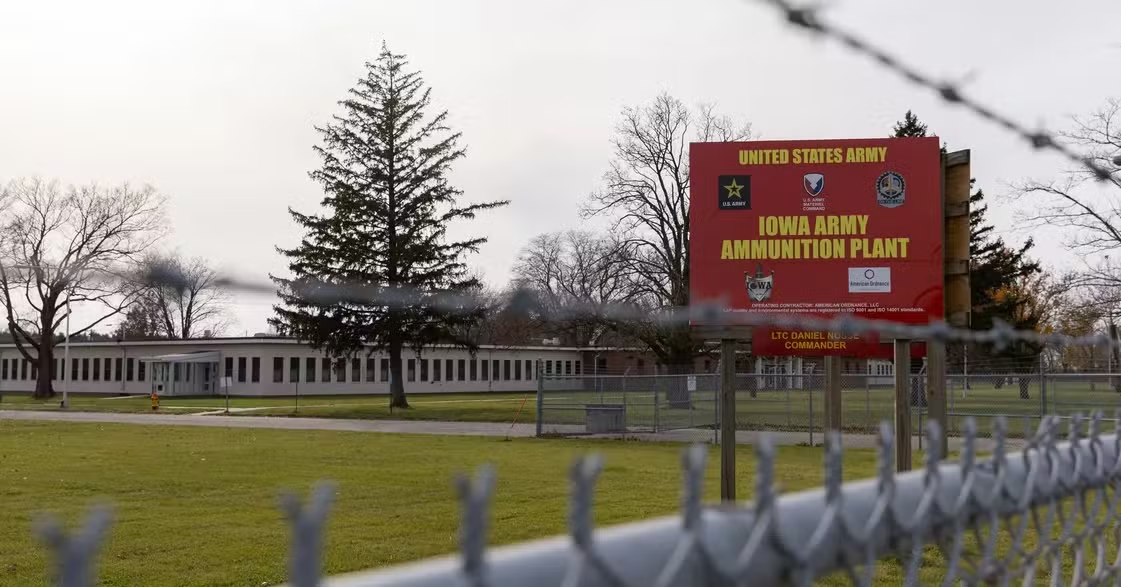
Trump Praises Army's Detonation Of Explosives In Iowa
The U.S. Army detonated its stockpile of degraded, lead-based explosives at the Iowa Army Ammunition Plant in Middletown, Iowa, at about 9 a.m. Wednesday, and President Trump hailed the operation, writing that early reports showed the Army's mitigation efforts had far exceeded expectations. At a news conference the Army said it used several containment strategies, including foam barriers, a water wall and huge quantities of gel, and Missouri Gov. Mike Kehoe said initial analysis indicated the measures appear to have been successful and the blast was well-contained. The worries were real: officials had warned the blast could spread lead dust into northern Missouri, the Army estimated debris would drift southwest toward Kansas City, and experts said pulverized lead could blanket farms and homes, so officials told sensitive groups like pregnant women to evacuate and everyone remaining to shelter in place. HuffPost's live-updates article also carries other stories, including Melania Trump's office announcing nine more Russian and Ukrainian children reunited with their families and Sen. Kirsten Gillibrand saying the Democratic Senatorial Campaign Committee would back Sen. John Fetterman if he is the nominee in 2028.
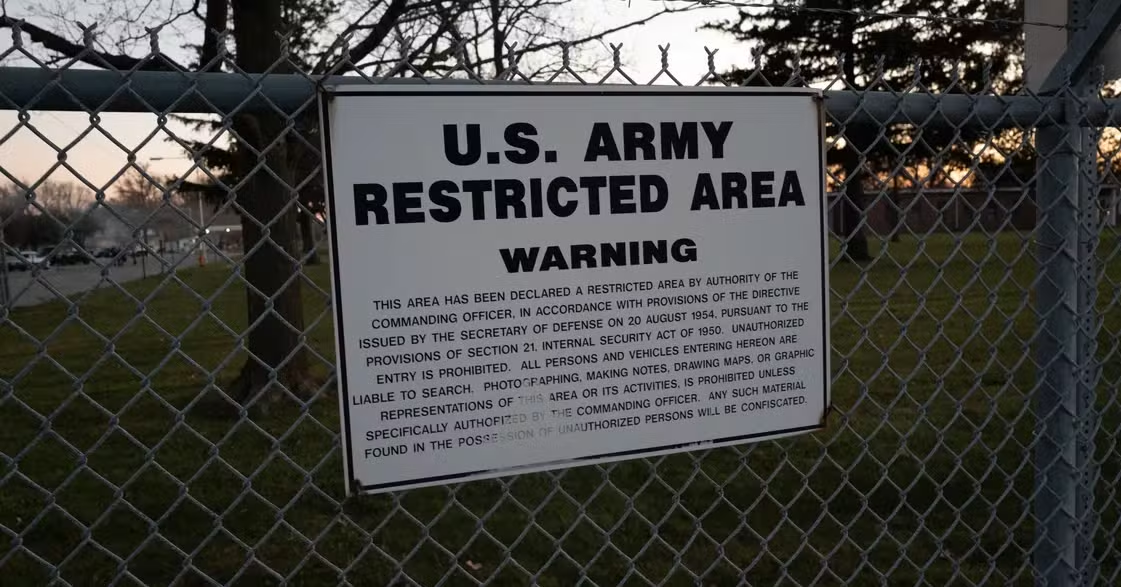
Trump Says He Told Military To Wait Until Court Agrees To Iowa Detonation
A live-updates politics article centers on Trump's role in pressuring Nvidia's board to reinstate CEO Jensen Huang after reports of Huang's affair with a suspected Chinese spy. Bloomberg News reported the board acted under political pressure from Trump without consulting senior leadership, and Nvidia stock rose about 30% Monday morning. Trump told CNBC he spoke directly to the board, feared losing Huang's brain power to Chinese President Xi Jinping if he were not reinstated, and said he was doing it for the country. The House Foreign Affairs Committee said Huang will still testify as scheduled on Dec. 1 and Dec. 2, calling the board's decision 'changes nothing.' The article also carries Trump's Truth Social post saying he told the military to wait until the Eighth Circuit and Gov.-elect Rob Sand agree before a contested Iowa detonation of hazardous materials.
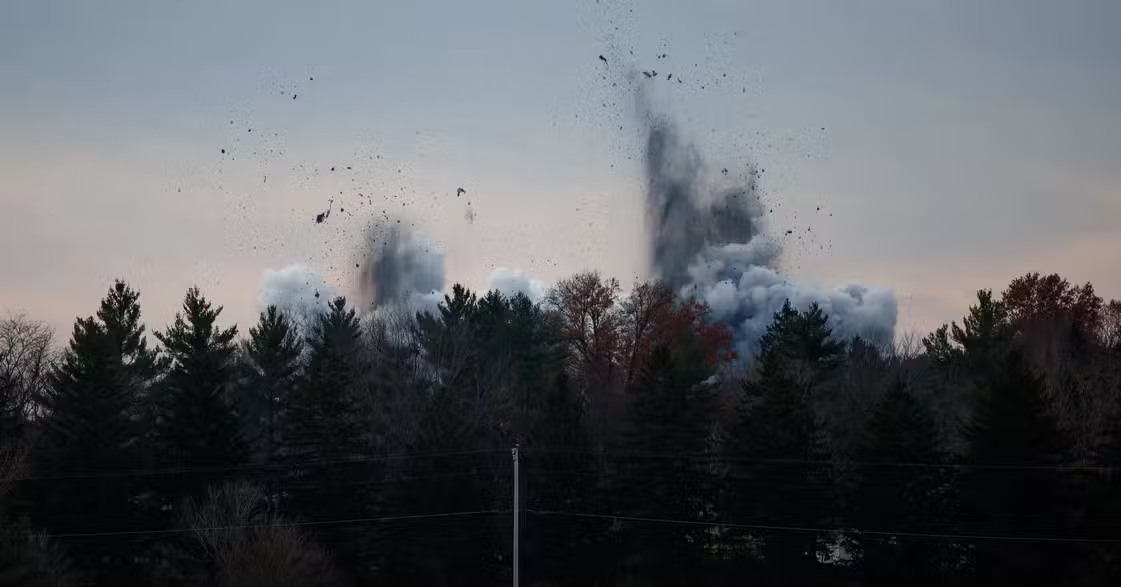
EPA Said It Expects To Receive Lab Results On Post-Detonation Samples Soon
The EPA says it expects to start receiving lab results on post-detonation sampling as early as Friday, after 5 tons of lead azide were destroyed in a controlled detonation in Iowa on Wednesday morning. The agency says its air monitors have detected no airborne lead in the region since the blast, and that it collected 1,591 samples before the detonation and at least 1,000 after. HuffPost's rolling live-updates piece also covers holiday storms that knocked out power to nearly a million East Coast customers and forced the first postponement in Macy's Thanksgiving Day parade history, a Bloomberg report that Nvidia's most powerful Blackwell chips sit in a Shanghai data center linked to the suspected Chinese spy who had an affair with CEO Jensen Huang, and a Reuters report that hackers breached the U.S. Air Force's Cloud One computing platform. It rounds up Trump's backing of Iraqi Prime Minister Ali al-Zaidi's push to expand central government power, his openness to Putin attending the G20 meeting in Florida, and Zelenskyy's rebuke of Trump's friendly social media post about Putin, calling him an aggressor and a killer.
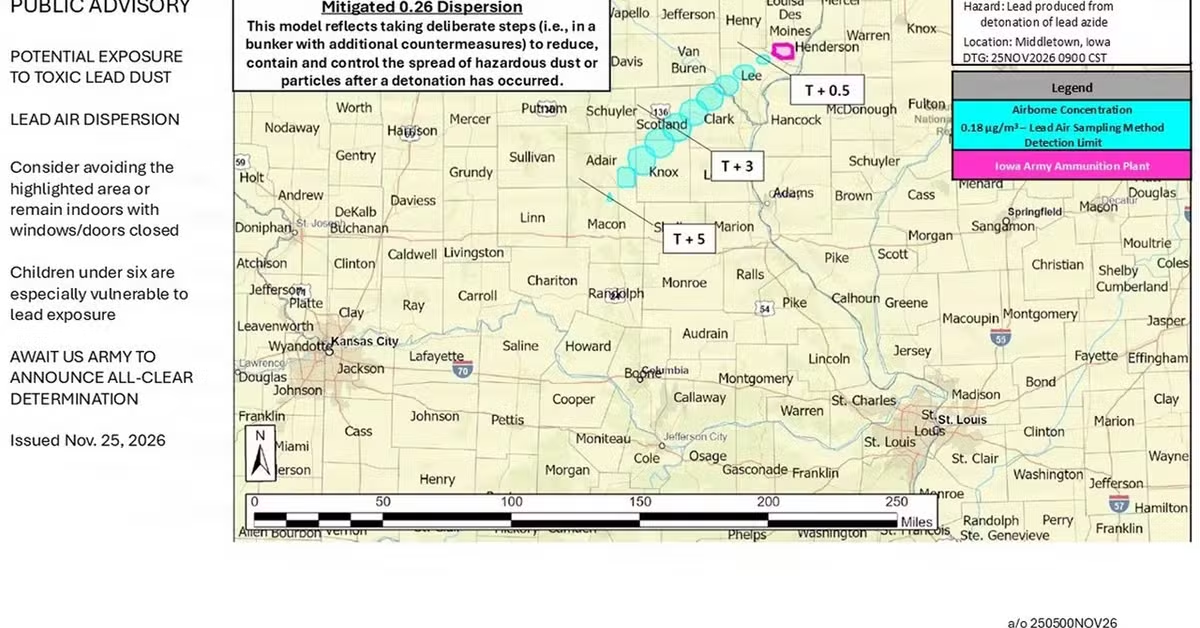
Army Estimates Debris From Lead-Based Explosion Could Travel Southwest: Maps
In its live blog of rolling news updates, HuffPost reports the U.S. Army set off bunkers of degraded lead-based explosives at the Iowa Army Ammunition Plant at 9 a.m. Wednesday and estimated the resulting dust and debris would travel southwest, toward Kansas City, Missouri. Officials had warned sensitive groups like pregnant women to evacuate, then told anyone remaining to shelter in place. The Army defended its plans and said it used mitigation measures including foam barriers, a water wall, and huge quantities of gel, and Missouri Gov. Mike Kehoe quoted federal partners saying the explosion appeared well contained; President Trump cited early reports that mitigation far exceeded expectations. The blog also follows other stories, including Melania Trump's office announcing nine more Russian and Ukrainian children reunited with their families, Kilmar Abrego García landing in Spain under a deal to leave the U.S., a CIA breach that investigators believe China could be behind, and NATO Secretary-General Mark Rutte meeting Trump in Florida.

HHS Official Urges Children, Pregnant Women To Evacuate Iowa Plant Explosion Area Due To Lead Exposure
On its live-updates page, HuffPost leads with an Iowa ammunition plant where a Department of Health and Human Services official urged pregnant women, children and anyone with chronic disease to evacuate areas near a planned detonation on Wednesday over likely airborne lead exposure. ATF Director Robert Cekada warned the stockpile of deteriorating explosives will self-destruct if not destroyed first, saying there is no option but a controlled detonation, while the Army's Adam Telle said foam barriers, a water wall and gel blocks will keep material from traveling beyond the plant. The page also reports Nvidia's board reinstated Jensen Huang as CEO after affair allegations following Trump's intervention, with shares surging; Trump's plan to award Rudy Giuliani the Presidential Medal of Freedom; a burglary arrest at the royal Sandringham Estate; and Netflix's trailer for 'The Murder of JonBenét Ramsey', premiering Dec. 10.
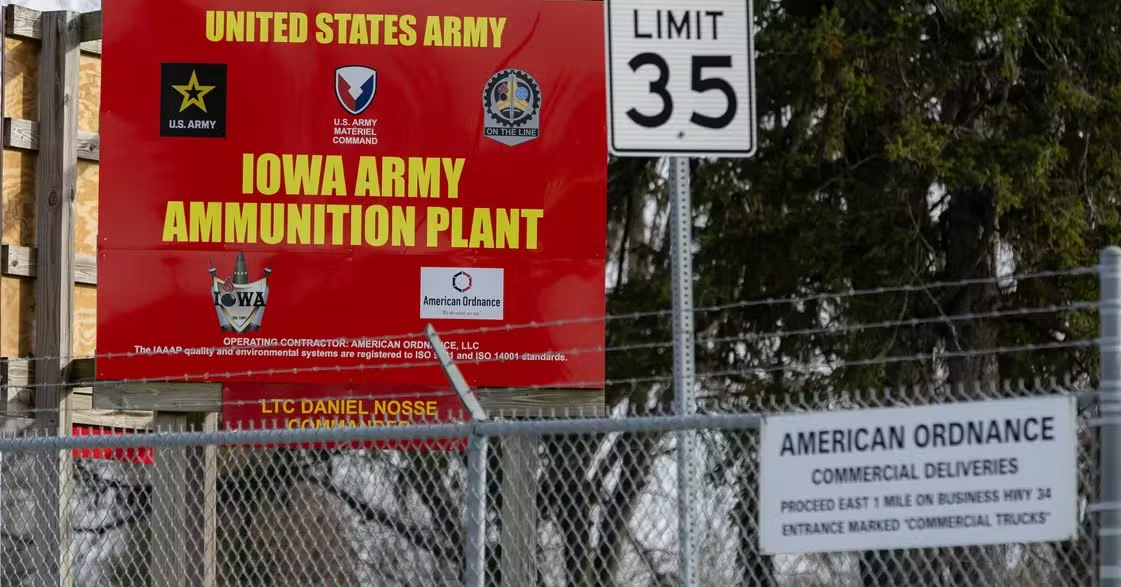
Army To Detonate Stockpile Of Lead-Based Explosives In Iowa Soon
HuffPost's politics live blog leads with the U.S. Army's plan to detonate a stockpile of lead-based explosives in Iowa at 9 a.m. local time Wednesday, with Army officials defending the plans despite public safety concerns. The blog follows Melania Trump's office announcing she has helped reunite nine more Russian and Ukrainian children with their families, bringing the total to 43, which HuffPost calls a notable shift for a first lady who largely kept a lower profile in Trump's second term. It also reports that Kilmar Abrego García, whom the Trump administration illegally deported to El Salvador, has landed in Spain, with The Washington Post reporting he agreed to leave the U.S. as part of a deal with the government. Among other items, Sen. Kirsten Gillibrand says the Democratic Senatorial Campaign Committee would back Sen. John Fetterman for reelection in 2028 if he is the Democratic nominee, CNN and The New York Times report China could be behind a cybersecurity breach affecting the CIA, Jensen Huang was reinstated as Nvidia CEO less than two weeks after resigning amid reports of extramarital affairs, and Sen. Dan Sullivan conceded Alaska's Senate race to Democrat Mary Peltola.
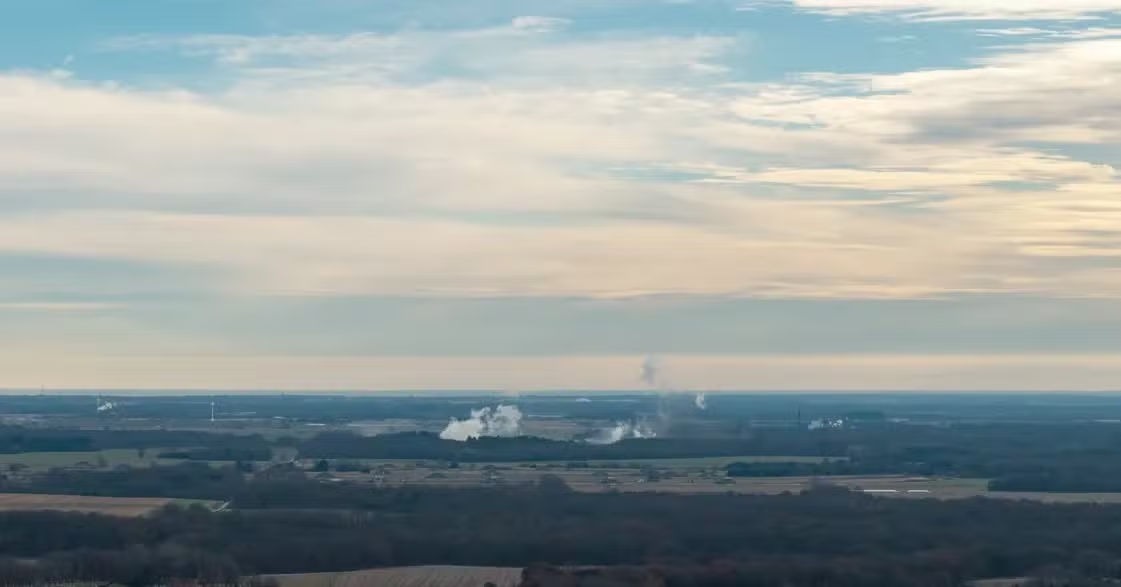
All 5 Tons Of Lead Azide Successfully Destroyed In Iowa Detonation: Official
A HuffPost live-updates page leads with the U.S. Army's detonation of 5 tons of lead azide at the Iowa Army Ammunition Plant in Middletown on Wednesday, which an Army official says successfully destroyed the explosives and which the EPA reports left no lead in the air. Officials had warned the blast could spread lead dust into northern Missouri and told sensitive groups to evacuate before the 9 a.m. detonation, though EPA Administrator Lee Zeldin read out a wrong helpline number on CNN and had to correct himself. President Trump lauded the effort in a Truth Social post citing early reports, and Missouri Gov. Mike Kehoe wrote that mitigation measures appear to have been successful and the explosion well-contained. The page also tracks Thanksgiving travel crowds and airport wait times, ICE detentions including a Boston lottery winner, Attorney General Todd Blanche's move to divert 2,000 Justice Department lawyers to handle nearly 100,000 habeas lawsuits from detained immigrants, and George Santos's texted statement that he is not running for a Florida congressional seat.
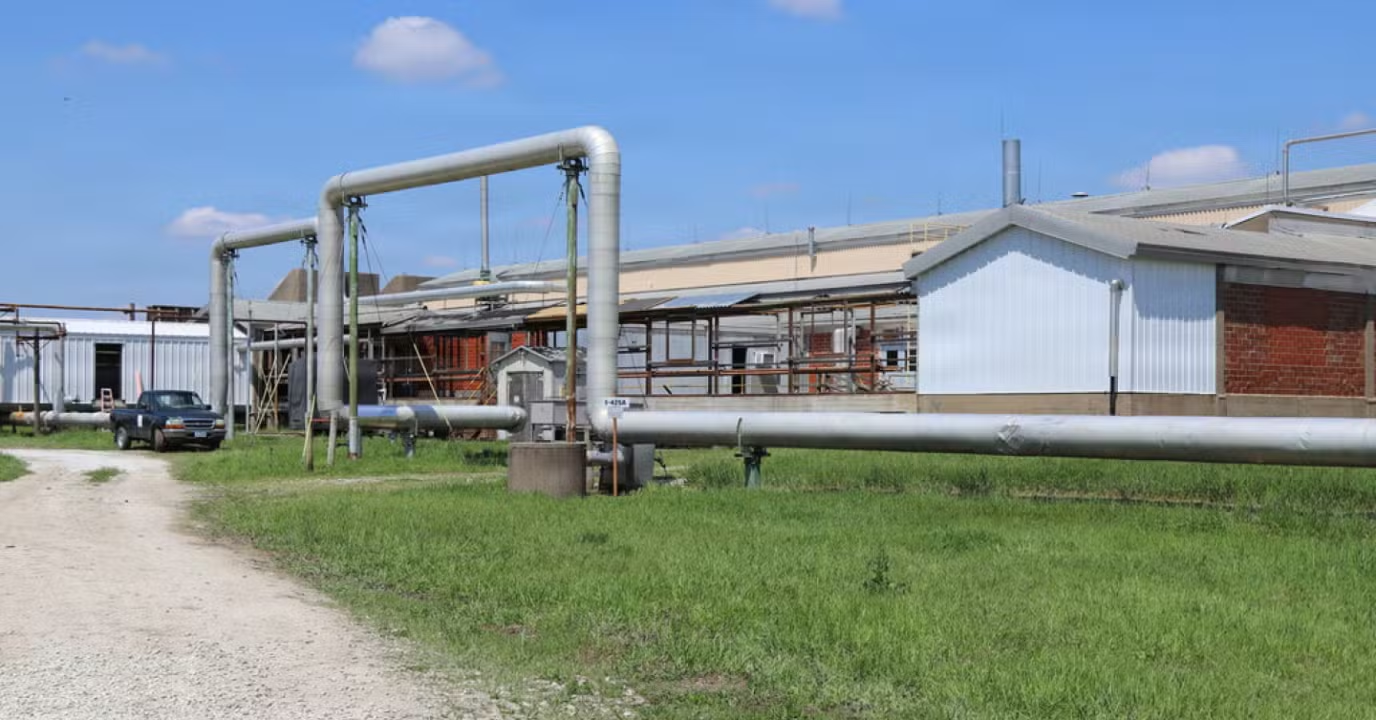
Trump Administration Delays Iowa Lead Detonation to Wednesday
The Washington Sun reports that the Trump administration again delayed the planned detonation of 68 barrels of degrading lead azide at the Iowa Army Ammunition Plant in Middletown, Iowa, this time to November 25, 2026, after communities furious at inadequate warning of a possible toxic lead plume spoke out and a federal court temporarily blocked the EPA permit. The Army had warned it could not wait past November 24 because cold temperatures raise the risk of an uncontrolled explosion, and it posted on X that the delay allows for optimal weather and mitigation measures. A source familiar with the situation says the White House, which only learned of the issue on November 19 despite six months of Army planning, is expected to investigate how the explosives deteriorated and probe the contractor American Ordnance. An Army official said the worst-case unmitigated exposure would be roughly equivalent to three days living in Los Angeles or New York City in 1985, though public health experts say no amount of lead is safe to ingest.
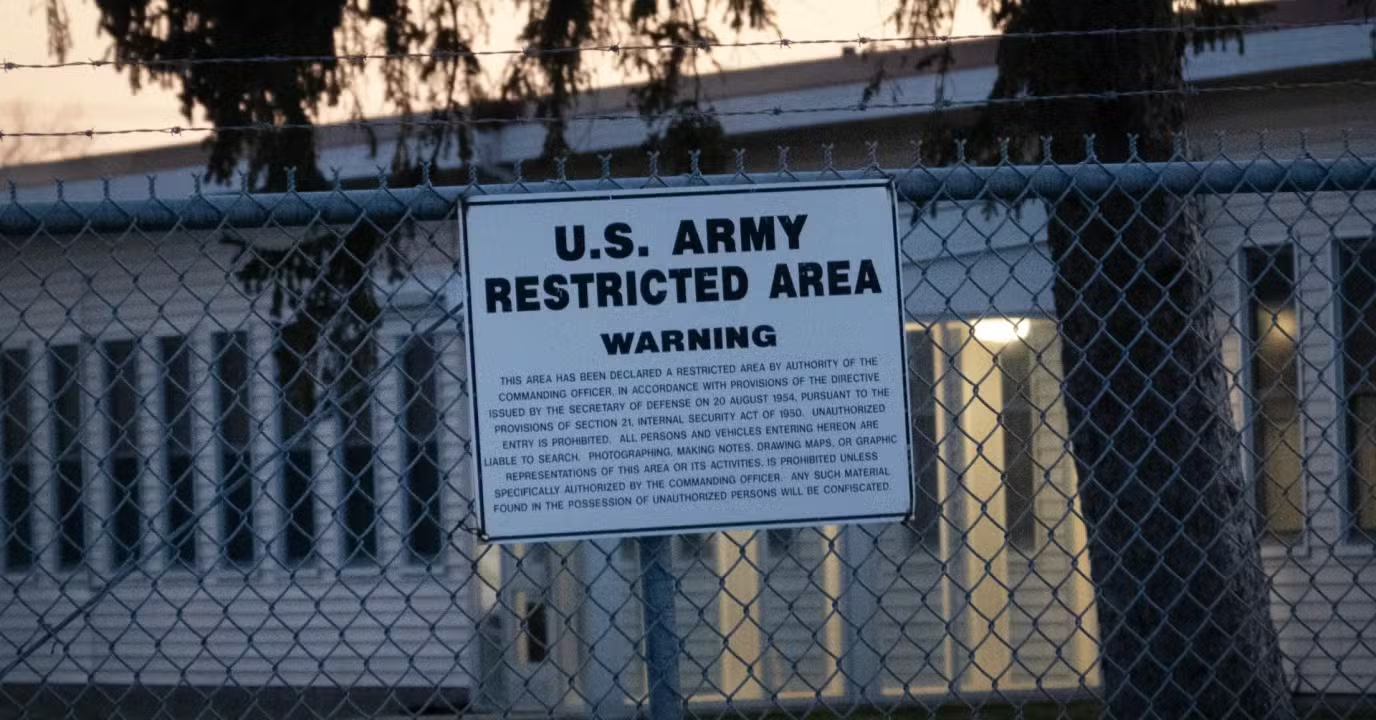
‘Extremely concerning’: Inside a US Army plan to detonate Iowa lead stores
Al Jazeera reports that the US Army plans to detonate more than 4 tonnes of lead azide stored for over two decades at the Iowa Army Ammunition Plant, defying a federal appeals court's order suspending its permit. The stockpile became unstable after the water and ethanol keeping it safe broke down, forming crystals so sensitive that even opening the barrels is unsafe, and Army officials say a controlled blast is the only remaining option, a view Justice Department lawyers advance by arguing the real choice is between a planned detonation and an unplanned explosion. Environmental groups represented by Earthjustice challenged the legality of an emergency permit the EPA granted on 13 November and say proceeding under an emergency exemption would bypass judicial review. Army plume maps project lead dust drifting over eastern Iowa communities, and residents were told to shelter indoors, evacuate for six hours, and later hose down outdoor surfaces, though experts question whether farm fields and soil can be cleaned at all.

Iowa Army Munitions Disposition Resources
Iowa's homeland security website posts a page of resources as Governor Reynolds and state agencies prepare for the U.S. Army's planned detonation of degraded lead azide at the Iowa Army Ammunition Plant. The Governor's Office and state agencies are coordinating with federal officials to monitor the situation and keep local partners informed. The page points to the Army's advisories and environmental assessments, the EPA's emergency permit materials for storing and treating the lead azide, and state resources on lead exposure, livestock guidance, and the Dairy Indemnity Payment Program, along with 211 Iowa and the Iowa Poison Control Center.

Important Sunday Update: Trump Will Blow Up Toxic Lead Despite Court Order, Blue Tsunami Grows, ICE Training a "Catastrophic Failure"
In his Substack newsletter The Parnas Perspective, Aaron Parnas reports that Trump will blow up toxic lead despite a court order. He also says the 'Blue Tsunami' is growing and calls U.S. Immigration and Customs Enforcement training a 'catastrophic failure'.

Army plans Iowa detonation this week despite court stay over toxic plumes
Despite a court stay that postponed the Army's planned detonation at an Iowa ammunition plant the week before, the Army still plans to set off 68 drums containing 9,500 pounds of highly volatile, extremely hazardous lead azide on the Monday or Tuesday of the coming week, according to a Saturday court filing. The Justice Department says in that filing that there is an immediate risk the lead azide will explode on its own as temperatures are expected to drop below 30 degrees, and that the temperature drop lets the Army invoke an exception and proceed without an emergency permit. The stay came after public outcry over concerns the explosion would likely release plumes of toxic lead dust into the air, and environmental groups have challenged the exception allowing the detonation without an emergency permit.

US Army plans Iowa detonation this week despite court stay over lead plumes
A news report says the US Army still plans to detonate 9,500 pounds of highly volatile lead azide in 68 drums at an Iowa ammunition plant, just days after a court stay postponed the blast. Environmental groups sued to stop the detonations over fears the explosion would release plumes of toxic lead dust, and the Army's own modeling showed a plume could reach more than 100 miles into Illinois. The Department of Justice argues falling temperatures below 30 degrees create an immediate risk the lead explodes on its own, letting the Army invoke an exception and proceed without the emergency permit the groups challenged, and it calls a controlled detonation far safer than an uncontrolled one. The Army says it has no other choice, though The New York Times reports it once hired a firm to chemically neutralize the material, an inspection earlier in the year had revealed crystals making even the barrels risky to open, and it is unclear why the stores were allowed to degrade.

Army to proceed with controversial detonation in Iowa. What to know
The Army has told a federal court it intends to detonate 68 barrels of unstable lead azide at the Iowa Army Ammunition Plant in Middletown by Nov. 24, invoking emergency powers to bypass the EPA permit a court has put on hold. The Department of Justice argues the planned blast is necessary because dropping temperatures could destabilize the material and cause an uncontrolled explosion, a choice it frames as between a planned detonation and an unplanned one. Environmental groups, the Iowa Environmental Council and the Sierra Club's Iowa chapter, are challenging the permit in court, arguing the EPA skipped steps and that the blast could send a toxic plume of lead dust 100 miles, while an expert in their filing says risks beyond lead, such as hydrazoic acid, have not been assessed. The Army had already postponed the detonation after an outcry from nearby residents and farmers.

Army will detonate 5-ton lead explosives in Iowa despite permit pause
The Army intends to detonate nearly five tons of lead azide at the Iowa Army Ammunition Plant in Middletown, Iowa by Tuesday, even though a federal appeals court has paused its permit. The Army says an emergency exemption, which an EPA regulation allows, lets it proceed without a permit, and the EPA writes in its opposition filing that temperatures expected to drop below 30 degrees Fahrenheit create an immediate risk the lead azide will explode, making a controlled detonation necessary to protect the public. An emergency stay had been sought to halt the blast over concerns a toxic dust plume could spread beyond the site. In a Friday statement, the Army, the Department of Health and Human Services and the EPA said they have been coordinating since March and will take extreme mitigation measures to ensure no risk to the public.
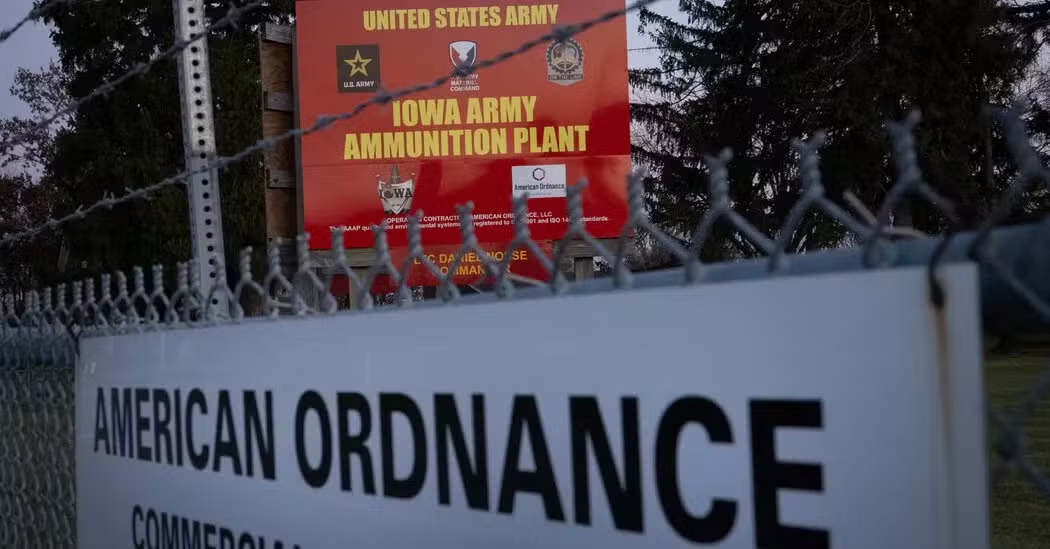
What to Know About the Planned Explosion in Iowa
In a New York Times report, the U.S. Army plans to blow up 68 drums of lead azide, nearly 9,700 pounds, inside bunkers at the Iowa Army Ammunition Plant in Middletown, Iowa, at noon on Monday, because the explosive stored there for years degraded into a crystalline state that makes the barrels too risky to even open or move. Acting Army Secretary Adam Telle said the detonation must happen before temperatures drop below freezing, which would make the material even more unstable. The Army had hired a company to chemically neutralize the stockpile but canceled the contract citing safety concerns, and the Times reports the blast threatens to send a plume of toxic lead dust over nearby communities, farmland, and rivers, potentially contaminating hundreds of square miles. An environmental group is challenging the EPA permit in federal court, where the Justice Department argued on Friday that the Army could act with or without EPA approval if the degraded munitions posed an immediate threat.
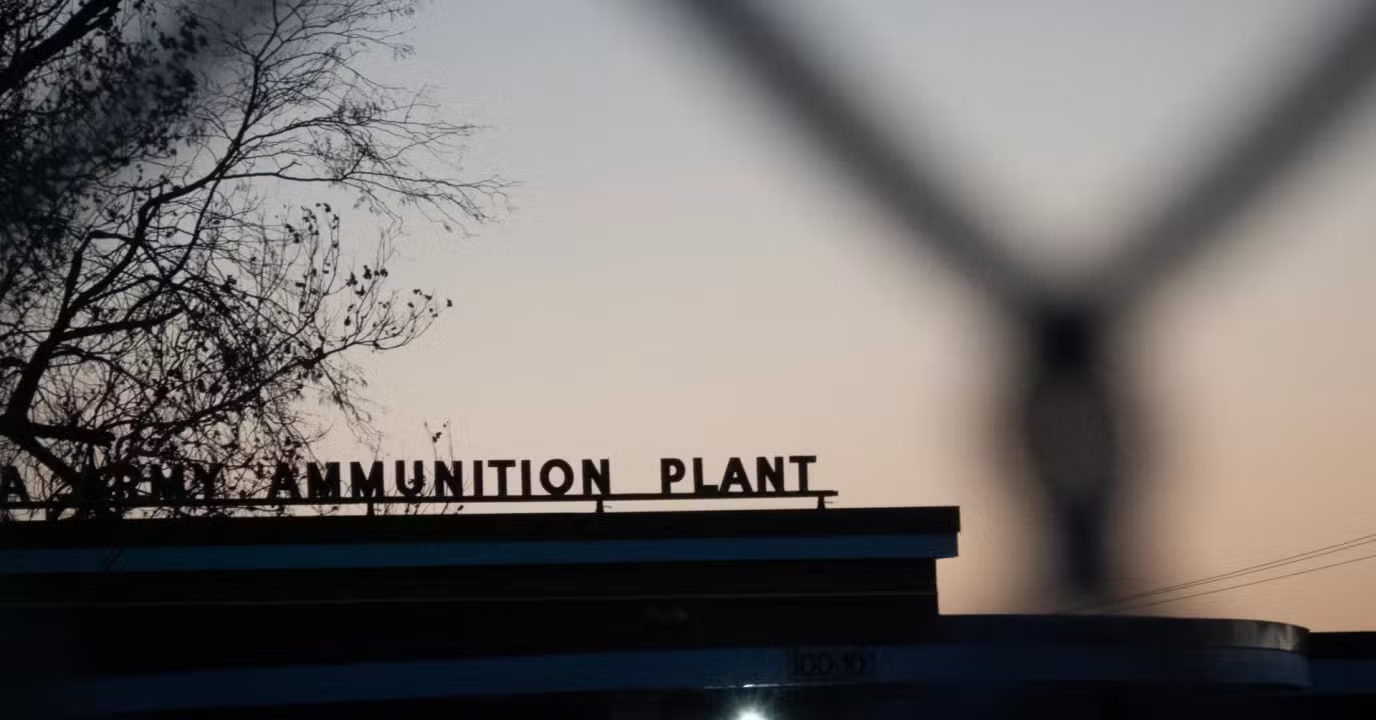
Why is the US Army detonating lead-rich explosives in Iowa?
The US Army planned two controlled detonations at the Iowa Army Ammunition Plant in Middletown to destroy 68 drums of degraded lead azide, about 9,700 pounds of explosives containing roughly 6,900 pounds of lead, under an emergency EPA permit announced only five days beforehand. Residents, health experts, and elected officials protested the scant notice and the risk of spreading lead dust, and Iowa environmental groups petitioned a federal appeals court, which granted an interim stay blocking the blasts while a legal challenge proceeds. The Army postponed the operation from 20 November to Monday 23 November, with acting Secretary Adam R Telle citing a forecast temperature drop that could further destabilise the material, and Justice Department lawyers later pointed to emergency powers that could still let the blasts go ahead. Scientists say the plan rests on a flawed premise: epidemiologist Bruce Lanphear told Al Jazeera that detonation cannot destroy lead, only scatter it as fine particles, while the Army insists its safeguards, drenching the soil and relying on magazines ringed by two-storey sand barriers, will contain the plume it predicts will stay below EPA action levels.

The dangers of lead and how to minimize exposure
A NewsNation article explains the dangers of lead and how to minimize exposure, prompted by the court order late Thursday that put on hold the detonation of nearly five tons of destabilized lead barrels in Middletown, Iowa. Since the order, searches about lead and its risks have risen in Iowa and neighboring states. The article describes lead as a toxic heavy metal that enters lives through water, soil and old homes, with children among the most vulnerable, and Illinois Environmental Council's Cate Caldwell says the only way to identify lead contamination is testing, with blood testing the way to check the body. Caldwell and wellness expert Helen Christoni say knowledge is the biggest asset against lead exposure, and Christoni recommends keeping drinking water, an air purifier and a water purifier on hand in case of an event like the Iowa detonation, while the article's instructions include frequent handwashing, removing boots at the door and cleaning surfaces.

The Army Plans to Blow Up Tons of Toxic Explosives. It Rejected a Safer Option.
A New York Times investigation reports that the Army plans to detonate nearly five tons of rapidly deteriorating lead azide at an Iowa base, after canceling a contract with MuniRem Environmental, a Georgia firm whose chemicals neutralize munitions instead of blowing them up. The Army cited safety concerns, including the risk that the degrading material could spontaneously detonate if handled, and acting Army Secretary Adam Telle said freezing temperatures risked further destabilization, though the Army did not answer questions about the canceled deal. The newly reported details cut against that account: an Army contracting officer told MuniRem the decision was not based on deficiencies in its approach, a 2019 National Academies review found the process can be conducted with little danger, and a 2025 EPA guide lists it as a valid treatment for lead azide. Residents, environmentalists and elected leaders are in an uproar over the blast, saying it could spread toxic lead dust, and an environmental group is challenging the permit as the detonation proceeds.

Report shows the Army canceled a chemical treatment contract before opting to detonate toxic explosives in Iowa
A report by Iowa Public Radio, drawing on an EPA letter to Gov. Kim Reynolds, shows the Army canceled a March 2026 contract with MuniRem Environmental to chemically treat nearly five tons of deteriorating lead-based explosive at the Iowa Army Ammunition Plant in Middletown. The EPA concluded that moving the drums or even removing their lids could trigger an explosion, and the Army, FBI, and ATF decided a controlled detonation where the drums sit was the only viable option. The Army's own assessment acknowledged chemical treatment would avoid a plume of lead dust but judged the risk to workers and nearby people greater. The detonation, pushed back to 23 November after calls for delay, was put on hold late on 19 November when the 8th U.S. Circuit Court of Appeals temporarily stayed the EPA's emergency permit, and the Justice Department has said it will oppose blocking the blasts, arguing the Army may act without a permit in an emergency.
Here’s what we know about the Army’s planned detonation in Iowa after a judge ordered temporary pause | CNN
CNN reports on the fight over the US Army's plan to detonate five tons of lead azide at the Iowa Army Ammunition Plant in Middletown, which a federal judge ordered paused on the Thursday before the scheduled blast after environmental groups sued the EPA over its emergency permit. The Army says the material, found degrading in March, is extremely unstable and too risky to move, making a controlled detonation the lowest-risk option, and it rescheduled the blast from Friday to the following Monday. Critics, including Iowa and Illinois officials and environmental advocates, fear the plume could spread toxic lead dust over rural Iowa, the Mississippi River, and part of western Illinois, and the legal fight was expected to run into the Monday detonation date.
DOJ drags Army into court standoff with explosive warning for red state: report
The Department of Justice told a federal appeals court that the U.S. Army can detonate 68 barrels of unstable lead azide at the Iowa Army Ammunition Plant without an Environmental Protection Agency permit, citing an EPA rule for cases posing an immediate threat to health, safety, property, or the environment. Army officials fear the aging explosive could go off by itself as temperatures fall, and acting Army Secretary Adam Telle said Monday was the last workable date for the detonation. The 8th Circuit Court of Appeals has meanwhile paused the EPA's emergency permit while it considers the case, and the Army, which is not a party to the suit, briefly delayed the plan after objections from Iowa and Illinois officials and a lawsuit by environmental groups. Iowa's governor and local communities say they learned of the plan only five days earlier, when the Army released maps showing lead dust could spread far from the plant, and the agencies issued a joint statement saying they had planned the destruction since March with strong safety measures; the Justice Department is due to respond to the plaintiffs' emergency motion for a stay before Monday.
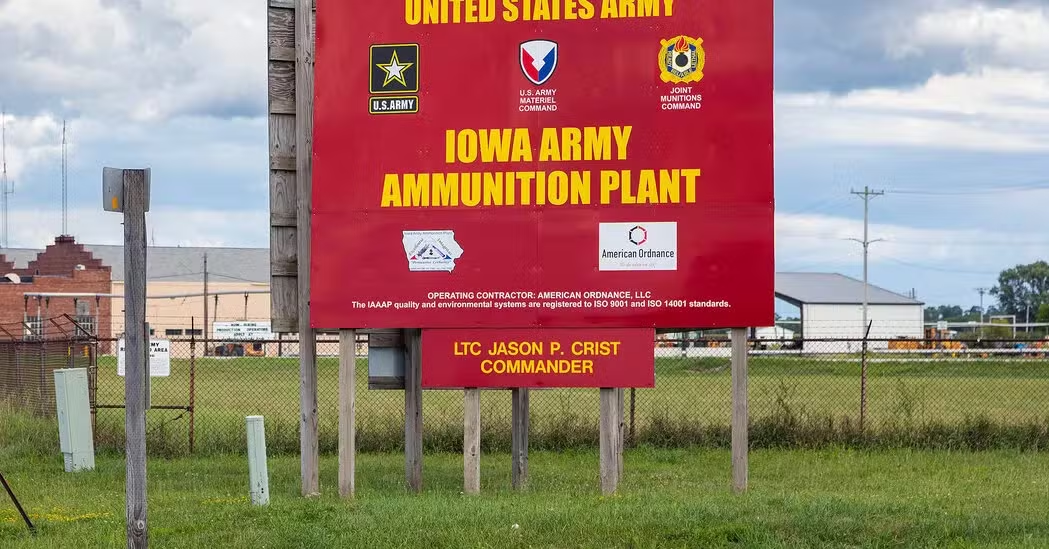
Trump Administration Says Army Can Blow Up Lead-Laced Explosives
A New York Times news report says the Justice Department has told a court the Army can blow up a large cache of lead azide, an explosive laced with a neurotoxin, at the Iowa Army Ammunition Plant as soon as Monday, with or without Environmental Protection Agency approval, if the degraded munitions pose an immediate threat. The Army had planned to detonate 68 drums holding nearly 9,700 pounds of the explosive on Friday but postponed after public alarm, pressure from elected leaders in Iowa and Illinois, and a federal judge's temporary block on the EPA-granted permit. The Army says the material must be destroyed quickly because an inspection found crystalline lead azide has formed, making the aged stockpile unstable and too risky to move, and Acting Army Secretary Adam Telle says it must be detonated no later than Monday before freezing temperatures make it more unstable. Residents near the plant, where about 80 homes have been told to evacuate, fear a plume of lead dust over southeast Iowa, a toxin that poses particular danger to children and pregnant women, and a farmer near the predicted plume worries for his cattle and crops.
Colonel says controlled detonation ‘safest’ despite Iowa blast delay
NewsNation reports that the Army postponed a planned detonation of five tons of unstable explosives at the Iowa Army Ammunition Plant in Middletown, Iowa, moving it from Friday to Monday, Nov. 23. The material has leaked and dried out in its containers, making it too brittle and volatile to move safely, so officials call a controlled explosion the preferred option, and the Army says it still intends to go ahead Monday. Retired Marine Corps Colonel Michael Jernigan, who spent 30 years as a combat engineer, told 'The Hill on NewsNation' the detonation is the 'safest thing to do', comparing it to controlled burns that prevent forest fires: powdered lead would damage and perhaps kill people over years or generations, while an explosion would kill before you count to one. The blast was expected to send a lead-bearing dust plume into the air, and communities as far as 100 miles away were notified, while in a joint statement the Army, the EPA, and the Department of Health and Human Services vowed to take the most extreme mitigation measures available, and NewsNation reports courts could still intervene with an emergency stay.
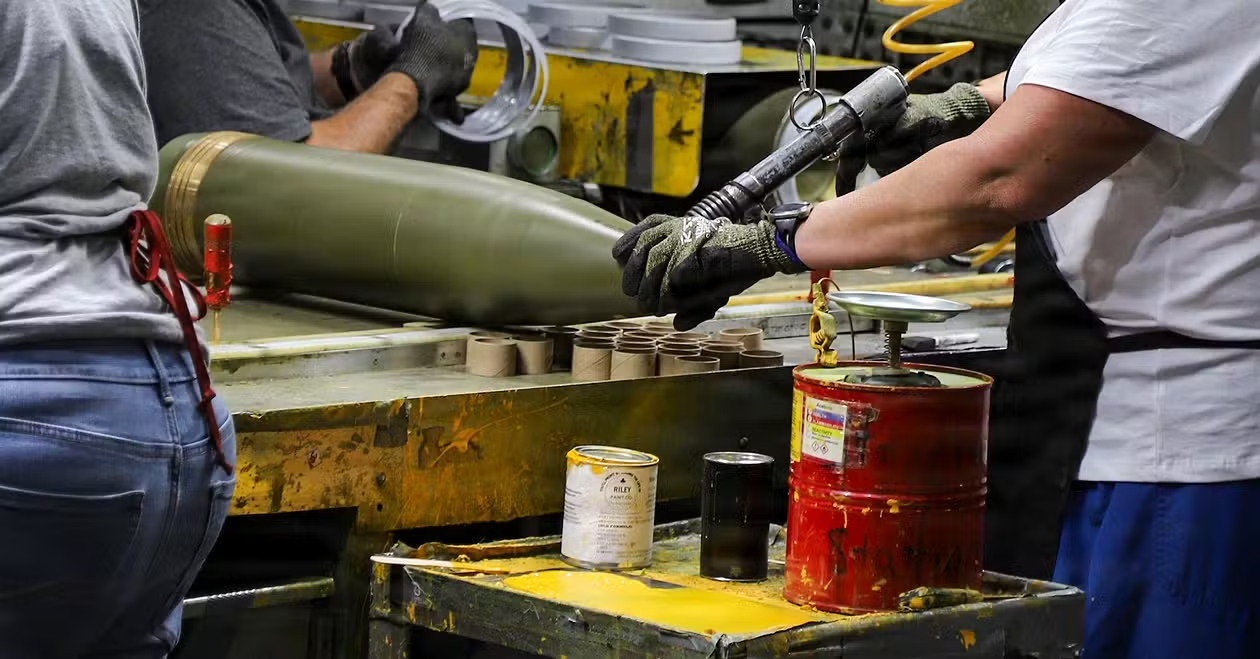
Army pursues ‘unprecedented’ detonation of lead azide stockpile in Iowa
A C&EN news article reports that the Army plans an unprecedented detonation of 68 barrels, about 4,300 kg, of unstable lead azide at the Iowa Army Ammunition Plant, but on the afternoon of the planned Friday, November 20, 2026 blast, a federal judge temporarily blocked the permit after earlier public outcry had already pushed the date to November 23. The barrels became unfit for ammunition use when temperature fluctuations recrystallized the lead azide into needle-shaped crystals that an explosives chemist says are extremely sensitive to friction and impact, and the detonation is expected to release a cloud of aerosolized lead, a neurotoxin, prompting the Army to tell downwind residents to evacuate or stay inside. University of Iowa researchers plan to deploy air sensors, particle filters, and soil samples to independently monitor the fallout, while the Army works on DBX-1, a less toxic copper-based replacement explosive not yet in official use.
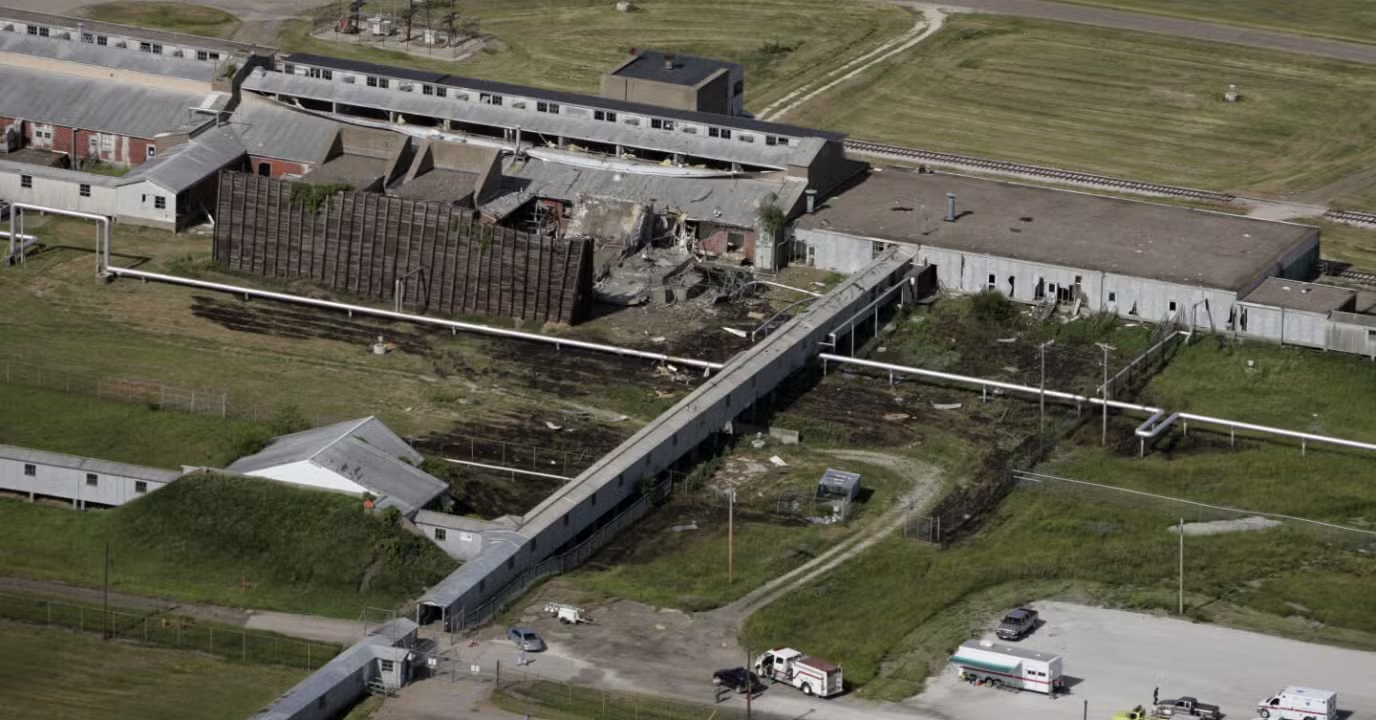
Trump Administration Says It Can Detonate Iowa Lead Despite Court Order
The Trump administration says the Army can detonate 68 barrels of degrading lead azide at the Iowa Army Ammunition Plant as early as Monday even though a federal appeals court has temporarily blocked the EPA permit for the blast. The Army briefly delayed the detonation from Friday to Monday after pushback from Iowa and Illinois leaders and a lawsuit by environmental groups, and a Justice Department attorney told the court that an EPA regulation would let the Army proceed without a permit if it finds an immediate threat to health, safety, property, or the environment. Army officials fear the volatile explosive could detonate on its own as temperatures drop, and acting Army Secretary Adam Telle called Monday the latest possible moment before a forecasted temperature drop. An Earthjustice attorney for the plaintiffs calls that regulation an extraordinary backstop with an incredibly high bar and urges the Army not to use it to sidestep demands for transparency, while the governor and many communities say they learned of the plan only five days before the blast.

Court Temporarily Blocks Trump EPA's Permit for Army to Detonate Toxic Lead Explosives in Iowa Town | Common Dreams
A federal appeals court has temporarily blocked the US Environmental Protection Agency's permit for the US Army to detonate about five tons of aging, toxic lead-based explosives at a munitions plant near Middletown, Iowa, and is weighing a long-term halt. The stay came in a one-sentence order after the legal group Earthjustice sued on Thursday on behalf of the Iowa Environmental Council and the Sierra Club's Iowa chapter, whose challenge argues the EPA and Army never fully reviewed other disposal methods for the unstable lead azide. The detonation, first set for Friday and pushed to Monday after outcry from the groups and local leaders, would, the Iowa Environmental Council says, send a lead dust plume up to 100 miles and risk harm to Middletown's roughly 360 residents. The Army says the material is increasingly sensitive to shock and friction and must be destroyed before cold weather makes it more unstable.

Court grants request to prevent military from detonating bomb-making chemicals in Iowa
A federal appeals court granted environmentalists' request late on November 19 to put on hold the permit that cleared the way for the U.S. Army to detonate several tons of bomb-making chemicals in Iowa, putting the Army's plans for dozens of barrels of degrading lead azide in jeopardy. The stay came after the Army had already pushed the detonation from November 20 to November 23 following public concern, and after Earthjustice filed a petition on behalf of Iowa groups arguing alternatives were not fully considered and that officials shared too little with the public. The Army says the unstable chemicals risk an uncontrolled explosion as temperatures drop, and its acting secretary says the delay pushes the detonation to the latest possible moment before a forecasted temperature drop. An inspection earlier in 2026 found the lead azide at the Iowa Army Ammunition Plant had degraded into an unstable and dangerous state, and officials warned the blast would spread toxic lead-containing particles over nearby communities.
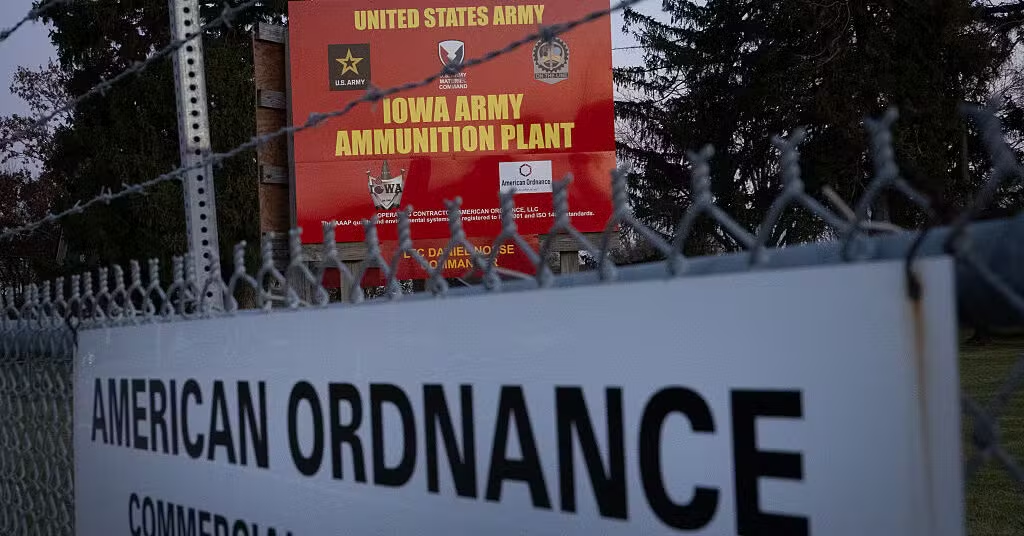
Outrage, questions swirl as Army delays blowing up stockpile of toxic lead azide
The US Army delayed a plan to detonate 68 deteriorating barrels of lead azide, about 9,700 pounds of the explosive stored at the Iowa Army Ammunition Plant in Middletown, after Iowans, state leaders, and nearby Illinois politicians raised health and environmental fears and environmental groups sued to pause the blast. Army modeling suggested the plume could carry lead at 0.18 micrograms per cubic meter nearly 100 miles north toward Cedar Rapids, above the EPA air standard of 0.15, and deposit lead dust at hazardous levels up to 25 miles away. The Army calls the stockpile's state 'catastrophically hazardous,' ruling out moving or chemically neutralizing it as risking accidental detonation, and made the fall Blow-in-Place detonation its best option. Acting Secretary Adam Telle said the delay to Monday, meant to give more time to inform Iowans, was the latest possible one before a forecast temperature drop that could further destabilize the compound.
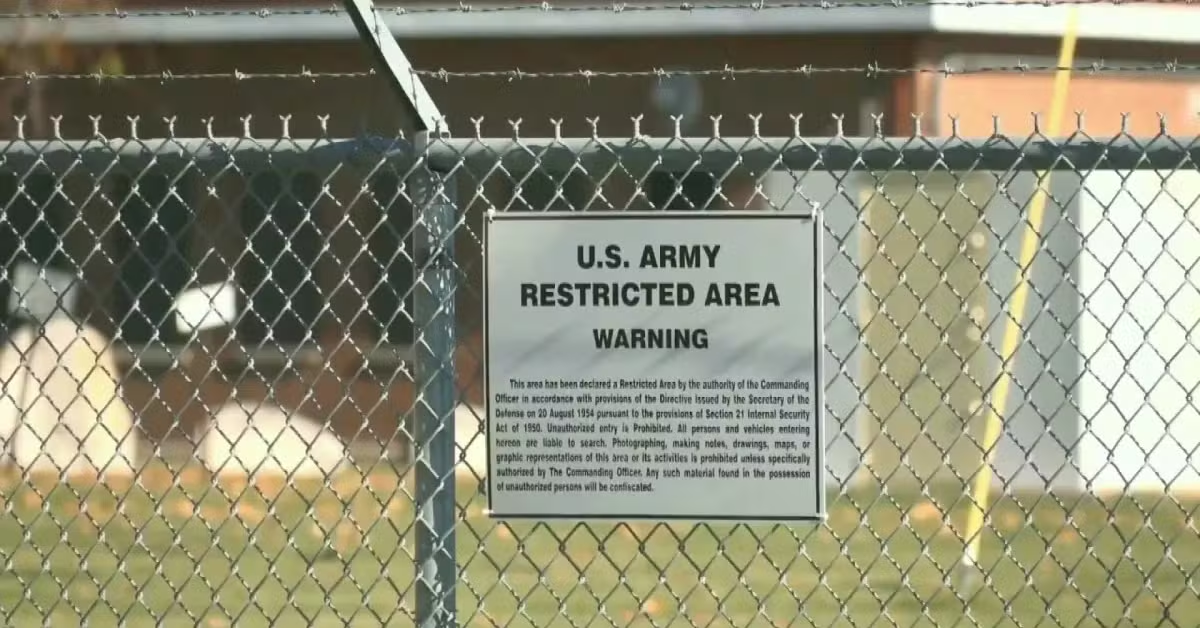
Detonation of 5 tons of lead azide in Iowa indefinitely suspended by court order
A court order has indefinitely suspended the Army's plan to detonate five tons of lead azide, a bomb-making chemical, at the Iowa Army Ammunition Plant near Middletown, Iowa. The one-sentence order, submitted late Thursday by Iowa Environmental Council and Sierra Club petitioners in a lawsuit, grants an administrative stay of the EPA's emergency permit until the court rules on their motion to block the blast, which could still go ahead Monday if a ruling comes in time. The material, stored in water-filled barrels for almost two decades, has according to recent investigations recrystallized into a volatile state, and the Army argues the detonation is needed because moving it would risk an explosion and cold weather could make it more unstable. Critics including Illinois lawmakers, who sent a letter urging a delay to explore safer alternatives, and residents of Iowa and neighboring states fear toxic lead dust could blow across state lines and settle on homes and farmland.
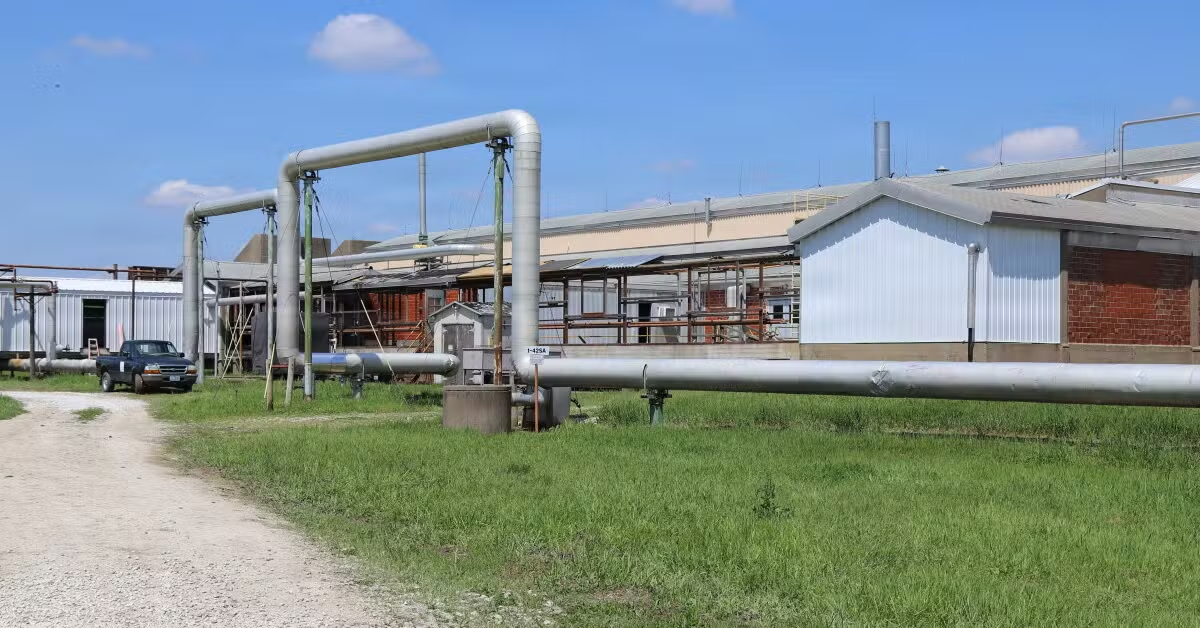
Court stay prevents US Army from detonating bomb-making chemicals in Iowa
The 8th U.S. Circuit Court of Appeals granted environmentalists' request to stay the permit that had cleared the U.S. Army to detonate several tons of bomb-making chemicals at the Iowa Army Ammunition Plant, ruling late on November 19, 2026. The Army found several dozen barrels of degraded lead azide at the plant in March 2026, and officials say crystallization created an unstable, dangerous situation, though Earthjustice, which petitioned for review of the EPA's emergency permit, argues other alternatives were not fully considered and criticizes officials for not sharing more with the public. The Army had already pushed the detonation from November 20 to November 23 after an outpouring of public concern, and officials warn the delay risks further destabilizing the material as temperatures drop. Earthjustice attorney Thien Chau says the Army cannot detonate under the stayed permit, and attorneys expect the court to decide before the November 23 date.
Judge halts Army’s plan to detonate 5 tons of bomb-making material as Iowa residents worry about lead exposure | CNN
A federal judge has ordered the US Army to pause its plan to detonate five tons of lead azide at the Iowa Army Ammunition Plant in Middletown, Iowa, after environmental activists filed a lawsuit over the potential impacts. The plant's officials, coordinating with the EPA, had planned to destroy 68 drums of the munitions-detonating material, a blast first set for Friday and postponed to Monday after pushback from the public and elected officials. The Army says a controlled detonation posed the lowest risk because the degraded lead azide is too unstable to pack and transport safely, though its modeling predicts lead-containing particles would form an air plume and deposit on the ground; a University of Iowa environmental health expert says sizable particles would likely land within 20 miles. Residents including Lucy Giehl, who lives 4 miles from the plant, and Senator-elect Josh Turek, who called for a delay, worry about the health risk, and it is unclear how much lead might be released. The judge's order does not say when the court will take further action.

Detonating A Huge Pile of Lead Azide. Really.
In his In the Pipeline blog on Science, chemist Derek Lowe reports that the US Army plans to detonate 68 drums of lead azide, between 9,500 and 10,000 pounds, stored at its Iowa ammunition plant, a blast postponed past 20 November 2026 by a court order. The Army declared the material unserviceable hazardous waste in March 2026, and Lowe says it has sat for some 20 years in underground concrete bunkers submerged in an ethanol/water mixture, where temperature changes let it dissolve and recrystallize into a form more sensitive to shock and friction than ever. That deterioration, he argues, makes moving the drums or chemically destroying them too risky to attempt, so a controlled in-place detonation is probably the best solution, only because every other option is worse. The EPA granted an emergency permit for the disposal in mid-November, the Army has prepared sand-filled bunkers to direct the blast away from populated areas, and monitors are being installed across Eastern Iowa because lead-contaminated dust, which Lowe says could drift 20 to 30 miles, does not just go away.
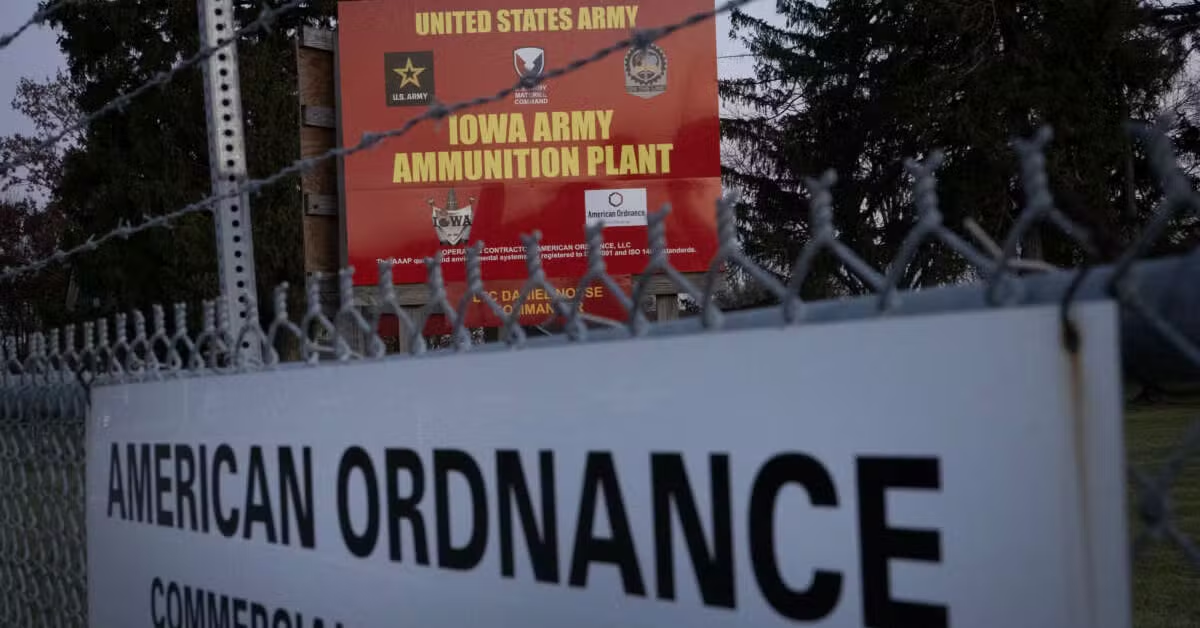
Army Postpones Detonation of Toxic Lead Azide in Iowa After Public Outcry
The Army postponed the planned detonation of 68 drums of degraded, lead-based lead azide at the Iowa Army Ammunition Plant in Middletown, Iowa, hours after environmental groups filed a lawsuit to stop it. Earthjustice, representing the Iowa Environmental Council and the Sierra Club Iowa Chapter, sued the EPA over its emergency permit for the detonation, arguing it lacked environmental performance standards, alternatives that would avoid widespread lead dispersal, and adequate public notice; the groups do not dispute the material poses a risk untreated but say the Army left it to degrade for roughly two decades and gave the public only five days' notice, and that the permit ignored potential spread to groundwater, soil, and wildlife while its testing requirements were weak. Acting Army Secretary Adam Telle announced the new date of Monday, 23 November 2026, calling it the latest possible moment before a temperature drop that could destabilize the material, and said public safety is the Army's top priority. The Army's own air models showed lead particles could spread up to 100 miles across the Mississippi into Illinois, and state agencies issued guidance on staying indoors and protecting livestock, while University of Iowa researchers launched independent air and soil sampling.
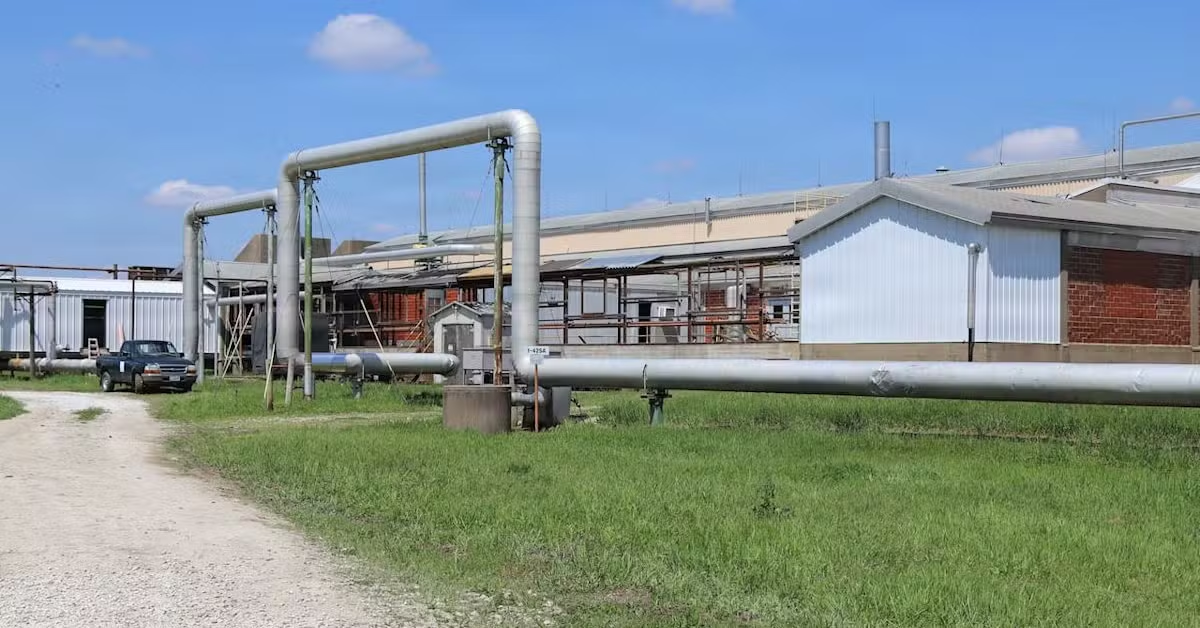
US Army to blow up old ammo, creating toxic cloud in 60-mile area over Iowa
The US Army plans to blow up unstable barrels of lead azide at the Iowa Army Ammunition Plant, warning the blast could create a toxic cloud of lead dust spreading over a 60-mile area. The Army says 68 barrels of the materials, stored at the plant for more than 20 years, have become unstable and unusable and might explode if moved, so officials ruled out any plan involving handling the drums as an unacceptable risk of accidental detonation. The detonation was rescheduled for Monday after the original Friday blast, but residents still have concerns: a warning urged people to vacate the Des Moines County area Friday morning, schools in Danville and Mediapolis canceled classes, and the Mediapolis fire department planned to hose down playgrounds that could be covered in lead particles. Officials say the dust is expected to linger for no more than one hour depending on wind speed, and the Army says it will spray the soil and mist the air to keep most of the lead on its property, but University of Iowa professor Patrick O'Shaughnessy, while encouraged by those efforts, says it is still unknown how much lead will end up in the atmosphere and on surfaces.

Army's plan to blow up unstable explosives faces another setback
A USA Today news report says the Army has paused its plan to detonate 68 barrels of volatile lead azide at the Iowa Army Ammunition Plant in Middletown, Iowa, delaying it from Nov. 20 to Nov. 23, 2026 after an outpouring of public concern. A federal appeals court has since put the plan on hold until it considers a lawsuit by the Iowa Environmental Council and the Sierra Club, which argue the EPA permit was issued without weighing environmental standards, alternatives, and notice to the public. The Army says it must detonate the explosive, stored at the plant for more than 20 years and uncovered in March 2026, because cold weather could make it unstable enough to self-detonate, and it deems a controlled blast safest since moving it risks an accidental detonation. Residents, health experts, and officials worry about lead exposure, particularly to young children, and opponents want the government to communicate risks better and give communities more time.

Iowans say warning Army is going to blow up degraded lead came too late
The U.S. Army plans to blow up barrels of degraded lead azide found eight months ago at an ammunition plant in southeastern Iowa, saying detonation is the only safe option. The blast, first set for Friday, was pushed to Monday after residents and officials objected, saying they had not been given sufficient warning or input. The Army warned that lead particles from the detonation could drift as far as 100 miles north of the plant, but did not tell the public about the plume until the Sunday before the planned Monday operation.
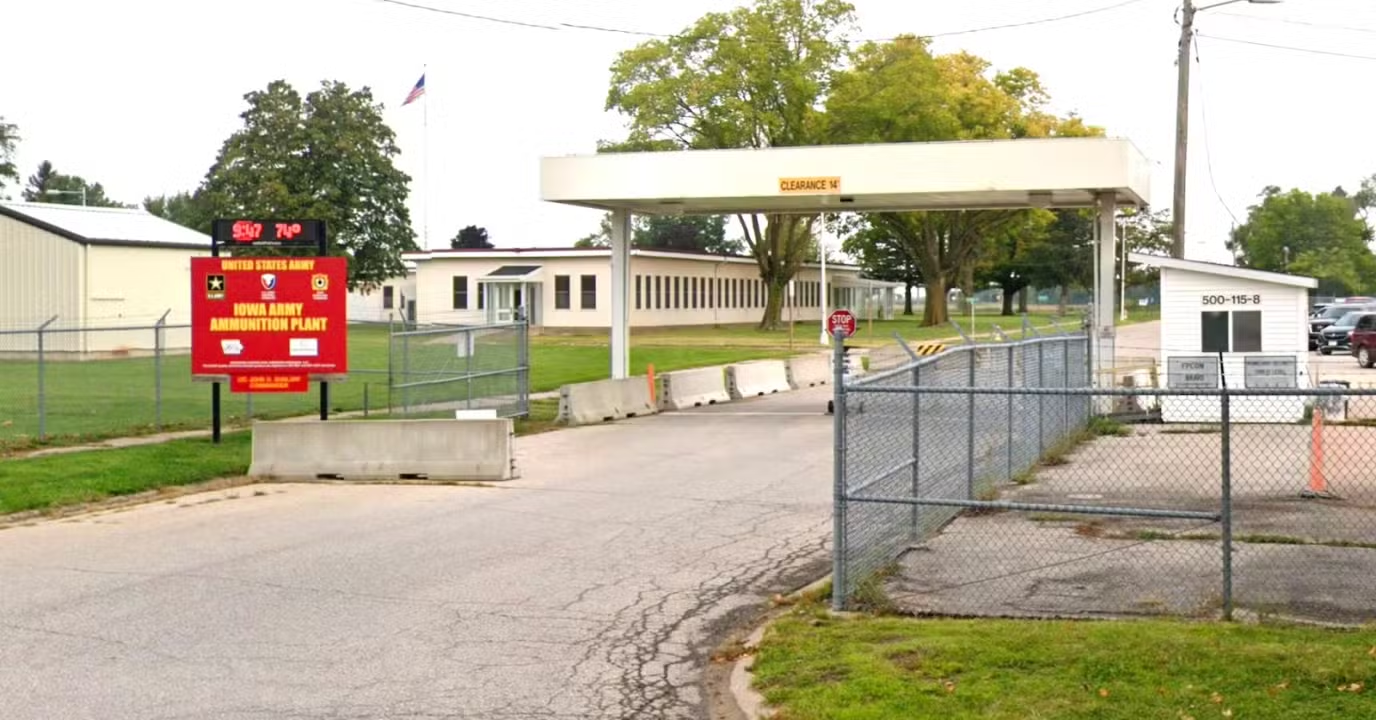
Army postpones plan to detonate nearly 10,000 pounds of lead azide until Monday
The U.S. Army postponed a plan to detonate nearly 10,000 pounds of lead azide at the Iowa Army Ammunition Plant in Middletown, Iowa, moving the blast from Friday to Monday, November 23, 2026, a day after it was first announced. The delay came hours after the Iowa Environmental Council and Sierra Club filed an emergency motion asking a federal appeals court to stay the EPA permit, arguing the blast could spread lead dust over an area about 25 miles long and 5 miles wide, and that the EPA approved it without fully weighing health and environmental consequences. The Army says the two rapid controlled detonations are needed to safely dispose of degraded lead azide that is too unstable to transport, and Army Secretary Adam Telle cited public safety and the need for better communication with residents, some of whom were asked to temporarily evacuate. Officials including Iowa Gov.-elect Rob Sand had criticized the Army's communication and called for a pause, and local school districts had planned Friday closures out of caution.

Army Delays Toxic Lead Detonation to Monday After Pressure From Iowa Leaders
The Army postponed a planned detonation of 68 barrels of volatile lead azide at its Middletown, Iowa, ammunition plant, moving it from Friday, Nov. 20, to Monday, Nov. 23, after elected leaders including Sen.-elect Josh Turek, Sen. Tammy Duckworth, and Rep. Ashley Hinson demanded a delay and more information about health risks. Public notice on Nov. 16 warned the blast could send a toxic plume over surrounding communities, including into Illinois, which state officials say got no prior warning, and Iowa Gov. Kim Reynolds says she learned of it only that day. Records show the Army has struggled with the explosive since March, when storage liquid evaporated and left it dangerously unstable, but only Middletown was briefed before the notice. Acting Army Secretary Adam Telle says the delay allows the latest possible date before a temperature drop that would further destabilize the material, while unnamed Trump administration officials fault him for giving officials only days to prepare.
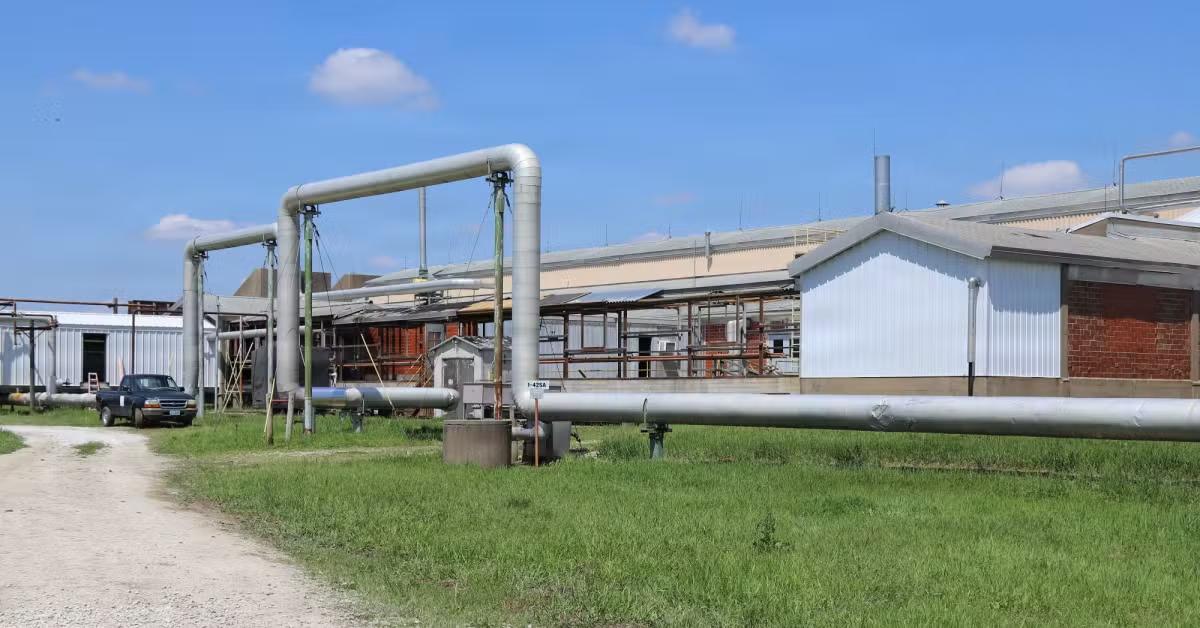
The Army is detonating a toxic "lead bomb" in Iowa. It forgot to warn people.
The Army is scheduled to detonate roughly 11,000 pounds of lead azide, an unstable bomb-making chemical, at the Iowa Army Ammunition Plant in Middletown, Iowa, on a Friday. A lawsuit by the Iowa Environmental Council and the Sierra Club's Iowa chapter was filed the day before to halt it, and Mother Jones forecasts the blast could send lead-contaminated dust across a hundred-mile swath, threatening thousands of people in eastern Iowa and northwest Illinois. The Army reportedly knew of the stockpile's deterioration for years while the roughly 400 residents of Middletown got a month's notice and other communities and Iowa's governor learned of the plan only days ahead; the Army says the 40-year-old explosive is too unstable to move, with an 'unacceptable risk' of accidental detonation in transport, and the EPA called the detonation necessary to prevent an 'imminent threat'.
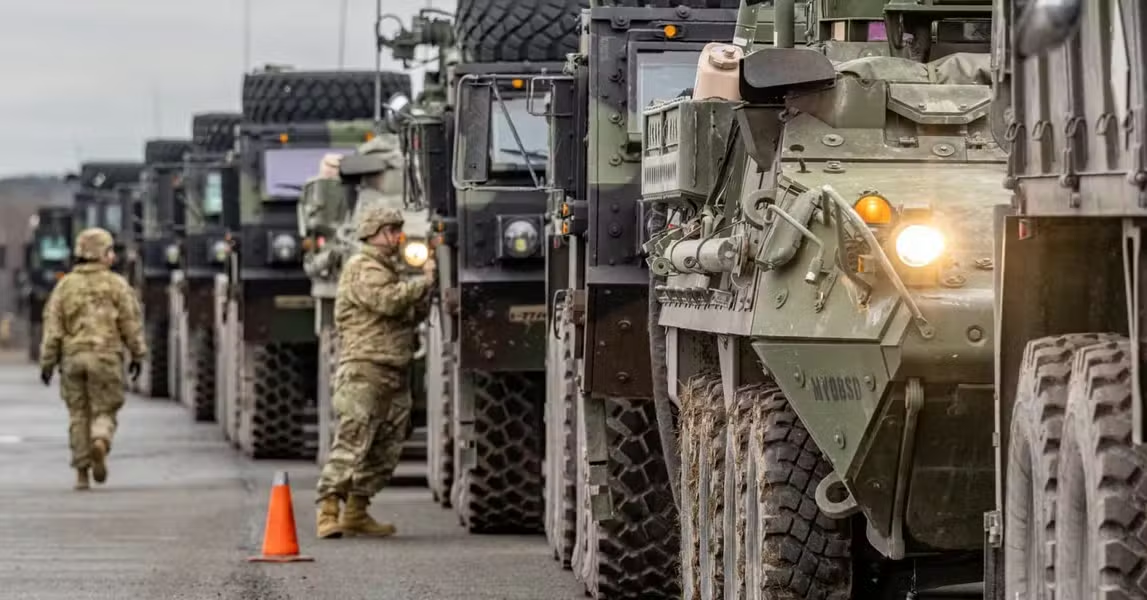
'Madness': Chaos after Trump admin delays alert about potentially toxic blast
A RawStory news report covers the backlash that erupted on 19 November 2026 over the U.S. Army's plan to detonate 68 barrels of deteriorating lead azide at the Iowa Army Ammunition Plant in Middletown, after reports that federal agencies had known about the explosives for months while Iowa leaders learned of the blast only days before. Citing the Washington Sun, the report says the Defense Department and the Environmental Protection Agency had known since at least April 2026 that the deteriorating explosives were housed at the plant, and that residents are being urged to evacuate ahead of the Friday, 20 November blast, with several school districts canceling classes as a precaution. Iowa officials said they learned only days earlier that the blast could send toxic lead dust into nearby communities, and Governor Kim Reynolds' office said it learned of the plan on Monday, 16 November, when the Army released maps showing the lead dust could reach Illinois. Washington Sun reporter Jeff Stein called it a 'completely crazy story,' highlighting the gap between when federal officials learned of the explosives and when Iowa leaders got word of the planned blast, and Iowa writer Raymond Baker declared the situation 'Madness!'

Army blast postponed amid health fears, evacuations
The Army has postponed a controlled detonation of five tons of unstable explosives near the Iowa Army Ammunition Plant in Middletown, Iowa, pushing it from Monday to Nov. 23 amid health fears that have alarmed southeastern Iowa and western Illinois. Residents have been told to leave the area or stay indoors, several schools are closing, and farmers worry about livestock and crops, as officials expect a dust plume containing lead that could stretch for miles and is expected to linger no more than one hour. Acting Army Secretary Adam Telle said he ordered the delay until the latest possible moment before a forecasted temperature drop that would risk further destabilizing the material, and the Army argues that acting now, with mitigation like water spraying, is safer than risking an uncontrolled blast. Critics, including Iowa Starting Line correspondent Zachary Smith, say residents were given only five days of notice even though the instability has been known since March.

The U.S. Army is about to blow up a cache of dangerous lead azide in Iowa—here’s what to know
A Scientific American article reports that the U.S. Army is scheduled to detonate 68 drums of lead azide at the Iowa Army Ammunition Plant on Wednesday, November 25, 2026. The chemical, used in detonators and blasting caps, becomes dangerous as it ages, forming unstable crystals that can spontaneously explode at room temperature. The detonation is meant to prevent that, and it must happen on-site because transporting the chemical is dangerous. Experts warn the plan could cause significant health problems for the local community.

Iowans brace for lead dust cloud as Army plans to detonate 5 tons of bomb-making chemicals
The U.S. Army plans to detonate about 5 tons of bomb-making chemicals at the Iowa Army Ammunition Plant because the lead azide, stored over 20 years, has degraded and might explode if moved, with officials saying any handling would risk accidental, fatal detonation. An Environmental Protection Agency emergency permit approved on 13 November 2026 required modeling of lead dispersal, and an advisory reached communities as far as 100 miles away after maps showed the dust cloud drifting north. Schools in the Danville and Mediapolis districts will close on 20 November 2026, and officials recommend some Middletown residents leave that morning or stay indoors with windows closed. Residents and officials including Mediapolis's deputy city clerk complain of a lack of information, while an Army official says the weather and the risk the barrels detonate on their own remain concerns.
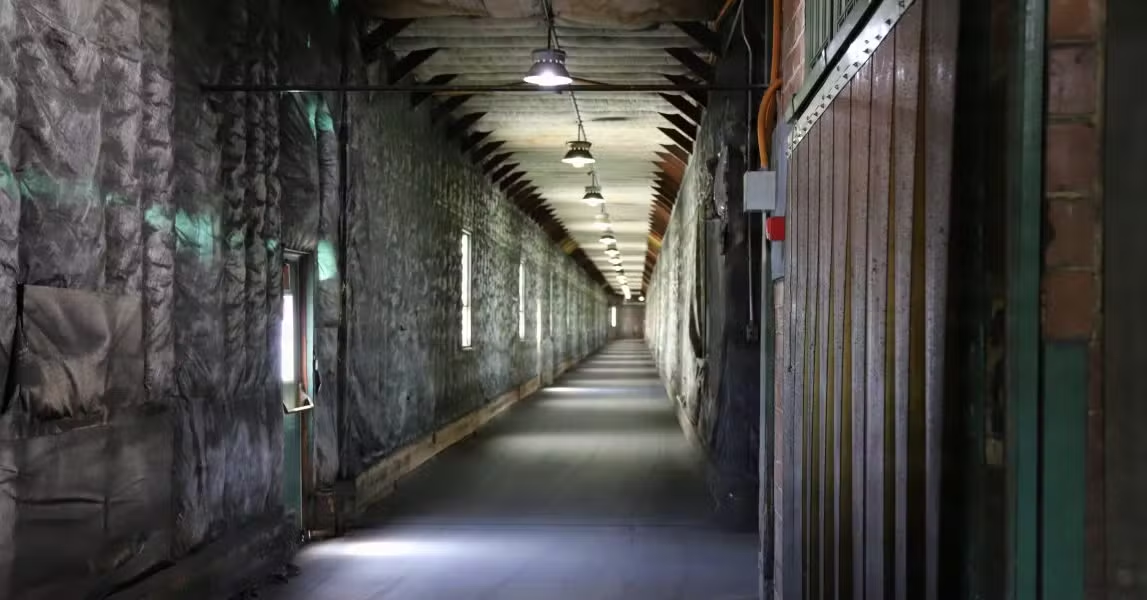
Just Rinse It Off, Army Says Before Blowing Up Five Tons of Lead Compound
An article by Austin Campbell in The Intercept reports that the U.S. Army plans to detonate nearly five tons of unstable lead azide in a heated connector tunnel at the Iowa Army Ammunition Plant on 20 November 2026, because crystals formed during storage made it too hazardous to move, leaving in-place detonation as the Army's best option for disposal. When asked what scientific evidence supported its advice that residents hose lead dust off their property, the Army offered no studies or technical analysis, and Iowa environmental health experts say rinsing will not be sufficient, warning that washing moves lead into soil or surface water rather than eliminating it. An Environmental Protection Agency emergency permit requires the Army to notify affected communities, sample the environment before and after, clean up contamination, and report findings, while University of Iowa researcher Patrick O'Shaughnessy, who calls the Army's plume model a colored blob lacking concentration estimates, recommends testing surfaces every three or four days for about a month. The article sets the assurances against a documented history of lead contamination failures at military installations, including a 2020 Army audit finding that 73 of 83 indoor firing ranges examined had not undergone thorough lead remediation.
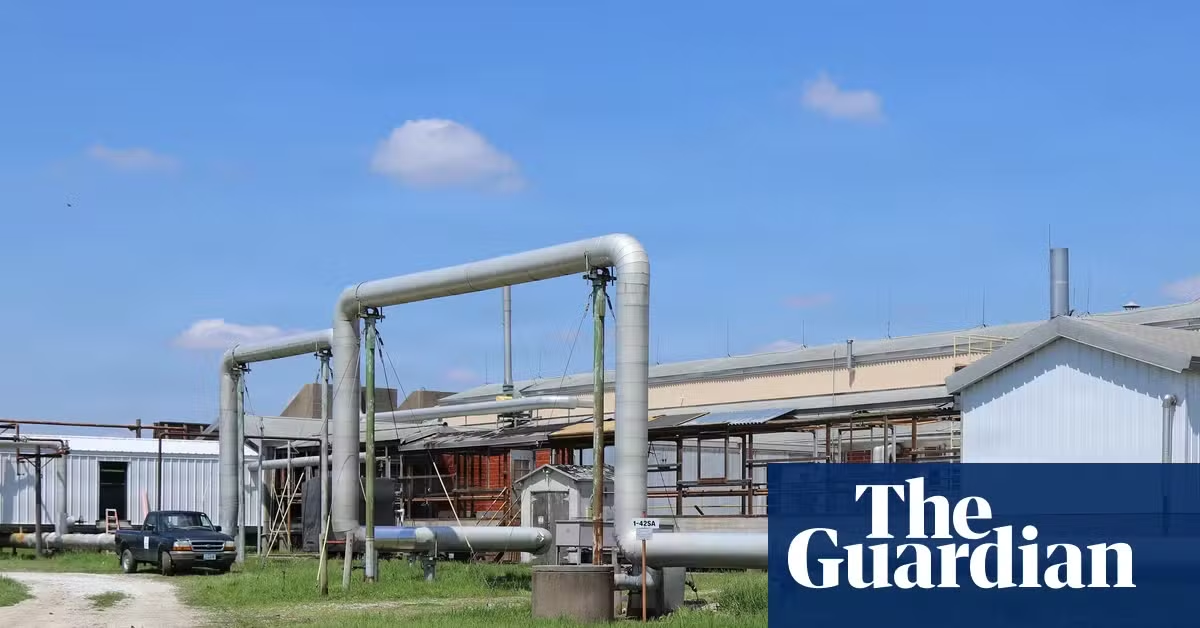
US army plan to detonate bomb-making chemicals has Iowa residents bracing for lead dust cloud
The US army plans to detonate about 5 tons of unusable bomb-making chemicals at the Iowa army ammunition plant in Middletown, Iowa, on Friday, and residents in the potential path of the resulting lead dust plume are bracing for it. The barrels of lead azide, stored for more than 20 years, crystallized after water evaporated, making them highly unstable, and the army says moving them risks accidental detonation, so the EPA approved an emergency permit on 13 November clearing the way for the blast. Officials have released maps, updated as weather changes, showing where the dust may drift, prompting some schools including the Danville district to cancel classes and Mediapolis to plan closures and hose down playgrounds, though an updated map no longer put Mediapolis in the plume. Officials advise residents near Middletown to vacate on the morning of the blast or stay inside with windows closed, and to clean surfaces afterward, while residents question whether the army's cleanup advice will be enough.

Iowa Leaders Only Got Five Days' Notice of the Army’s Plans to Explode Toxic Lead
The Army plans to blow up 68 barrels of degrading lead azide, a volatile explosive, at its ammunition plant in Middletown, Iowa, on November 20, 2026, but Iowa state leaders and nearby Illinois residents learned of the plan only days beforehand. The Defense Department and the EPA knew of the deteriorating barrels since at least April 2026, and the Army first told the 400-person town itself at a mid-October community meeting, yet the governor's office says it learned nothing until November 16, when the Army issued its first plume maps covering a region well beyond Middletown. The Illinois EPA says the regional federal EPA office permitting the explosion did not notify it, and the Army has not said publicly what it did about the barrels between April and October. Anxiety has spread because the detonation could send toxic lead dust beyond the town, schools have closed, the Army is urging residents to evacuate over shattering windows, and Iowa State's extension office is advising farmers to move livestock out of the plume's path.
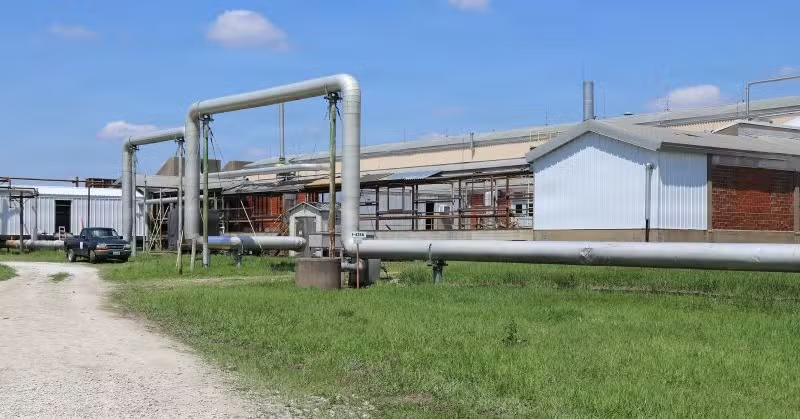
Iowa residents brace for a lead dust cloud as Army plans to detonate 5 tons of bomb-making chemicals | CNN
A CNN news report covers the Army's plan to detonate about 5 tons of degraded bomb-making chemicals at the Iowa Army Ammunition Plant in Middletown, Iowa, set for the Friday after the Environmental Protection Agency approved an emergency permit on November 13. The lead azide, stored in barrels for more than 20 years, crystallized when water evaporated during a routine check, making it dangerously sensitive to shock, and officials say moving or handling the drums posed an unacceptable risk of accidental, fatal detonation, so a panel of experts drew up a two-blast detonation plan. After the Army's five-day notification, which reached communities as far as 100 miles away, maps showed the lead dust plume drifting north, leaving Mediapolis dead-center in the exposure area; the school district closed classes over 'uncontrollable variables' and the library will shut for the day. Officials say the dust should linger no more than one hour and advise residents to vacate one Middletown neighborhood or stay inside with windows shut, then wash cars and clean surfaces afterward, while water sprays and air misting aim to keep most lead on Army property. A University of Iowa professor notes it remains unknown how much lead dust will end up in the air and on surfaces, and Mediapolis officials say the biggest issue has been the lack of information.
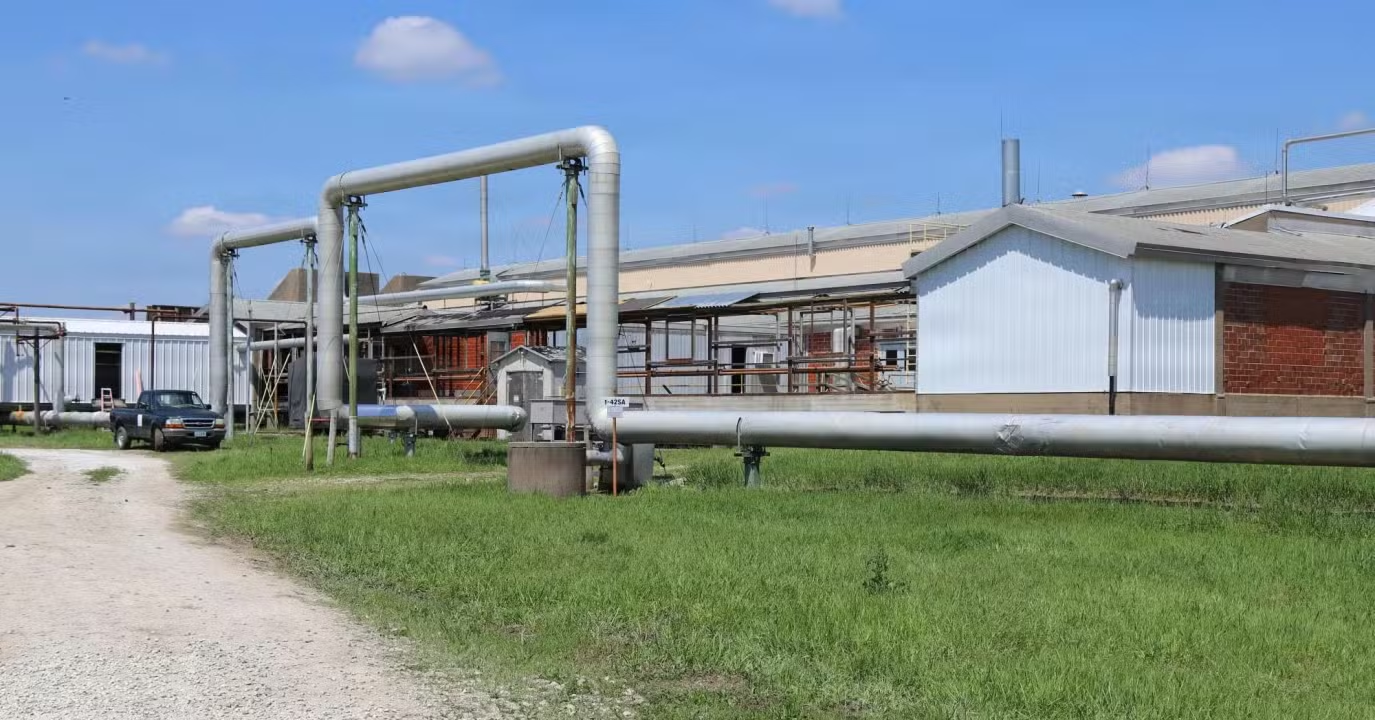
US Army delays detonation of bomb-making chemicals in Iowa amid public safety concerns
A news report by Associated Press reporters says the U.S. Army will delay Friday's planned detonation of several tons of bomb-making chemicals in southeast Iowa, pushing it to the following Monday. The delay follows an outpouring of public concern that a cloud of lead dust could cause environmental contamination and health problems. Iowa Governor Kim Reynolds had called for the detonation to be delayed as the clock ticked down on the Thursday before the planned Friday detonation at the Iowa Army Ammunition Plant in Middletown.
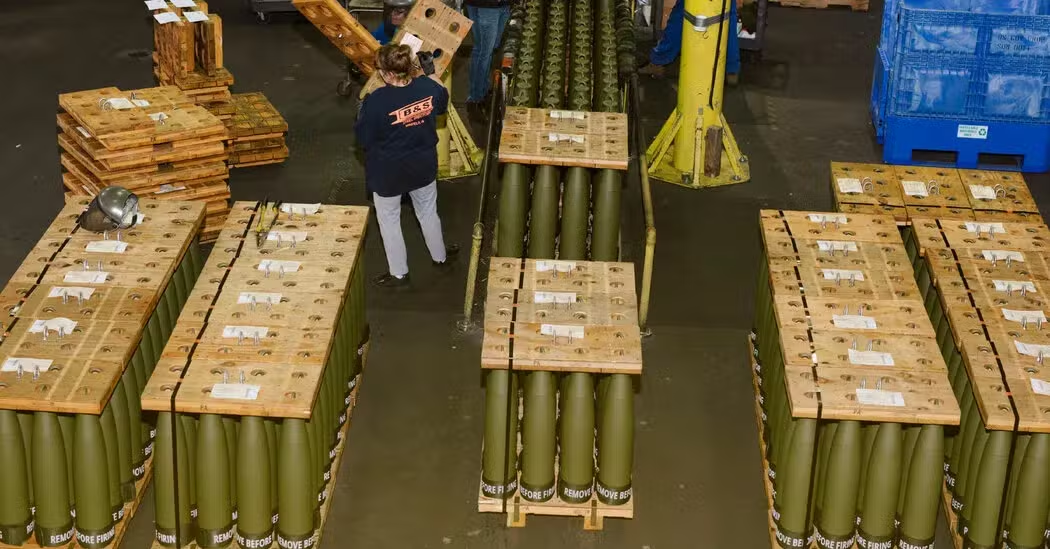
Army Warns Iowa of Toxic Cloud as It Prepares to Blow Up Old Ammo
The U.S. Army is preparing to blow up 68 barrels of degraded, unstable lead azide at the Iowa Army Ammunition Plant in Middletown, warning that the blast could send a plume of toxic lead dust up to 60 miles across southeastern Iowa, after earlier estimating 100 miles. The Environmental Protection Agency issued an emergency permit for the detonation, and the Army says destroying the stockpile in place is the only responsible option because moving it poses an unacceptable risk of accidental detonation, while its own assessment predicts no significant health impacts to the public or the environment. The plan has stirred concern: Iowa's government learned of it only days before, residents within the projected plume's path are evacuating or worrying about crops and livestock, and a University of Iowa public health professor says strong forecast winds could actually spread the dust further.
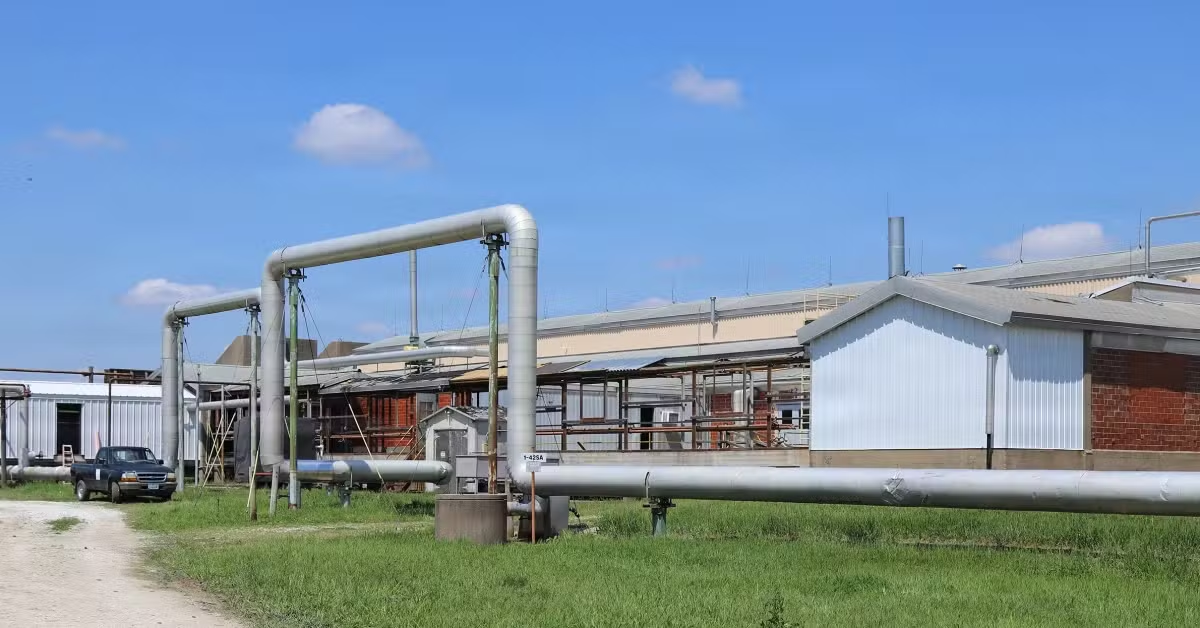
Iowa residents brace for a lead dust cloud as Army plans to detonate bomb-making chemicals
An Associated Press news report says the U.S. Army plans to detonate about 5 tons of unusable bomb-making chemicals, lead azide discovered in degraded condition in March 2026 after some of the water surrounding it evaporated, at the Iowa Army Ammunition Plant in Middletown, Iowa, on Friday, Nov. 20, 2026. Officials say moving or handling the barrels posed an unacceptable risk of accidental detonation, and the Environmental Protection Agency approved an emergency permit on Nov. 13 requiring the Army to track dust dispersion and notify the public five days in advance. Maps released ahead of the blast show potential lead dust drifting north, putting the town of Mediapolis dead-center in the exposure zone, and its school district has canceled Friday classes while the library closes and firefighters hose down playgrounds. Officials say the dust is expected to linger no more than one hour, but residents on social media question whether the Army's recommendations will be enough, and a University of Iowa professor says how much lead dust will end up in the atmosphere and on surfaces is still unknown.

Army evacuates small Iowa town ahead of detonation of lead-based explosive
The Army is evacuating Middletown, Iowa ahead of detonating a stockpile of lead azide, a common igniter explosive, that became dangerously unstable after the ethanol and water keeping it stabilized evaporated and crystals formed. Army inspectors found the problem in March after the material had sat at the plant for two decades with only annual inspections, and residents of the town learned some months ago and got a town hall in mid-October. But the rest of the region learned only on Sunday, five days before the planned detonation, that wind could carry a lead dust plume beyond the blast radius, where there is no immediate blast danger but real concern about lead exposure, which endangers young children most and could also affect crops, farm animals, and pets. Correspondent Zackary Smith, who has a 1-year-old in Iowa, says the Army has not communicated with the region, whose people learned from news and social media, and he calls its advice to spray down porches and wipe down play equipment a half measure while it updates exposure maps and monitors the weather.
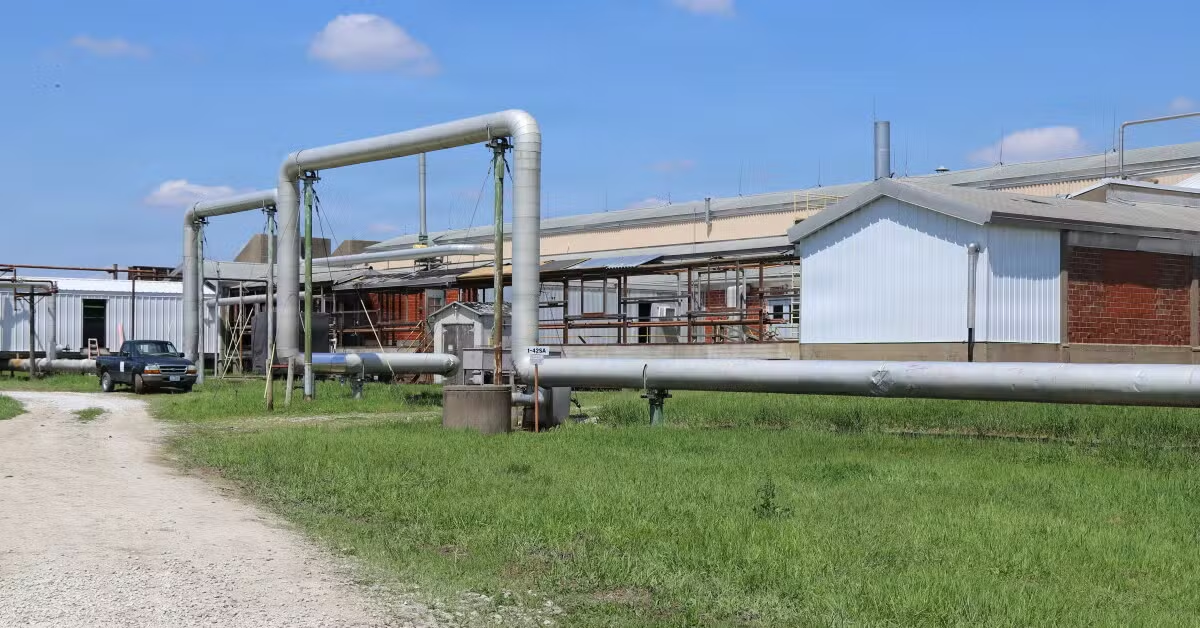
The US Army’s plans to detonate 5 tons of bomb-making chemicals is worrying Iowa residents
The US Army plans to detonate about 5 tons of unusable bomb-making chemicals at the Iowa Army Ammunition Plant in Middletown, Iowa, on November 20, 2026, a blast whose potential lead dust plume is worrying residents across southeast Iowa. The lead azide became too unstable to move after evaporated storage water let it crystallize, so officials say detonation is safer than handling the drums. Released maps show the plume could drift toward communities including Mediapolis, where some schools canceled classes and officials say they learned of their exposure only days before. The Environmental Protection Agency approved an emergency permit requiring public notice, and officials advise residents to stay indoors or leave and to wash cars and clean surfaces.

Army's planned detonation in Iowa raises concerns over lead exposure
The U.S. Army plans to detonate 68 barrels of lead azide stored for more than 20 years at the Iowa Army Ammunition Plant near Middletown, Iowa, on 20 November 2026, and residents in parts of southeastern Iowa and northwest Illinois are being warned about possible lead dust exposure. The Army says the barrels became too dry and volatile to transport safely, making an on-site detonation the safest disposal option, and officials maintain the blast's environmental impacts will be temporary and limited, with air sampling, monitoring, and cleanup planned. Its modeling shows a potential airborne lead plume extending close to 100 miles, and some schools in the plume path have already canceled classes, though the Army confirmed there are no plans to offer lead blood testing. Experts, including University of Iowa researchers conducting independent monitoring, say the Army needs to communicate its evidence faster, and toxicologist Jennifer Sample recommends the state close all schools in the plume path.
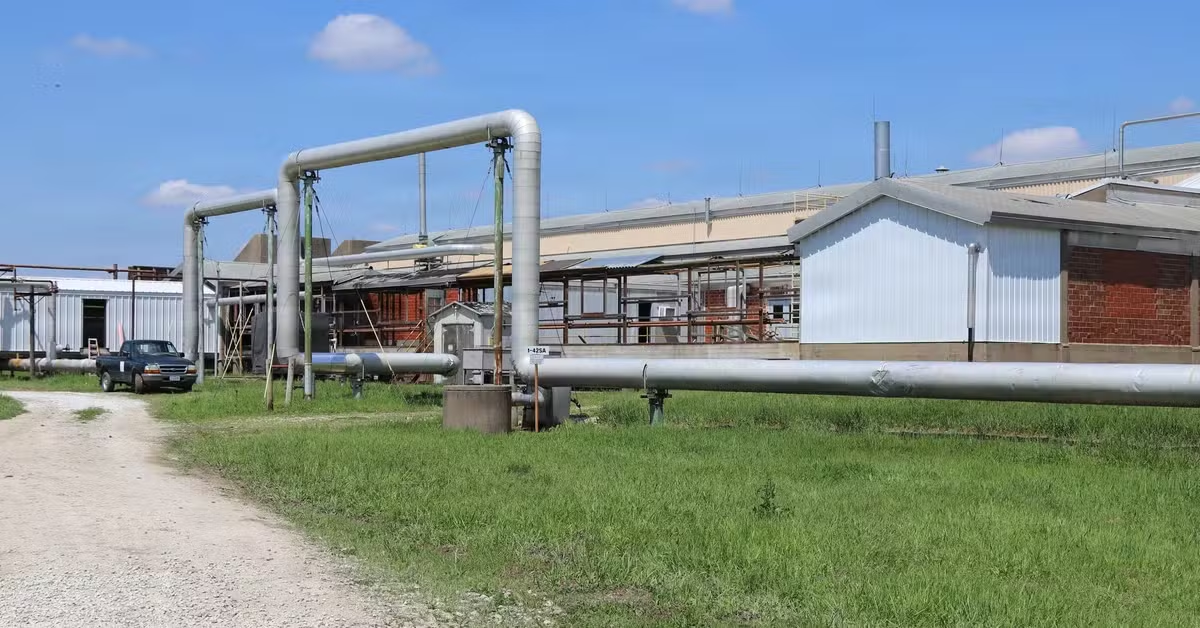
U.S. Army delays planned detonation of unstable explosives in Iowa that could send toxic dust into Illinois
The U.S. Army has delayed a planned detonation of about 5 tons of unstable lead azide at the Iowa Army Ammunition Plant in Middletown, Iowa, which could send a plume of toxic lead dust over eastern Iowa and into northwest Illinois. Acting Secretary of the Army Adam Telle announced the postponement until Monday the evening before the detonation, saying in a post on X that public safety is the Army's top priority and that the delay pushes the operation to the latest possible moment before a forecast temperature drop that would risk further destabilizing the material. The delay came after Democratic and Republican elected officials from both states, including Illinois Gov. JB Pritzker and Sens. Dick Durbin and Tammy Duckworth, urged the Army and EPA to seek safer alternatives, and after two environmental groups represented by Earthjustice sued to block the detonation and challenge the EPA's emergency permit. The Army found the degrading explosive, kept stable for more than 20 years in a bath of ethanol and water, in March and says moving it now poses an unacceptable risk of accidental detonation, making detonation in place the safest option.
Iowa town to evacuate Friday for Army’s controlled lead detonation
A NewsNation news report says the U.S. Army has asked residents of Middletown, Iowa, a town of fewer than 400 people, to evacuate on Friday while it carries out two controlled detonations at the Iowa Army Ammunition Plant that are expected to create a lead dust plume. Residents are asked to leave the City Park neighborhood from 8 a.m. to 2 p.m. local time, partly over concerns about window damage. Justine Barati, an Army public affairs specialist, says February and March inspections found the stored lead azide, a chemical used as a primer in munitions, was no longer safe to use or even to move, so experts decided it should be detonated in place. The Army says the operation is allowed by the Environmental Protection Agency and that it will use water sprays, remove impacted soils, monitor the area and air, and offer residents shelter at the Armed Forces Reserve Center, while some residents worry about what they will return to, including broken windows and dust they would rather not stir up until it rains.
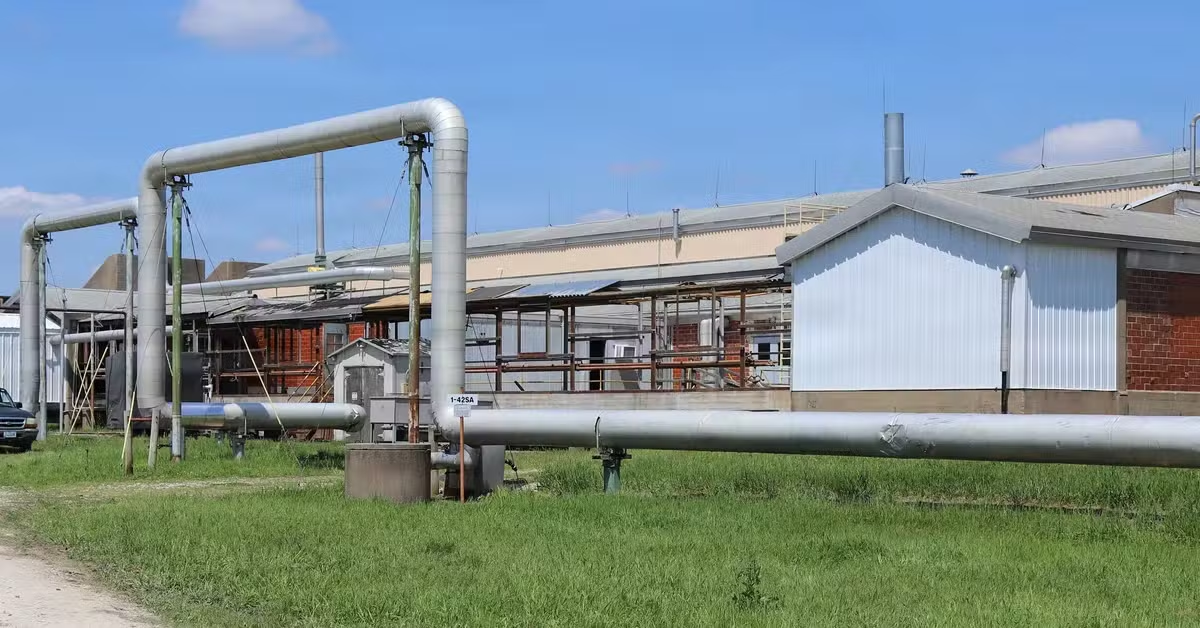
Iowans Brace For Lead Dust Cloud As Army Plans To Detonate 5 Tons Of Unstable Chemicals
HuffPost's live-updating politics news page leads with the U.S. Army's plan to detonate about 5 tons of bomb-making chemicals that have become unstable and might explode if moved, set for Friday at the Iowa Army Ammunition Plant. Some Iowa residents worry the blast could spread a cloud of lead dust causing environmental contamination and health problems, and officials recommend some residents of nearby Middletown vacate the area or stay inside with windows and doors closed. The page's rolling updates also follow Senate Democrats' leadership contest, President Trump's return from China, and the record-setting release of 'Grand Theft Auto VI'.
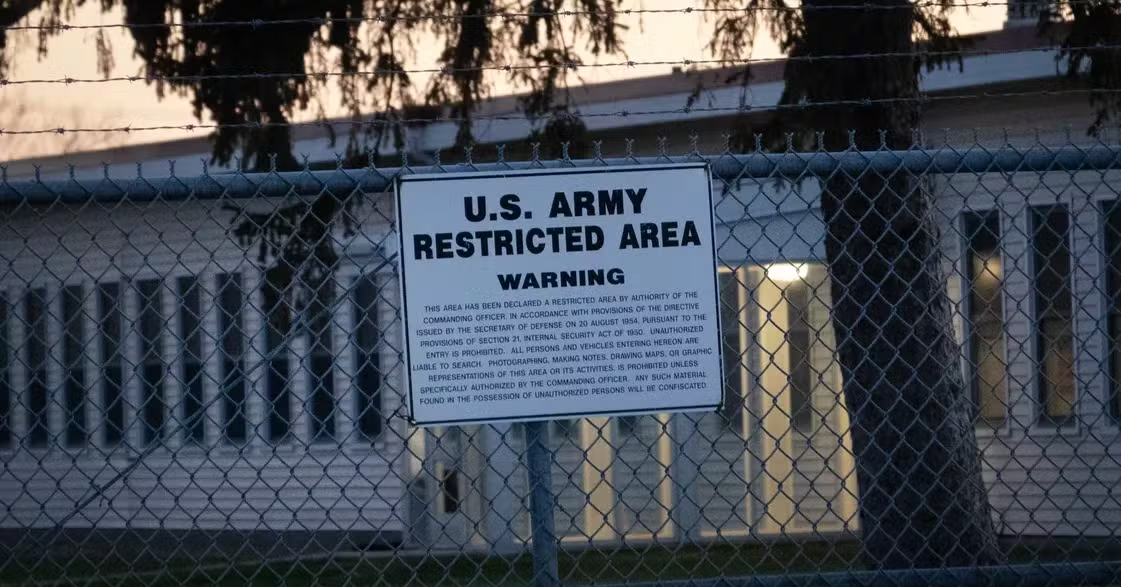
Army Schedules Controlled Detonation In Iowa On Wednesday Amid Public Outcry
The U.S. Army has scheduled the controlled detonation of 10,000 pounds of lead azide at the Iowa Army Ammunition Plant on Wednesday, November 25, 2026, after facing scrutiny over the health and environmental risks it could pose for residents. The Army said the timing allows for optimal weather conditions and mitigation measures, and that it considered alternatives but found detonation posed the lowest risk to the public, while residents fear lead particles from the plume could contaminate surrounding areas. The HuffPost live blog carries rolling updates on this and other news, including Trump's posts blaming Democrats for a market slide, Chris Van Hollen's challenge to Chuck Schumer for Senate Democratic leadership, and a shooting at a California concert.
public-advisory-distribute-nov-15-2026-2.pdf
The United States Army's public advisory announces that at approximately noon on Nov. 20, 2026 it will detonate degraded lead azide at the Iowa Army Ammunition Plant in Middletown, Iowa, because the material is unsafe to relocate and the Army holds that in-place detonation by Explosive Ordnance Disposal experts is the safest way to eliminate the hazard. The detonation, planned with the U.S. Environmental Protection Agency, will produce an air plume with lead-containing particles that disperse and deposit on the ground, and Army modeling predicts airborne lead levels may be elevated during the event. Its maps show a plume-shaped potential exposure area extending from near Burlington in southeastern Iowa toward Wapello on the surface deposition map, and past Muscatine toward and past Davenport on the air dispersion map, though the airborne map is current only as of Nov. 15 and will change with the weather, with updates posted and a final estimate of the impacted area to come after the detonation. The advisory urges people in affected areas to stay indoors with windows and doors closed, set heating and cooling systems to recirculate, avoid travel through the area, especially children under six, pregnant individuals, older adults and other sensitive populations, and afterward to wet-clean surfaces children may touch and wash cars that were parked outside, until the Army announces an all-clear.

