
EU weighs rollover of pandemic-era debt to secure budget deal
The Financial Times reports that the EU is weighing a rollover of pandemic-era debt to secure a budget deal.
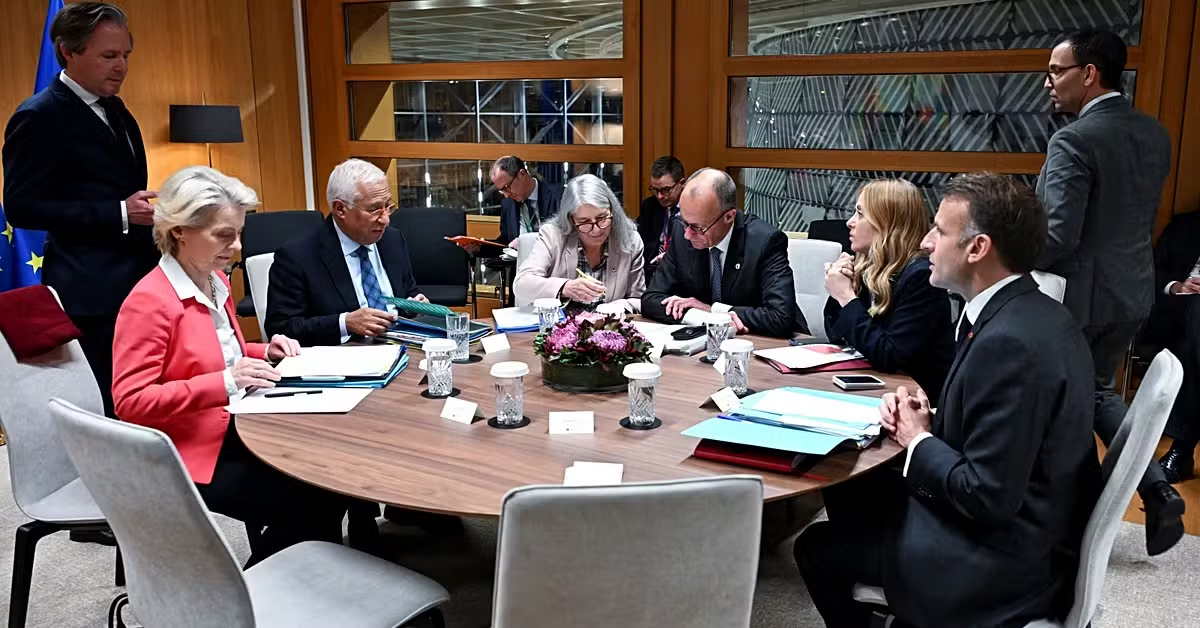
What now for the EU budget after a chaotic, inconclusive summit?
A special EU summit in Brussels meant to move leaders toward compromise on the bloc's next seven-year budget instead descended into disarray, with entrenched positions and finger-pointing, and follow-up talks were scrapped as no breakthrough neared. Leaders will try again on 17-18 December, which diplomats expect to be a 'blood-on-the-walls' marathon stretching possibly into the following week. The fight pits the 'frugal' net payers, who demand further cuts beyond António Costa's proposed €204 billion reduction, against the 17 'Friends of Cohesion', who refuse any more. Costa has urged a deal by the end of 2026, but some leaders see that deadline as artificial, and Emmanuel Macron has threatened to pull out if no deal comes in 2026, citing next year's elections, which include a French presidential vote in which Marine Le Pen has vowed to slash the budget.
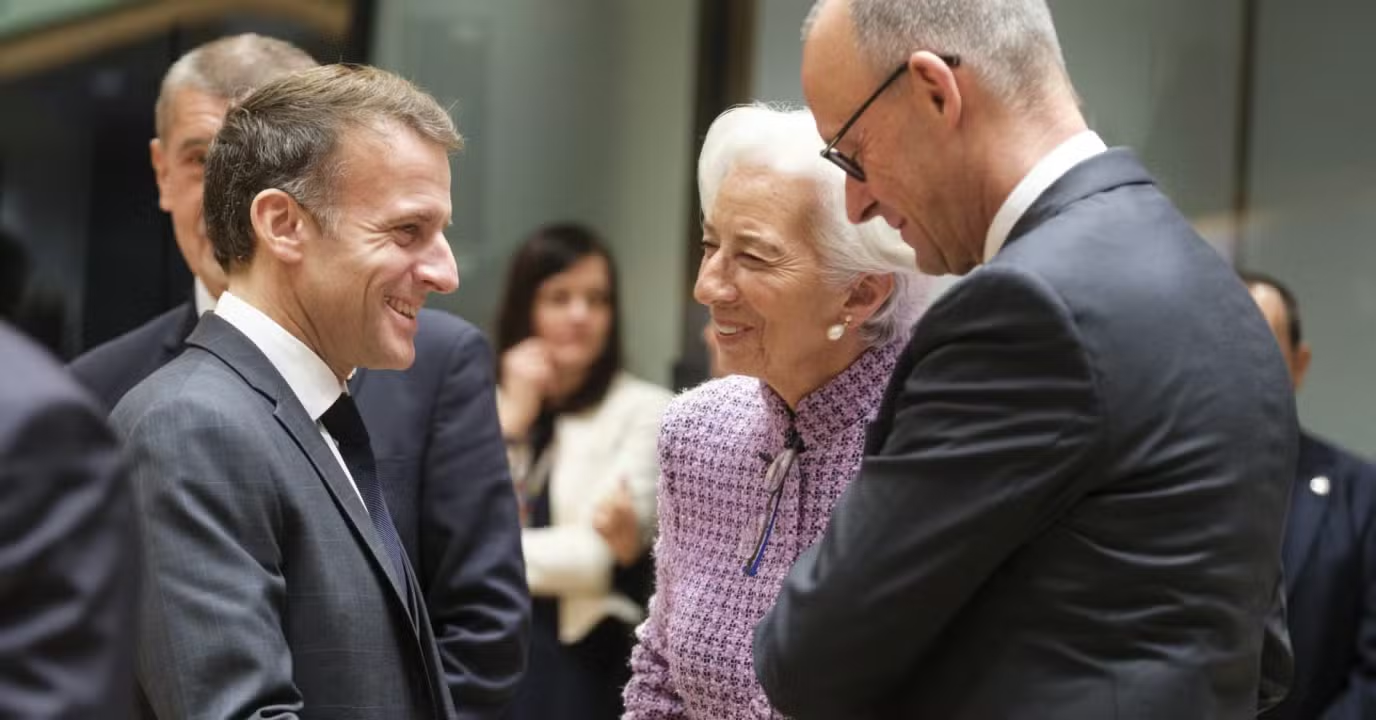
EU leaders fail to break $1.7 trillion budget deadlock as political pressure mounts
EU leaders ended a two-day summit in Brussels on 26 November 2026 without agreement on the bloc's next long-term budget for 2028 to 2034, as Germany and five other net contributor countries pushed for deeper cuts to European Council President António Costa's revised 1.58 trillion euro proposal, itself a downward revision of around 10%, while most member states opposed further reductions. The budget requires unanimous approval from all 27 member states plus a majority in the European Parliament, and Romanian MEP Siegfried Mureşan warned that prime ministers cannot dictate that Parliament adopt a budget too small to equip Europe for the future. German Chancellor Friedrich Merz said the talks had brought 'new movement' toward shrinking the overall budget, and leaders plan to reconvene in mid-December 2026, under pressure to strike a year-end deal before a 2027 election cycle, including France's presidential vote, adds further complications.
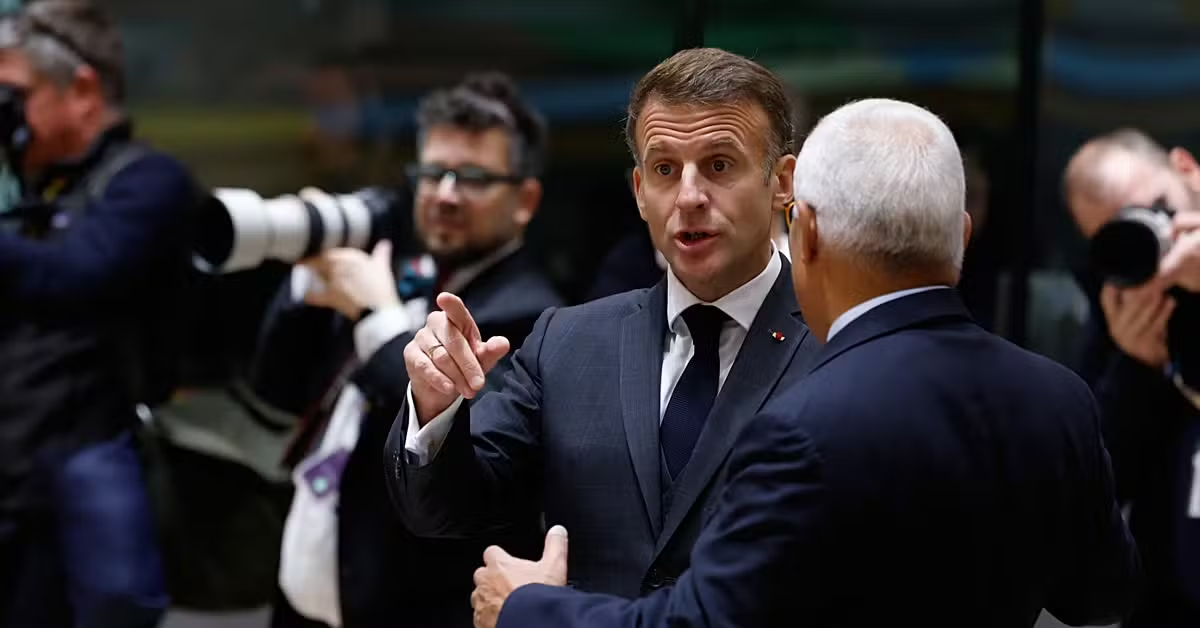
EU summit ends in disarray as leaders cling to red lines and push back
A summit meant to secure a breakthrough on the EU's next seven-year budget ended in disarray on 27 November 2026, as leaders split between the seven 'Frugals' demanding cuts and the 17 'Friends of Cohesion' resisting them refused to abandon their red lines. European Council President António Costa's compromise proposal, worth €1.78 trillion and a 10% cut from the original draft, drew fierce pushback from all sides, and the Frugals boycotted his small-group format as unfair pressure. Emmanuel Macron, at a rare mid-summit press conference, delivered an ultimatum to reach a deal by December 2026 or walk away empty-handed, which diplomats say wiped out any chance of a breakthrough. The budget fight consumed the summit's energy, relegating a planned €45 billion support loan for Ukraine to an afterthought, while Giorgia Meloni called a deal 'light years away' and Costa's own credibility now rests on whether the talks succeed.
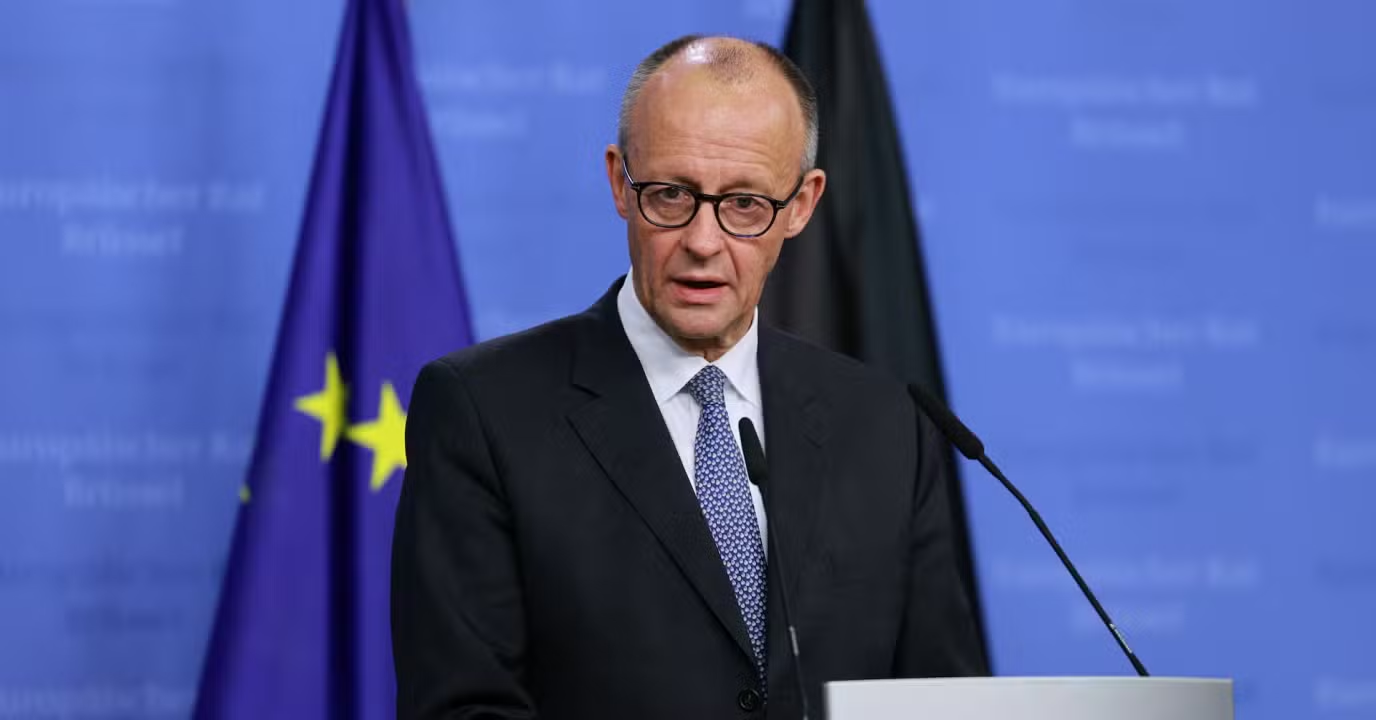
EU leaders aim for budget deal before the end of the year, Merz says
A Reuters news report says German Chancellor Friedrich Merz told reporters at an EU special summit in Brussels that a day of talks had brought new movement toward reducing the size of the EU's next long-term budget, which Germany and other net contributors demand. Merz said leaders will try to agree the budget before the end of the year, at a two-day summit starting December 17, 2026, and will not reconvene on Friday. He also said contributions to aid for Ukraine would be discussed further in a last round of talks that evening, and that all 27 EU member states should contribute to that aid.
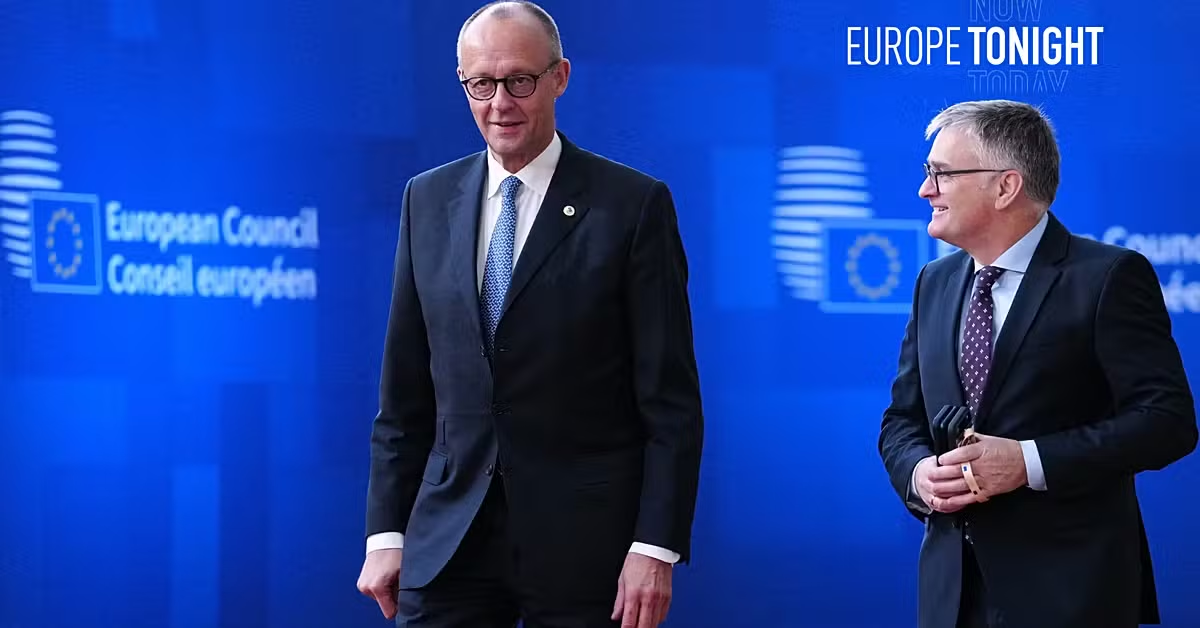
EU leaders clash over record-high budget amid Ukraine funding standoff
Euronews reports that EU leaders convened at the European Council to negotiate the bloc's next long-term budget, a record-high spending package the outlet says sharp divisions could derail. Leaders are split over funding for Ukraine, agricultural subsidies, and defense spending, and German Chancellor Friedrich Merz insisted before the summit that support for Ukraine be tied directly to the broader EU budget, threatening to veto the whole package unless every member state signs on to it. Italian Prime Minister Giorgia Meloni said leaders remain 'light-years away from a solution' ahead of the talks. Spanish Prime Minister Pedro Sánchez is skipping the summit ahead of Spain's national elections on Sunday 29 November 2026, which could cost him his parliamentary majority, and has delegated his voting powers to French President Emmanuel Macron.
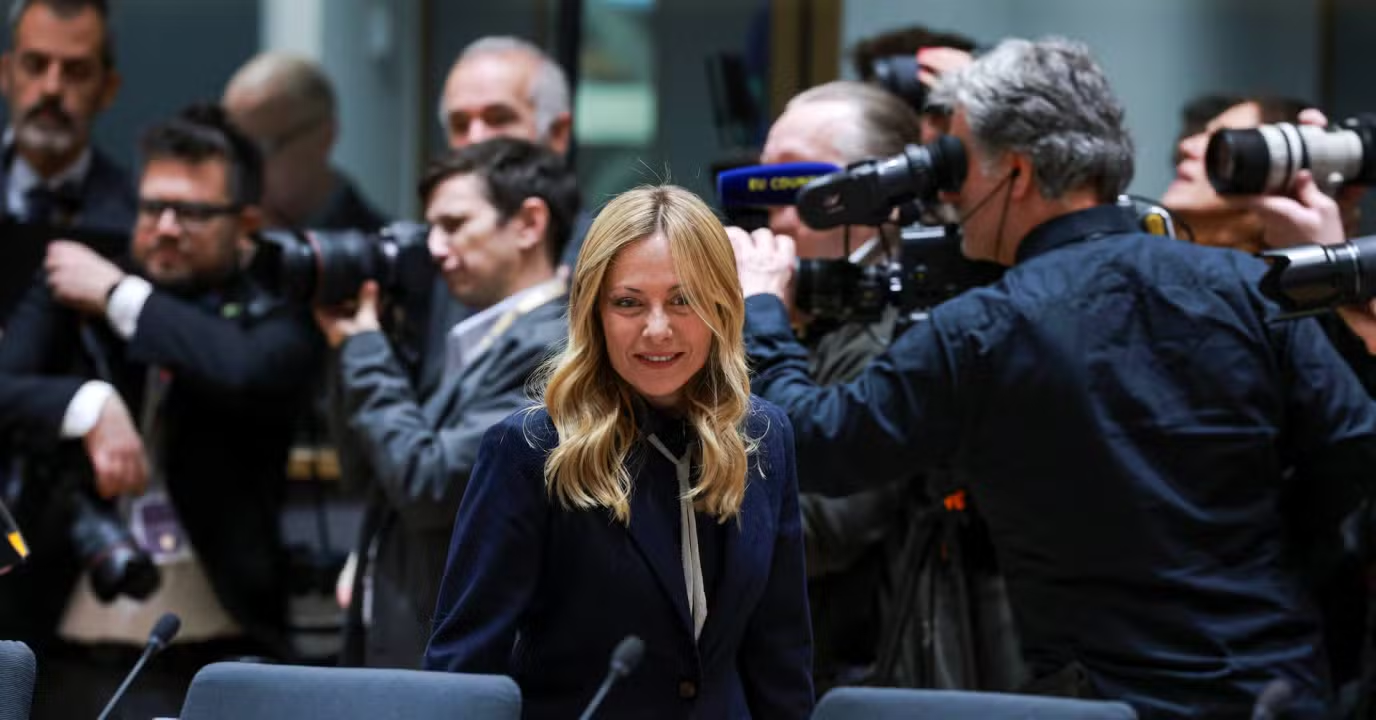
Italy's Meloni talks tough on EU budget, warns Ukraine on Mediterranean strike
A Reuters report from Rome covers Italian Prime Minister Giorgia Meloni telling reporters at an EU summit in Brussels on November 26, 2026 that leaders are 'light-years away from a solution' on the bloc's nearly €1.6 trillion budget for 2028 to 2034. She says Italy will not sign off on a budget under which it would give more and receive less, as the seven-year budget needs unanimous approval and leaders want a deal before 2027 elections complicate talks. Meloni also warns that the Russia-Ukraine war must not widen to the Mediterranean, saying Italy is concerned about signs it could spread there after Ukraine sank a Russian military vessel in Libyan waters on November 22.
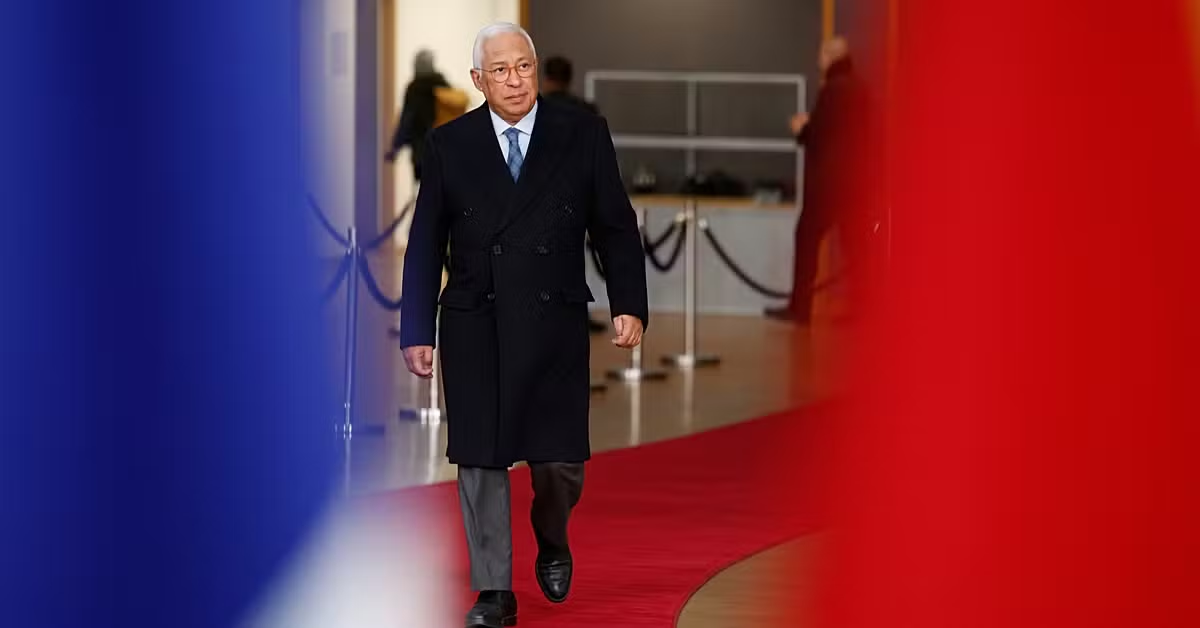
Live - EU summit: 'Listen to each other,' Costa tells leaders at budget talks
EU leaders gather in Brussels for a tense summit over the next seven-year budget, which European Council President António Costa has proposed at almost €1.7 trillion after cutting the Commission's draft by 10%, telling the 27 leaders to listen to each other and move beyond their red lines since every state must unanimously approve the budget by the end of 2026. The summit is entangled with a separate €45 billion Commission loan to Ukraine financed through joint debt, which Slovakia, Hungary and the Czech Republic want to opt out of, infuriating Kyiv's bilateral donors; Bulgaria will stay in the loan but only its €20 billion financial strand, dropping out of the €25 billion military one. Leaders pull in different directions: Dutch Prime Minister Rob Jetten calls the budget unacceptable for Dutch taxpayers but insists no country should opt out of Ukraine support, Latvia's Andris Kulbergs demands a bigger share for eastern border states and a deal by year-end, Lithuania's Gitanas Nausėda calls Costa's proposal a very good starting point, and Czech Prime Minister Andrej Babiš insists Ukraine financing be negotiated separately from cohesion money. Spain's Pedro Sánchez skips the summit to fight a snap election, and Sweden's Ulf Kristersson says it will be difficult to reach a budget agreement by the end of 2026.
EU leaders to wrestle with seven-year budget, Ukraine financing as they seek December deal
EU leaders meet on Thursday to discuss the bloc's proposed €1.582 trillion ($1.74 trillion) budget for 2028 to 2034 and how to keep financing Ukraine, aiming for a deal at a summit on December 17 and 18. Under Council President Antonio Costa's proposal, the biggest line item is around €740 billion for farmers and poorer regions, plus up to €100 billion for Ukraine, though diplomats say that falls well short of the country's needs. One flashpoint is a plan to borrow €45 billion jointly and lend it to Ukraine, which Slovakia, the Czech Republic, Hungary and Bulgaria object to, while Germany and several others have made participation a condition of a broader deal. The dispute mirrors the wider split between net contributors wanting lower payments and a competitiveness focus, and net beneficiaries defending farm and regional spending, and diplomats expect a clash before leaders can reach agreement.

