
Cornell faculty votes no confidence in leadership over rape allegation case
Summary
- A former Cornell student, identified as Jane Doe, sued in September 2026 alleging she was drugged and raped at a Chi Phi fraternity party in October 2024.
- The seven accused Chi Phi members deny wrongdoing, saying the sex was consensual or did not happen; none has been criminally charged.
- After Cornell's Title IX investigation, two of the accused men were expelled, two suspended, and two required to write reflection papers and complete bystander training.
- New York's attorney general appointed a former federal prosecutor to lead a reopened criminal investigation after the district attorney initially declined to charge.
- Cornell's faculty senate voted no confidence in the administration on 6 November 2026; the university's board of trustees said it still has faith in the administration.
- Cornell's own data show reported campus sexual assault rose from 23 percent to 35 percent between 2023 and 2025.
Reactions
- Trustees chair Anne Smalling said the faculty vote reflects deep campus anger but that President Michael Kotlikoff and his administration are the right leaders.
- President Michael Kotlikoff defended his leadership, saying replacing him could damage Cornell's reputation, and left open sweeping restrictions on Greek life.
- Jane Doe's attorney Thomas Giuffra said he hoped the vote would be another step toward addressing the longstanding scourge of campus sexual assault.
- Professor Paul Ortiz, a resolution co-sponsor, said hundreds of students, staff, alumni, and faculty told sponsors the Jane Doe case was 'but a tip of the iceberg.'
- Lara Bazelon argues punitive measures have not proven effective and recommends comprehensive sex education starting young to prevent campus assault.
- Commenters on the attorney general's appointment expressed skepticism about the accuser's claims or called for justice.
Timeline newest first
Lara Bazelon recommends comprehensive sex education to prevent campus sexual assault, citing Cornell data showing reported incidents rose from 23 to 35 percent between 2023 and 2025.
A recreation of text messages from more than 1,000 pages of Cornell investigative files on Jane Doe's allegations against seven Chi Phi members was published.
Cornell's Faculty Senate approved a resolution of no confidence in the university's top leaders, passing 75-50 with five abstentions.
New York Attorney General Letitia James appointed former federal prosecutor Jacqueline Kelly as outside counsel to lead the criminal investigation into the alleged rape at Cornell.
Sources newest first
- Cornell assault case: One surprising solution to aggressive sexual behavior
Vox publishes Lara Bazelon's argument that the Cornell assault case — including a gang-rape allegation at a 2024 fraternity party and reports of assault rising from 23 to 35 percent — shows campuses need prevention, not just punishment. She recommends comprehensive sex education starting young, saying punitive measures have not proven effective.
 How Cornell has deepened college women’s nihilism about campus assault
Allie Volpe's November 2026 Vox article examines how a former Cornell student's lawsuit alleging coerced drugging and rape has deepened college women's nihilism: shocked but no longer surprised, they've stopped expecting schools to keep them safe. The faculty senate voted no confidence in Cornell's administration, while none of the seven accused men, who deny wrongdoing, face criminal charges.
 Read the Text Messages at the Center of the Cornell Rape Inquiry
The New York Times publishes a recreation of the text messages and online posts gathered in Cornell University's investigative files on a student's rape allegations against seven Chi Phi fraternity members. Jane Doe's pending lawsuit describes a drug-fueled gang rape; all seven men deny wrongdoing, none has been charged, and Cornell expelled two and suspended two others after its inquiry.
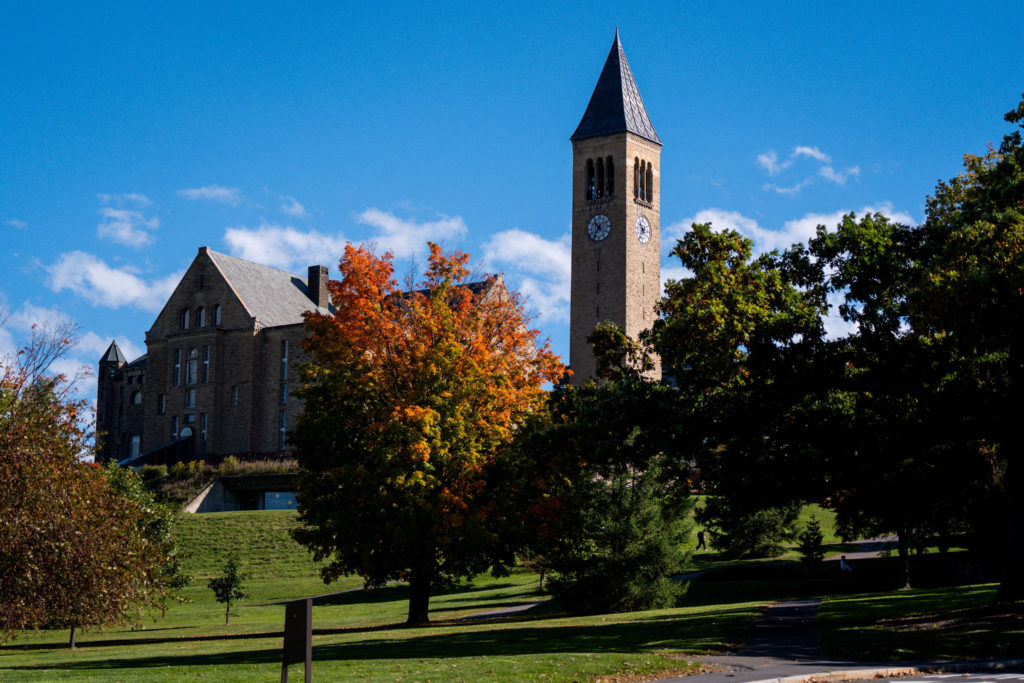 Cornell faculty vote ‘no confidence’ in university leadership after alleged fraternity gang rape
Cornell University's Faculty Senate approved a resolution declaring 'no confidence' in the school's top leaders on 6 November 2026, after weeks of debate over whether President Michael Kotlikoff and other administrators handled a former student's rape allegations properly, though the vote did not call for his resignation. The vote followed a lawsuit the former student, identified as Jane Doe, filed against seven former Chi Phi fraternity members alleging she was given ketamine and raped in October 2024, which all seven deny; the district attorney's investigation has been reopened and handed to New York's attorney general, while Kotlikoff defended his leadership and trustees chair Anne Smalling said the vote reflects the campus's deep anger.
 Cornell faculty senate votes no confidence in university leadership
 Former federal prosecutor to lead investigation into alleged gang rape at Cornell
The Washington Post reports that New York Attorney General Letitia James says a former federal prosecutor will lead the criminal investigation into the alleged gang rape at Cornell University. Jacqueline Kelly, a former Southern District of New York civil rights unit chief and Cornell graduate, will serve as outside counsel leading a team from the attorney general's office and Boies Schiller Flexner, reporting to James's office.
Background newest first
 A college in New England has a sexual assault scandal that dwarfs Cornell’s - The Boston Globe
bostonglobe.com· 37h
In a Boston Globe opinion column, journalist Jon Marcus argues that the US Coast Guard Academy has a sexual assault scandal that dwarfs Cornell's, with a litany of allegations spanning decades. Shannon Norenberg says cases like the reported assault of a Cornell sophomore briefly draw outrage before people move on, a pattern she has seen repeatedly.
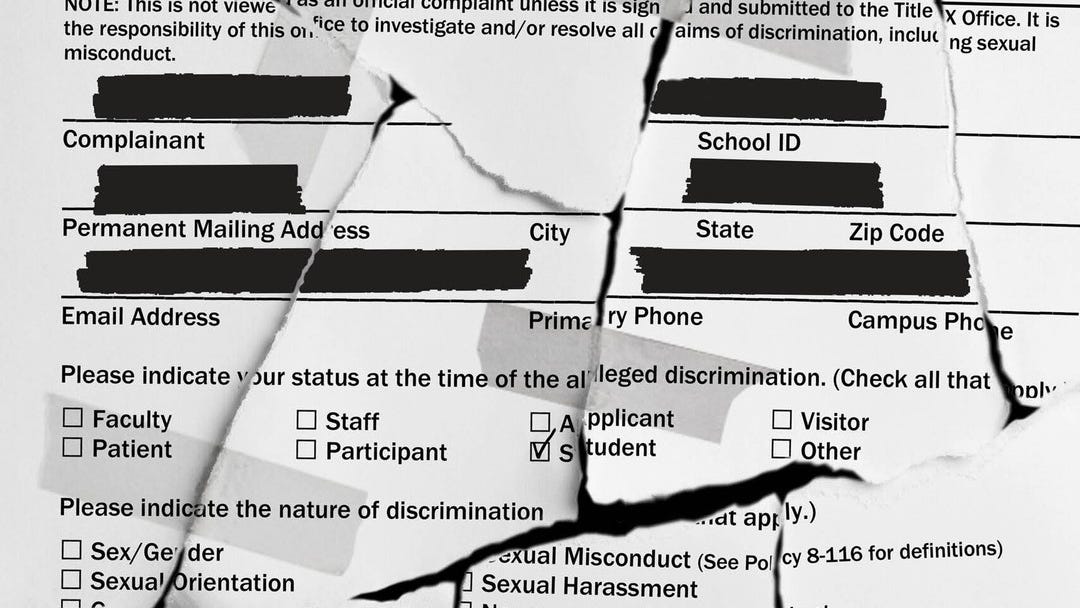 The One Way Jane Doe’s Case is the Exception
substack.com· 2d
Kate Manne's Substack post interviews sociologist Nicole Bedera, who spent a year embedded at a university she calls Western University studying how schools handle sexual violence under Title IX. Bedera says the Jane Doe case at Cornell is typical except that Jane Doe persevered: fewer than 1% of Title IX reports end in expulsion or suspension, administrators use "himpathy" to protect perpetrators, and survivors are coerced away and systematically betrayed, deepening their trauma. She calls for external oversight of civil rights law and warns the US is on the cusp of losing Title IX's protections.
 UChicago rarely expels students found responsible for sexual assault, records show
suntimes.com· 5d
A WBEZ analysis of University of Chicago records published by the Chicago Sun-Times finds the school rarely expels students found responsible for sexual assault: between 2007 and 2025 it expelled seven of 36 such students, suspending 19 — some returning in as little as nine weeks — and putting the rest on probation or warning. A university spokesperson says sanctions are set case by case, while students and survivor advocates want tougher minimum sanctions and more support for those who report.
 35. A Long Read about The Midterms, Cornell, and Ending the Monopoly on Justice
In a long essay on her Substack Unmanned, Soraya Chemaly argues that women are ending men's historical monopoly on judgment and justice, from Sir Matthew Hale's legacy in rape law and the exclusion of women from juries to the "reasonable man" standard and colonizers' overriding of Native nations' laws. She reads the midterms—where women outvoted men, Democratic women set records, Amy Acton won Ohio after Vivek Ramaswamy ran ads attacking her, and Crystalyne Curley and Tina Abrams became the first women presidents of the Navajo and Seneca nations—together with the #IAmJaneDoe fight over the Cornell case, as fed-up, angry women judging openly.
 Some colleges reined in frats after rapes. Experts urge a bigger fix.
Todd Wallack's Washington Post article reports that reports of rapes and sexual assaults accumulated for years at Swarthmore College, so many that Philadelphia magazine titled a 2014 story about the school "Rape Happens Here." It also notes some commenters argue for abolishing fraternities and sororities, citing hazing, heavy drinking, and sexual assault.
