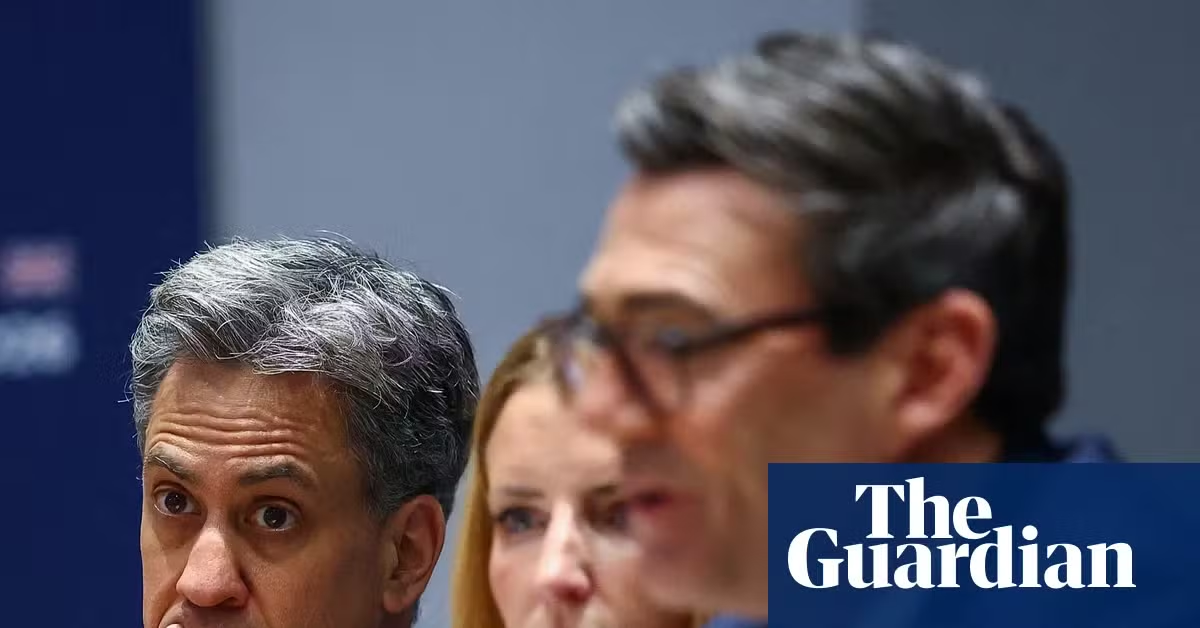
EU threatens to block UK-EU deals over university tuition fees
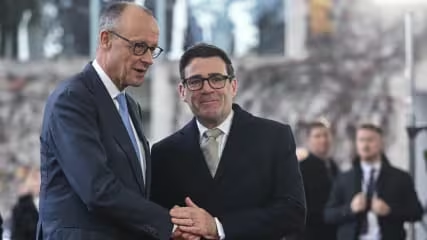
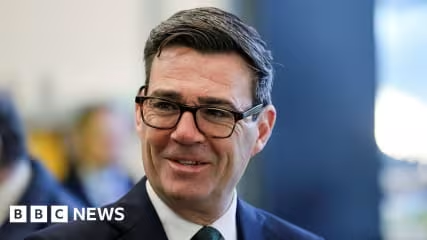
Prime Minister Andy Burnham agreed to a youth mobility scheme with the EU allowing 100,000 visas for young people to come to the UK. In the negotiations, the EU had called for the scheme to be uncapped, and the UK responded with a cap of around 50,000, with the quota being worked out on a country-by-country basis and some countries, including Germany, suggesting they would accept unlimited numbers. The deal allows British young people to take jobs on the continent. The EU's original demand that its young people pay only UK-level tuition fees at British universities appeared to have been deferred to a supplementary agreement the following year.
The documents behind the agreement had not been published when it was reported, and a new anti-deal group, Stay Out, was formed, chaired by former Vote Leave figure Oliver Lewis.
On 21 November, the UK and EU announced agreements on food and drink standards, emissions trading and a youth mobility scheme, under which 100,000 young Britons will be allowed to live, work, study and travel in the EU, with similar access for Europeans in the UK. The EU threatened to block all three deals unless the UK allows European students to pay domestic-level fees at British universities, which could derail the deals within six months.
Prime Minister Andy Burnham agreed to a youth mobility scheme with the EU allowing 100,000 visas for young people to come to the UK.
In the negotiations, the EU originally called for the youth mobility scheme to be uncapped, and the UK responded with a cap of around 50,000.
The youth mobility quota is being worked out on a country-by-country basis, and some countries, including Germany, have suggested they are prepared to accept unlimited numbers.
The EU originally asked for its young people to pay only UK-level tuition fees at British universities, and the demand appears to have been deferred to a supplementary agreement the following year.
The deal allows British young people to take jobs on the continent.
A new anti-deal group, Stay Out, was formed, chaired by former Vote Leave figure Oliver Lewis.
The documents behind the UK-EU agreement had not been published when the deal was reported.
Ian Dunt said the deal gives hundreds of thousands of young people their freedom again, after it was robbed from them by "the small minded wolves in Farage's camp".
Nigel Farage insisted the deal had given him a new lease of life.
Oliver Lewis insisted on television that a youth mobility scheme meant he had to ring an emergency alarm.
Ian Dunt said the pro-Brexit forces' main aim is now to prevent the debate being reopened, because they no longer believe they can win it, and that their messaging targets Cabinet members wary of Burnham's enthusiasm for the EU.
Ian Dunt forecast that the fee outcome would be another compromise, above the levels applying to UK citizens and below those applying to the rest of the world.
Ian Dunt said it is telling how ineffective the pro-Brexit arguments are, because people do not mind young Europeans coming to the UK and like the idea of British young people having a few years in Europe.
Chancellor John Healey and Culture Secretary Lisa Nandy both expressed opposition to the deal.
The UK and EU announced agreements on food and drink standards, emissions trading and a youth mobility scheme.
Under the plans, 100,000 young Britons will be allowed to live, work, study and travel in the EU, with similar access for Europeans in the UK.
The EU threatened to block the three UK-EU deals unless the UK allows European students to pay domestic-level fees at British universities, which could derail the deals within six months.
Ed Miliband said UK rejoining the EU could be on the table in informal discussions between Andy Burnham and European leaders in Brussels.
Ed Miliband said the agreements with the EU are the limit of what can be done before the next general election and that the government is respecting its red lines in this parliament.
Ed Miliband said all the options will be on the table and the UK will look at the benefits and costs of all the different options, adding that he accepts the result of the 2016 vote but that the world has changed massively.
Ed Miliband forecast that Burnham will hold further brainstorming discussions with the EU in the next year, before the next UK-EU summit, and that Burnham will use the announcement of his 10-year plan before Christmas to explore how the UK could get closer to the EU after the next election.
Andy Burnham said the agreement represents "a good day for Britain and Europe" and that the deal is done and "is there in black and white in front of you".
Andy Burnham said the agreements answer the biggest challenges of our times, citing the cost of living, lack of economic growth, illegal immigration and the challenges facing young people, and that the deal will add 0.5% to the UK's GDP, a £17bn boost to the British economy.
European Commission president Ursula von der Leyen played down the disagreement over tuition fees, saying she is confident the EU and the UK are going to find a solution, adding, "We welcome this brainstorming, so count on us."
Environment secretary Angela Eagle said the deal is good for farmers, will open up new markets and is a win-win for the UK that will dissolve a lot of the friction and costs at the border for UK agriculture and food.
Andy Burnham forecast that the legislation for the deal will enter parliament the week after the agreement.

