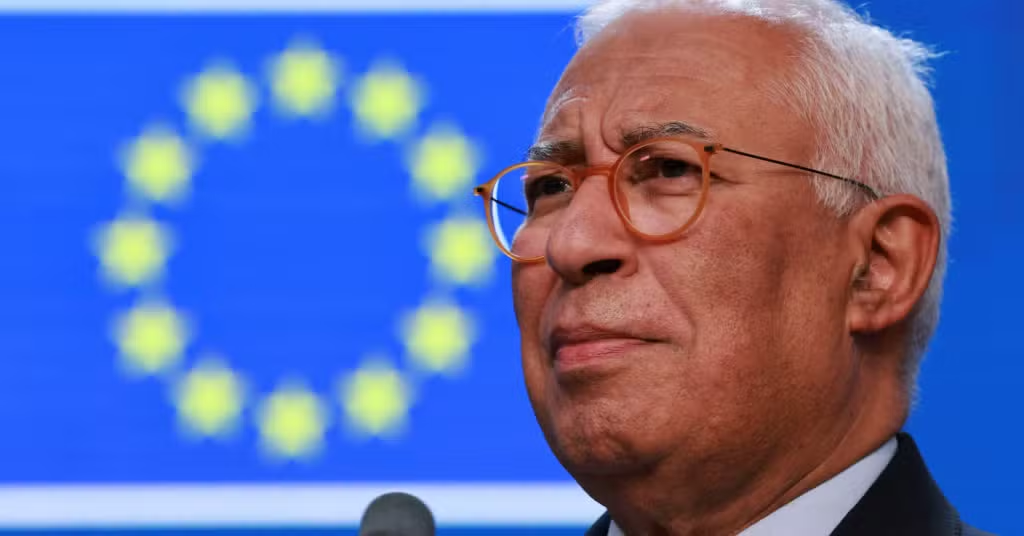
A Ukraine loan is in limbo after EU budget talks stall. Leaders will try again
In a news report by the Associated Press's Lorne Cook, EU leaders fail after more than 12 hours of Brussels budget talks to narrow down the size of the 2028-2034 budget, leaving an important loan for Ukraine caught up in the wrangling. Council President António Costa says some member states asked for further reductions in what they pay in, while most opposed cuts, and he calls the process normal since states defend national interests. A big sticking point is whether interest Europe pays on the Ukraine loan comes out of the budget or gets fresh money, since Ukraine repays only once Russia covers war reparations; 24 of 27 countries back the loan plan, but Costa must still win over the Czech Republic, Hungary and Slovakia. Emmanuel Macron says he cannot relaunch budget talks after December 31, 2026, because French elections, with Marine Le Pen the favorite, loom in April 2027, though he would sign a good deal at the December 17-18 summit, and he calls narrowing Europe's ambitions a strategic error. Leaders will try again in mid-December, and Costa says a deal must be reached by end of 2026 for the budget to take effect by January 1, 2028.
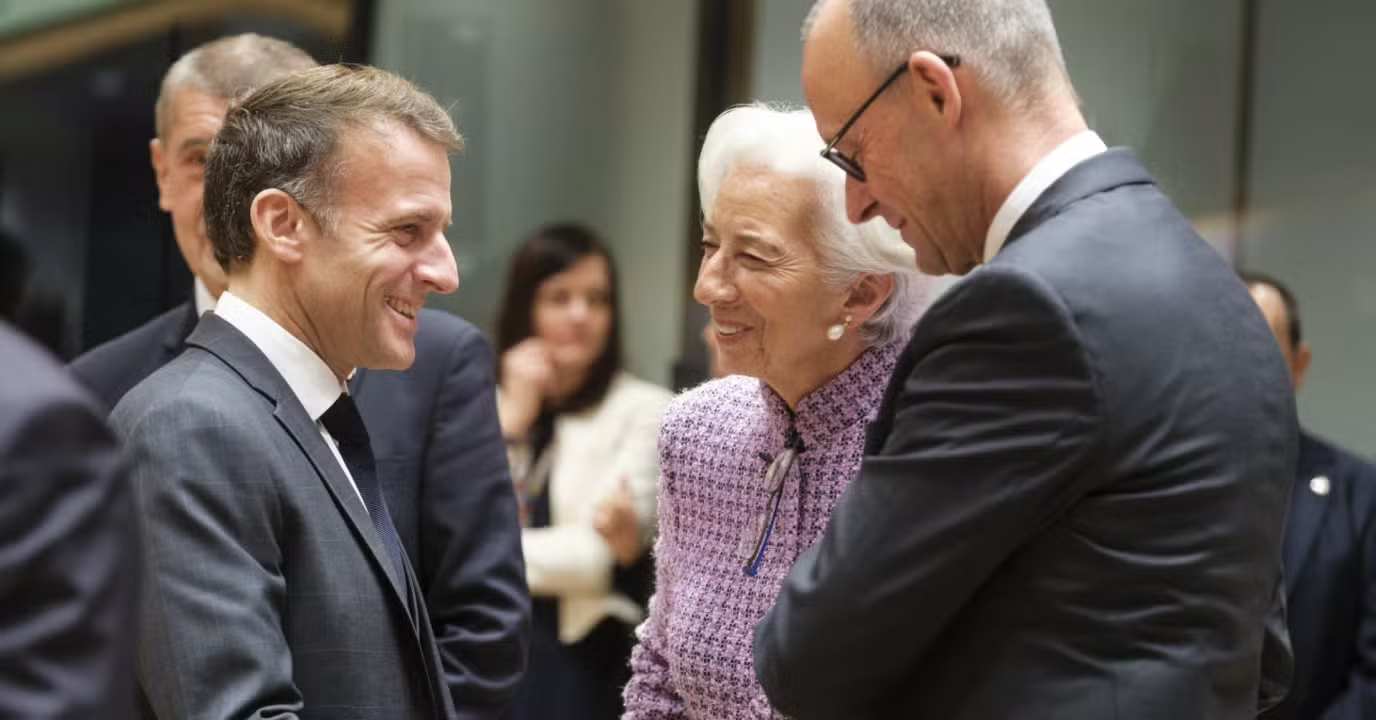
EU leaders fail to break $1.7 trillion budget deadlock as political pressure mounts
EU leaders ended a two-day summit in Brussels on 26 November 2026 without agreement on the bloc's next long-term budget for 2028 to 2034, as Germany and five other net contributor countries pushed for deeper cuts to European Council President António Costa's revised 1.58 trillion euro proposal, itself a downward revision of around 10%, while most member states opposed further reductions. The budget requires unanimous approval from all 27 member states plus a majority in the European Parliament, and Romanian MEP Siegfried Mureşan warned that prime ministers cannot dictate that Parliament adopt a budget too small to equip Europe for the future. German Chancellor Friedrich Merz said the talks had brought 'new movement' toward shrinking the overall budget, and leaders plan to reconvene in mid-December 2026, under pressure to strike a year-end deal before a 2027 election cycle, including France's presidential vote, adds further complications.
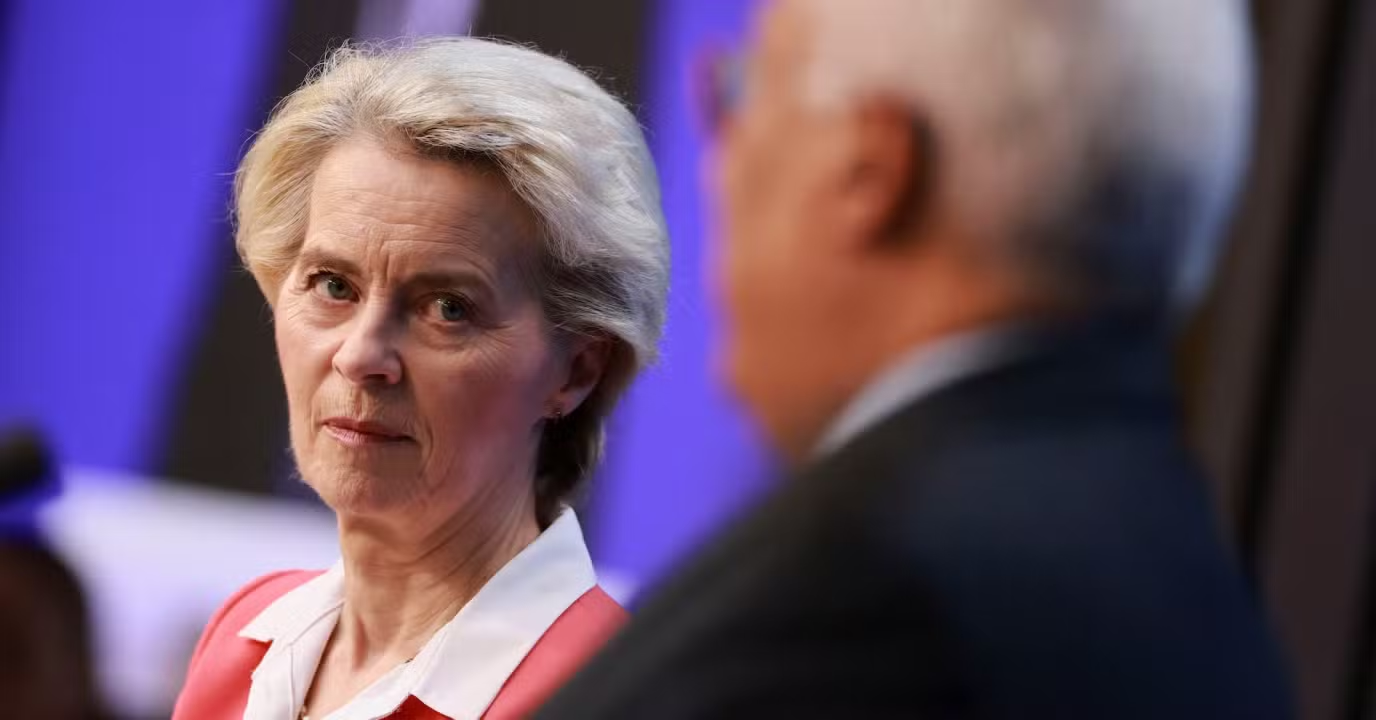
Why EU leaders are struggling to Le Pen-proof the bloc’s €1.6 trillion budget
EU leaders' talks on the bloc's 2028-2034 budget, set at €1.582 trillion in the latest proposal, collapsed in Brussels on 27 November 2026, with Reuters reporting the rifts between the 27 governments proved deeper than anyone had anticipated. Most leaders had hoped to lock in a legally binding deal before France's April-May 2027 presidential election, which could bring Marine Le Pen to power; she has vowed to cap French contributions at €5 billion a year and halt French support for Ukraine, and with unanimity required she could veto any deal not yet agreed and send all 27 countries back to the drawing board. Even a deal reached before the election could unravel if France has not ratified it. Attention now turns to crunch talks scheduled for 17-18 December 2026.
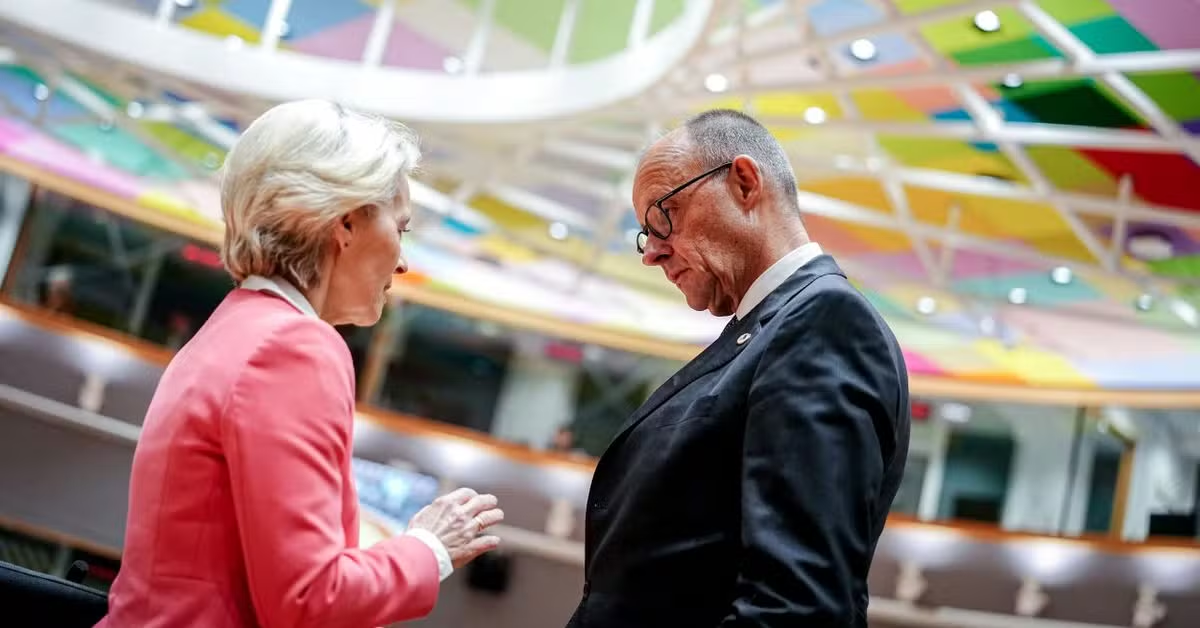
EU-Gipfel: Wie der Milliarden-Streit über das Budget im Chaos versank
Spiegel reports that an EU summit meant to settle a dispute over billions in the budget sank into chaos instead. European Commission President Ursula von der Leyen and German Chancellor Friedrich Merz said they have 'not yet come to a conclusion'.
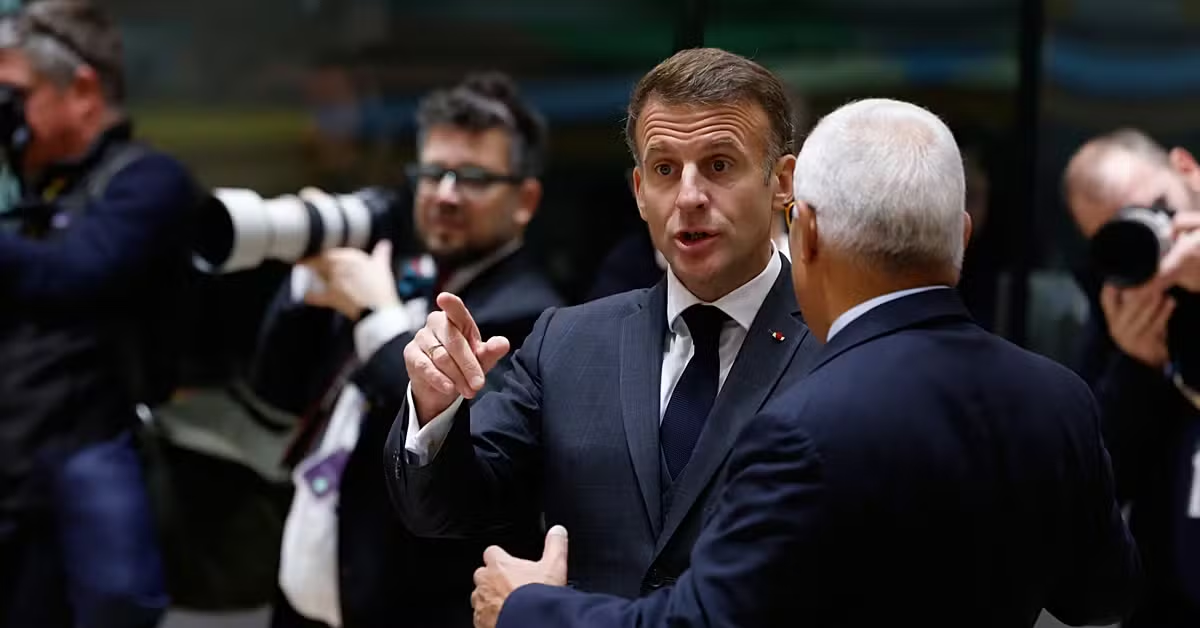
EU summit ends in disarray as leaders cling to red lines and push back
A summit meant to secure a breakthrough on the EU's next seven-year budget ended in disarray on 27 November 2026, as leaders split between the seven 'Frugals' demanding cuts and the 17 'Friends of Cohesion' resisting them refused to abandon their red lines. European Council President António Costa's compromise proposal, worth €1.78 trillion and a 10% cut from the original draft, drew fierce pushback from all sides, and the Frugals boycotted his small-group format as unfair pressure. Emmanuel Macron, at a rare mid-summit press conference, delivered an ultimatum to reach a deal by December 2026 or walk away empty-handed, which diplomats say wiped out any chance of a breakthrough. The budget fight consumed the summit's energy, relegating a planned €45 billion support loan for Ukraine to an afterthought, while Giorgia Meloni called a deal 'light years away' and Costa's own credibility now rests on whether the talks succeed.
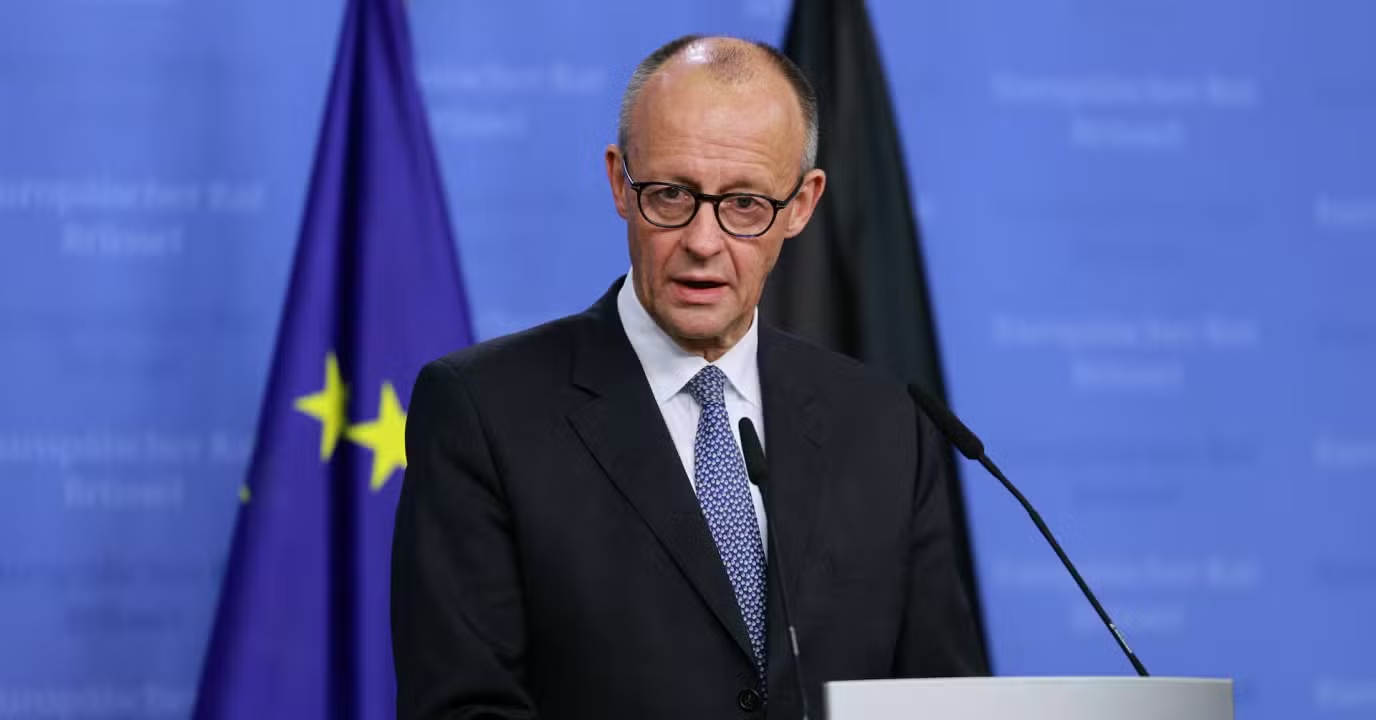
EU leaders aim for budget deal before the end of the year, Merz says
A Reuters news report says German Chancellor Friedrich Merz told reporters at an EU special summit in Brussels that a day of talks had brought new movement toward reducing the size of the EU's next long-term budget, which Germany and other net contributors demand. Merz said leaders will try to agree the budget before the end of the year, at a two-day summit starting December 17, 2026, and will not reconvene on Friday. He also said contributions to aid for Ukraine would be discussed further in a last round of talks that evening, and that all 27 EU member states should contribute to that aid.
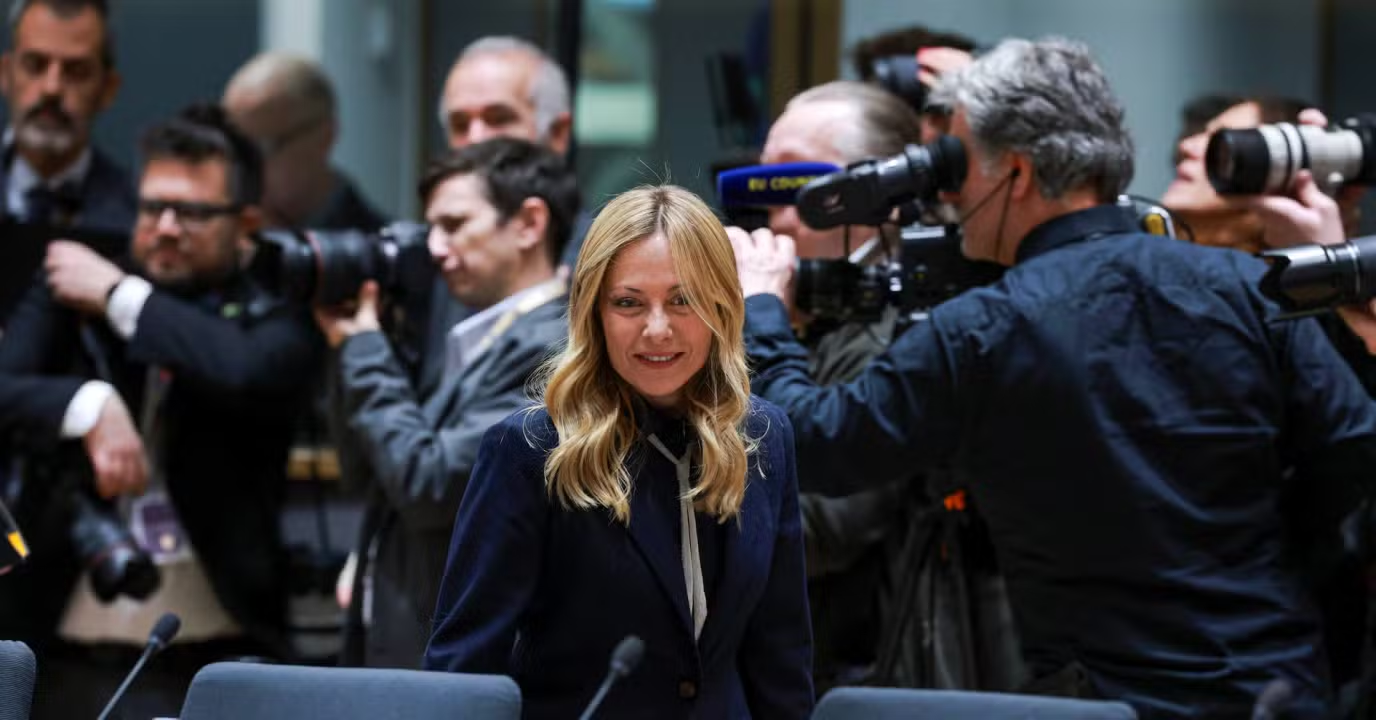
Italy's Meloni talks tough on EU budget, warns Ukraine on Mediterranean strike
A Reuters report from Rome covers Italian Prime Minister Giorgia Meloni telling reporters at an EU summit in Brussels on November 26, 2026 that leaders are 'light-years away from a solution' on the bloc's nearly €1.6 trillion budget for 2028 to 2034. She says Italy will not sign off on a budget under which it would give more and receive less, as the seven-year budget needs unanimous approval and leaders want a deal before 2027 elections complicate talks. Meloni also warns that the Russia-Ukraine war must not widen to the Mediterranean, saying Italy is concerned about signs it could spread there after Ukraine sank a Russian military vessel in Libyan waters on November 22.
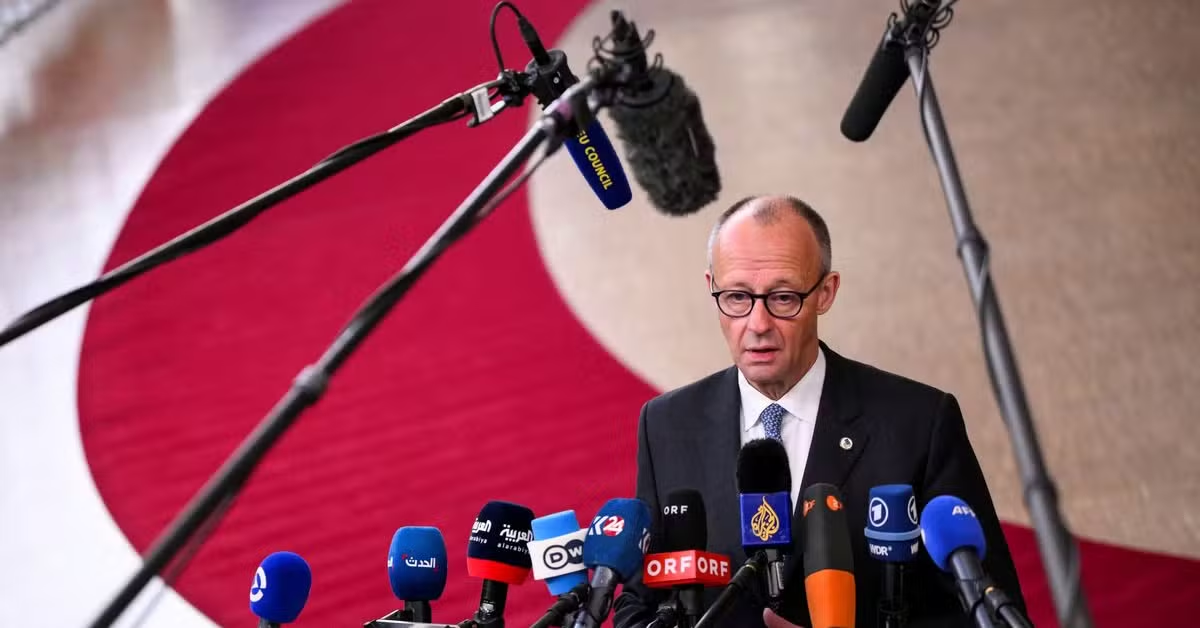
Bundeskanzler Friedrich Merz lehnt Kompromissvorschlag zu EU-Finanzen ab
At a two-day special EU summit in Brussels, German Chancellor Friedrich Merz rejects European Council President António Costa's compromise proposal for the EU financial framework from 2028, which would have cut the Commission's original draft by around 204 billion euros to 1.78 trillion euros. Merz says the cut is not enough and the volume still too high, and he rejects new debt at EU level, dampening expectations of an agreement. He has tied Ukraine's financing, facing a gap of 45 billion euros for 2027, to his approval of the budget and insists all 27 member states must take part in supporting Ukraine, while Slovakia, Czechia and Hungary have so far been exempted. Merz's stated goal is an agreement on both the Ukraine financing and the EU budget in December.
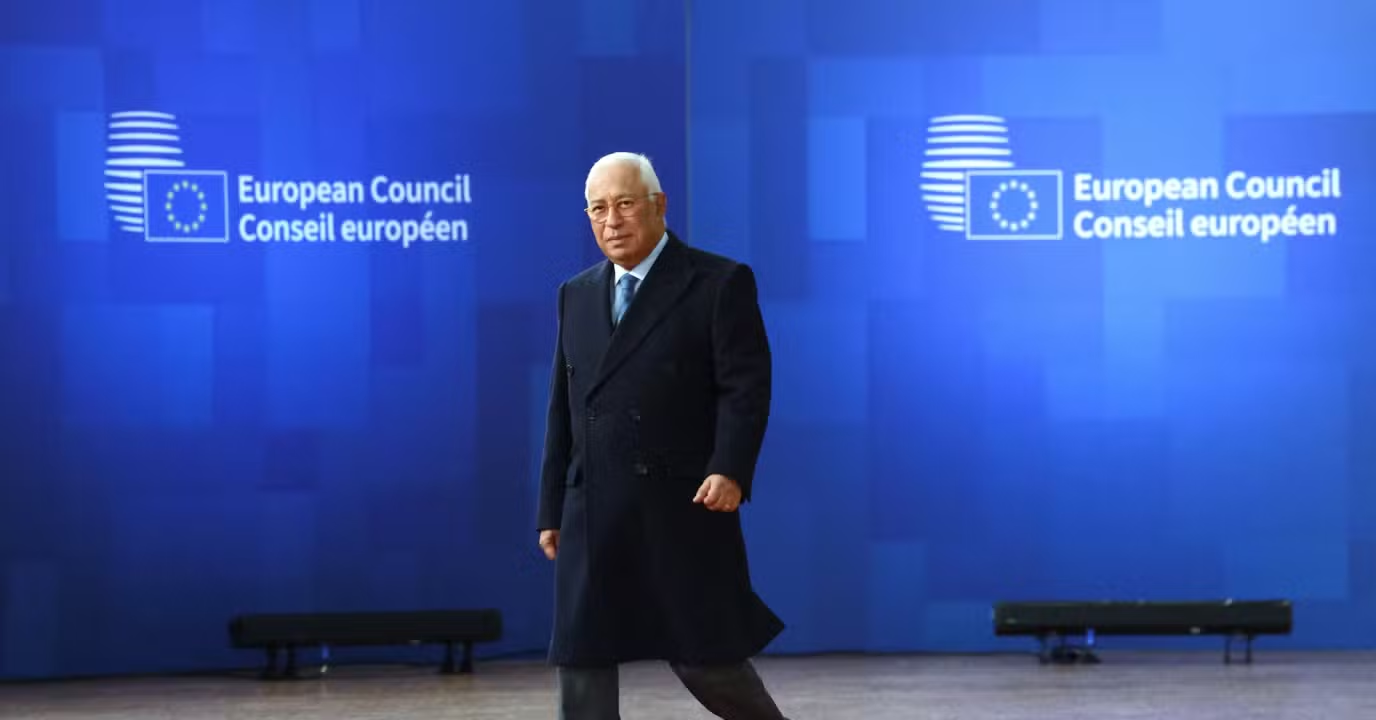
EU's Costa aims to bring leaders closer to budget deal, as objections remain
European Council President Antonio Costa aims to use an EU special summit in Brussels to bring member states closer to a deal on the bloc's next long-term budget, but several leaders still object to the proposals he has put on the table. Dutch Prime Minister Rob Jetten, speaking for net contributors, says the Netherlands is not ready to accept what is on offer and that the budget needs to be modernised and downsized if a deal is to be struck. Jetten says it is now up to Costa to come with a better proposal, while Costa says the EU needs a budget fit to fund its main priorities.
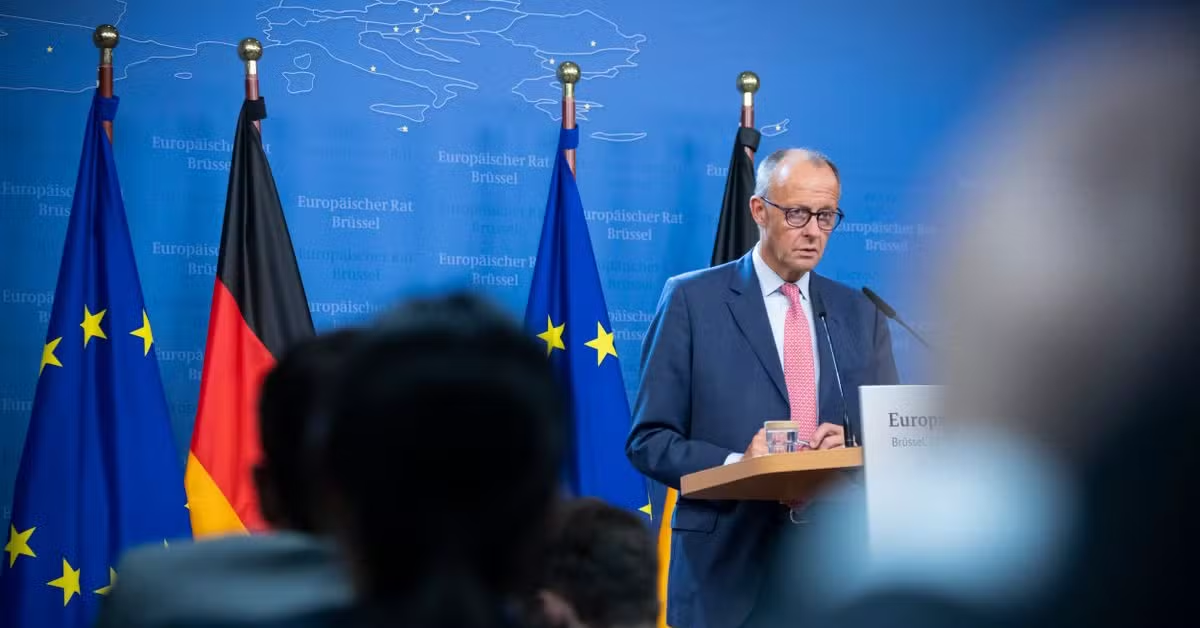
EU-Gipfel: Merz pocht auf Einsparungen – aber an die Landwirte traut sich niemand ran
A Spiegel article reports from the EU summit that Friedrich Merz insists on savings, but that no one dares approach the farmers, whose support remains untouched.
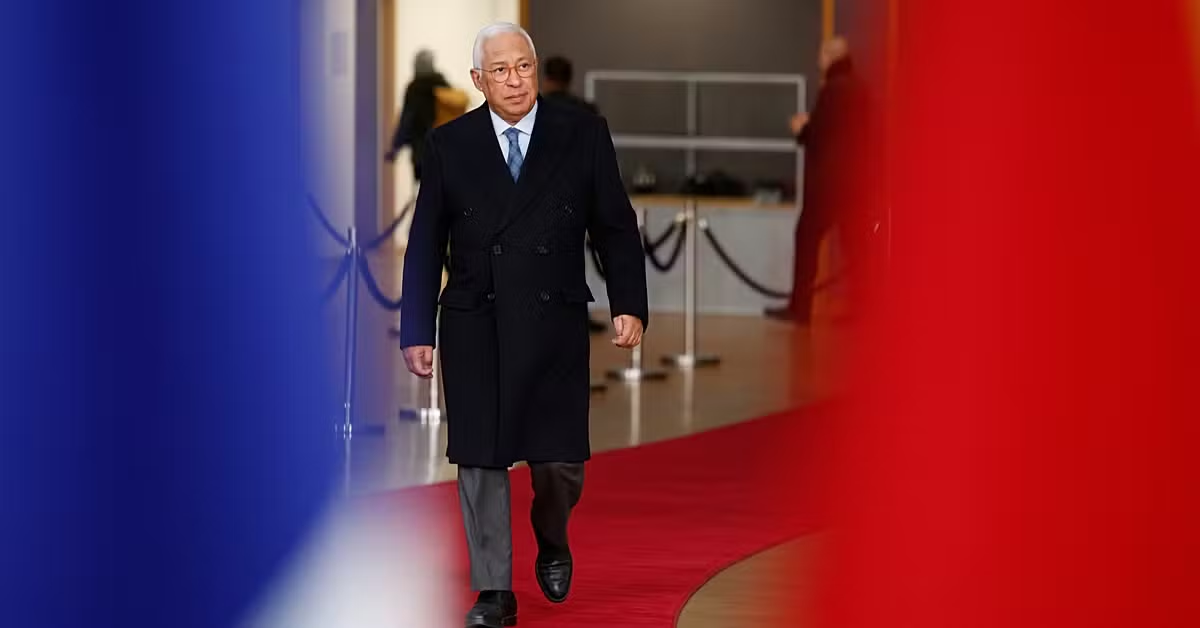
Live - EU summit: 'Listen to each other,' Costa tells leaders at budget talks
EU leaders gather in Brussels for a tense summit over the next seven-year budget, which European Council President António Costa has proposed at almost €1.7 trillion after cutting the Commission's draft by 10%, telling the 27 leaders to listen to each other and move beyond their red lines since every state must unanimously approve the budget by the end of 2026. The summit is entangled with a separate €45 billion Commission loan to Ukraine financed through joint debt, which Slovakia, Hungary and the Czech Republic want to opt out of, infuriating Kyiv's bilateral donors; Bulgaria will stay in the loan but only its €20 billion financial strand, dropping out of the €25 billion military one. Leaders pull in different directions: Dutch Prime Minister Rob Jetten calls the budget unacceptable for Dutch taxpayers but insists no country should opt out of Ukraine support, Latvia's Andris Kulbergs demands a bigger share for eastern border states and a deal by year-end, Lithuania's Gitanas Nausėda calls Costa's proposal a very good starting point, and Czech Prime Minister Andrej Babiš insists Ukraine financing be negotiated separately from cohesion money. Spain's Pedro Sánchez skips the summit to fight a snap election, and Sweden's Ulf Kristersson says it will be difficult to reach a budget agreement by the end of 2026.
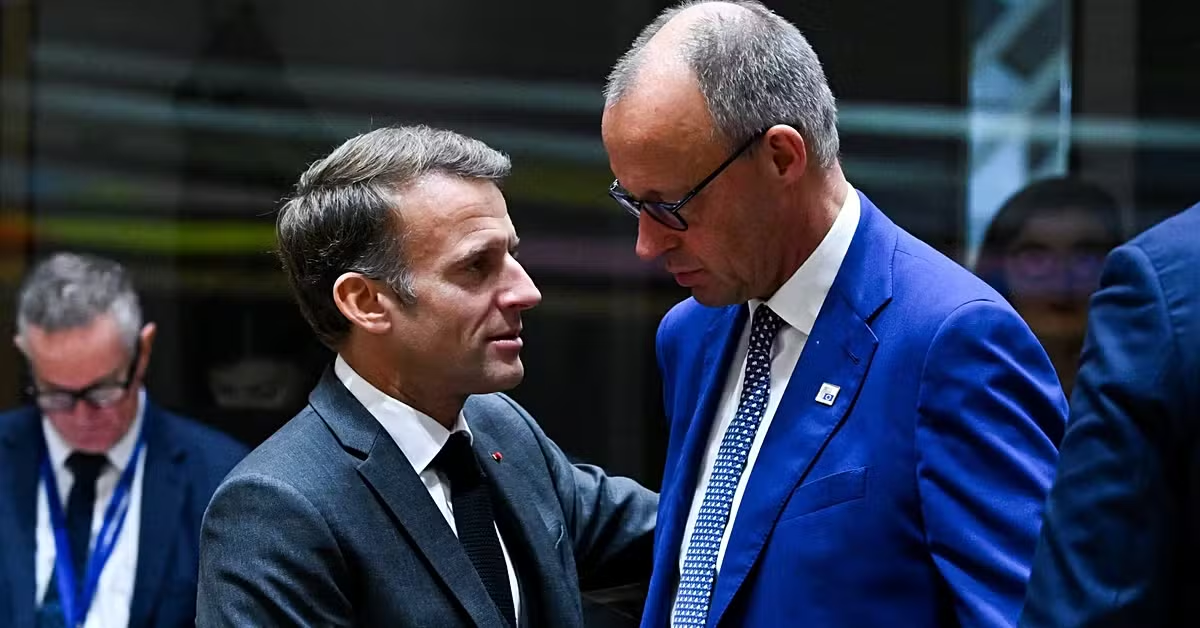
EU budget and Ukraine aid headed for collision at turbulent summit
A Euronews news report says the EU's next seven-year budget and continued support for Ukraine are set to collide at a turbulent summit in Brussels, as the two files, separate on paper, have become politically intertwined. European Council President António Costa has offered a compromise cutting his original budget proposal by €204 billion, but the 'frugals' want deeper cuts to agriculture and cohesion spending while the 17 'Friends of Cohesion' say it cuts excessively across the board. The European Commission has tabled a €45 billion loan backed by joint debt to cover two-thirds of the €70 billion hole Russia's attacks have drilled in Kyiv's 2027 budget, though Slovakia, the Czech Republic, Hungary and Bulgaria refuse to take part. German Chancellor Friedrich Merz has threatened to veto the budget unless Ukraine support is agreed by all 27 member states, which Robert Fico calls 'a textbook case of blackmail' and others in Brussels see as a risky move. Talks starting Thursday are meant to pave the way for a final deal in December, but the Élysée insists negotiations cannot go beyond December because elections, including France's, loom in 2027.
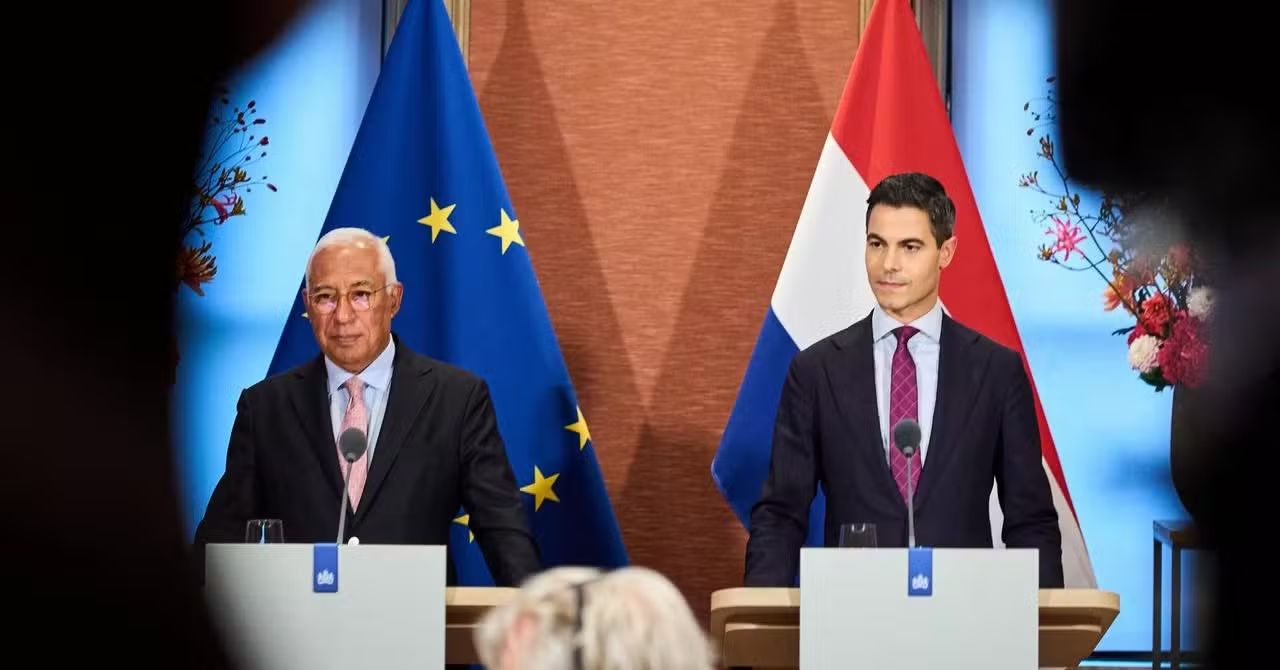
Jetten zet zich schrap voor 'bloedig gevecht' over EU-begroting
A NOS news report says Dutch Prime Minister Jetten braces for a bloody battle at an extra EU summit in Brussels over the bloc's new budget. European Council president António Costa's proposal, 10 percent smaller than the European Commission's original, sets out almost 1,600 billion euros for 2028 to 2034, but the frugal camp around the Netherlands and Germany wants cuts made mainly in agriculture and cohesion policy, and a group of seventeen countries, not coincidentally those that receive much money from those budgets, opposes them. Finance Minister Heinen says it is quite simple: the budget must get smaller or the national rebate larger, and German Chancellor Merz threatens to veto the whole budget unless four countries that refuse to contribute to Ukraine support pay their share. The expectation is that a deal can come at the earliest at the next EU summit, just before Christmas.
EU leaders to wrestle with seven-year budget, Ukraine financing as they seek December deal
EU leaders meet on Thursday to discuss the bloc's proposed €1.582 trillion ($1.74 trillion) budget for 2028 to 2034 and how to keep financing Ukraine, aiming for a deal at a summit on December 17 and 18. Under Council President Antonio Costa's proposal, the biggest line item is around €740 billion for farmers and poorer regions, plus up to €100 billion for Ukraine, though diplomats say that falls well short of the country's needs. One flashpoint is a plan to borrow €45 billion jointly and lend it to Ukraine, which Slovakia, the Czech Republic, Hungary and Bulgaria object to, while Germany and several others have made participation a condition of a broader deal. The dispute mirrors the wider split between net contributors wanting lower payments and a competitiveness focus, and net beneficiaries defending farm and regional spending, and diplomats expect a clash before leaders can reach agreement.
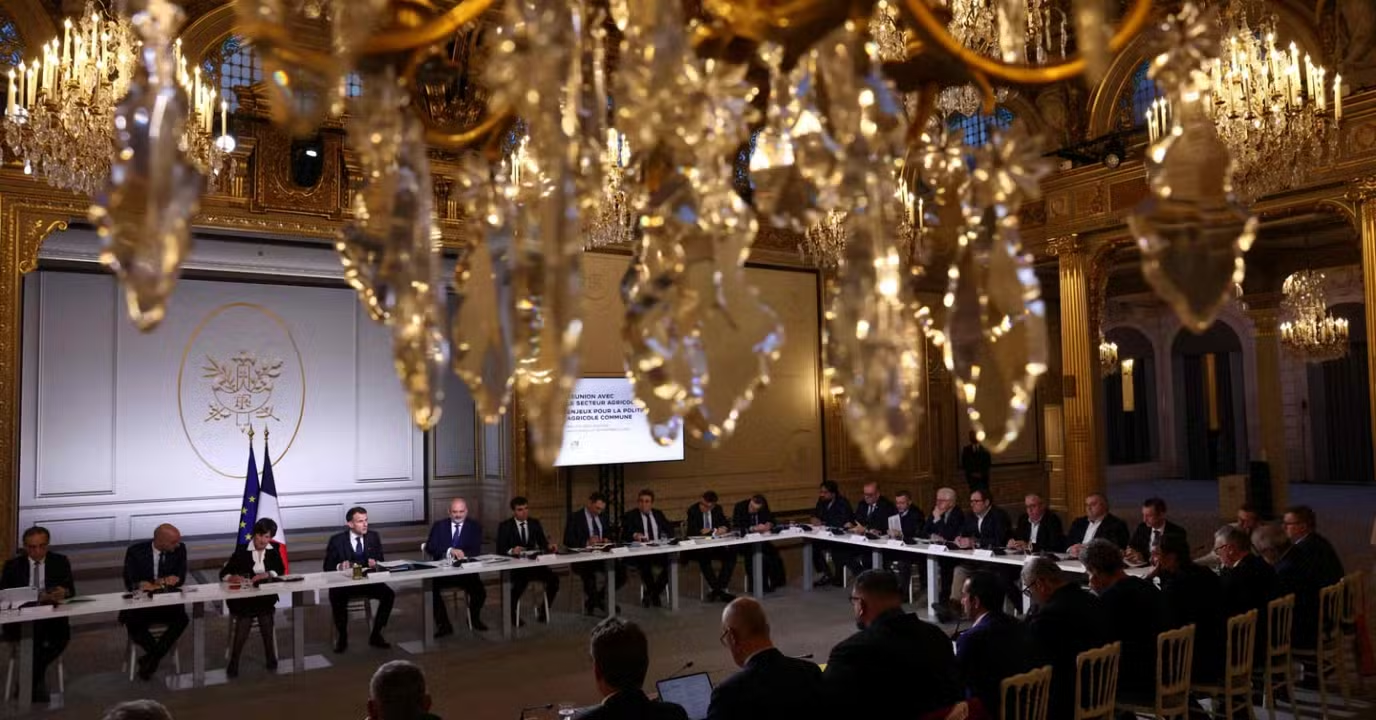
Les syndicats d’agriculteurs montent au créneau avant des discussions clés sur la nouvelle politique agricole commune
French farm unions are stepping up before key discussions on the new Common Agricultural Policy, with a near-unanimous rallying cry that not one euro must be missing from it. Several hundred farmers of COPA-Cogeca, the federation grouping EU farm unions and cooperatives including the French FNSEA, were to demonstrate in Brussels on Thursday 26 November, as a council of European heads of state is being held in the city until Friday. The demonstration aims to pressure negotiations on the EU's future 2028-2034 budget, from which the next Common Agricultural Policy will follow. Under the latest proposal by European Council president Antonio Costa, the envelope for farmers' income support is set at 293 billion euros, against 277 billion for 2021-2027, but once corrected for inflation that support falls by 7.3%, about twenty billion euros for Europe.
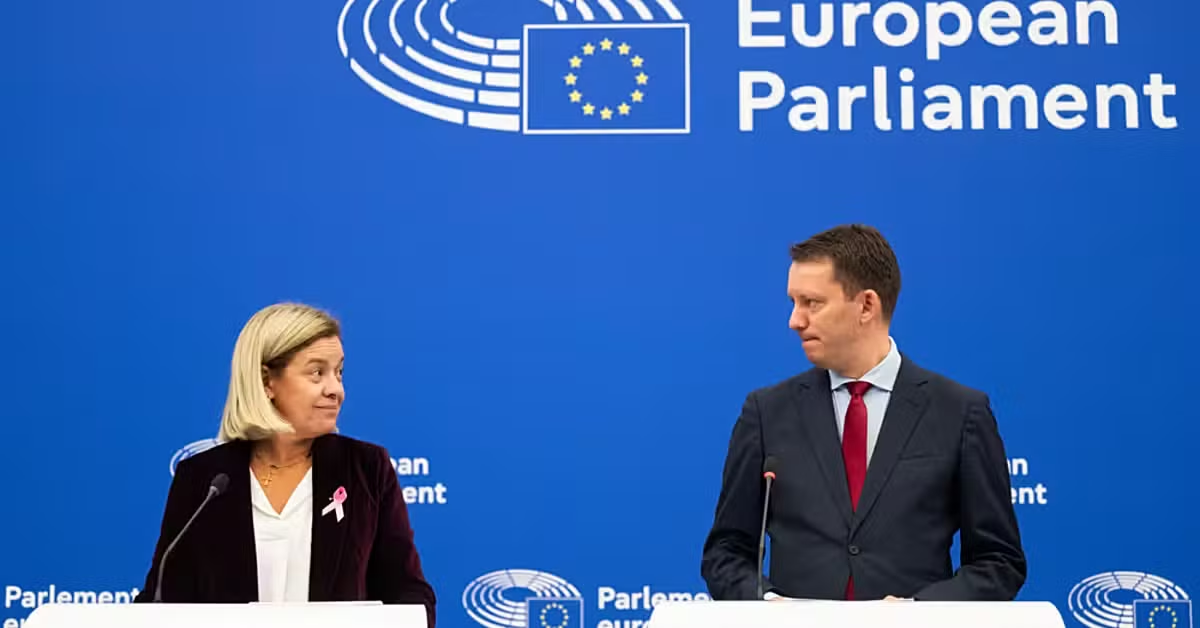
MEPs warn Costa: no approval without a bigger EU budget
Members of the European Parliament say they will not rubber-stamp any deal on the EU's next long-term budget unless their priorities are respected, rejecting European Council President António Costa's proposed 10% cut ahead of a Brussels summit on the 2028-2034 plan. Costa's proposal would shrink the budget from nearly €2 trillion to €1.78 trillion, cutting around €204bn to meet the demands of frugal countries including Germany, the Netherlands and Sweden. Because adopting the budget requires the European Parliament's consent as well as unanimity in the Council, leaders cannot bypass it, and Parliament set €2.01 trillion as its minimum in April. Romanian MEP Siegfried Mureșan, Parliament's co-negotiator, said 'Prime ministers shall not dictate to the European Parliament what we should do' and accused leaders of cutting funding for security and competitiveness while calling them priorities.
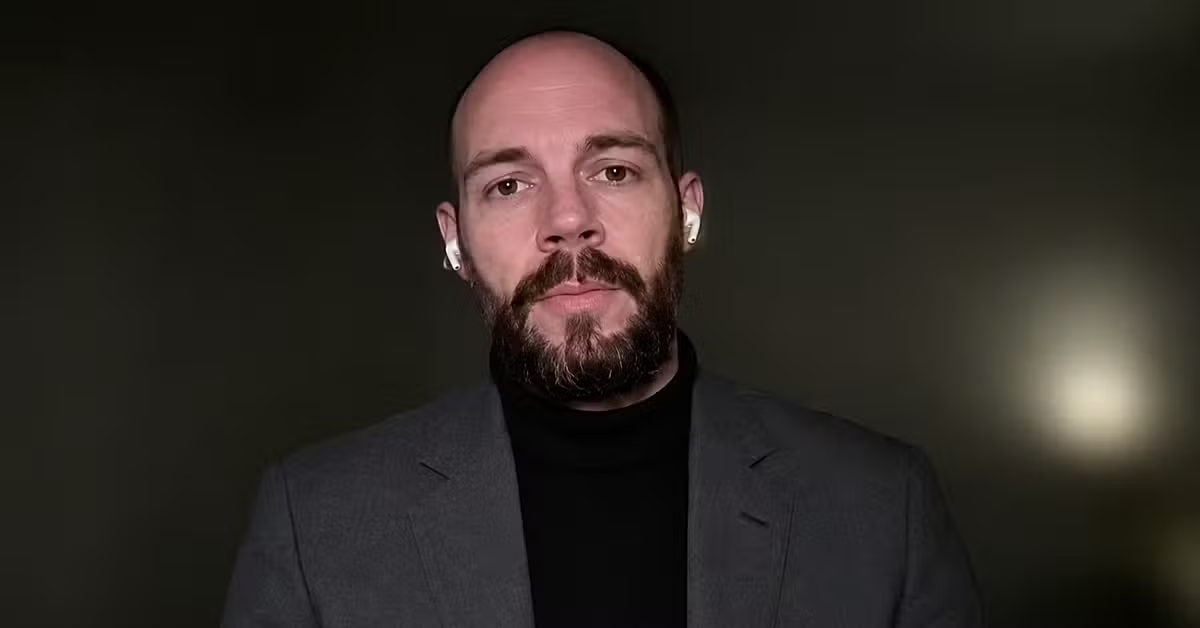
Europe Tonight: Can the EU’s new budget compete with China and the US?
Euronews' Europe Tonight examines a showdown over the EU's next seven-year budget, pitting the European Parliament against member states, in a conversation with Lukas Gutenberg of the Bertelsmann Stiftung about how the EU plans to do more with less. Antonio Costa has put forward a proposal foreseeing another round of big cuts. The Germans call it a step in the right direction but not enough, while the French call it unacceptable, as governments remain locked in a tug-of-war over spending cuts, digital levies, agricultural subsidies, and how to balance traditional farm aid with new strategic priorities.
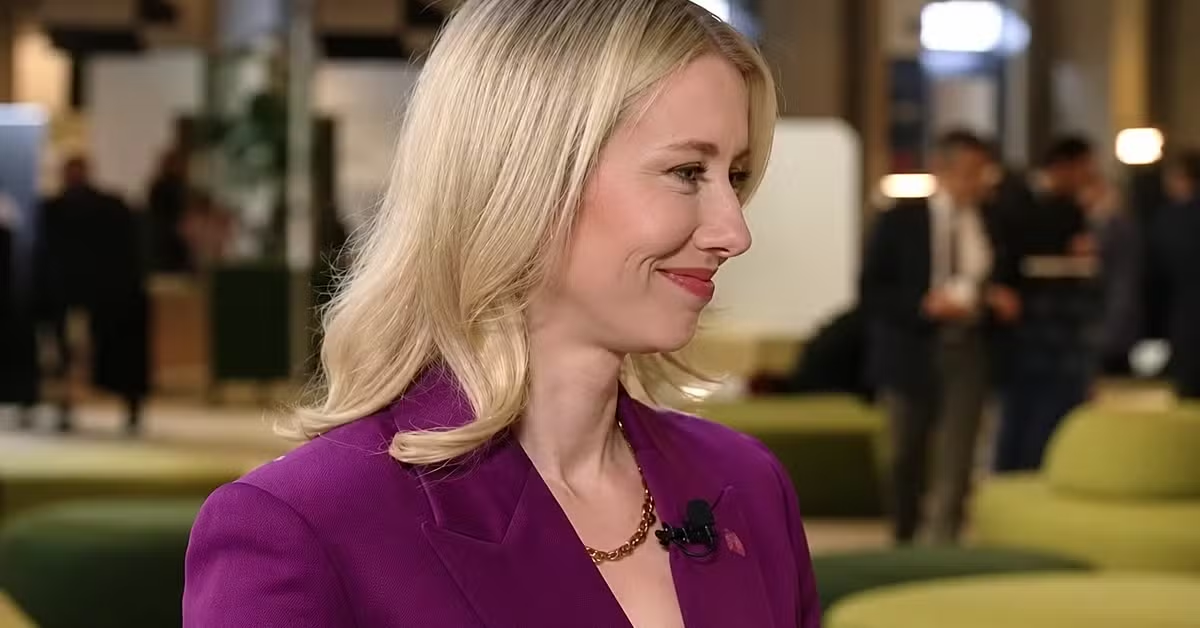
MEP Lucia Yar talks budget with Euronews' Europe Editor Maria Tadeo
Euronews' Maria Tadeo interviews Slovak MEP Lucia Yar on the new evening show Europe Tonight about the EU's passing of its budget. Yar, an MEP for Progressive Slovakia within Renew Europe, discusses a major clash over the EU's next seven-year budget that pits the European Parliament against member states and splits governments over spending cuts and agriculture. In the interview's view, budget talks are never easy, especially for the EU, and the future financing of Ukraine is probably the trickiest new fault line in the clash.
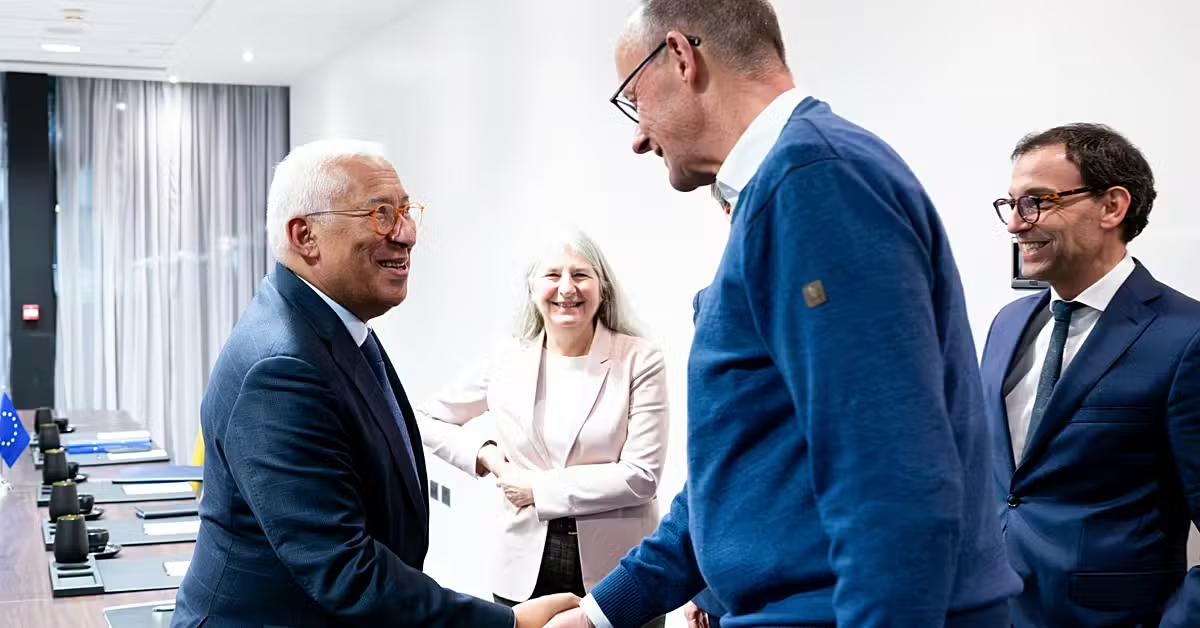
Red lines and power plays in the EU's budget battle
EU capitals are sharply divided over the bloc's next seven-year budget ahead of a special European Council summit starting on 26 November 2026, and European Council President António Costa's 21 November compromise proposal has so far failed to bridge the gap. His plan cuts the budget by €204bn in current prices compared with the Commission's original proposal, touches cohesion funding for the first time, and introduces a digital levy alongside a delayed repayment of NextGenerationEU joint debt. At a 23 November meeting of EU ambassadors, many member states said the proposal is not a basis for compromise and negotiations are getting further away, according to EU diplomats speaking to Euronews. The 'frugal' net contributors want deeper cuts of several hundred billion euros but have no common position, while a 17-strong group led by Italy and Romania opposes the cohesion cuts, and Slovakia, Czechia, Hungary and Bulgaria both defend cohesion and want out of a Ukraine loan top-up. Friedrich Merz's linking of the budget to Ukraine funding drew a fierce backlash, with Robert Fico threatening a veto and branding the tactic 'blackmail'. In Euronews' assessment, national budget pressures, elections in key countries, and deficits in 10 member states are hardening positions, and only EU leaders are expected to break the deadlock, likely settling the size through rebates at the last minute.
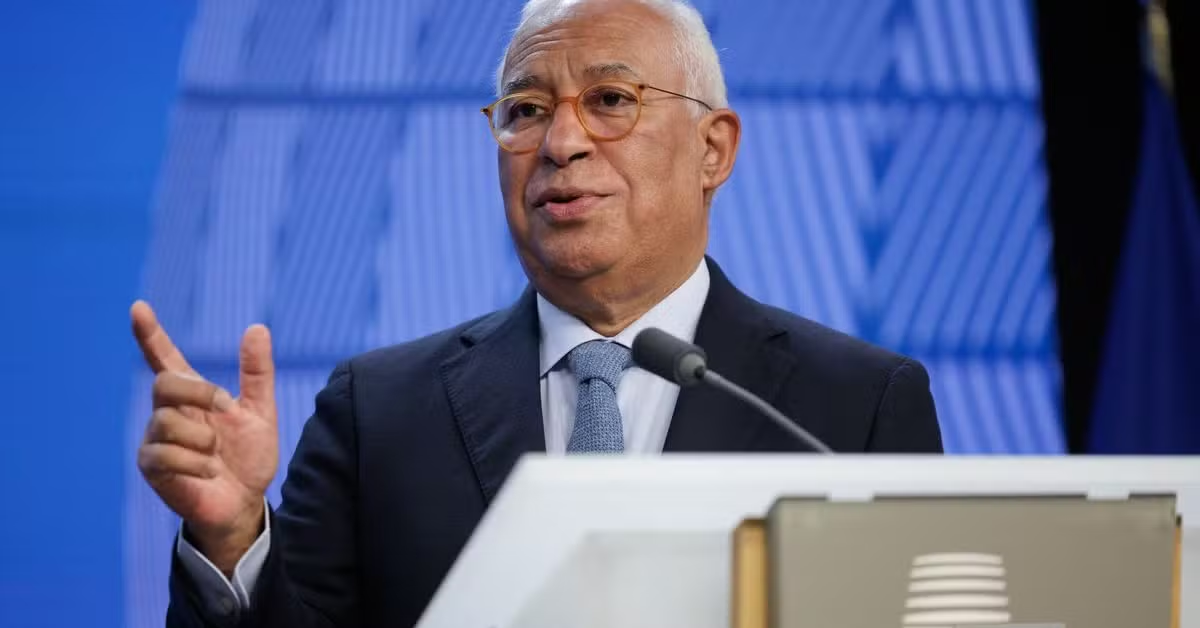
António Costa kürzt, Friedrich Merz kritisiert dennoch den EU-Budget-Vorschlag
EU Council President António Costa has presented a compromise draft in Brussels for the next long-term EU budget for 2028 to 2034 that plans around 204 billion euros less than the European Commission had envisioned, partially meeting demands from Friedrich Merz and other net contributors such as the Netherlands and Denmark. To limit national contributions, it adds new revenue sources, notably a three percent digital tax on large companies' online advertising, platform services, and monetized user data, expected to bring in just over five billion euros a year, alongside levies on crypto, tobacco, and emissions trading. Merz nevertheless calls the draft incapable of gaining approval, saying its volume is still too high and an EU budget growing by more than 40 percent does not fit these times, and he has threatened a blockade if new aid for Ukraine is not borne by all 27 member states. With fronts hardened, a final agreement is expected at the earliest at the December summit.
Budget UE: plus de 200 milliards d'euros d'économies proposées, Paris et Berlin font la moue
A new compromise plan for the EU's 2028-2034 budget, presented on 21 November 2026 by European Council President Antonio Costa, cuts the European Commission's original 2,000 billion euro proposal by 204 billion euros and adds a 3% tax on large digital companies' online revenues, expected to bring in about five billion euros a year. France says the plan is 'very disappointing', notably on support for farmers, while Germany's Chancellor Friedrich Merz calls the cuts excessive and insists 'practically all EU countries must put their public finances in order'. The proposal still needs unanimous approval from the 27 member states, and the European Parliament rejects the reduced budget while welcoming the new revenue ideas.
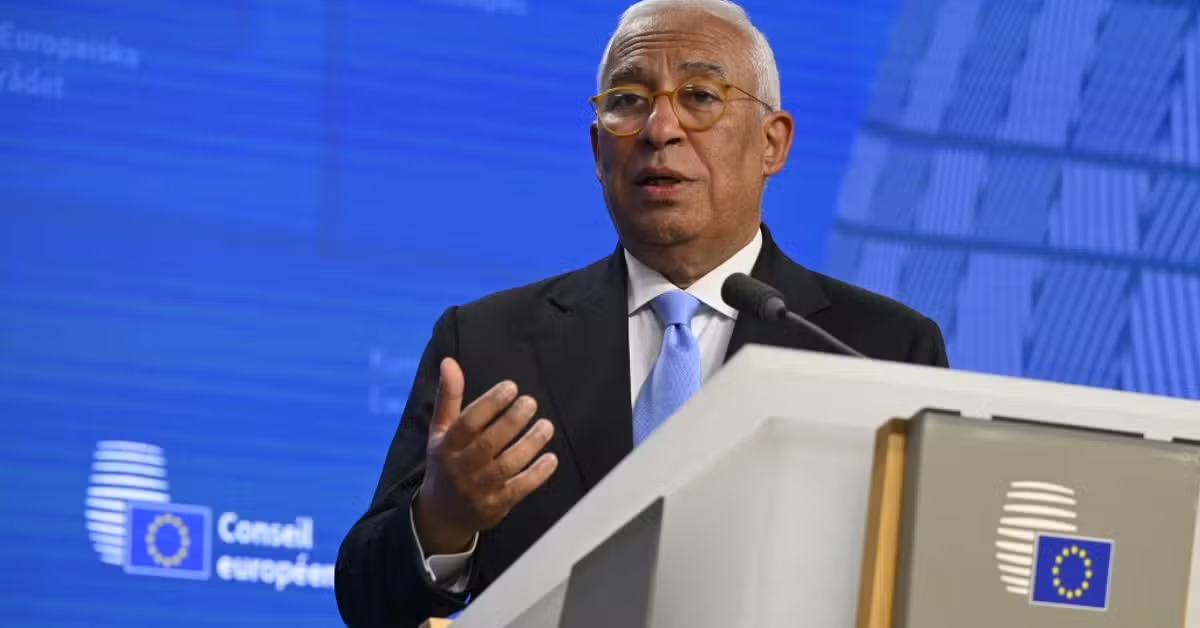
Antonio Costa Proposes €1.78T EU Budget for 2028-2034, Preserves €100B for Ukraine
European Council President Antonio Costa has proposed a revised EU long-term budget of about €1.78 trillion for 2028-2034, cut by €204 billion, or 10 percent, from the European Commission's original plan to keep national contributions manageable. Despite the tighter spending ceilings, support for Ukraine stays fully intact, kept at the level the Commission first proposed. A dedicated off-ceiling 'Ukraine Reserve' of up to €100 billion in current prices would deliver the aid through budgetary guarantees, grants, and credit assistance, without forcing cuts to cohesion or agricultural programs. The blueprint will serve as the basis for negotiations among EU leaders at the European Council summit in Brussels on Nov. 26-27, 2026.
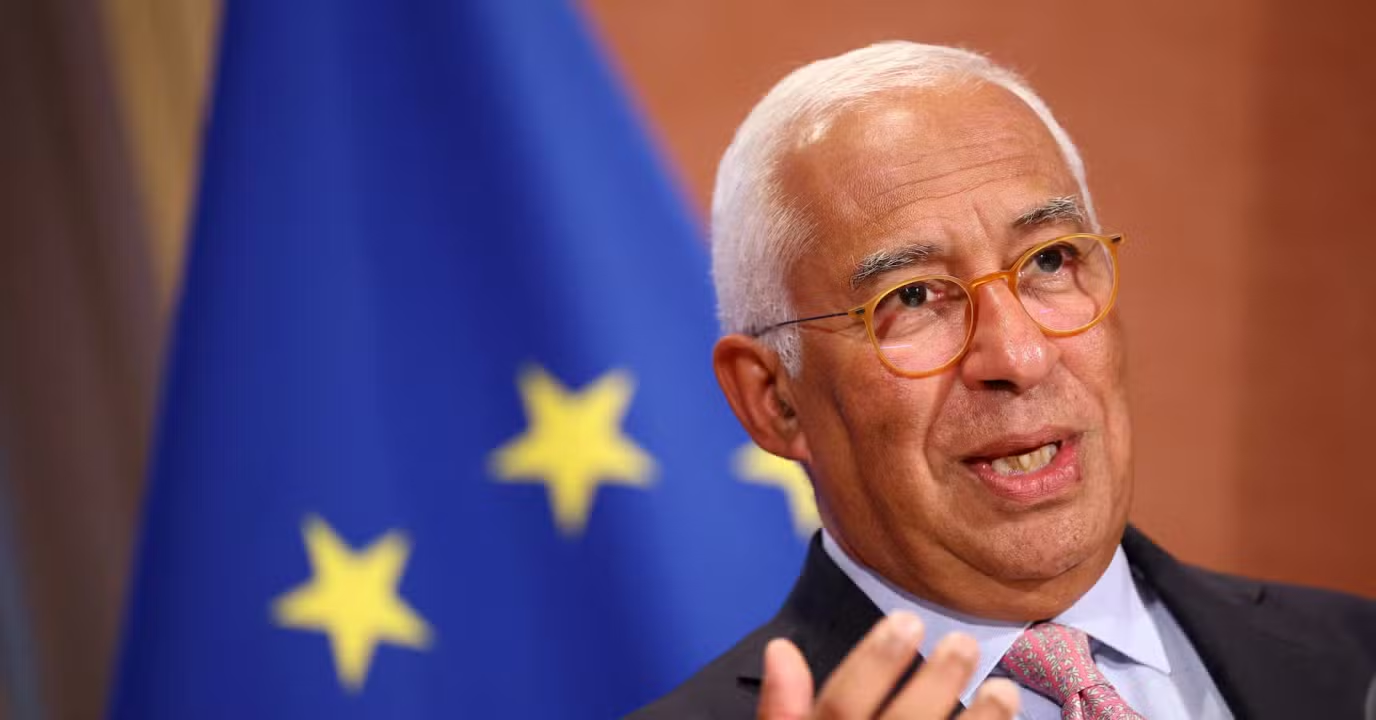
EU leaders' chair proposes new cuts to EU 2028-2034 budget draft, suggests digital tax
European Council President Antonio Costa has proposed further cuts to the draft EU 2028-2034 budget, trimming €40 billion to €1.582 trillion, and new revenue streams including a 3% tax on digital firms' turnover, ahead of a leaders' summit on November 26-27. The cuts fall mainly on the European Competitiveness Fund, defence and external spending, while agriculture and cohesion money is relatively protected; Germany, the biggest net contributor, has pushed for deep cuts, with Chancellor Friedrich Merz calling the proposal a first step but still too high. The European Parliament's chief budget negotiator Siegfried Muresan calls the proposal unacceptable, France says it does not sufficiently protect farmers, and many governments have shunned the digital tax, which would mostly hit US-based giants, for fear of angering Donald Trump. Leaders want a deal by end-2026, before 2027 elections in several member states.
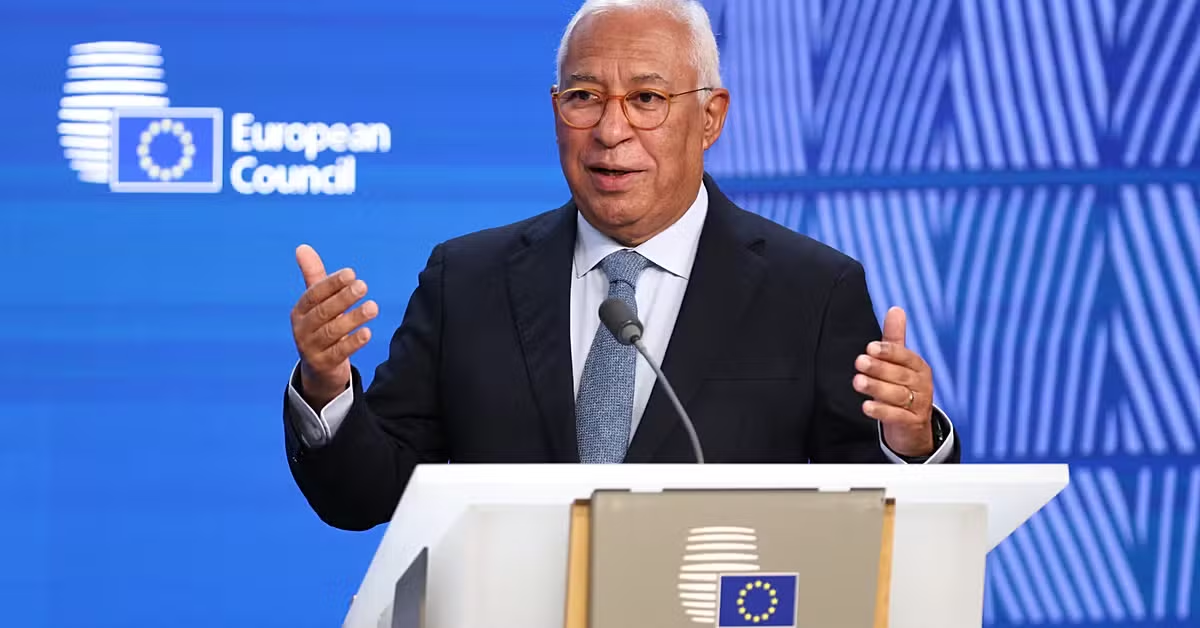
EU budget: Costa pitches more cuts, Big Tech tax to break deadlock
European Council President António Costa has put forward a new proposal for the EU's 2028-2034 budget, cutting a further €49bn to €1.78 trillion and adding a mix of new EU-wide taxes meant to raise €64bn a year, in a bid to win unanimous support by the end of 2026. The main novelty is a 3% digital services tax on large companies, replacing the Corporate Resource for Europe, though opposition mostly stems from fears of US trade retaliation since most affected tech giants are American. For the first time Costa also proposes cutting agricultural, fisheries and cohesion funding, breaking with earlier compromises. Even so, the plan faces significant resistance: German Chancellor Friedrich Merz says there will be no agreement without unanimous financial support to Ukraine, and a source from the Élysée calls the framework very disappointing and no basis for an agreement.
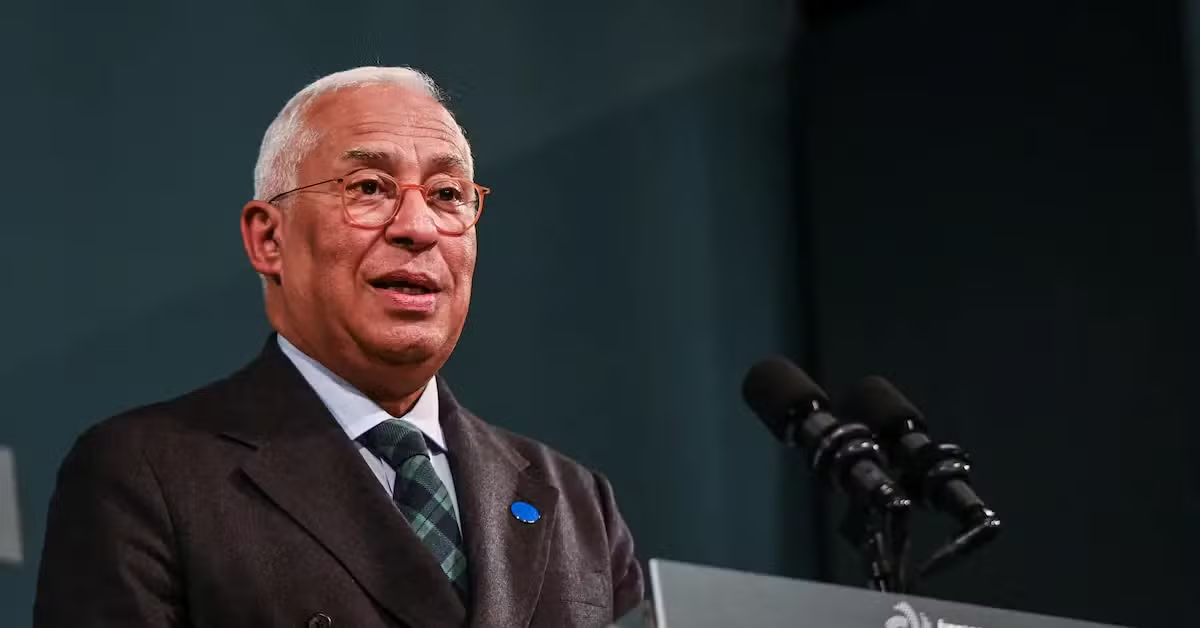
Avant le sommet de l’UE consacré à son budget, la France s’oppose à la baisse de 204 milliards proposés par le Conseil européen
France has come out against the European Council's proposal to cut 204 billion euros from the EU budget for 2028-2034, days before an extraordinary summit in Brussels that Emmanuel Macron will attend. The French presidency called Antonio Costa's new negotiating box 'very disappointing,' saying it falls short on the Common Agricultural Policy and income aid for farmers, and the article expects very difficult discussions at the summit. Costa's proposal trims the Commission's 2,000 billion euro plan, with frugal northern countries like Germany and the Netherlands refusing a bigger rise in their contributions; he proposes new revenues including a 3% tax on large digital companies' turnover, crypto-asset taxation, and telecom frequency auctions.
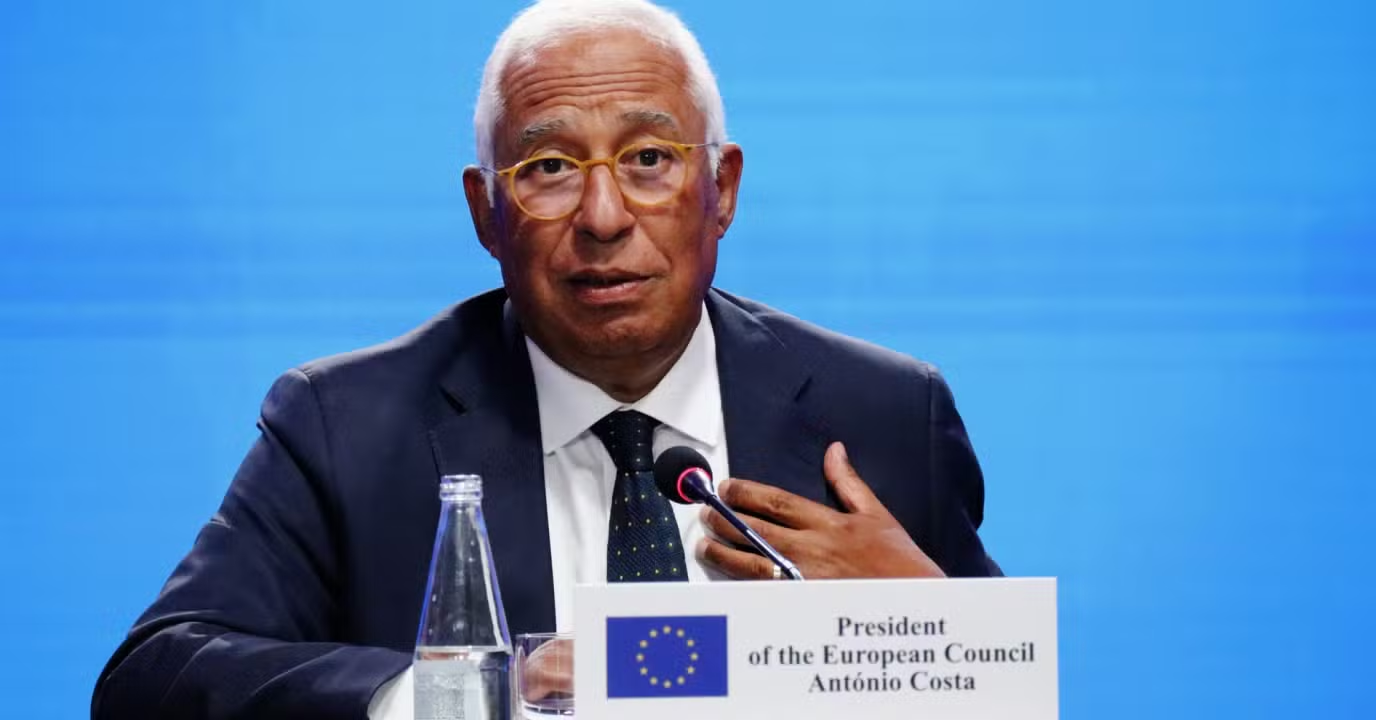
EU budget proposal keeps Ukraine funding unchanged as cost of Russia's war rises
A Kyiv Independent news report says the EU's proposed 2028-2034 budget, presented by European Council President Antonio Costa, keeps Ukraine funding unchanged at 89 billion euros in 2025 prices even as Kyiv's needs have ballooned. Ukraine faces a projected 70-billion-euro funding gap for 2027, and the amount provisioned would not cover one year of war. Costa writes that 'our commitment to Ukraine is central to our overall ambitions,' and his proposal holds a placeholder for sustainable financing for Ukraine, but the only option raised so far, using immobilized Russian assets, still looks unlikely to advance. EU leaders will discuss the proposal when they meet on November 26-27, 2026.
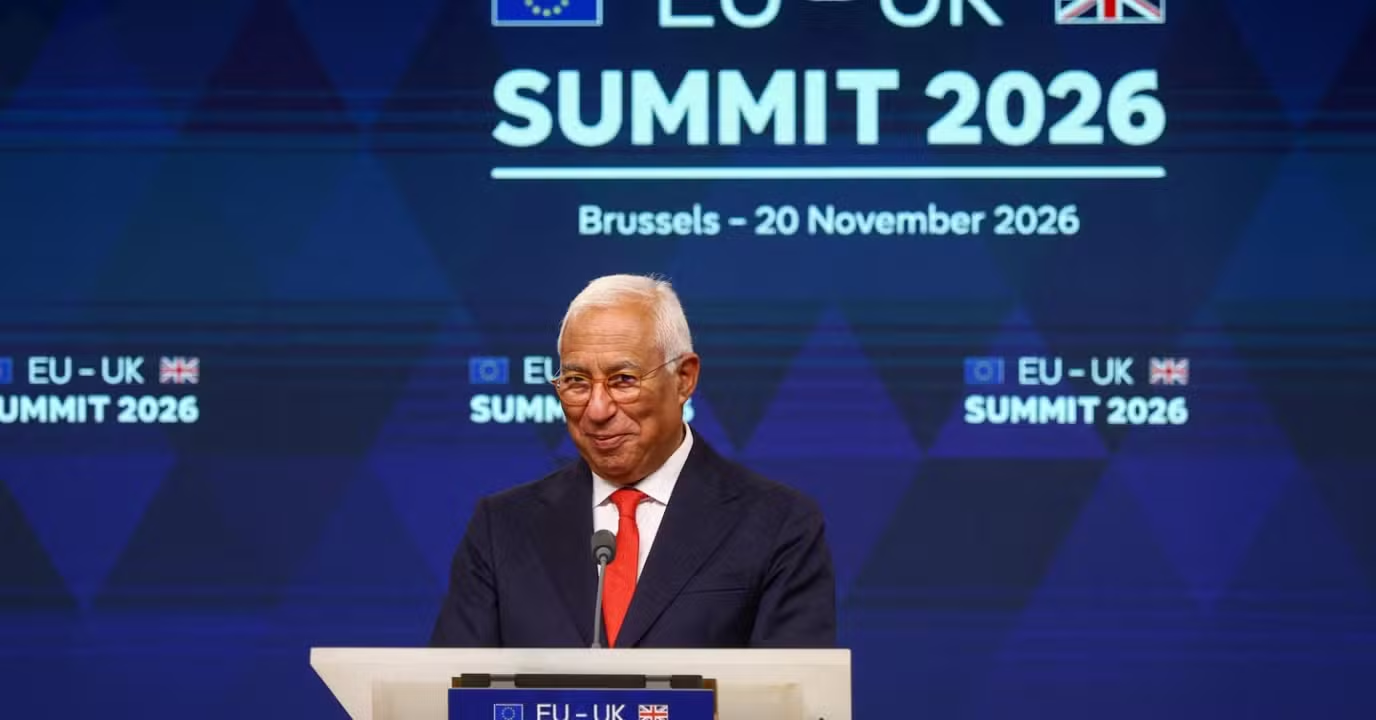
EU proposes Big Tech tax to boost budget
The EU has proposed taxing the world's biggest digital companies to raise money for its next long-term budget, in a spending plan European Council President Antonio Costa presented on Saturday, November 21 that cuts €204 billion from a European Commission proposal some countries had criticized as too onerous. Under the draft, companies with at least €50 million in EU digital turnover and more than €750 million globally would pay an annual contribution of 3% of net turnover from online advertising, digital intermediation services, and user-generated data, alongside a levy on electronic waste and higher tobacco taxes. Member states remain divided over the budget's size, with Germany leading calls for cuts while a group of seventeen countries pushes for more funding for agriculture and regional development, and Costa is pushing for a deal by December. Le Monde with AFP report that the plan is likely to anger US President Donald Trump and that EU Parliament lawmakers have threatened to block the spending plan if their concerns are ignored.
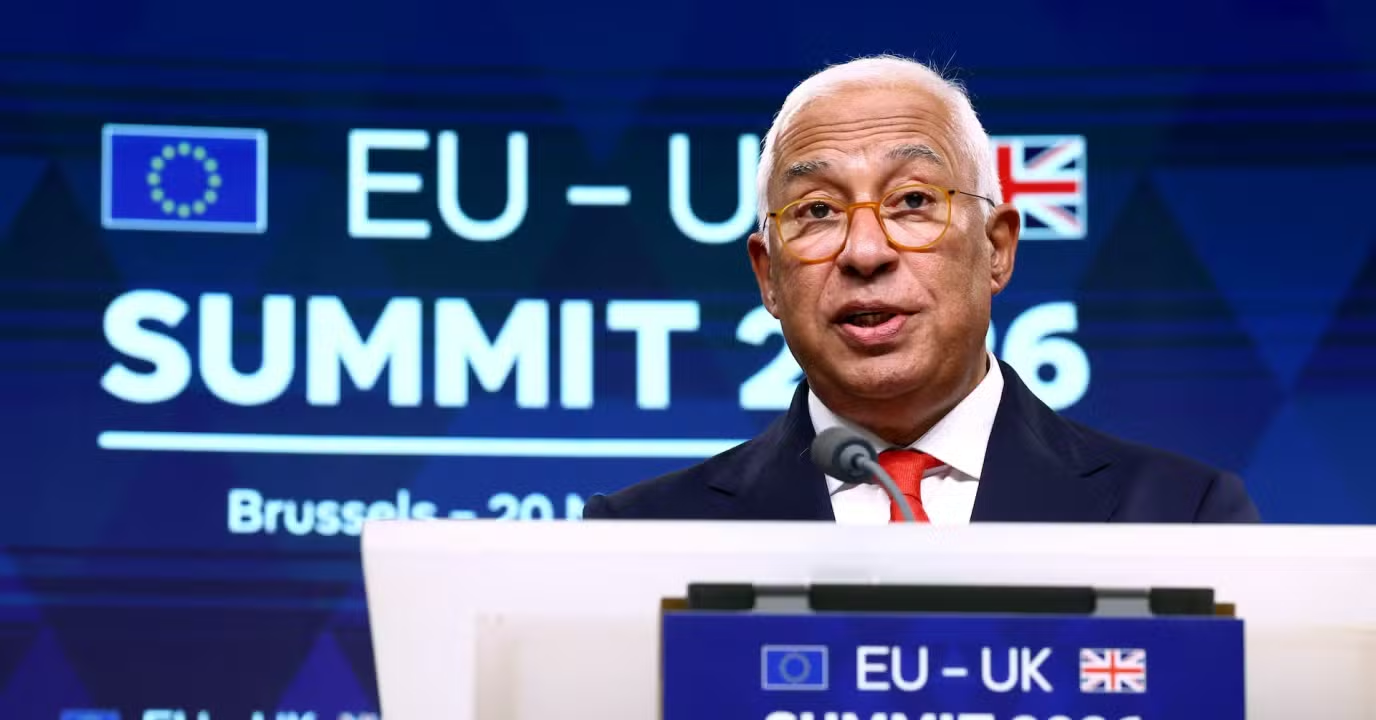
Latest EU budget proposal is 'very disappointing', French presidency says
France's EU presidency has strongly criticised the latest negotiating proposal for the EU's next long-term budget, circulated by European Council President Antonio Costa on 21 November 2026 for the 2028-2034 period. In a statement, the French presidency calls the proposal 'deeply disappointing' and says it falls well short of what is needed, particularly on the Common Agricultural Policy's income support for farmers. It adds that as it stands, the proposal does not provide a basis for an agreement. The EU budget finances all of the bloc's policies, from supporting farmers to developing technology and industry against competition from China and the United States.
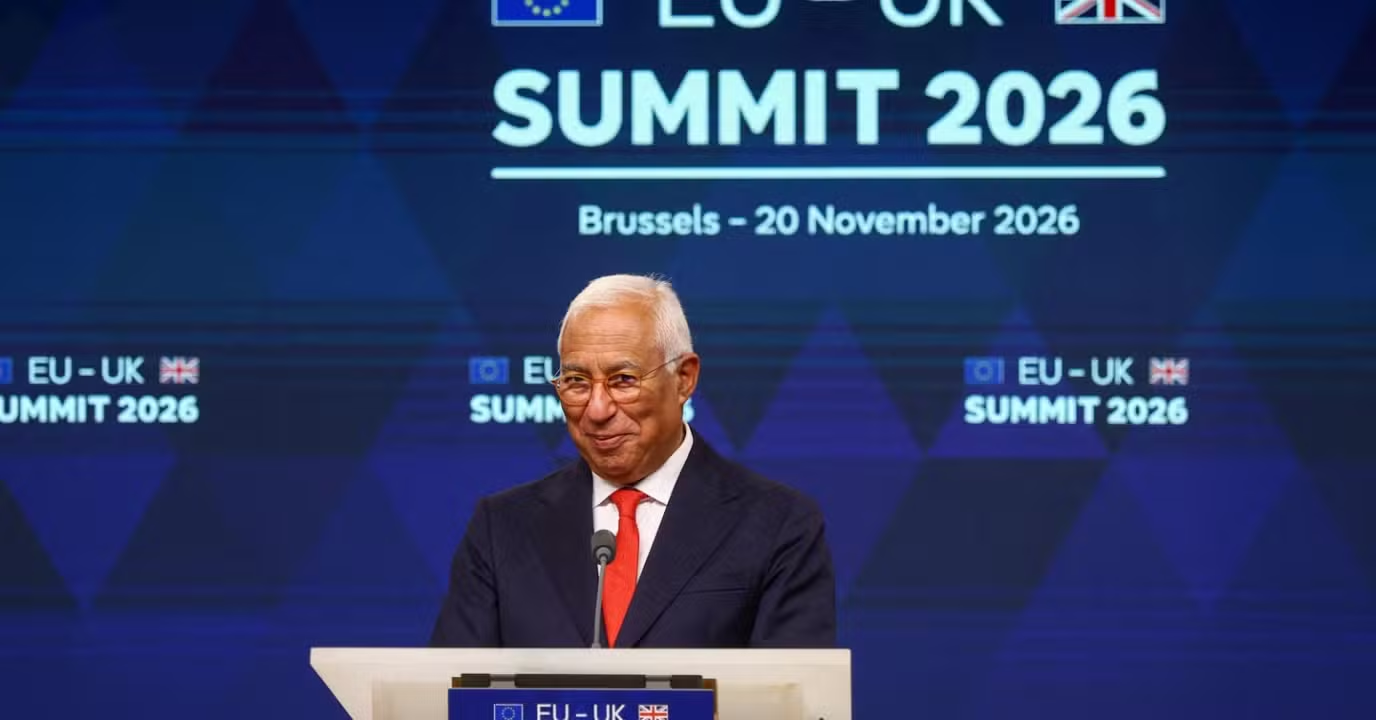
Budget de l’UE : Antonio Costa, le président du Conseil européen, propose 204 milliards d’euros d’économies et une taxe numérique
Le Monde, with AFP, reports that European Council President Antonio Costa has proposed a revised draft of the EU's 2028-2034 budget, cut by 204 billion euros from the European Commission's initial 2,000 billion euros, plus a new tax of 3% of annual revenue on large digital-sector companies, hoping to conclude negotiations by the end of the year. He also proposes studying the taxation of crypto-assets and using telecom frequency auctions as revenue, aiming to give pledges to the 'frugals', the northern states led by Germany and the Netherlands who demand savings, without cutting spending so hard that the EU's capacity to intervene is weakened. Costa says the tax 'is in no way directed against any company or state', but Le Monde notes it risks angering Donald Trump, who defends America's technology champions. France's presidency rejected the proposal, calling it 'very disappointing' and short on the common agricultural policy, while MEP Siegfried Muresan called it 'simply unacceptable'.
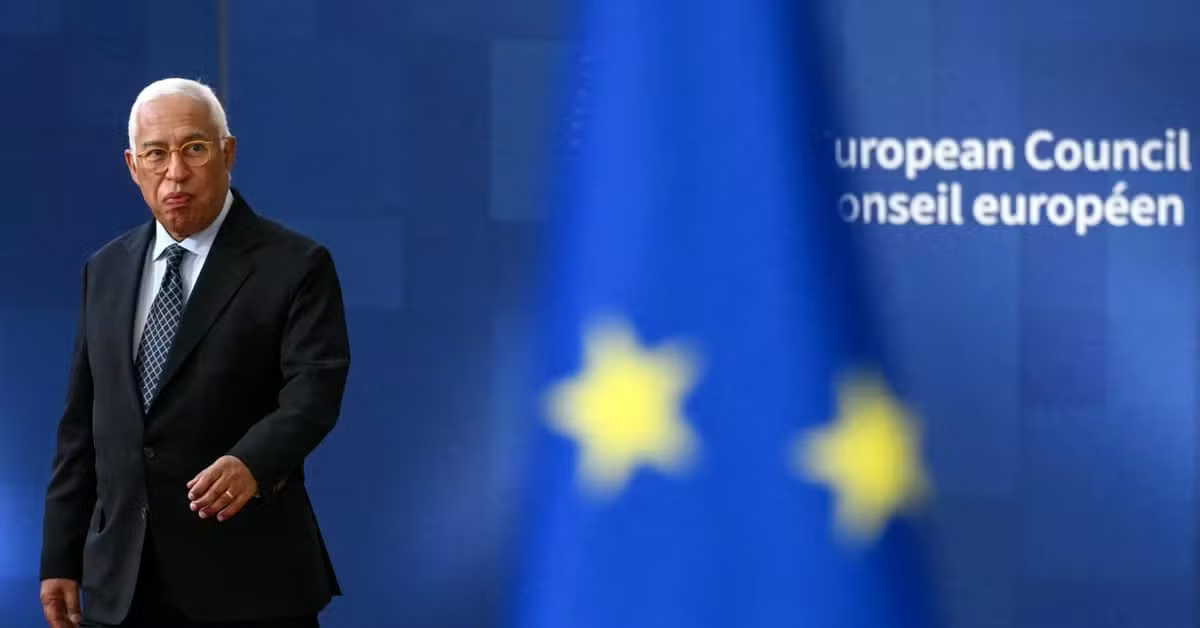
Costa eyes tax on Big Tech to boost EU budget after Trump’s poor midterms showing
Politico reports that European Council President António Costa is considering asking governments to back a tax on tech companies such as Google and Meta to boost the EU's roughly €2 trillion budget and unlock a deal on its final size, in a revised proposal for 2028-2034 due on Saturday. Little appetite existed for such a tax before the U.S. midterms for fear of retaliation from Washington, but supporters now argue Trump's domestic weakness after the results makes retaliation less likely, a view shared by budget negotiator Siegfried Mureșan. To overcome objections to the Commission's original business tax, CORE, Costa's team is considering replacing it with the digital levy, which Germany has warmed to without yet publicly backing, and which the Commission estimates would raise €5 billion per year at 3% on certain revenues. Opposition remains: Ireland, which hosts the European branches of U.S. tech firms, would oppose it, and one diplomat questions risking a trade war to raise a mere €5 billion.

