Army detonates Iowa lead azide stockpile amid reports it knew of the danger since 2009
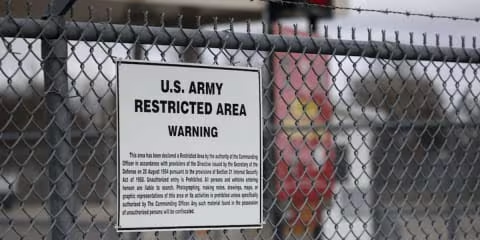
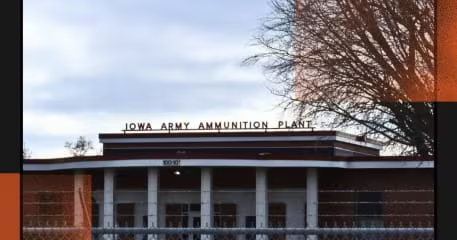
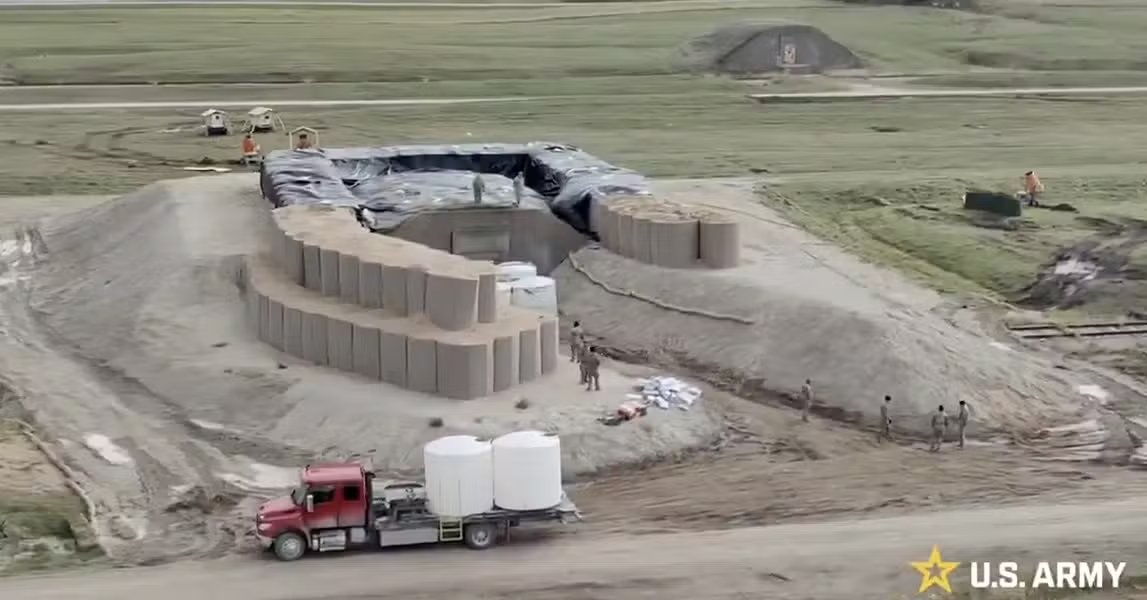
The U.S. military detonated nearly five tons of lead azide at the Iowa Army Ammunition Plant in Middletown, Iowa earlier this week, raising concerns about air and Mississippi River contamination. A report traced knowledge of the material to 2009, when the Army moved the barrels to the Iowa plant from another facility.
American Ordnance, the contractor operating the Iowa plant, warned MuniRem Environmental in August 2025 that 68 drums at the plant held potentially unstable lead azide. It later rejected MuniRem's chemical treatment bid, citing safety and a cheaper internal solution.
The Army told the Environmental Protection Agency around March 12, 2026 that the drums had become dangerously unstable. A panel recommended chemical neutralization, which Picatinny Arsenal tests confirmed worked within 15 to 20 minutes, and the Army awarded MuniRem a contract on March 25, 2026.
On May 8, 2026, the secretary of the Army chose to detonate the drums where they stood, four days after MuniRem submitted its detailed treatment proposal. The Army said in a September 4 letter that it had ruled out chemical treatment because crystals may have migrated into the drums' lid assemblies, where opening them could set off an explosion.
Judges found on November 23 that the Army and EPA had adequately considered other methods, though the blast carries risks, and a federal appeals court cleared it on November 25. The Army said the blast would release dust containing lead.
Government sensors around the blast site detected no noticeable lead levels in the air, and water and soil testing continues.
Valentine Nzengung said the plant's contractor warned his company in August 2025 that 68 drums at the Iowa Army Ammunition Plant in Middletown contained potentially unstable lead azide.
Records show American Ordnance, the contractor operating the Iowa plant, asked MuniRem Environmental for a disposal quote on the 68 drums of lead azide on September 24, 2025.
The government's court brief says the water-ethanol mixture keeping the explosive stable had gone unchecked and unreplenished since September 2025.
MuniRem's written proposal said its water-based reagent could neutralize residue around the drums' lids and seals as part of opening them for treatment.
The Army told federal regulators around March 12, 2026 that the drums had become dangerously unstable, after seeking a disposal method for nearly six months.
A panel including Army specialists, Johns Hopkins Applied Physics Laboratory personnel, and EPA representatives voted on March 19, 2026 to recommend chemical neutralization as the safest treatment.
At the panel's request, Picatinny Arsenal researchers ran small-scale tests that confirmed the neutralization process worked within 15 to 20 minutes.
The Army told the EPA in a March 24, 2026 permit application that the lead azide had recrystallized during long-term storage, making it more sensitive to shock and friction.
The Army awarded MuniRem a contract on March 25, 2026, and April 2026 contract documents identified MuniRem's reagent as the preferred option.
The EPA issued the first of three emergency storage permits for the material on April 2, 2026.
An Army letter filed in federal court says that by May 8, 2026, the secretary of the Army had chosen to detonate the drums where they stood, four days after MuniRem submitted its detailed treatment proposal.
On May 8, 2026, the contracting officer told MuniRem that government reviewers needed more time and requested a technical meeting that never took place.
The Army told MuniRem on May 14, 2026 that it would not exercise the treatment portion of the contract.
In a September 4, 2026 letter to the EPA, the Army said its working group unanimously ruled out chemical treatment because crystals may have migrated into the drums' lid assemblies, where opening them could set off an explosion.
In a sworn declaration, Army Col. Aaron Teller said the drums could not be safely opened to refill the stabilizing liquid and that evaporation made the remaining mixture more prone to freezing.
The EPA issued an emergency treatment permit on November 13, 2026 authorizing detonation in bunkers outside the plant's existing hazardous waste permit, with required sampling, monitoring, public notice, cleanup, and reporting.
Judges said in a November 23, 2026 opinion that the Army and the EPA had adequately considered other disposal methods, while acknowledging the planned blast carries risks.
A federal appeals court cleared the detonation of the lead azide to proceed on November 25, 2026.
The Army announced it would detonate the lead azide on November 25, 2026, citing favorable weather and added time for safety measures, and said the blast would release dust containing lead.
At a Middletown news conference on November 24, 2026, Col. Aaron Teller said officials "were never able to find a viable alternative" and that the chemical neutralization agent "proved to be an unsafe method."
Teller said "the barrels of lead azide have deteriorated rapidly over the past eight months," and that crystallized lead azide on the drums' exteriors and lids "prevents those barrels from being able to be moved."
Amy L. Borman, deputy assistant secretary of the Army, wrote in the court letter that the decision "is supported by the technical consensus across military and federal explosive safety authorities that this is the only safe method of treatment."
In social media posts, the Army said it had been "working around the clock to safeguard all Americans in the region" and that "the health and safety of all Americans has and always will be our first priority."
In Truth Social posts on November 23, 2026, President Donald Trump blamed the Obama administration for improper storage of the explosives in 2009 and said military experts considered a controlled detonation safer than risking an accidental explosion.
Valentine Nzengung said that, based on his experience and knowledge, he believes chemical neutralization remains a viable option for safely opening the drums.
Nzengung questioned the urgency of the operation, saying the earth-covered bunkers were designed to buffer temperature swings.
A contracting officer called detonation the safest method on May 15, 2026, citing an "abundance of caution."
Ashley Hinson wrote "This is a total failure and Iowans deserve better," called for an investigation into why the Army dropped the MuniRem treatment work, and urged federal officials to use every available resource to protect nearby communities.
Josh Turek called for a full investigation into why the decades-old stockpile was allowed to degrade, why other disposal methods were not pursued, what other dangerous materials are stored at the plant, and why public communications were delayed.
Rob Sand wrote "Because of the decisions that have already been made over the course of months, if not years, no good options exist and the situation is more dangerous and unpredictable than it ever should have been," and called on officials to protect people and explain how the situation reached this point.
Christina Bohannan said she would press the Army to explain why it did not remove or neutralize the lead azide sooner and would seek legislation to improve how similar hazards are handled nationwide.
Middletown Mayor Rodney Johnson said the controlled detonation should go ahead, writing "It doesn't matter who dropped the ball on the removal of these expired munitions, the ball is now in November 2026 Court."
Johnson also wrote "The buzzer is ticking and if we don't take this opportunity to Safely dispose of the problem, then actual lives may be at stake !!!"
Iowa Environmental Council general counsel Michael Schmidt said "the public deserves to know immediately which communities will be impacted and how residents can most effectively protect themselves and mitigate impacts on their health and homes."
The Iowa Environmental Council, the Sierra Club, and Earthjustice said the emergency grew out of the Army's own storage and inspection practices, which have not explained why the lead azide was not disposed of earlier.
Ranajit Sahu called for an independent review of chemical treatment and questioned whether the public analysis accounted for toxic byproducts beyond lead.
In sworn statements filed November 22, 2026, retired EPA emergency responder Mark J. Thomas questioned whether the weather forecast justified acting before the court could review the case, saying the bunkers would slow temperature changes and the area had already seen similar cold earlier in November.
MuniRem Environmental responded in late October 2025 with a proposal to chemically treat the lead azide, its containers, and the underground bunkers where it was stored.
An American Ordnance manager emailed MuniRem on February 4, 2026 to say the government was "taking another approach to lead azide disposal based on their assessment of safety risk."
The Army said in a statement it would look into the circumstances but that "current indications are that we were made aware in March" 2026.
Valentine Nzengung said American Ordnance's interest in disposing of the material in fall 2025 suggests concerns about its stability already existed.
The U.S. military detonated nearly five tons of lead azide at the Middletown, Iowa site earlier in the week, raising concerns about contamination of the air and the nearby Mississippi River.
A report traced knowledge of the unstable material back to 2009, when the Army moved the barrels to the Iowa plant from another facility.
American Ordnance rejected MuniRem's bid for the neutralization job citing safety reasons, and opted to save money by finding a solution internally.
Government sensors around the blast site detected no noticeable levels of lead in the air, and water and soil testing continues.
Robert Cekada, director of the Bureau of Alcohol, Tobacco, Firearms and Explosives, said the barrels were "already old, degraded lead azide explosives, and already a concern for the military."
Maj. Gen. Eric P. Shirley called the detonation "tremendously successful."
Josh Turek said in a social media post he would use his position in the U.S. Senate to get answers through investigations and hearings, saying Iowans and the American people "deserve accountability and the peace of mind to know that this will never happen again."

