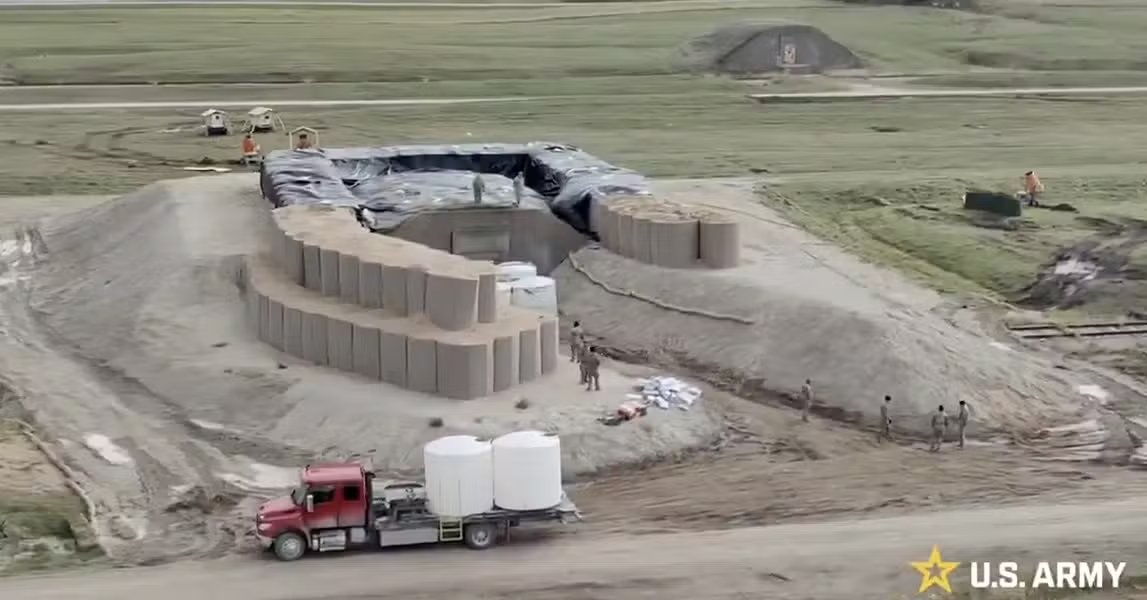
Army accused of lying about lead bomb debacle timeline
A news report at alternet.org says the Army stands accused of lying about when it learned the nearly five tons of lead azide it detonated at an Iowa site this week was dangerous, after claiming it only discovered the crystallized, unstable explosive in March. A New York Times report by Hiroko Tabuchi traces the concerns much further back: the Army knew the barrels were becoming dangerous as far back as 2009 when they were moved to the Middletown, Iowa plant, and more than a year before the blast its contractor, American Ordnance, sought expert help that was never completed. Documents from September show American Ordnance sought quotes from MuniRem Environmental to chemically neutralize the material, but rejected its bid citing safety reasons and instead opted to save money by handling the problem internally. Sensors around the blast site detected no noticeable lead in the air, though water and soil testing continues, and Iowa officials, including senator-elect Josh Turek, are demanding investigations and accountability.
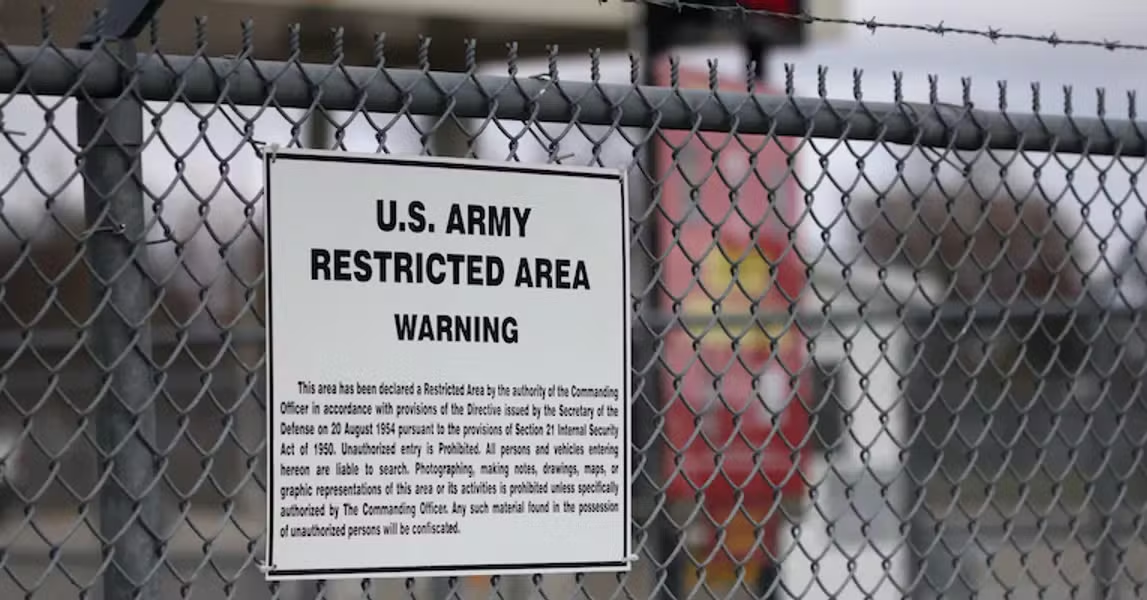
Emails blow gaping hole in Army's story on toxic Iowa lead stockpile
RawStory reports that emails undermine the U.S. Army's account of when it learned that a stockpile of lead azide at the Iowa Army Ammunition Plant in Middletown had become dangerously unstable. The Army says it first became aware of the danger in March 2026, but records reviewed by The Washington Post show that American Ordnance, the contractor running the plant, asked Georgia-based MuniRem Environmental on Sept. 24, 2025 to plan how to neutralize and dispose of 68 drums of the compound, and American Ordnance later told MuniRem the government was taking another approach over safety risk. MuniRem, led by University of Georgia geochemist Valentine Nzengung, proposed treating the lead azide with a chemical agent instead of open detonation, which the EPA lists as an alternative, and won a contract in March 2026 only to have it canceled two months later. The Army says an expert panel found such methods too likely to set off an accidental blast and says it will look into the circumstances, while it moves ahead with a controlled detonation that its own models show could spread lead dust more than 100 miles, a concern because there is no known safe level of lead exposure.
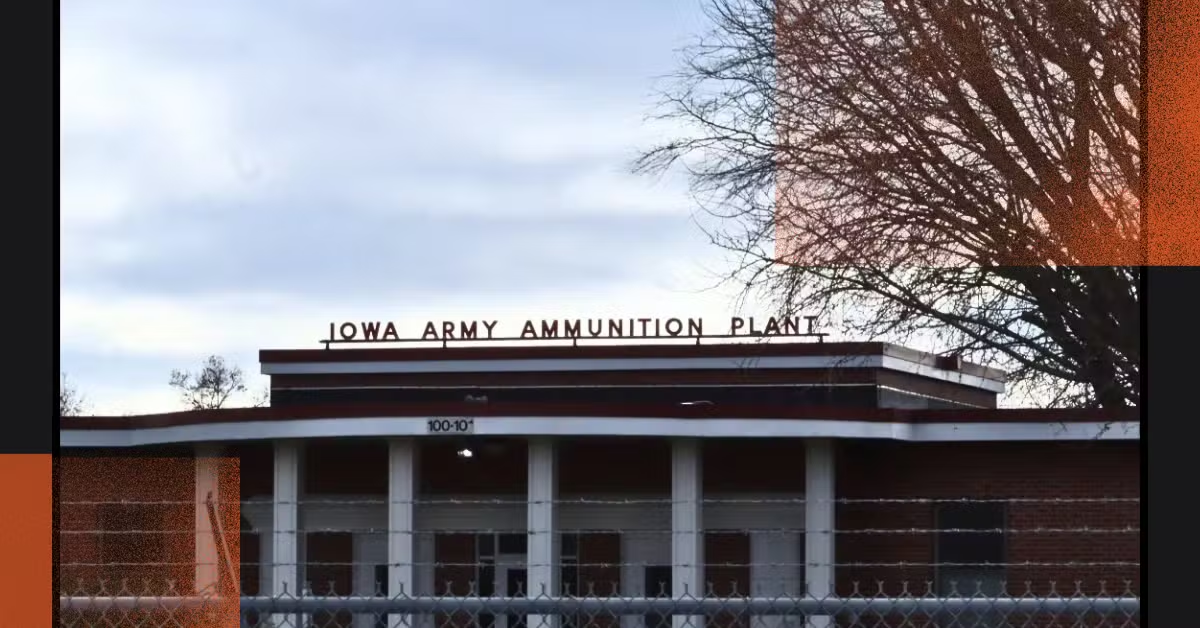
Records show a timeline of the Army’s decision against chemical treatment for lead explosives
In a records-based investigation, Iowa Public Radio traces how the Army went from nearly adopting chemical neutralization to deciding to blow up 68 drums of dangerously unstable lead azide at the Iowa Army Ammunition Plant in Middletown. The Army had sought a way to dispose of the explosive for nearly six months before telling federal regulators in March 2026 that the drums had become unstable. A panel including Army specialists, Johns Hopkins Applied Physics Laboratory personnel, and EPA representatives voted March 19, 2026 to recommend chemical neutralization, which Picatinny Arsenal tests confirmed worked in 15 to 20 minutes, and the Army hired MuniRem Environmental to do the work. But by May 8, 2026, the secretary of the Army had chosen in-place detonation, four days after MuniRem submitted its detailed treatment proposal and six days before the Army told the company it was dropping that part of the contract. The Army says crystals may have migrated into the drums' lid assemblies so opening one could set off an explosion, and Col. Aaron Teller told reporters officials 'were never able to find a viable alternative.' IPR writes that the records leave unanswered what changed between the March recommendation and the May decision, and MuniRem's Valentine Nzengung says chemical neutralization remains viable. A federal appeals court cleared the detonation to proceed on November 25, 2026, finding the Army and EPA adequately considered other methods while acknowledging the planned blast carries risks. Iowa officials from both parties, including Rep. Ashley Hinson, Sen.-elect Josh Turek, and Gov.-elect Rob Sand, are calling for investigations into why the stockpile was allowed to deteriorate and why the Army abandoned the treatment work it had contracted for.

