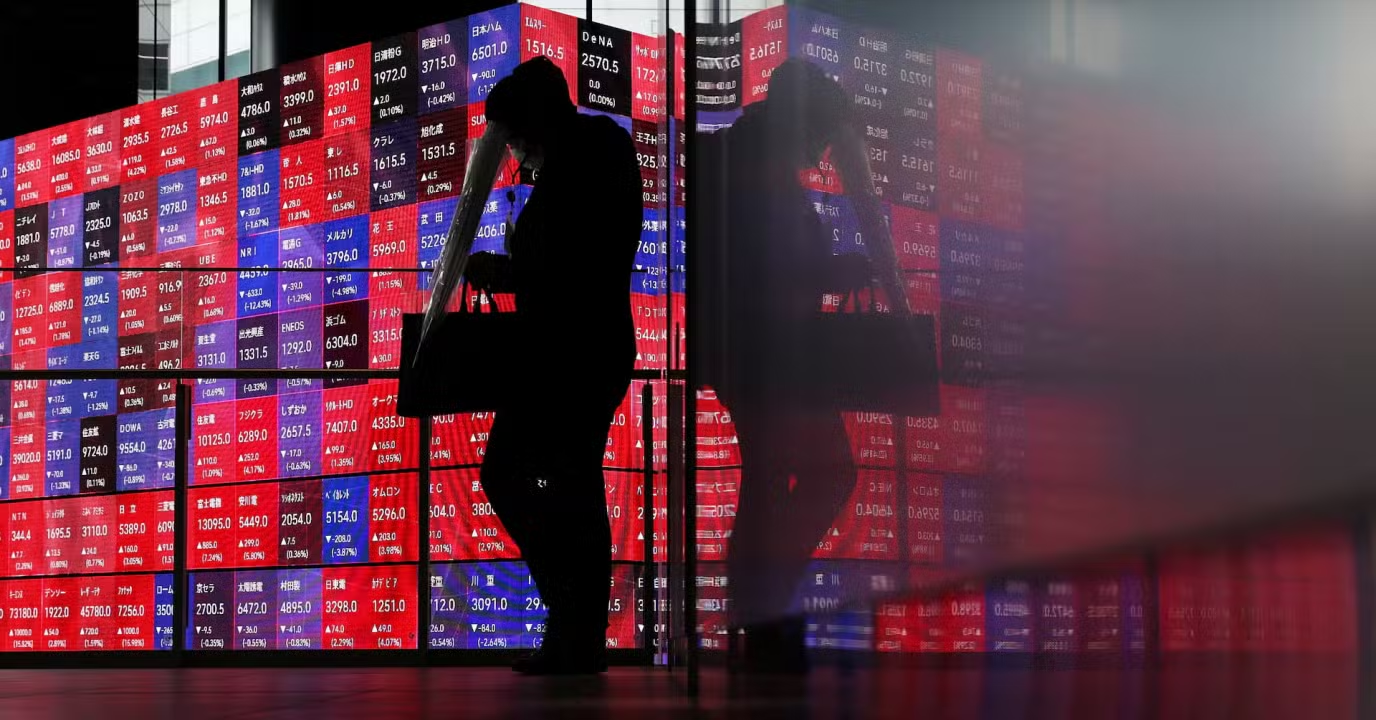
Shares bounce after bruising month, dollar on course for third monthly gain
Asian shares steadied and rallied on Friday near the end of a bruising month, with a Thanksgiving holiday lull giving some respite from AI jitters. Japan's Nikkei jumped 2.1%, China's blue-chip index gained 3.8% after hitting its lowest level since June 2025, and Nasdaq futures rallied 2.4%, pointing to an extension of the rebound. Reuters reports Nvidia shares remained a source of unease, and bond investors wonder whether this month's broad losses and doubts about AI-driven investment might make central banks less hawkish, though Schroders' David Rees warns markets could soon price a more hawkish Fed back in. AMP's Shane Oliver says the rebound could go further but the risk of a deeper correction within six months remains high. The US dollar was headed for its third monthly gain, supported by expectations of a near-certain Federal Reserve rate rise in December.
Trump says Wednesday's market had him briefly 'concerned' before stocks recovered
Reuters reports that President Trump told reporters he was 'a little concerned' when he saw big dips in the stock market early in Wednesday's trading session, but that stocks were up again by the end of the day. The Nasdaq fell more than 4% in the first few hours before recovering most of those losses to end the day down just slightly.
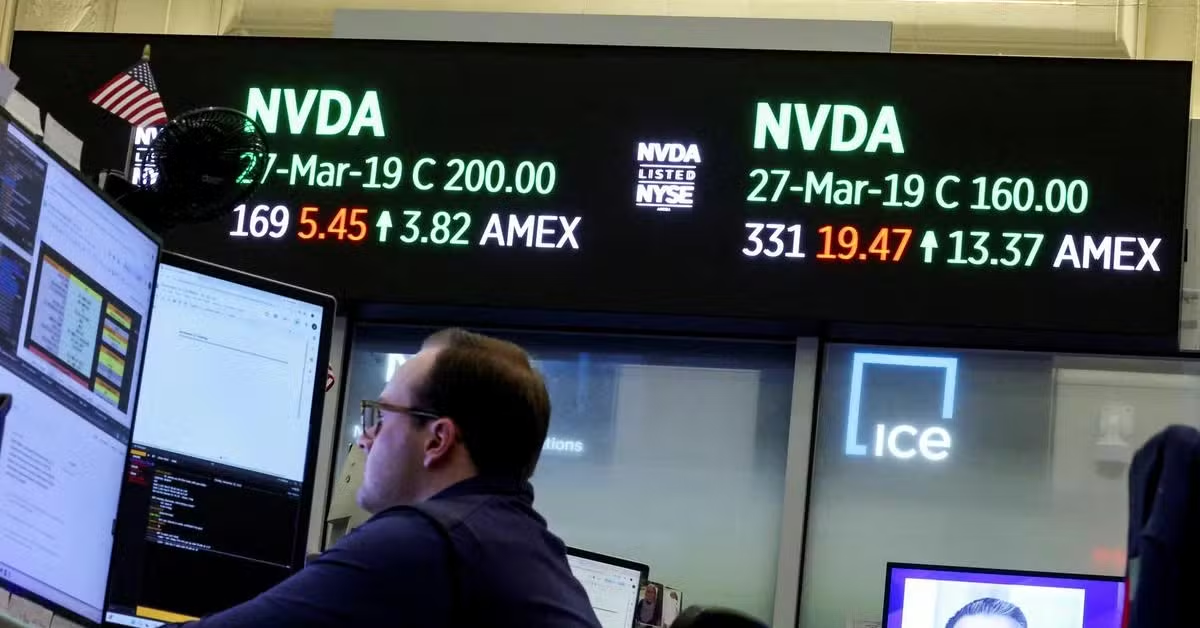
What to watch for as volatility in markets spikes
Semafor's business newsletter warns that market volatility is spiking and tells readers what to watch for as it feeds on itself. The VIX hit a post-Liberation Day high and Goldman Sachs' value-at-risk rose 84% between December 2025 and 30 September 2026, while hedge funds reducing exposure can stoke more swings. Semafor's Liz Hoffman expects a boom in convertible bonds, which volatility makes more valuable, and recommends companies sell volatility because the market is buying it. The briefing also flags Anthropic's slide below its $83 IPO price scaring off listing-curious companies, banks increasingly marketing portfolios of AI-related loans to shift risk to investors, Washington's proposed excess capacity tariffs on China and other partners, and Sanofi's $41 billion takeover of Insmed as patent cliffs loom for the drug industry.
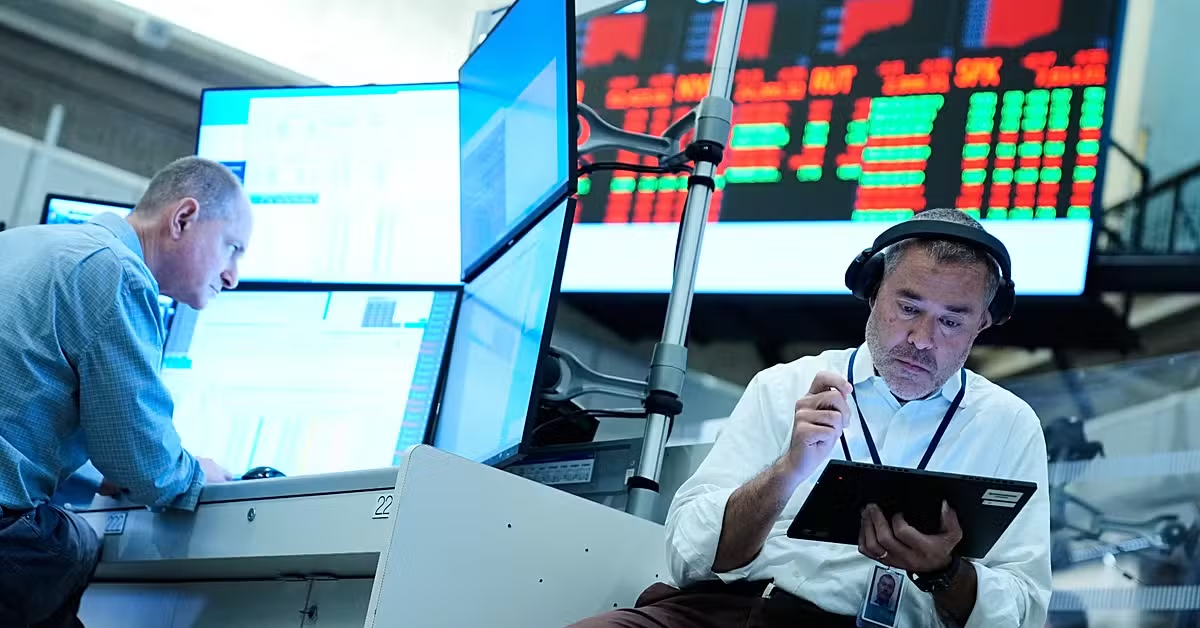
Global markets rebound as tech shares recover and tariff fears ease
A Euronews news article reports that global markets rebounded on 26 November 2026, with beaten-down Asian tech firms leading the gains as investors took a fresh round of proposed US tariffs in their stride. The rebound followed a week of wild swings driven by AI boom worries, and came after a five-month tech sell-off that Euronews attributes to fears over capital spending, rising rate expectations and talk of tighter AI regulation. Tokyo's Nikkei 225, Seoul's Kospi and Taipei's Taiex all climbed more than 1%, with Kioxia and SoftBank surging by double figures, while the proposed duties of up to 20% on 14 economies drew little market reaction. Analyst Michael Boutros at Forex.com cautions that buyers still need to show renewed demand goes beyond short-lived relief rallies, and Beijing warns Washington against tariff wars.
Nasdaq 100 Enters Bear Market Territory as AI Angst Fuels Losses
US stocks finished lower on November 24, 2026 after a day of whipsawing prices, with angst over artificial intelligence fueling the sell-off. The Nasdaq 100 briefly entered bear-market territory, plunging as much as 4.7% before retracing most of its losses to finish 0.6% lower. The S&P 500 fell as much as 3.2% before recovering almost all of its losses to close 0.3% down. Bloomberg reports dip buyers looked past the biggest concerns clouding the AI outlook.
Is your superannuation protected from a Wall Street crash?
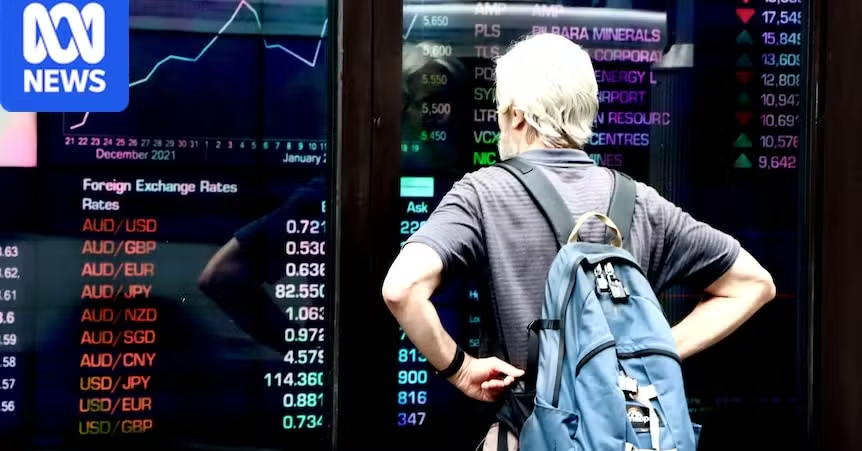
An ABC News analysis examines whether Australian superannuation is protected from a Wall Street crash, after the S&P 500 and Dow Jones moved into a technical correction and the Nasdaq fell 18 per cent from its October high. Superannuation is approaching $5 trillion, with roughly a third invested in international shares, and the overseas share of Australian super has risen from just above 20 per cent in late 2013 to almost half. That exposure gives Australians a stake in the long rise of US stocks but leaves them exposed to movements in the Australian dollar against the US dollar. Experts, including the Association of Superannuation Funds Australia's Mary Delahunty and ChantWest's Ian Fryer, say super is a long-term investment and warn that knee-jerk switches to cash risk missing sharp recoveries: the Super Members Council cites someone who moved $100,000 to cash at the COVID-19 trough as potentially around $50,000 worse off over five years.

How major US stock indexes fared Tuesday 11/24/2026
AI stocks dragged the US stock market lower on 24 November 2026 after their surge from the day before quickly fizzled. The S&P 500 fell 36.08 points, or 0.5%, to 7,201.09, its eighth loss in the last nine days, and the Nasdaq composite dropped a market-leading 1.5% to 23,733.54 on tech weakness. But most stocks outside tech climbed, and the Dow Jones Industrial Average rose 423.39 points, or 0.9%, to 50,018.70. Anthropic's stock dropped back below its IPO price, and the market has been mostly sinking since setting its all-time high in October 2026.
Morgan Stanley says this is a big buying opportunity: ‘We’re not going to miss it’
Morgan Stanley calls the current market a big buying opportunity, saying, "We're not going to miss it."
Wild stock market swings: will I lose money, and is there anything I can do?
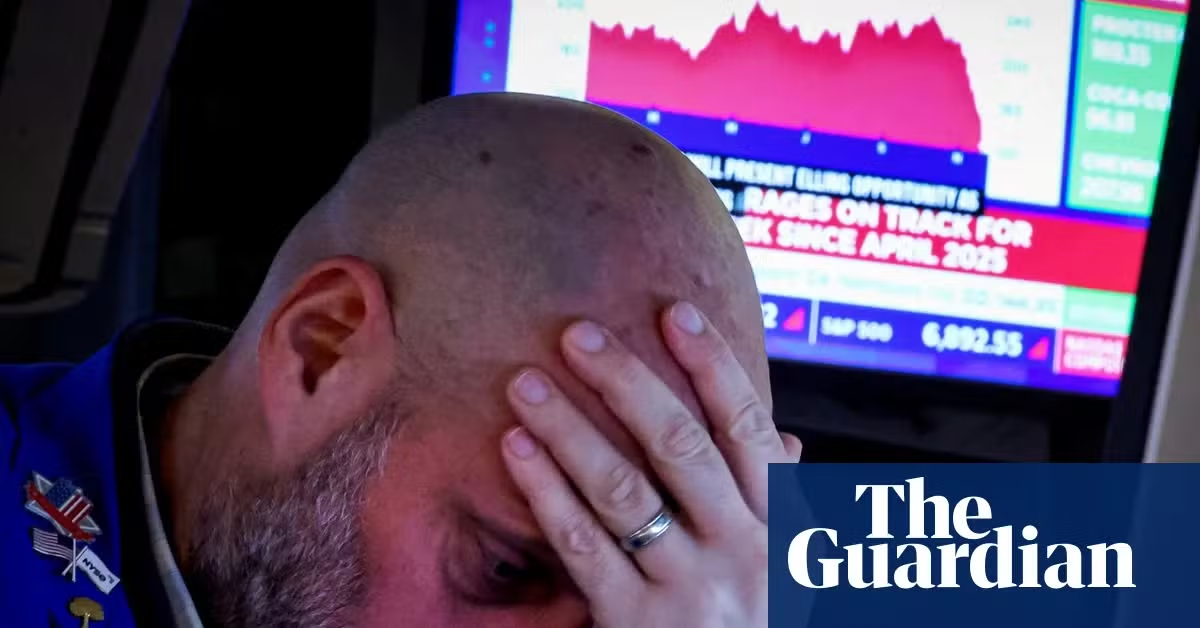
A Guardian explainer answers a question many are asking after weeks of wild stock market swings: will I lose money, and is there anything I can do? It explains that investors only crystallise a loss when they sell, and markets have been climbing before these falls, so many may not even be down on paper, with the FTSE 100 still higher than a year earlier. It points to signs that investors are losing faith in the valuations of AI companies, sending tech stocks, which dominate global indices and the passive funds tracking them, into sharp falls after events such as Anthropic's record-breaking debut followed by a global tumble. Market experts quoted in the piece, including Dan Coatsworth of AJ Bell and Holly Mackay of Boring Money, say the sell-offs are par for the course and that doing nothing is often the most sensible response, though they suggest options such as diversifying across sectors and regions, or funds with less tech and US exposure, and reviewing risk for those near retirement.
The stock market faces a worrying scenario: a sell-off with no flight to safety | Fortune
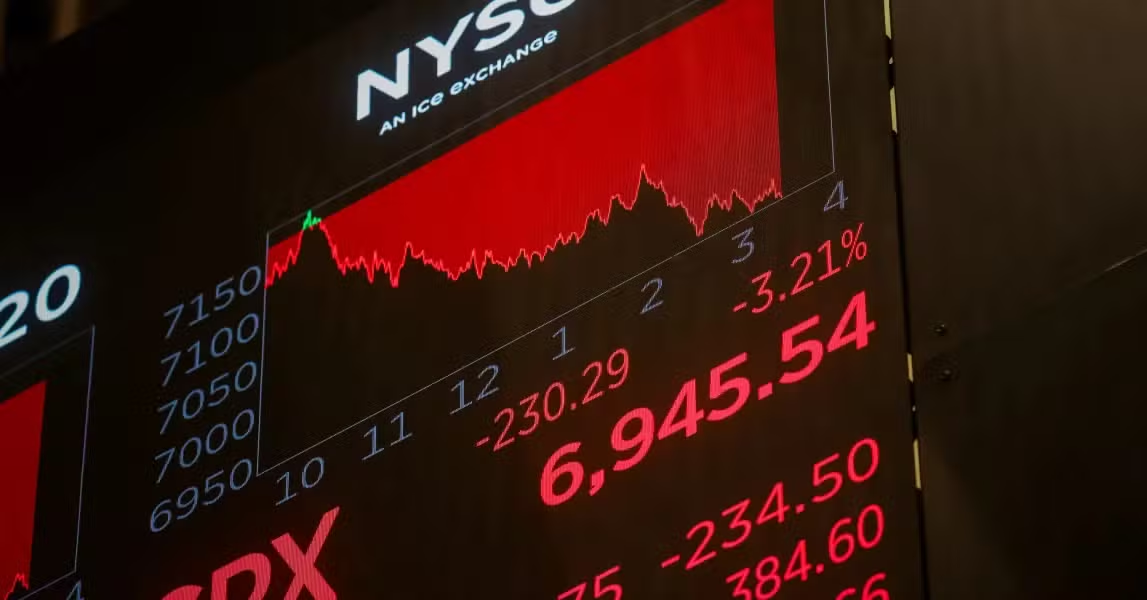
In its CEO Daily newsletter, Fortune warns the stock market faces a worrying scenario: a sell-off with no flight to safety. As of November 23, 2026, U.S. markets were in correction territory, with the S&P 500 down more than 11% since its October highs and the Nasdaq Composite down about 18%, yet money is not shifting into bonds the way it usually does when stocks fall, so borrowing costs stay high even as portfolios shrink. The 10-year Treasury yield hovered near 5% with mortgage rates above 7.3%, and foreign appetite for Treasuries is drying up: purchases by trading partners were down 60% in the first eight months of 2026, with Japan, the biggest foreign holder, cutting its buying by 99%. Wealth manager Bruce K. Lee told Diane Brady there should be a flight to safety and he does not see one, and the newsletter says that with foreign demand gone the Fed has less room to maneuver as it fights inflation and worry grows over the $40 trillion national debt. The newsletter lists possible culprits for the correction, from AI spending and Nvidia's turmoil to trade tensions and sticky inflation, and forecasts stocks could be volatile for some time.

Citi’s Jane Fraser on the reset for an AI market ‘priced to perfection’
In a Semafor Business & Finance interview, Citigroup CEO Jane Fraser dismisses the AI-fueled tech selloff that pushed the Nasdaq into correction territory, saying it was largely hedge funds de-risking over technical things and that the correction does not yet feel fundamental. She says the market was priced to perfection, that getting air out of the tires is not a bad thing, and that the selectivity investors now show will bring discipline to how capital is allocated. On credit, she notes the big hyperscalers are working hard to keep AI debt off their balance sheets, the bonds of weaker players like neoclouds have plummeted, and she expects consolidation among the many neoclouds. She warns a big refi wall is coming in an environment of higher rates and tighter liquidity, and says the industry needs to be ready for it, not surprised by it.
The Stock Market Just Had Its Worst Week in 19 Months. A Sell-Off This Bad Usually Gets Worse, and Here's What Happened to $500,000 After the 8 Weeks That Were Worse
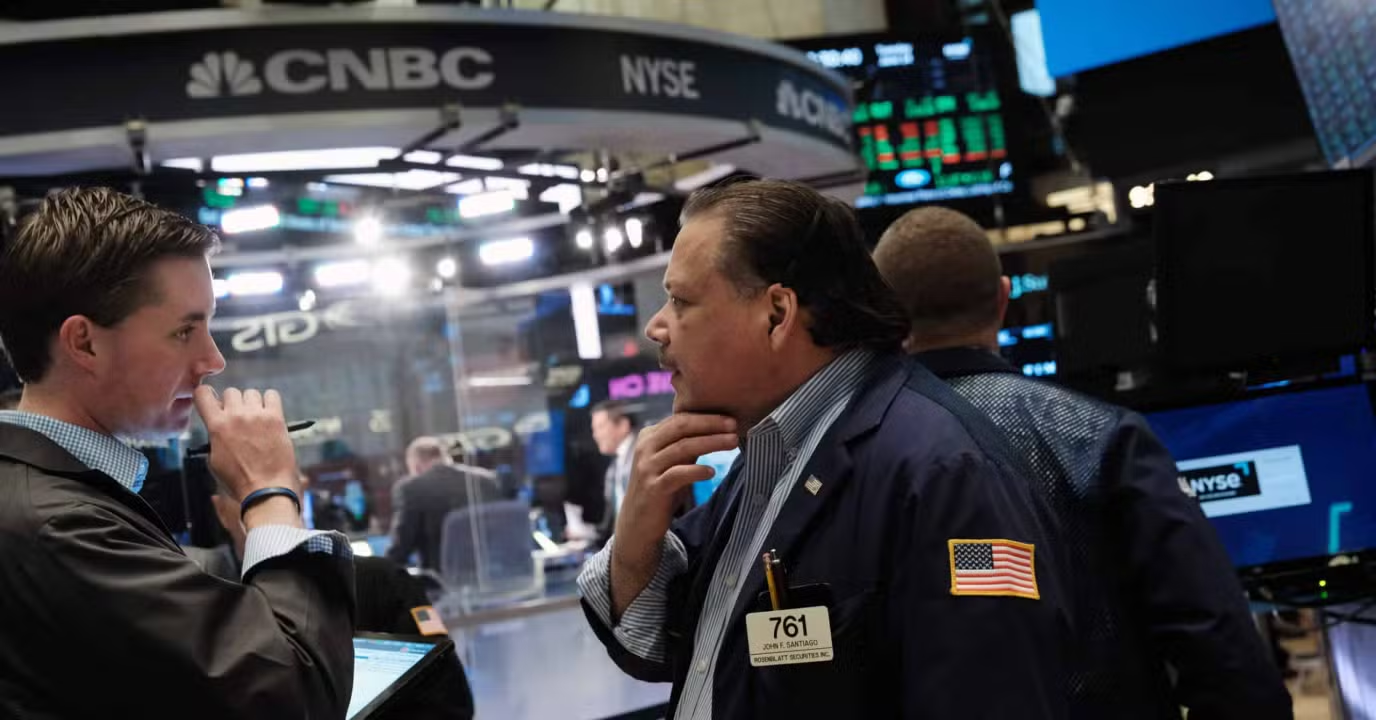
An investing analysis by Jeremy Phillips on 247wallst.com argues that after the S&P 500's worst week in 19 months, a sell-off this bad usually gets worse before it ends. The S&P 500 fell 9% in the five days through Friday, Nov. 20, 2026, with technology stocks leading, and the SPDR S&P 500 ETF Trust closed 11% below its October record. Phillips went through every weekly close of the fund since November 1999, 1,411 weeks in all, and found eight that lost at least as much, in 2000, 2001, 2008, 2020, and 2025. After six of those eight weeks stocks dropped at least another 17% within a year, yet the fund stood higher a year later after five of the eight, and Phillips cautions that eight weeks from five years is a small sample: nothing in either this week or the past ones showed which path was coming, so one week of prices cannot tell you whether this is 2000 or 2020. He illustrates the stakes with a 67-year-old retiree whose fund fell from about $565,000 at the record to $500,000, and recommends counting the years of withdrawals held outside stocks and, if you hold more than you can sit through, fixing that in steps.

Jim Cramer Warns the Market Is "Destroying Savings for the Many"
A 24/7 Wall St article by Chris Lange builds on Jim Cramer's warning on his November 19 Mad Money broadcast that 'the market's destroying savings for the many faster than it's creating it for the few.' The warning came as the S&P 500 fell 8.56% and the Nasdaq 100 dropped 10.51% in the week ended November 20, 2026, with coverage tying the plunge to the AI trade coming apart. The article argues the same concentrated winners led the decline while savers who think index funds diversify them hold those names, and Federal Reserve data show households 70 and older held 40.5% of household equities and mutual fund shares in the second quarter of 2026. It stresses that retirees selling shares at low prices face permanent losses, and recommends they cover withdrawal needs with cash and income rather than stock sales and watch whether the Nasdaq's slide reaches official bear market territory.

His 401(k) Hit $900,000 Before the Market Crash, Enough to Retire at 64. A 19.8% Slide in His Nasdaq 100 Fund Erased $178,200 Weeks Before His Last Day
A 247wallst.com personal finance article uses a hypothetical 64-year-old whose $900,000 401(k), all in a Nasdaq 100 fund, fell $178,200 to $721,800 weeks before his retirement date, mirroring the Nasdaq 100's real slide of nearly 20% from its October 2026 record. The same $36,000 that is a 4% withdrawal on $900,000 is nearly 5% on $721,800, and holding to 4% cuts his income to $28,872, while getting back to even takes a 25% gain, the sequence-of-returns risk the article explains. Its advice is to leave the crashed fund untouched for 12 to 24 months, paying bills from cash or the plan's stable-value or bond option, then convert to a Roth while prices are low, keeping joint income under the $218,000 IRMAA threshold and delaying Social Security to avoid the 85% benefit-taxation zone. On The Clark Howard Podcast, Clark Howard made the same case for Roth money, citing its flexibility.
US Stock Futures Rally After AI Rout, Havens Fall: Markets Wrap
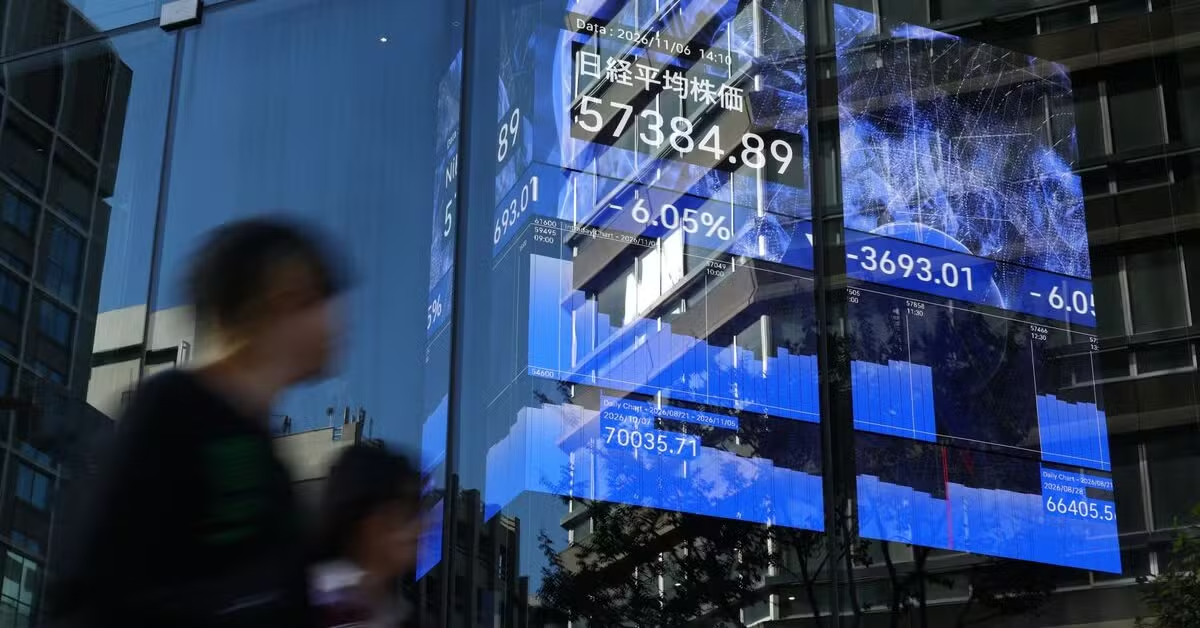
US equity-index futures rallied as buyers returned after Friday's selloff in artificial intelligence companies, while Treasury futures fell and the yen weakened as demand for haven assets ebbed. Futures on the S&P 500 added 2.2% after the gauge dropped for a seventh straight day, pushing it into a technical correction, and Nasdaq 100 futures rose 3.1% following the tech-heavy gauge's worst week in more than six years and a slide close to bear-market territory. European shares were set to open higher.
Charlie Bilello Flags the Nasdaq 100's First Bear Market Since April 2025
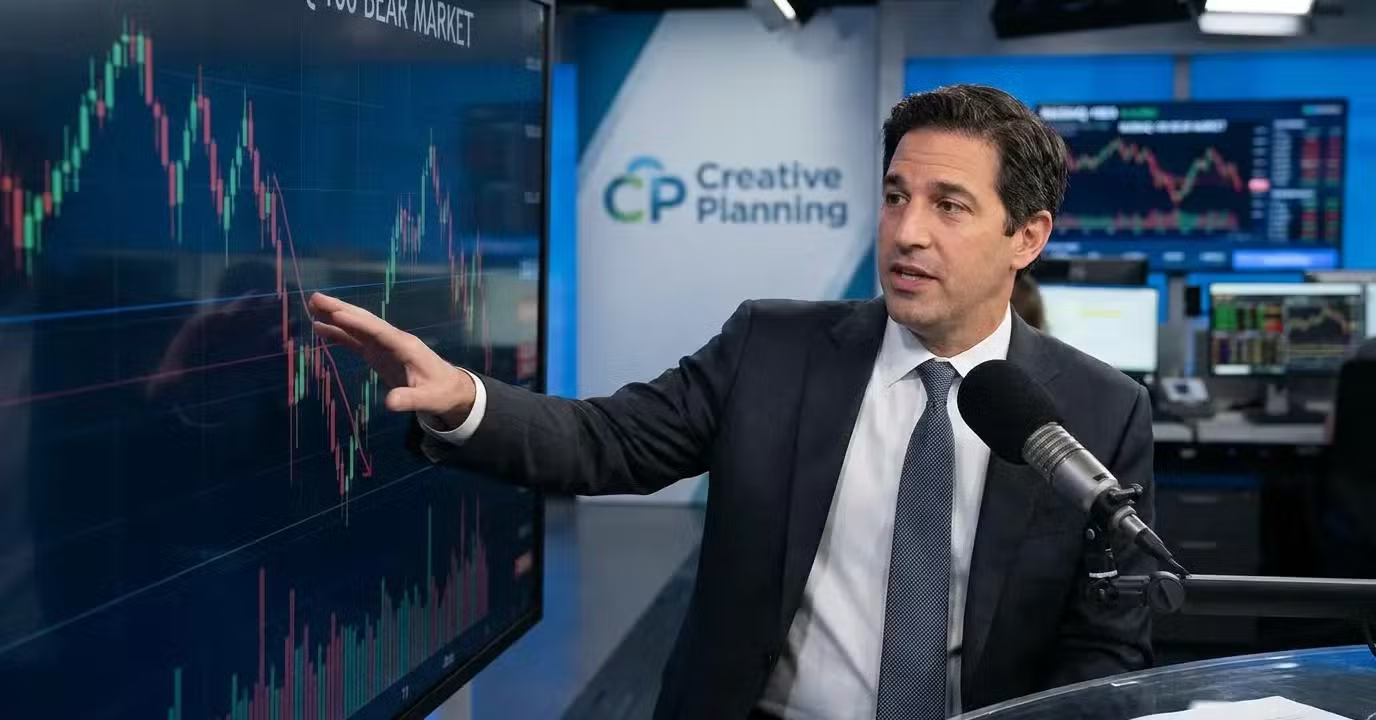
In a November 22, 2026 report, 247wallst.com relays Charlie Bilello's warning that the Nasdaq 100 crossed into bear market territory on November 20, 2026, its first since April 2025. The selloff in tech stocks left Invesco QQQ Trust, which tracks the index, trading as low as $606.23, 20.2% below its record close of $759.66 set on October 6, 2026. Bilello notes the S&P 500's forward P/E had fallen to 17, its lowest in over three years, and the article says concerns about AI spending spread across the market. It adds that even investors who own no Nasdaq fund can hold much of the same chip and software stocks through S&P 500 index and target-date funds.
Dip Buyers Hesitate to Step In as Nasdaq 100 Nears a Bear Market
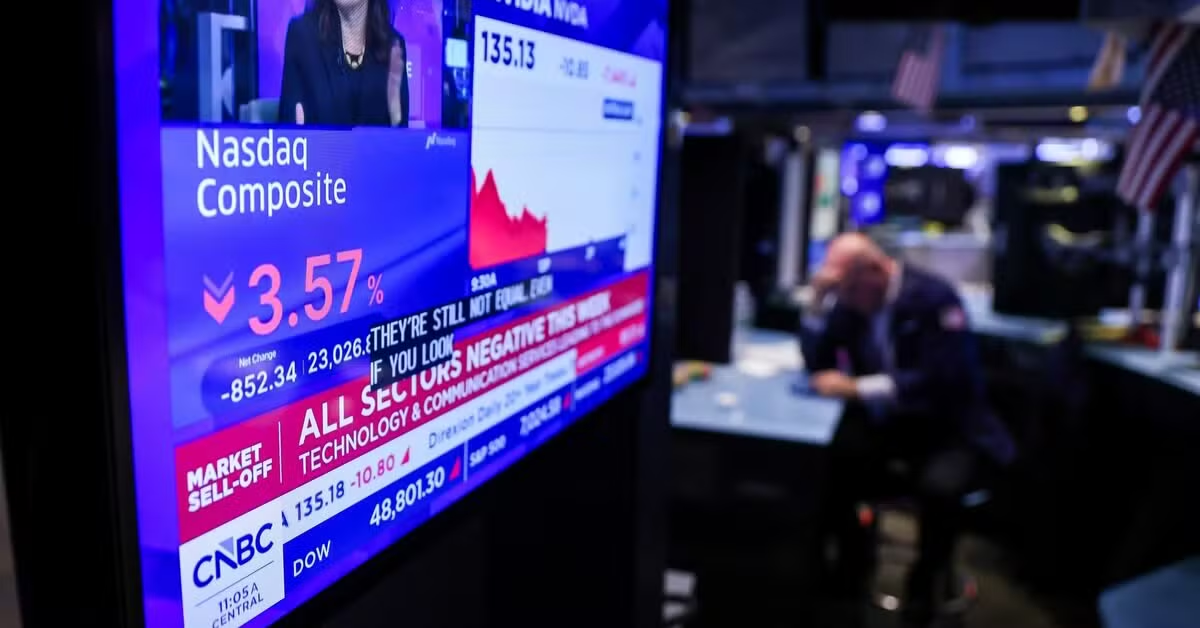
In a Bloomberg news report, dip buyers hesitate to step in even as the Nasdaq 100 nears a bear market, its drop from its October 6, 2026 record reaching 19.8% while the S&P 500's drawdown hit 12%. Bloomberg's reporters write that valuations are now 'screaming bargain' and contrarian impulses to buy are running strong, yet the fundamentals did not change dramatically in the week's massive selloff. Professional money managers, they write, see too many lingering questions heading into the holiday-shortened week of US trading to lend confidence to the idea that the bottom has been set.
Live: Wall Street crashes to correction territory and ASX set to fall
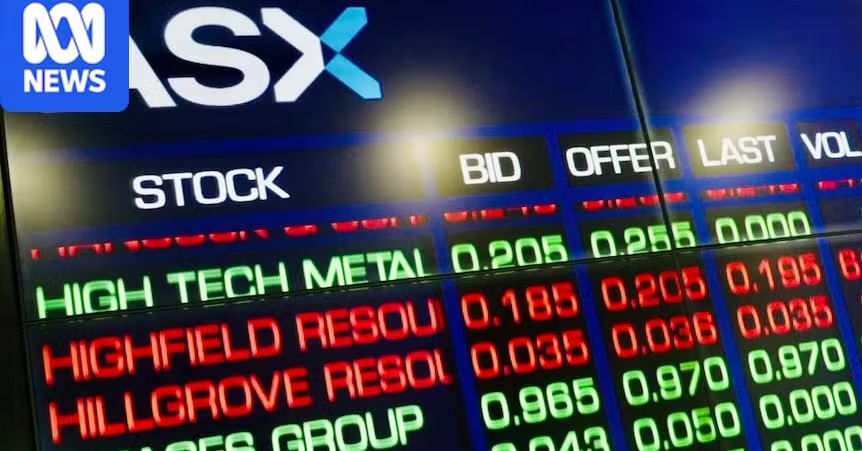
In a live markets blog, ABC business reporter Stephen Letts reports that Wall Street's week-long slump accelerated on Friday, with the benchmark S&P 500 shedding almost 4 per cent and the tech-centric Nasdaq falling more than 5 per cent to give up all its gains for the year. The ASX is set for a seventh straight losing session, with futures pointing to losses of around 0.6% at the open as miners face more selling pressure.
Goldman Traders See Entry Point in US Stocks But Warn of Risks
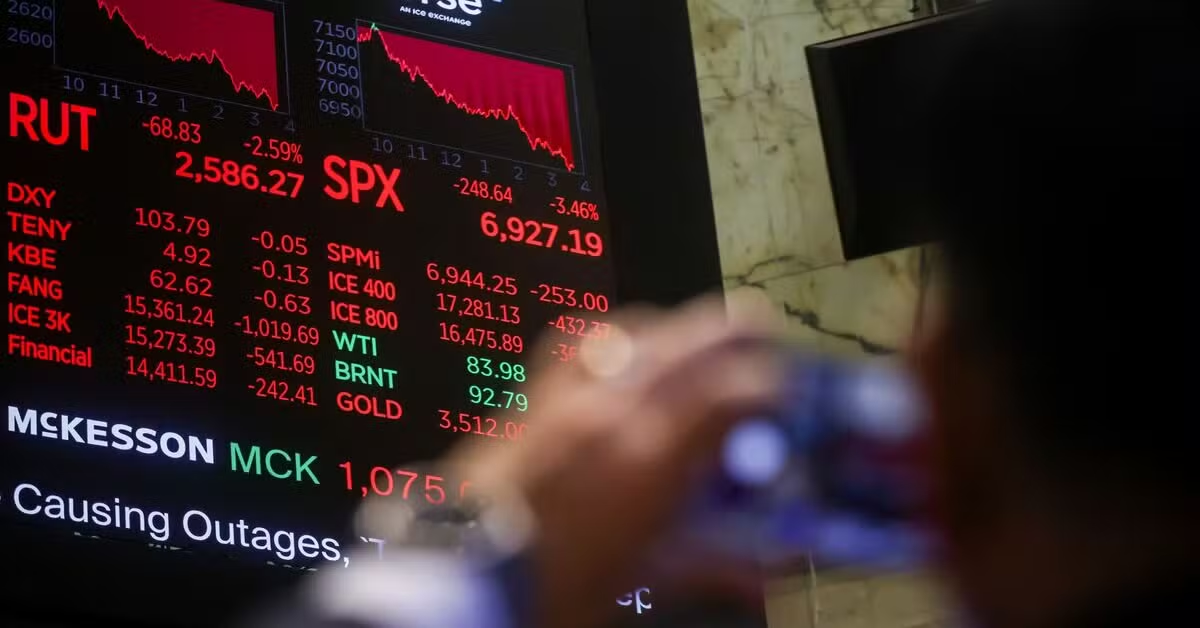
Goldman Sachs's trading desk says last week's selloff has created an attractive opportunity to buy US stocks, but the bank cautions that the broader capitulation needed for a meaningful rally could be missing. Its Volatility Panic Index spiked to 9.8 out of 10 on November 20, 2026, near historical extremes, and Goldman warns investor positioning remains elevated. The bank's prime brokerage data shows hedge funds selling for a third straight week, with US single-stock shorting at its highest weekly level since June 2022 and long-short funds' net leverage at a one-year low of 42.3%.
Strong Earnings Prove No Match for the Crumbling AI Trade
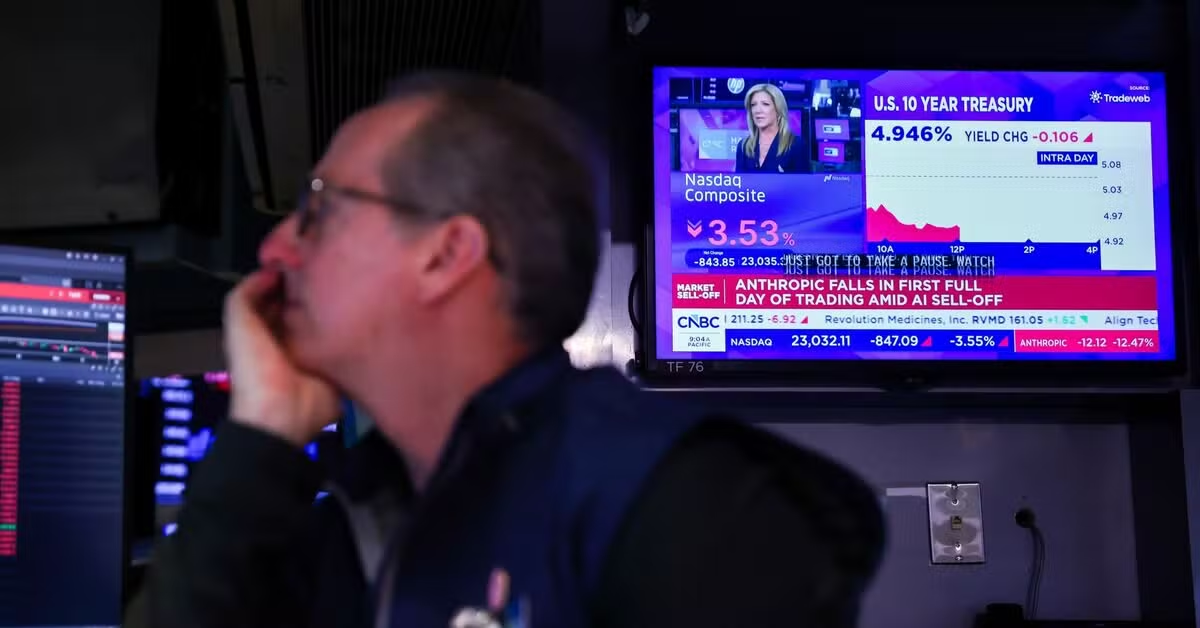
S&P 500 companies had delivered a second consecutive quarter of profit growth above 30%, but in November 2026 the index slumped instead of rallying on the strong results. In a Bloomberg article, Geoffrey Morgan and Sagarika Jaisinghani write that a strong earnings season had long given Wall Street something to fall back on, and the crumbling artificial-intelligence trade has ripped away that support. They note the profit growth defied fears that rising costs would slow earnings, and argue the slump shows strong results alone are no longer enough to protect against mounting anxiety around the AI trade.
Correction or deeper reckoning? Investors seek signs US stock selling will abate
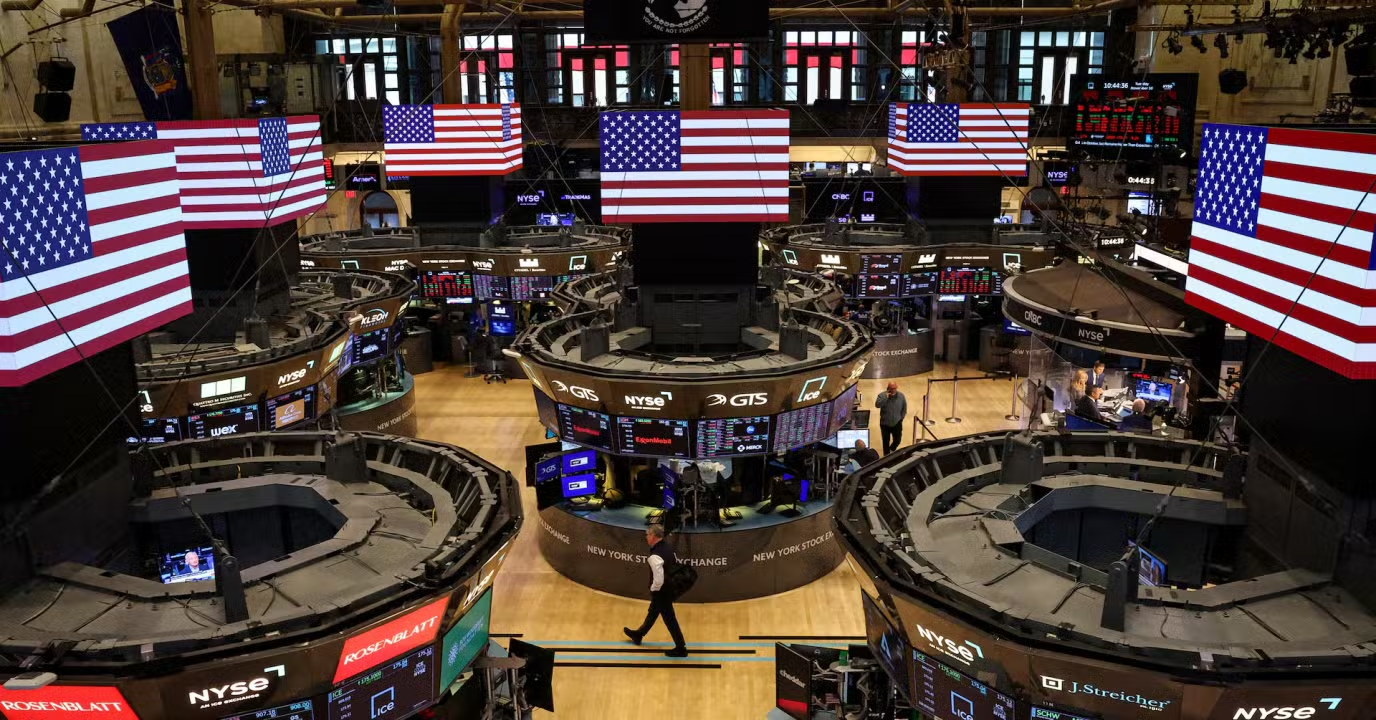
US stocks slid into a correction for the first time since March 2025, with the S&P 500 down 11.6% from its 6 October all-time high after a seven-session losing streak and its biggest weekly drop in over a year. Reuters reports the six-week slide has hit heavyweight technology shares hardest amid doubts about the sustainability of the heavy data center spending behind the AI trade, while investors also say the start of Federal Reserve rate hikes has stirred anxiety about risk assets. Investors are scouring for signs the selloff is ending and a chance to buy beaten-down stocks: some indicators are close to signaling a bottom, but strategists such as Edward Jones' Angelo Kourkafas say sentiment is fragile and warn momentum could drive a deeper slide. Attention now turns to the Fed's 8-9 December meeting, where markets widely project another quarter-point rate hike, and to Micron Technology's results on 17 December as a read on AI investment.
The Nasdaq Just Hit a 7-Month Low. Here's What $500,000 in JEPQ, JEPI, SCHD and the Dividend Aristocrats Lost in the Selloff, and the One That Made Money
As the Nasdaq slid to a seven-month low, 24/7 Wall St. tracked what $500,000 invested in each of four popular income funds on October 21, 2026 would have done through the November 20 close, and only the ProShares Dividend Aristocrats ETF made money, gaining $10,950, while JPMorgan's JEPQ lost the most at $71,900. The Invesco QQQ Trust, the article's benchmark, fell 16.1% over that month, and a Barchart report attributed the drop to a liquidation of the artificial intelligence trade and a sharp fall in NVIDIA. 24/7 Wall St. concludes that with tech leading the market down, the stocks inside each fund decided how it did, and funds built on long dividend-growth records gave the real protection, though it cautions that one month is a short window to judge them.
Stock market correction? Whatever — Wall Street is bullish on 2027, and one chief investment officer sees the S&P 500 soaring 45% to 10,000 | Fortune
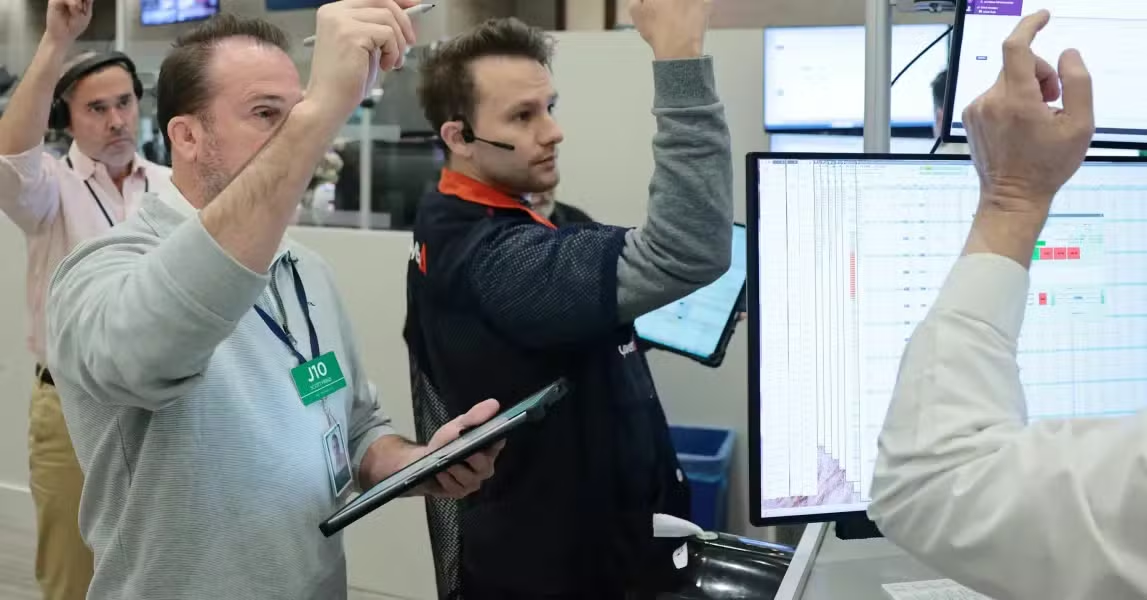
Fortune reports that despite a sharp November correction in AI stocks, Wall Street is bullish on 2027, with strategists forecasting the S&P 500 to finish the year far higher, led by Federated Hermes chief investment officer Steve Chiavarone's target of 10,000, a 45% surge. The bullish calls follow the Dow, S&P 500, and Nasdaq sliding into correction territory, with the week ending November 20, 2026 marking the worst weekly loss since the early days of the COVID-19 pandemic. Morgan Stanley's Michael Wilson and Goldman Sachs see the index at 8,700 in 2027, while UBS and Wells Fargo put it at 8,200. Some analysts welcome the pullback for taking froth off the market, and Chiavarone brushes aside Wall Street's fear that the Democratic midterm sweep will slow the AI infrastructure boom as overblown.

Why is the stock market falling — and what happens next?
In an article, The Times examines why the stock market is falling and what happens next. The markets entered correction territory in the week before the article, despite Anthropic's listing, which The Times calls a blockbuster. The article also asks what the market fall means for investors and pensions.

The Nasdaq-100 Is Now Just 49 Points From a Bear Market
A 247wallst.com article reports that the Nasdaq-100 closed on Friday, November 20, 2026, at 25,028.98 after a 5.61% drop, leaving it just 49.41 points above the 24,979.58 level that would put the index into a bear market, defined as a close 20% below its October 6 record. The selloff was the index's worst week since March 2020, with chip stocks leading it and NVIDIA, the Invesco QQQ Trust's largest holding at 7.6%, down 14.01% that day and 47.53% since the record. 247wallst.com argues this selloff differs from the brief 2025 tariff-driven one because it rests on confidence in AI spending that only earnings reports can rebuild, and it says the real test is the Federal Reserve's December 9 decision, since a close below 24,979.58 after that meeting would undermine the case for a quick recovery.

The S&P 500 Just Plunged 9% in a Week. Charlie Munger Once Lost 53% in Two Years. Here's His Test for a 66-Year-Old With $2 Million
After the S&P 500 fell 11% from its October 2026 record, a 247wallst.com article by Jeremy Phillips turns to Charlie Munger, who lost 53% of his partners' money by age 50, as a warning that a halving can reach even the best investors and is no floor for a fall. The article applies Munger's test, from his 2009 remark that anyone unwilling to face 50% declines with equanimity is not fit to be a shareholder, to a hypothetical 66-year-old retiree with $2 million drawing $80,000 a year. In that scenario, halving the stocks leaves about six years of bills in bonds and cash, enough to ride out a 2007-style crash without selling low but about a year short of a 2000-style one. The article argues the test is weaker for a retiree than it was for Munger at 50, and urges readers to count their own safe-side years now, while the fall is still 11%.
A 10% drop for the stock market is unnerving, but it's not that unusual
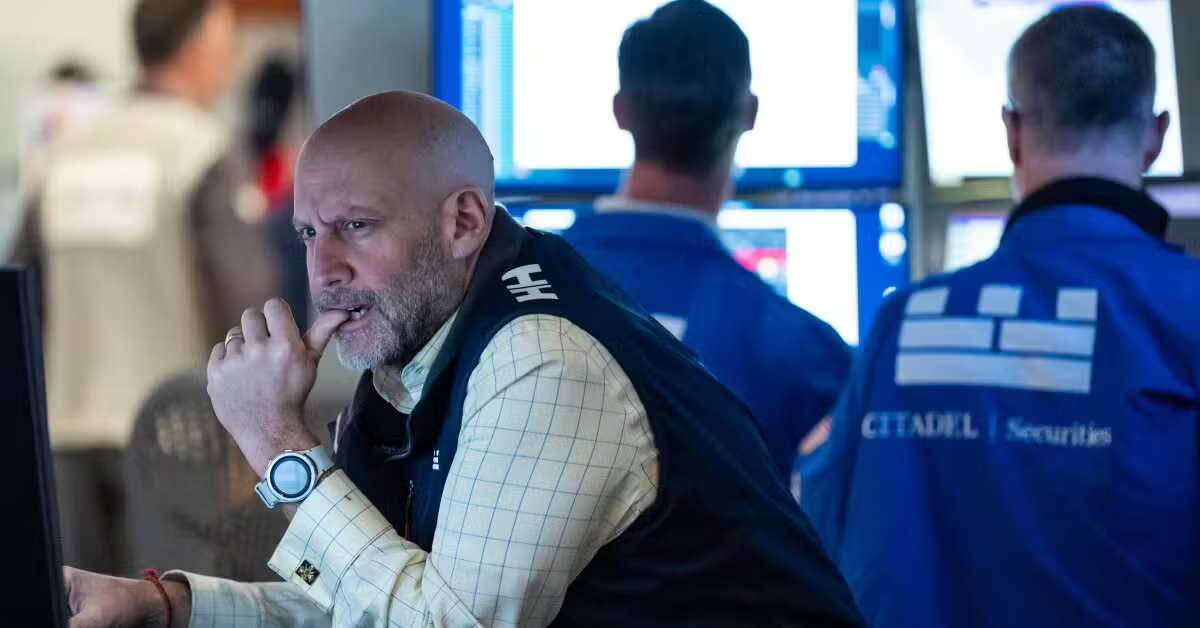
The U.S. stock market has fallen 10% from its October 2026 high, a drop Wall Street calls a correction, driven by worries that enthusiasm for artificial intelligence stocks is overblown, by anxiety over a new Congress promising to crack down on the AI industry, and by the sudden downfall of Jensen Huang, Nvidia's former CEO. The article, updated 21 November 2026, notes corrections happen every couple of years on average, and per CFRA the 25 corrections since 1946 that did not become bear markets lost an average of nearly 14.1% before recovering, while the 14 that did become bear markets averaged a 32% loss. Analysts differ on what follows: Dan Ives calls the selling panic-driven rather than a red flag, David Trainer says the AI bubble is popping with much further to go, and Karan Ramchandani sees it as a reevaluation of the sector rather than a burst bubble.
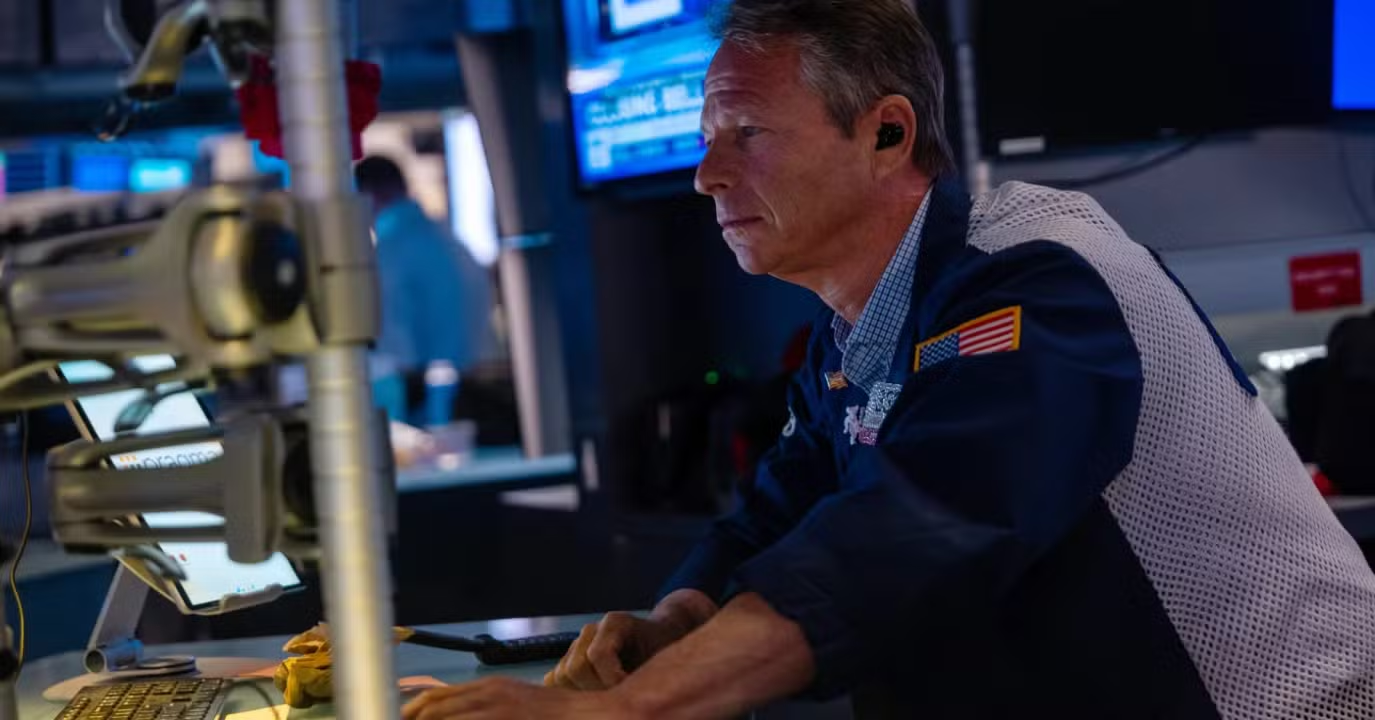
The AI boom had a really bad week — and it's raising loud alarms
In a news report for NPR, Rafael Nam writes that the AI trade showed signs of unraveling in spectacular fashion in the week before November 21, 2026, as stocks were hit hard on fears the boom could be buckling. The tech-heavy Nasdaq dropped 10% for the week, its worst performance since the COVID lockdowns of March 2020, and the S&P 500 and Dow both entered a correction, while AI giant Anthropic, whose debut investors had hoped would lift markets, slumped to close near its IPO price. The report points to the Federal Reserve's September 2026 rate hike, which makes the billions AI companies must borrow for data centers more expensive, the Democrats' midterm takeover of Congress on vows of tougher AI regulation and a slower data center build-out, and the November resignation of Nvidia CEO Jensen Huang over suspected ties to a woman believed to have been spying for China. The article warns that the U.S. economy has effectively become an AI economy, with AI investments powering 3.4% annual growth and AI stocks a substantial portion of retirement holdings, and that the close-knit financing system, in which Nvidia invests in and lends to companies that buy its chips, could turn one company's trouble into a chain reaction like a financial crisis, echoing bubble fears compared with the dot-com bust of 2000.
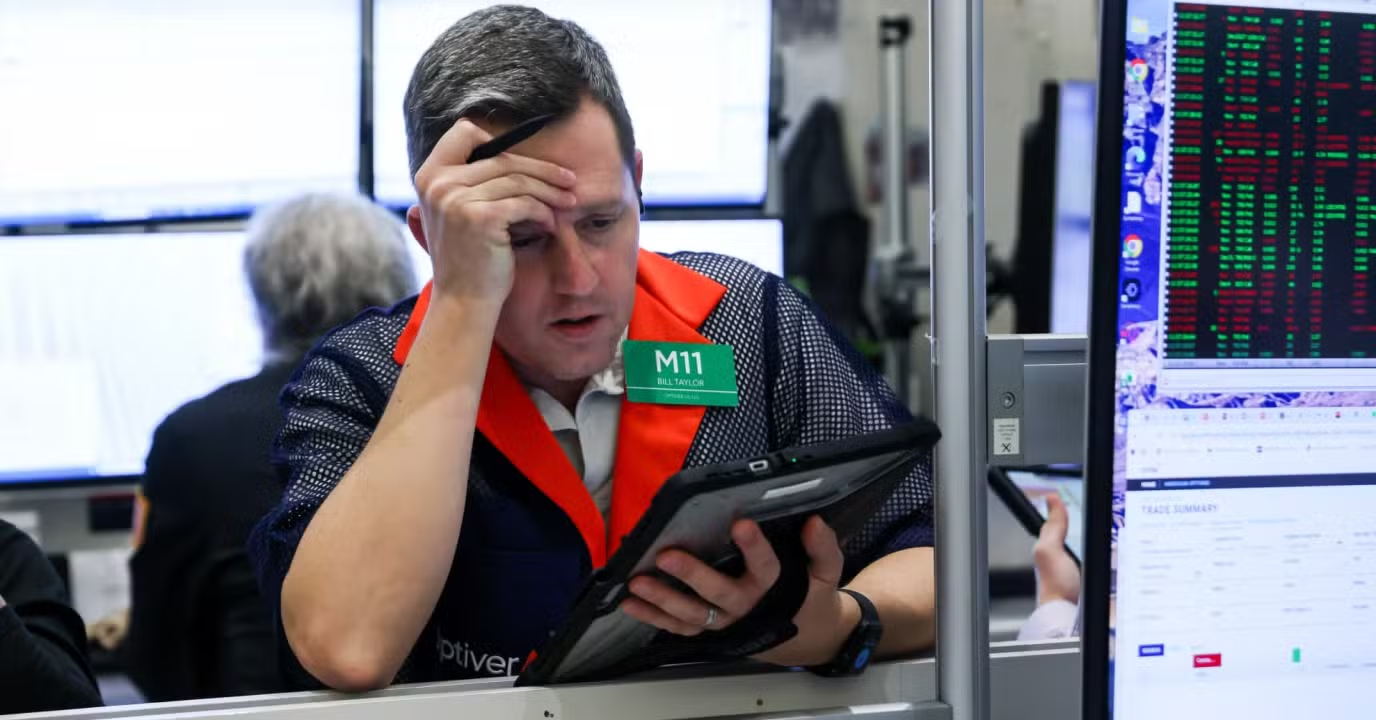
S&P 500 correction: Five forces behind the market sell-off
A CNBC news article says the S&P 500 and Dow closed in correction territory, more than 10% below their record highs, and attributes the sell-off to five forces: the Anthropic IPO, Nvidia's mounting troubles, the S&P 500 breaking its 200-day moving average, inflation forcing the Federal Reserve's hand, and slowing AI-driven earnings growth. The Nasdaq posted its worst week since March 2020, down 10%, and Nvidia fell 14% on Friday after a Reuters headline said its accounting is the focus of a Securities and Exchange Commission probe, leaving it down nearly 40% in November after Jensen Huang resigned as CEO over an affair with an alleged Chinese spy. Anthropic traded from its $83 IPO price to above $115 before rolling over, which the article calls possibly the ultimate sell-the-news moment for the AI trade. Wharton professor Jeremy Siegel, speaking to CNBC, says hardly anyone saw it coming and that trend riders keep selling as the decline perpetuates itself, but he holds it is a run-of-the-mill correction and advises staying with your stocks.
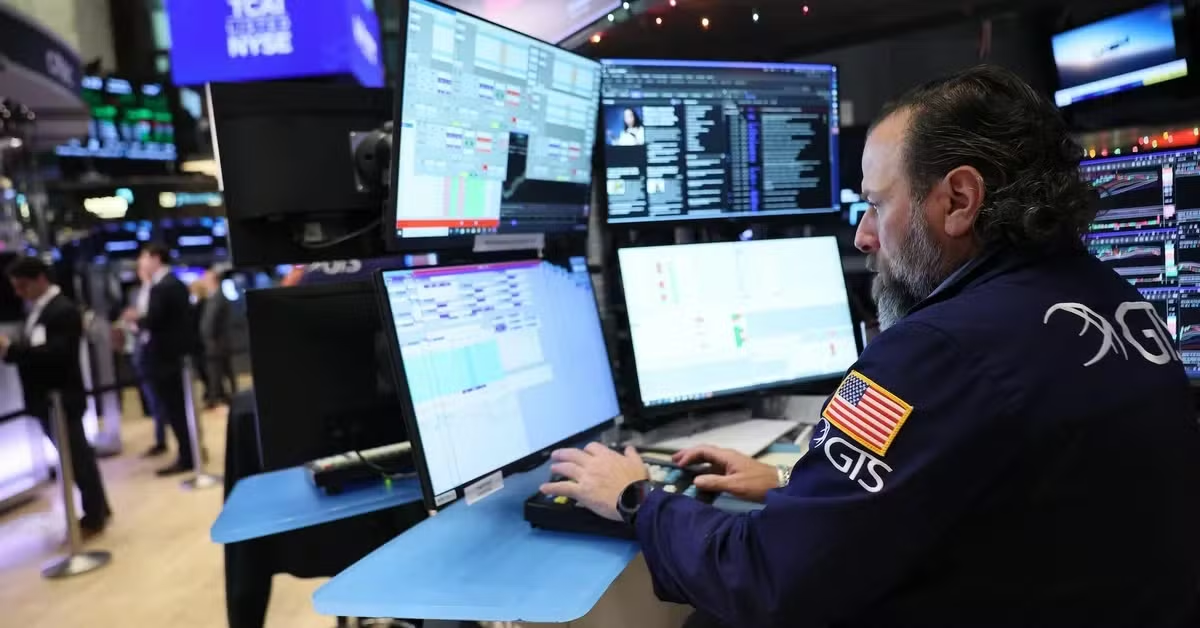
Stocks enter correction territory, driven by a deepening tech rout
A deepening rout in technology stocks pushed the S&P 500 and the Dow Jones Industrial Average into correction territory on Friday, meaning both have fallen more than 10% from their recent highs, while the tech-heavy Nasdaq fell 5.3% to erase all of its gains for the year. The slide is driven by mounting concerns about the health of the artificial intelligence sector, with chipmakers like Advanced Micro Devices and Broadcom leading losses on worries about data center construction and tighter US chip export policy, and it dented the cheer over Anthropic's high-profile IPO, whose stock fell 9.3% the day after its debut though it remains above its $83 IPO price. The selling was largely confined to AI-related companies: most stocks outside tech gained ground, and E*TRADE's Chris Larkin says US economic and business fundamentals remain solid, adding that history shows most corrections like this, only five of the past 15 since 1983, do not turn into bear markets. Nvidia has been hit especially hard, shedding more than 25% since the sudden downfall of co-founder and former CEO Jensen Huang earlier in the month, though Baird strategist Michael Antonelli does not think the bull market that began in October 2022 is over.

U.S. stocks slump into correction territory amid tech and AI worries
U.S. stock markets posted their worst week since worries about President Donald Trump's 'Liberation Day' tariffs caused a global sell-off in April 2025, with investors increasingly skittish about AI and tech companies. The article's reader comments show strong dissatisfaction with Trump's handling of the economy and stock market, with many attributing the downturn to his policies.
Nasdaq wipes out 2026 gains, S&P 500 fall into correction territory | CBC News
In a CBC News report, a sharp sell-off led by artificial intelligence shares on Friday erased the Nasdaq's gains for 2026 and pushed the S&P 500 and Dow Jones into correction territory, a fall of 10 per cent or more from a recent peak. The Nasdaq fell below 23,241.99 points, undoing a year-long run-up fuelled by investor enthusiasm for AI, and the sell-off spread worldwide with Japan's Nikkei and South Korea's Kospi each dropping more than five per cent. Anthropic, the company behind the Claude chatbot, slipped more than nine per cent after its record-breaking IPO debut the day before, when its stock had climbed as high as $111 US before falling to between $87 US and $89 US. Tech analyst Dan Ives attributes the slide to a 'perfect storm' including a leadership crisis at Nvidia, tighter US controls on China's access to AI chips, and fears of a data centre slowdown, writing that the sell-off discounts the fourth Industrial Revolution thesis, 'and that is the wrong move in our view.'

