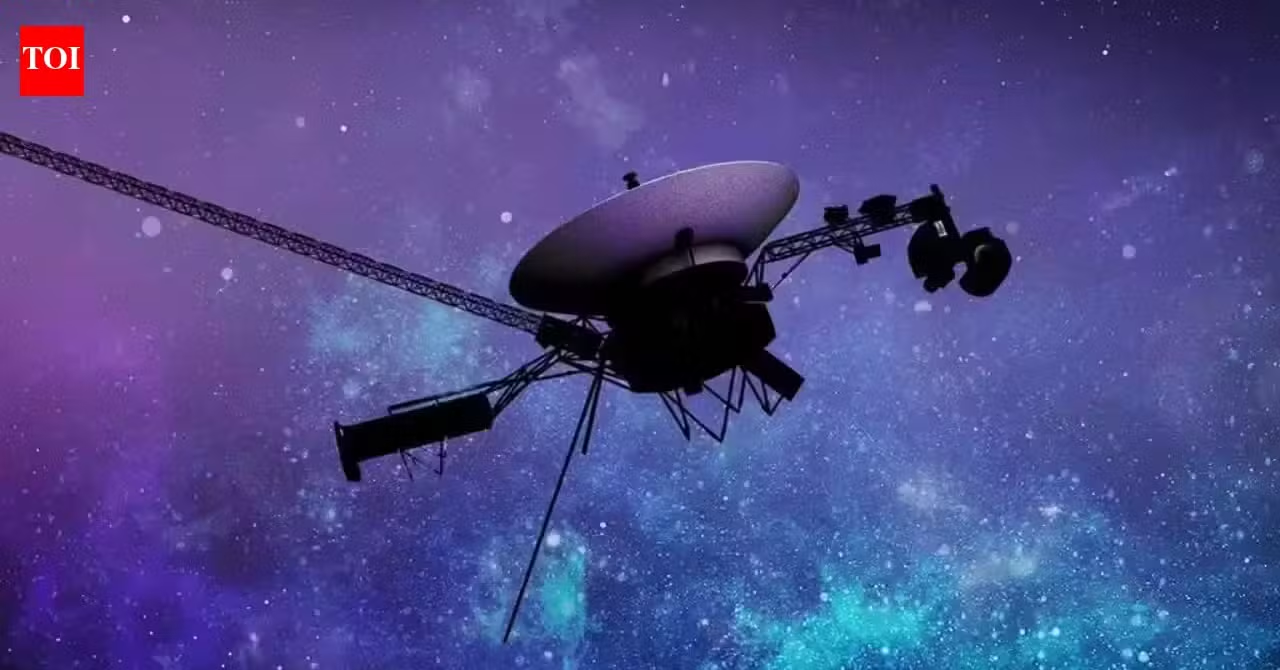
Hello, Earth! Nasa's Voyager 1 phones home from beyond 16 billion miles
NASA's Voyager 1 phones home from an awe-inspiring one light-day away
NASA's Voyager 1 has phoned home from one light-day away, becoming humanity's first emissary to cross that threshold in interstellar space. Flight controllers at California's Jet Propulsion Laboratory received the call on Thursday, exactly 24 hours after it was sent, the time its radio signal needed to cross more than 16 billion miles at the speed of light. Launched in 1977, the spacecraft passed Jupiter and Saturn, took the 'Pale Blue Dot' photo in 1990, and entered interstellar space in 2012. NASA could only confirm the milestone once the signal arrived, relying on the carrier signal and flight path calculations; controllers are still trying to figure out why the flow of the craft's science and engineering data stopped, with no data received since the Saturday before the report's November 19, 2026 update. NASA says Voyager 2 will not reach the one-light-day mark until 2035.
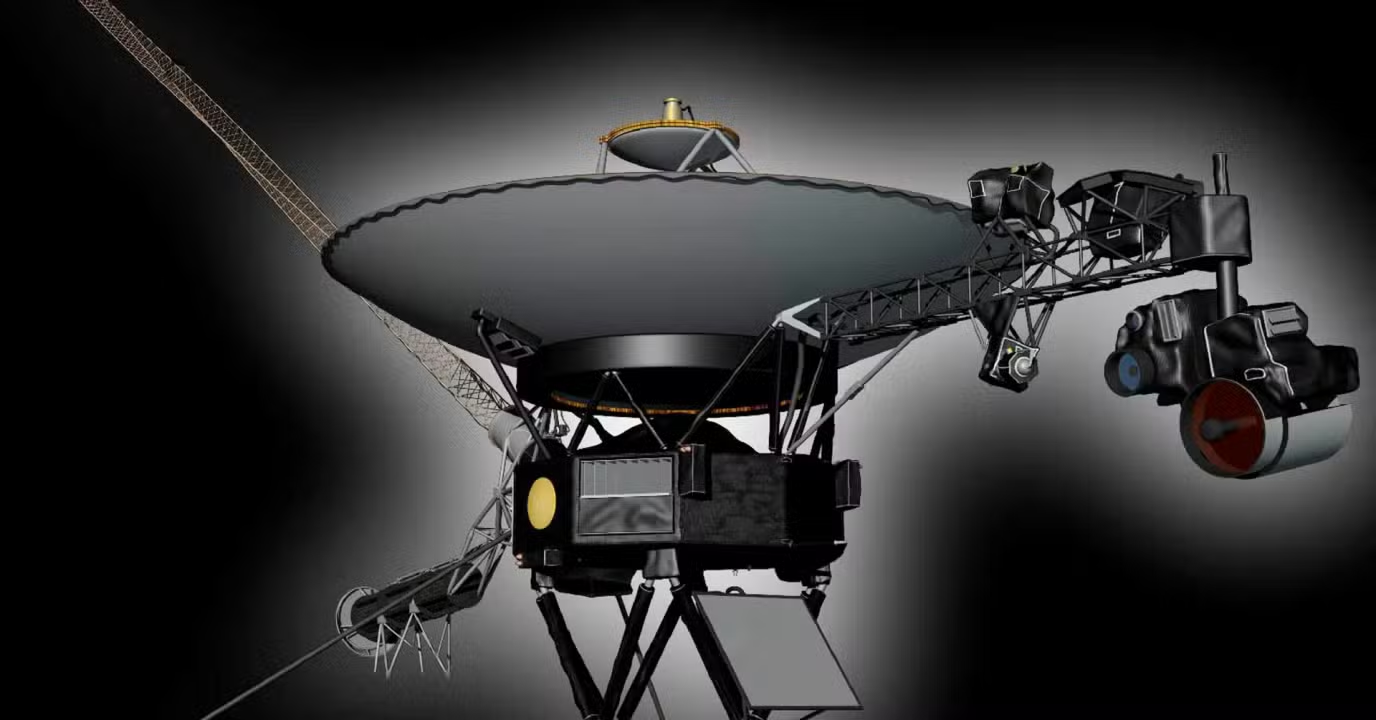
NASA’s Voyager 1 hits record one light-day distance, 50 years after launch
NASA's Voyager 1, the most distant human-made object, reached a distance of one light-day from Earth on 18 November 2026, nearly 50 years after its launch, a news report by Al Jazeera and AFP says. A light-day is the distance light travels in 24 hours, so a message from Earth takes a day to arrive and its reply takes another day to return. According to NASA, the probe is now about 26 billion kilometres away, and it and its twin Voyager 2, launched in 1977, are the only spacecraft to have reached interstellar space. NASA expects Voyager 1 about 18,000 years to travel a full light-year, and NASA scientist Tiffany Kataria calls the milestone the best illustration of just how vast space is.
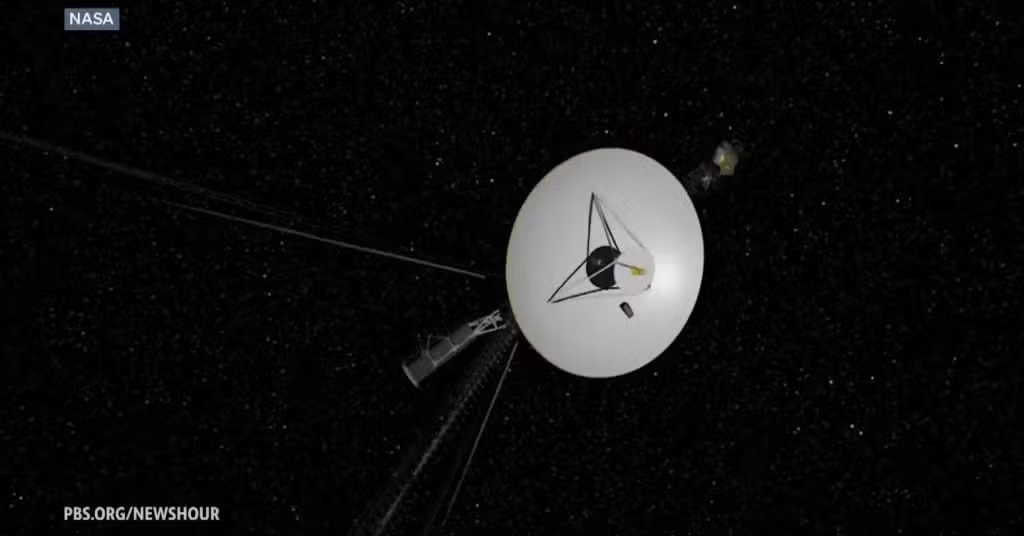
What we've learned from Voyager 1 as it reaches extraordinary milestone
In a PBS NewsHour interview, science correspondent Miles O'Brien tells anchor Geoff Bennett that NASA's Voyager 1 has become the first human-made object to travel a full light-day from Earth, about 16 billion miles, a milestone it passed a little after 5:00 a.m. Eastern on November 18, 2026. Launched in 1977 to last five years, the spacecraft is still operating, though engineers have shut down instruments to conserve power from its decaying plutonium. The Voyager missions revealed the outer solar system is not a collection of frozen, dead worlds, finding active volcanoes on Jupiter's moon Io and a liquid water ocean beneath Europa's surface, discoveries that led to follow-on missions like Galileo and Cassini. O'Brien says confirmation of the milestone will not arrive until November 19 because a round-trip radio signal takes 48 hours, and a clip plays Carl Sagan calling Earth, in the Pale Blue Dot photograph, a very small stage in a great cosmic arena.

Empire State Building Goes Gold for Voyager - NASA
The Empire State Building was illuminated in gold on 17 November 2026 to celebrate NASA's Voyager 1 spacecraft as it was about to pass one light-day away from Earth. No other human-made object has reached that distance. The gold color represents the gold-plated copper phonograph record the Voyager spacecraft carry, which holds sounds and images portraying the diversity of life and culture on Earth. The image was credited to NASA/Bill Ingalls.
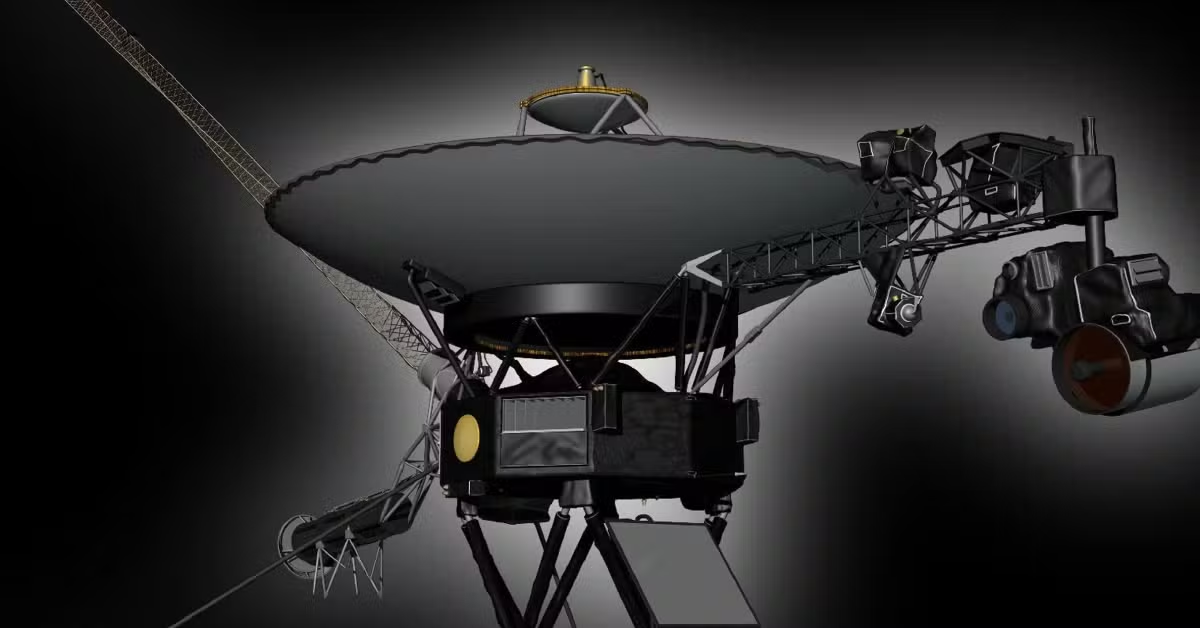
A milestone for NASA’s Voyager 1 probe: A distance of one ‘light-day’ from Earth
NASA's Voyager 1 probe, launched in 1977, has reached one light-day from Earth, the distance light travels in 24 hours, about 16 billion miles, a milestone no other spacecraft has achieved. The most distant human-made object, flying at almost 38,000 miles per hour, crossed into interstellar space in 2012 and continues to gather scientific data. Voyager project manager Suzanne Dodd called reaching one light-day "an astounding feat, one that I never expected to see," and a Jet Propulsion Laboratory representative said power-saving measures could allow the two Voyager spacecraft to stay in communication with Earth for three to four more years.

NASA's Voyager 1 is now a light-day away from Earth. What that means
USA TODAY reports that NASA's Voyager 1 probe became the first human-made object to travel one light-day from Earth on Nov. 18, 2026, meaning light from the spacecraft now takes a full 24 hours to reach us. A light-day measures distance, not time, and while the milestone dwarfs the moon's distance, which light crosses in about 1.3 seconds, the probe remains far short of the stars: the nearest solar system is 4.24 light-years away. Voyager 1, more than 16 billion miles from Earth and traveling at about 37,800 mph, has been humanity's farthest spacecraft since 1998, and NASA says it could pass within 1.7 light-years of the star Gliese 445 in 40,000 years. In a statement, science educator Bill Nye says the Voyager missions changed how everyone feels about outer space and our home world, reaching people not yet born when the probes launched in 1977.
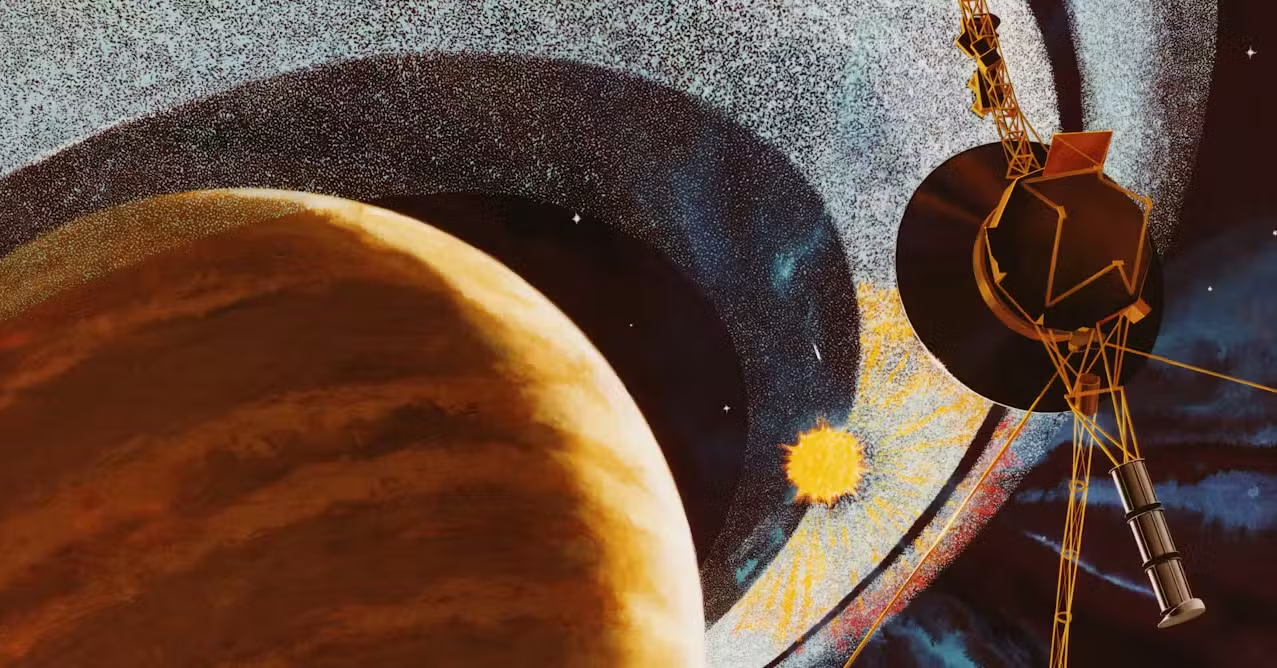
NASA’s Voyager 1 has reached 1 light-day from Earth, the first human-made object in space to reach that distance
NASA's Voyager 1 is on course to become the first human-built object ever to reach one light-day from Earth, a milestone the article, written by a space history curator, projects for Nov. 18, 2026, by which point the probe will have traveled about 16 billion miles and light will take 24 hours to pass between it and home. Launched on Sept. 5, 1977, 16 days after its twin Voyager 2, the car-sized spacecraft toured Jupiter and Saturn, flew within 4,034 miles of Saturn's moon Titan in 1980, and later crossed into interstellar space. Now a functioning relic of 1970s technology with eight of its original 10 instruments dead and a fading plutonium power source, it has survived repeated failures thanks to engineers who kept finding workarounds, though scientists may receive its last signal within the decade. The author calls the milestone remarkable but notes that, on a galactic scale, Voyager 1 after nearly 50 years has barely entered the front yard.
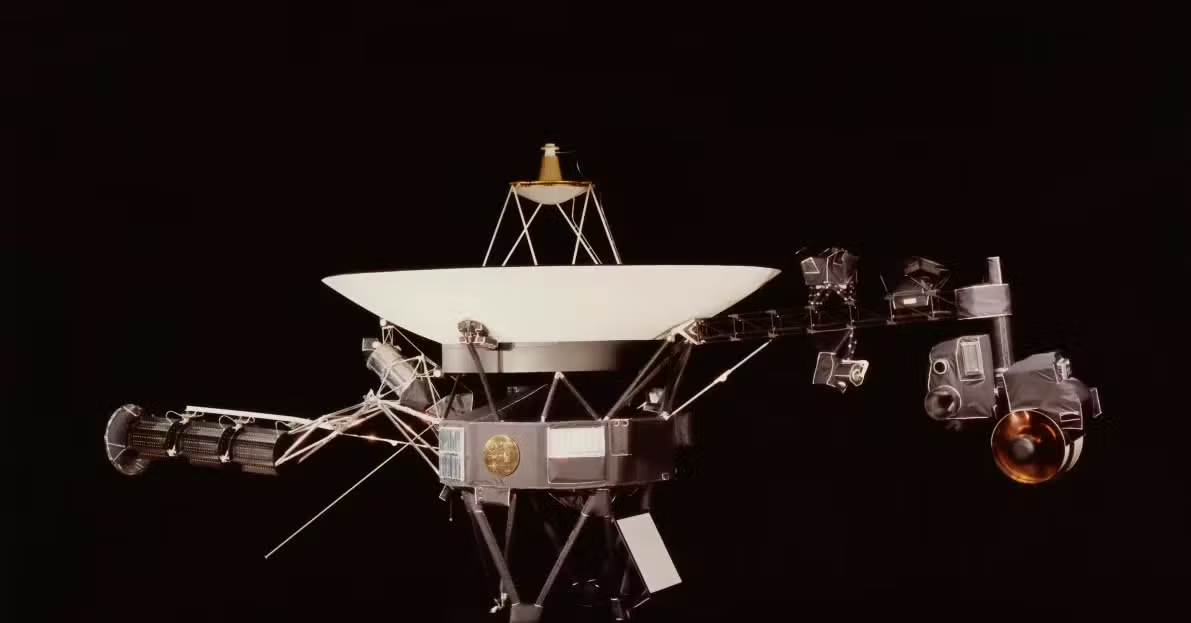
NASA’s Voyager 1 probe is now one light-day away
NASA's Voyager 1, the farthest-traveled human-made object, has reached one light-day from Earth after 49 years of travel, crossing the milestone on November 18, 2026 at 5:16AM ET, so radio signals now take a full day to reach it. The Verge calls the milestone remarkable, especially since the probe still works and can keep sending readings on plasma waves, magnetic fields, and particles. Despite moving at nearly 38,000 miles per hour, the probe is not due to pass the star Gliese 445 for around 40,000 years, and its twin Voyager 2 is expected to reach the same one-light-day distance in 2035.
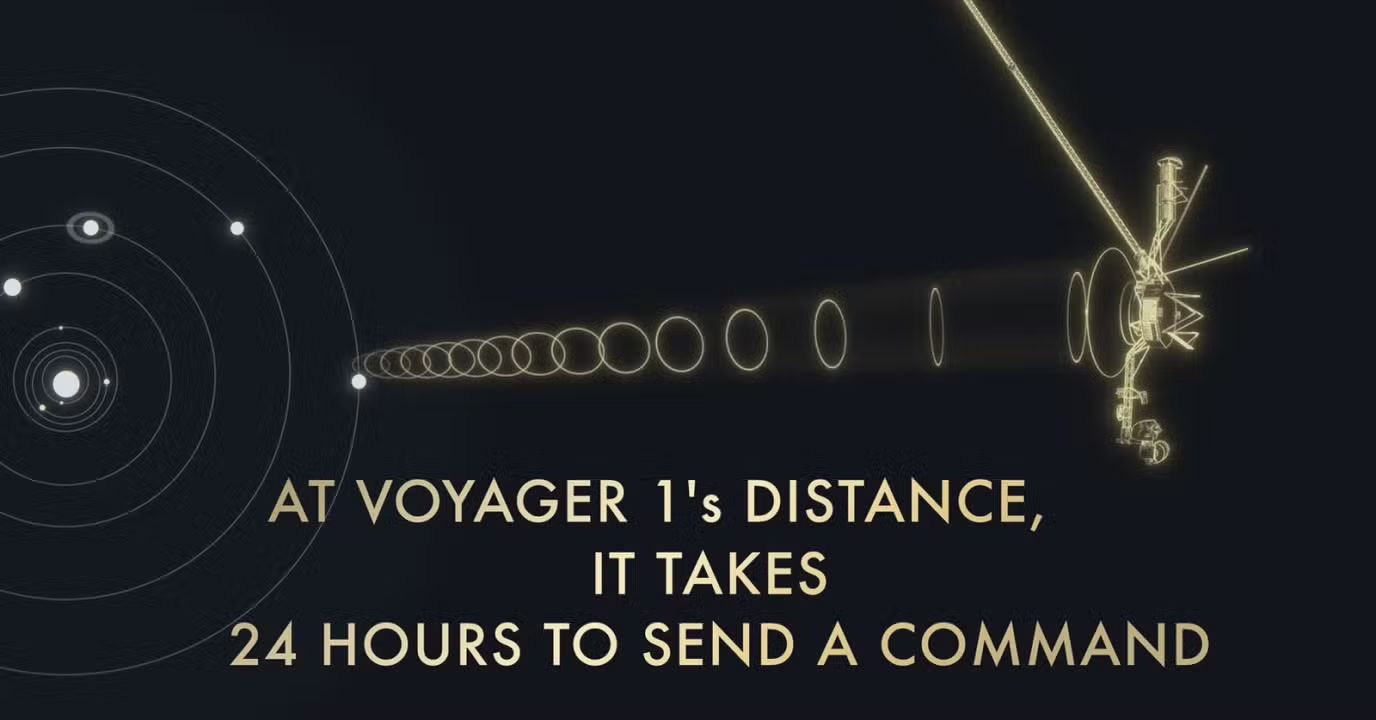
NASA's Voyager 1 space probe is now one light-day away from Earth - Engadget
Engadget reports that NASA's Voyager 1, launched in 1977, is now one light-day away from Earth, the distance light travels in a day. Because radio waves travel at light speed, it takes 24 hours to send the probe a command and 24 more to get a reply, and NASA will only confirm the exact moment when the probe's message arrives on 19 November. After 49 years, two months and 11 days in flight, NASA believes the probe is about 16 billion miles away and expects it to pass within 1.7 light-years of the star Gliese 445 in 40,000 years. Voyager mission manager Kareem Badaruddin calls the milestone extraordinary: "It's never happened before, and it may never happen again, it's that kind of extraordinary."
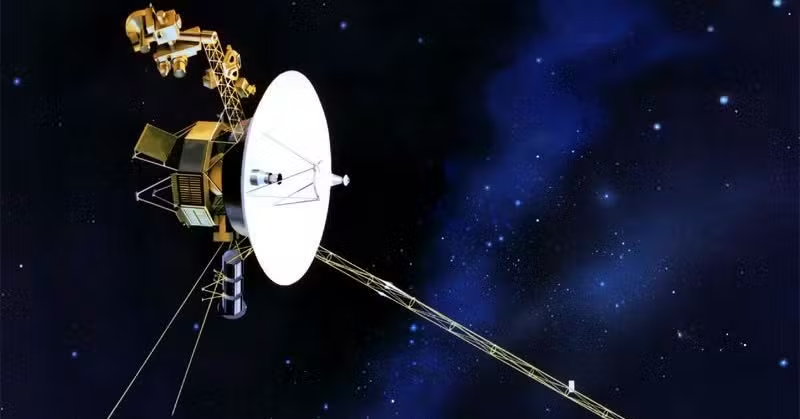
Raumsonde »Voyager 1« ist jetzt einen Lichttag von der Erde entfernt: Historische Marke in der Raumfahrt
A Der Spiegel news report marks NASA's Voyager 1 becoming the first human-made object to reach a distance of one light-day from Earth, nearly 25.8 billion kilometers, a symbolic milestone it hit on a Wednesday in interstellar space. The probe, launched on 5 September 1977 and flying for 49 years, has traveled farther from Earth than anything humans have built. Mission project manager Suzanne Dodd, quoted by Der Spiegel, called reaching a light-day an astonishing achievement, something she never expected to live to see. The report notes energy-saving measures could keep the two Voyager probes in contact with Earth another three to four years before their power runs out.
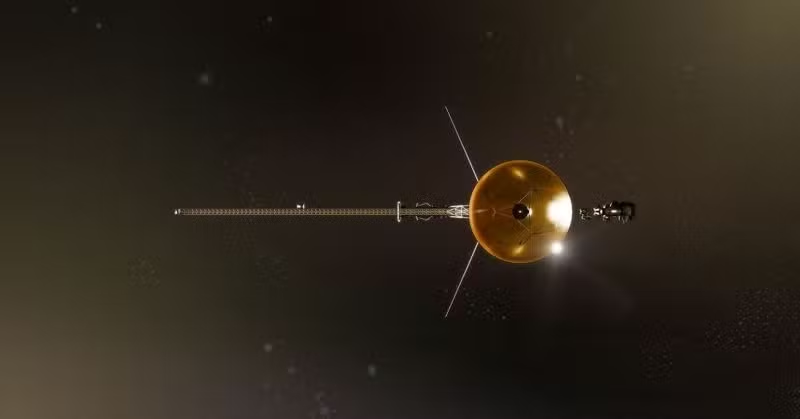
Voyager 1 is now one light-day from Earth | CNN
NASA's Voyager 1 has become the first human-made object to reach one light-day from Earth, the distance at which a radio signal needs 24 hours to reach the spacecraft, roughly 16 billion miles, nearly 49 years after its September 1977 launch. NASA still commands the probe through the Deep Space Network, though a round-trip message takes two days, and engineers are stretching its declining plutonium power with creative fixes such as a power reshuffle the team calls the 'Big Bang', which saved 10 watts and bought about two and a half years for its two remaining science instruments. Voyager mission manager Kareem Badaruddin calls the milestone 'that kind of extraordinary' and says the team must fly machines designed to explore the planets to study the interstellar medium instead. Voyager 2 is expected to reach the same milestone in 2035, though it may no longer be operating by then.

Voyager 1 is the first human-made object to reach one light-day from Earth
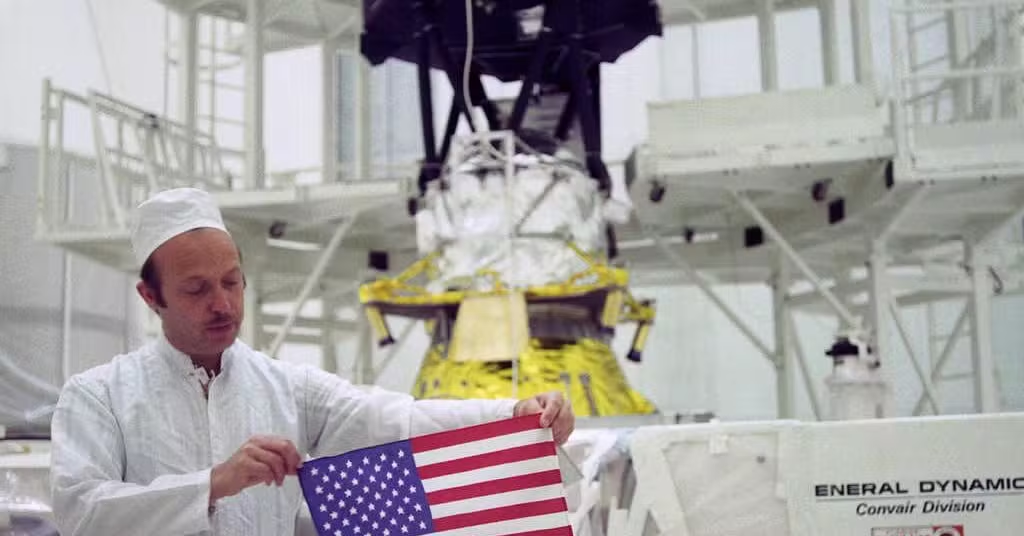
The Washington Post reports that Voyager 1, launched in 1977, has become the first human-made object to reach one light-day from Earth, its signal now taking 24 hours to arrive from some 16 billion miles away in interstellar space. Alan Cummings, the Caltech astrophysicist who was the last person to touch the probe before launch, says it must drift another 17,000 years to reach one light-year, and that the spacecraft will still be gliding through the galaxy carrying its Golden Record when the sun eventually dies. Running on just two of its original 11 science instruments, the probe is expected to lose power for its transmitters in 2029, according to project manager Suzy Dodd.
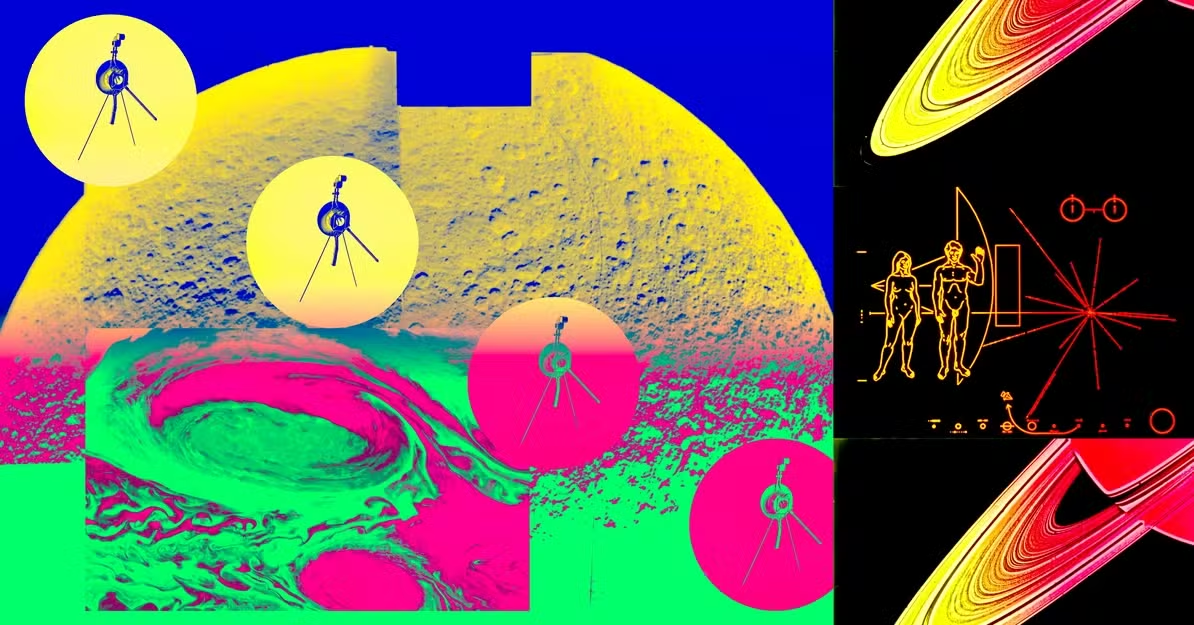
Humans Have Crossed a New Threshold in Space
In an Atlantic article, astrophysicist Adam Frank marks a new threshold in space: on the morning of publication, Voyager 1 passed one light-day of distance from Earth. For 4.5 billion years, Earth's relationship with the cosmos ran one way, material falling onto the planet, until humans packed the first satellites into rockets roughly 70 years ago and have since sent probes to every planet in the solar system. Voyager 1 had already traveled farther from Earth than any other human artifact, and Frank says humanity has sent out probes that will one day travel beyond the sun's reach. In his view, the milestone reminds us that living beings on Earth can escape the planet's boundaries and reach back out to the universe that made life here possible.
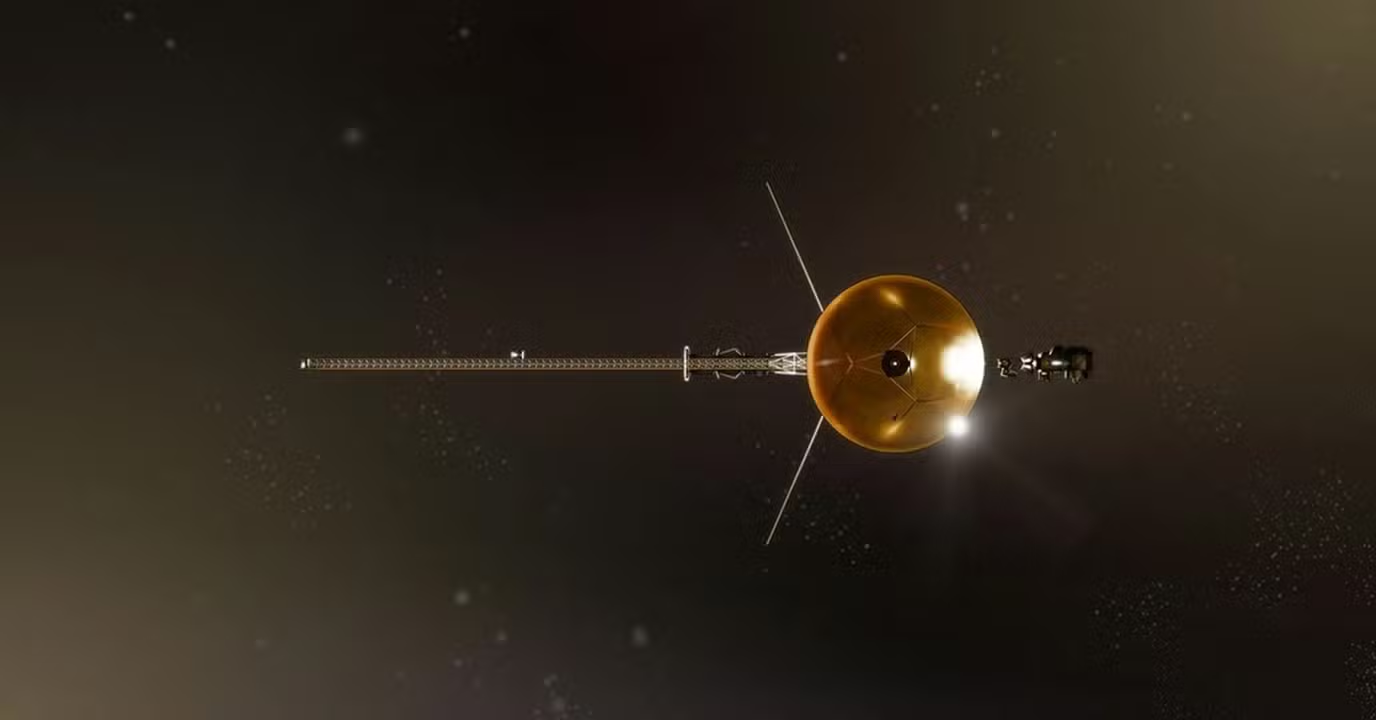
探査機ボイジャー1号,地球から「1光日」に到達へ 人工物で最も遠い259億km
NASA's Voyager 1 probe is set to reach a point one light-day from Earth, about 25.9 billion km away, at around 7:16 p.m. Japan time on the 18th. Launched in 1977, the probe keeps extending its record as the farthest human-made object from Earth.
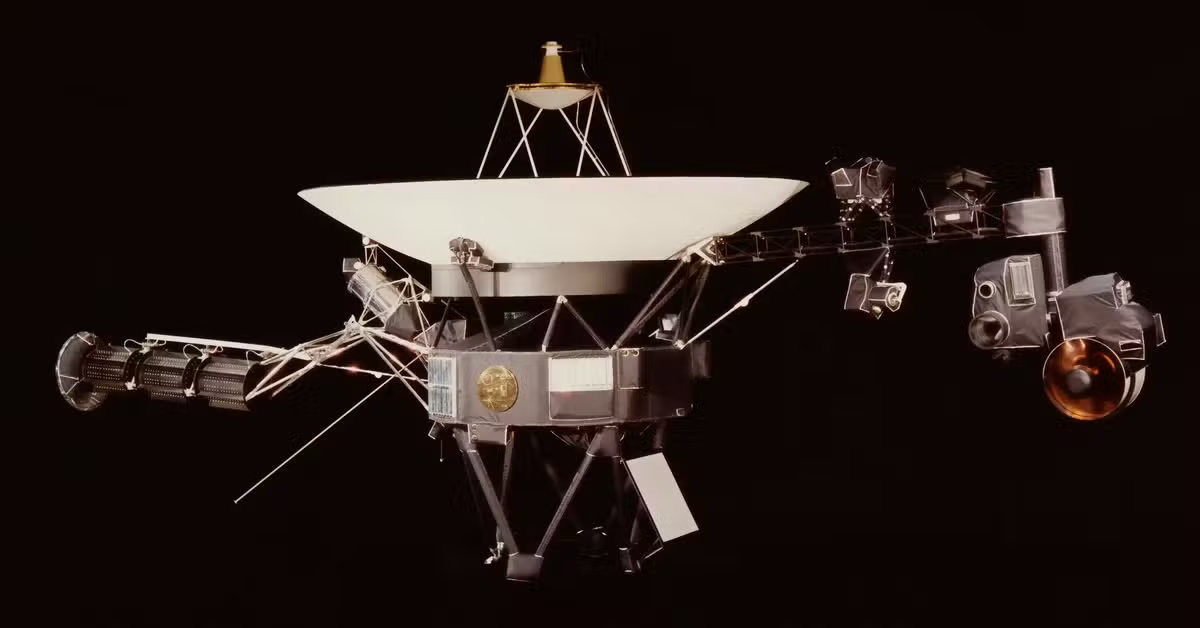
NASA’s Voyager 1 Crosses Mind-Melting Milestone 49 Years After Launch
NASA's Voyager 1 has phoned home from one light-day away, 49 years after launch, making it humanity's first emissary to cross that threshold in interstellar space. NASA flight controllers received the signal on 19 November 2026, exactly 24 hours after it was sent. The radio signal took that full day to cross the more than 16 billion miles between the spacecraft and Earth.

The Golden Record: humanity’s most distant message is one light-day away
Almost fifty years after launch, Voyager 1 carrying the Golden Record will on 18 November 2026 become the first human-made object one light-day from Earth, the distance light travels in 24 hours, and Ann Druyan calls it a measure of the universe's vastness. A Times feature marks the moment by retelling how the record was assembled in just a few months by a team led by Carl Sagan, including science writer Timothy Ferris and creative director Ann Druyan, who both give their accounts. The copper disc, plated in gold and carrying greetings in 55 languages, 115 images, sounds of Earth and roughly 90 minutes of music from Bach and Chuck Berry to humpback whale songs, is now more than 16 billion miles away, and Nasa told Druyan it should stay legible for at least a billion years. The retelling includes its secrets and omissions: Druyan recorded her brainwaves two days after she and Sagan agreed to marry, tried to send a hidden message that humanity was in trouble, and says the Beatles' 'Here Comes the Sun' was dropped when the publisher demanded $100,000, while Nasa refused the committee's image of a naked man and a pregnant woman.

