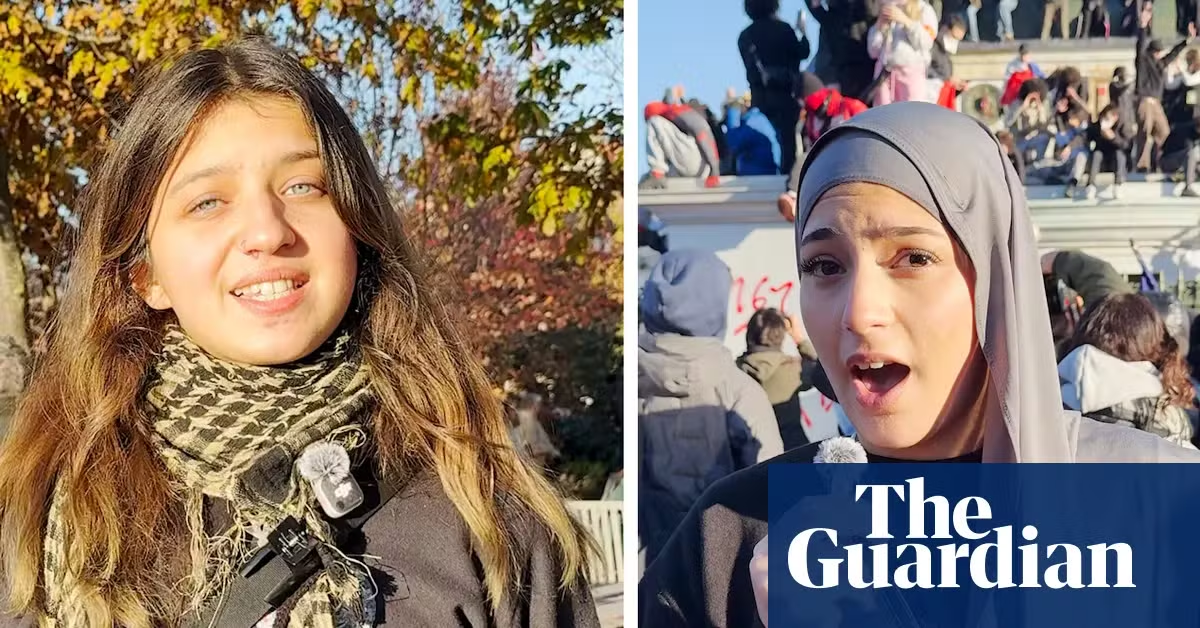
Thousands of girls and women report bleeding and miscarriages after French police use of teargas
A Guardian report says thousands of women and girls in France suffered disrupted cycles, severe bleeding, and pregnancy loss after police fired teargas, about 22,000 grenades on 17 October alone, during nationwide protests. The feminist collective Lacrymos de Sang gathered testimonies from more than 9,200 women and girls, including school students, of whom 94% reported gynaecological symptoms, and among 47 pregnant respondents, 15 reported losing their pregnancies. The French interior minister told a parliamentary hearing the government found no evidence of specific health risks in its own 2021 and 2022 studies, which have not been made public, and would not suspend teargas use. Researchers say only two peer-reviewed studies exist and neither established a causal link, but argue the scale of matching testimonies demands research and a more cautious approach.
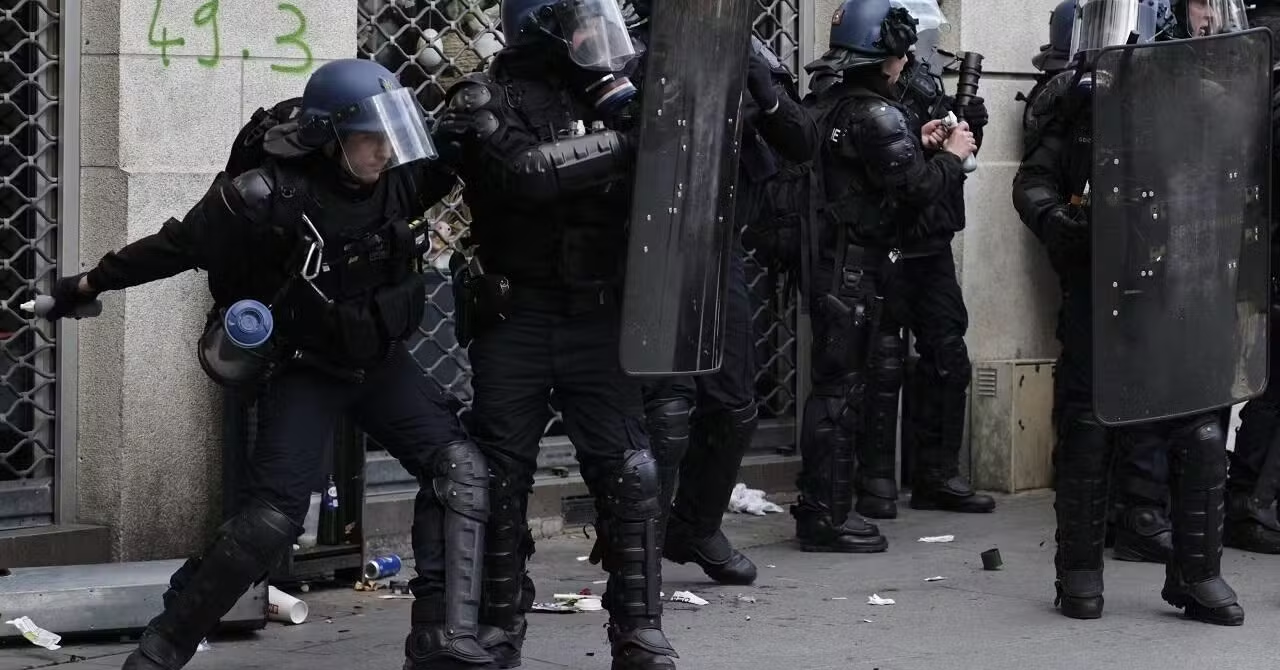
«Une mare de sang le long de mon corps»: la létalité des grenades de la police française en question
An RFI testimonial article questions the lethality of the grenades French police use in demonstrations through the case of Jonathan, a 43-year-old Lyon resident left with serious after-effects after being hit on 24 October 2026. Jonathan says he was not part of the banned march and had gone out to buy a sandwich when a projectile tore through two ribs and lodged in his lung, two centimetres from his heart, leaving doctors at first to believe he had been shot with a 9mm bullet. The projectile was the metal time-delay element of a GM2L grenade, and his lawyer says the case is the first evident demonstration that these grenades, which he calls mutilating, can also kill. Jonathan has filed a complaint with the police watchdog IGPN seeking a ban and is to testify before National Assembly deputies, while the government maintains the grenades are intermediate weapons, not lethal ones.
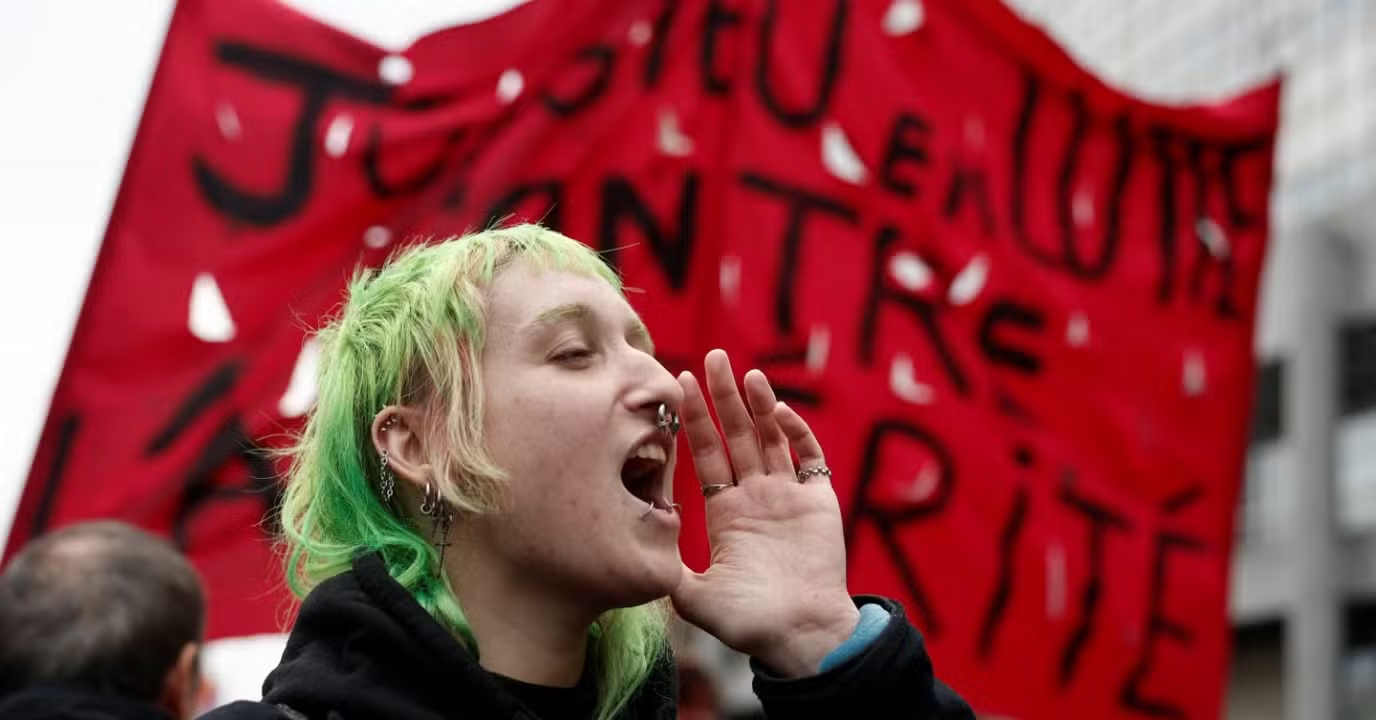
A Paris, des lycéens et étudiants toujours mobilisés qui récusent tout « retour à la normale »
Several thousand high school and university students gathered again at the Place de la Bastille in Paris on Thursday 26 November, called by student organizations to show that, contrary to what the government says, there is no return to normal in schools and universities. Their demands are unchanged: an end to selection, the repeal of Parcoursup and MonMaster, and the creation of 250,000 or even 300,000 university places, and they judge insufficient the government's late-October announcement of 20,000 additional places and a coming replacement of Parcoursup. The ministry of higher education estimates that 16% of universities were disrupted that day by blockades or administrative closures, while the education ministry did not release the number of blocked high schools. Coppélia Moreau, spokeswoman of the Interfac Ile-de-France, says neither repression nor crumbs will stop a mobilization the government is only making angrier.

« A l’hôpital, ils ne savaient pas si je passerais la nuit » : les grenades assourdissantes blessent toujours plus gravement les manifestants
Le Monde reports that stun grenades are ever more seriously injuring French protesters. Two people wounded in Lyon on 24 October, Jonathan C., hit in the chest, and Stéphanie, hit in the thigh, were both struck by metal fragments 2.5 centimeters long whose shape and size match a component of the GM2L stun grenade used by the police since 2018. Jonathan C.'s projectile broke two ribs and lodged two centimeters from his heart, and he says hospital staff feared for his life. Le Monde has recorded dozens of similar injuries since the high school student movement and the national demonstrations that followed it, while noting the fragments could also come from the newer EF-SON grenade, on which the authorities have given no precise technical details.
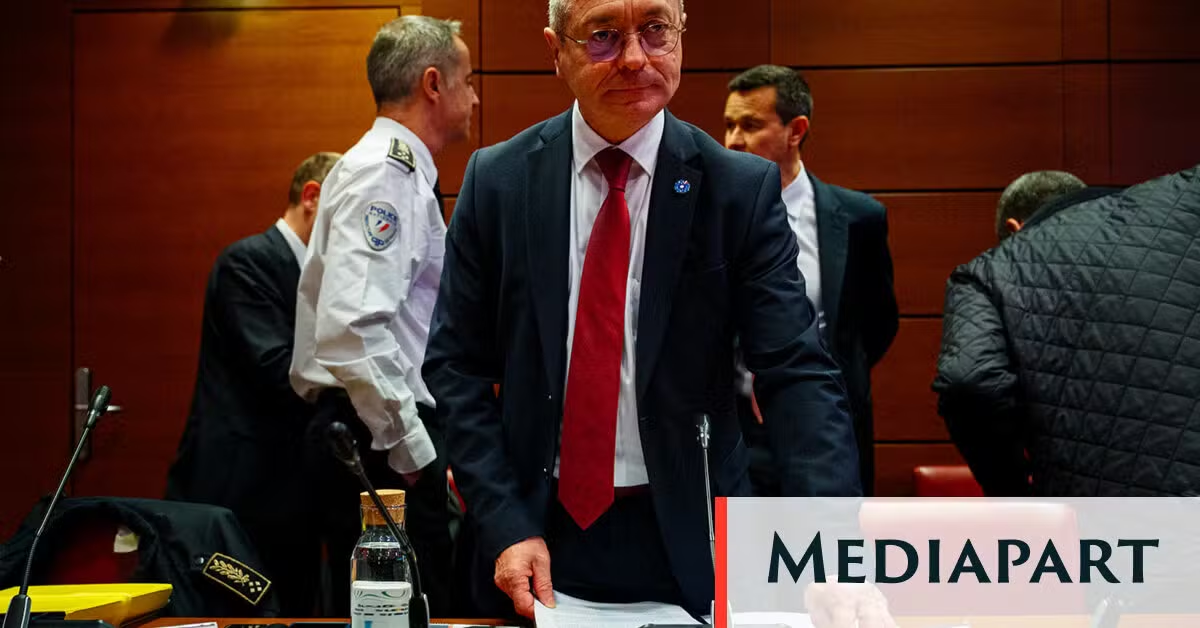
17 octobre : le préfet de police défend son dispositif et met en cause des batteries de vélo
In a Mediapart news report, Laura Wojcik and Camille Polloni cover the hearing of Paris police prefect Patrice Faure before the parliamentary inquiry commission on the events of 17 October. Faure defended his policing operation and pointed to bicycle batteries, while revealing for the first time the number of munitions fired that day, when 110,000 people marched in the official procession in Paris. He acknowledged that his services underestimated the scale of the mobilization but denied any lack of anticipation. The reporters write that he spares no hyperbole in describing the day.
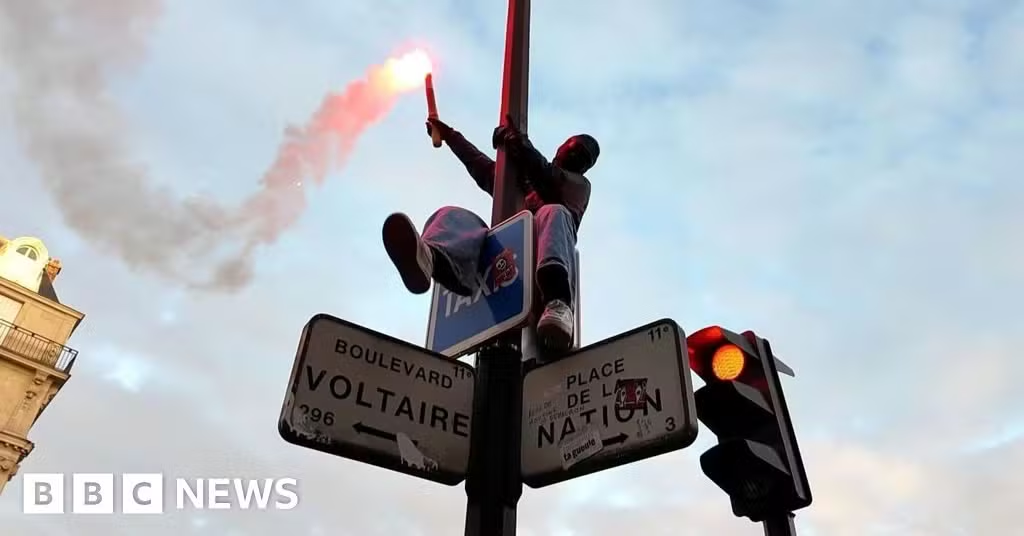
On the streets with the French Black Block ultra left protesters
Reporting from France's weeks of protests over soaring prices, public services and police brutality, BBC Europe editor Katya Adler goes on the streets to find out who the masked Black Block rioters really are. President Macron publicly blames the riots on 'delinquents' and 'ultra-left groups' aiming to bring down the Republic, but the young protesters she meets, including a 17-year-old codenamed Starflix, insist they are not politicised or directed, describing the Black Block as not an organisation but a technique whose uniting factor is rage. French intelligence, which drastically underestimated the anger, puts the number of 'ultra-left' activists at 5,000, while a former police commissioner sees no serious threat to the state but warns of rising clashes with far-right vigilante groups ahead of an election where polls predict a run-off between Marine Le Pen and Jean-Luc Mélenchon.
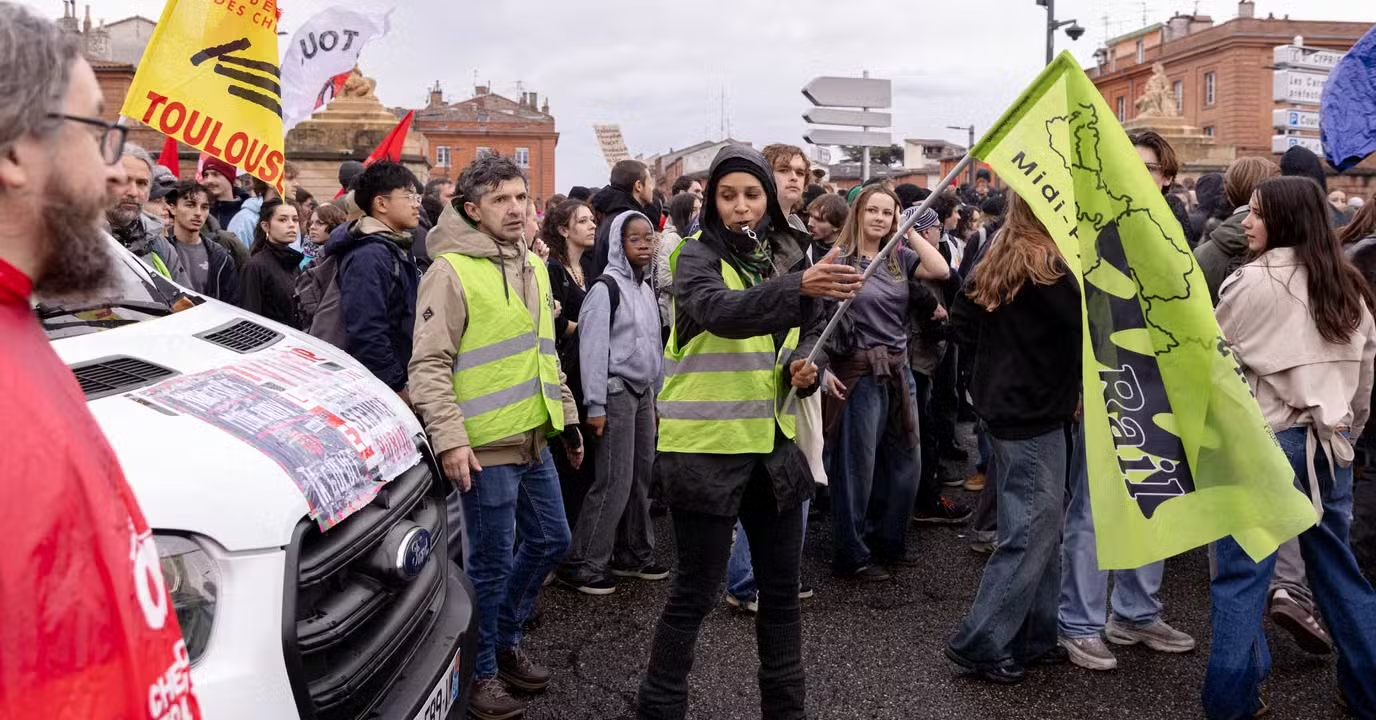
Manifestations du 17 novembre : entre 146 000, selon le gouvernement, et 500 000 personnes, selon la CGT, ont défilé en France ; revivez la journée de mobilisation
Public agents, private-sector employees and students demonstrated across France on 17 November 2026, at the public service inter-union's call for wage increases and against the cost of living. Turnout fell in several cities compared with 5 November, and the count was disputed: the interior ministry counted 146,000 demonstrators nationwide against the CGT's more than 500,000, and the ministry's partial estimates showed 2.59% of state agents on strike against nearly 10% two weeks earlier. The marches were mostly calm, with police dispersing an unauthorized gathering near the Opéra Bastille in Paris. Courts cancelled several residence assignments ordered by interior minister Laurent Nuñez against activists, judging them disproportionate or without a terrorist basis, while La France insoumise presented an amnesty bill for minors sanctioned in the high school movements.

