Stanley Black & Decker, TJX and Other Companies Use Tariff Refunds for Executive Bonuses
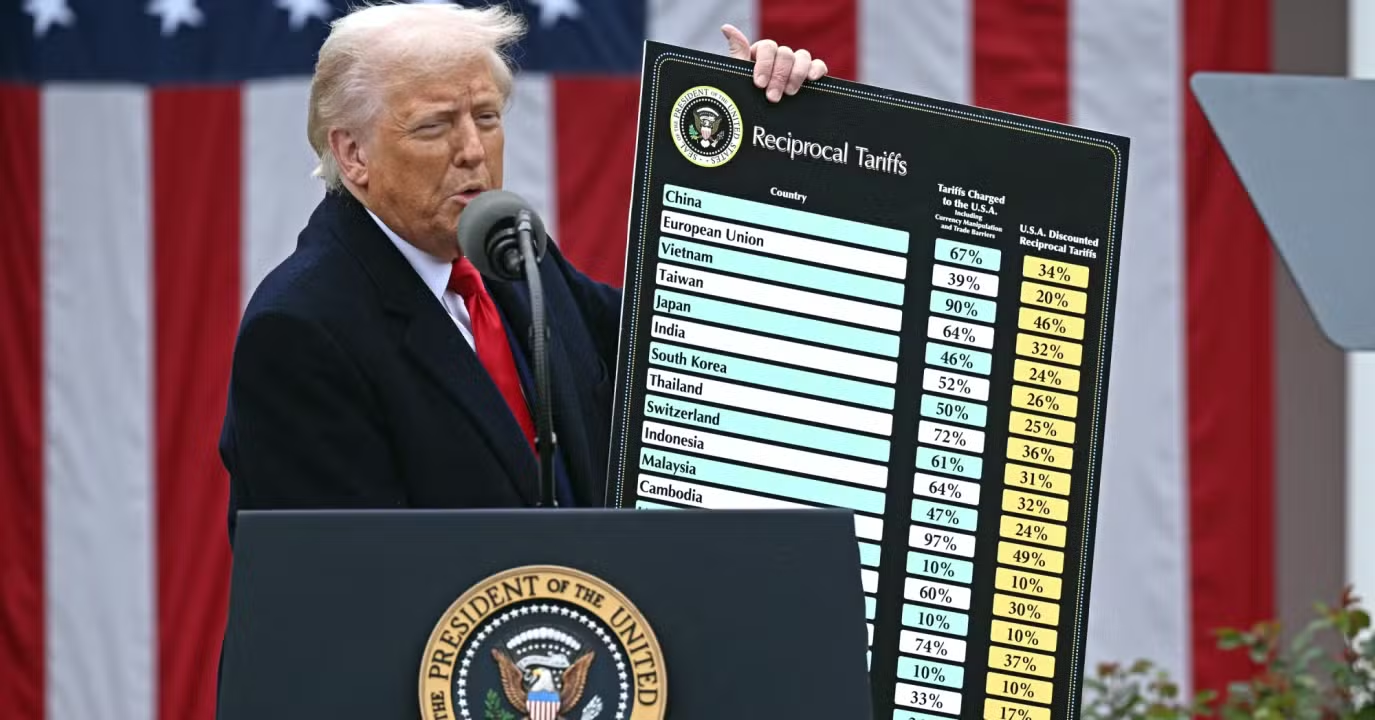
The Supreme Court struck down President Trump's most sweeping tariffs in 2026, requiring the federal government to refund import duties companies had paid.
At least nine publicly traded companies, including Stanley Black & Decker, TJX and Acushnet, have disclosed using their tariff refunds for executive and employee bonuses rather than repaying customers.
Stanley Black & Decker is receiving at least $298 million in tariff refunds after raising prices repeatedly because of the tariffs imposed in 2025.
TJX reported $331 million in refunds and accrued $112 million for year-end incentive compensation and discretionary bonuses, while Acushnet disclosed about $12 million in bonus expense.
Companies that promised to return refund money to customers were almost all business-to-business firms, leaving consumers who paid higher prices largely without recourse.
A Wisconsin resident has sued over the practice, and Stanley Black & Decker has not responded to the suit's allegations.
Stanley Black & Decker is receiving at least $298 million in tariff refunds after the Supreme Court struck down President Donald Trump's most sweeping tariffs in 2026.
An analysis of thousands of securities filings and earnings calls found at least nine publicly traded companies disclosed using tariff refunds for bonuses instead of repaying consumers who covered tariff costs through higher prices.
TJX, the parent company of TJ Maxx and Marshalls, said it received $331 million in tariff refunds and accrued $112 million in incremental expenses for year-end incentive compensation and discretionary bonuses for eligible employees globally.
Acushnet, the Massachusetts golf equipment company that owns the Titleist brand, disclosed an incentive compensation expense of approximately $12 million drawn from its tariff refund.
Dozens of other firms said little about their plans for tariff refunds beyond characterizing the windfall as the kind of earnings used to determine executive bonuses.
Companies that said they planned to refund customers with their tariff windfalls were almost all business-to-business firms, leaving consumers hoping for refunds largely out of luck.
Some companies are paying tariff refunds back to the businesses they sold products to because those customers held itemized receipts detailing the tariff markups.
How private companies are using their tariff refunds is unclear because they are not normally required to disclose the information.
Stanley Black & Decker did not answer questions about who is receiving the bonuses, how much they are worth and whether customers should be reimbursed, and has not responded to the allegations in the Wisconsin resident's lawsuit.
A TJX spokesperson said the company had not disclosed any breakout of the bonus accrual because its current fiscal year had not ended.
TJX declined to say whether it would lower prices or repay customers, saying only that the remaining refund will be used to support its future growth.
Acushnet declined to respond to questions about its $12 million bonus expense.
Securities experts who reviewed the disclosures said the tariff refund windfall appeared to boost Stanley Black & Decker's profits, which factor into formulas that help determine bonus pay for executives and other employees.
Some companies described vague plans such as "returning tariff refunds to our members through pricing" without saying whether that involves price cuts or limiting future increases.

