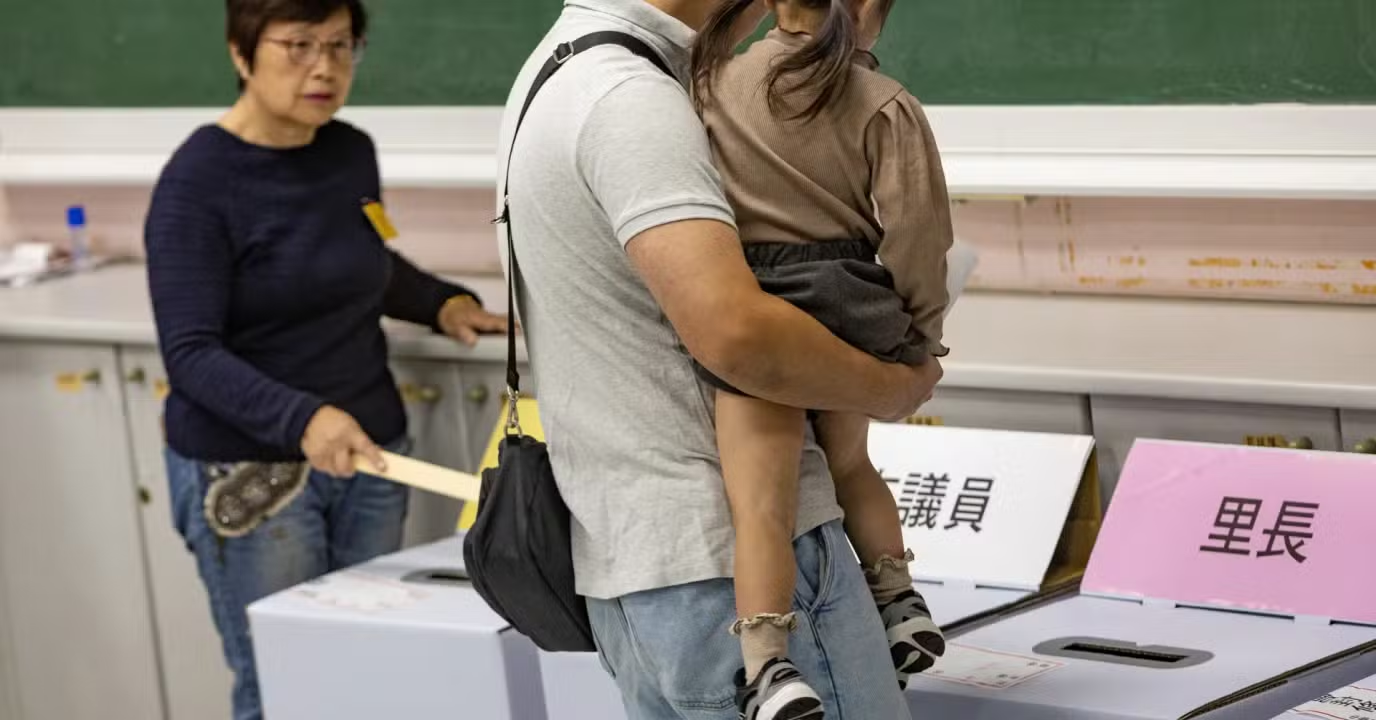
Taiwan votes in local elections to choose mayors, other leaders
Taiwan voted on 28 November 2026 in its 'nine-in-one' local elections, choosing about 11,000 mayors, council members and other leaders across 22 cities and counties. The key contest is the Taipei mayoral race, where KMT incumbent Chiang Wan-an faces Puma Shen of the governing DPP, an underdog who has drawn huge crowds and whose online event drew more than 500,000 viewers. Beijing, which claims Taiwan as its own territory, has denounced Shen, who Chinese police want for 'separatism', and Taiwan's Mainland Affairs Council has warned Beijing is trying to influence the vote through 'cognitive warfare' and 'transnational repression'. The elections are not expected to directly change Taiwan's China policy, and analysts say local results are an unreliable guide to the presidential election due in early 2028.
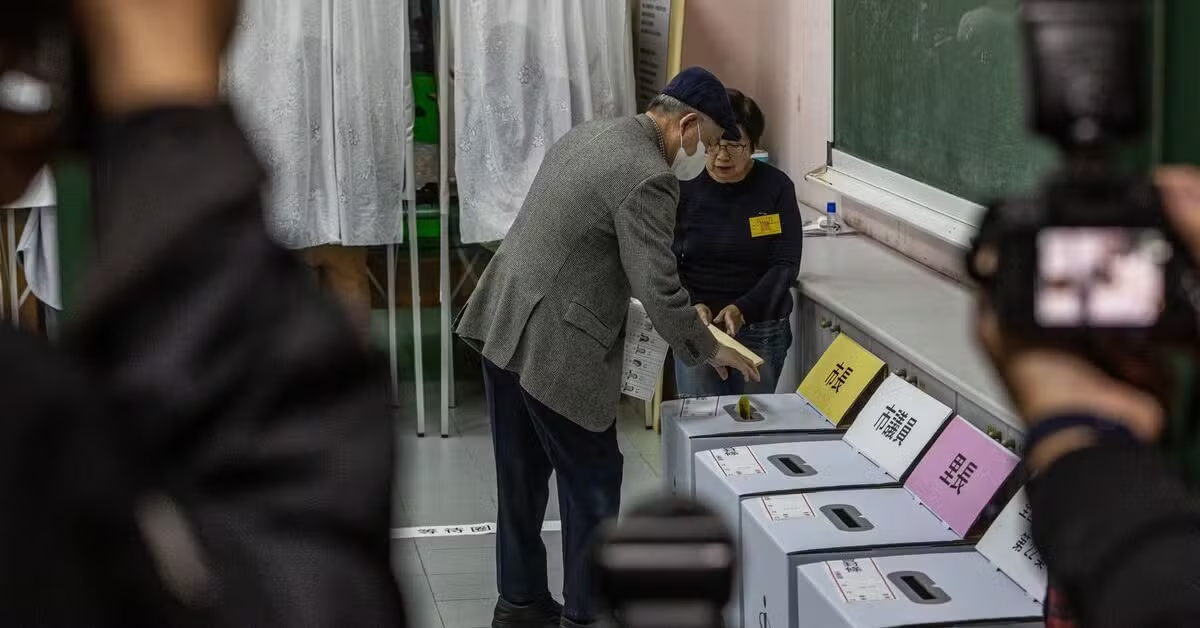
Taiwan Goes to Polls in Tight Local Elections as China Watches
In a Bloomberg report, millions of Taiwanese voters headed to the polls on Saturday, 28 November 2026, in local elections for mayors and county chiefs across the island's 22 cities and counties, with about 19.6 million people eligible to vote. The reporters say an unexpectedly close race in Taipei galvanized voters, and that the elections could reshape Taiwan's political landscape ahead of the 2028 presidential contest as China watches. About 11,000 smaller roles are also up for grabs, with polls open from 8 a.m. to 4 p.m. and initial results expected in the evening.
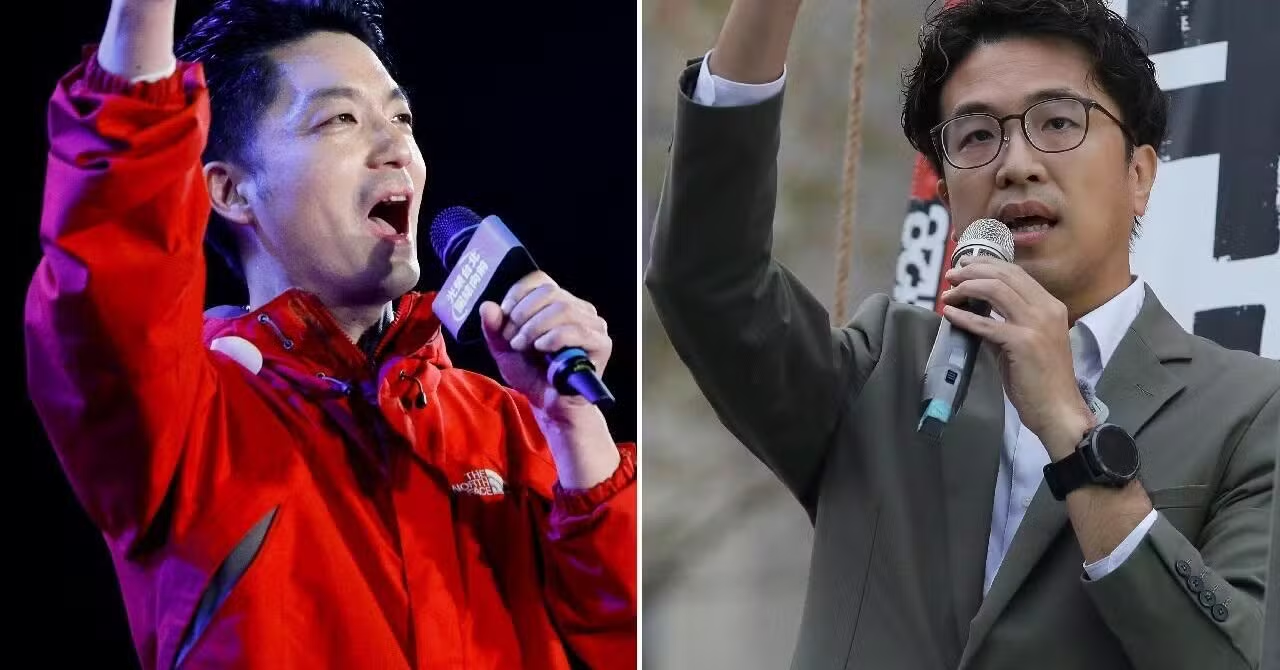
Taïwan: Chiang wan-an et Puma Shen au coude-à-coude pour la mairie de Taipei
In a report ahead of Taiwan's local elections on Saturday 28 November 2026, RFI says polls give Puma Shen, the Democratic Progressive Party's candidate, a slight lead over incumbent Taipei mayor Chiang Wan-an, a race that would have been unthinkable a few months earlier. The Taipei mayor's office has been a Kuomintang stronghold for three decades, and both parties see the local elections as a stepping stone toward the 2028 presidential election. The two candidates differ mainly on China: Shen, known for his work on Chinese disinformation and founder of Taiwan's largest civil defense association, is blacklisted by Beijing, while Chiang takes a more conciliatory line and backs exchange channels such as the Twin City forum with Shanghai. RFI says Shen's positioning on China appears to have boosted his popularity, and voters in Taipei voice concerns over Chinese interference and rising electricity prices.
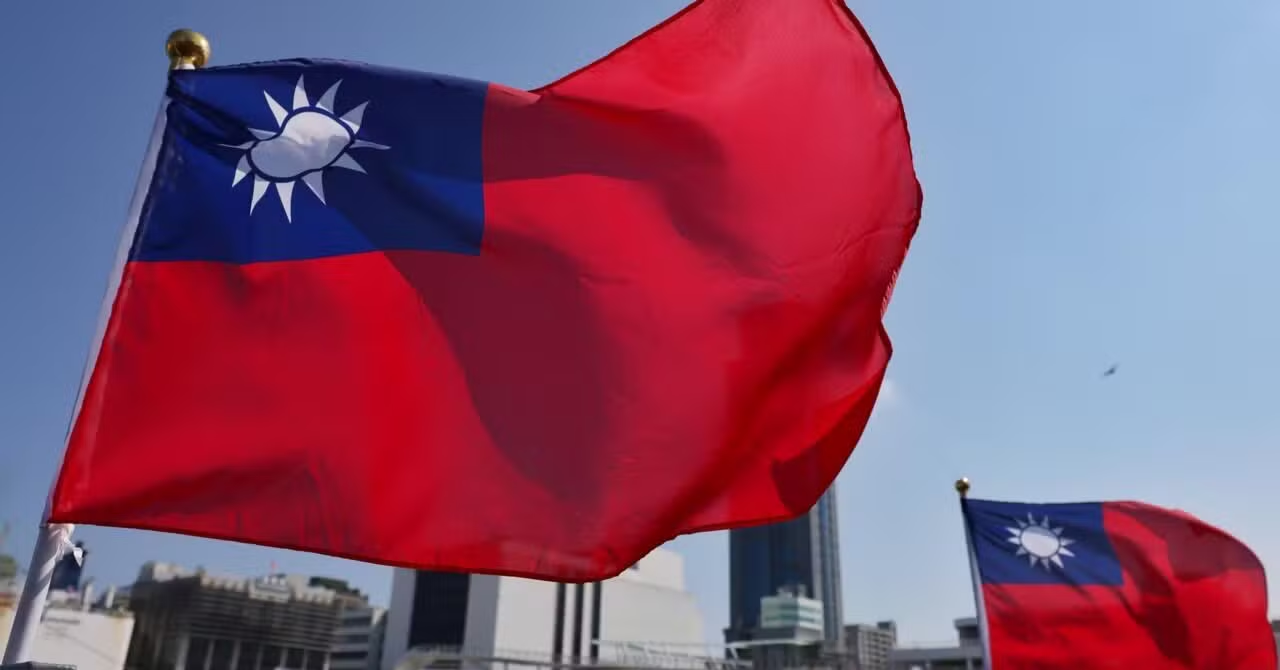
Elections locales à Taïwan, bataille serrée pour la mairie de Taipei
Taiwan holds local elections, with the tightest battle in Taipei where pro-Beijing incumbent mayor Chiang Wan-an faces legislator Puma Shen, a virulent critic of China who began as an outsider but has pulled level. A Shen win would make him the first Democratic Progressive Party mayor of the capital in nearly 30 years. Nearly 11,000 seats in Taiwan's 22 cities and counties are at stake, with the Kuomintang defending the 14 it won in 2022 and President Lai Ching-te's party seeking to improve on its five. Taiwan's government has warned of a risk of Chinese interference, and its Main Affairs Council said Beijing used 'cognitive warfare' and 'transnational repression' to try to influence the vote. Analysts note the local results are not a reliable indicator of how citizens might vote in the 2028 presidential elections, but could weigh on the parties' choice of presidential candidates.
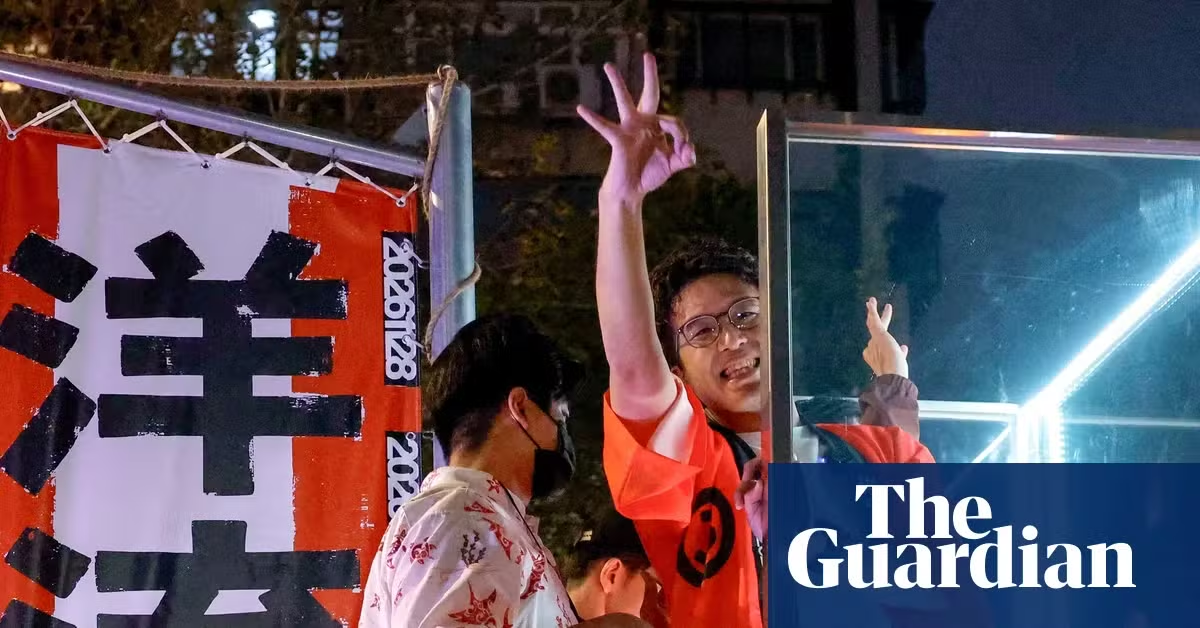
Threat from China looms large over Taiwan’s local elections
Taiwanese voters go to the polls on Saturday in local elections across 22 districts that normally turn on bread-and-butter issues such as housing affordability and wages, but take place amid intense military pressure from Beijing, which claims the island despite never having ruled it. The ruling Democratic Progressive party has put up Puma Shen, declared a 'diehard separatist' by Beijing, against the pro-Beijing Kuomintang in Taipei, while the government proposes a record 18% defence spending rise that many voters would rather see spent on economic problems. Officials have raised the alarm over thousands of suspected misinformation incidents and reports of China-linked AI-generated videos, which Beijing calls 'completely fabricated'. Political scientist Wei-Ting Yen says that although the vote is not about China, its outcome will have huge implications for cross-strait relations.

