
Why Trump's new tariffs are less of a threat
In an analysis for the BBC, economics editor Faisal Islam argues Trump's new tariffs are less of a threat than they appear. The announcement, which follows a Supreme Court strike-down of the tariffs' original legal basis, lacks the fanfare of April 2025's Liberation Day reveal, sets rates that are upper ceilings often up for negotiation, and is widely seen as an attempt to shore up the tariffs' legal footing rather than a change in the trade agenda. The tariffs are not due until January or February, the UK is largely unaffected, and Beijing responded without retaliation. Meanwhile the world has rerouted trade around the tariff wall, China more than makes up an 8% export drop to the US with sales elsewhere, and a Democrat Congress promising repeal may have enough rebel Republicans to threaten a veto override. Economists still expect some tariffs to last for years.

Trump doubles down on his tariff agenda
The Financial Times reports that Trump doubles down on his tariff agenda.
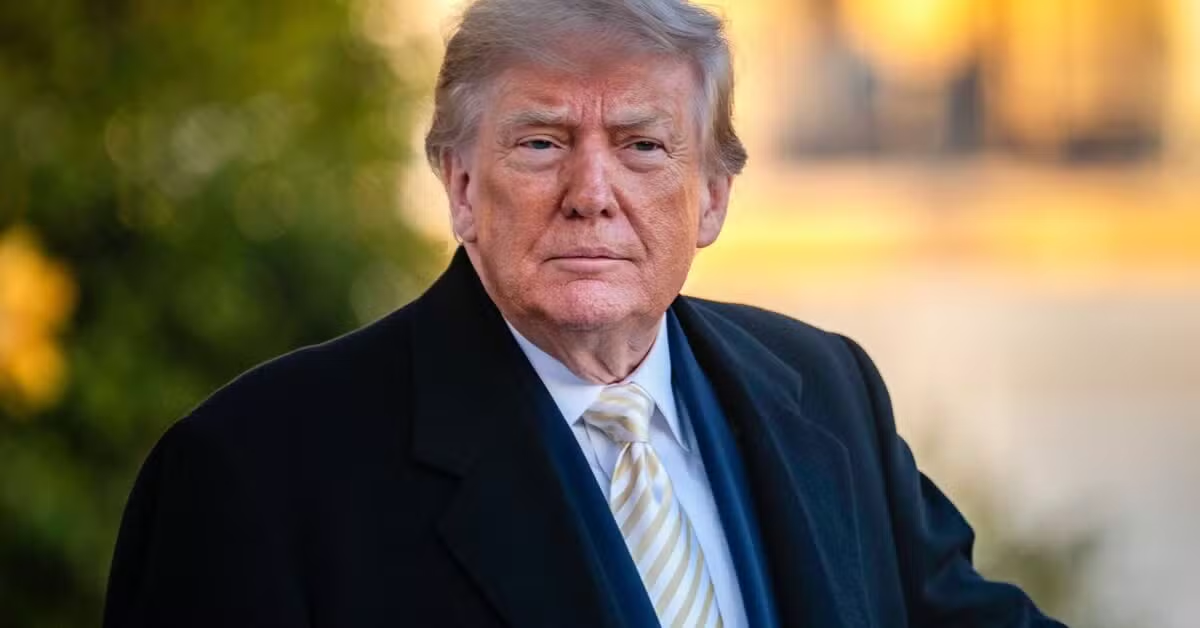
Major US Trading Partners Respond to Trump’s New Tariffs
Bloomberg reports that the Trump administration rolled out a fresh round of tariffs on goods from economies it accuses of contributing to excess manufacturing capacity and hurting US companies, prompting major trading partners to respond with disappointment and protests. The round is the administration's latest effort to reinstate an expansive trade agenda that once relied on country-by-country levies implemented with emergency powers. The Supreme Court struck down those levies in February 2026, forcing President Trump to invoke other legal authorities to restore the duties.
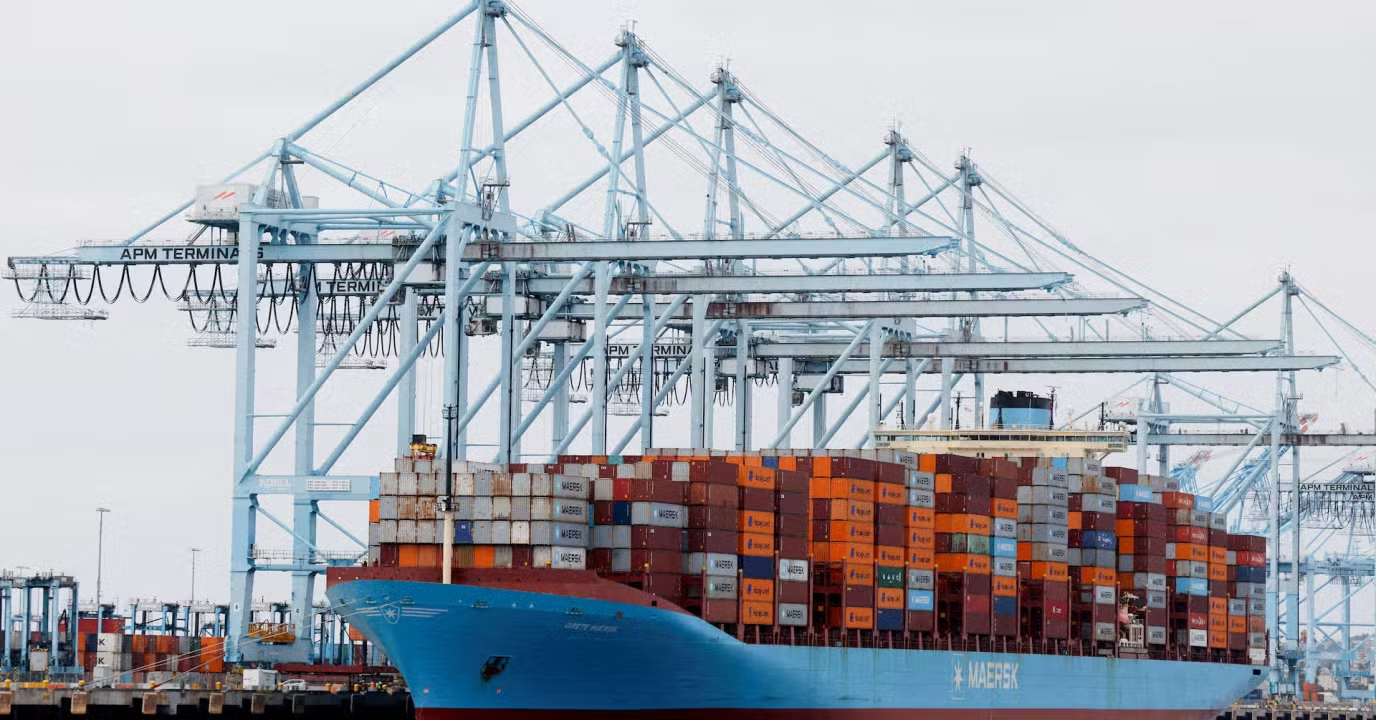
Five takeaways from Trump's new tariffs
Reuters reports that the Trump administration proposed new tariffs on imports from 14 major trading partners, with China facing the highest rate at 20%, in an effort to rebuild tariff leverage after the Supreme Court struck down its broad global duties in February. The levies rest on Section 301 of the Trade Act of 1974 to put them on firmer legal footing, and would not take effect until after a public hearing on 25 January. Under the proposals, India would face 17% or 25% depending on whether trade talks succeed, Vietnam 20% or 35%, and the rate on Chinese goods would rise to 40% if their trade truce is not extended past 10 January. Reuters reads the move as showing the administration remains determined to push ahead despite the Republican Party's major midterm losses, and markets barely rippled, with HSBC economist Fred Neumann saying the news was 'baked in'.
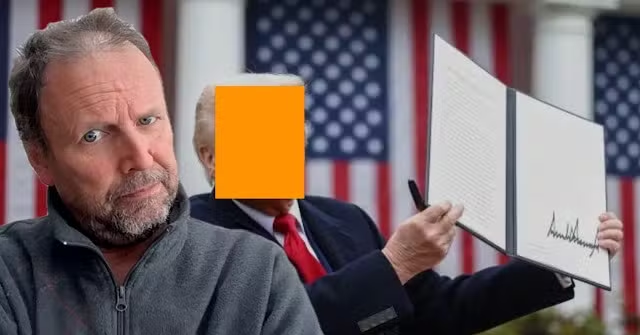
SHOCKING: U.S. Declares Massive New Trade War After Midterm Defeat
In a commentary video, Claus Kellerman says the United States has launched another massive trade war right after losing the midterm elections, a result he calls a resounding rejection of the administration's trade policy. On November 25th the US announced new tariffs of up to 20% on China, the European Union, and 12 other major trading partners, and tariffs on Canadian cars, trucks, parts, and steel rise to 50% on January 1st, 2027, with the Pentagon also accusing Ottawa of not being a credible partner. He argues the Democrats' midterm wins, which give them control of the new Congress from January 3rd, will change nothing, since the president shows no sign of changing course and holds a veto. Citing reports that US inflation has hit 3.8% while Canada's eases, he blames the president's import taxes for American prices and calls him a one-man wrecking ball destroying the US economy, and he recommends stockpiling some food before the trade war starts on January 1st.
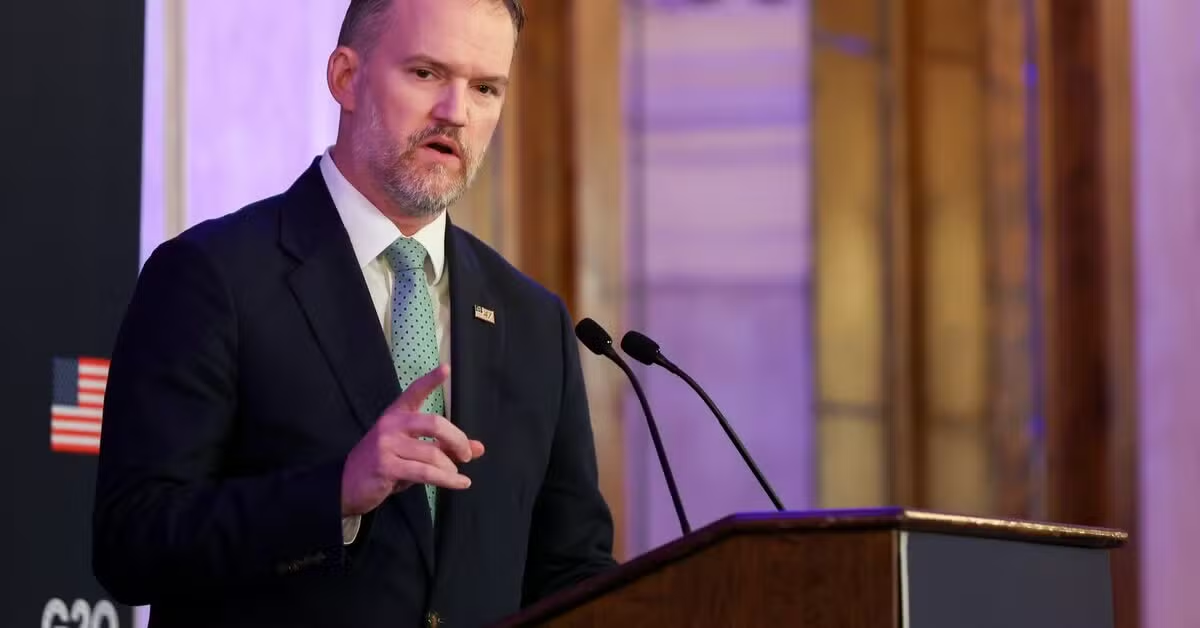
Trading Partners Wince at Trump’s Latest US Tariff Plan
Bloomberg reports that trading partners are wincing at the Trump administration's newly proposed tariffs. The initial read from Beijing is that the Chinese government is unlikely to retaliate. Wendy Cutler of the Asia Society Policy Institute says Beijing seems prepared to live with the new rates provided they don't exceed 20%, though it is not happy about them.
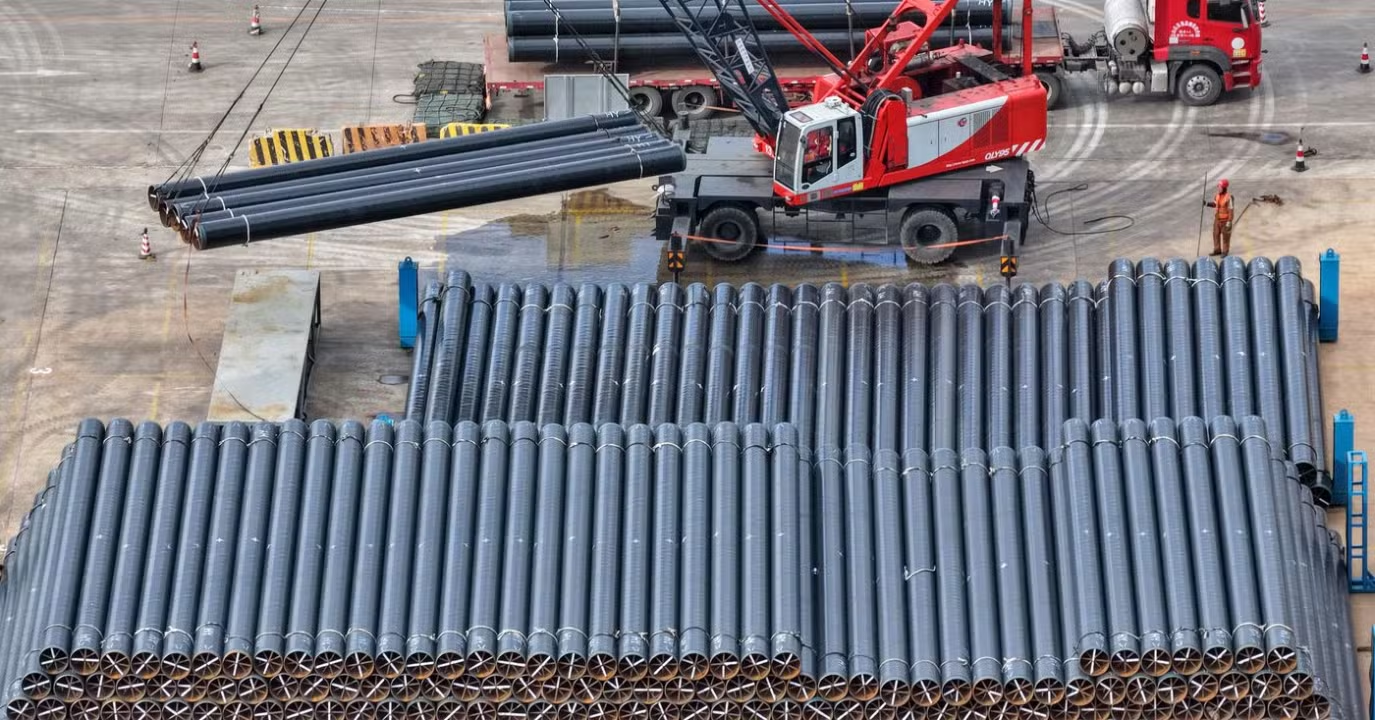
China and other U.S. trading partners hit back at Trump's new tariff plans
An Associated Press news report says China, Japan, and other U.S. trading partners protested the Trump administration's new tariff plans announced on November 25, 2026, and rejected allegations that they have excess manufacturing capacity. The new tariffs, set after a monthslong Section 301 probe, aim to reinstate duties for most of the economies affected by a February 2026 Supreme Court ruling that struck down most of Trump's 2025 tariffs, and are likely to take effect in early 2027. China faces a 20 per cent tariff that could double to 40 per cent if the U.S. finds Beijing not engaging adequately, while Japan faces up to 15 per cent and Vietnam up to 35 per cent. China called the overcapacity notion a false premise, and Chinese Foreign Ministry spokesperson Guo Jiakun said Beijing will take necessary measures to defend its legitimate rights and interests.
Are Trump’s tariffs aimed at securing US-friendly trade deals?
The Trump administration has proposed new tariffs on 14 key US trading partners, including China, India and the EU, with maximum rates from 20 to 40 percent. Many proposed rates are explicitly linked to trade talks: China's could double to 40 percent if no deal is secured by 10 January, when the current truce expires, while Vietnam faces 20 percent with a deal or 35 percent without. The tariffs rest on section 301 of the Trade Act of 1974, which Washington says penalises unfair trading practices such as 'structural excess capacity'. Analysts including the Atlantic Council's Josh Lipsky see the move as an attempt to build a 'tariff web' meant to outlast the administration, after the Supreme Court struck down the 2025 'Liberation Day' tariffs. China calls the move political manipulation, the EU's Maros Sefcovic opposes it, and Senator Ron Wyden calls it an attempt to reconstruct illegal global tariffs.
Trump's latest tariffs aimed at pressuring Asian trade partners into deals: Analysts
Analysts say US President Donald Trump's latest tariffs on 14 economies, mostly in Asia, are aimed at pressuring trade partners into deals with Washington as the administration seeks to strengthen its bargaining position with China. Peter Draper of the University of Adelaide's Institute for International Trade says countries with trade pacts will generally pay capped rates, while economies without deals, including Vietnam, India, China and Singapore, face uncertainty that pushes them to negotiate. Vietnam, viewed as a 'China replacer', faces potential tariffs of up to 35 per cent, and China faces up to 40 per cent if its trade truce expires in January. Deborah Elms of the Hinrich Foundation says some governments may accept higher duties rather than accept onerous conditions, and that the tariffs will drive higher inflation in the United States.
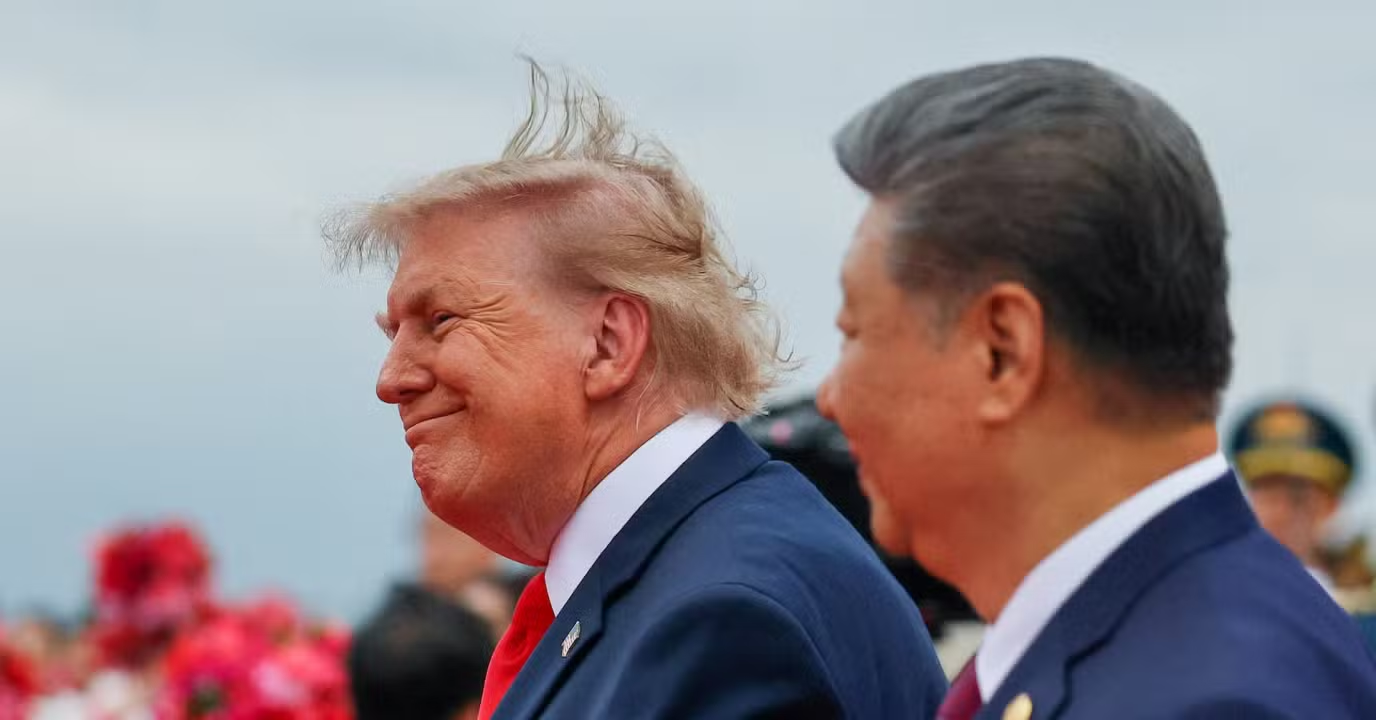
Status of Asian nations' trade talks with Trump
Reuters reports that US President Donald Trump has imposed a new round of tariffs on 14 major trading partners, including top Asian economies such as China, India, Japan and South Korea, and surveys where each nation's trade talks stand. The US-China truce from the 2025 trade war expires on January 10, capping tariff hikes at 20 percentage points, though Washington could add a further 20 points if the deal collapses. Japan faces up to 15% under its 2025 deal tied to a $550 billion US investment commitment, Taiwan's pacts set 15% with $250 billion in planned investment, and South Korea's 15% rate from its $350 billion deal could rise depending on consultations. Elsewhere, Indonesia's February deal cutting tariffs to 19% remains unratified, and the US is proposing 25% on India, dropping to 17% if a deal is reached.
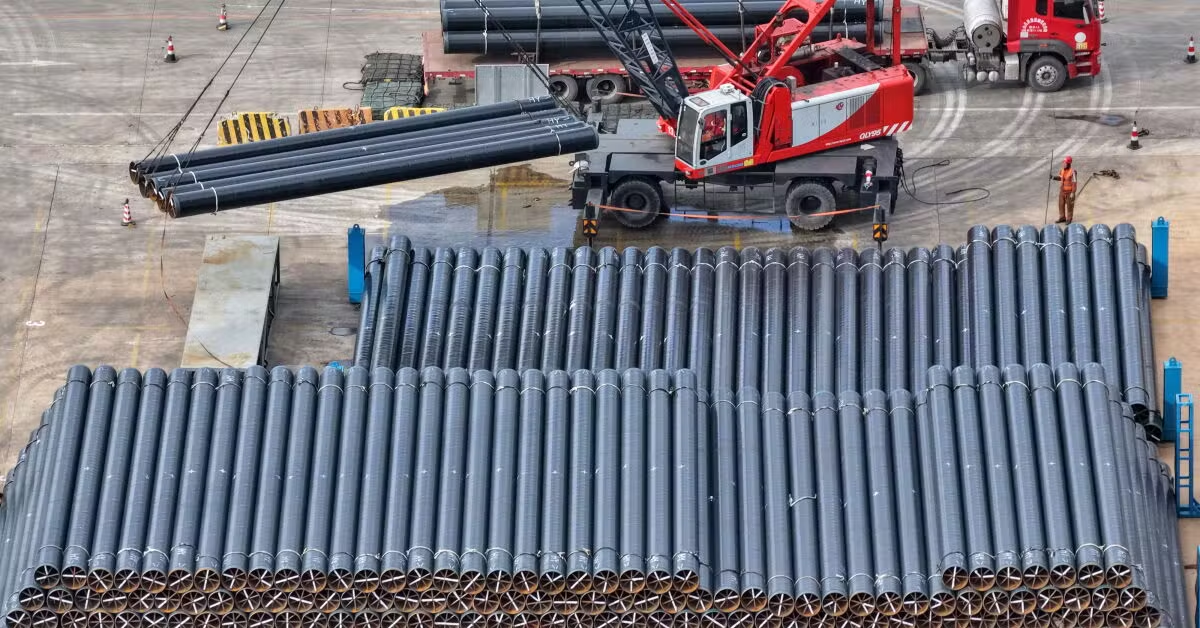
China and other U.S. trading partners hit back at Trump's new tariff plans
China, Japan and other U.S. trading partners protested planned tariff hikes by the Trump administration on November 26, 2026, pushing back against allegations of excess manufacturing capacity. The new tariffs, announced a day earlier and likely to take effect in early 2027, follow a monthslong Section 301 probe and are meant to reinstate tariffs for most economies after a February 2026 Supreme Court ruling struck down most of Trump's sweeping 2025 tariffs. China, facing a 20% tariff that could double to 40%, calls the overcapacity charge a false premise and says it will take necessary measures to defend its rights, while Japan, the EU, Singapore and Malaysia reject claims of structural excess capacity or nonmarket practices. Analysts say the 14 targeted economies account for roughly half the global economy, and Capital Economics' Stephen Brown says the tariffs are not as alarming as they look because they broadly replace July 2026 tariffs and may keep core goods inflation firm into 2027.
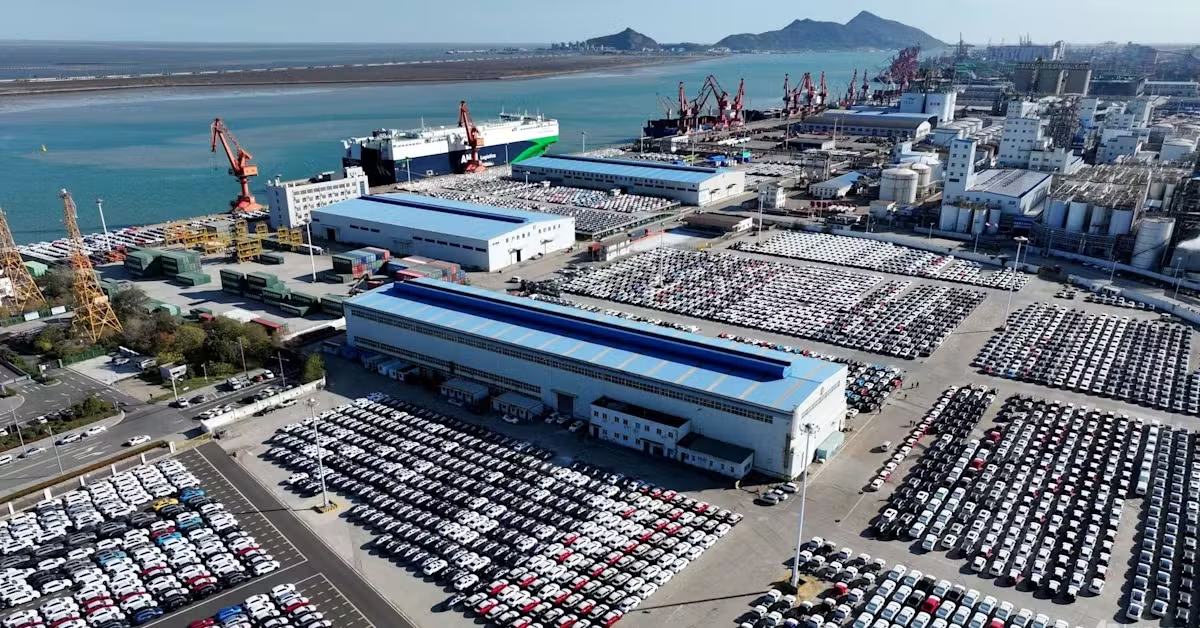
China says reserves right to take 'measures' after new US tariffs
China says it reserves the right to take 'necessary measures' after Washington unveiled new tariffs of up to 20 per cent, under which China faces the highest rate. A Channel NewsAsia report says the new levies, which also target the European Union and Japan, could shake the uneasy truce in the US-China trade war, whose ceasefire agreed in October 2025 expires in January 2027. US Trade Representative Jamieson Greer says the tariffs fall within the bounds of existing trade negotiations and that the United States is offering China exemptions on around US$30 billion of goods. Chinese commerce ministry spokesman He Yadong says citing 'overcapacity' is a 'pretext for protectionism' and urges Washington to return to resolving issues through dialogue.
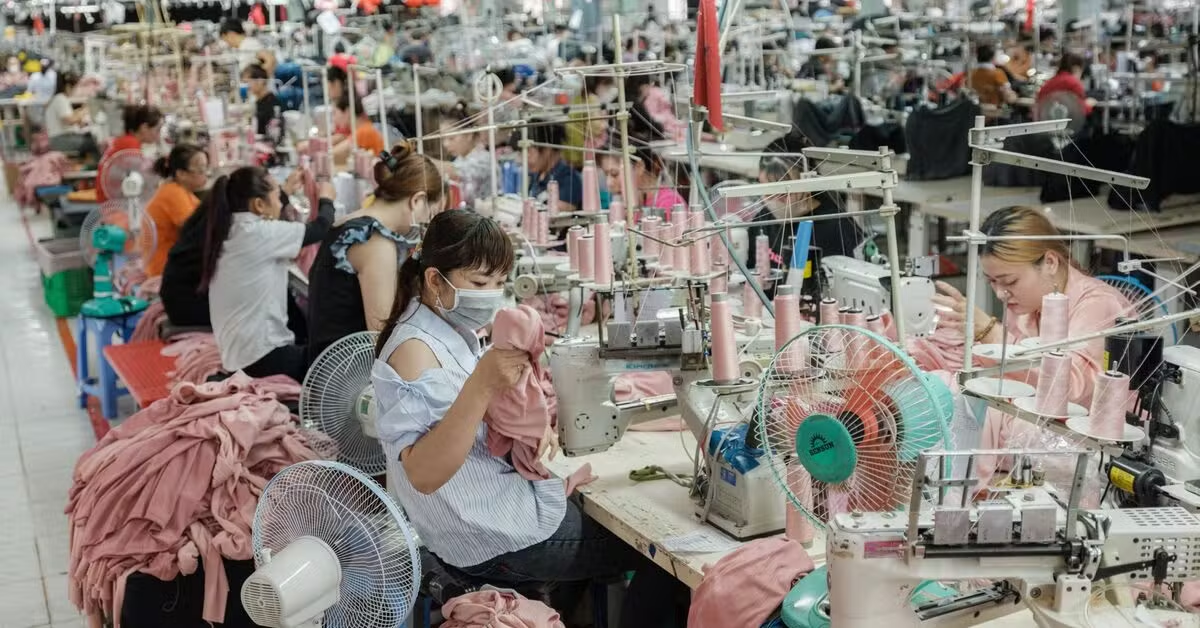
Trump Riles Trade Partners With Tariffs That Undercut ‘China+1’
A Bloomberg article by Philip Heijmans and Francesca Stevens reports that President Donald Trump's latest tariff push risks undercutting the movement of supply chains out of China, one of the signature shifts in global manufacturing since the US-China trade war began. The levies on 14 economies in Asia and Europe would hit some of the biggest winners from the so-called China+1 investment boom, and countries like Vietnam could end up with tariff rates approaching or in some cases exceeding those on Chinese goods. Many exemptions, however, keep the effective tariff charges lower than the headline rates.
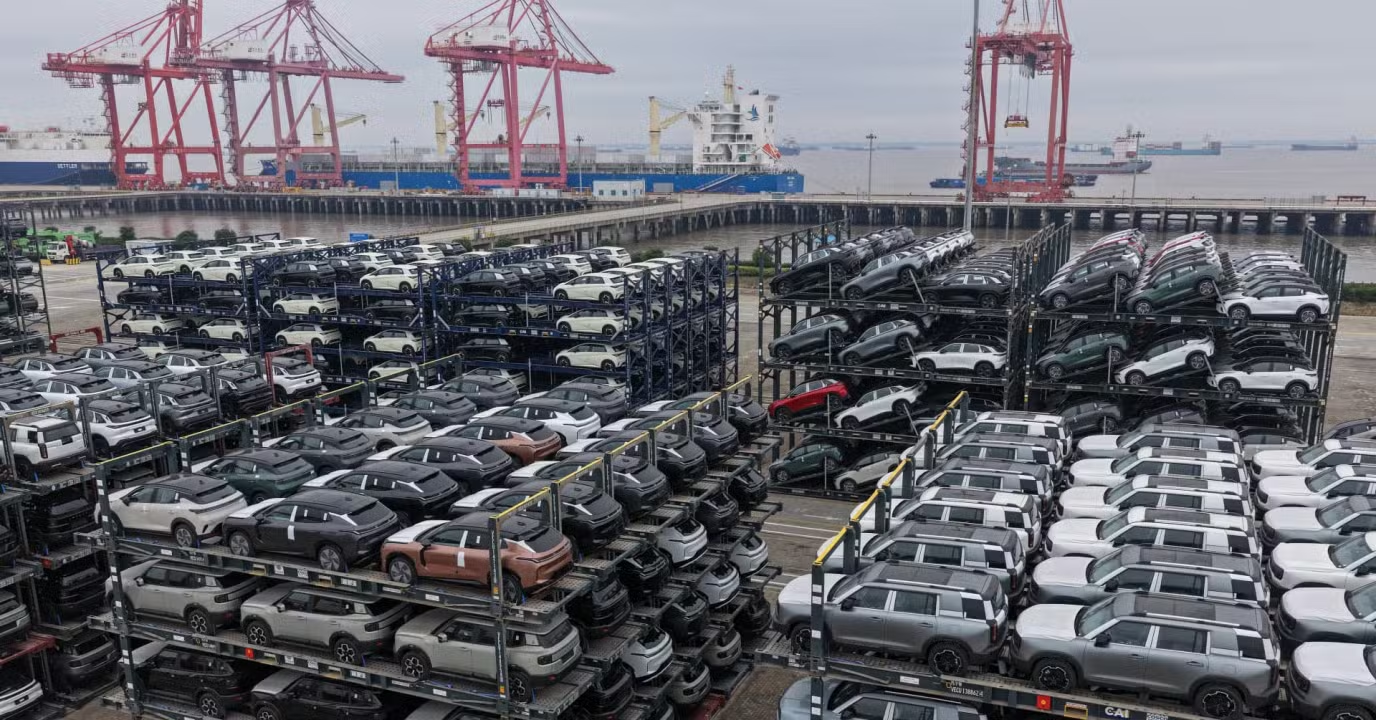
U.S. tariff-hike threats pile pressure on partners to sign trade deals
CNBC reports that the Trump administration has proposed new tariffs on more than a dozen trading partners, framed as curbing excess industrial capacity, with China, Vietnam and India facing some of the steepest potential rates and mounting pressure to conclude trade deals with Washington. The proposed rates start at 15% for the European Union, South Korea, Switzerland and Taiwan and rise to as much as 35% for Vietnam, while China faces a capped 20% on top of an existing 25% tariff, and India and Vietnam could see rates fall if ongoing talks produce reciprocal trade agreements. Analysts say the measures are aimed squarely at China, with Capital Economics' Mark Williams noting the word 'China' appears 253 times in the U.S. Trade Representative's report on Vietnam, and Wendy Cutler of the Asia Society Policy Institute saying Washington is using the tariffs as leverage to secure critical minerals, rare earths, and purchases of U.S. agricultural goods. Beijing rejects the excess-capacity claim, urges the U.S. to implement $30 billion of agreed tariff cuts, and vows to protect its rights.
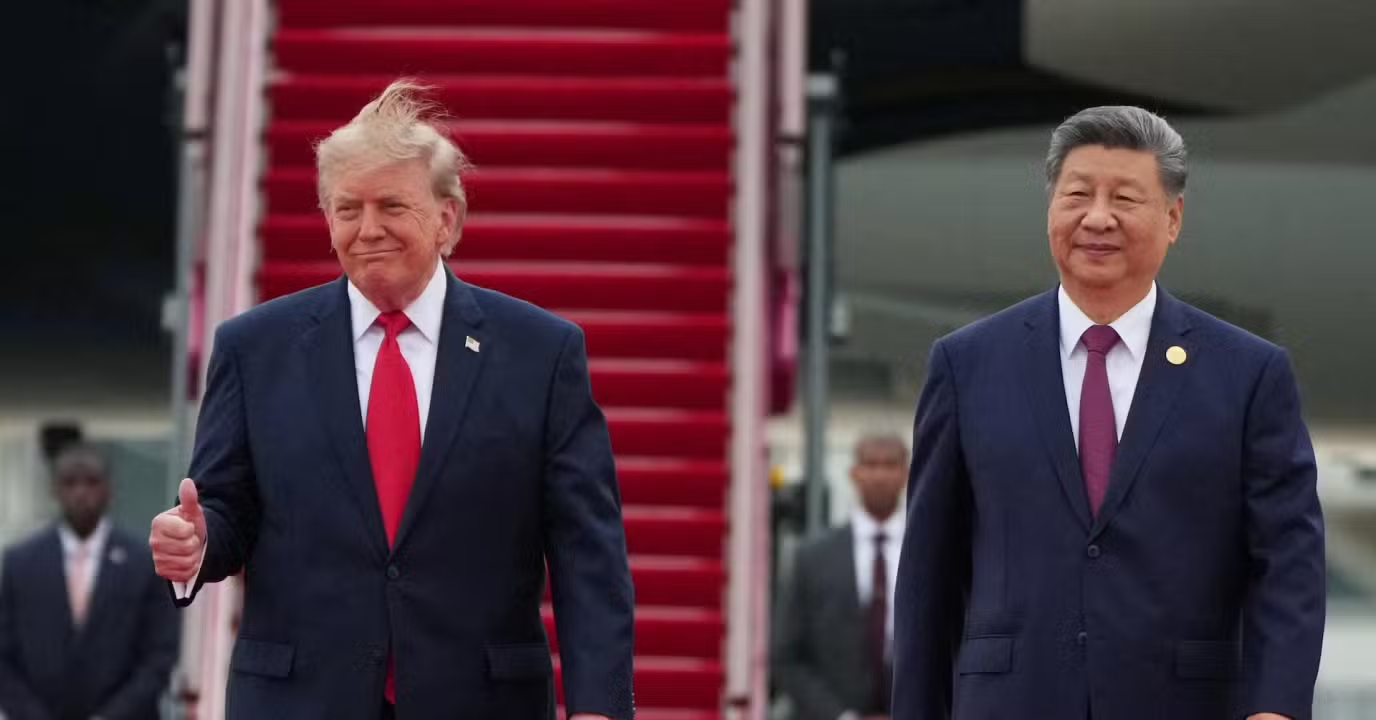
Trump's new tariffs aim to prise global trade from China's grip
A Reuters analysis says President Donald Trump's new tariffs on China, raised by roughly 7.5 percentage points, stay within the bounds of the US-China trade truce but leave room to raise levies further, as Washington bids to prise global trade from China's grip by pressuring partners from the European Union to Japan and Vietnam to curb imports and investment from China. The move follows the Supreme Court's ruling that Trump's April 2025 'Liberation Day' tariffs were illegal, and comes ahead of a December 2026 Trump-Xi summit in Miami and the trade pact's expiry on January 10, 2027. The article says the tariffs are set to inflame trade tension with Beijing, though China's response stopped short of threatening retaliation, and signs like Beijing's extended rare earth export control suspension and a Xiamen Airlines deal for 50 Boeing 737 MAX 8 planes suggest the truce is holding. The article adds Washington will be wary of the levies' inflationary impact, a sensitivity underscored by the cost of living topping voters' grievances in the Republicans' midterm defeat.

US Partners Respond to Tariffs With Anger, Protest and Diplomacy
Major US trading partners met a fresh round of Trump administration tariffs on goods from China, the European Union, and a dozen other economies with disappointment and protests, while holding out the prospect of talks. Bloomberg reports that officials from economies ranging from Singapore to Japan are signaling a preference for negotiation over retaliation, and Japan protested a planned 15% levy on its products. China and the European Union have made clear they could hit back if Washington pushes beyond the terms of existing trade deals. The administration says it plans to impose levies on imports from economies it accuses of contributing to excess manufacturing capacity and hurting US companies.
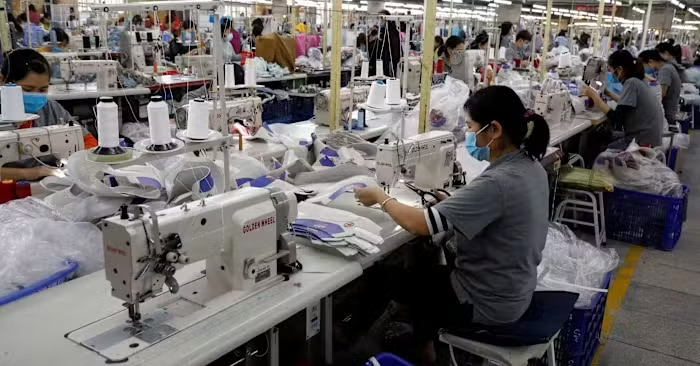
Asian trade partners of US hit back at Trump’s latest tariffs
The Financial Times reports that Asian trade partners of the United States have hit back at President Donald Trump's latest tariffs.
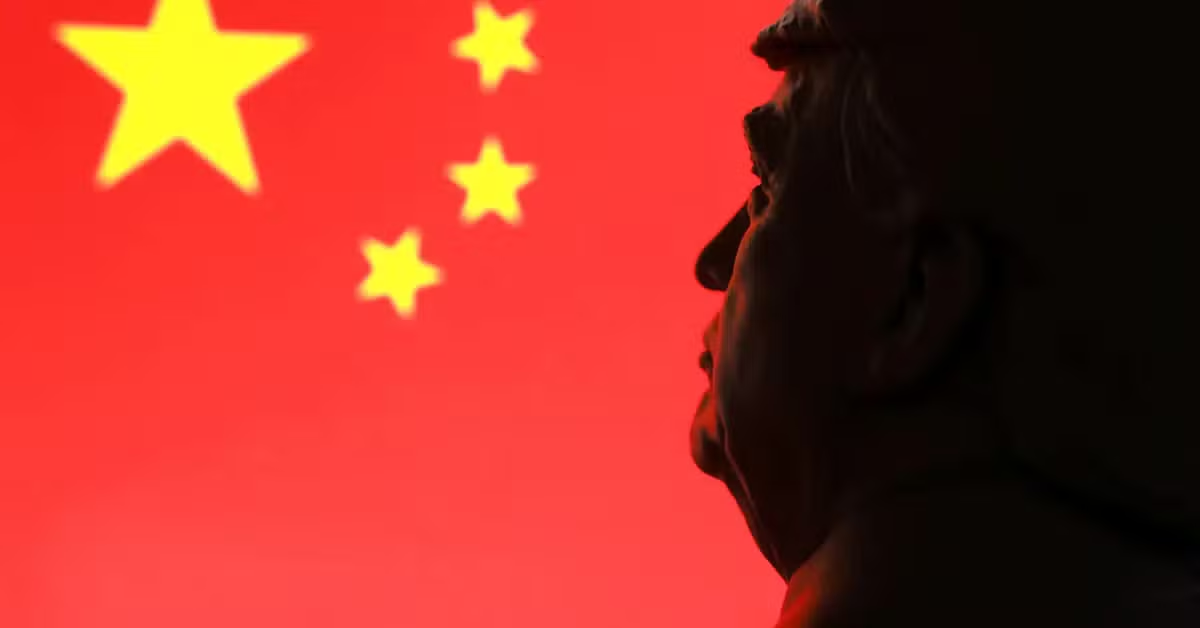
Droits de douane : Donald Trump s’entête dans le protectionnisme
In a news report, Liberation's New York correspondent Philippe Coste writes that Donald Trump persists in protectionism, announcing a new barrage of tariffs aimed at 14 US partner countries including China, the European Union, and Japan, which in principle apply from January and are already causing panic on the world's stock markets. The announcement comes despite the latest US elections delivering a Democratic tidal wave that Coste says punished above all the rise in the cost of living caused by Trump's trade wars. The new tariffs follow a Supreme Court ruling in February that declared Trump's first wave of tariffs illegal, a defeat that Coste writes has left him embittered. Coste reports the new tariffs could raise the import tax on goods from the 14 countries by 20 percent.
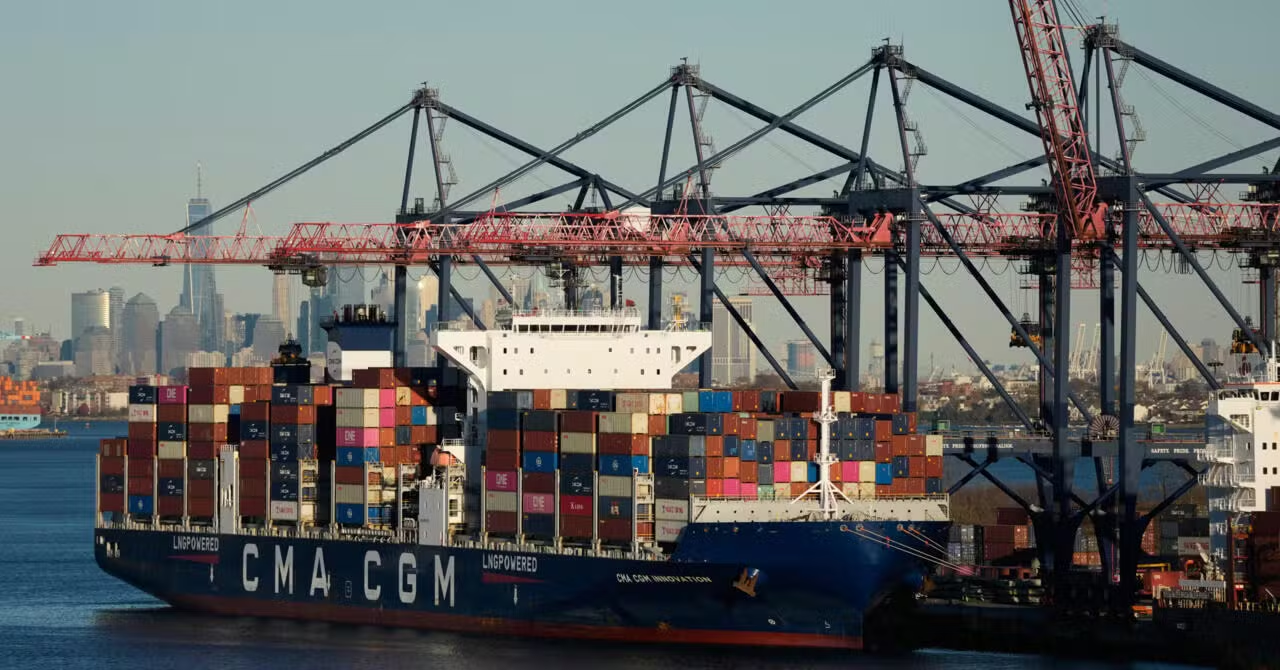
L'annonce de nouveaux droits de douane américains par Washington suscite l'indignation des pays visés
The United States announces on 26 November 2026 a new series of tariffs on its main trading partners, with China, Brazil, Japan, and the European Union in the lead, provoking their indignation. Washington says the measure targets countries whose subsidies cause overproduction penalizing American companies, and the tariffs rely on a 1974 federal law as the White House tries to reinstate tariffs annulled in February 2026 by the Supreme Court. The targets deny the accusation: Japan says it practices no anti-market policy, India's commerce ministry says it has no structural overcapacity in any sector, and a European Commission spokesperson says it firmly contests the idea. China calls the overcapacity accusations a false premise and a pretext for political manipulation, Brazil calls the decision unacceptable and says it will not yield to threats, and Singapore says it is very disappointed.
Commentary: New US tariff threat seeks to ramp up pressure on trading partners – will it work?
In a commentary for channelnewsasia.com, Steven R Okun argues the Trump administration's latest tariff threat on 14 major trading partners, announced on 25 November 2026, is meant to push countries without a US trade agreement, such as Singapore, India and Vietnam, into signing one, with lower rates offered to those that do. Singapore, despite a free trade agreement with the US and a US trade surplus, faces a 20 per cent rate without a deal, and Okun says it could be among the hardest hit. But he expects the pressure strategy may not work as it once did: the Supreme Court struck down Trump's Liberation Day tariffs in February 2026, may do so again, and these tariffs may not outlast the administration, leaving governments to weigh accepting higher rates against conceding on investment and China-related commitments.
Nouveaux droits de douane américains: les pays visés s'indignent
Washington's announcement of a new series of tariffs has drawn outrage from its main trading partners, led by China, Brazil, Japan, and the European Union. Duties on Chinese products could reach 20%, European and Japanese goods would face 15% instead of 10%, and India is hit with a 17% surtax, with a month's delay allowing written comments before the tariffs take effect. The tariffs accuse the targets of subsidized overproduction penalizing American businesses, and come on top of 10% surtaxes imposed in July on about sixty countries to combat forced labor, while the White House tries to reinstate tariffs annulled in February by the Supreme Court on new legal grounds. The targets reject the charges: a European Commission spokesperson firmly contests the idea and calls Europe among the regions most exposed to overproduction, China's foreign ministry calls the accusations a false pretext for political manipulation, Japan says it has no antimarket policies or structural overcapacities, and Brazil's presidency calls the decision unacceptable and refuses to yield to threats.
L'UE, la Chine et d'autres pays s'indignent des nouveaux droits de douane américains
A France 24 news report covers the Trump administration's announcement of new tariffs on 25 November 2026, which angered its main trading partners, led by China, Brazil, the European Union and Japan. The surtaxes could reach 20% on Chinese products, 17% on India, and would raise the rate on European and Japanese products to 15% once in force in a month, after a public comment period. Like the forced-labor tariffs of July 2026, they rest on a 1974 federal law, and the White House is trying to reinstate tariffs annulled in February 2026 by the Supreme Court using new legal justifications. Washington accuses the targeted countries of subsidies causing overproduction that penalizes American companies, but the responses were sharp: EU Trade Commissioner Maros Sefcovic firmly rejected the decision, insisting Washington respect the 15% rate agreed with the EU, China's commerce ministry urged the US to correct its erroneous practices, and Brazil's presidency called the move unacceptable and said it would not yield to threats.
Trump Aims to Keep Leverage Over Xi With 40% China Tariff Threat
The US has set a 20% tariff on China as part of a fresh round of tariffs on trading partners unveiled on 25 November 2026, warning the rate could double if trade talks between the two sides break down. Bloomberg News reads the threat of higher rates as a sign that Washington wants to maintain leverage over Beijing. China, for its part, has signaled it is unlikely to retaliate against new tariffs that stay within the bounds of a previously agreed trade deal.
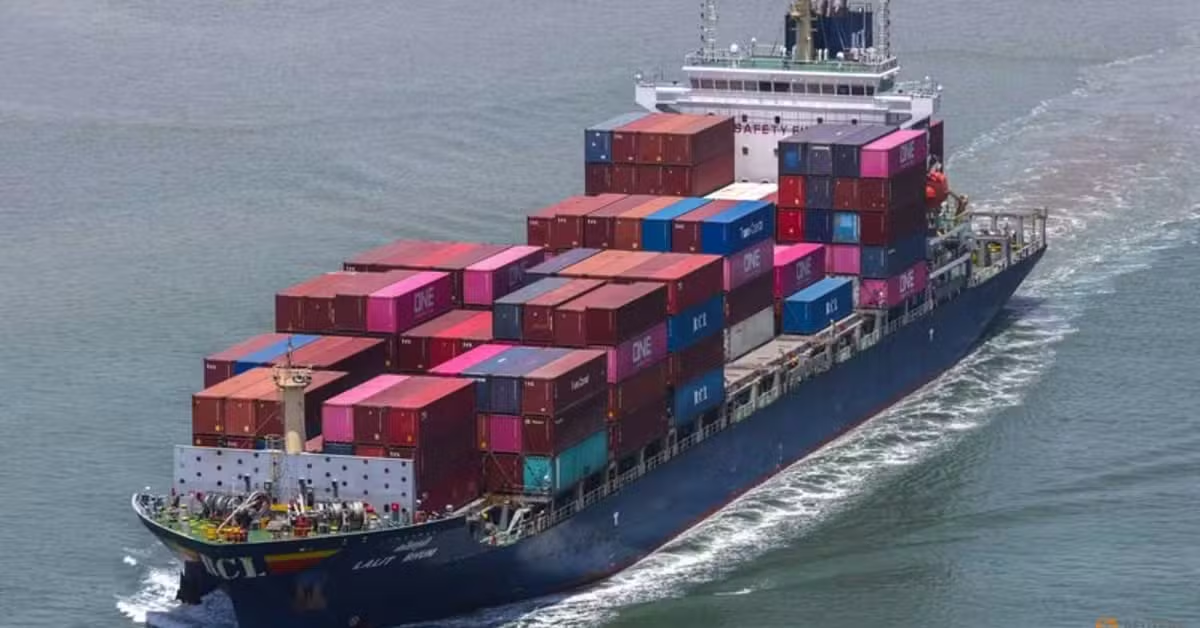
Asian governments push back, seek deals after Trump’s new tariff salvo
In a news report, Channel News Asia writes that Asian governments are pushing back and seeking deals after the Trump administration proposed new tariffs of between 20 per cent and 40 per cent on 14 major trading partners to counter what Washington calls excess industrial capacity and other market-distorting practices. Actual duties could be capped at lower rates under trade agreements already concluded or still being negotiated. China rejected the allegation that it is a source of excess capacity but stopped short of threatening retaliation, and Japan called the move regrettable and denied having structural excess capacity. Vietnam and India are working toward trade deals with Washington: Vietnamese goods would face a capped 20 per cent rate if an agreement is reached and 35 per cent if talks fail, while Indian imports would face up to 25 per cent, capped at 17 per cent with a deal. Taiwan, which signed a trade agreement with the US in February securing preferential treatment for semiconductors, says it is confident Washington will maintain the previously agreed 15 per cent rate, and its vice premier says the agreements will not be renegotiated.
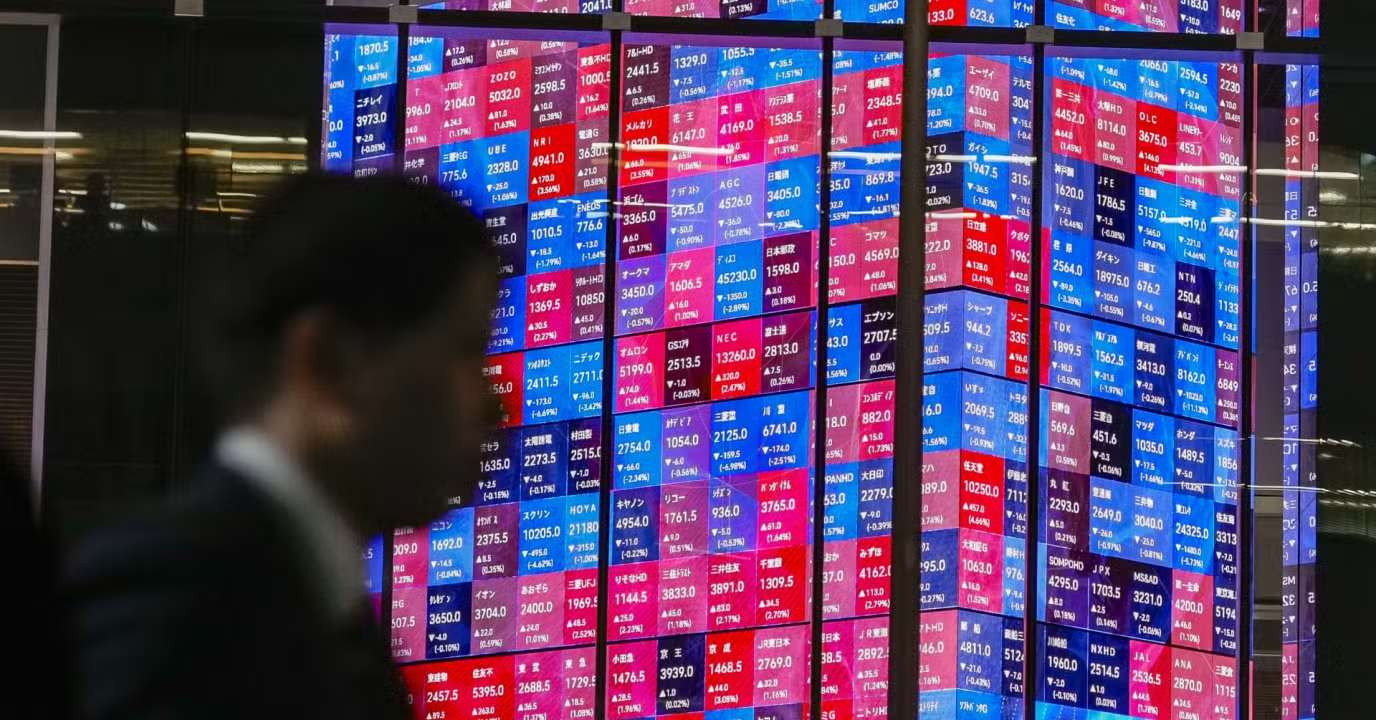
Asia-Pacific markets set for subdued open as investors weigh fresh U.S. tariffs
CNBC reports that Asia-Pacific markets were set for a subdued open higher on Thursday as investors weighed the implications of a fresh set of U.S. tariffs unveiled by the White House on Wednesday, targeting more than a dozen major trading partners including China and the European Union. Japan's Nikkei 225 futures traded above the index's previous close of 57,011.62, and Hong Kong's Hang Seng futures sat above its last close of 21,966.01, while Australia's S&P/ASX 200 was up 0.15%. Overnight in the U.S., the Dow erased a 1,100-point plunge to end 0.33% higher at 50,182.95, though the Nasdaq fell 0.62% and the S&P 500 shed 0.25%. Fresh U.S. inflation data, with the personal consumption expenditures price index rising 3.8% year on year in October, reinforced expectations of further Federal Reserve tightening.
For Trump, doubling down on tariffs is about power, not popularity
A Reuters analysis reports that despite a midterm defeat driven by voter anger over the economy and inflation, President Trump is doubling down on tariffs. On 25 November 2026 his administration announced new tariffs on goods from 14 major trading partners, including China, Japan and the European Union, with maximum rates of 20% to 40%, replacing tariffs the Supreme Court struck down as illegal in February 2026. The announcement was made quietly by trade negotiator Jamieson Greer, with no public remarks from Trump, in contrast with his 2025 Rose Garden rollout. Reuters attributes the move to Trump's decades-old belief in tariffs and his desire to show he can still drive economic policy as Democrats prepare to control Congress, since tariffs are among the few economic tools he can wield without lawmakers. The unpopularity is clear: two-thirds of voters said in exit polls that tariff policies hurt the national economy, and Yale University's Budget Lab estimated tariffs raise household costs by $900 annually.
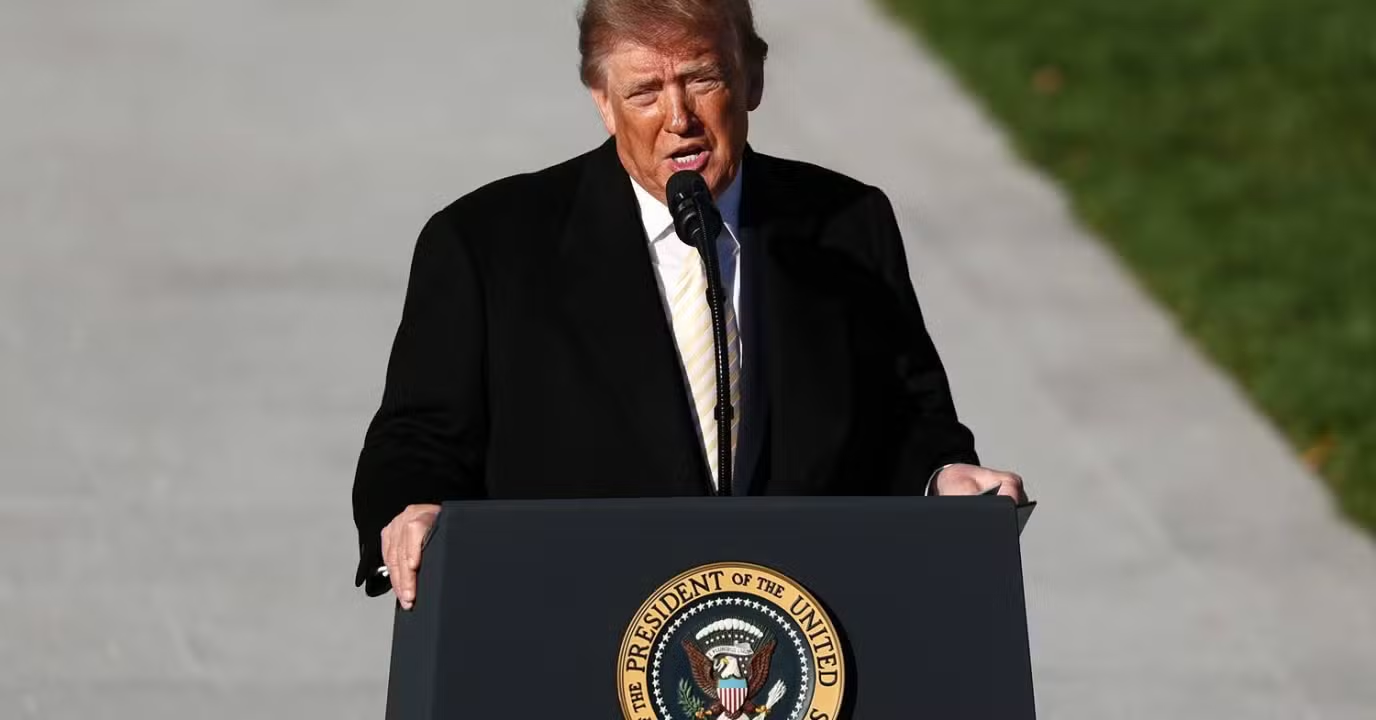
Tariff Man Strikes Again
In its daily World Brief, Foreign Policy reports the Trump administration's proposal on November 25, 2026 of fresh tariffs on more than a dozen major trading partners, including China, Japan, South Korea, and the European Union, its latest attempt to recreate the sweeping global tariffs the Supreme Court struck down earlier in 2026. The rates range from 15 percent for the EU, Taiwan, and South Korea to 35 percent for Vietnam, with China facing 20 percent stacked on duties from Trump's first term if the trade truce holds until it expires in January 2027. The duties rely on Section 301 of the 1974 Trade Act and could be implemented in early 2027, and the newsletter judges that China is one of the few targeted economies showing genuine excess capacity harming the U.S. and global economies. The brief also reports the Army's detonation of 68 barrels of lead azide at the Iowa Army Ammunition Plant after delays from public pushback, Ukraine's sea drone attack on a Russian warship refueling at the Benghazi Naval Base that killed two Libyan naval officers, and Kilmar Abrego Garcia's arrival in Spain under a negotiated agreement ending his deportation battle with the administration.
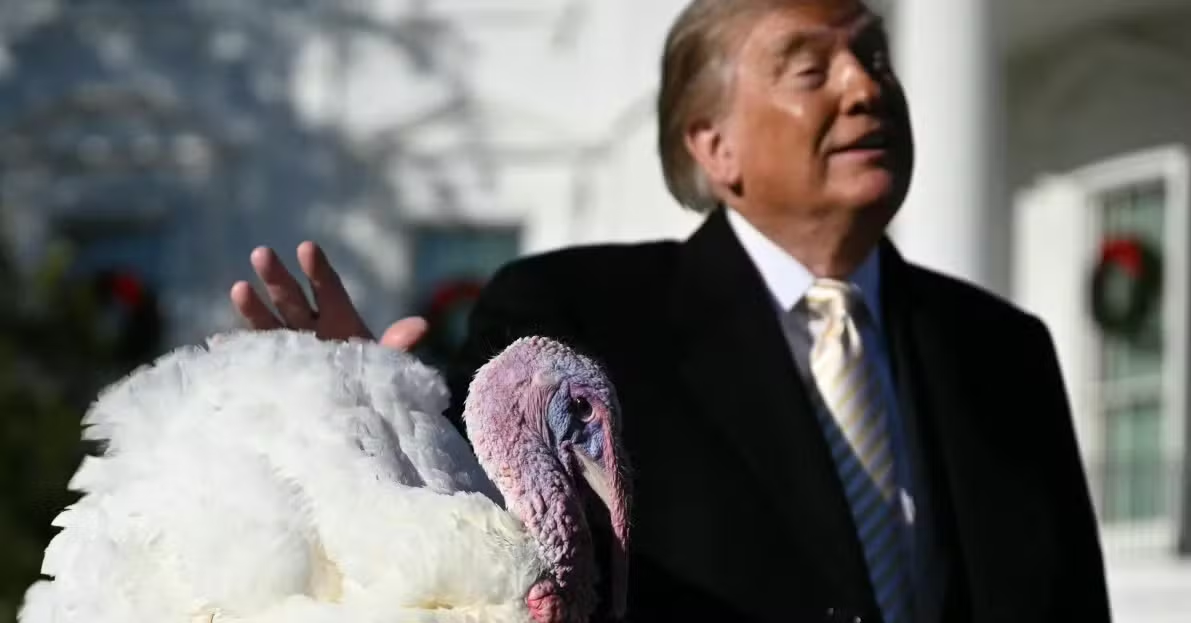
Trump just can’t quit tariffs
The Trump administration is keeping its trade war alive with new tariff announcements that could apply to dozens of countries, including China and the EU's 27 member states, as Vox reports in its newsletter The Logoff. The announced China tariffs would start at 20 percent and could escalate to 40 percent, while EU tariffs would start at 15 percent. The administration justifies the new tariffs through an investigation into alleged unfair trade practices, a route it is taking only after courts, including the Supreme Court in February 2026, struck down its earlier attempts to impose tariffs using emergency powers. It remains unclear when the tariffs will take effect, though trade adviser Jamieson Greer says they are unlikely to arrive sooner than a couple of months out.
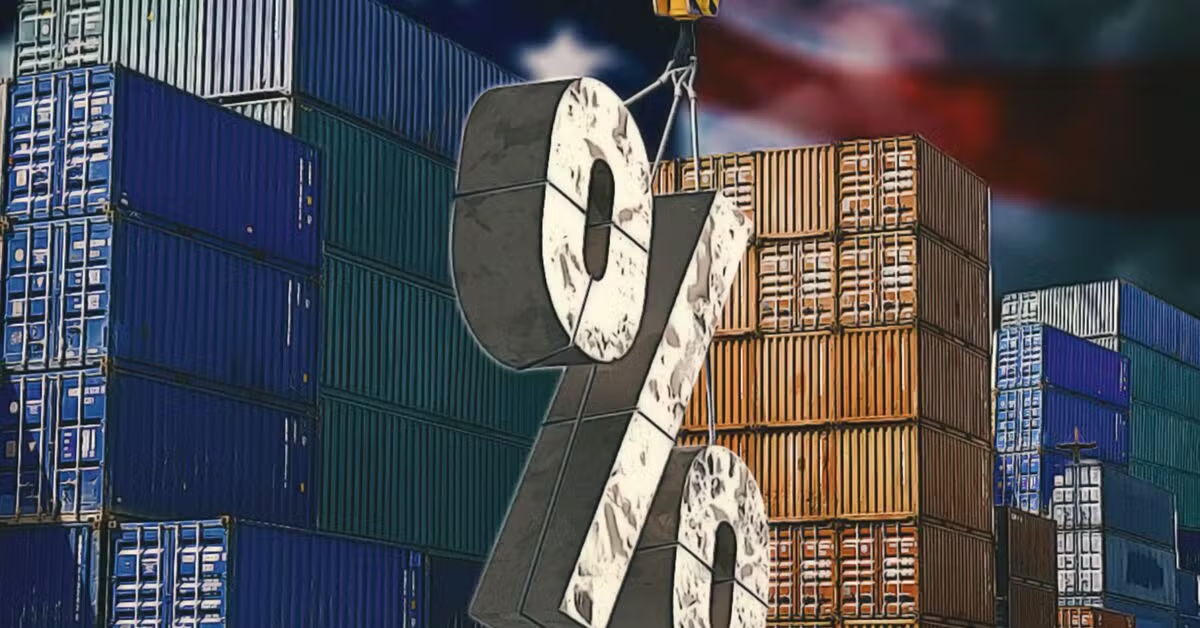
China Braces for Tariff Hike After US Announcement
Bloomberg's Morning Briefing Asia reports China bracing for fresh US tariffs after a US announcement, which a senior US official says would raise levies to 20% or potentially double the rate to 40% if trade talks fail. Chinese Foreign Ministry spokesman Guo Jiakun calls the tariffs 'political maneuvering' and says the US and China should work together to maintain their trade truce.

Tariff inflation was fading. New proposed tariffs could reverse that
On Nov. 25, 2026, President Trump's administration proposed new tariffs on imports from 14 economies, including China and the European Union, floating top rates of 20% to 40% after U.S. Trade Representative Jamieson Greer determined those economies were engaging in unfair trade practices under a 1974 law. The proposal, which is not yet in place and reflects proposed rather than final negotiated rates, lands just as tariff-related price increases from earlier tariffs were waning, and USA TODAY reports the new levies risk driving consumer prices up again in 2027. Dallas Fed researchers estimated core PCE inflation would have been 2.3% in March 2026 without tariffs instead of the actual 3.2%, and the Bureau of Economic Analysis put October's core PCE inflation at 3.3%, well above the Fed's 2% target. Small businesses that say the earlier tariffs have already squeezed them warn they would have to raise prices again, while consultancy director Max Walter notes a high tariff rarely flows through entirely to consumers, so it could take months before Americans notice price increases.
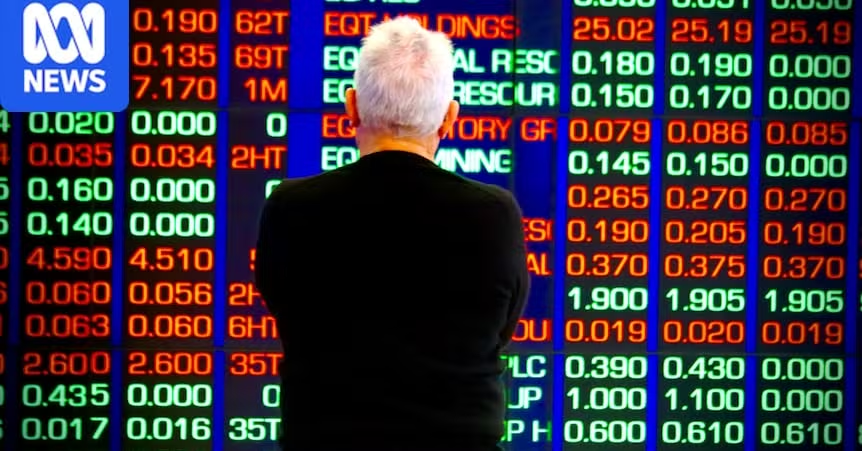
Live: ASX to open higher after US tariff announcement
An ABC live blog of the day's financial news reports that US stocks fell overnight after Donald Trump announced sweeping new tariffs on 14 major trading partners, with rates set between 20% and 40%. Australia is not among the affected partners, and the ASX 200 is set to open higher, with futures pointing up 0.7% to 8,729 points despite Wall Street's losses. The tariffs follow a months-long White House investigation into alleged excessive industrial production and Chinese investments in Southeast Asia, and are an effort to rebuild Trump's global tariffs, which the Supreme Court struck down in February. Because the measure must go through a public comment period and a hearing, the tariffs may not take effect until January of the year after their announcement.
US-Zölle: Welche Folgen Donald Trumps neue Strafmaßnahmen für die EU haben
A Spiegel article examines what consequences Donald Trump's new punitive measures, which are tariffs, will have for the EU.
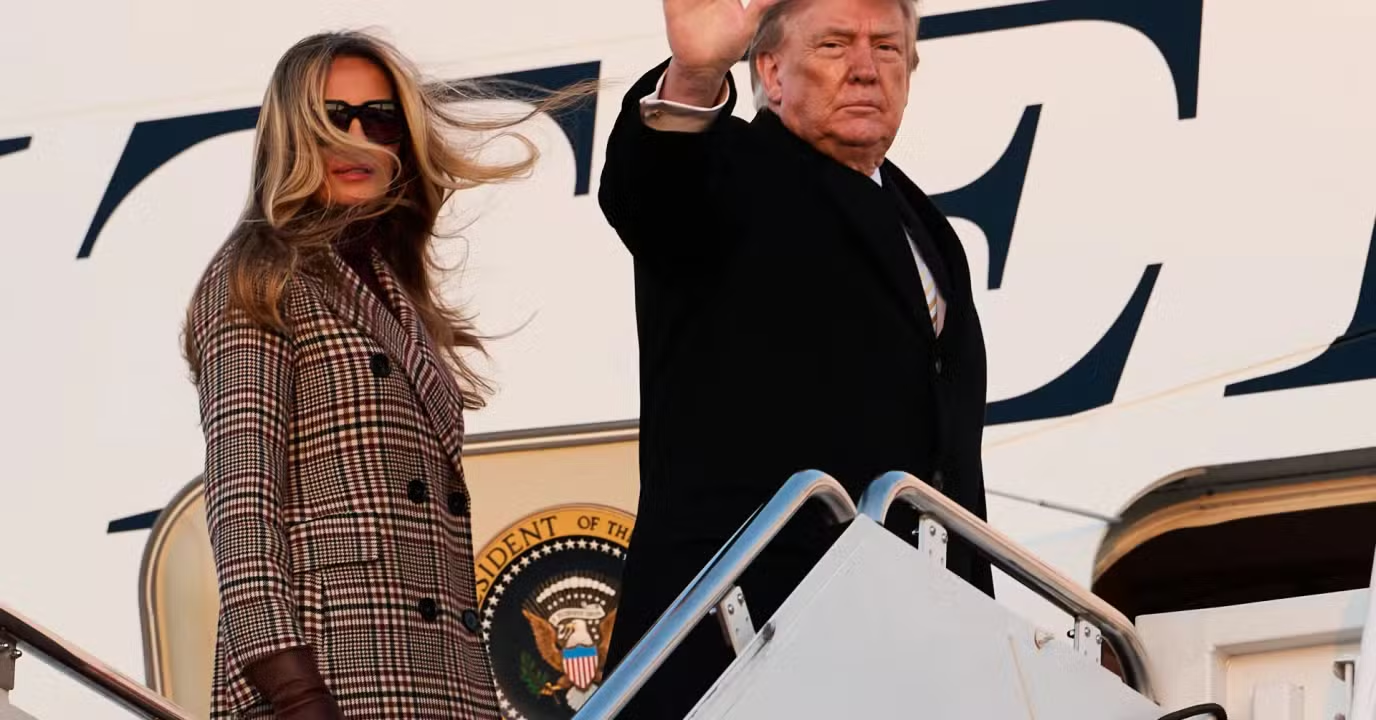
World reacts to Trump’s new tariffs as US stocks tumble
President Trump's administration has announced new tariffs on 14 major trading partners, including China and the European Union, over alleged trade advantages from excess production, with China facing the highest rate at 20 percent on top of duties from his first term. The levies follow an eight-month Section 301 investigation launched after the Supreme Court struck down Trump's sweeping global tariffs in February 2026. Trading partners including China, whose spokesman called overcapacity a false issue, the EU and Switzerland reject the allegations. On the announcement day, the Nasdaq fell 0.6 percent and the S&P 500 closed down 0.25 percent.
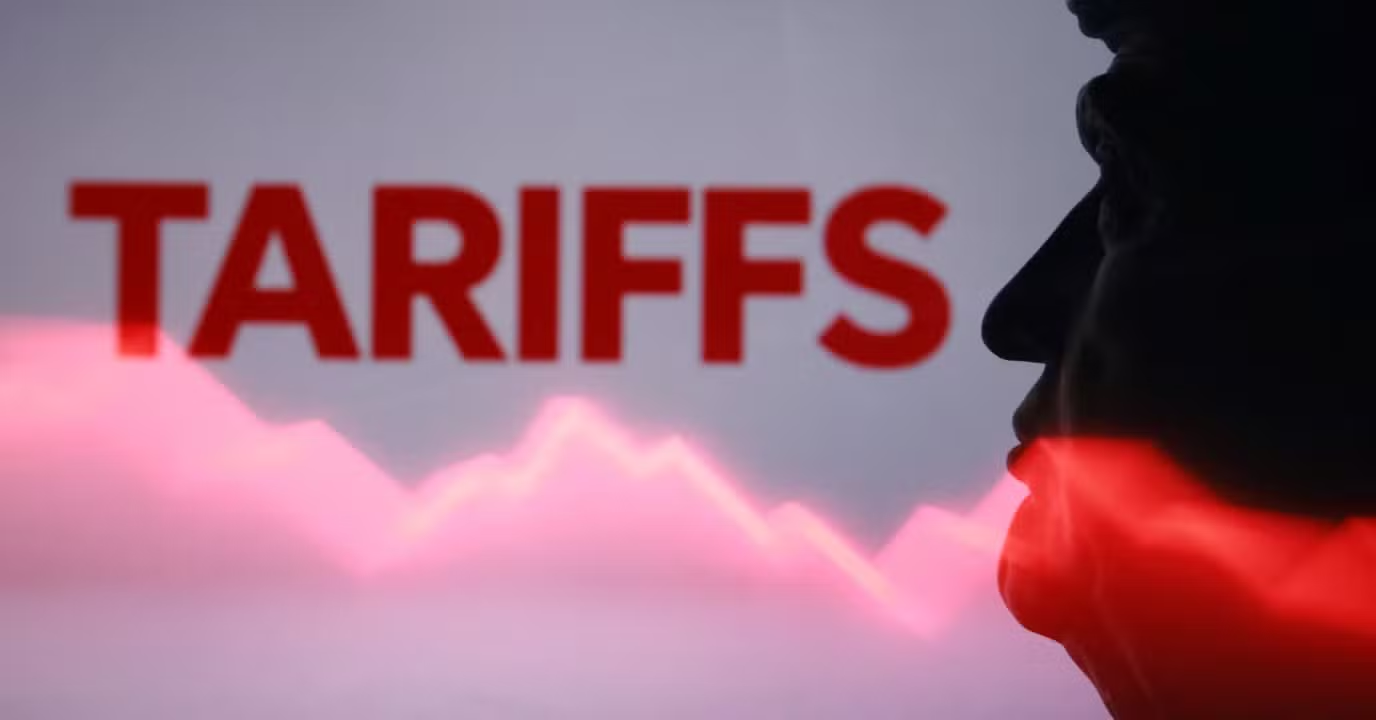
Volatility-weary investors side swiped as tariff mayhem adds to tech pain
Investors are seeking safe havens as a rout in the AI trade is compounded by new tariff risks from President Donald Trump. On 25 November 2026 the Trump administration proposed country-specific tariffs on 14 major trading partners, including India, Japan and the European Union, plus an additional 20% tariff on imports from China, landing on markets already shaken by Nvidia's leadership turmoil: Jensen Huang had resigned over extramarital affairs, including one with an alleged Chinese spy, was reinstated 11 days later, and the brief rebound has been wiped out, with S&P Global Ratings placing Nvidia on CreditWatch Negative. The tech-heavy Nasdaq fell as much as 4.6% before closing down 0.7% and sits about 15% below its early October level, the VIX fear gauge hit a 19-month high, and semiconductor stocks have dropped roughly 40% from their June record. Strategists question whether AI earnings expectations will hold up: James Reilly of Capital Economics doubts they will, and Mirabaud's Jonathan Unwin says the firm has been cutting stock exposure, calling markets 'at an inflection point'.
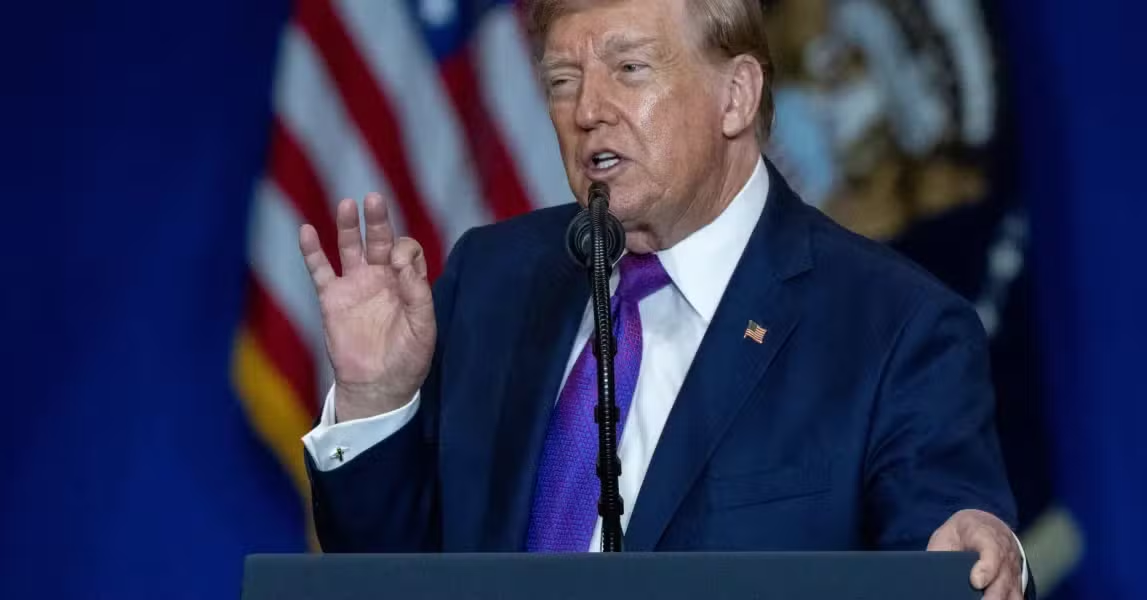
The White House announced a raft of new tariffs on the same day inflation data came back at nearly twice the Fed’s target | Fortune
Fortune reports that the White House announced new tariffs on imports from 14 economies, including China and the European Union, on the same day the Bureau of Economic Analysis confirmed U.S. inflation at 3.8%, nearly double the Fed's 2% goal. The action follows the Supreme Court's February 2026 striking down of President Trump's emergency tariffs, which forced refunds of roughly $100 billion. U.S. Trade Representative Jamieson Greer says China faces a new 20% duty and Vietnam up to 35%, or 20% with a trade deal, under Section 301 of the Trade Act of 1974. Fortune argues the announcement complicates the Fed's next move, and portfolio manager Bradford Smith says the added tariffs will make the Fed's inflation fight more difficult.
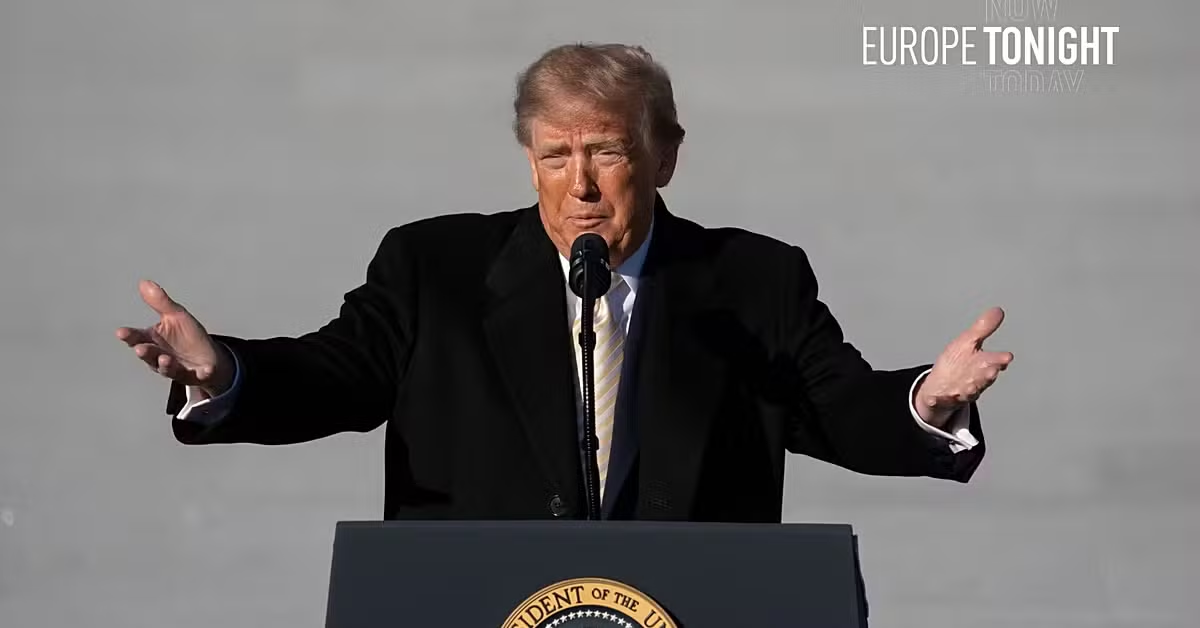
Trump unveils new tariffs amid Russian nuclear space threat
Euronews reports that Donald Trump has introduced fresh tariff proposals targeting 14 trading partners, including China, the European Union, Japan, and Vietnam, after an eight-month trade probe into excess industrial capacity. Under the proposals, rates for China reach up to 40% if trade talks fail, with a 20% baseline cap under a truce expiring in January that could stack with existing duties. The proposals follow the U.S. Supreme Court's striking down of broader tariffs imposed earlier. Separately, NATO Secretary General Mark Rutte says the alliance's defense commitment includes protecting against threats in space, amid intelligence and media reports that Russia may prepare to launch a nuclear-armed satellite within weeks, which Moscow denies.
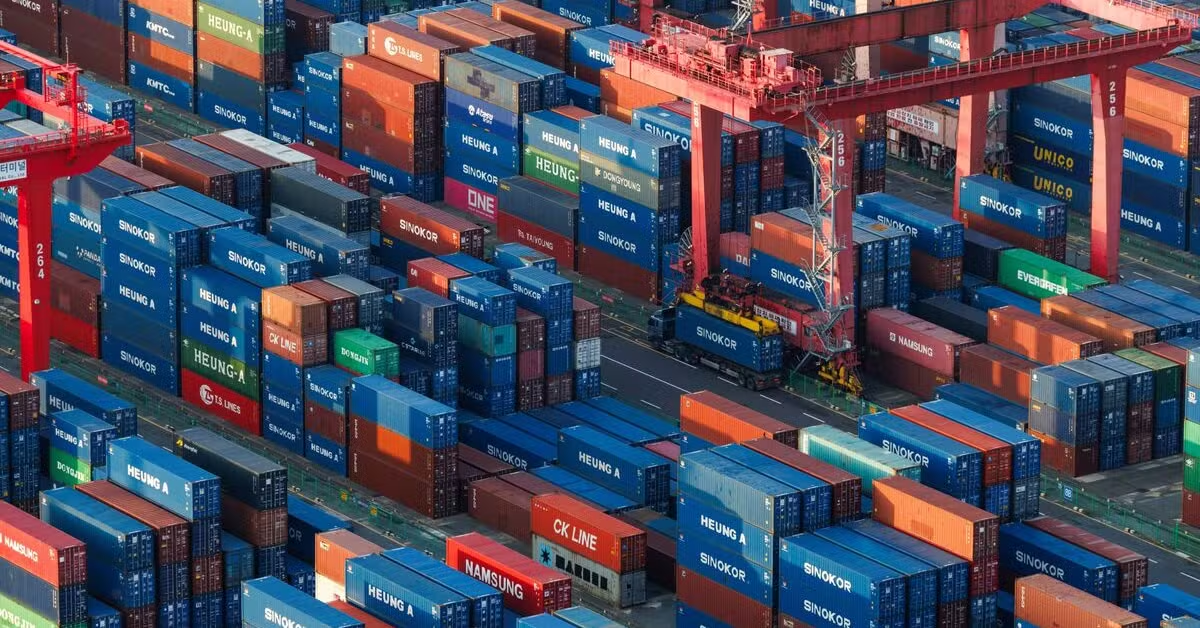
US Outlines Import Levies as Trump Doubles Down on Tariffs
A Bloomberg newsletter by Zoltan Simon reports that the US plans to impose new import taxes on goods from China, the European Union, and a dozen other economies, after the Supreme Court had ruled Donald Trump's global tariff agenda unconstitutional. The administration accuses the targeted economies of overproduction and of hurting American companies. Simon writes that Trump's tariffs are back.
Trump Wants More Tariffs. How Are They Affecting the Economy?
A Bloomberg explainer by Alicia Diaz and Mark Niquette examines how tariffs are affecting the economy as Trump moves to expand them despite their political and economic costs. Tariffs have been central to Trump's economic policy in the first half of his second term, and they raise the prices consumers pay for imported goods. In the November 2026 midterms, exit polls captured deep voter dissatisfaction with tariffs, and his Republican Party lost control of both chambers of Congress to the Democrats. On November 25, 2026, the administration nonetheless announced plans to raise tariffs on China, the European Union and a dozen other trading partners, saying the new tariffs respond to structural excess capacity in manufacturing in those economies.
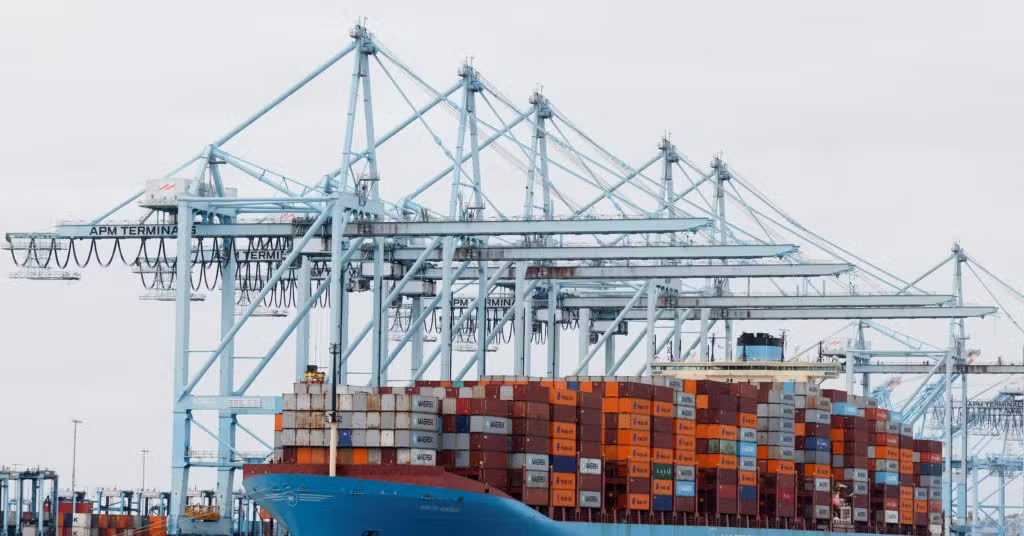
Trump administration to raise tariffs on China, EU, Brazil and others
The Trump administration has announced plans to raise tariffs on Chinese goods by an additional 20% and to raise import taxes on the European Union, Japan, South Korea, Taiwan, and nine other major trading partners, with rates for other partners ranging from 10% to 18%. The administration says the tariffs, grounded in Section 301 of the Trade Act of 1974, are meant to discourage excessive factory output abroad and to replace revenues lost after the Supreme Court ruled in February 2026 that Trump could not bypass Congress to impose across-the-board tariffs. The new taxes target specific products and would not stack on existing tariffs on automobiles, steel, and aluminum or on July's levies for 60 trading partners. U.S. Trade Representative Jamieson Greer says he does not expect the tariffs to take effect for at least a couple of months and proposes a broad exemption for $30 billion of Chinese goods in line with a trade truce set to expire on 10 January 2027.
Washington annonce de nouveaux droits de douane contre ses principaux partenaires
The US government announces new tariffs targeting products from its main trading partners, including China, the European Union, and Mexico, with about 15 countries affected overall. The move is meant to take over from tariffs suspended by the Supreme Court, and to avoid being struck down again the US Trade Representative's office rests the decision on a 1974 federal law that courts have broadly upheld, after an investigation launched in March 2026 by Jamieson Greer. The tariffs on European or Japanese products rise from 10% to 15%, Washington says rates could reach 20% for Chinese goods, and they take effect in a month, during which the public and businesses can submit comments. The European Union firmly contested the move, and separate additional tariffs were announced on Brazilian products, a month after President Lula da Silva's reelection over Donald Trump's favorite, Flávio Bolsonaro.

Droits de douane : l’UE « conteste fermement » le bien-fondé des nouvelles sanctions américaines
Le Monde reports that the European Union firmly contested on Wednesday 25 November the merits of new tariffs the United States had announced a little earlier, with Trade Representative Jamieson Greer unveiling tariff increases against the country's main trading partners on Tuesday evening. The new surtaxes, which could reach 20% on Chinese products and rise from 10% to 15% on European and Japanese goods, take effect in a month and conclude an investigation Greer launched in March. Washington justifies the measures by accusing its partners, about fifteen countries including China, the EU and Mexico, of supporting their industries with subsidies it deems illegal, an idea the European Commission says it firmly contests, while regretting the absence of joint action. The announcement comes after the United States Supreme Court ruled in February that much of Donald Trump's tariffs were illegal, a decision Trump condemned as unpatriotic and disloyal.
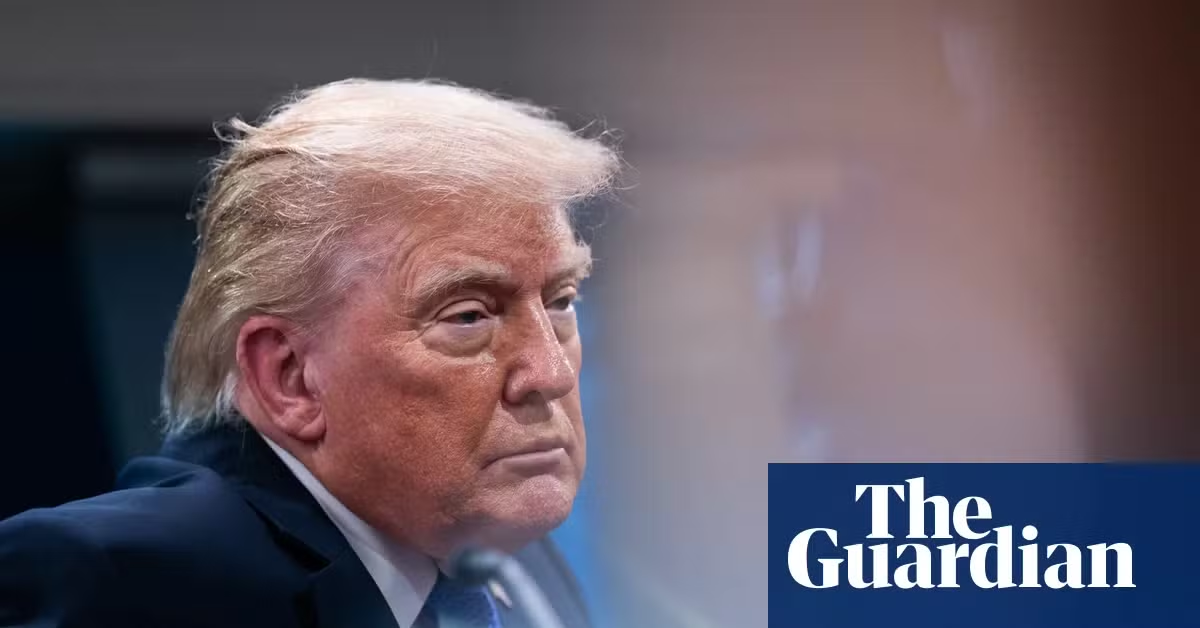
Trump proposing new tariffs on 14 partners including China and European Union
The Trump administration is proposing new tariffs on 14 trading partners, including China and the European Union, with an additional 20% tax on Chinese imports that would bring the total to around 40%. The office of the US trade representative is using section 301 of the Trade Act of 1974, which allows action against unfair foreign trade practices after formal investigations, as the legal basis. In February, the supreme court ruled the administration's earlier 'Liberation Day' tariffs illegal, finding it had improperly used an emergency powers law, though not broadly curbing the president's power to introduce new tariffs. The tariffs could take effect in January at the earliest, with hearings scheduled for 25 January, and the Yale Budget Lab estimates current tariffs have already added $900 in costs for each US household.
Trump announces new trade tariffs: Which countries will they target?
The Trump administration has announced new tariffs on 14 of its major trading partners, including China, the European Union and India, accusing them of flooding world markets with cheap goods. The Office of the US Trade Representative announced the duties on 25 November 2026 after an eight-month investigation into what Washington calls structural excess capacity, and they are the latest attempt to rebuild the sweeping import taxes the US Supreme Court struck down in February 2026, this time under Section 301 of a 1974 trade law. China faces the highest proposed rate of 20 percent, on top of roughly 25 percent from Trump's first term, while Mexico and Norway, also investigated, were spared for now. Experts say the subsidies argument may prove more legally robust than the earlier forced-labour tariffs, though analyst Dmitry Grozoubinski calls their timing telling: they came weeks after the midterms, in which Trump's Republicans suffered unprecedented losses with tariffs a major issue, and analyst Hisham Wahby reads the move, along with naming Stephen Miller chief of staff, as a decision to double down.
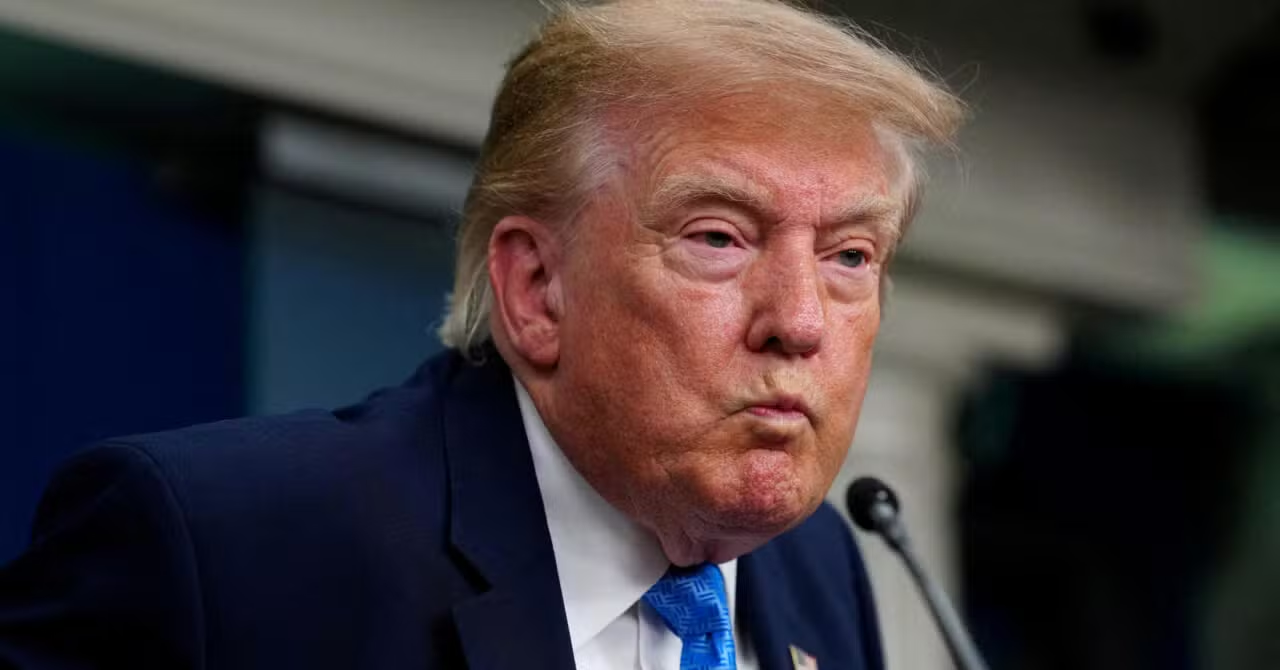
UE, Chine, Brésil... l'administration Trump propose une nouvelle série de droits de douane
The Trump administration has proposed new tariffs on 14 major US trade partners, including China, the European Union, and Brazil, announced Wednesday 25 November 2026 in a France 24 report with AFP. The tariffs, which could reach 20% on Chinese products, take effect in a month and conclude an investigation opened in March 2026 by US Trade Representative Jamieson Greer, who says the partners' subsidies cause industrial overproduction penalizing American companies. The administration relied this time on a 1974 federal law untouched by the Supreme Court's early-2026 annulment of most Trump tariffs, and the White House hopes the courts will now uphold the tariffs it announced in 2025. The EU firmly contested the move, with Commission spokesperson Olof Gill saying 'We firmly contest that idea.'
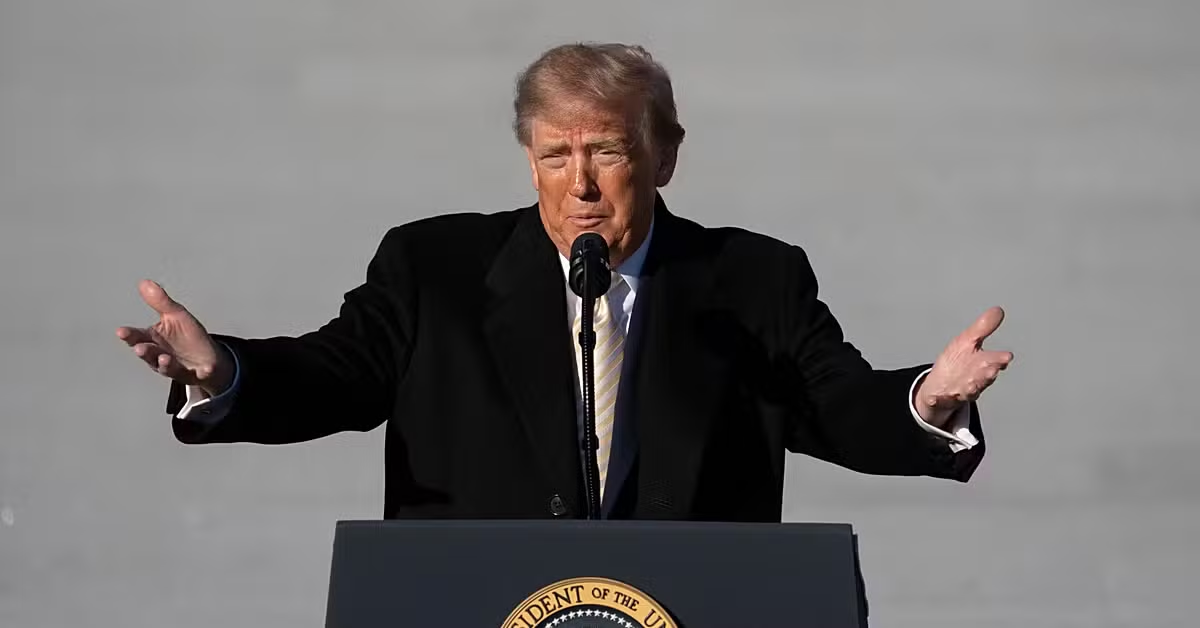
US proposes new tariffs on 14 major trading partners, the EU included
In a news report, Euronews says the Trump administration has proposed new tariffs on some goods from 14 major trading partners, including China, the EU, Japan, India and South Korea, following an eight-month Section 301 investigation into excess capacity in 16 economies, of which 14 were found to harm US commerce. The administration says the duties would curb excess factory output fuelled by subsidies and help replace revenue lost after the Supreme Court ruled in February 2026 that the emergency powers law Trump had invoked did not authorise his earlier tariffs. Under the proposal, the White House plans 15% tariffs on EU goods on top of existing duties, with exemptions for products already covered under Section 232 such as cars, steel and semiconductors, and an option of up to 20% if ongoing talks prove unsatisfactory, while Chinese goods could face tariffs of up to 20%, rising to 40% if talks with Beijing fail. The EU and China pushed back: European Commission spokesperson Olof Gill said 'We strongly reject the premise that Europe is a source of structural overcapacity', and China's foreign ministry spokesman Guo Jiakun rejected the overcapacity accusations, saying 'Tariff wars and trade wars are not in anyone's interest.' Public comments are due by 5 January 2027, with hearings from 25 January, and no date is set for the duties to take effect.

Trump proposes new tariffs on China, European Union
The Trump administration is proposing new tariffs on 14 economies, including China, the European Union, Japan, and India, announced 25 November 2026 by Trade Representative Jamieson Greer, whose office determined the countries engage in unfair trade practices. The move comes after the Supreme Court ruled in February 2026 that Trump could not use emergency powers for sweeping tariffs, so he is turning to the 1974 Trade Act, and after Democrats won Congress in an election centered on cost-of-living concerns that critics tie to tariff-driven inflation. Rates would run 10% to 40%, lower under trade deals, and would not take effect until after a 25 January hearing. Greer says the tariffs will level the playing field for American workers, while Sen. Ron Wyden vows to use every tool to end what he calls Trump's tariff chaos.

Here Are the Economies Hit by Targeted US Tariff Deal Rates
Bloomberg's Sarah Cole reports that the US Trade Representative announced a list of tariffs on November 25, 2026, setting targeted tariff deal rates that hit certain economies.

US plans to hike tariffs on China, EU, Brazil and others over subsidized production
An Associated Press report in the Chicago Tribune says President Trump's administration plans to raise tariffs on Chinese goods by an additional 20% and increase import taxes on products from the European Union, Japan, South Korea, Taiwan, and nine other major trading partners. The tariffs are meant to discourage excessive manufacturing output in those economies, which is boosted by subsidies and other trade barriers.
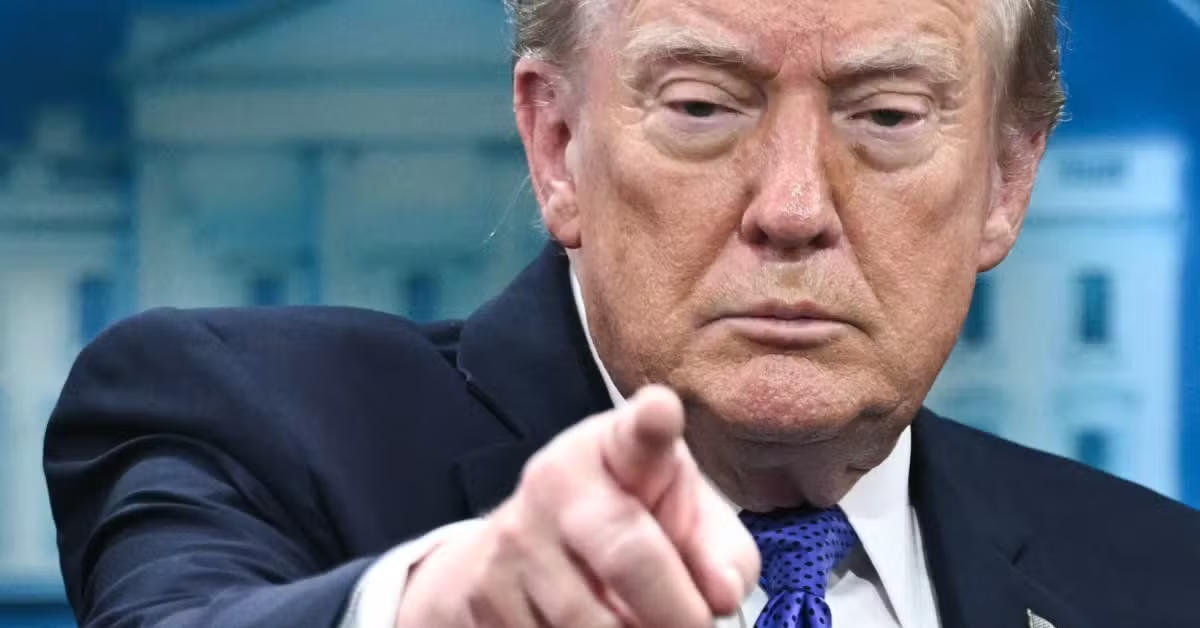
List of Countries Hit By New Trump Tariffs - Newsweek
Newsweek reports that the Trump administration has proposed new tariffs on imports from 14 major trading partners, including China, the European Union, and several close U.S. allies. The proposals follow an eight-month Section 301 investigation, and China faces the highest proposed rate, a 20 percent excess-capacity tariff added to duties of roughly 25 percent from Trump's first term. The administration says the measures counter structural excess industrial capacity, while a Chinese Foreign Ministry spokesperson calls overcapacity a false issue and political manipulation. The measures remain proposals, so their final scope and dates could change after consultation, and Mexico and Norway were investigated but face no new tariffs at this stage.
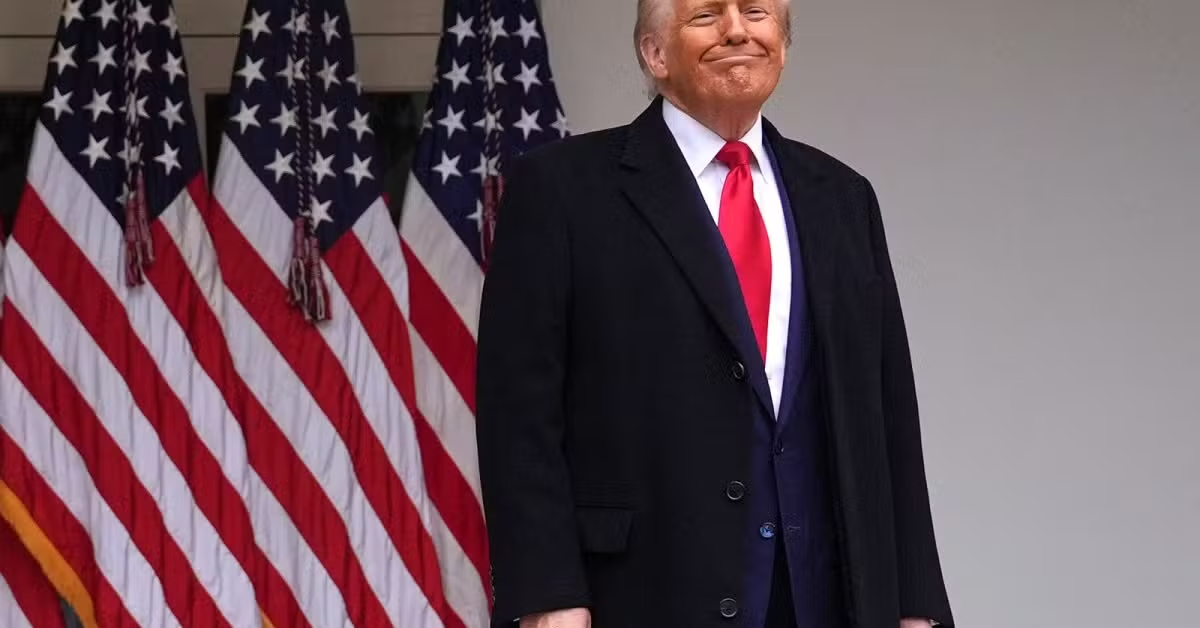
Trump unveils new tariffs on China, E.U. and other U.S. trading partners
MS NOW reports that on November 25, 2026, the Trump administration proposed new tariffs on 14 major U.S. trading partners, including China and the European Union, which it calls the latest escalation in Trump's global trade war. The import taxes are meant to discourage excessive manufacturing in the targeted economies, and the administration says that manufacturing there burdens and restricts American commerce, putting domestic manufacturers at a disadvantage. China faces a 20% tariff on top of an existing 25% tariff levied in 2018, while the White House says the new levies will not compound on other existing tariffs except for China. MS NOW expects the tariffs to face an uphill battle in the courts and the Democratic-controlled Congress.
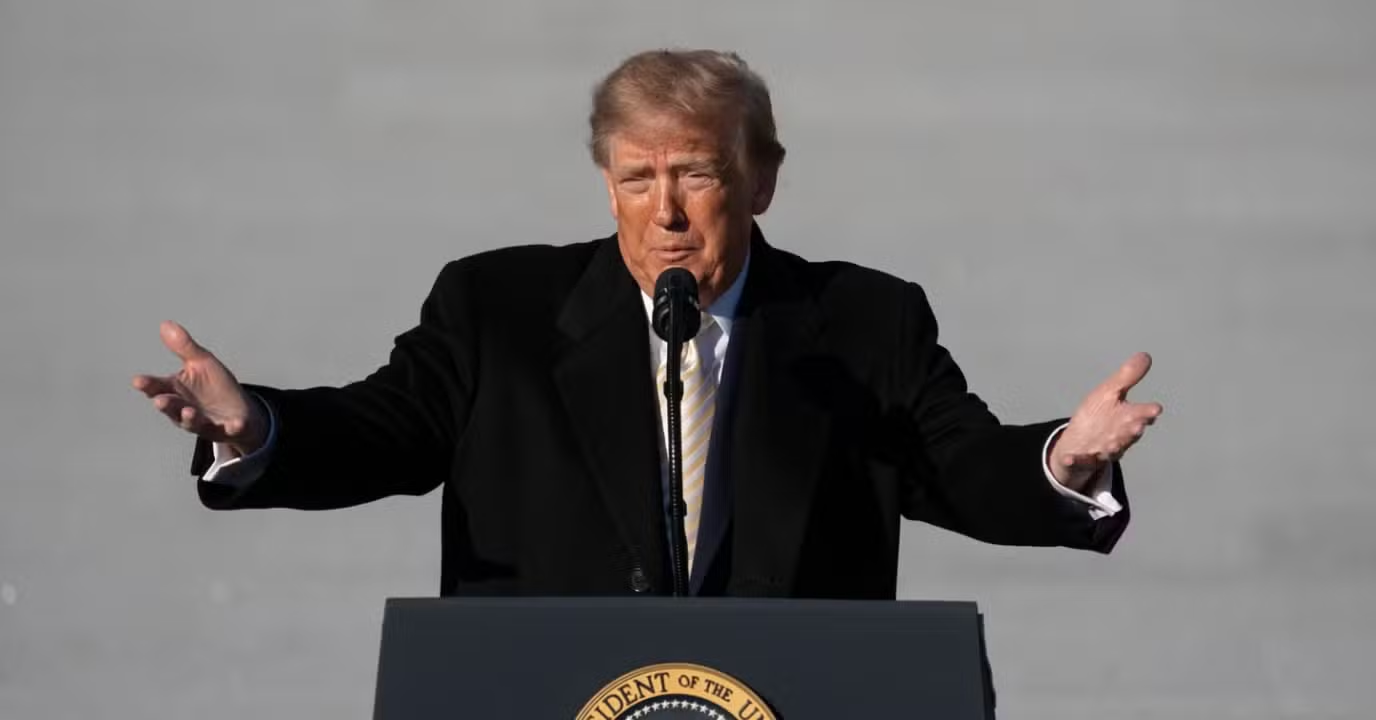
Donald Trump persiste avec une nouvelle salve de droits de douane, notamment contre l’UE et la Chine, malgré la claque électorale
A Le Monde news report says Donald Trump's defeat in the midterm elections has not ended his trade war ambitions. On Wednesday 25 November, his administration announced new taxes on imports from 14 trading partners, including China, Taiwan, India, and the EU's 27 member countries, aimed at rebuilding the tariff wall a Supreme Court decision struck down in February. US Trade Representative Jamieson Greer unveiled the measures, after his office found in months of investigation that the targeted countries used subsidies to boost industrial production, creating overcapacity that threatens to flood the American market. China is expected to face a 20% tariff and the EU a 15% rate, the ceiling negotiated between Brussels and Washington in the summer of 2025. The targeted partners can still challenge the decision, but Le Monde expects the challenges to have little chance of changing the outcome.
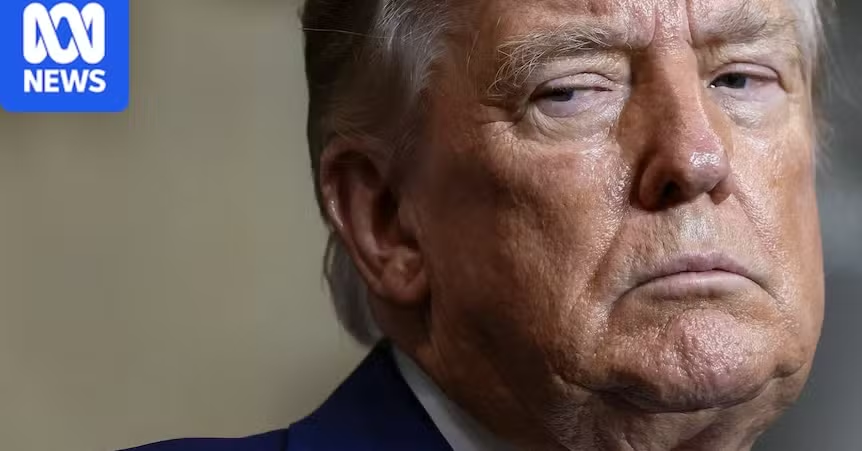
Trump unveils suite of new tariffs on major trading partners
US President Donald Trump's trade representative has announced a fresh suite of tariffs hitting 14 of America's close trading partners, which will stack on top of tariffs already imposed during his second term. Australia is not among the countries affected. The new duties stem from an investigation into excess industrial capacity, which the administration singles China out as the biggest source of; China rejected the accusations, saying its exports reflect competitive advantages.
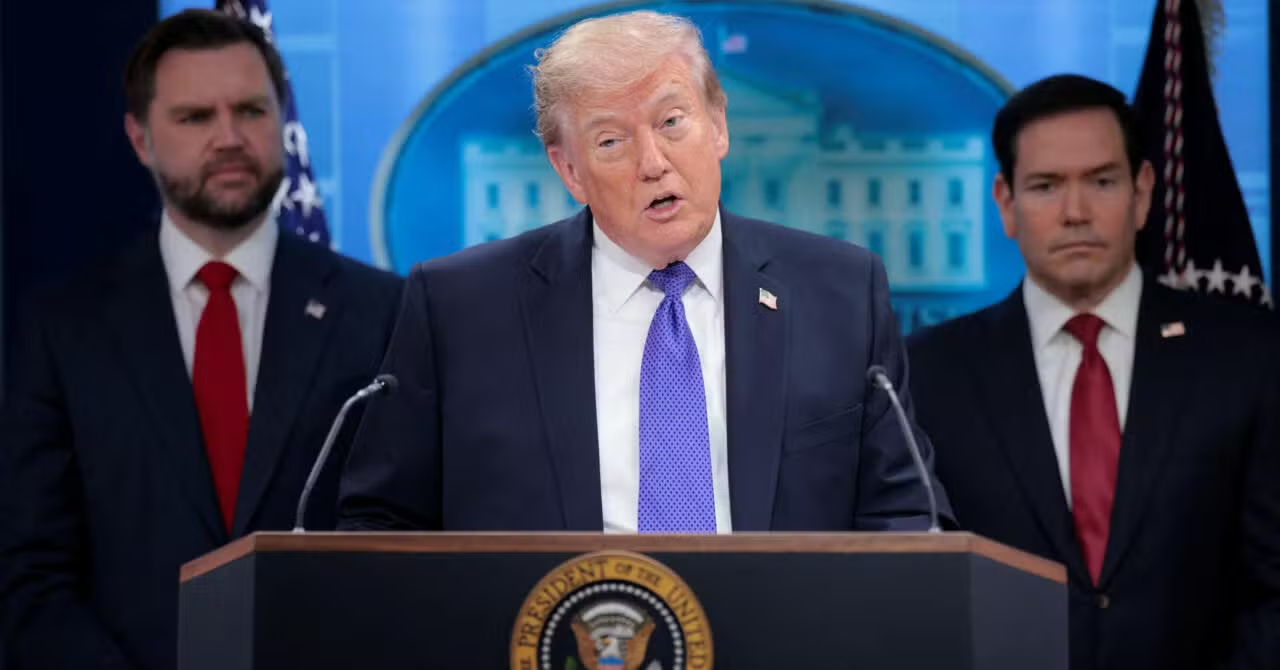
L'administration Trump veut instaurer de nouveaux droits de douane contre ses principaux partenaires commerciaux
A news report by RFI with AFP says the Trump administration announced on Wednesday 25 November 2026 a new series of tariffs targeting products exported by its main trading partners, including China, the European Union, and Mexico. The announcement accuses those partners of supporting their industries through subsidies the US government judges illicit. The new surtaxes add to tariffs announced in late July 2026 on the stated grounds of combating forced labor, and conclude an investigation launched in March 2026 by the White House trade representative, Jamieson Greer. US officials say they hope the tariffs will take effect in January 2027, though RFI's New York correspondent Loubna Anaki says the procedure is expected to take a few more weeks.
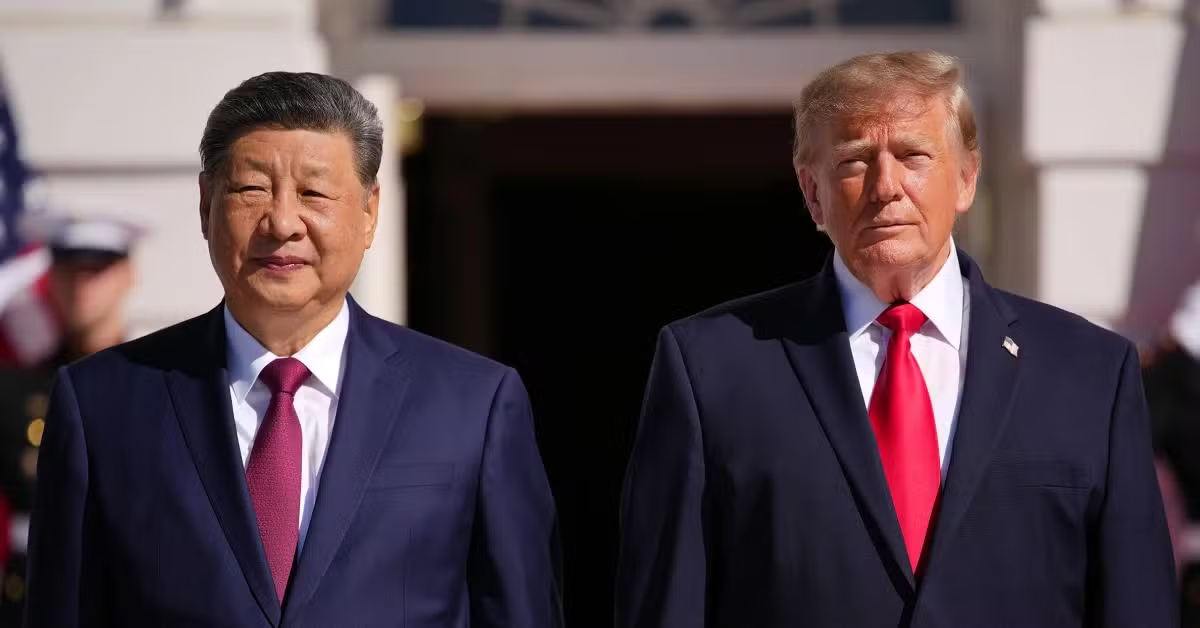
Trump proposes a new wave of tariffs on China, E.U. and other trade partners
The Trump administration has proposed a new wave of tariffs on the European Union, China and other trade partners, the result of a probe into what it describes as unfair manufacturing subsidies. Some proposed tariffs on China are at least 20% and could reach up to 40% if talks with Beijing fail, while the proposals keep a 2025 agreement capping tariffs on European Union imports at 15%. The tariffs will be implemented under Section 301 of the Trade Act of 1974, which the White House has relied on more since the Supreme Court blocked many of Trump's 2025 country-specific tariffs, and they will not stack on existing duties except for China. U.S. Trade Representative Jamieson Greer says the rates will not surpass levels previously agreed in bilateral framework deals, telling CNBC, "When it all nets out, it really will just top up a few percentage points," and that none would take effect earlier than a couple of months from now, with a broad negotiation to follow. Mexico was not included in the proposals, though Greer says its investigation is still underway.

Trump proposes new tariffs on China, Europe and other trade partners
The Trump administration proposed raising tariffs on China, the European Union, Japan and 11 other countries, in a move to replace sweeping tariffs the Supreme Court struck down earlier in the year. The proposal was made on Wednesday.

US threatens doulbe-digit tariffs on EU, China, 12 others after investigation
In a Politico news report, the Trump administration on 25 November 2026 laid out plans to raise tariffs on the European Union, China, Japan and 11 other trading partners, after a U.S. Trade Representative investigation found they artificially deflated prices by flooding markets with manufactured goods. The investigation, launched in March 2026 under Section 301 of the Trade Act of 1974, recommends a 20% tariff on imports from China and 15% on the EU, Taiwan, Japan, South Korea and Switzerland. Politico reports the plans signal Trump remains determined to reinstate duties the Supreme Court struck down earlier in 2026, despite midterm voters rejecting his economic policies in November. A senior U.S. official said the duties would likely take effect in January 2027, would not stack on other tariffs or exceed caps agreed in recent trade deals.
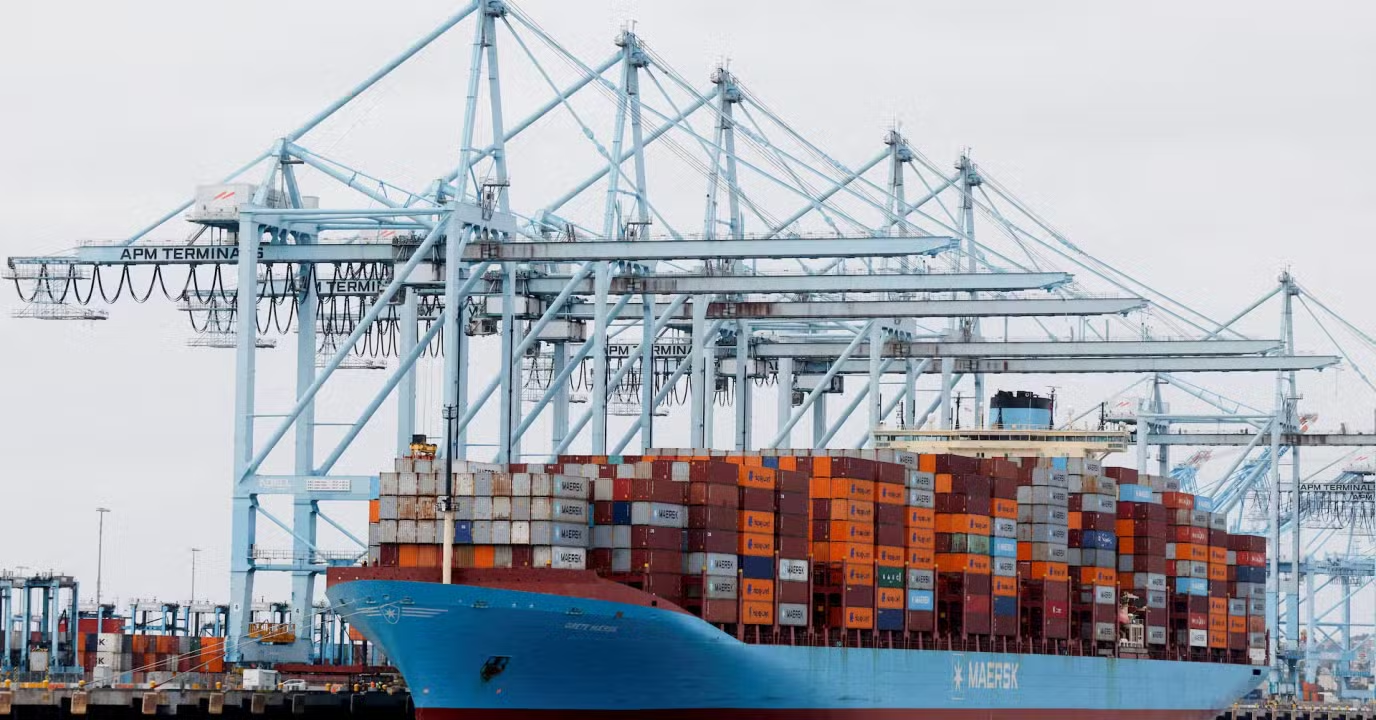
VIEW US proposes new tariffs aimed at factory overcapacity
In a Reuters news report, the US administration proposes new tariffs on 14 major trading partners on November 25, saying they combat structural excess industrial capacity and blaming China most for flooding world markets with cheap exports. The highest rates are set to hit China, and US stock futures slid after the proposal, with S&P 500 futures down 2.1% and Nasdaq 100 futures down 3.2%. Analysts commenting to Reuters play down the move: CIBC's Sarah Ying says the tariffs were well expected and are not a 'Liberation Day 2.0', while MUFG's Lee Hardman says they should mean no major effect on the inflation outlook. WisdomTree's Aneeka Gupta says markets, focused on tech spending doubts, are not reacting as strongly as they otherwise might.
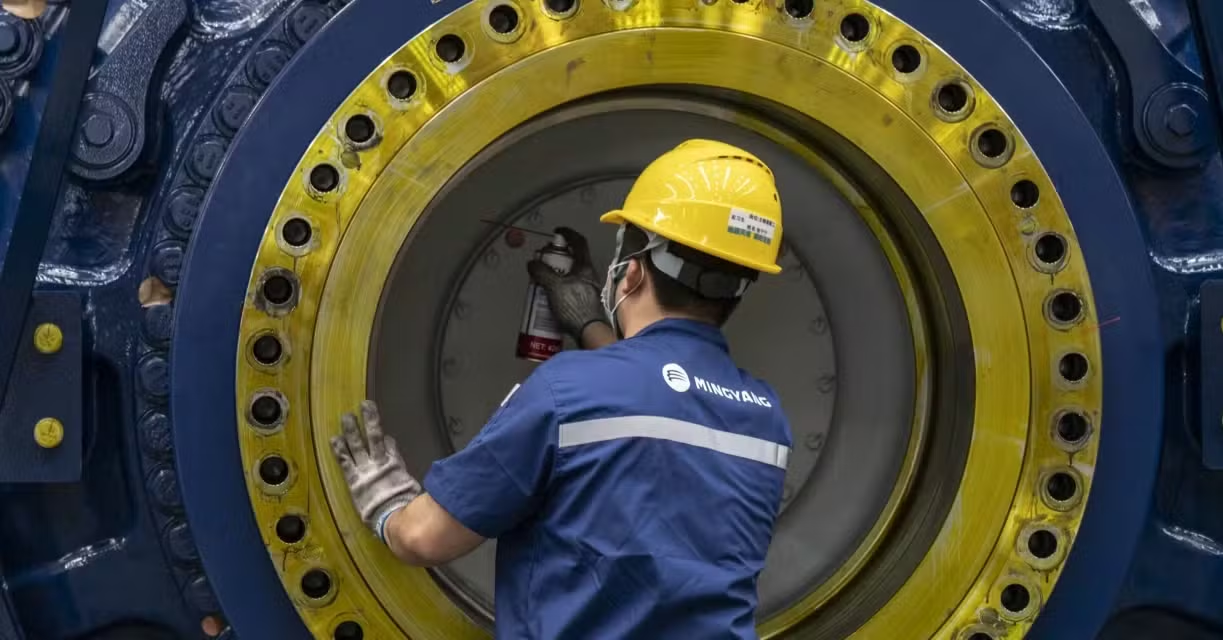
U.S. Set to Raise Tariffs on China, EU and Others
The United States is set to raise tariffs on China, the European Union, and dozens of other countries, proposing a 20% tariff on most Chinese products under a plan unveiled by the U.S. Trade Representative's office. The levy could rise to 40% if negotiations between Washington and Beijing collapse. The proposal follows a monthslong investigation into subsidies to industry in China, the EU, Japan, South Korea, India, and Vietnam, and the tariffs could take effect in January. The Trump administration argues those countries harm American companies by supporting their own domestic industrial production.
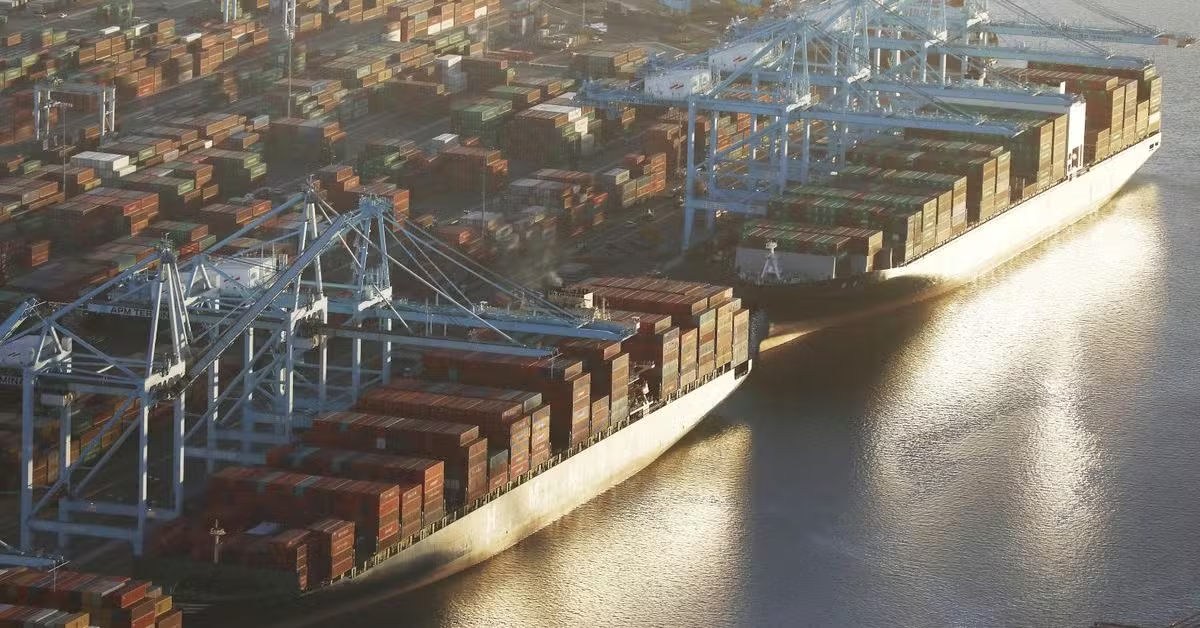
USA planen neue Zölle gegen EU, China und 13 weitere Handelspartner
A Spiegel news report says the US government plans to impose new tariffs on the European Union and 13 other trade partners, citing structural overcapacity in industry, with rates of up to 20 percent. The move follows a February ruling by the US Supreme Court that declared most of Trump's earlier surcharges unlawful, prompting the administration to open new investigations to place the tariffs on a different legal basis. China faces the highest rate, 20 percent added to roughly 25 percent from Trump's first term, while the 15 percent ceiling agreed with EU Commission President Ursula von der Leyen is to be kept for the EU. Reuters reports the exact rates were to be published in the Federal Register, and a comment period could delay their entry into force until January.
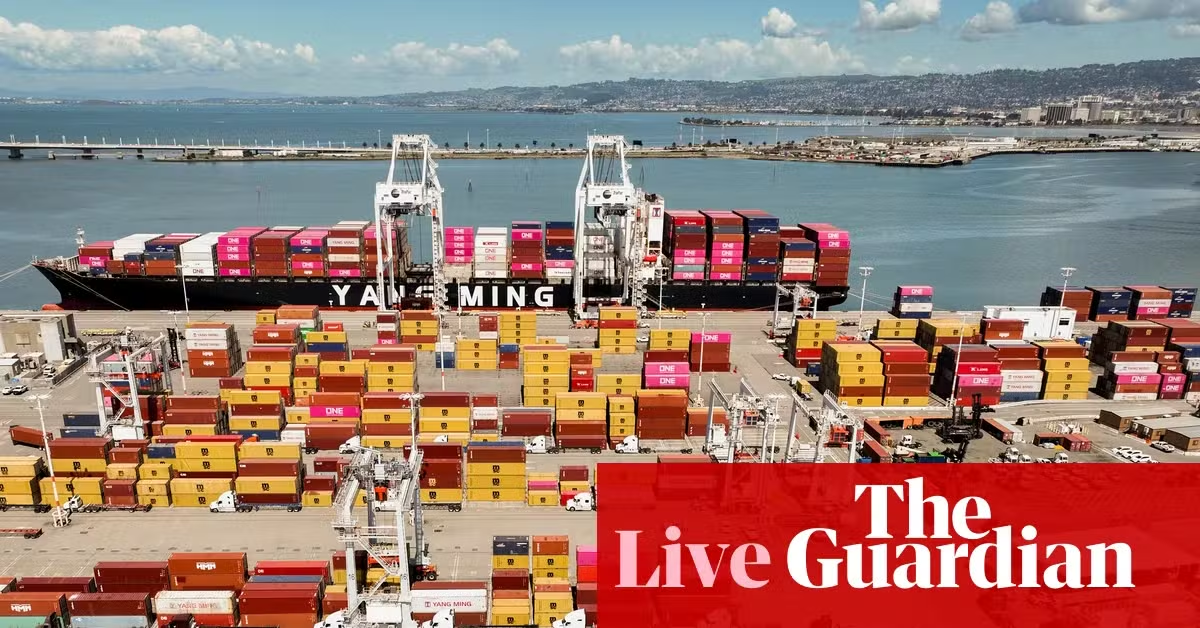
US proposes new tariffs on 14 trading partners, including China, Japan and the EU – business live
The Trump administration has proposed new tariffs on 14 major trading partners, including China, Japan and the European Union, according to the Guardian's business live blog. The duties, announced by the US Trade Representative's office after an eight-month Section 301 unfair trade practices probe, aim to clamp down on 'structural excess industrial capacity' and follow the Supreme Court's striking down of President Trump's broader tariffs. Per Associated Press, some Chinese goods face a 20% tariff stacked on existing taxes for a total of 45%, while Brazil, singled out after stalled talks, faces higher sugar import taxes and a new 10% tariff on aircraft that would hit Embraer. A public comment period and hearing precede the tariffs, and an official briefing reporters said the process could push implementation into January. The blog also follows Ofgem's confirmation of a 26% rise in British energy bills to £2,166 in January, Amazon's plan to launch UK car sales through Amazon Autos in early 2027, and EasyJet's 96% pre-tax profit drop to £24m alongside its £5.7bn takeover by Apollo.
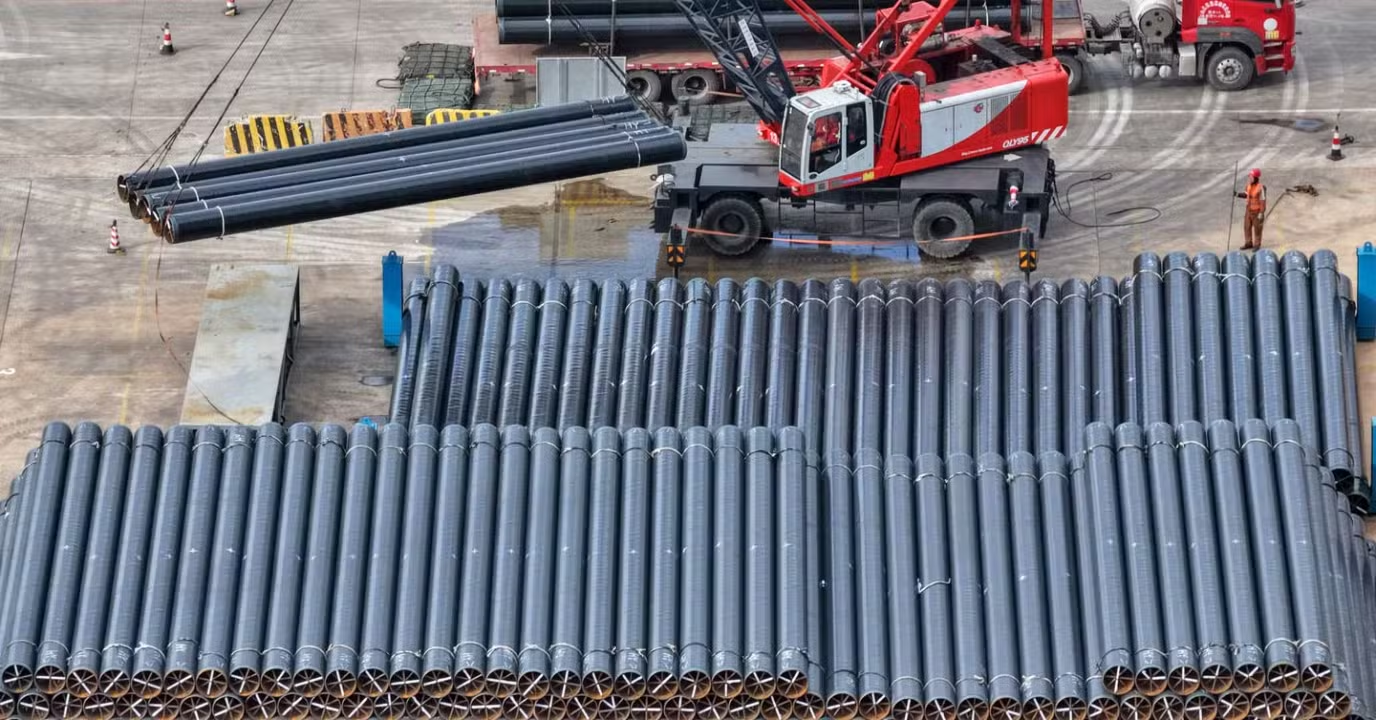
L’administration Trump annonce de nouveaux droits de douane contre ses principaux partenaires commerciaux, dont l’UE, la Chine et le Mexique
The Trump administration announced on 25 November a new series of tariffs on products exported by its main trading partners, including China, the European Union, and Mexico, accusing them of supporting their industries with subsidies the US government deems illegal. Le Monde reports the announcement was made by US Trade Representative Jamieson Greer, who had launched the investigation the tariffs conclude in March. The administration relies on a 1974 US trade law authorizing tariffs in response to unfair trade practices, the same law Politico and the Wall Street Journal had reported would be used. The tariffs add to those announced at the end of July on the stated grounds of combating forced labor, and follow a visit by Donald Trump to Shenzhen, where Xi Jinping received him with great ceremony; the two leaders are also scheduled to meet at the G20 summit the following month. In February, the US Supreme Court had ruled that much of the tariffs Trump imposed on many countries was illegal, judging he had exceeded his constitutional powers, and Trump called the justices who ruled against him, three liberals and three conservatives, 'very unpatriotic and disloyal to our Constitution'.
US announces new tariff proposals on EU, China, and other trade partners
The United States has announced new tariff proposals on 14 trading partners, with China facing the highest rate at up to 40%, Vietnam up to 35%, and Japan and the European Union up to 20%, while the UK is not on the list and Canada is a notable omission. The move comes after the Supreme Court struck down Donald Trump's 'Liberation Day' tariffs as an overreach of emergency powers, and the new proposals rest instead on a Section 301 investigation into whether trading partners used 'unreasonable or discriminatory' practices, which analysts say makes them likelier to withstand legal challenges. The tariffs, paid in practice by American importers, come into force at the earliest in January, and the EU says its rate will remain at a previously agreed 15%. US Trade Representative Jamieson Greer frames the tariffs as a response to countries' 'market distorting practices' that erode America's manufacturing base, while the European Commission rejects the premise that Europe is a source of structural overcapacity.
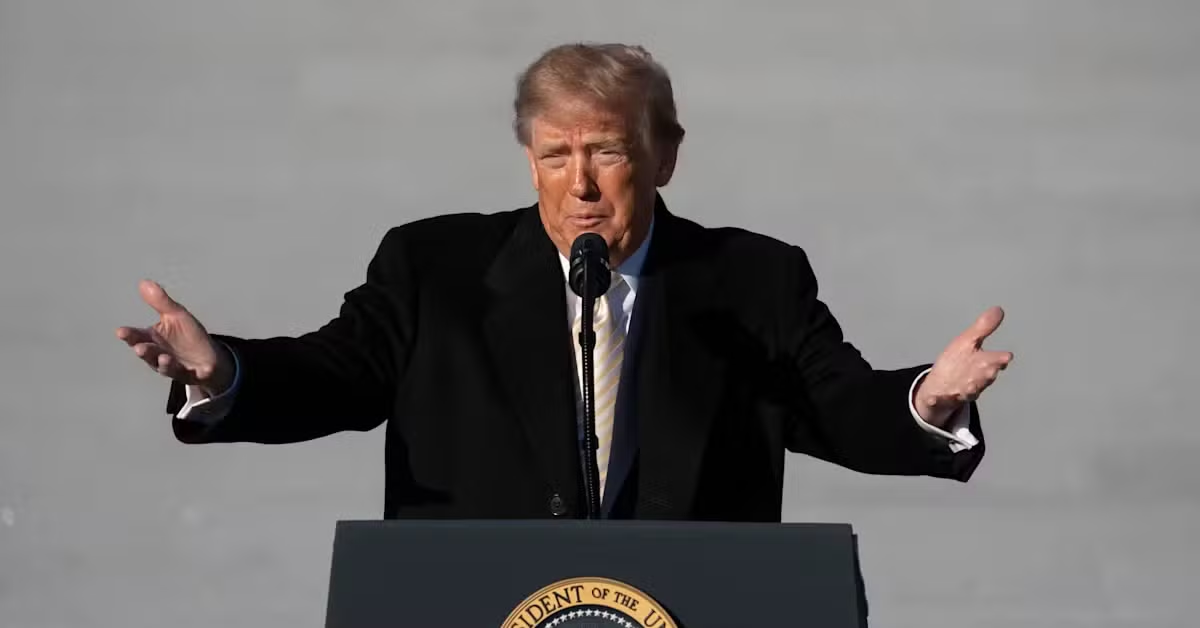
US announces new tariffs of up to 20% on China, the EU, and 12 other nations
The Trump administration on November 25, 2026 proposed new tariffs of up to 20% on China, the European Union, and 12 other major US trading partners to take effect next year, following an 8-month Section 301 investigation into excess manufacturing capacity. The rates would be stacked on existing tariffs, totaling over 40% on some goods, with Vietnam at 20%, Cambodia, Indonesia, and Malaysia at 18%, and the EU, South Korea, and Japan at 15%, in line with their recent trade deals. Semiconductors, automobiles, steel, aluminum, and recently carved-out energy and food products are exempted, and a US official said the tariffs won't take effect until after hearings and public comment, probably in January at the earliest, with rates possibly going higher depending on how countries respond. The administration called the 20% rate on many Chinese goods a "deal rate" that could rise with ongoing talks, even though its investigation concluded a 40% rate on China and 35% on Vietnam was "warranted," as an existing trade truce with China expires January 10.
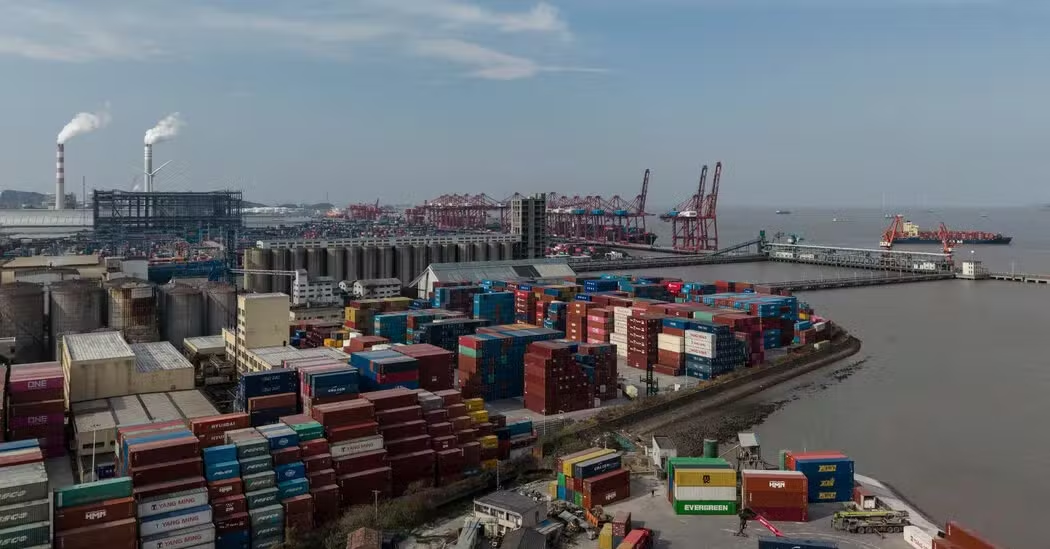
Trump Administration Unveils New Tariffs for Dozens of Countries, Citing Unfair Practices
The Trump administration has proposed new tariffs on imports from dozens of countries, including China, Japan, the EU members, India, South Korea and Vietnam, which it frames as a response to unfair trade practices such as overproduction that undercuts American businesses. The China tariff is set at 20 percent and could rise to 40 percent if Beijing breaks the terms of its trade truce with Washington. The administration will enforce the duties under Section 301 of the Trade Act of 1974, the same power it used to resuscitate tariffs after the Supreme Court struck down its earlier country-by-country duties, and a senior administration official says it hopes to complete the required hearings and public feedback by January. The announcement drew swift opposition from China, whose foreign ministry spokesman Guo Jiakun called the overcapacity argument a false proposition and political manipulation, and the move faces mounting obstacles in Congress and the courts.
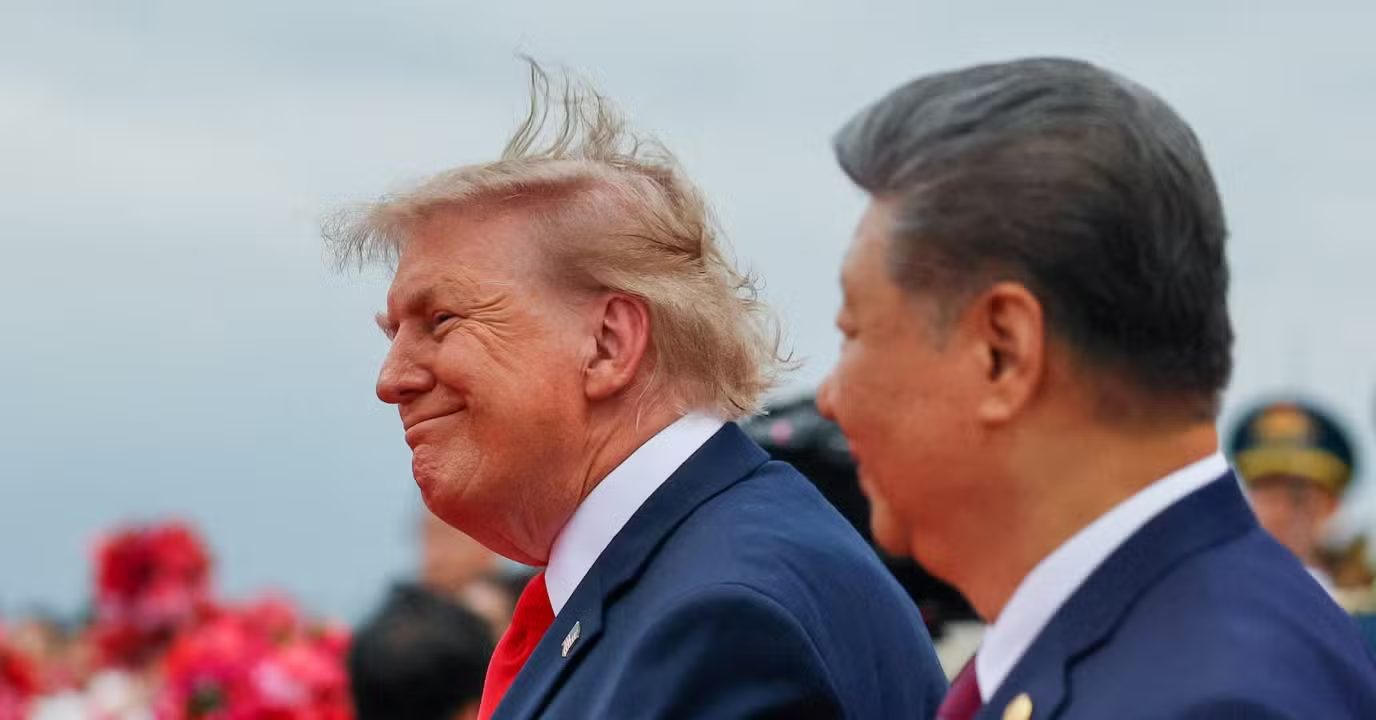
Trump unveils new tariffs to fight excess factory capacity, undeterred by midterms defeat
President Trump has announced new tariffs on 14 major trading partners including China, Japan and the European Union, undeterred by his Republican Party's midterm losses, proposing capped headline rates of 20% to 40% after an eight-month Section 301 investigation into unfair trade practices. China faces the highest capped rate of 20%, added to roughly 25% duties from Trump's first term, rising to 40% if a US-China trade truce expiring on 10 January unravels. The duties, which US Trade Representative Jamieson Greer says target market-distorting industrial strategies, would not take effect until after a public hearing on 25 January. Major US indexes opened down more than 1% on the news, China rejected the overcapacity allegations as false, and a Reuters/Ipsos poll found 62% of respondents support efforts to repeal the tariffs.
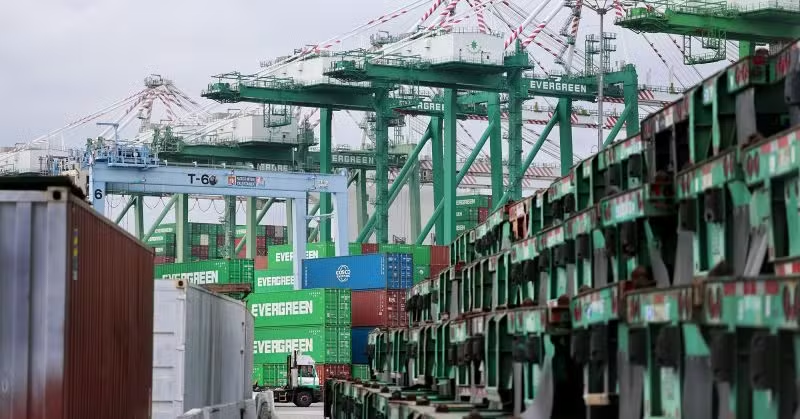
Trump targets China, EU in new round of tariffs | CNN Business
President Trump is preparing a new round of tariffs on China, the EU, and other trading partners to revive his trade agenda after the Supreme Court struck down the sweeping global tariffs he introduced earlier in 2026. China would face the highest proposed rate at 20%, while the EU would start at 15%, rising to 20% if existing trade agreements are not honored; the tariffs stem from a US Trade Representative investigation into foreign subsidies and could take effect as early as January, after a required notice-and-comment process and hearings. The announcement comes despite Trump's friendly meeting with Xi Jinping shortly before, and the move faces political headwinds: two-thirds of voters told CNN's poll the tariffs hurt the national economy, and Republicans including Senator Todd Young have publicly criticized the tariff structure as overly broad.
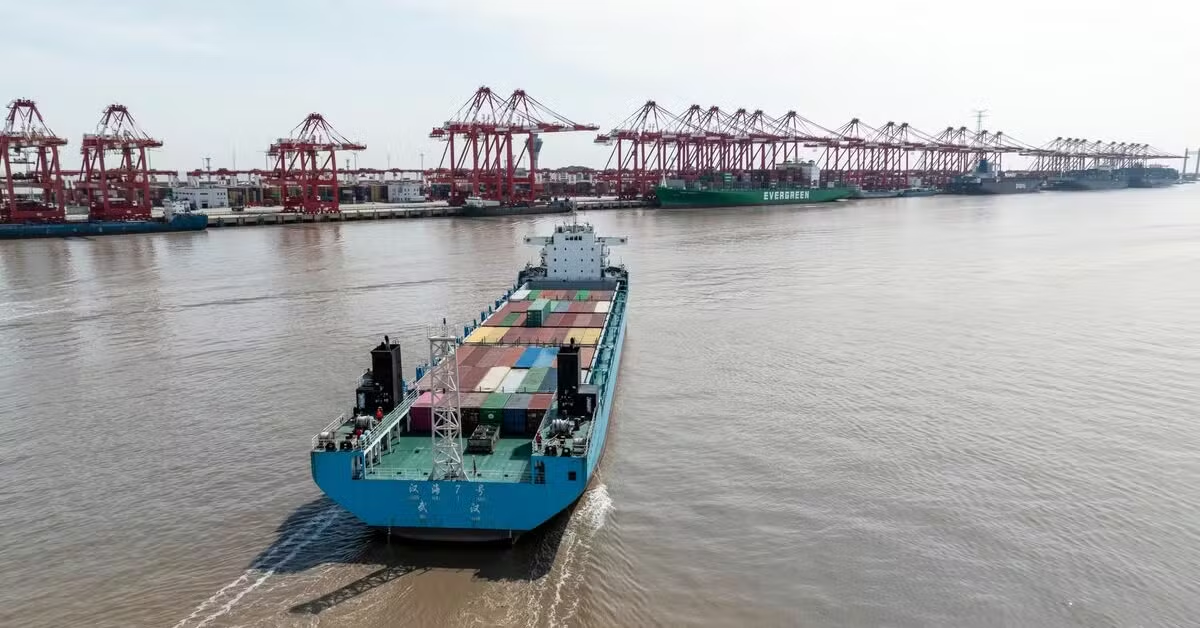
US Targets China, EU With New Tariffs After Overcapacity Probe
The US plans to impose new import taxes on goods from China, the European Union and a dozen other economies, in a move to rebuild President Donald Trump's sweeping global tariff agenda after the Supreme Court found it unconstitutional. A senior US official says the tariff rate for Chinese imports would rise to 20%, in line with China's prior agreement with the Trump administration, and could double to 40% if US-China talks fall apart.
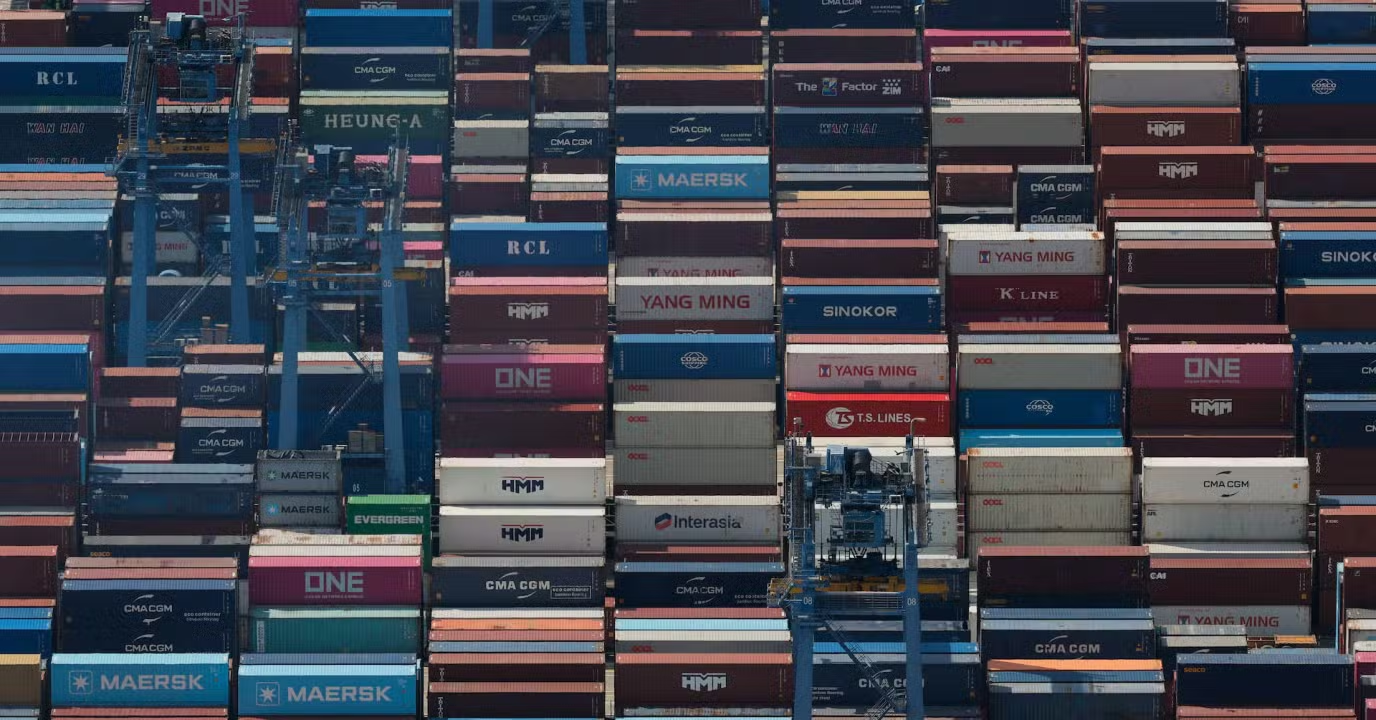
Trump tariffs live: US proposes raising duties on China, India and other major trading partners
The Trump administration has proposed new tariffs on 14 major trading partners including China, India and the European Union, with the highest rate of 20% on China, after an eight-month Section 301 probe into structural excess industrial capacity. The move is widely viewed as rebuilding the sweeping global tariffs the Supreme Court struck down in February 2026, when it ruled Trump's use of the 1977 emergency powers law did not authorize tariffs. A senior US official says the duties, which would not stack on the July tariffs over forced labor or exceed trade-deal limits, may not be implemented until January pending public comment. China dismissed the overcapacity argument as a false issue ahead of the announcement and has not threatened retaliation.
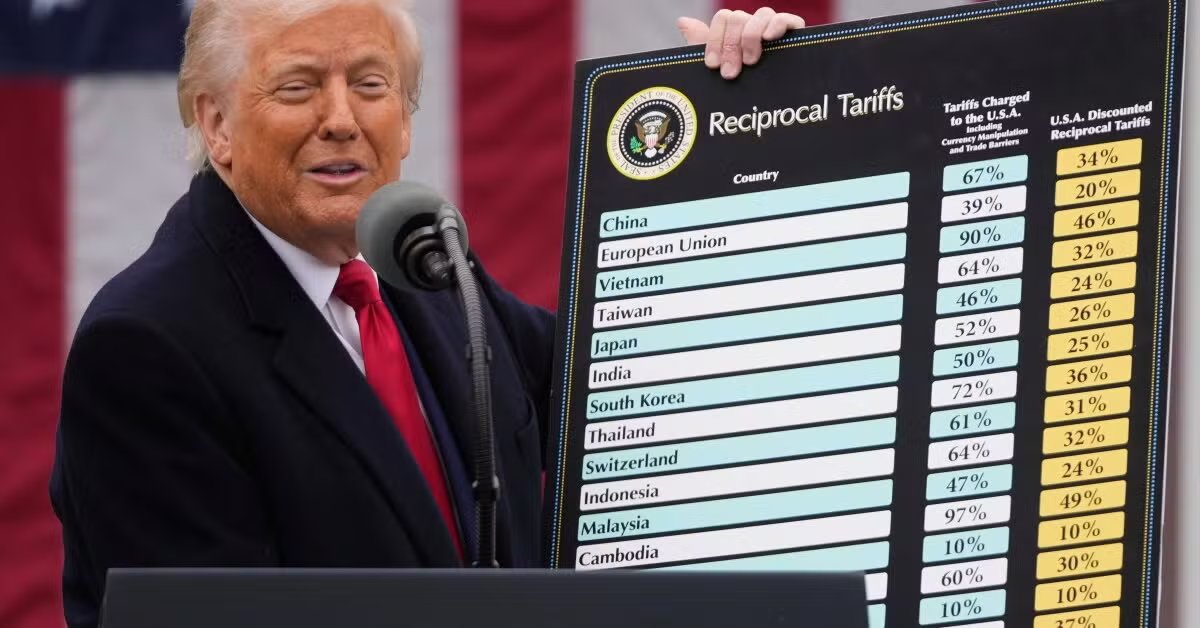
US plans to hike tariffs on China, EU, Brazil and others over subsidized production
The Associated Press reports that the Trump administration plans to raise tariffs on Chinese goods by an additional 20%, with some totaling 45%, and to raise import taxes on the European Union, Japan, South Korea, Taiwan, Brazil, and nine other trading partners over subsidized production. The tariffs are also meant to replace revenue lost after the Supreme Court ruled in February 2026 that the president could not bypass Congress to impose across-the-board tariffs. A senior administration official, speaking anonymously ahead of trade investigations into 12 countries, the EU, and Taiwan, said the tariffs are still at the proposal stage, are targeted to specific products, and are unlikely to undermine the trade truce with China set to expire on January 10. Brazil was singled out after stalled talks, facing higher taxes on sugar and a new 10% aircraft tariff that would hit Embraer. The plan follows midterm elections in which voters punished Republicans amid inflation blamed partly on earlier tariffs.
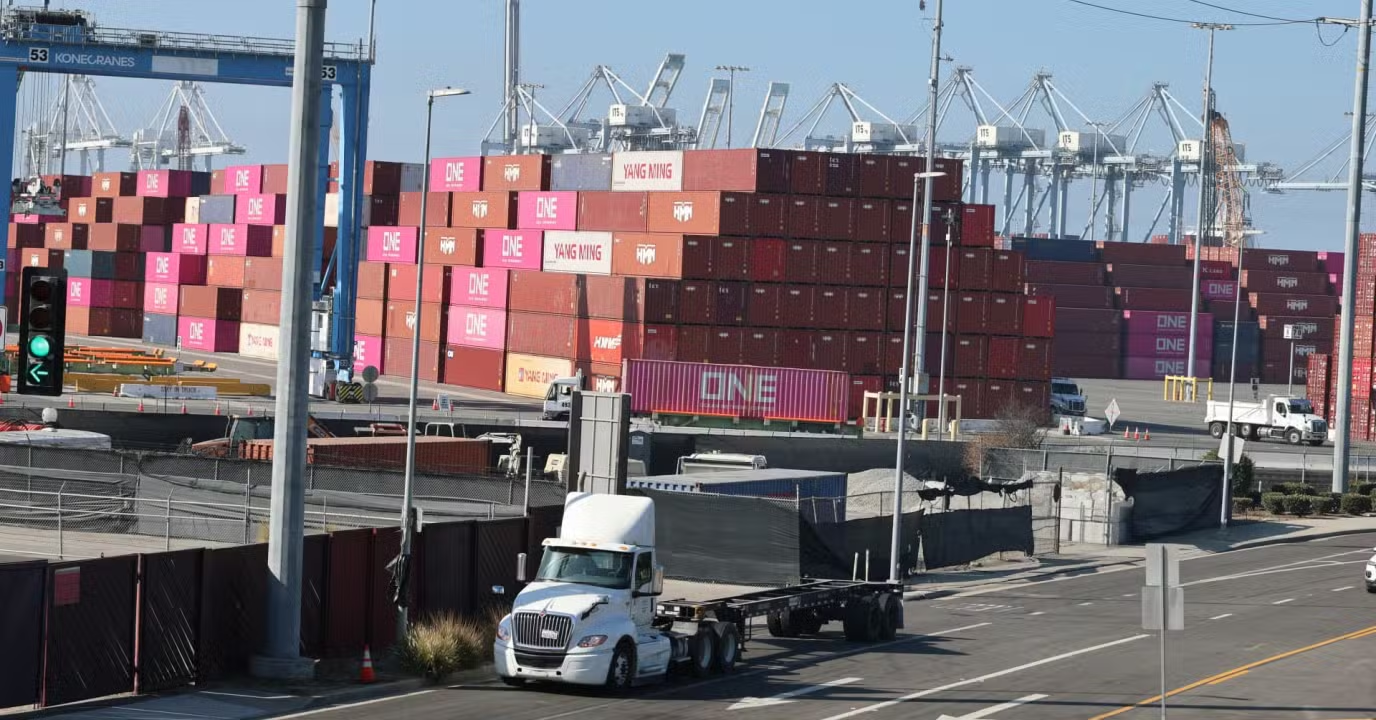
U.S. proposes new tariffs on 14 trading partners, including China and the EU
CNBC reports that the U.S. has proposed new tariffs on 14 trading partners, including China, the European Union, Japan and India, which the Trump administration says punish structural excess industrial production that undercuts U.S. producers. The levies are imposed under Section 301 of the Trade Act of 1974, the route Trump turned to after the Supreme Court struck down his earlier tariffs under the International Emergency Economic Powers Act in February 2026. A senior U.S. official says the partners have been notified and their tariffs will not exceed rates set in framework trade deals, and Reuters reports existing trade-deal caps are expected to be honored, though China faces an added 20% duty on top of a 25% one from 2018 and could see duties jump to 40% if it breaks the Busan trade truce. China's foreign ministry says the so-called overcapacity does not really exist.
Trump set to add new sweeping tariffs, undeterred by midterms defeat
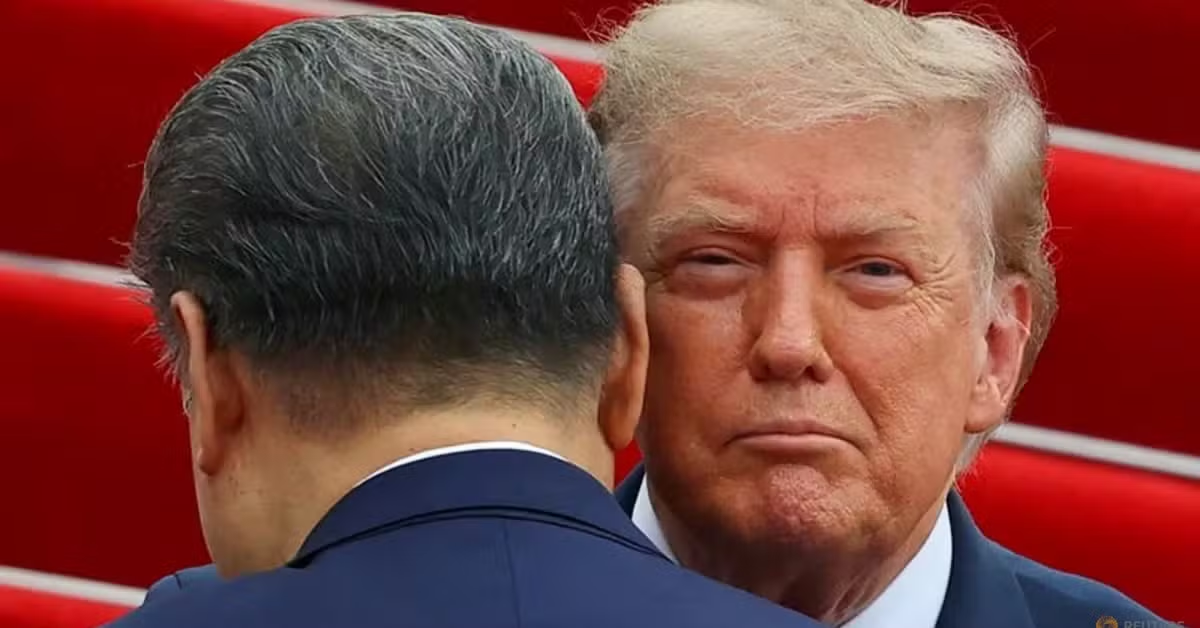
A Reuters news report says US President Donald Trump is set to impose new sweeping tariffs on 16 major trading partners, undeterred by the Democratic Party's midterm wins, in an imminent announcement addressing what the administration calls excess industrial capacity. The duties are meant to rebuild his global 'Liberation Day' tariffs struck down by the US Supreme Court in February 2026. China is singled out as the biggest source of excess capacity, but its tariff level is expected to remain within the 20 per cent cap agreed under the US-China truce, which runs until 10 January 2027, provided the truce is extended. Beijing reiterated its opposition to 'trade wars' and stopped short of threatening retaliation, while the prospect of new tariffs weighed on global stock markets.
China warns US against imposing new tariffs
China warns the United States against imposing new tariffs, urging Washington to uphold the stable development of trade relations as media reports say new levies are planned. The warning comes as the trade-war truce reached by Xi Jinping and Donald Trump in October 2025 expires in January 2027. China's foreign ministry spokesman Guo Jiakun says tariff wars are not in anyone's interest and issues should be resolved through consultation on the basis of equality, respect and mutual benefit. Beijing also rejects the overcapacity claims some nations raise, calling the so-called overcapacity a false premise.
China Dismisses US Tariff Prospect as ‘Political Maneuvering’
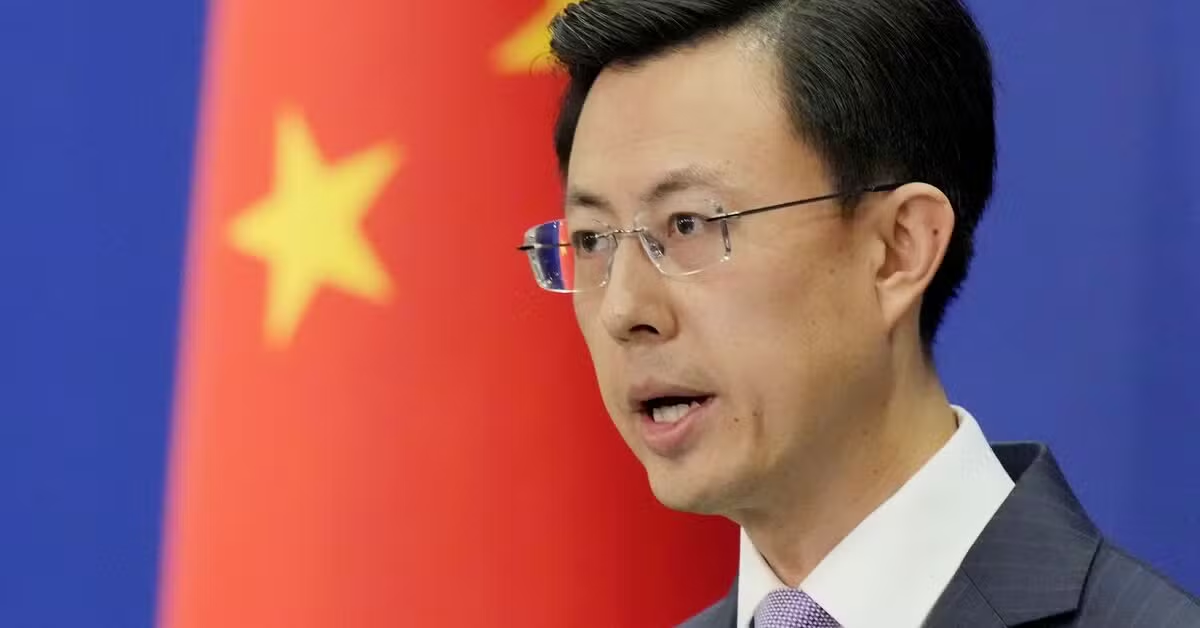
China has dismissed the prospect of new United States tariffs on Chinese exports as political maneuvering, saying the two countries should work together to maintain their trade truce. At a regular press briefing in Beijing on Wednesday, Chinese Foreign Ministry spokesperson Guo Jiakun called so-called overcapacity a false proposition.
US proposes sweeping new tariffs on China, others
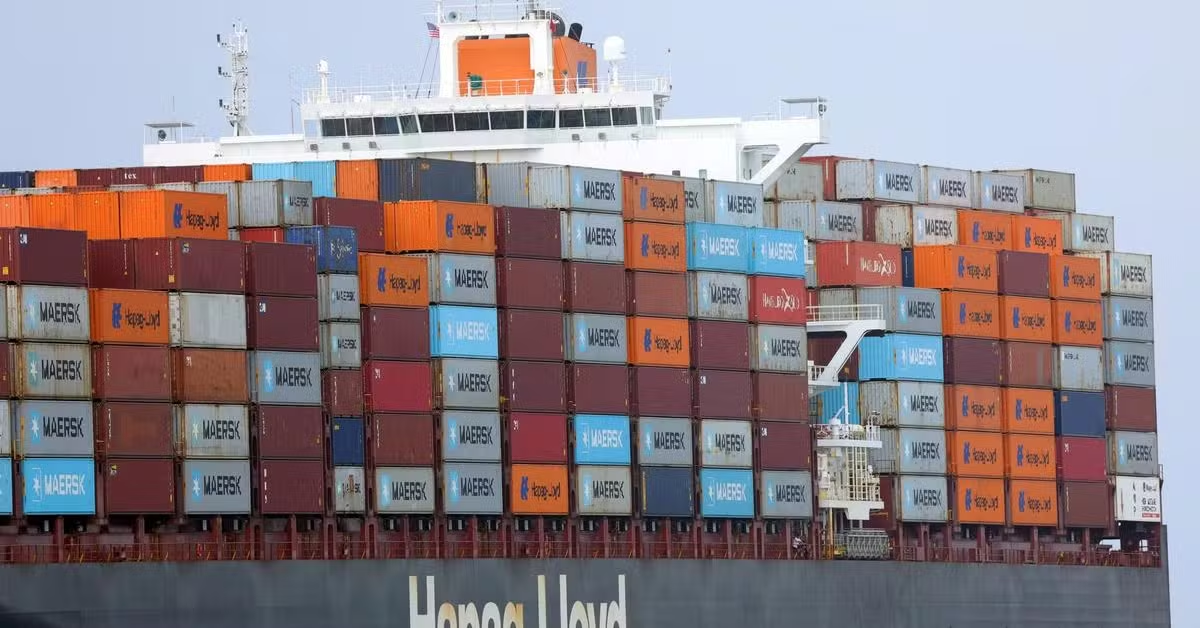
The Trump administration proposed sweeping new tariffs on China, the European Union, and more than a dozen other trading partners over what it calls market-distorting overproduction of goods like automobiles, batteries, and chemicals. A senior US official said the Chinese tariff would start at 20% across the board, could rise as high as 40% if trade talks collapse, and could take effect in January 2027 at the earliest, since the administration must first take comments and hold hearings. The tariffs conclude investigations begun in March 2026, vary by country, and comply with existing trade deals, and the administration also proposed new tariffs on Brazilian sugar and aircraft the night before. The move pushes ahead despite exit polling finding eight in 10 voters think Trump's tariffs have harmed the economy, and Senate Majority Leader John Thune signaled more Republicans may join Democrats in pushing back on the trade agenda. The announcement lands amid continued fallout from the Jensen Huang affair scandal and growing fears of a tech bust, which sent Asian stocks lower and weighed on US futures.
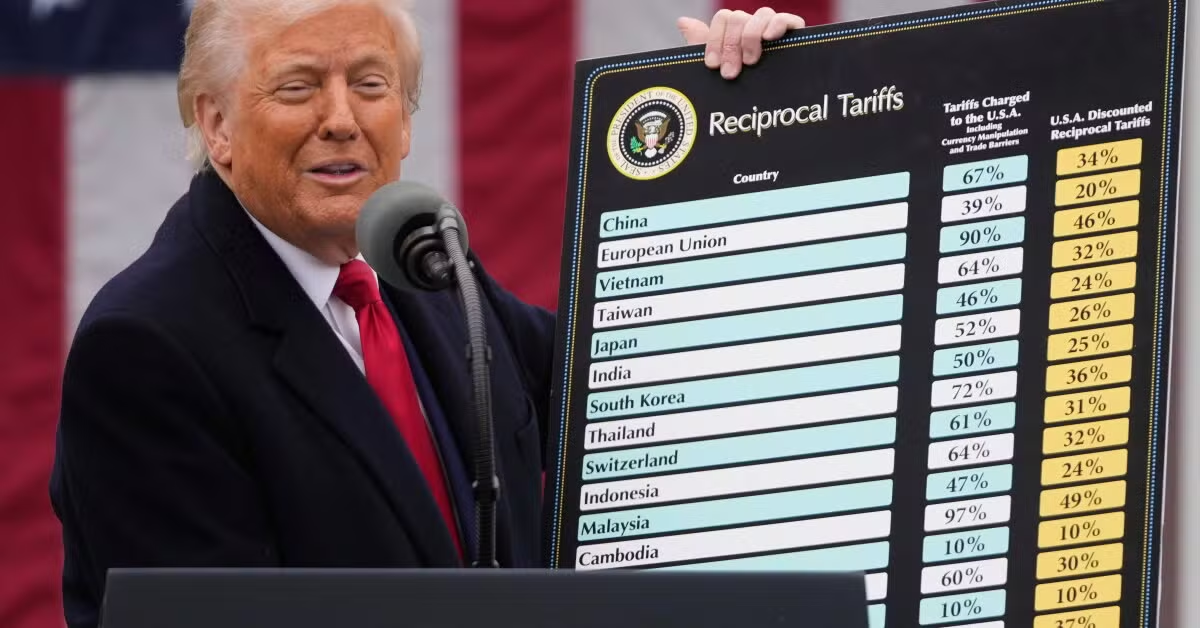
US ready to slap tariffs on China, EU and others over subsidized production, AP sources say
An AP news report says the Trump administration is expected to soon announce plans to raise tariffs on China, the European Union and 14 other economies, in response to what the White House calls excessive, subsidy-boosted manufacturing that floods the U.S. with cheap goods. Two people familiar with the matter, not authorized to comment publicly, say the U.S. Trade Representative's Office is expected to release the results of a monthslong investigation into industrial subsidies in the coming days, though the timing could still change. The tariffs are part of an effort to replace the broader duties announced in April 2025 that the Supreme Court ruled unconstitutional in February 2026. The White House and the trade office did not respond to requests for comment.
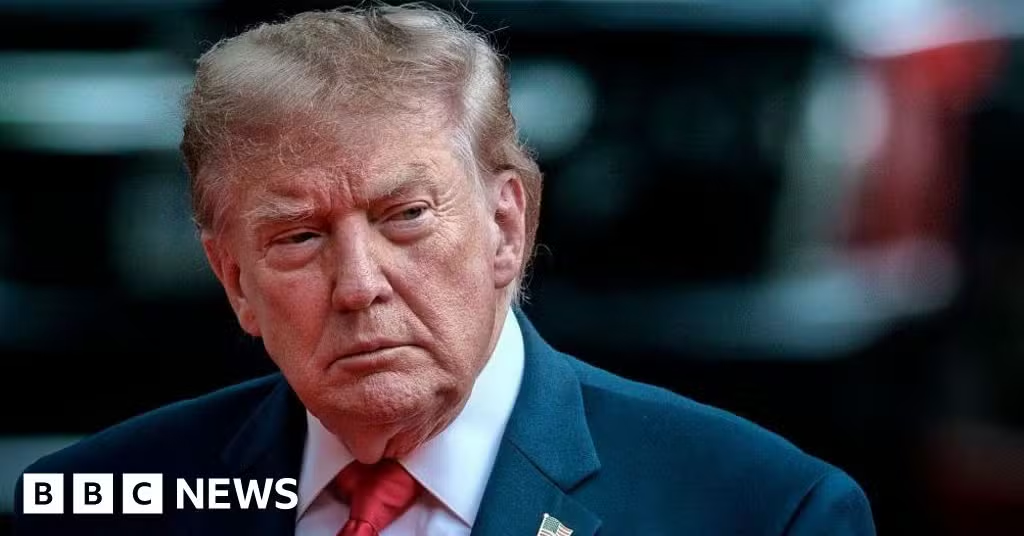
US preparing to unveil new tariffs on global trading partners
A BBC news report says the US is preparing to announce new import taxes on 16 jurisdictions, among them China, the European Union, Mexico and Japan. The tariffs follow a White House Section 301 investigation launched after the Supreme Court ruled President Trump's Liberation Day tariffs illegal, and rates would differ depending on the deals countries have previously struck with Trump. Trump argues tariffs will boost American manufacturing, though critics say the policy has pushed up prices for consumers and damaged the global economy. The BBC expects the announcement to increase tensions with China, whose trade truce with the US is set to expire on 10 January.
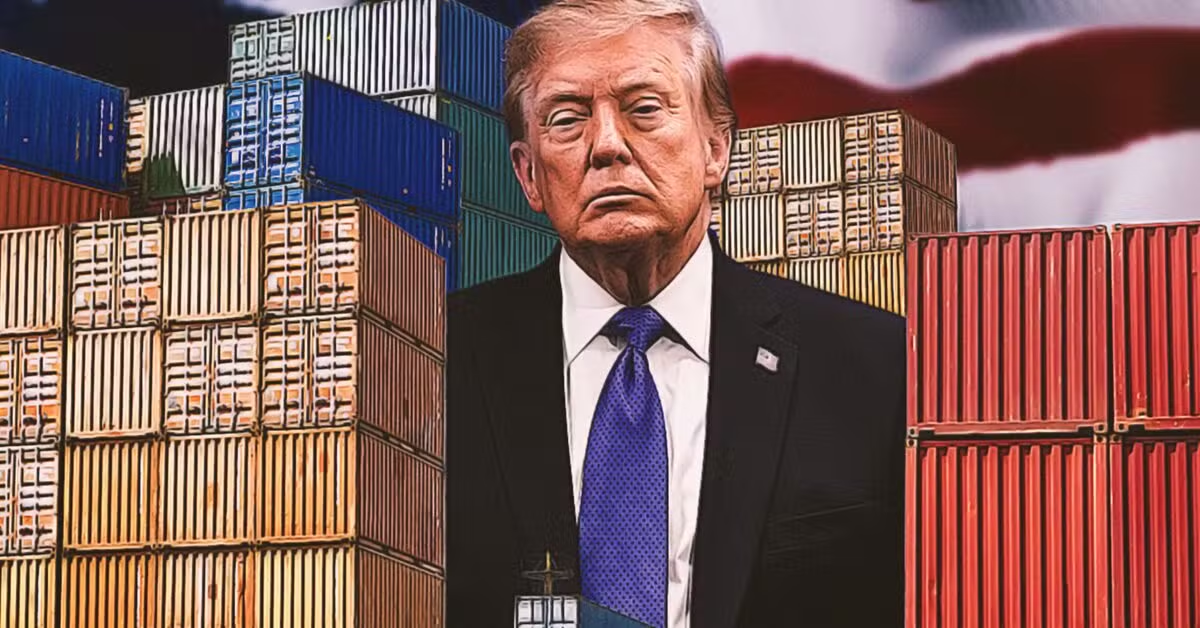
US Said to Plan New Round of Tariffs on China, EU
In its Morning Briefing Asia newsletter, Bloomberg reports the US is preparing to raise tariffs on goods from China, the European Union, and more than a dozen other economies, replacing levies the Supreme Court struck down. The newsletter attributes the plan to people familiar with the matter and expects Chinese products to face broader new tariffs than items from other countries. It sets this against continuing trade friction, noting Beijing extended its pause on US export curbs for some critical minerals while Washington imposed new limits on China's access to AI chips.
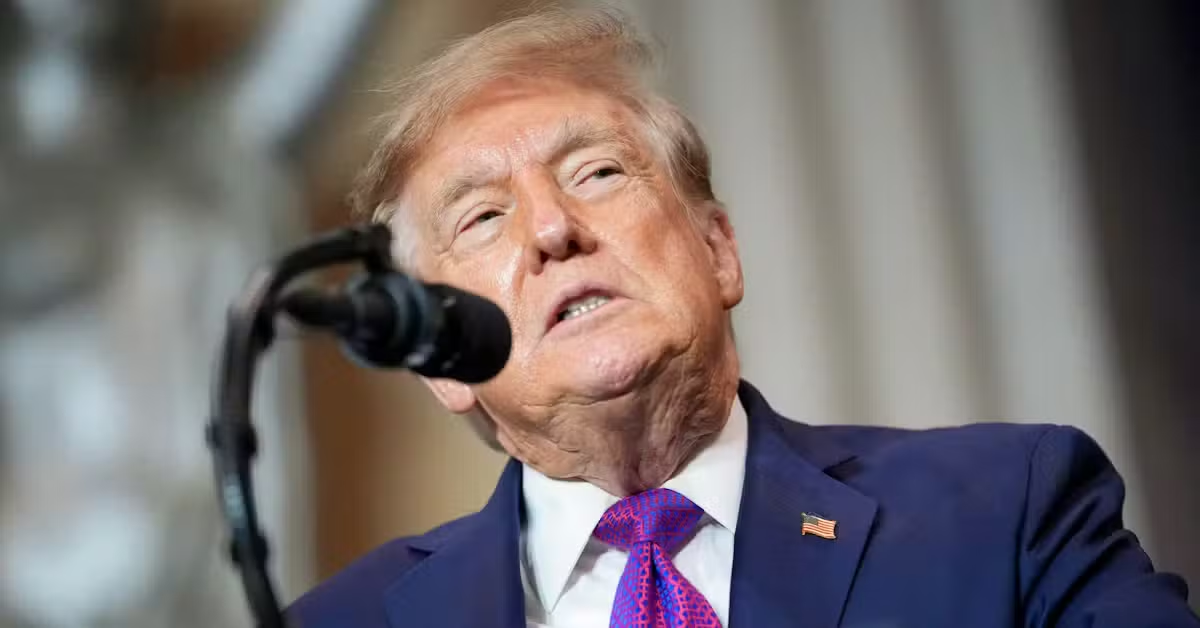
Clueless Trump Wants to Bring Back His Most Disastrous Policy
According to Wall Street Journal reporting cited by The New Republic, the Trump administration is ready to propose a revised version of its 'Liberation Day' tariffs, which the Supreme Court struck down. The planned tariffs would target the European Union, China, Mexico, Japan, South Korea and other countries, with China's rate no more than 20 percent and the EU's no more than 15 percent, and U.S. Trade Representative Jamieson Greer is expected to announce them in the coming days. The New Republic argues tariffs were one of the primary reasons voters abandoned Trump and the GOP in the midterm elections, as price hikes on goods like meat and appliances hurt millions of Americans, and says the new plans already face a backlash. In the column's view, the investments the tariffs would win likely will not help everyday Americans.
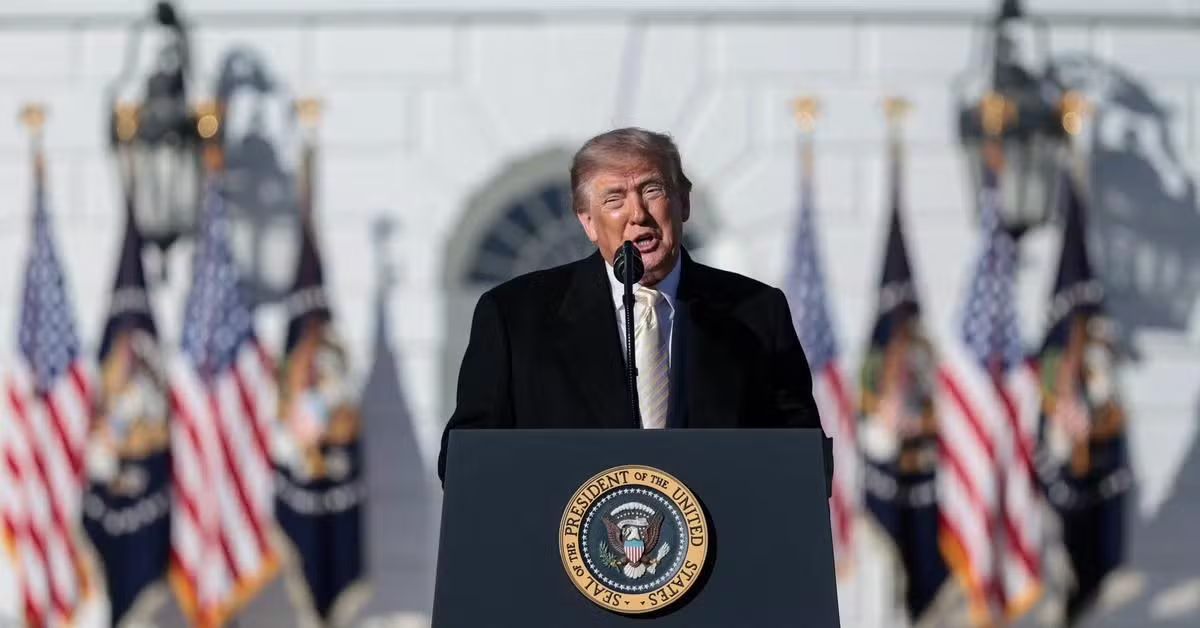
Trump to double down on tariffs after midterms defeat
Despite a historic midterm rebuke of Republicans driven partly by voter anger over tariffs, President Trump plans to double down with a fresh batch of tariffs, a person familiar with the plans tells Semafor. The resulting Section 301 tariffs will vary by country and will not surpass levels set by trade deals, and US Trade Representative Jamieson Greer is expected to roll out the findings of an investigation into market-distorting production levels in dozens of countries, including China, as soon as 24 November 2026. The probe began before the election, and Trump argues that 'if you didn't delay it … you could have a blowup with China.' The political cost is clear: exit polling found most voters viewed his tariffs negatively, eight in 10 told NBC News the tariffs have hurt the economy, and Senate Majority Leader John Thune signals more Republicans may join Democrats pushing back on the trade agenda.
Donald Trump readies raft of new tariffs on major economies
A Financial Times report says Donald Trump is readying a raft of new tariffs on major economies.
Trump administration set to unveil new tariffs after probe on excess factory capacity, sources say
Reuters reports that the Trump administration is set to imminently release the findings of a trade probe into alleged excess industrial capacity in 16 major US trading partners, with new import duties on a wide range of goods expected as soon as Tuesday. The duties would partly rebuild Donald Trump's global 'Liberation Day' tariffs, which the US Supreme Court struck down in February, and would stack on top of tariffs already imposed this term. Rates are unclear, but former Commerce official Ryan Majerus expects differentiated remedies for each partner, possibly 15% to 25% on countries deemed to have excess capacity, with China singled out as the biggest source. China rejects the accusations, saying its exports reflect competitive advantages.

Trump administration tees up tariff hikes on EU, China, others
Politico reports that the Trump administration will propose new tariff hikes on the night of 24 November 2026 targeting the European Union, China, Mexico, Japan and 12 other trading partners, a major step towards recreating the president's global duties that the Supreme Court struck down in February 2026. The duties come out of an excess manufacturing investigation U.S. Trade Representative Jamieson Greer launched in March 2026 under Section 301 of the Trade Act of 1974, the second of two sweeping trade probes launched that spring to rebuild the tariff regime. People briefed on the planning say the proposals will honor negotiated tariff ceilings, keeping China's overall rate at or below 20 percent and the EU's under the 15 percent cap Trump agreed with Ursula von der Leyen in 2025, and will offer future reductions for countries that cut overcapacity. The new duties would stack on tariffs of 10 to 12.5 percent already justified by a completed forced labor investigation, and target countries still get hearings and comment before rates are finalized, though the duties are likely to be challenged in court like Trump's other post-defeat tariff efforts.
US Readies Tariff Hike on China, EU Goods as Soon as Tuesday
Bloomberg reports that the US is preparing to announce as soon as Tuesday, November 24, 2026, that it will raise tariffs on goods from China, the European Union, and more than a dozen other economies, according to a person familiar with the matter. The Trump administration is moving to replace tariff levies the Supreme Court struck down, relying on Section 301 of the 1974 Trade Act, which lets the president impose tariffs unilaterally to address unfair economic practices. The duties are expected to target economies accused of hurting American industry by subsidizing their domestic manufacturers, with the Office of the US Trade Representative expected to conclude its investigation into excess manufacturing capacity.
Exclusive | U.S. Prepares to Raise Tariffs on China and Other Countries
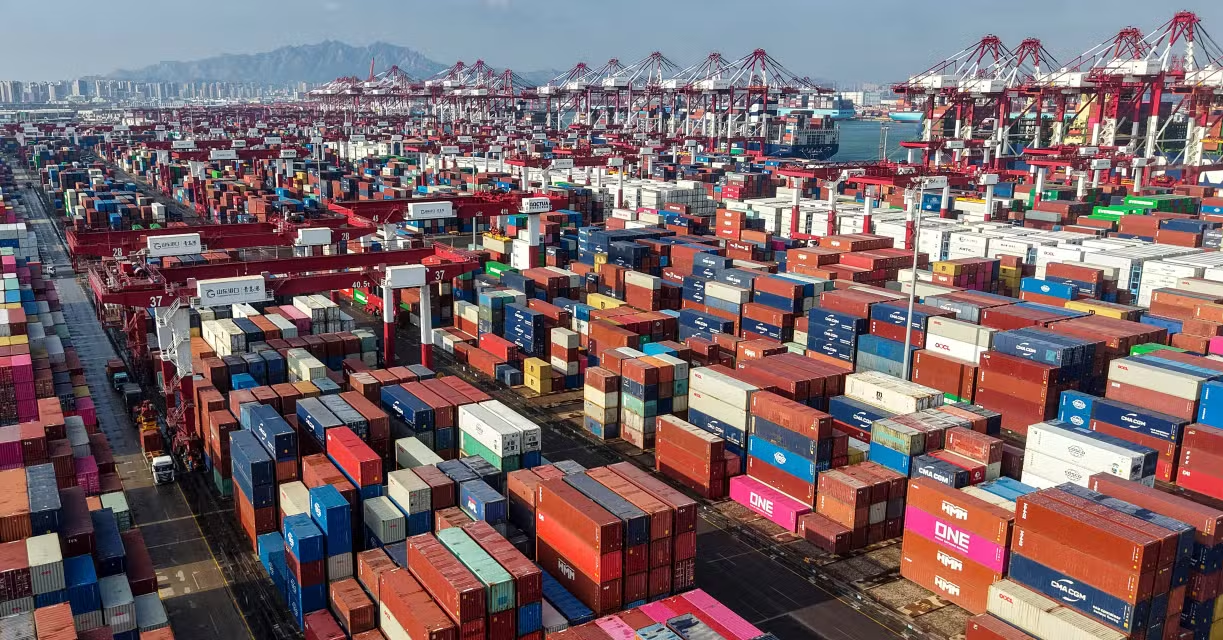
A Wall Street Journal report says the U.S. is preparing to raise tariffs on China and dozens of other countries, according to people familiar with the plans. Higher levies targeting excess industrial capacity overseas are expected the week the article was published. U.S. Trade Representative Jamieson Greer is expected to unveil the results of a monthslong tariff investigation into the industrial subsidies of China, the European Union, and 14 other nations, though the timing could change. The Trump administration argues these countries harm American companies by supporting their own domestic industrial production.
U.S. Ready To Slap Tariffs On China, EU And Others Over Subsidized Production: AP
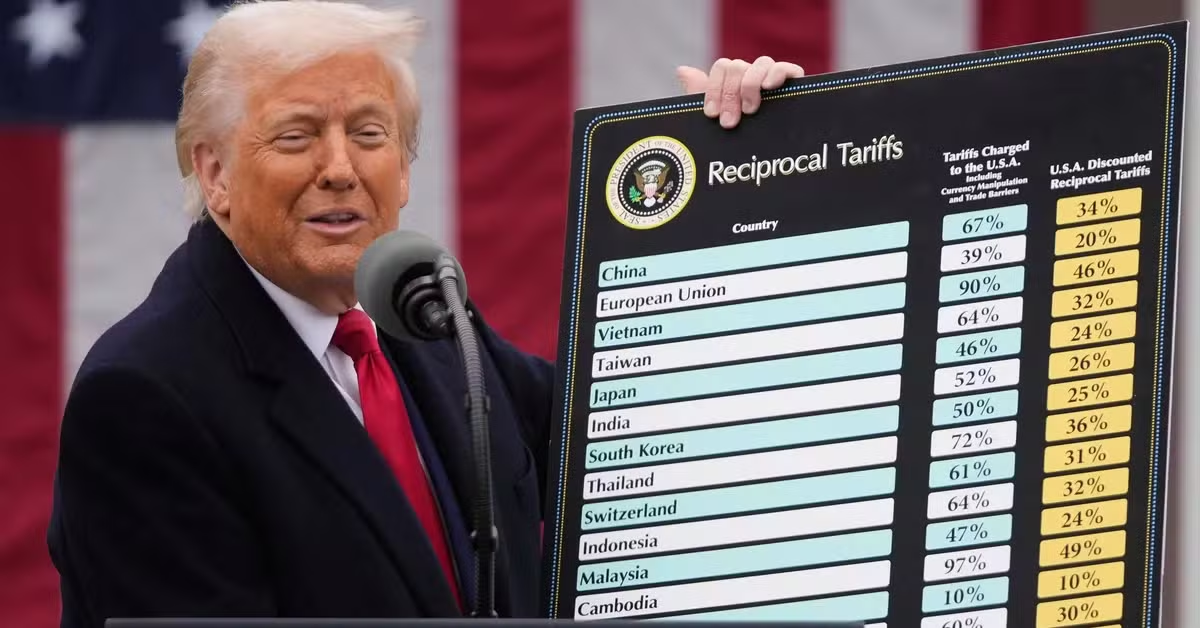
The Trump administration is expected to soon announce plans to raise tariffs on China, the European Union and 14 other economies over subsidized production, according to two people familiar with the matter cited by AP. The U.S. Trade Representative's Office is expected to release the results of a monthslong tariff investigation into industrial subsidies by the 16 economies in the coming days, though the two sources, who spoke on condition of anonymity, stress the timing could still change. The White House and the trade office did not respond to requests for comment. The live-updates page also carries other developments, including Nvidia reinstating Jensen Huang as CEO less than two weeks after he resigned, and dozens of incoming Democratic House members pledging to boycott an event at Harvard's Institute of Politics in solidarity with striking graduate students.

