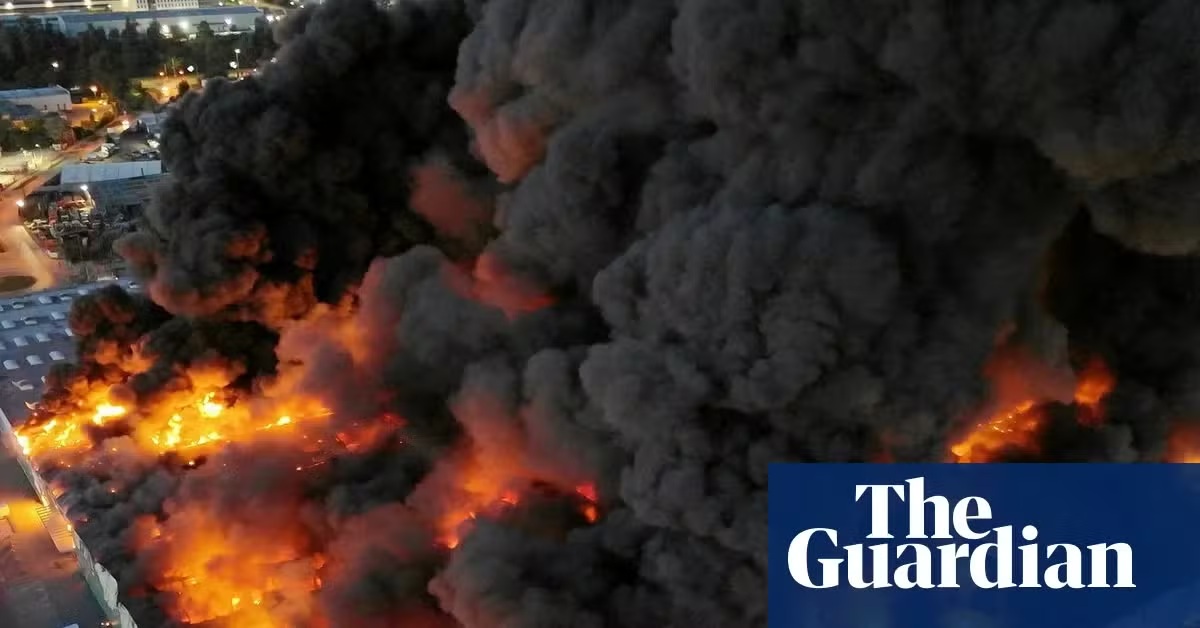
‘Mass-casualty event’ in Europe possible amid rise in Russian sabotage, says thinktank
A Guardian report on a study by the International Institute for Strategic Studies says Russian sabotage attacks on Europe are rising and that a mass-casualty event is now possible as increasingly skilled operatives target critical infrastructure with ever more complex methods. The IISS says sabotage rose by 16% in 12 months, with arson and explosive devices doubling, targeting railways, energy networks and defence industries in an attempt to weaken support for Ukraine. Arrests and expelled intelligence officers have not made sabotage a less attractive instrument of Kremlin policy, and no EU government has set red lines. The IISS calls for Europe to publicly signal what level of harm triggers which response, saying Germany and Poland will remain the most targeted states.

Russian sabotage attacks across Europe fall short of strategic goals, threats remain, report says
The Kyiv Independent reports on a November 26, 2026 study by the International Institute for Strategic Studies finding that Russian sabotage across Europe rose 16% over the year, with the use of arson and explosives roughly doubled, yet Russia's unconventional war has failed in its strategic purpose: military aid to Ukraine continues and European defense spending rose 12.6% in 2025. The report argues the campaign is part of a wider effort to destabilize Europe, weaken backing for Ukraine, and test NATO's resolve, with attacks on critical infrastructure, particularly military-industrial and transport facilities, accounting for more than half of recorded incidents between October 2025 and September 2026. It warns that arrests can disrupt sabotage networks but are unlikely to deter the Russian intelligence services directing them, that a mass-casualty incident is possible as the space for miscalculation narrows, and that Germany and Poland, whose networks play a critical role in supplying Ukraine, are highly likely to remain the most targeted states.

Russia’s hybrid war on Europe evolving, but failing: IISS
An International Institute for Strategic Studies report published on 27 November 2026 finds that Russia's hybrid war on Europe continues to evolve but has failed in its objective of deterring support for Ukraine. The think tank says sabotage attacks on European infrastructure rose 16 percent in the year to September 2026, arson and explosives roughly doubled, and Germany and Poland, the main conduits for military support to Kyiv, suffered the most incidents. It predicts Germany and Poland will remain the main targets, and its data shows European defence spending grew 12.6 percent in real terms in 2025 while Russia's rose 3 percent. Moscow has rejected accusations of a Europe-wide campaign, and its London embassy says 'Russia has no plans, reasons or intentions to attack the UK.'
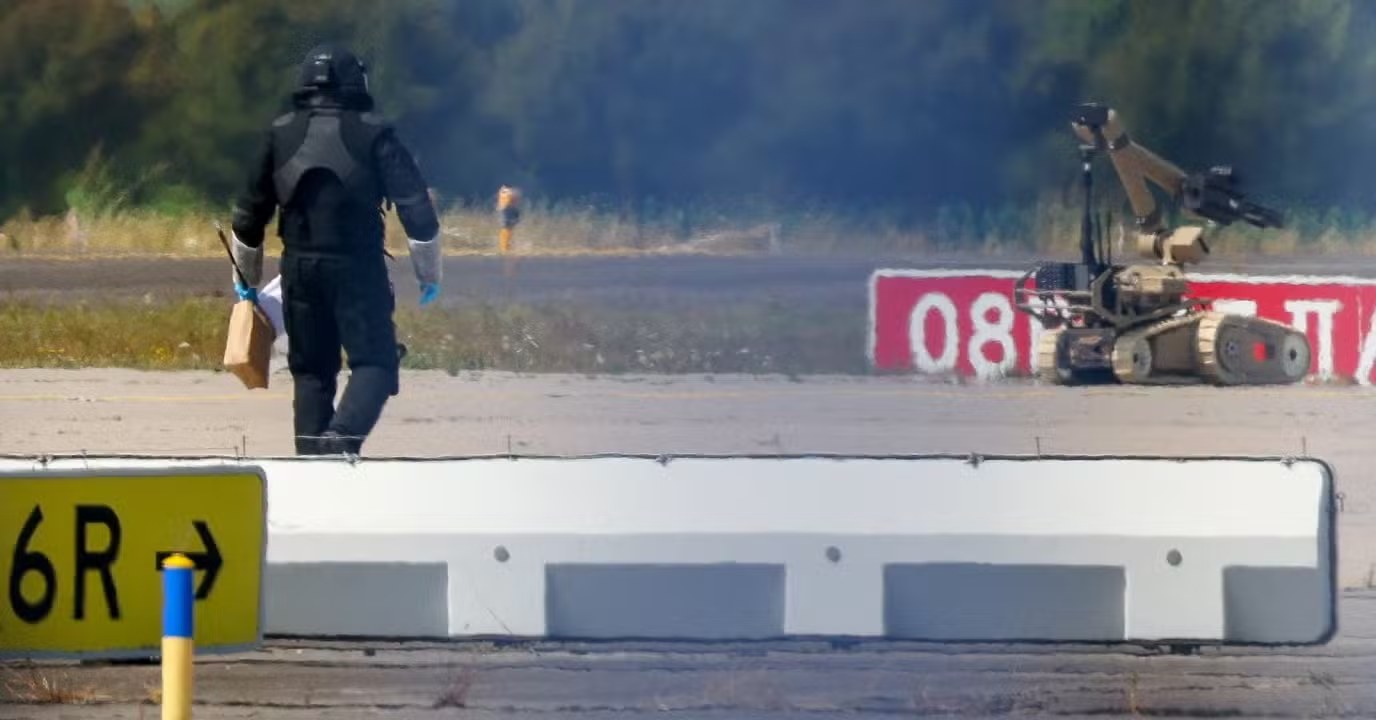
Russian sabotage attacks in Europe up 16%, IISS says
A Reuters news report says the International Institute for Strategic Studies found Russian sabotage incidents in Europe rose 16% in the year to September 2026, with operatives increasingly skilled and using more complex methods such as improvised explosive devices with timed and remote detonators. The think tank says arrests remove proxies but are highly unlikely to deter the Russian intelligence services that direct them, and forecasts that Germany and Poland will remain the most targeted states because their transport, logistics and industrial networks are key to supplying Ukraine. Ukraine's allies accuse Moscow of a Europe-wide campaign of drone and cyber attacks, including an explosives-laden drone found near a Ukrainian cargo aircraft at Leipzig airport in August 2026, but Moscow rejects the accusations, with its London embassy saying Russia has no plans, reasons or intentions to attack the UK.

Alleged Russia-directed sabotage in Europe risks mass-casualty event, think tank warns | CNN
A new report from the International Institute for Strategic Studies warns that alleged Russia-directed sabotage across Europe is intensifying and risks a mass-casualty event. The think tank says Moscow is waging a proxy conflict rather than a direct war, aiming to weaken European support for Kyiv, with explosives and arson roughly doubling over the past year and attacks on sectors critical to the Ukrainian war effort also intended to undermine public confidence. More than half of incidents recorded between October 2025 and September 2026 occurred in Germany and Poland, including 29 Moscow-linked incidents in Poland alone. The report says arrests of proxies, expulsions of Russian intelligence officers and consulate closures have so far failed to deter Moscow, and that a mass-casualty disaster could bring calls for retaliation and possibly divide European governments. CNN sets the report against Jared Kushner's praise of Vladimir Putin's 'restraint' before its release and his blaming of Europe for prolonging the war.

