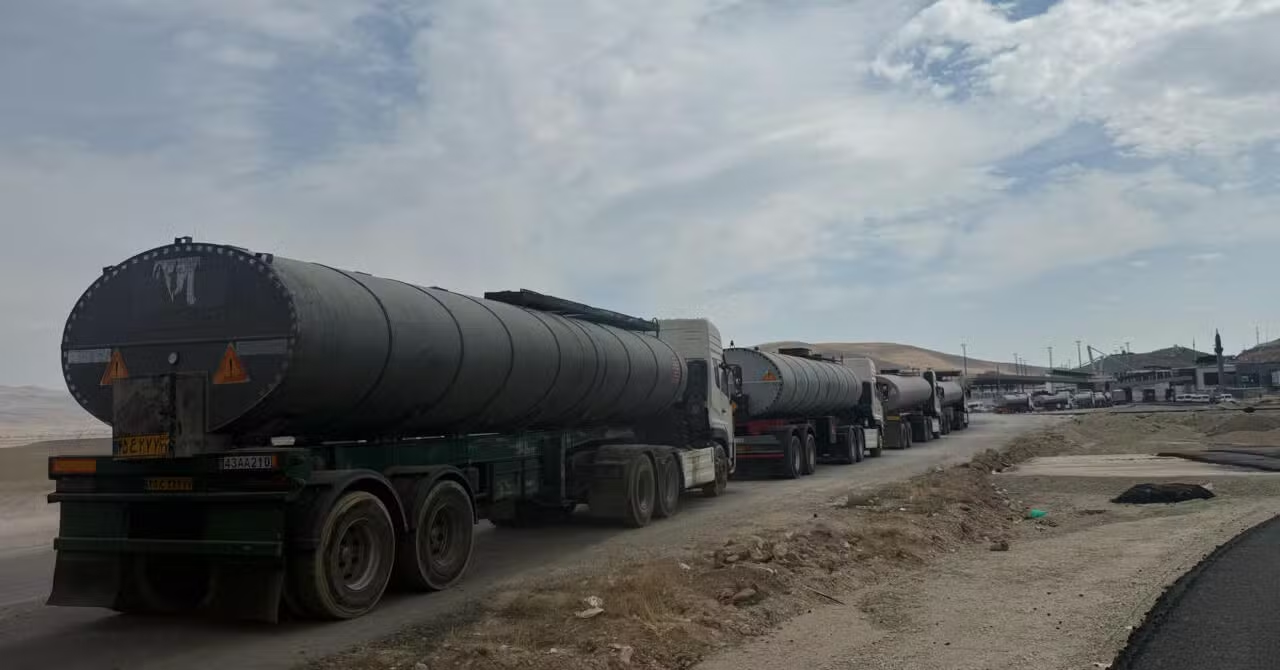
Irak: la lutte contre le trafic de pétrole accroît la pression sur Téhéran
RFI reports that Baghdad’s oil-smuggling crackdown is increasing pressure on Tehran by tightening Iraqi control over routes Iran uses to bypass sanctions. Baghdad took control of all border crossings and closed one crossing with Iran, while the United States accuses Iran of routing oil through Iraq as Iraqi oil. An adviser to Iran’s supreme leader warned Iraq not to become an instrument of Donald Trump’s policies. RFI says the measures risk straining Iraq’s ties with Iran and Kurdish communities.
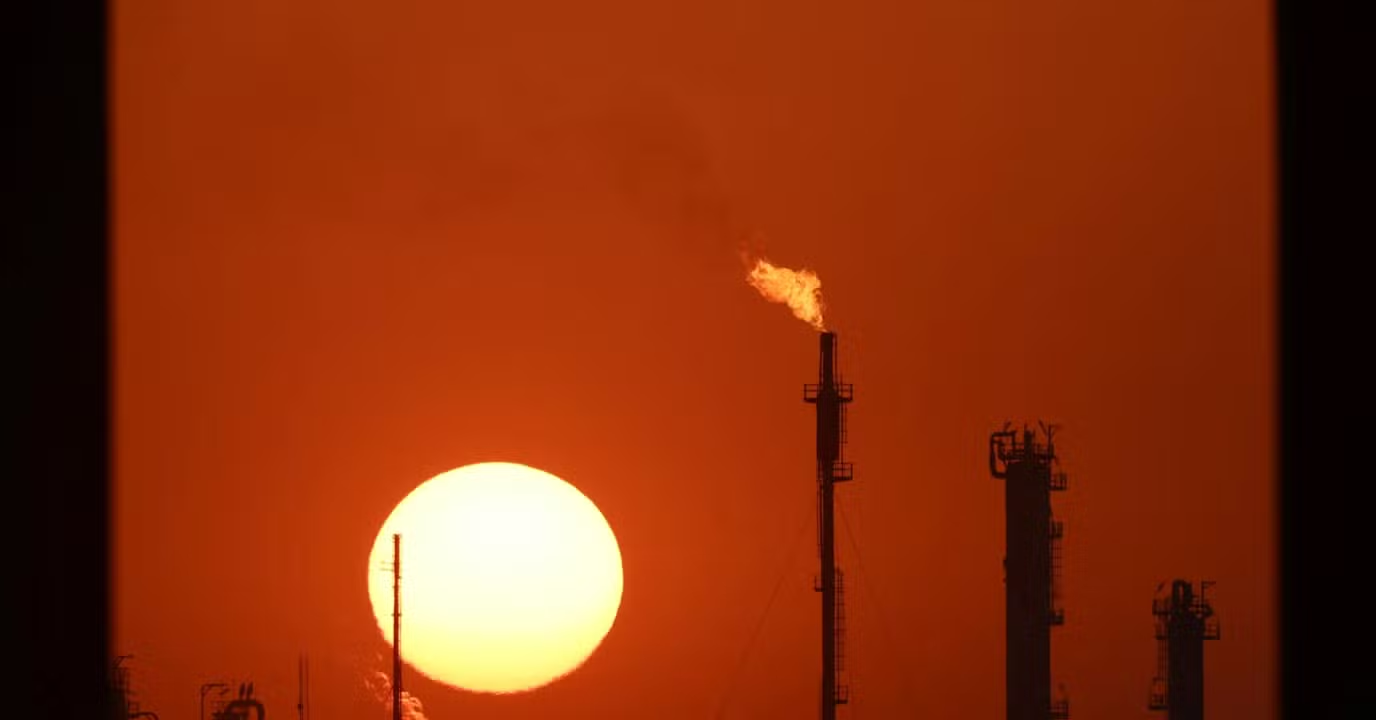
Why is Trump backing Iraq’s anti-smuggling campaign?
Al Jazeera reports that Trump’s backing for Baghdad’s anti-smuggling campaign supports Iraq’s effort to curb Iran’s sanctions-evasion routes and strengthens federal control over the Kurdish region. The report says Iraq is a key route for Iranian trade and oil smuggling, while Washington has used financial pressure to push Baghdad against Iran-linked networks. Analysts say Trump’s support, announced before planned Baghdad-Erbil talks, signals backing for federal measures and helps advance Washington’s blockade strategy. Claims that Kurdish-region crude is being moved into Iran remain unconfirmed, and Erbil rejects them.
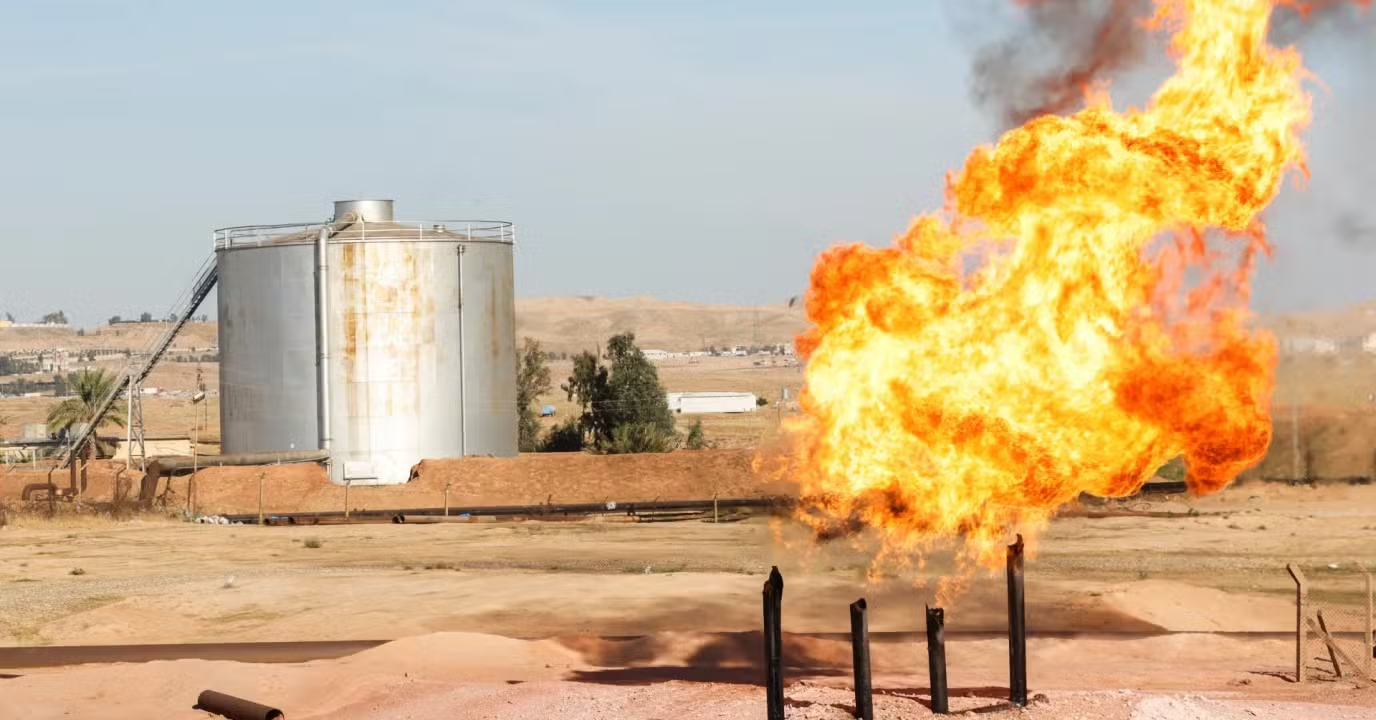
Trump backs Iraqi PM’s oil smuggling crackdown
Al Jazeera reports that US President Donald Trump backs Iraqi Prime Minister Ali al-Zaidi’s campaign to stop oil smuggling and bring border crossings and oil fields under federal control, sharpening tensions with Kurdish authorities and Iran-aligned groups. Trump said Washington supports the effort to end corruption and put weapons under state control. The Kurdish regional government says Baghdad’s actions violate its constitutional rights, while denying illicit oil operations. Al Jazeera’s Mahmoud Abdelwahed says a meeting between the two sides is set for 1 December 2026, and warns failure could lead to constitutional and political conflict.
Trump backs Iraqi leader's efforts to assert more state authority
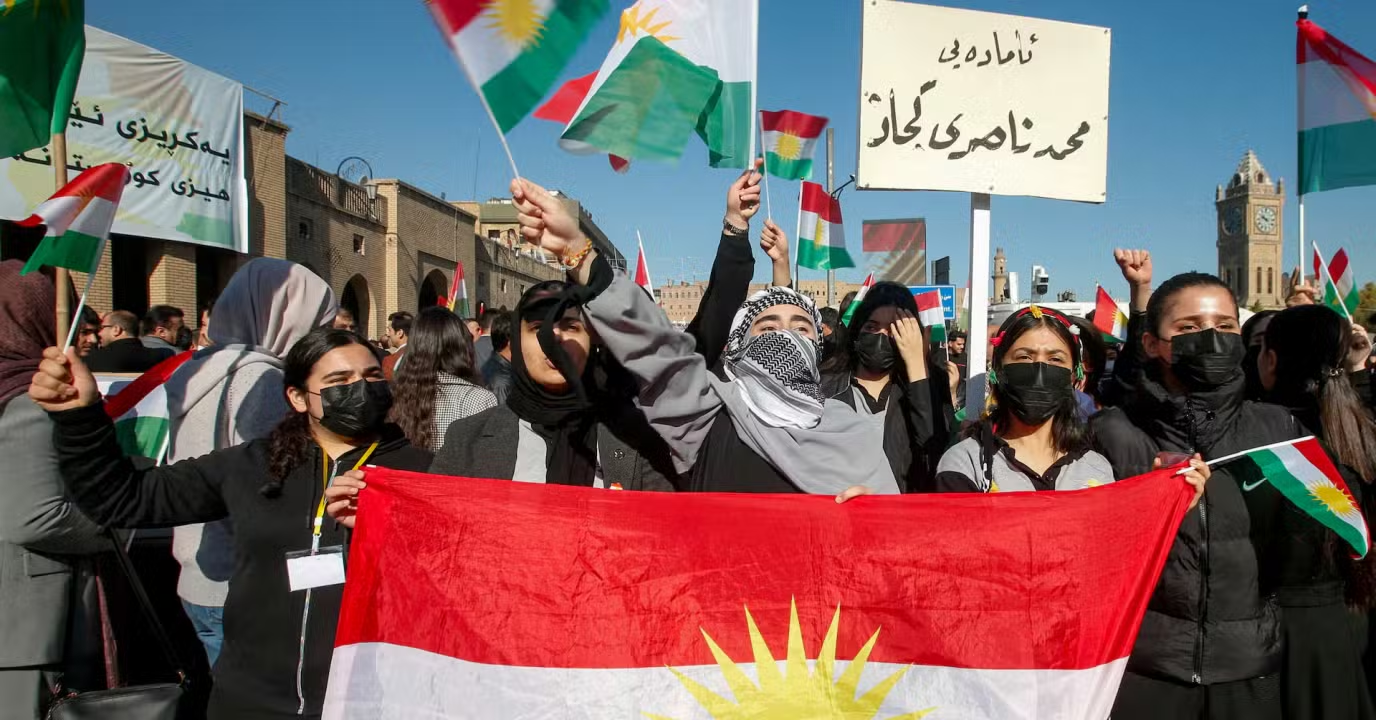
Reuters reports that Ali al-Zaidi is asserting federal control over oil and borders, with Trump backing the effort as it brings Baghdad into confrontation with Kurdish authorities and Iran-aligned militia Kataib Hezbollah. Iraq closed two crossings in the Kurdistan region after al-Zaidi ordered federal authorities to take control, and thousands of Kurds protested plans for federal control of oilfields and border deployments. Iraq's highest court ruled that Baghdad can deploy federal forces along all international borders, including those in Kurdistan. The government says oil exports bypassing state marketer SOMO constitute smuggling, while the Kurdistan Regional Government says it is working with federal authorities against corruption and smuggling.
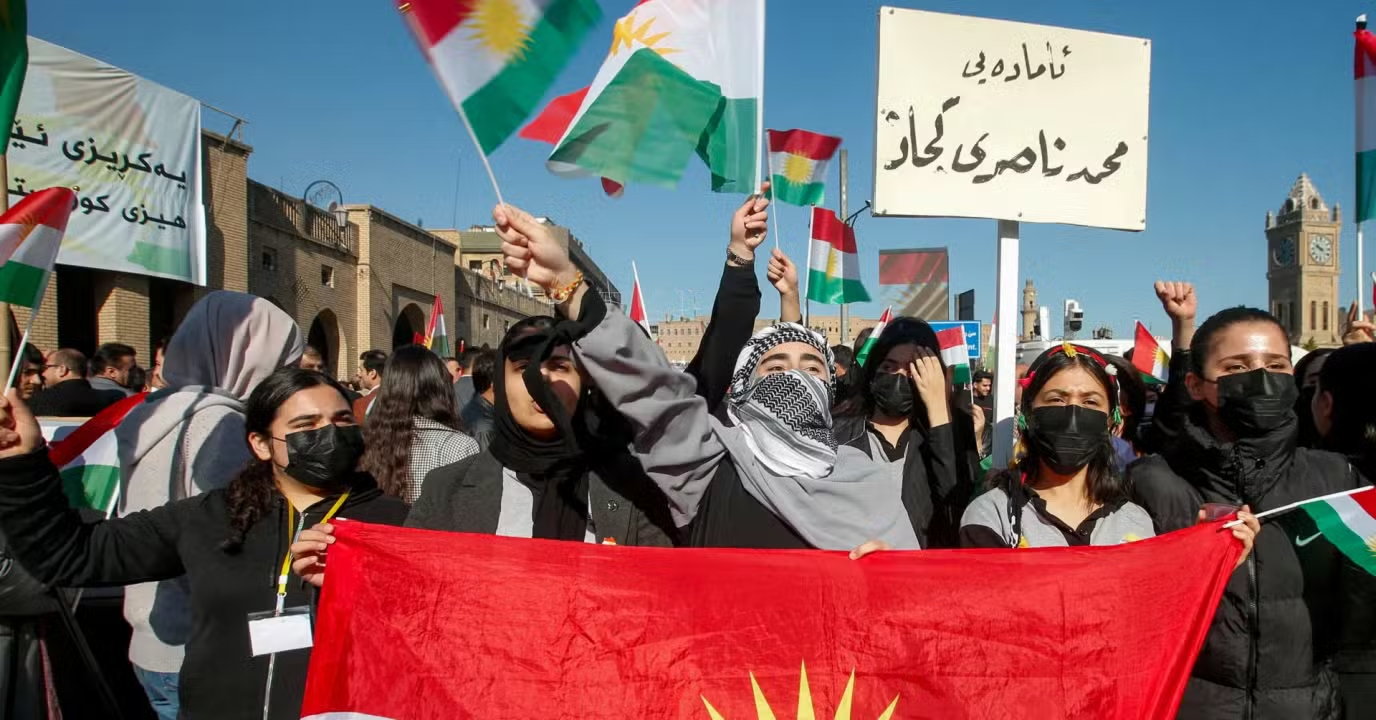
How an oil feud is deepening rift between Baghdad and Iraq’s Kurdish region
Iraq's Prime Minister Ali al-Zaidi has ordered federal authorities to take over all border crossings in the Kurdish region and seize oilfields in Kirkuk, Nineveh, Salahuddin, and Diyala provinces, and Iraq's Federal Supreme Court backed Baghdad's powers within 24 hours. The Kurdistan Regional Government rejects the measures as a violation of the constitution and an attempt to return Iraq to centralisation, and thousands protested in Erbil. Analyst Tallha Abdulrazaq argues the smuggling crackdown is largely a pretext, a calculated domestic manoeuvre that costs Baghdad less than a confrontation with Iran-backed Shia factions at Jurf al-Sakhar. Iraq's four presidencies have agreed to hold national dialogue on 1 December 2026, though Abdulrazaq sees it as face-saving rather than a permanent fix.
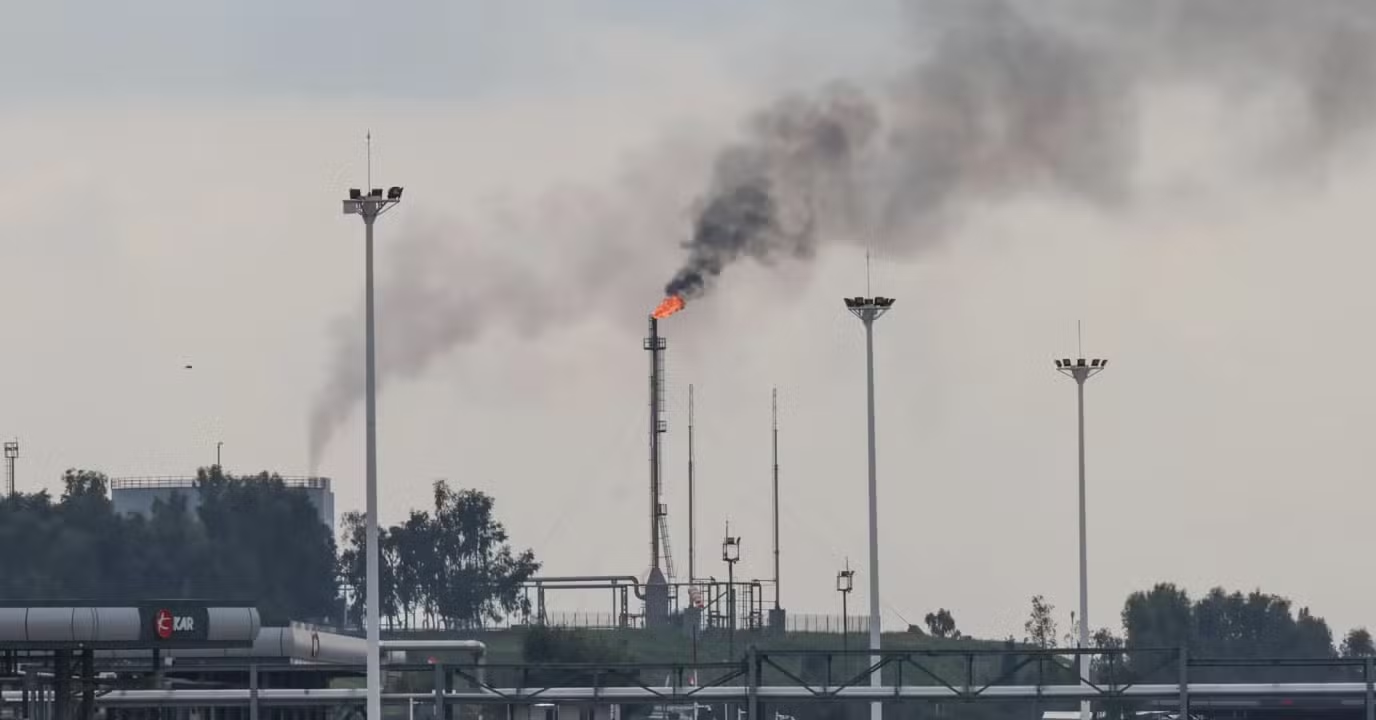
Iraq denies reports of troop movements towards Kurdish region
Iraq's government denied local media reports that army units were moving towards the Kurdistan region, even as Baghdad moved to take over the region's border crossings and oil operations. A Federal Supreme Court ruling affirmed federal powers over border crossings, oil and gas production and export, and revenues, and Border Ports chief Ali al-Zaidi ordered all crossings in the Kurdistan region taken over and federal authorities to take over oil fields in Kirkuk, Nineveh, Salahuddin and Diyala under Kurdish security control. Prime Minister Ali al-Zaidi called protecting Iraq's wealth a battle for existence, while government spokesperson Haidar al-Aboudi said oil smugglers were diverting tens of billions into private pockets; Baghdad estimates 200,000 to 230,000 barrels a day are smuggled, worth about $200 million a month. Thousands protested in Erbil against the plan, Kurdish leaders rejected any return to a centralised system and any military language, and Iraq's four presidencies agreed to hold a national dialogue on 1 December 2026 to resolve the crisis.
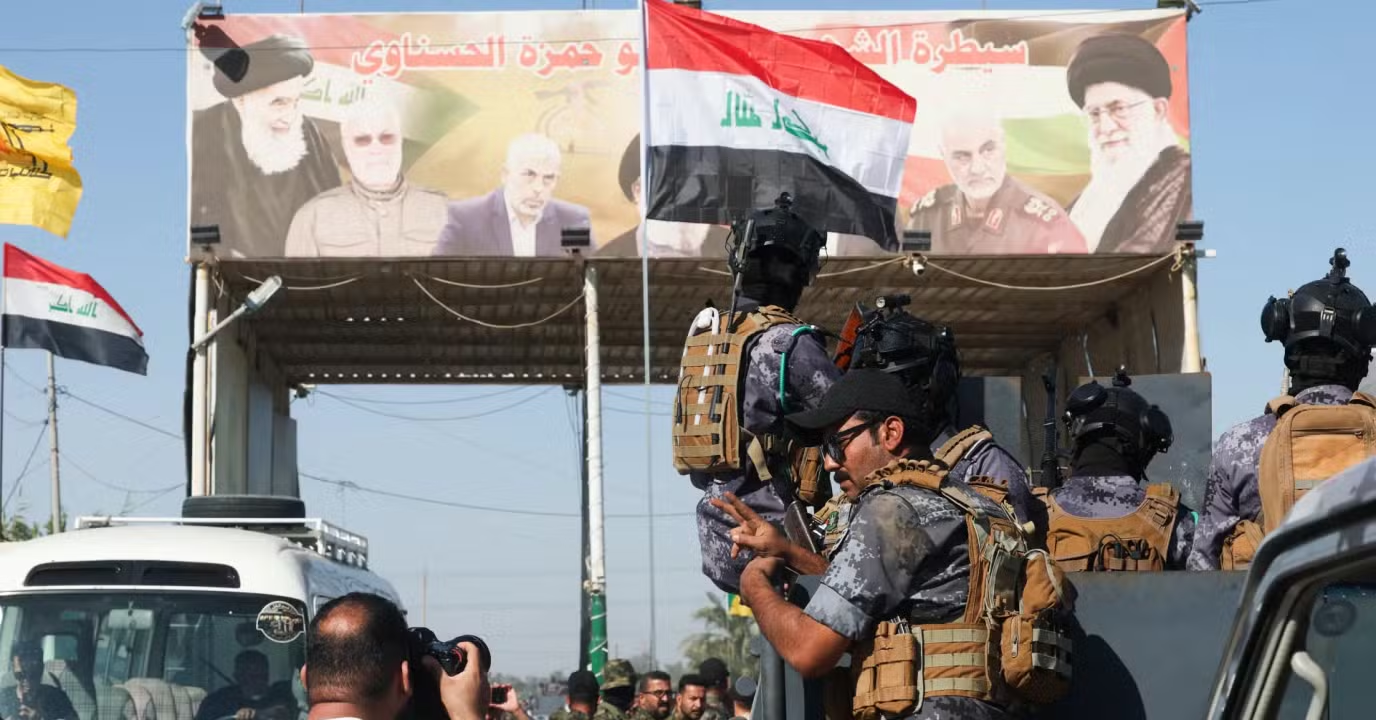
Iraq’s top court rules government can take over Kurdish borders, oil fields
Iraq’s top court backed federal authority over troops and oversight at Kurdish-run borders and oil and gas fields, supporting the government’s effort to centralise control. The ruling followed Prime Minister Ali al-Zaidi’s order for federal forces to take over Kurdish-run border crossings and his demand for authority over oil fields, citing efforts to curb smuggling. The government has not said how or when it will implement the takeover. The Kurdistan Regional Government denounced it as an assault on the region’s constitutional rights.
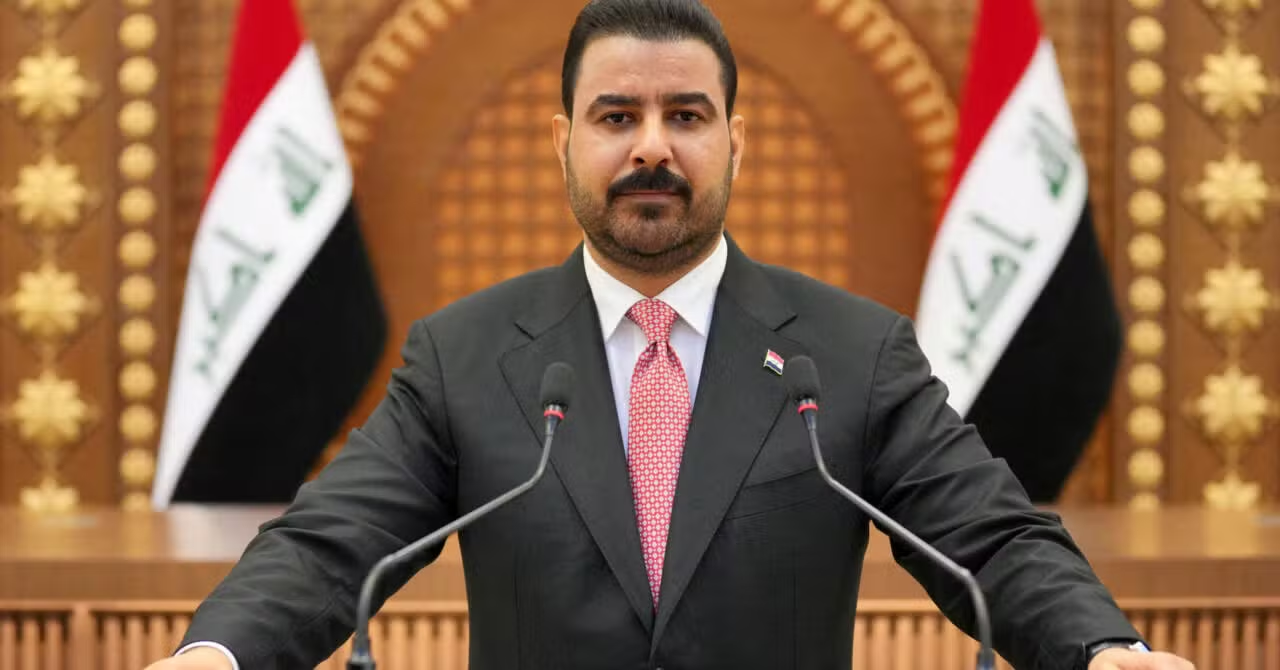
Irak: le Premier ministre ordonne la prise de contrôle des postes-frontières au Kurdistan
Iraqi Prime Minister Ali al-Zaïdi orders all unofficial crossings between Iraqi and Kurdish territory closed and the Kurdistan region's border posts and several oil fields placed under federal authority, to fight oil smuggling. The measures, taken on the conclusions of an inquiry commission sent to northern Iraq, also forbid any Kurdish petroleum export without approval from the federal Oil Ministry, and officials including the head of the Border Ports Authority are dismissed or suspended. Oil revenues represent nearly 90% of Iraq's public revenues, and Baghdad seeks to centralize their control. Kurdistan's two ruling parties denounce the decisions as unilateral and unconstitutional, and the region's Prime Minister Masrour Barzani calls them 'totally unacceptable' while saying 'the door remains open' to an agreement. The Iraqi government does not specify how it intends to implement the measures.
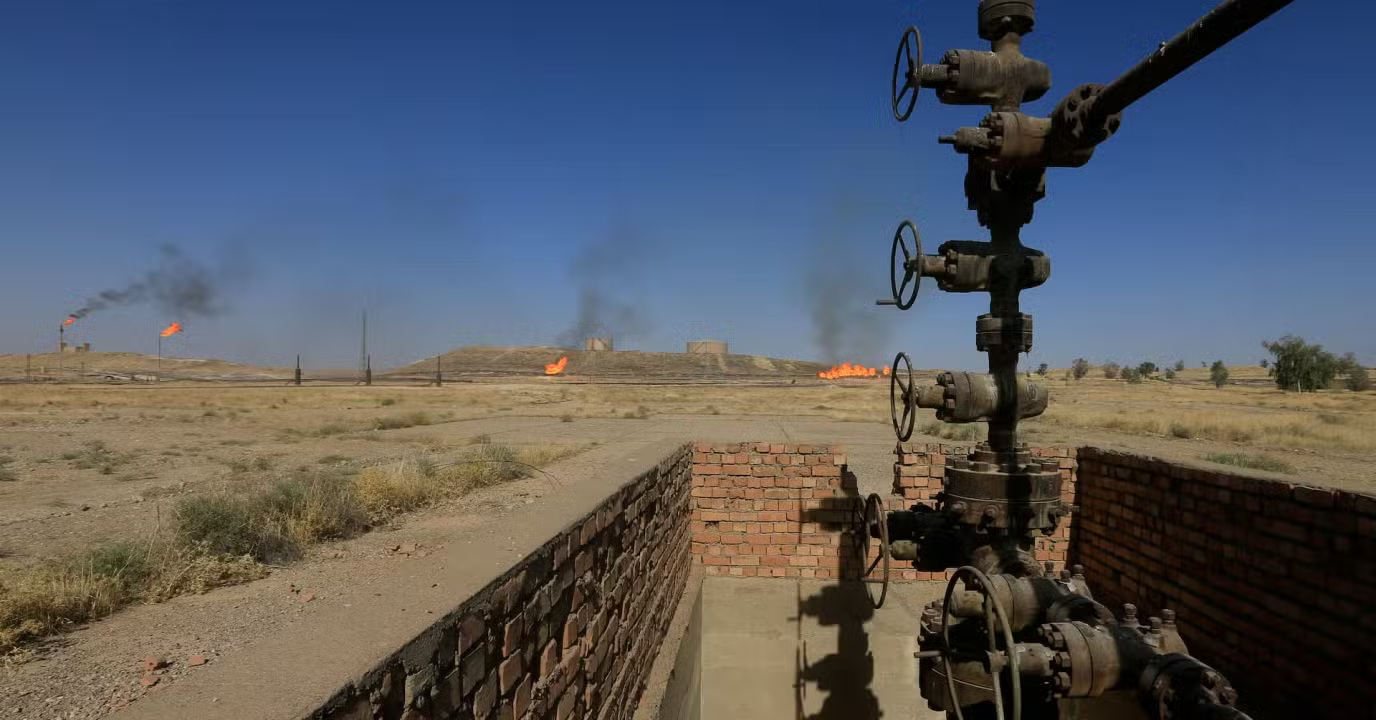
Iraqi PM orders ministry to manage oilfields in areas under Kurdish control
Iraq's prime minister, Ali al-Zaidi, has ordered the federal energy ministry to manage oilfields in areas under Kurdish security control, covering Diyala, Kirkuk, Salahuddin and Nineveh provinces. The Reuters report says the order follows an investigation into smuggling at the state-run North Oil Company, with senior Iraqi officials accused of a years-long ring that generated hundreds of millions of dollars from stolen oil, and Kataib Hezbollah rejecting a finding that it was involved. Al-Zaidi also ordered the border authority to take over all crossings in the Kurdistan region and directed that exports of crude and petroleum products go only through the federal oil ministry, moves Reuters reports risk aggravating long-standing tensions between Baghdad and the Kurdistan region. His office says the directive rests on the principle that 'national sovereignty is indivisible and protecting Iraq's wealth is a battle for survival in which the state puts an end to all forms of smuggling.'

