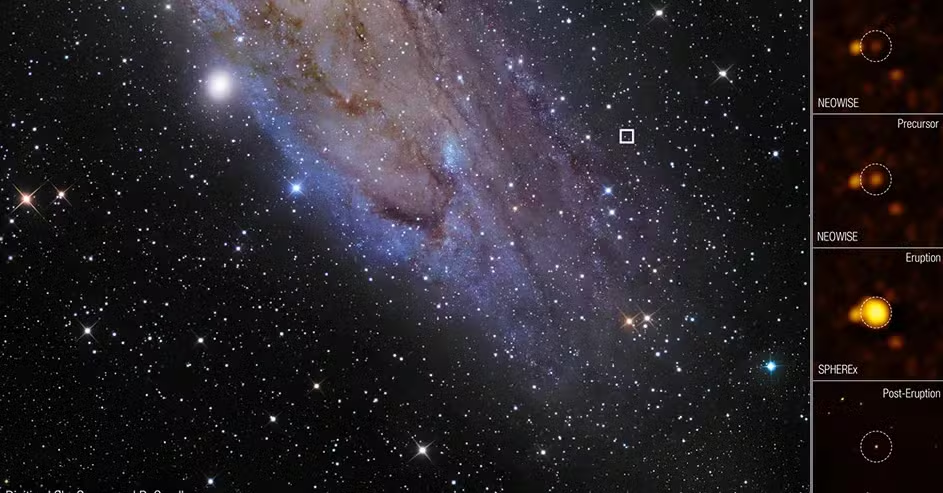
Astronomers watched a star spiral to its death inside a giant companion
An Ars Technica article reports on a Nature study in which astronomers led by Viraj Karambelkar caught, for the first time, common envelope evolution in action: a giant star in Andromeda spent years swallowing its smaller companion before ending in a luminous red nova in late 2025. Karambelkar says the team will keep watching for years to learn whether the stars merged, and expects newer telescopes to spot such events in about 100 galaxies.
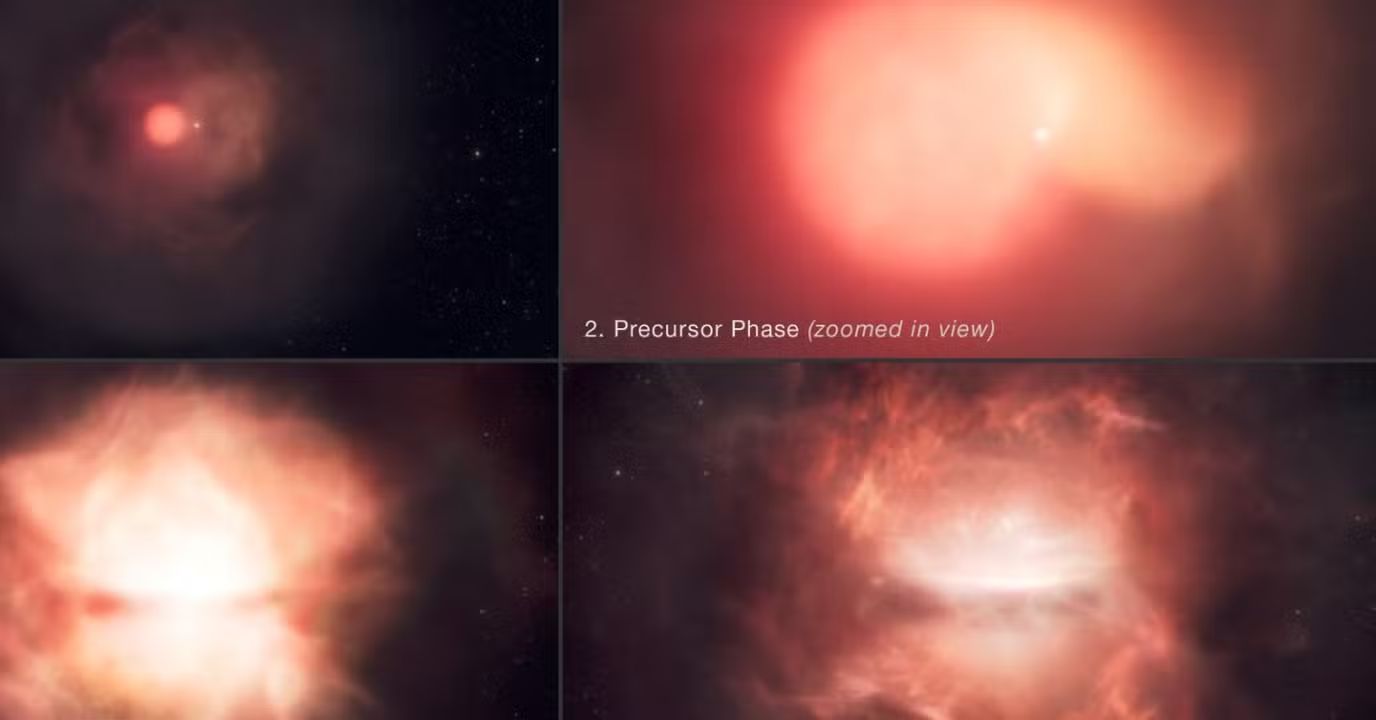
Dans la galaxie d’Andromède, une étoile géante engloutit sa compagne durant une fusion stellaire inédite
A Le Monde article with Reuters reports that astronomers observed, for the first time, a giant star seven times the Sun's mass swallowing its smaller companion in a stellar merger in the Andromeda galaxy, some 2.5 million light-years away, tracked from 2018 to the end of 2025 thanks to NASA's Neowise, SPHEREx and James Webb telescopes and ground-based observatories. Lead author Viraj Karambelkar calls it a first observation of the decades-old theory in action, a "unification event" that may have produced a rejuvenated star nicknamed Bao.
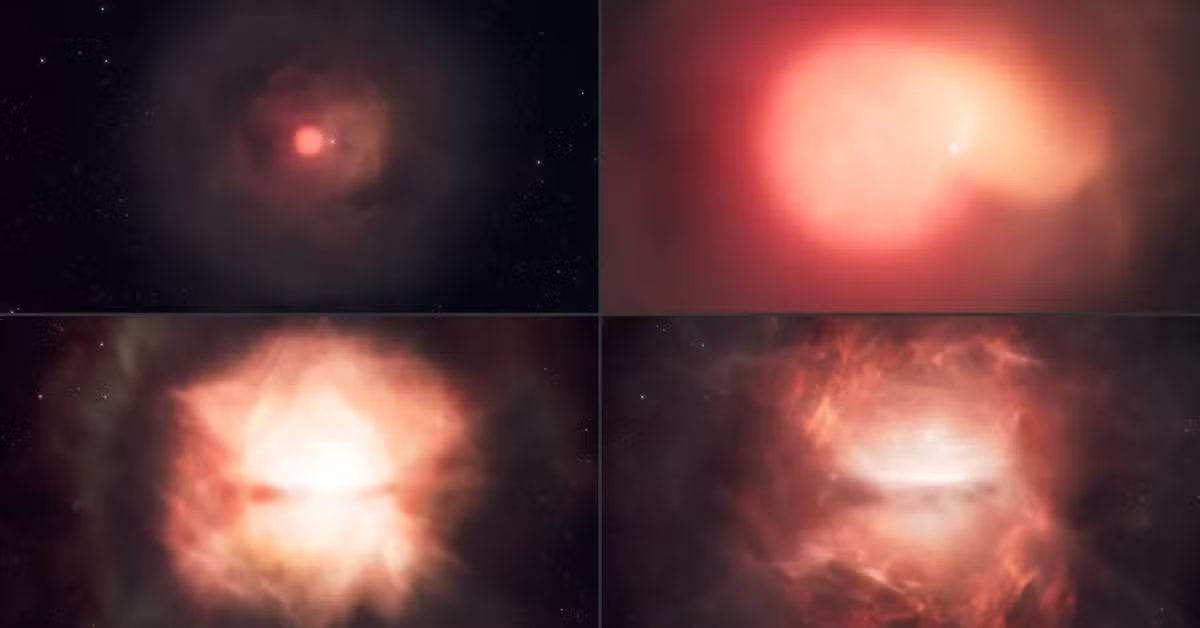
Astronomers just witnessed a dying star gobble up its neighbor in real time
Adam Kovac's November 2026 Scientific American article reports that scientists witnessed in real time two stars smashing into each other in the Andromeda galaxy, some 2.5 million light-years away, with one dying star devouring its companion. Astronomers, including NASA Hubble Fellow Viraj Karambelkar, say the 2023 observations, described in a Nature paper, may have left a single rejuvenated remnant and confirm ideas that had existed only in theory.
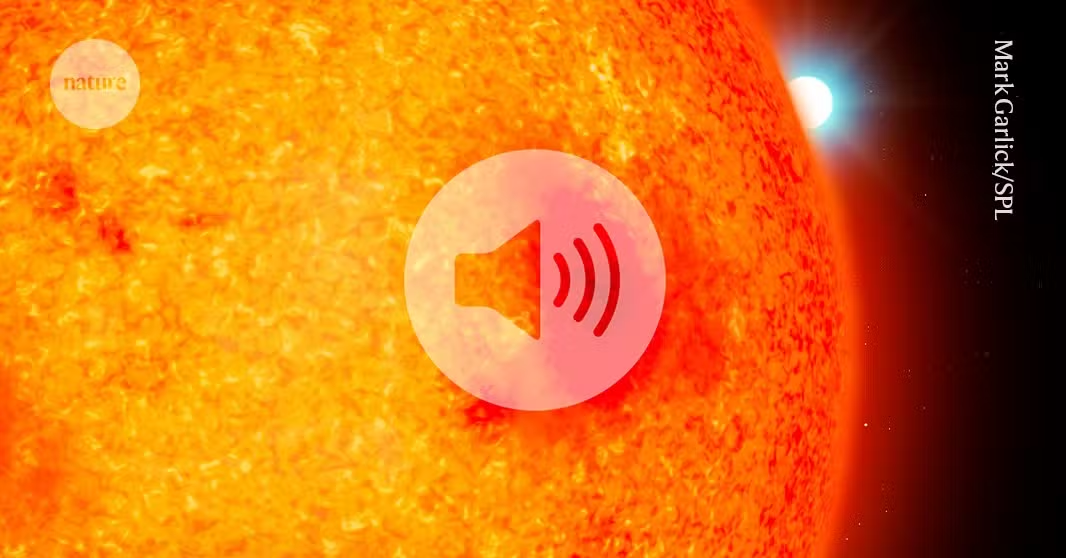
First observation of a giant star swallowing its neighbour
A Nature Podcast episode covers a study by Karambelkar and colleagues reporting the first observation of a giant star swallowing its neighbour, and a paper by Kavuri and colleagues on how quantum technology could help defeat fraud. It also flags Nature reports that microplastics change the sea's colour near the Great Pacific Garbage Patch and that rattlesnakes have personalities, to venomous effect.
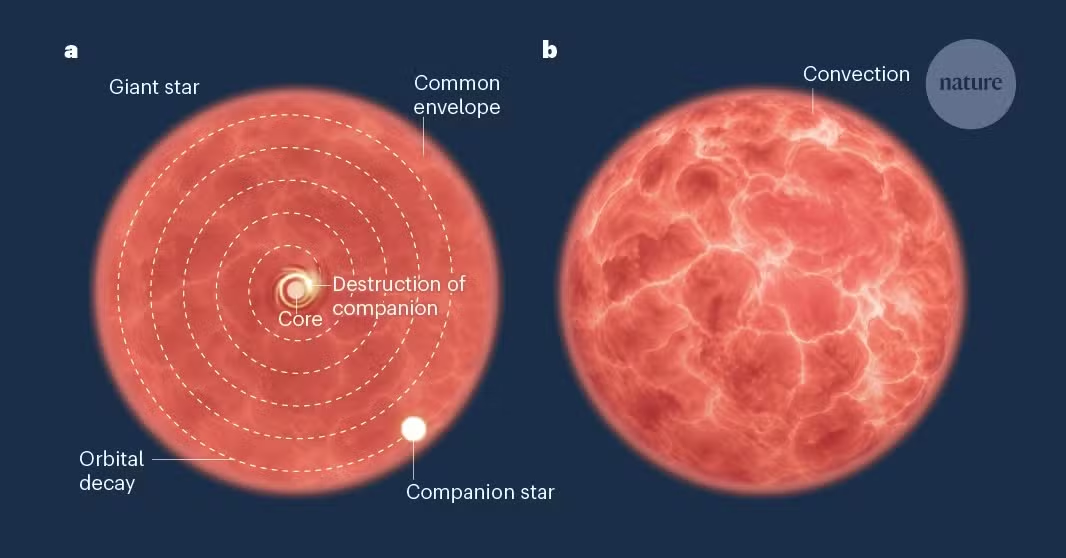
Intra-stellar: a star inside a giant star
A Nature news article reports that Karambelkar et al. have made the first direct detection of a star inside a giant star, catching a common-envelope phase that theory predicts should be widespread but has been extraordinarily difficult to observe. It notes most stars are thought to host orbiting companions.

