US Senate ‘permitting bill’ threatens clean water protections to speed up energy projects
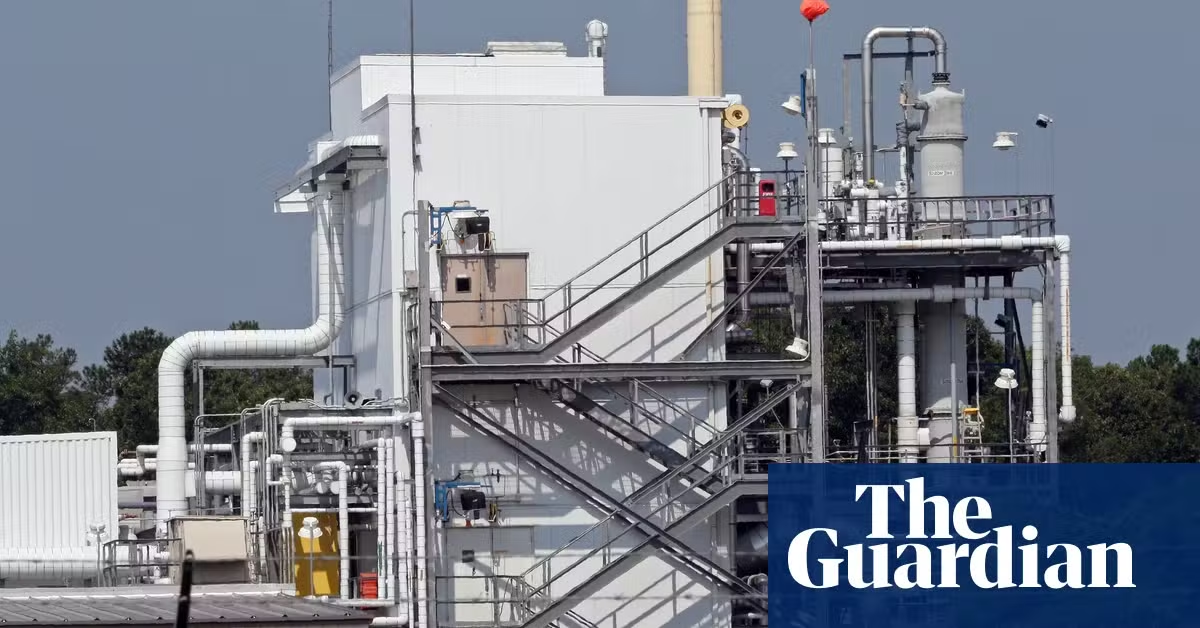
A Guardian news report says advocates and virtually every major US environmental group warn the Bipartisan American Affordability and Jobs Act, a permitting bill the Senate passed 62-33 that would speed federal approval of energy projects, would gut key clean water protections. The bill would make it harder for states to set water pollution protections, double the EPA's review cycle for pollution permits from five years to 10, and require a formal rulemaking for water quality criteria that would slow them by years and expose them to industry lawsuits. More than 50 communities affected by Pfas 'forever chemical' pollution oppose the bill, including Clean Cape Fear's Emily Donovan, whose North Carolina community's water is polluted by a nearby Pfas factory and who says the changes would prolong exposure to dangerous chemicals and burden under-resourced states. Industry groups including the American Chemistry Council and the American Petroleum Institute back the bill, and its supporters argue the cost is worth building energy projects faster; opponents call it a handout to oil and gas that trades away protections largely unrelated to permitting delays.

The House will vote on the permitting bill next week. Democrats want amendments.
POLITICO's Inside Congress newsletter leads with plans for the House to vote the week of November 30, 2026 on the Bipartisan American Affordability and Jobs Act, the Senate-passed permitting bill, under a rule that would let a united GOP majority send it to President Donald Trump. Rep. Sean Casten of Illinois is leading a Democratic push for an open amendment process, which is rare in the current Congress and could win more Democratic support but would reopen the negotiated deal, and its Senate negotiators warn House changes could complicate the bill's prospects. The bill splits Democrats over environmental and tribal impacts, and some Republicans doubt leaders can adopt the rule given attendance issues in the lame duck, where Speaker Mike Johnson and Majority Leader Steve Scalise have had to urge members to show up. Casten says if the amendment push fails, permitting reform will return in the 120th Congress. The newsletter also covers Senate Democrats' likely addition of a freshman leadership post, December hearings on the November 13 nationwide ground stop and the FAA's SMART program, bills to regulate AI recursive self-improvement, bipartisan hearings planned for Nvidia CEO Jensen Huang, and Democratic debates over how to restrict lawmakers' stock trades.
Climate scientists urge US lawmakers to vote no on sweeping permitting bill
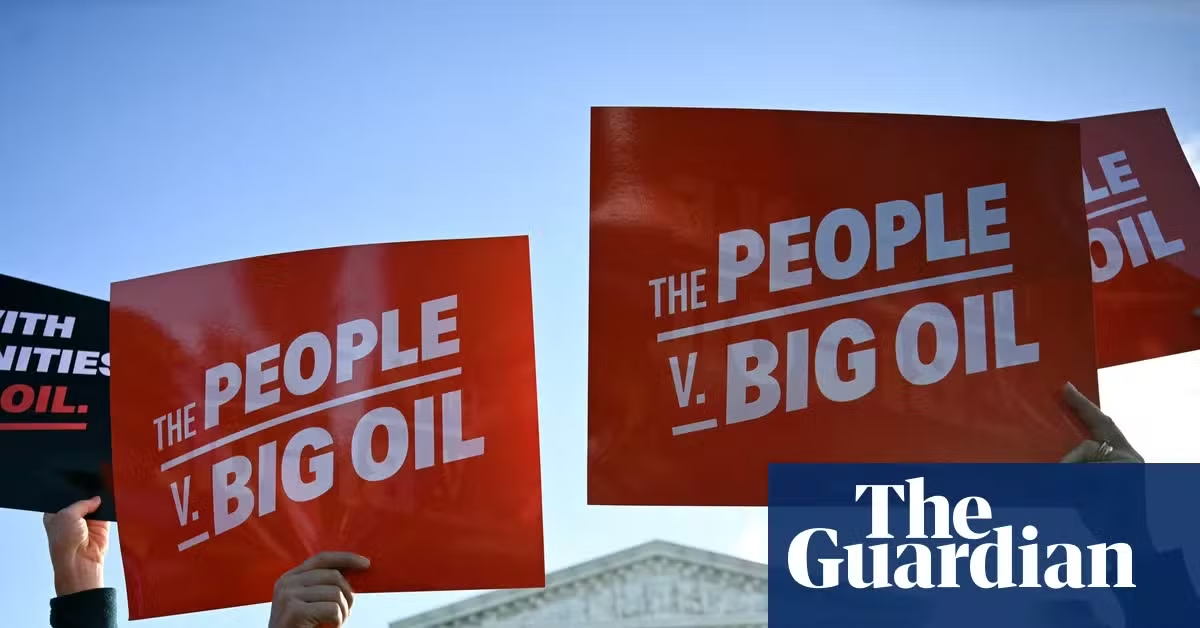
More than 120 climate scientists, in an open letter arranged by Michael Mann, are urging US lawmakers to vote no on the Bipartisan American Affordability and Jobs Act, saying its costs to the climate are too high. The 500-page bill, passed by the Senate and heading to a House vote, would fast-track energy projects and datacenters by cutting Clean Water Act and Endangered Species Act scrutiny and making approved projects nearly immune from being overturned by courts or future administrations, but it would also sideline challenges to oil pipelines and ICE detention centers. Supporters, including Democratic senator Sheldon Whitehouse, argue it unlocks gigaton-scale emissions cuts, $10bn in annual consumer electricity savings, and clean power the grid badly needs, while opponents, among them Al Gore, fear a surge in fossil fuel projects under Donald Trump, who backs the bill. Democrats opposed to the bill, including incoming committee chair Jared Huffman, are trying to amend it rather than kill it, though Republicans' hold on the House has largely eroded in the lame-duck session.
The outlook for the bipartisan reform bill darkens
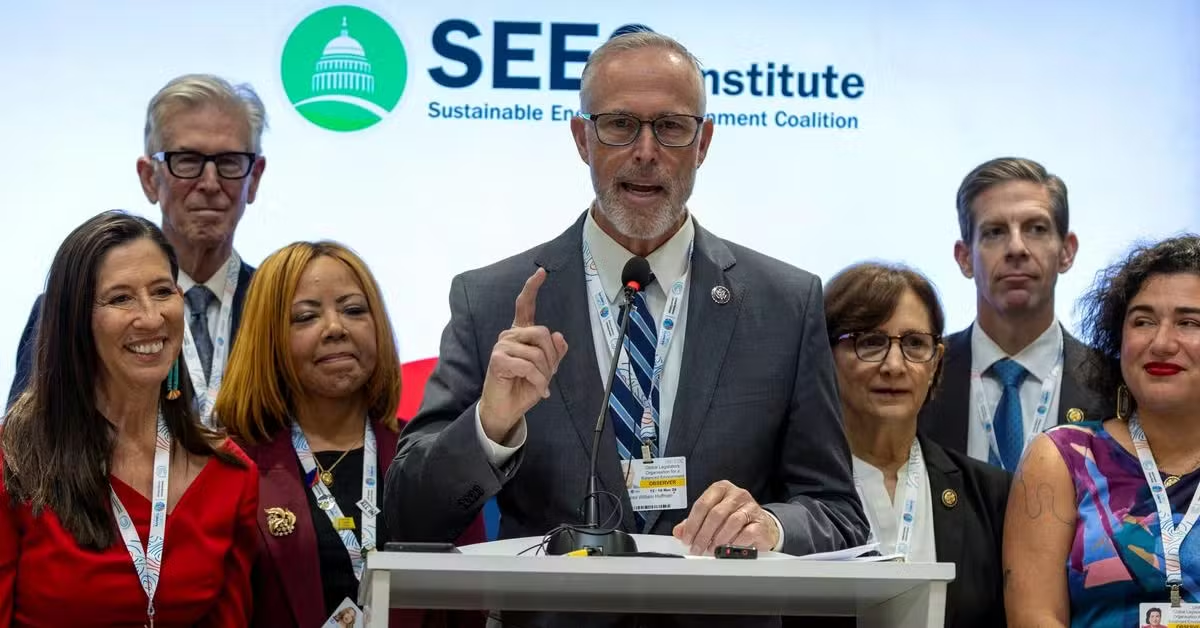
In its 24 November 2026 edition, Semafor's energy newsletter reports that the outlook is darkening for the bipartisan permitting reform bill the Senate passed the week before, with only a few weeks left before Democrats take control. Incoming House Natural Resources chair Jared Huffman calls the bill the most sweeping rollback of environmental laws ever, and Capstone DC's Charlotte Jenkins pegs its chance of lame duck passage at just 30%, since Speaker Mike Johnson's strategy relies on a procedural maneuver needing a two-thirds majority. Most of the edition is taken up by Jensen Huang's return as Nvidia CEO two weeks after his ouster over an affair with a suspected Chinese spy: President Trump dialed into the board's Sunday meeting to argue for his reinstatement, the stock jumped more than 30% in its biggest rise in two decades, and the comeback has widened schisms in the administration and drawn bipartisan calls for investigations, while Commerce put the company at the scandal's heart, Megaspeed, on the trade blacklist. Other items cover the EU and UK's deal to link their carbon markets from 2028, the Democratic Republic of Congo's renewed cobalt export ban, and German concern over intelligence reports that Russia is preparing to launch a nuclear weapon into space.
Climate scientists come out against BAAJA — and Sheldon Whitehouse
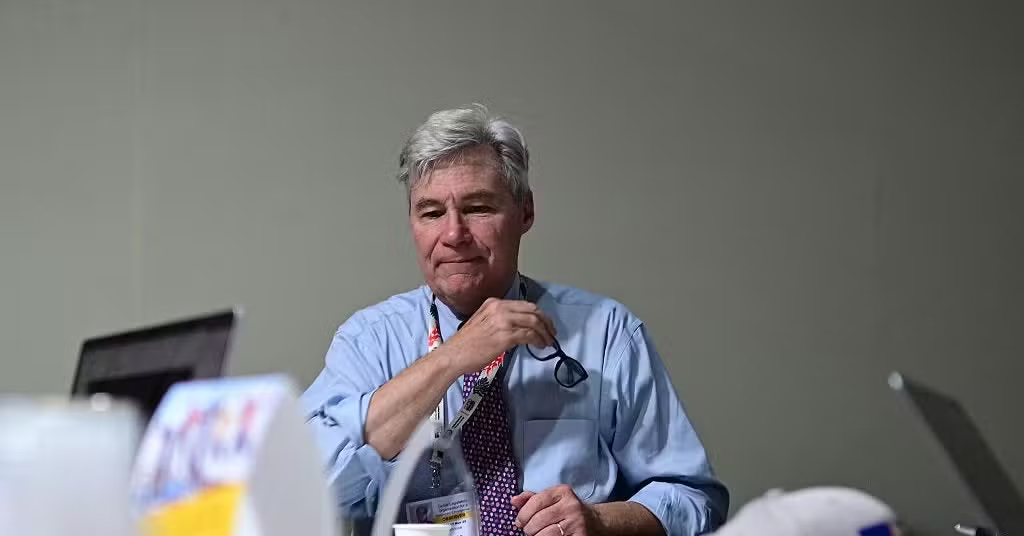
More than 100 climate scientists have signed an open letter urging the House to vote no on BAAJA, the sweeping permitting bill Senator Sheldon Whitehouse helped write and push through the Senate the week before publication, saying he is failing to heed the advice to listen to scientists he has delivered in over 300 floor speeches. The scientists, whose signatories include Michael Mann and Robert Brulle, researchers Whitehouse himself has cited, argue the bill would slow the transition to net zero by prolonging the fossil fuel era, making fossil fuel projects easier to build and harder to phase out, and they fault the Rhodium Group analysis Whitehouse cites as leaving out the bill's pollution effects. Whitehouse says he respects the scientists but points to gigaton-scale emissions reductions, clean power, consumer savings, and a $35 billion whack at data centers, while Mann and Brulle tell HEATED they feel betrayed by a longtime ally.
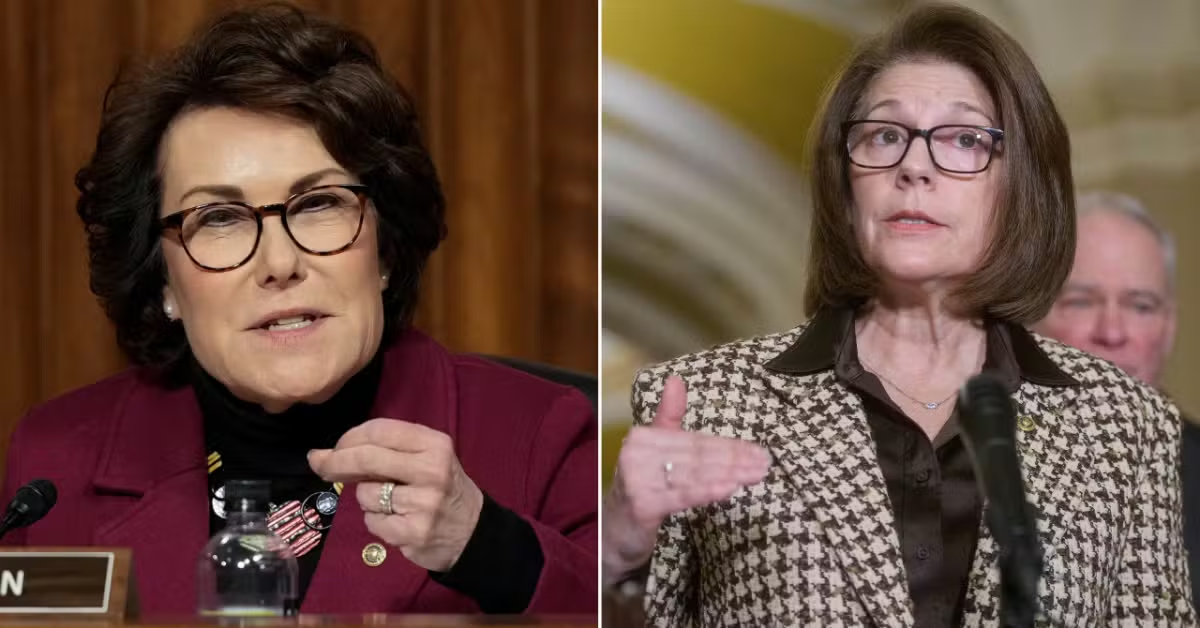
Nevada senators divided on permitting reform bill
Nevada's two Democratic senators came down on opposite sides of the Bipartisan American Affordability and Jobs Act of 2026, a major bill streamlining environmental rules for projects on federal lands. Catherine Cortez Masto voted no, saying in a statement that its changes to the National Historic Preservation Act undermine Tribal sovereignty and that there is no reason to threaten Tribal sovereignty to accomplish permitting reform. Jacky Rosen voted yes, saying Nevada, with the most solar jobs per capita and tremendous geothermal potential, stands to benefit, and that she tried but failed to remove the Historic Preservation Act sections. The bill passed the Senate 62-33, with 14 Democrats in favor, and now goes to the House, where amendments would send it back to the Senate before reaching President Trump, who supports it.
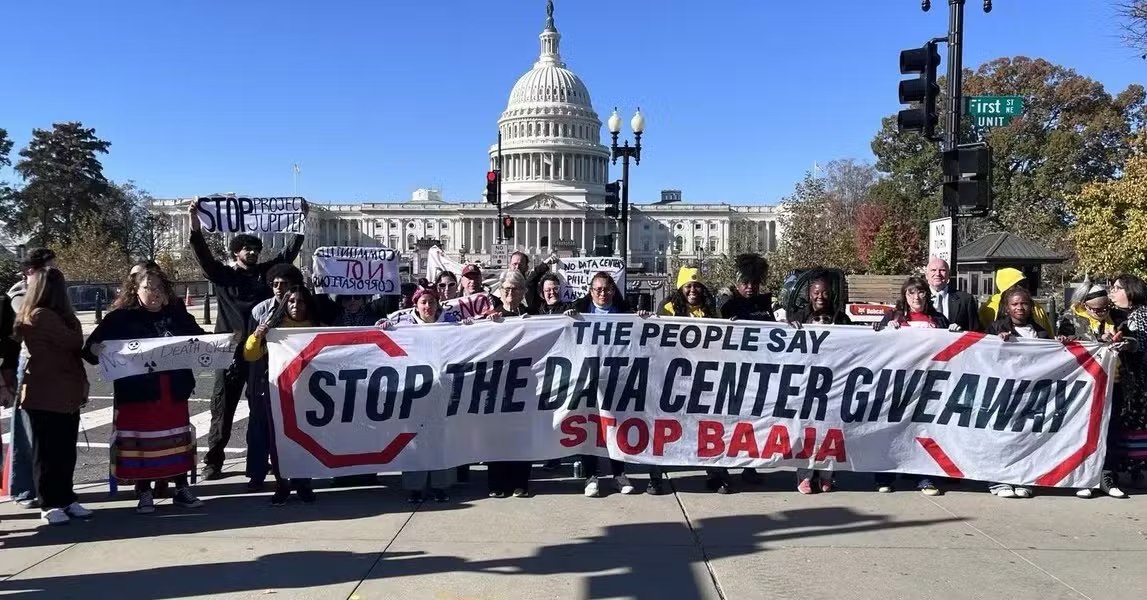
Are House Democrats Ready to Fight Permitting Reform Bill Backed by Big Oil and Trump? | Common Dreams
Common Dreams reports on whether House Democrats will fight the Bipartisan American Affordability and Jobs Act, a permitting reform bill backed by the Trump administration and hailed by the American Petroleum Institute, after it passed the Senate 62-33 with 15 Democratic caucus members joining Republicans. The bill now heads to the Republican-controlled House, where Democrats appear split: corporate Democrats like Jared Golden and Scott Peters want permitting reform now, while progressives such as Alexandria Ocasio-Cortez oppose the bill as written, and Speaker-designate Hakeem Jeffries says he is undecided because it 'falls short'. Opponents, including green groups and tribal nations, say the measure would weaken the Clean Water Act and the Endangered Species Act, restrict judicial challenges, and endanger sacred sites, while chief architect Senator Sheldon Whitehouse argues it would end data center freeloading and lower electricity bills. Opponents argue House Democrats, having just won control of Congress, should not help Trump enact legislation that could weaken environmental protections for decades when they could write their own permitting bill after the 120th Congress convenes in January.
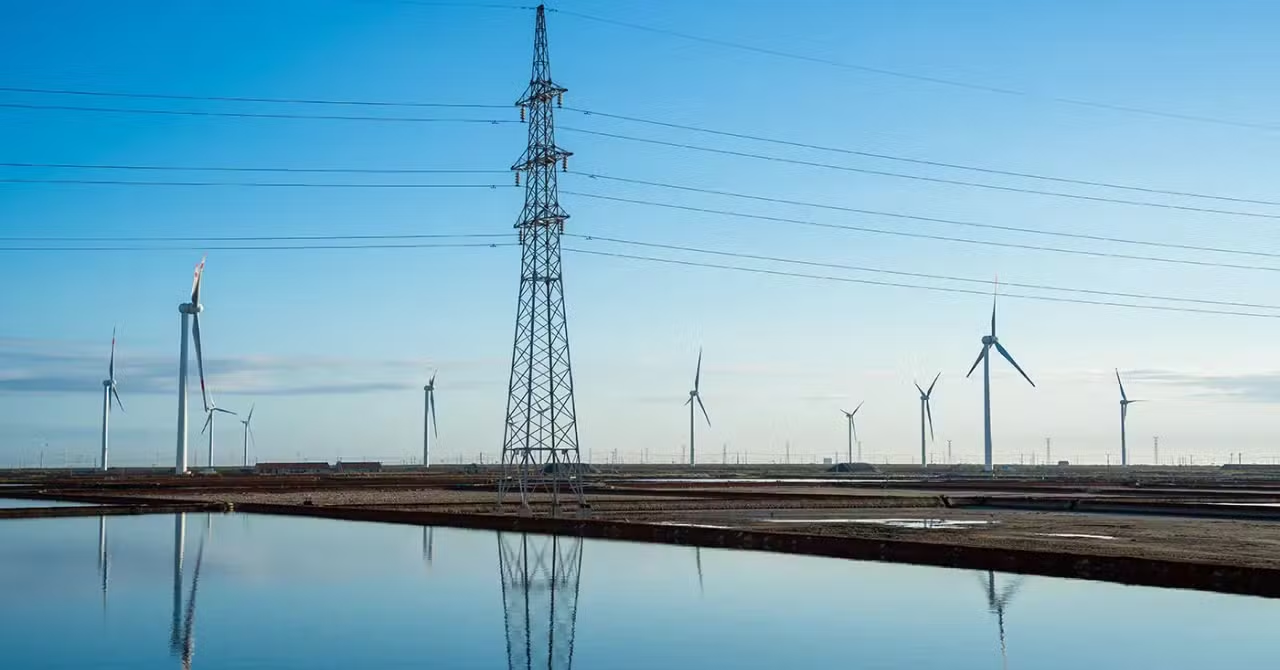
Trump hates wind power. A bill he supports may help it get built
A permitting bill President Donald Trump supports could force his own administration to move wind energy projects forward, despite his long opposition to wind power, which he has called 'worthless'. The Bipartisan American Affordability and Jobs Act, which passed the Senate and heads to the House, requires federal agencies to decide on projects within 45 days of an environmental review, lets developers sue over a pattern of 'disparate treatment' against an energy type, and is expected to prevent the administration from revoking existing wind permits. The administration has slowed wind projects through roadblocks at the Defense and Interior Departments, and the American Clean Power Association says its renewable pipeline is slowing as a result. Renewable energy backers such as Nat Keohane of the Center for Climate and Energy Solutions are confident the bill will bind the administration, and Rep. Scott Peters argues Trump is a two-year problem while the bill solves a decades-long infrastructure one.
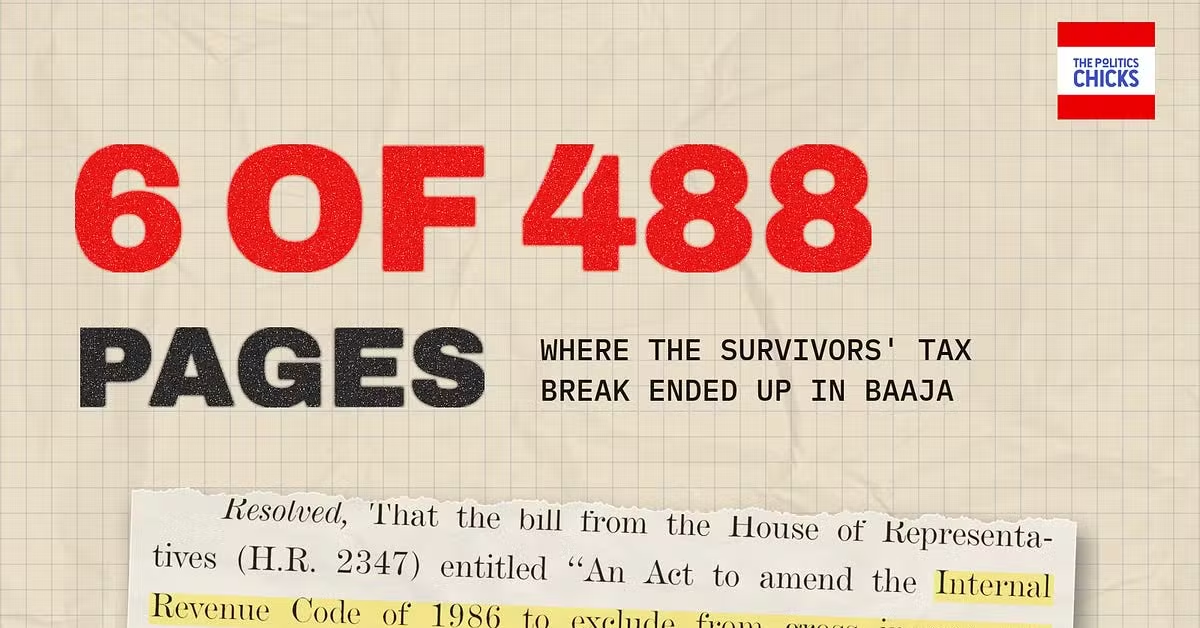
IN CASE YOU MISSED IT: The BAAJA Hides a Massive Permitting Overhaul Inside a Survivors Bill
In their updated article and six-minute video explainer, the Politics Chicks argue the Senate used a survivor tax bill as a shell to pass a sweeping permitting overhaul without hearings. On Nov. 19, 2026, the Senate voted 62 to 33 to replace the entire text of a House-passed bill shielding sexual assault survivors from taxes on damages with BAAJA, a 482-page rewrite of federal permitting that never got a hearing or markup, while the bill's official title still describes only the survivor tax provision kept as its last six pages. The overhaul would cut the window to sue over environmental reviews to 150 days, let federally approved power lines take state land by eminent domain, and curb state and tribal authority over water permits and sacred sites. The Politics Chicks say the bill should not pass this way, and the House must vote again before Jan. 3 or it dies.
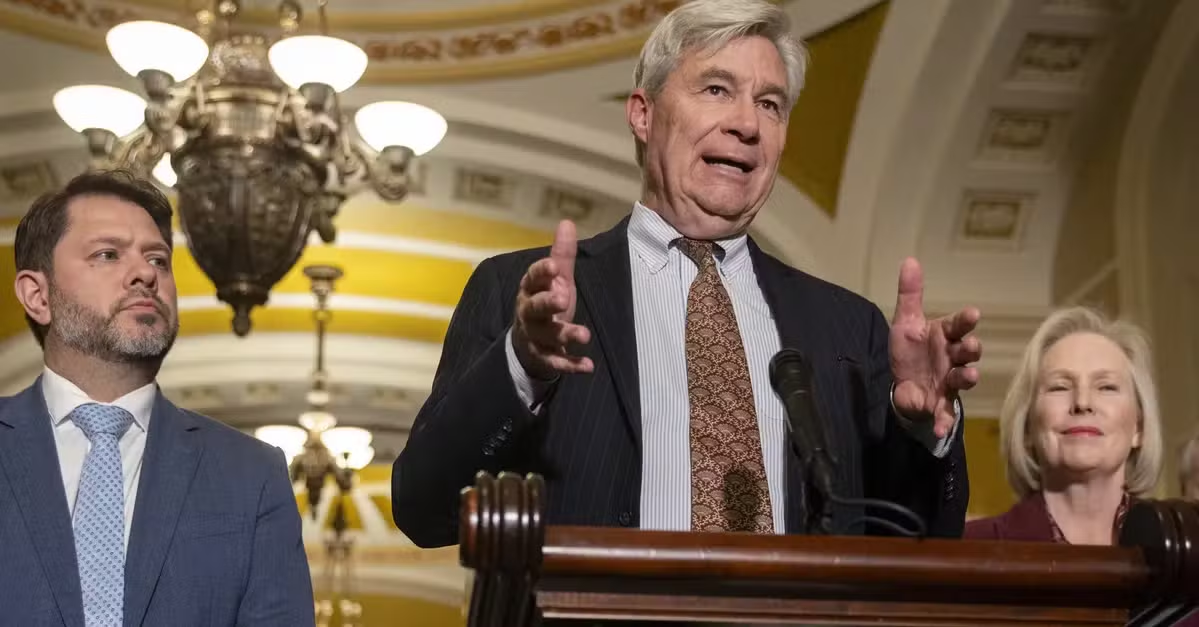
'Bullshit': The Very Wonky Bill That Sparked A Brawl Among Democrats
HuffPost reports the Senate passed the Bipartisan American Affordability and Jobs Act, a permitting bill to speed construction of wind turbines, power lines, and data centers, by 62 to 33 after one of the largest rounds of Democratic infighting in recent congressional memory. The bill eases federal approvals partly by making it harder for environmental and tribal groups to sue, while requiring data centers to absorb the costs of their grid upgrades. Progressive critics like Sen. Ed Markey say it rolls out a red carpet for data centers and betrays midterm voters, but Sen. Sheldon Whitehouse, a main author, calls the idea 'bullshit' and says the bill is a real limit on them. Tribal objections led Sen. Lisa Murkowski to negotiate protections, but Sens. Jeff Merkley and Ron Wyden blocked all amendments, so those changes never made it in, though she still voted yes. The bill seems likely to pass the House.

It’s a Bill on Energy Permits, but Trump’s Pet Projects Are Part of the Debate
A sweeping bipartisan permitting overhaul passed the Senate on Thursday, 62 to 33, and opponents warn it could clear the way for President Trump's pet projects, including a triumphal arch near Arlington National Cemetery and a new championship-level golf course in Washington. The bill would prevent judges from halting projects for violating the National Environmental Policy Act and the National Historic Preservation Act, the very laws opponents have cited in suits against Trump's projects, though courts could still block projects violating other laws that cause irreparable harm. Representative Jared Huffman says the bill as written wipes away critical tools for stopping the president's vanity projects, while backers including Vice President JD Vance argue it will let the United States build like never before, and one study estimated it could cut household electricity bills by up to $78 per year by 2040. Trump has said he would sign the bill despite railing against provisions that could speed wind farm construction, and its fate in the House is less certain.
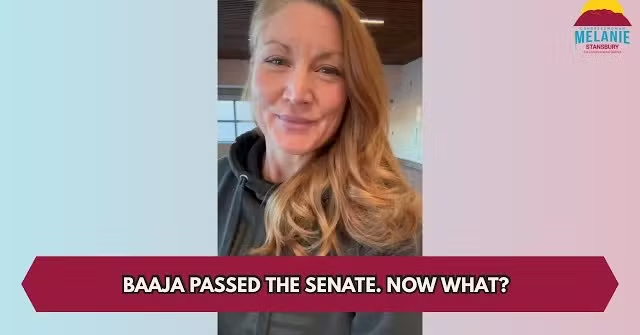
Rep. Stansbury: BAAJA Has Passed the Senate. Now What?
In a video message, Rep. Melanie Stansbury calls on viewers to oppose the permitting bill BAAJA, which cleared the Senate the night before and now moves to the House. She calls it a bad bill at a bad time, saying amendments stripped out some of its transmission benefits, and says it is opposed by every major environmental organization, tribes and tribal leaders, civil rights groups including the NAACP and the ACLU, New Mexico's entire House delegation, its attorney general, and state legislative environmental caucuses. She warns the bill puts at risk communities' ability to voice opposition to harmful projects, tribes' protection of sacred sites, tribal sovereignty, and protections for rivers and endangered species. She says the next few days are critical as the bill comes to the House, and urges viewers to call their House members and speak up.
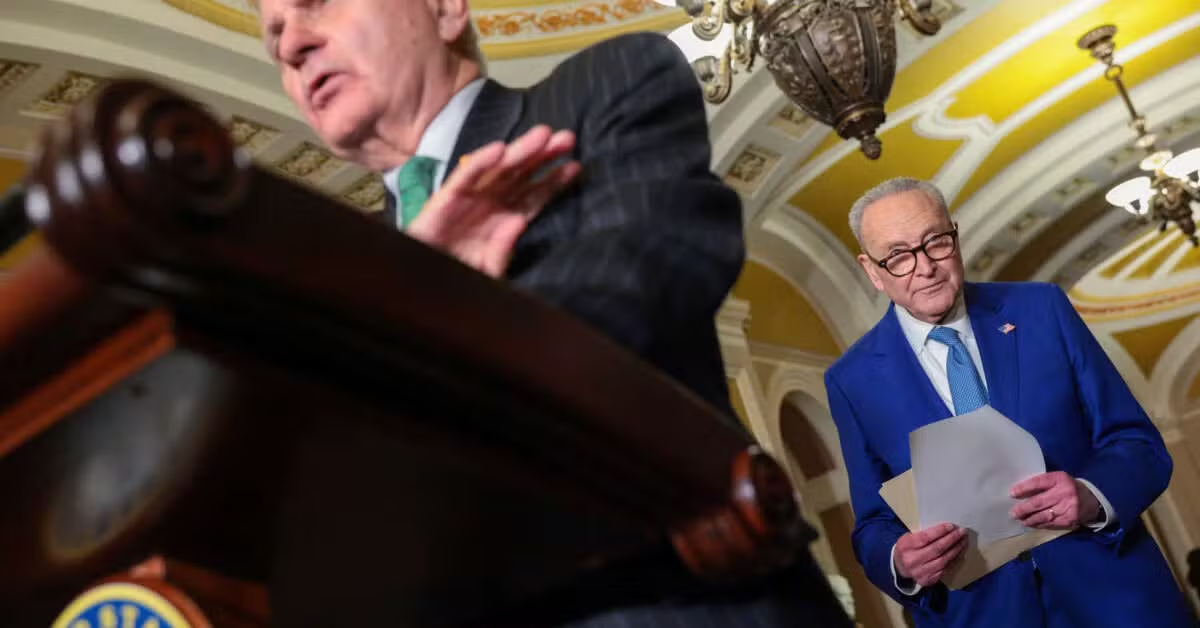
15 Democrats Join GOP to Pass Big Oil-Backed Permitting Bill in the Senate
The Republican-controlled Senate passed the Bipartisan American Affordability and Jobs Act 62-33, with 15 Democrats joining nearly every Republican on a bill that would weaken the Clean Water Act, the Endangered Species Act, and other environmental laws to speed energy projects including gas pipelines and data centers. Opponents, including Friends of the Earth's Erich Pica, who called it a "giant giveaway" to polluters, urged the House to reject the bill.

Scalise backs Senate-passed permitting bill
POLITICO's Inside Congress newsletter leads with House Majority Leader Steve Scalise backing the bipartisan Senate-passed permitting overhaul for energy projects, approved 62-33 on Nov 19, and Speaker Mike Johnson's push for full GOP attendance after 11 of 14 members missing recent votes won't return next year. Democrats preparing to take House control are investigating Nvidia over the halted Megaspeed chip-diversion probe, pushing a DOJ whistleblower program for prediction-market insider trading, urging agencies to preserve Signal messages, and drafting a plan to cut off Iran war funding in a shutdown-avoiding spending deal.
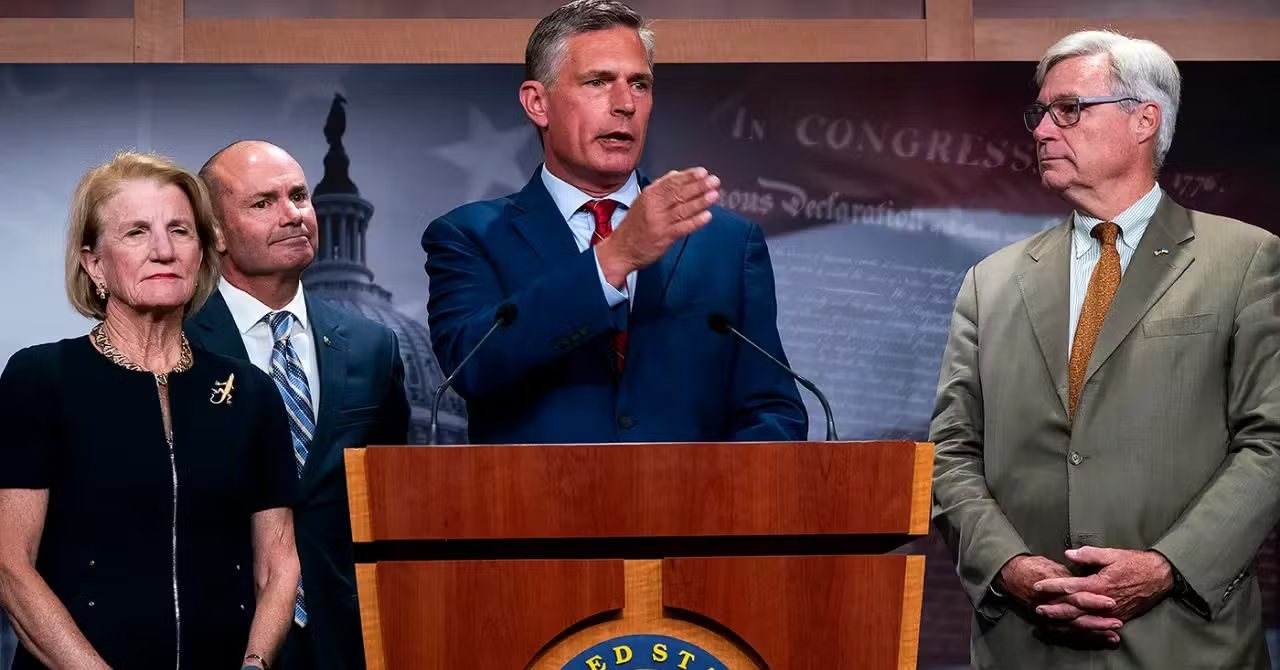
These 14 Democratic senators voted to loosen environmental laws to speed up energy build-out
The Senate voted late on November 19, 2026 to pass a bipartisan bill meant to speed up the nation's energy and infrastructure build-out, including by loosening environmental laws, and fourteen Democrats plus Maine's Angus King, who caucuses with Democrats, voted yes. Spearheaded by Sheldon Whitehouse, Martin Heinrich, Shelley Moore Capito, and Mike Lee, the bill rewrites parts of the Clean Water Act, the National Environmental Policy Act, and the Endangered Species Act, makes it harder for the EPA and states to block projects on environmental grounds, and makes it more difficult to sue over projects. Most Democrats opposed the bill, citing its loosening of environmental laws, reduced tribal input, and potential to bolster fossil fuel infrastructure, while its Democratic supporters point to analyses projecting lower U.S. emissions and savings of $50 to $78 a year on electric bills in 2040.
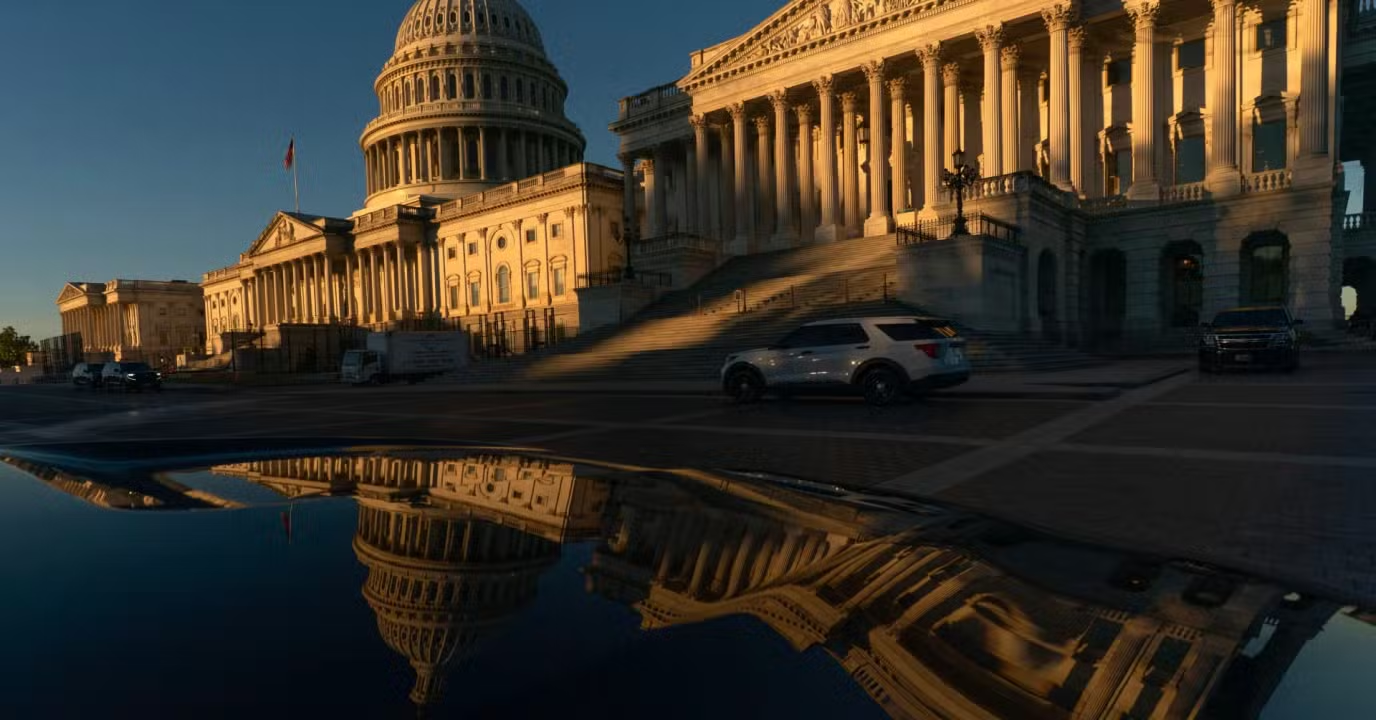
US Senate passes bill to speed up energy project approvals
The US Senate voted 62-33 on 19 November 2026 to pass the Bipartisan American Affordability and Jobs Act, which would shorten federal reviews of energy projects, limit court challenges, change environmental laws including the National Environmental Policy Act, and require large AI data centres to pay more grid-upgrade costs. Critics, including the Sierra Club, Jen Duggan, and Senator Maria Cantwell, warn it would weaken environmental and tribal protections and favour fossil fuels, while some Democrats urge waiting until January for stronger legislation.
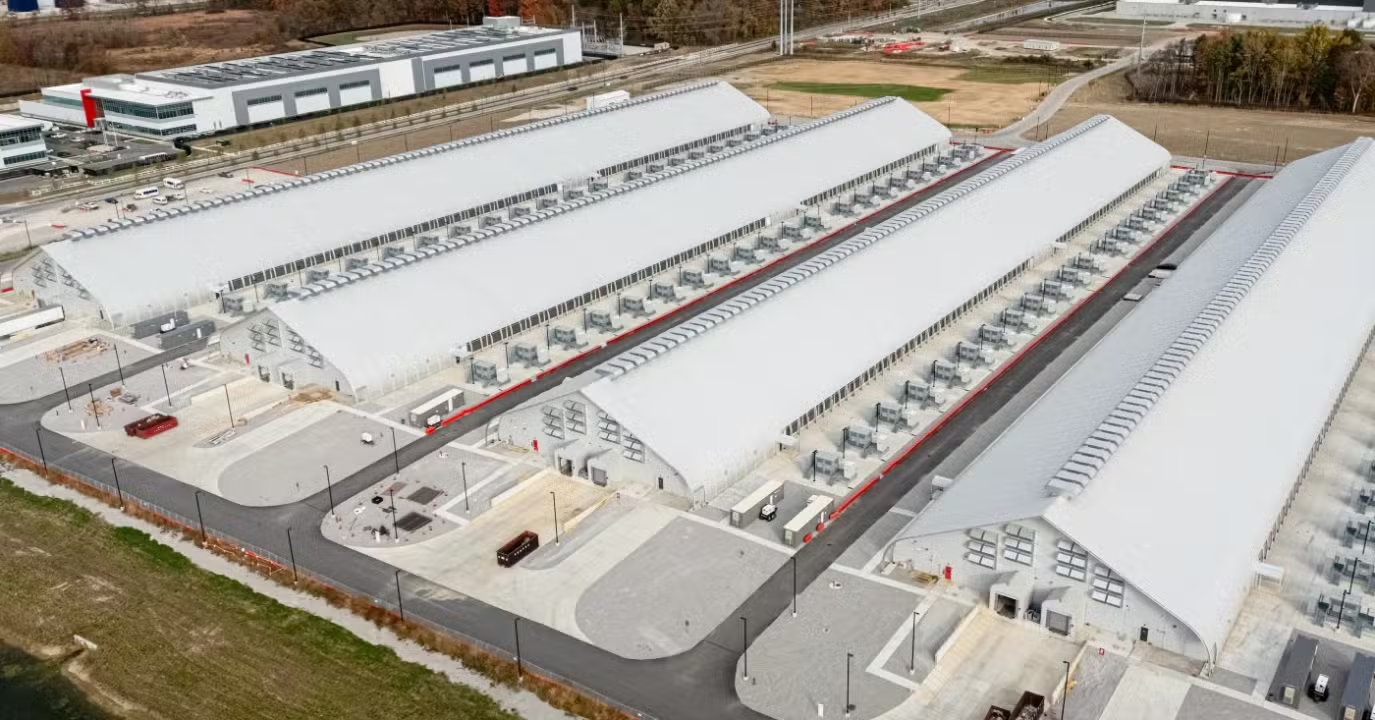
Senate passes bipartisan energy bill amid environmental concerns
The Senate passed the Bipartisan American Affordability and Jobs Act 62-33 on 19 November 2026, a bill to speed approvals of data centers and power plants as energy costs rise with AI-driven demand; it now heads to the House. Environmental groups, many Democrats, and tribal-rights concerns oppose it, while co-authors like Shelley Moore Capito and Sheldon Whitehouse say it will ease Americans' energy bills.
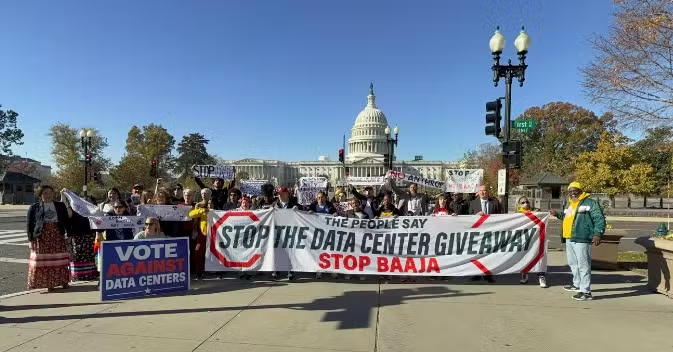
Despite Strong Tribal Opposition, U.S. Senate Approves BAAJA in Late-Night Vote
Native News Online reports that the U.S. Senate passed the Bipartisan American Affordability and Jobs Act of 2026, 62-33, late on November 19, sending it to the House despite strong Tribal opposition. Tribal leaders and Senator Alex Padilla, who voted no, say the bill threatens Tribal sovereignty, while proponents say it will speed energy infrastructure and lower costs.

15 Senate Democrats Help Republicans Pass 'Giant Giveaway to Big Tech and Polluters' | Common Dreams
The US Senate passed the Bipartisan American Affordability and Jobs Act 62-33, with 15 Democrats joining Republicans to weaken the Clean Water Act, the Endangered Species Act, and other environmental laws to speed energy projects like gas pipelines and data centers. Critics including Friends of the Earth's Erich Pica call it a giveaway to Big Tech and polluters, and opponents urge the House to reject it.

FAFO for Dems now?
A political commentary video from Parkrose Resistance argues that, less than a week after Democrats won the midterms, Chuck Schumer and 21 other Senate Democrats moved to advance the Baja bill, a measure the host says would gut the Clean Water Act, the National Environmental Policy Act, and tribal review to hand power to big data centers and fossil fuel projects. The host claims Democrats support it for a handshake deal with Donald Trump on renewables, while Sheldon Whitehouse and Martin Heinrich, who partnered with Mike Lee on the bill, hold a financial stake. Quoting Naomi Klein, the video notes the Senate vote came the day before Anthropic's IPO even though 43 of 44 anti-data-center ballot initiatives passed. The host urges listeners to call 877961949 and tell Congress to vote no, and says the movement's next two years should go to unseating corporate Democrats like Whitehouse and Heinrich.

Senate OKs bill to speed energy projects, make data centers pay their way
USA Today reports the Senate passed the Bipartisan American Affordability and Jobs Act 62-33 on Nov. 19, 2026, speeding federal energy project reviews while requiring data center developers to pay extra for grid access. Tribal, environmental, and anti-data center groups object, and its House prospects look uncertain.

Senate passes BAAJA permitting reform bill backed by AI, energy sectors
The Senate passed the Bipartisan American Affordability and Jobs Act of 2026, 62-33, a permitting and transmission reform bill backed by AI and energy interests that now heads to the House and that CNBC calls a crucial step for energy and tech construction. The bill split Democrats weeks after the midterms gave them majorities in both chambers, and is projected to lower energy costs while weakening some environmental laws.
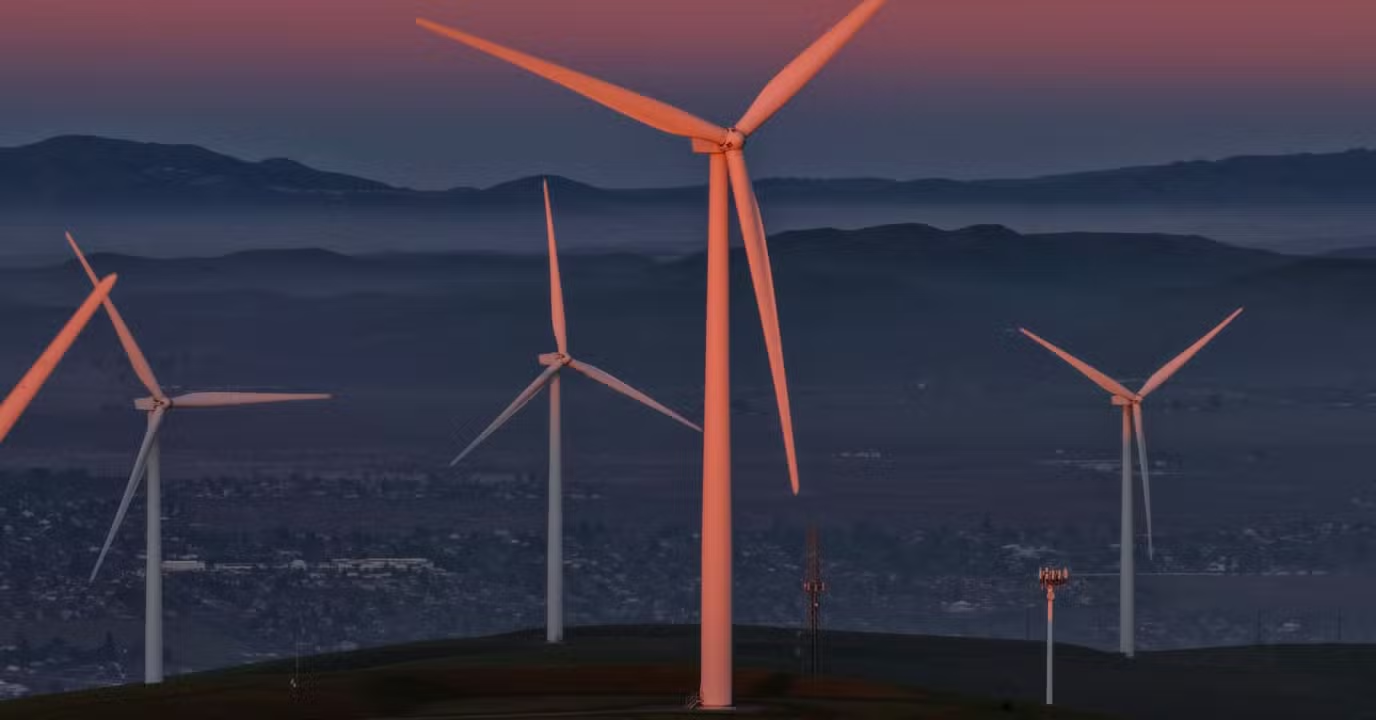
Senate passes BAAJA permitting reform bill backed by AI, energy sectors
CNBC reports the Senate passed the Bipartisan American Affordability and Jobs Act of 2026, 62-33, a long-sought bill easing environmental permitting and overhauling transmission rules that both clean energy and fossil fuel groups cheered and the AI industry stands to benefit from. The vote split Democrats weeks after they took both chambers, with Chuck Schumer among supporters and climate groups and tribes objecting, and the bill next heads to the House and President Trump, with Rhodium Group estimating it would add 17 to 249 gigawatts of clean energy by 2040.

Senate votes to weaken environmental laws to speed up energy projects
The Washington Post reports that the Senate passed legislation on Thursday to speed up energy projects, housing, roads, and other infrastructure by weakening bedrock environmental laws, with backing from more than a dozen Democratic senators and most Republicans. The bill is billed as a bid to make American life more affordable and lower electricity prices.

Senate passes landmark permitting deal
The Senate passed a bipartisan permitting bill 62-33 on 19 November 2026, easing approvals for infrastructure and energy projects; negotiated by Capito, Lee, Heinrich, and Whitehouse, S. 5653 expands federal transmission authority and shortens environmental reviews. It now heads to a divided House, where Mike Johnson will try passage under suspension during the lame duck.
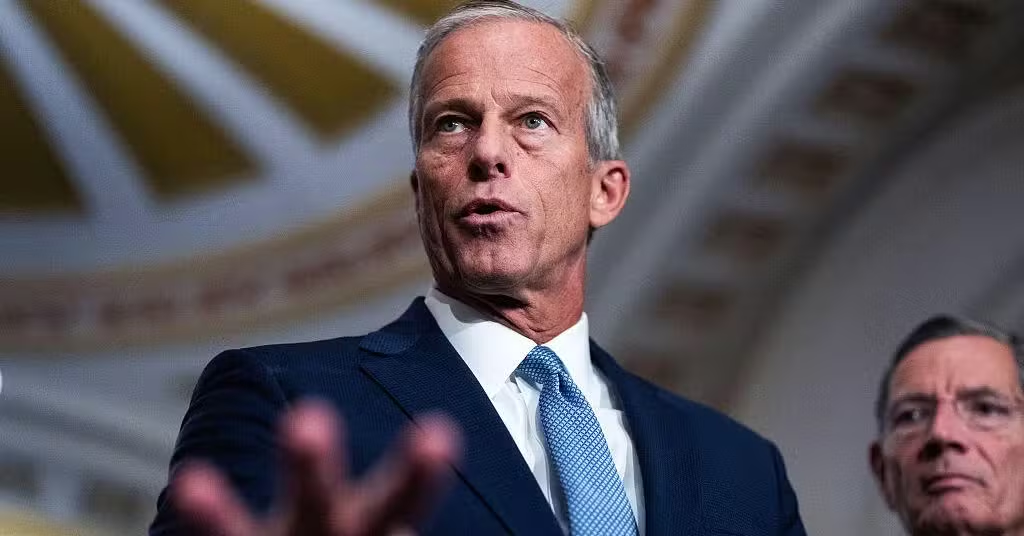
Senate passes bipartisan permitting reform bill designed to boost energy projects
CBS News reports that the Senate passed a long-sought bipartisan permitting reform bill, 62 to 33, designed to speed up infrastructure and energy projects, with 15 Democrats joining nearly all Republicans. President Trump supports the deal, but the bill faces an uncertain path in the House, where some Republicans cite grid-related changes and Democrats including Jeff Merkley warn it could weaken environmental protections and boost fossil fuel projects.
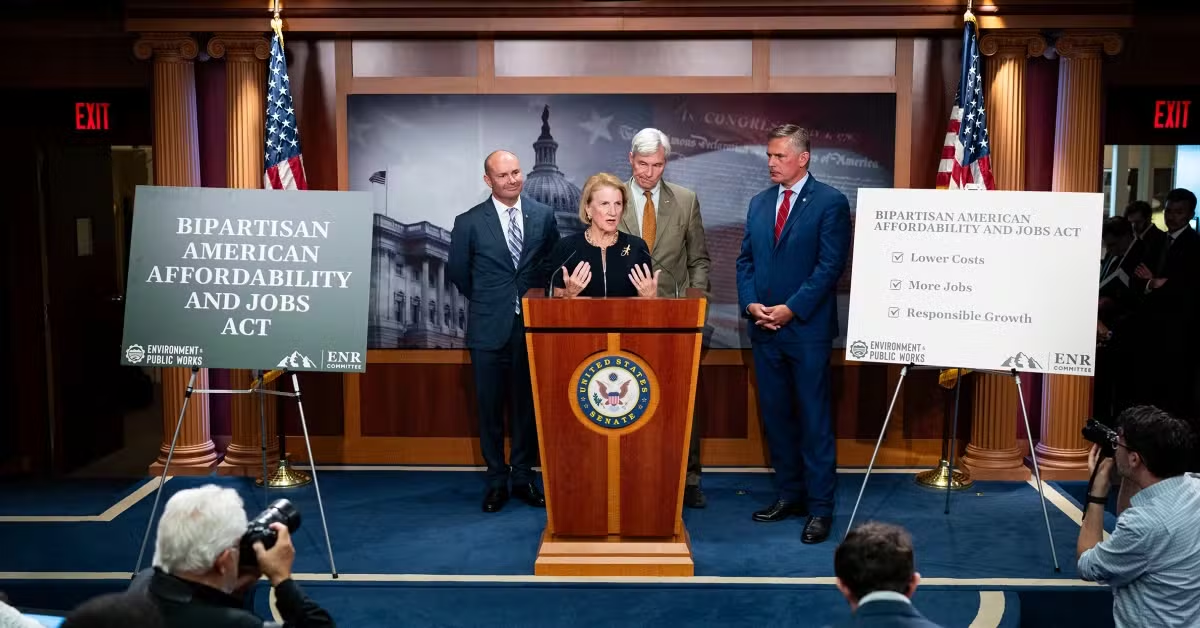
Senate passes sweeping bill simplifying permitting rules to build in America
The Senate voted 62-33 on Nov. 19, 2026 to pass the Bipartisan American Affordability and Jobs Act, a bill speeding environmental reviews, easing permitting for energy and infrastructure projects, and restricting agencies' power to revoke permits, over opposition from some environmental and tribal groups. House passage remains uncertain, though Scalise sees a good chance of it reaching Trump's desk.
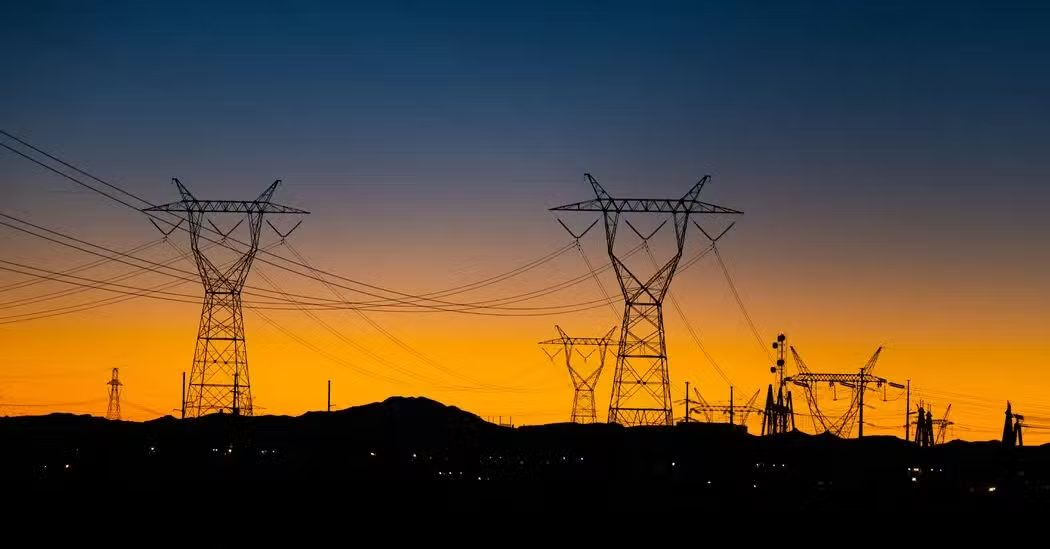
Senate Passes Major Permitting Bill to Speed Up Energy Projects
The New York Times reports that the Senate passed a sweeping permitting overhaul, 62 to 33, to speed federal approvals of projects from gas pipelines to power lines by amending landmark environmental laws, after months of bipartisan negotiations led by Senators Mike Lee, Shelley Moore Capito, Sheldon Whitehouse and Martin Heinrich. Native American tribes, the Sierra Club and most Democrats opposed the bill, which experts called the biggest change to environmental law in a generation and which still faces an uncertain fate in the House.
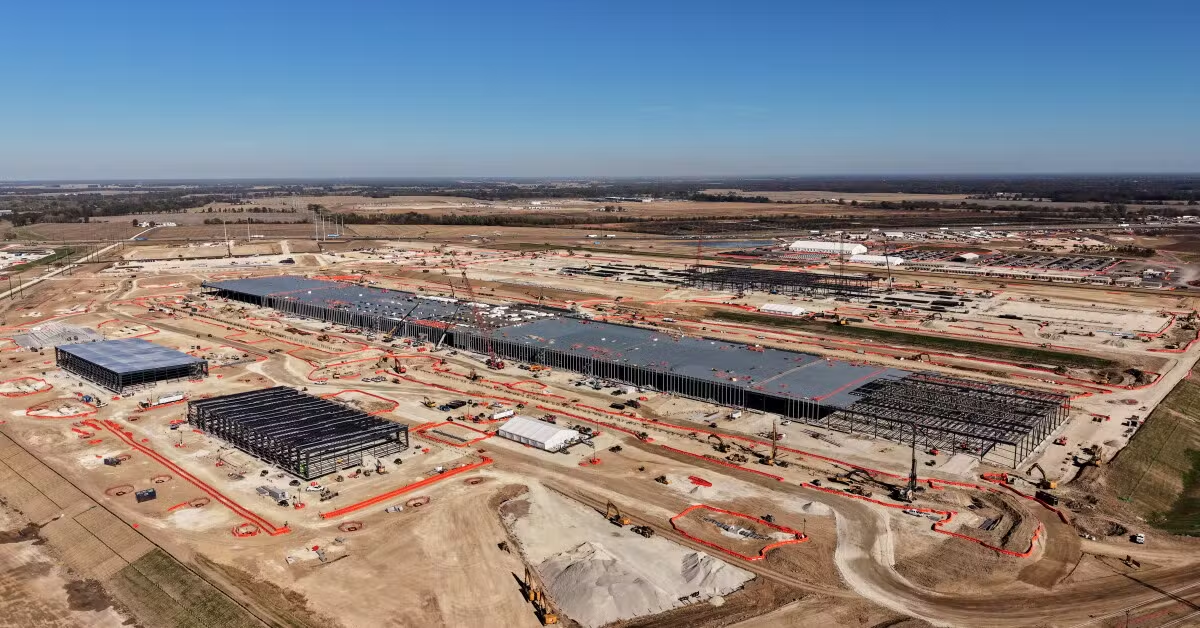
Senate backs bill to speed up permitting reviews, force data centers to pay for energy costs
The Senate passed a bipartisan bill on 19 November 2026 to shorten federal permitting reviews for energy projects and make data centers pay for the energy they use, sending it to the House after midterms that repudiated Trump and congressional Republicans. Environmental groups and Democratic senators including Maria Cantwell and Jeff Merkley say it weakens safeguards and locks in fossil fuels, while backers argue it will lower utility bills.

How the Bipartisan Permitting Bill Could Drive Up Natural Gas Exports - Inside Climate News
Inside Climate News reports that a bipartisan permitting bill moving through Congress could drive up U.S. natural gas exports at a time when exports are already surging and LNG is the fastest-growing source of gas demand. The Bipartisan American Affordability and Jobs Act would make it harder for states and tribes to modify or reject pipeline permits, restrict legal challenges, and make it much harder for a future administration to pause approving new gas exports. Rhodium Group modeling projects exports could grow an additional 8 to 15 percent if the bill becomes law, with a buildout of new pipelines mostly oriented to exports, on top of LNG exports already expected to roughly double by 2040. Proponents say the bill would speed renewables and transmission and cut climate pollution, but environmental groups warn it would lock in a wave of LNG exports whose climate effect depends on what the gas displaces.
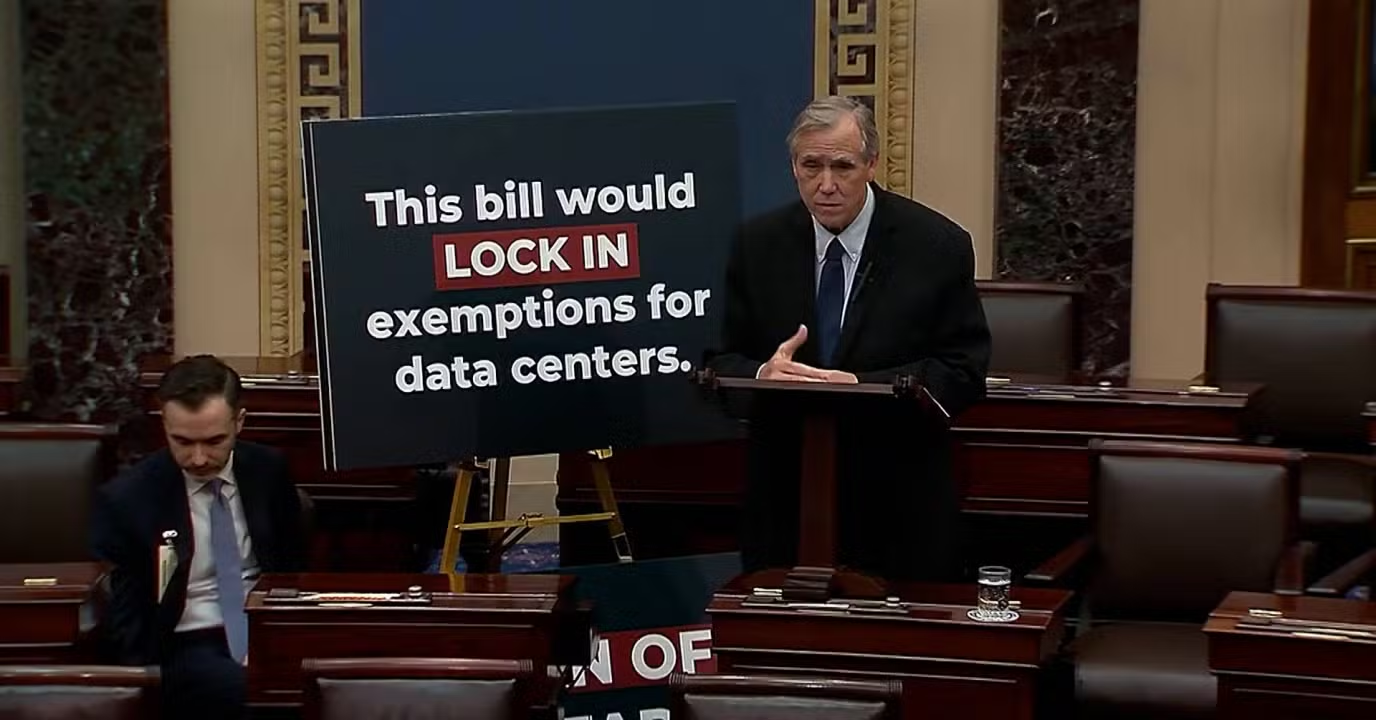
Senate Passes Permitting Reform Bill with Support of 14 Democrats, Including Leader Chuck Schumer
Democracy Now!'s November 20, 2026 headlines lead with Senate passage of a permitting reform bill that would weaken environmental laws to speed approval of housing, roads, energy projects and other infrastructure. The Bipartisan American Affordability and Jobs Act passed 62-33 with 14 Democrats in favor, including Leader Chuck Schumer, and would ease building of transmission lines and wind and solar farms as well as fossil fuel plants and data centers, including on public lands. Native groups say it threatens tribal sovereignty, Food & Water Watch demanded Schumer step down as Democratic leader, and the bill now goes to the House. Other headlines cover the Senate's rejection of a war powers resolution on Iran, a COP31 draft text stripped of any reference to fossil fuels, Russian strikes on bridges in Kyiv, Israeli attacks that have killed at least 22,000 children since 2023, a botched hour-long Texas execution, Florida's record 20 executions this year, and the assassination of Costa Rican journalist Camilo Rodríguez.
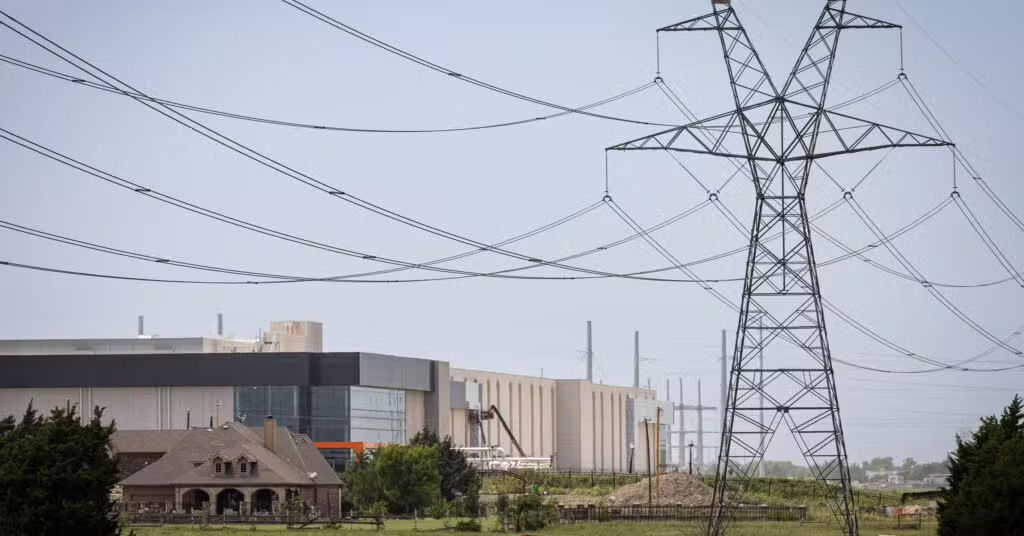
Data Center Impact Hotly Contested in Federal Permitting Fight - Inside Climate News
In a news report, Inside Climate News writes that data centers have become the flashpoint in the fight over the Bipartisan American Affordability and Jobs Act, which the Senate passed 62-33 with 14 Democrats in favor. Progress stalled over an amendment by Sen. Ron Wyden to ban data centers on federal land, which Republican leaders blocked from a floor vote, and opponents like Sen. Edward Markey warn the bill would speed data center development and lock in Trump administration plans to site them on Western public lands. New peer-reviewed research out the week of the vote, from Harvard researchers, found the 400 largest US data centers emit 25.7 million metric tons of carbon dioxide a year, two to three times previous estimates. Bill authors Sen. Sheldon Whitehouse and Sen. Martin Heinrich argue the law will supercharge clean energy and end data center freeloading by requiring developers to pay grid costs, while critics note the bill weakens environmental review and that planned on-site gas plants at data centers, up to 177 gigawatts by one count, fall outside its models.

Why the Heck Is Kyrsten Sinema at the Senate Right Now?
In a New Republic blog roundup led by the question of why former Senator Kyrsten Sinema is back at the Senate, The Washington Sun reported she is urging her former colleagues to support the Bipartisan American Affordability and Jobs Act, which would fast-track energy and infrastructure approvals, and while she co-chairs the AI Infrastructure Coalition, a group of tech companies advocating for energy-hungry data centers, she is not a registered lobbyist. Her spokesperson says she has no client and no compensation, but a watchdog suspects she has a vested interest in the bill for a client or someone else. The post also reports that a Guardian investigation found Kristine Blanche, wife of Attorney General Todd Blanche, selling unproven supplements while overseeing a $170 million health board budget, and that Trump administration officials intervened to secure a $2.5 million IRS lawsuit payout for five plaintiffs, two tied to Trump businesses, after Trump's own lawsuit produced a $1.776 billion slush fund that a court had supposedly already killed. At confirmation hearings, Trump nominees Michael LoSapio and Michael Chamberlain refused to say the Capitol was attacked on January 6, 2021, shocking lawmakers. The roundup adds that the Federal Highway Administration announced $100 million in congestion grants, then removed pricing language from its press release within hours.

Senate standoff threatens permitting deal’s bipartisan support
Politico's Inside Congress newsletter reports a Senate standoff threatening the bipartisan permitting reform bill, which would speed building of energy projects and other infrastructure. Oregon Democrats Jeff Merkley and Ron Wyden are withholding consent for a time agreement needed to proceed to 19 amendment votes, with Wyden pushing a vote on his amendment to ban data centers from public lands and Merkley seeking votes on more of his amendments. Some Democrats, including Sen. Brian Schatz, say their support depends on getting votes on changes, and Wyden writes on X that Republicans are blocking his amendment. A senior GOP aide says the onus is on the two senators, and the newsletter expects the bill will likely still pass the Senate but without recent negotiated changes, complicating the bipartisan backing supporters see as critical in the House.
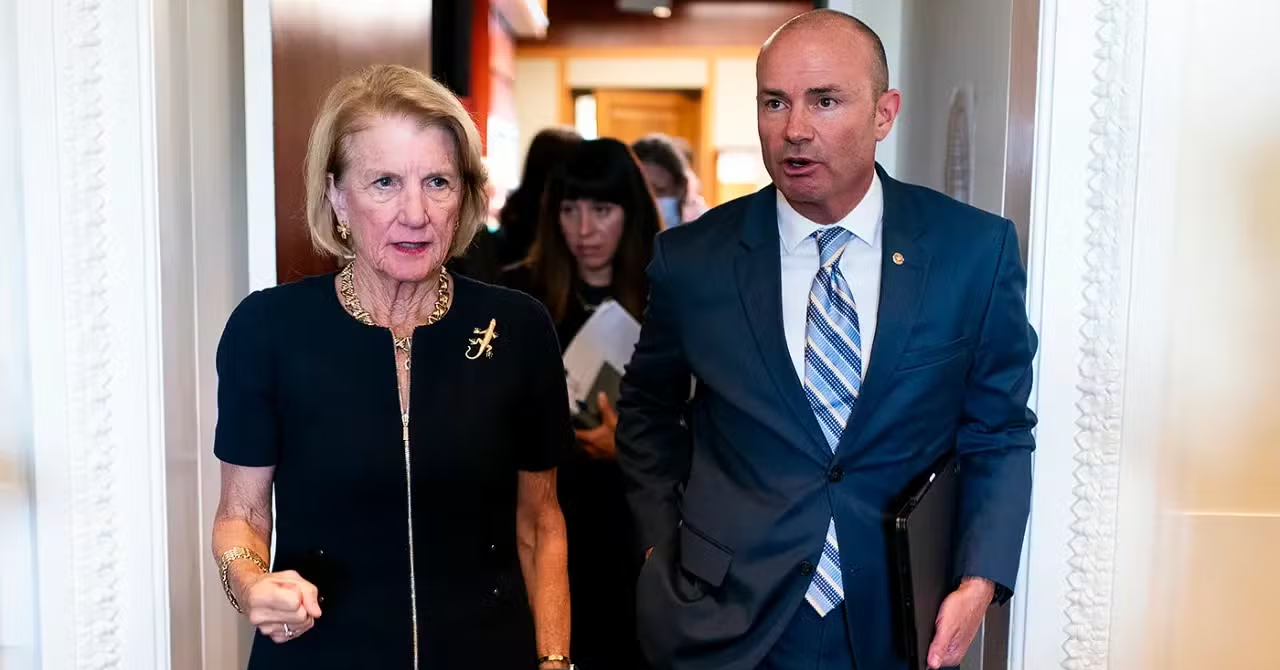
BAAJA passes another procedural vote
The Hill's Energy & Environment newsletter reports the Senate advancing the Bipartisan American Affordability and Jobs Act 65-31 in a procedural vote, with Josh Hawley and Mike Rounds the only Republicans opposed, as Rachel Frazin writes that support appears to be dropping off and tribes seek changes to its historic preservation provisions. The newsletter also flags Lisa Murkowski's concerns about Trump's Interior watchdog nominee — whom its headline calls unusually political — and upcoming hearings on FEMA readiness and space weather.
Senate Permitting Bill Authors Seek Data Center Exemption
The authors of a sweeping Senate bill to overhaul federal approval of major energy projects are proposing an exemption that would let some data centers avoid the legislation's requirement to pay for power-grid upgrades. Under the five-paragraph change, the carve-out would cover data centers that primarily provide internet or cable access, telecommunications, or other communications-related services.
What Congress’ bill to speed up energy projects would mean for you
Grist explains the Bipartisan American Affordability and Jobs Act, a permitting reform bill the Senate just passed that could make it much faster to build transmission lines, renewable energy, and other large infrastructure. It would speed environmental and historic reviews, narrow what agencies must consider, restrict who can sue, curb states' power to block interstate power lines, and let the federal government override states that resist them. The bill has split Democrats and climate advocates: supporters, including climate senators and clean energy companies, say faster reviews are needed to build the grid, while critics, from environmental groups to dozens of tribes, warn it would weaken public scrutiny and speed fossil fuel projects too. The bill still needs the House and the president's signature, and its fate there is uncertain, though if it passes Congress President Donald Trump supports it; it dies if not signed before the new year.
Fast-Tracked BAAJA Puts Tribal Sovereignty, Lands at Risk
Native News Online reports that the fast-tracked Bipartisan American Affordability and Jobs Act, written without tribal consultation, would strip protections for tribal sacred sites and sovereignty, drawing fierce opposition from Tribal Nations as the Senate moves it toward a final vote. Title III would rewrite Section 106 of the National Historic Preservation Act, cutting the six-year statute of limitations to 150 days, narrowing who can sue, and barring courts from halting projects even after finding agencies broke the law, while the bill also weakens National Environmental Policy Act review. The bill was introduced by Sen. Shelley Moore Capito with co-sponsors including Sen. Martin Heinrich, who championed the SunZia project and received contributions from Pattern Energy's CEO and PAC, and on November 16, 2026 the Senate voted 70-27 to advance it. Tribal leaders, including Laguna Pueblo Governor Harry A. Antonio Jr. and the National Association of Tribal Historic Preservation Officers' Ira L. Matt, say the bill guts tribal consultation and are urging Congress to remove Title III or stop the bill.
21 Dem Senators Join GOP to Move Forward Bill to Speed Up Data Center Permits
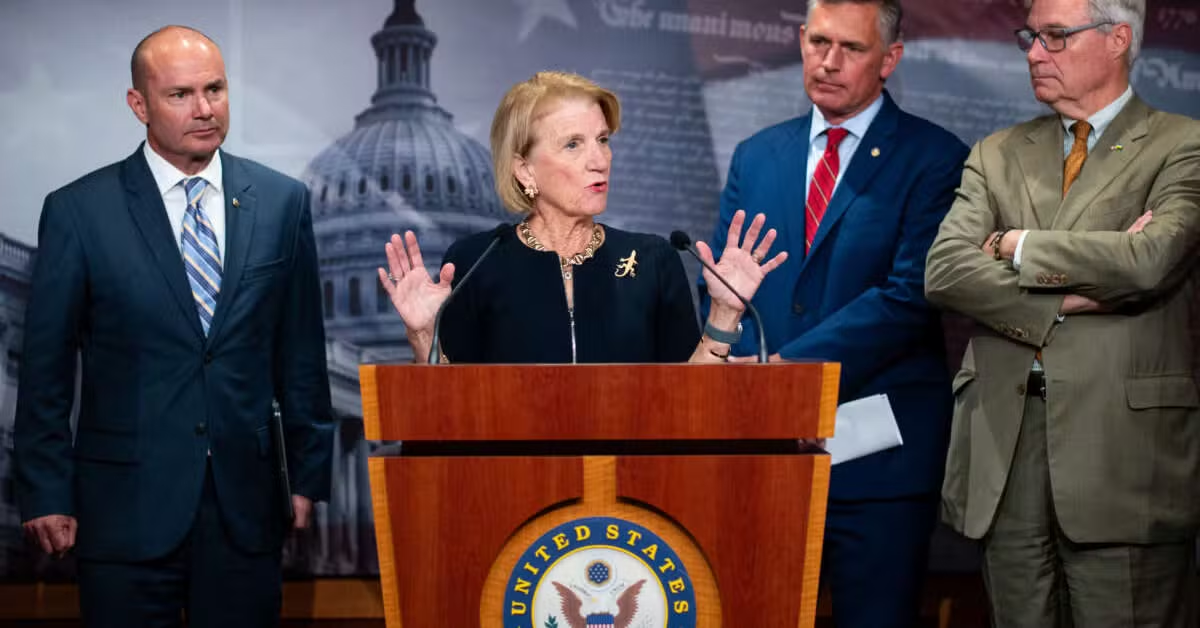
Twenty-one Democratic senators joined Republicans on Monday to end debate on the Bipartisan American Affordability and Jobs Act, a permitting bill that would weaken environmental safeguards to speed federal approval of energy projects, including fossil fuel infrastructure and data centers. The bill is backed by the oil lobby, tech giants, the Trump White House, and major labor unions, and faces opposition from House progressives including the Congressional Progressive Caucus, which says it would undermine Tribal sovereignty and roll back laws like the Clean Water Act and the Endangered Species Act. Days before the vote, around 100 environmental and energy law scholars warned Senate Democratic leadership the bill would inflict permanent, sweeping damage on the nation's core environmental laws. Catherine Cortez Masto, who voted to advance the bill earlier, opposed the cloture motion and says she will vote against final passage unless its changes to the National Historic Preservation Act are removed. Opponents urge lawmakers to pause the bill until Democrats take control of Congress in January.
We can do better. We should not pass this permitting bill. Join me live on the Senate floor.
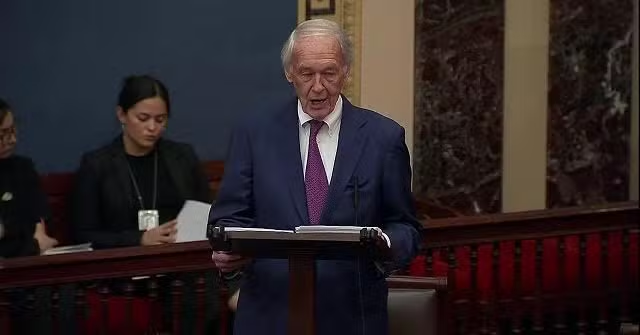
In a Senate floor speech posted online, Senator Markey urges colleagues to vote no on a permitting bill billed as cutting federal permitting costs and time. He argues the bill would strip communities of any real power to stop unwanted projects by eliminating the ability to vacate permits under the National Environmental Policy Act and the National Historic Preservation Act, leaving lawsuits that can only send a permit back for edits, never kill it. He says even the bill's supporters' own models show only modest or non-existent benefits: electricity savings of about $4 to $6 a month by 2040, a potential 1.4% increase in clean energy against a current projected 70,000 MW a year, and a Rhodium model finding emissions could even rise 1%. Citing proposals for 17 data centers on more than 17,000 acres of public land across six western states, and a doubling of proposed gas plants for data centers to 189,000 MW this year, he calls the bill a boom for dirty energy and warns it would lock in Trump's agenda beyond any future administration.
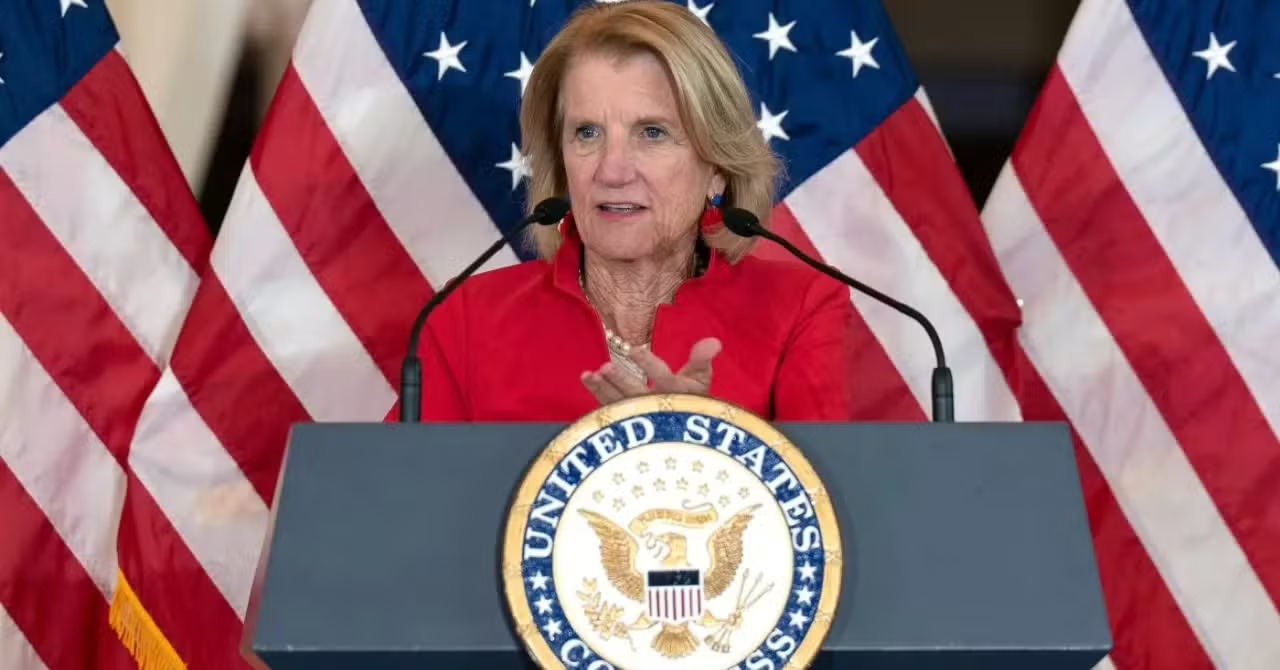
Senate takes big step toward passing permitting reform package
The Senate voted 70-27 on November 16 to advance a bipartisan permitting reform bill that would speed energy, mining, and infrastructure projects while limiting environmental challenges and boosting transmission capacity, with final Senate passage expected before the Thanksgiving recess. The bill still faces House hurdles — Rep. Jared Huffman and other Democrats oppose it — though environmental groups like the Sierra Club are against it, industry groups and unions back it, and President Trump, who has vowed not to approve wind turbines regardless, is expected to sign it.

Many liberals hate this bill to overhaul permitting. Democrats may help pass it anyway.
A bill to overhaul permitting for infrastructure projects, which could make it easier and faster to build energy infrastructure, advanced in the Senate in the week before this article's publication. Republicans and Democrats support it because both want to speed development, even though many liberals oppose the bill. Left-leaning groups argue it will gut environmental protections, and commenters voice particular concern that its Title III could weaken environmental and historical protections. Democrats may nonetheless help pass it anyway.
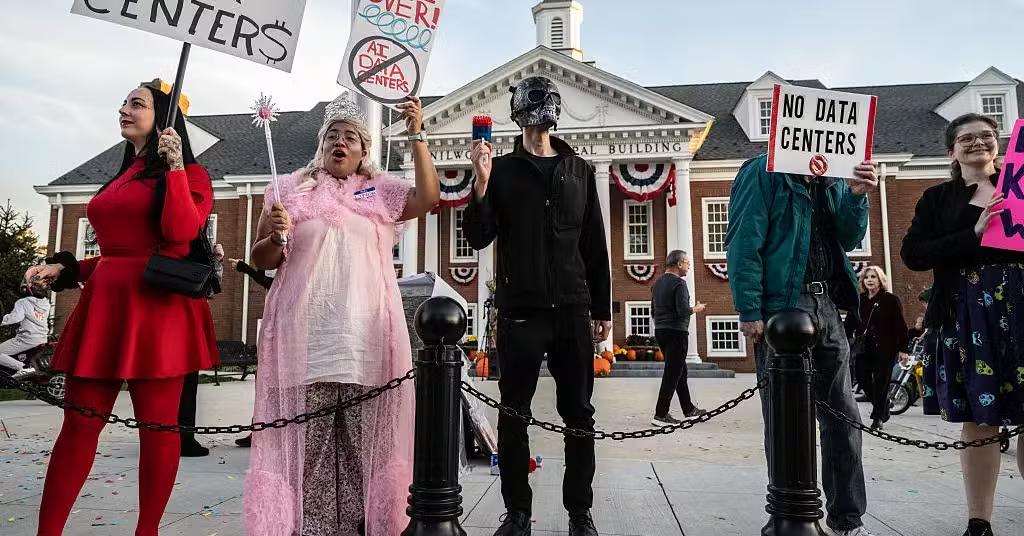
Congress’s Permitting Bill Is a ‘Massive Giveaway’ to the AI Data Center Industry, Critics Warn
A TIME article by Andrew R. Chow reports that the Senate voted in November 2026 to advance BAAJA, a bipartisan bill easing construction of energy infrastructure, which critics warn is a massive giveaway to the AI data center industry. The bill modernizes the grid and forces data centers to pay transmission costs, about $55 billion over ten years, but strips back environmental protections. Critics like Allie Rosenbluth of Oil Change International say it creates a backdoor for fossil fuels and defies midterm voters who opposed data centers, while supporters including Senator Sheldon Whitehouse say the day of data center freeloading ends with its passage and clean energy policies follow in 2027. Donald Trump urged the Senate to pass the bill, which still faces amendments, the House, and his signature.

Urgent: The Bipartisan Effort to Quietly Erode Environmental and Tribal Protections - Natural Causes | iHeart
In an urgent episode of Natural Causes, host James and Water Protector Legal Collective lawyer Natalie Segovia warn that the Bipartisan American Affordability and Jobs Act, which advanced in the Senate on a 73 to 25 vote on 9 November 2026, would strip protections for land, water, and Indigenous people of their teeth. They say the bill curtails four cornerstone laws: the National Environmental Policy Act, the National Historic Preservation Act, the Clean Water Act, and the Endangered Species Act, removing the right to sue over violating permits, eliminating injunctive relief, and stretching some permits from five to ten years without review. Segovia says its Title III would redefine sacred sites in ways that could leave places such as Mauna Kea and Chaco Canyon unprotected and let the Interior Department take over tribal historic preservation offices, which tribes call an affront to tribal sovereignty. She urges people to call their senators before the new Congress is inaugurated in January 2027, and James says the bill simply has to be defeated.

Senate votes to advance bipartisan permitting reform bill
Politico's Inside Congress newsletter reports the Senate voted 73-25 to advance a bipartisan permitting reform bill, despite Democratic objections over tribal sovereignty and changes to the National Environmental Policy Act. It also covers an ethics report on Rep. Lance Gooden, the push to impeach Pete Hegseth, Senate leadership races, and a House Freedom Caucus wish list.

ACLU warns permitting bill could give way to ICE detention centers
POLITICO's Inside Congress newsletter leads with the ACLU's warning that the bipartisan Senate permitting bill, set for a procedural vote the week of November 9, could ease the expansion of ICE detention centers by sparing projects from environmental review — an argument a Whitehouse spokesperson rejects and Hakeem Jeffries' opposition complicates. It also rounds up House and Senate leadership races after Democrats' midterm wave, including AIPAC's heavy losses.

Jeffries opposes Senate permitting deal, demands more House input
Politico's Inside Congress leads with House Minority Leader Hakeem Jeffries opposing the Senate permitting reform bill over changes to environmental law and tribal sovereignty, ahead of a Nov 9 Senate procedural vote. The newsletter also covers Sen. Blumenthal's compliance letters to crypto firms and Trump officials, Republicans' post-midterm leadership fights, AIPAC's heavy Nov 3 losses, and Democrats' races for House committee gavels.
A new bill could change how the US builds energy infrastructure
A bipartisan Senate bill, the Bipartisan American Affordability and Jobs Act, would overhaul the slow federal permitting process for energy projects and is scheduled for a Senate vote on November 9. Its 417 pages narrow which projects need federal permits, set deadlines, and cover transmission planning and mining, and the largely technology-neutral bill opens doors for both fossil fuels and renewables. It has two Republican and two Democratic Senate sponsors, White House backing, and support from clean energy groups like the American Clean Power Association, though some environmental groups oppose it or parts of it. Analyses diverge on the climate effect: Rhodium Group found it could cut economy-wide emissions 4% in the best case while staying flat in the worst, Resources for the the Future found power-sector emissions could fall 6% by 2041, and Purdue's Kevin Kircher modeled that energy-sector emissions would have been higher in 2025 under the bill. MIT Technology Review writes that easier permitting means more clean energy but more natural gas too, and that when it comes to emissions it still really matters what exactly gets built.

