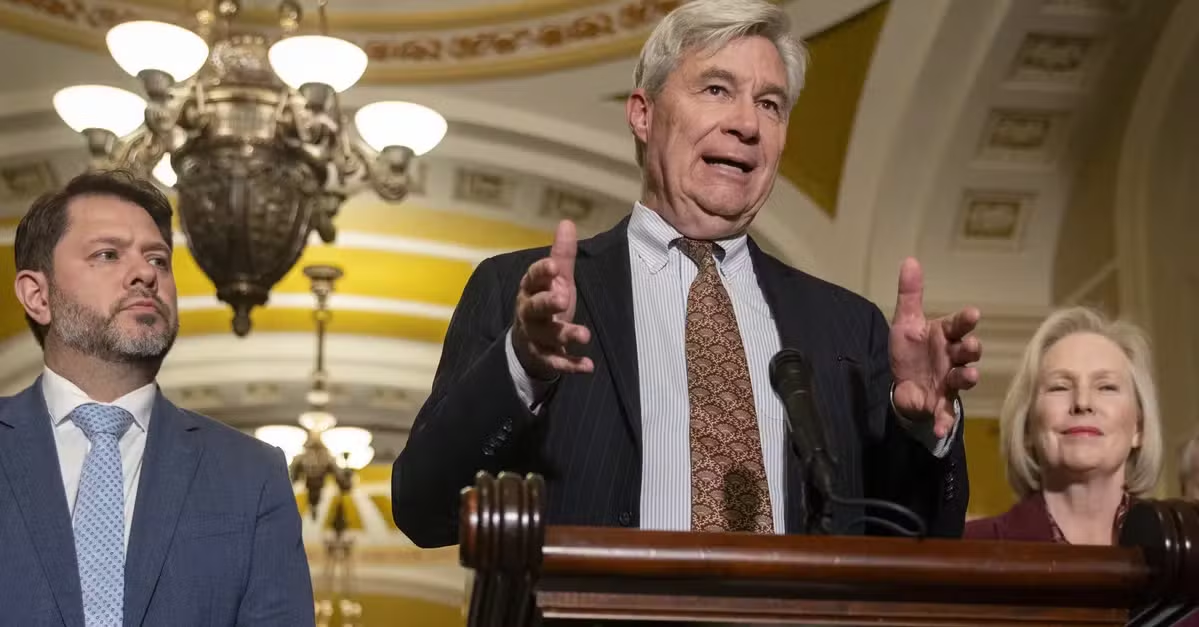
'Bullshit': The Very Wonky Bill That Sparked A Brawl Among Democrats
HuffPost reports the Senate passed the Bipartisan American Affordability and Jobs Act, a permitting bill to speed construction of wind turbines, power lines, and data centers, by 62 to 33 after one of the largest rounds of Democratic infighting in recent congressional memory. The bill eases federal approvals partly by making it harder for environmental and tribal groups to sue, while requiring data centers to absorb the costs of their grid upgrades. Progressive critics like Sen. Ed Markey say it rolls out a red carpet for data centers and betrays midterm voters, but Sen. Sheldon Whitehouse, a main author, calls the idea 'bullshit' and says the bill is a real limit on them. Tribal objections led Sen. Lisa Murkowski to negotiate protections, but Sens. Jeff Merkley and Ron Wyden blocked all amendments, so those changes never made it in, though she still voted yes. The bill seems likely to pass the House.

It’s a Bill on Energy Permits, but Trump’s Pet Projects Are Part of the Debate
A sweeping bipartisan permitting overhaul passed the Senate on Thursday, 62 to 33, and opponents warn it could clear the way for President Trump's pet projects, including a triumphal arch near Arlington National Cemetery and a new championship-level golf course in Washington. The bill would prevent judges from halting projects for violating the National Environmental Policy Act and the National Historic Preservation Act, the very laws opponents have cited in suits against Trump's projects, though courts could still block projects violating other laws that cause irreparable harm. Representative Jared Huffman says the bill as written wipes away critical tools for stopping the president's vanity projects, while backers including Vice President JD Vance argue it will let the United States build like never before, and one study estimated it could cut household electricity bills by up to $78 per year by 2040. Trump has said he would sign the bill despite railing against provisions that could speed wind farm construction, and its fate in the House is less certain.
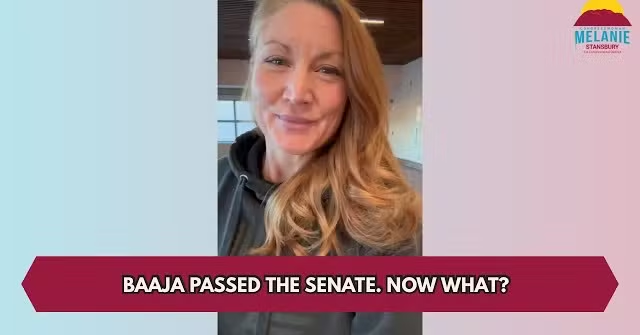
Rep. Stansbury: BAAJA Has Passed the Senate. Now What?
In a video message, Rep. Melanie Stansbury calls on viewers to oppose the permitting bill BAAJA, which cleared the Senate the night before and now moves to the House. She calls it a bad bill at a bad time, saying amendments stripped out some of its transmission benefits, and says it is opposed by every major environmental organization, tribes and tribal leaders, civil rights groups including the NAACP and the ACLU, New Mexico's entire House delegation, its attorney general, and state legislative environmental caucuses. She warns the bill puts at risk communities' ability to voice opposition to harmful projects, tribes' protection of sacred sites, tribal sovereignty, and protections for rivers and endangered species. She says the next few days are critical as the bill comes to the House, and urges viewers to call their House members and speak up.

15 Democrats Join GOP to Pass Big Oil-Backed Permitting Bill in the Senate
The Republican-controlled Senate passed the Bipartisan American Affordability and Jobs Act 62-33, with 15 Democrats joining nearly every Republican on a bill that would weaken the Clean Water Act, the Endangered Species Act, and other environmental laws to speed energy projects including gas pipelines and data centers. Opponents, including Friends of the Earth's Erich Pica, who called it a "giant giveaway" to polluters, urged the House to reject the bill.

Scalise backs Senate-passed permitting bill
POLITICO's Inside Congress newsletter leads with House Majority Leader Steve Scalise backing the bipartisan Senate-passed permitting overhaul for energy projects, approved 62-33 on Nov 19, and Speaker Mike Johnson's push for full GOP attendance after 11 of 14 members missing recent votes won't return next year. Democrats preparing to take House control are investigating Nvidia over the halted Megaspeed chip-diversion probe, pushing a DOJ whistleblower program for prediction-market insider trading, urging agencies to preserve Signal messages, and drafting a plan to cut off Iran war funding in a shutdown-avoiding spending deal.
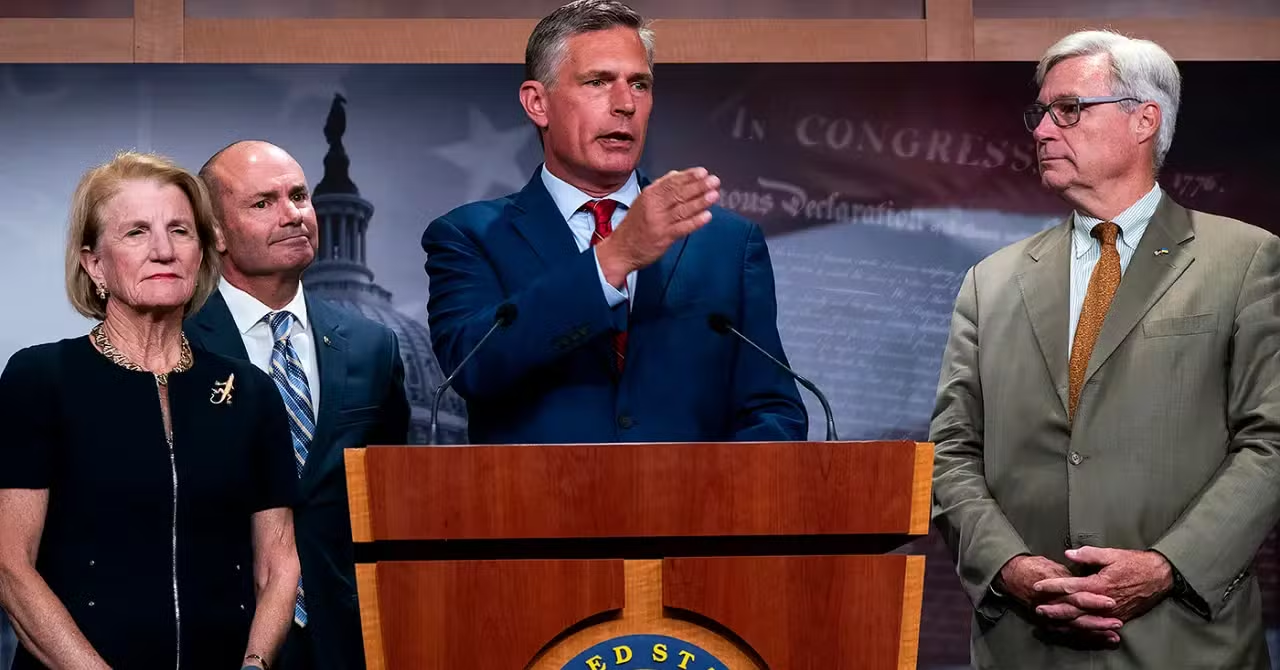
These 14 Democratic senators voted to loosen environmental laws to speed up energy build-out
The Senate voted late on November 19, 2026 to pass a bipartisan bill meant to speed up the nation's energy and infrastructure build-out, including by loosening environmental laws, and fourteen Democrats plus Maine's Angus King, who caucuses with Democrats, voted yes. Spearheaded by Sheldon Whitehouse, Martin Heinrich, Shelley Moore Capito, and Mike Lee, the bill rewrites parts of the Clean Water Act, the National Environmental Policy Act, and the Endangered Species Act, makes it harder for the EPA and states to block projects on environmental grounds, and makes it more difficult to sue over projects. Most Democrats opposed the bill, citing its loosening of environmental laws, reduced tribal input, and potential to bolster fossil fuel infrastructure, while its Democratic supporters point to analyses projecting lower U.S. emissions and savings of $50 to $78 a year on electric bills in 2040.
US Senate passes bill to speed up energy project approvals
The US Senate voted 62-33 on 19 November 2026 to pass the Bipartisan American Affordability and Jobs Act, which would shorten federal reviews of energy projects, limit court challenges, change environmental laws including the National Environmental Policy Act, and require large AI data centres to pay more grid-upgrade costs. Critics, including the Sierra Club, Jen Duggan, and Senator Maria Cantwell, warn it would weaken environmental and tribal protections and favour fossil fuels, while some Democrats urge waiting until January for stronger legislation.
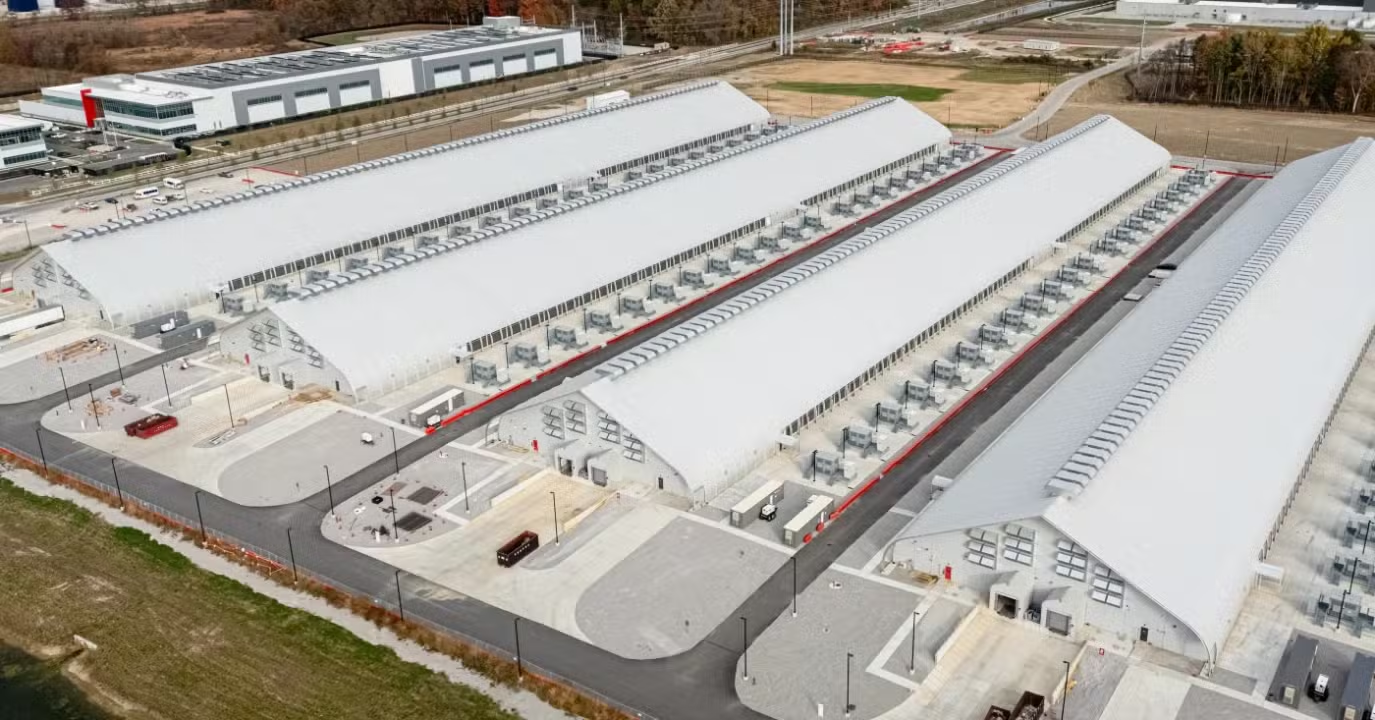
Senate passes bipartisan energy bill amid environmental concerns
The Senate passed the Bipartisan American Affordability and Jobs Act 62-33 on 19 November 2026, a bill to speed approvals of data centers and power plants as energy costs rise with AI-driven demand; it now heads to the House. Environmental groups, many Democrats, and tribal-rights concerns oppose it, while co-authors like Shelley Moore Capito and Sheldon Whitehouse say it will ease Americans' energy bills.
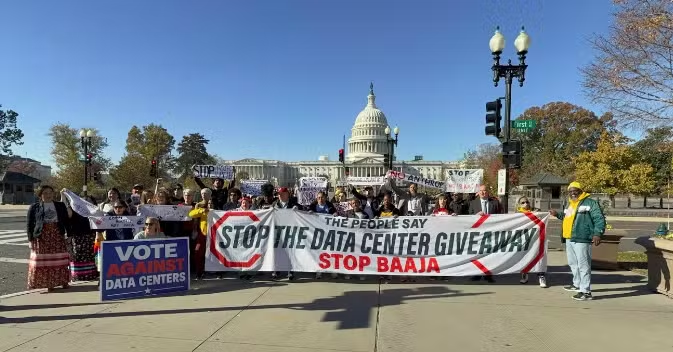
Despite Strong Tribal Opposition, U.S. Senate Approves BAAJA in Late-Night Vote
Native News Online reports that the U.S. Senate passed the Bipartisan American Affordability and Jobs Act of 2026, 62-33, late on November 19, sending it to the House despite strong Tribal opposition. Tribal leaders and Senator Alex Padilla, who voted no, say the bill threatens Tribal sovereignty, while proponents say it will speed energy infrastructure and lower costs.

15 Senate Democrats Help Republicans Pass 'Giant Giveaway to Big Tech and Polluters' | Common Dreams
The US Senate passed the Bipartisan American Affordability and Jobs Act 62-33, with 15 Democrats joining Republicans to weaken the Clean Water Act, the Endangered Species Act, and other environmental laws to speed energy projects like gas pipelines and data centers. Critics including Friends of the Earth's Erich Pica call it a giveaway to Big Tech and polluters, and opponents urge the House to reject it.

FAFO for Dems now?
A political commentary video from Parkrose Resistance argues that, less than a week after Democrats won the midterms, Chuck Schumer and 21 other Senate Democrats moved to advance the Baja bill, a measure the host says would gut the Clean Water Act, the National Environmental Policy Act, and tribal review to hand power to big data centers and fossil fuel projects. The host claims Democrats support it for a handshake deal with Donald Trump on renewables, while Sheldon Whitehouse and Martin Heinrich, who partnered with Mike Lee on the bill, hold a financial stake. Quoting Naomi Klein, the video notes the Senate vote came the day before Anthropic's IPO even though 43 of 44 anti-data-center ballot initiatives passed. The host urges listeners to call 877961949 and tell Congress to vote no, and says the movement's next two years should go to unseating corporate Democrats like Whitehouse and Heinrich.

Senate OKs bill to speed energy projects, make data centers pay their way
USA Today reports the Senate passed the Bipartisan American Affordability and Jobs Act 62-33 on Nov. 19, 2026, speeding federal energy project reviews while requiring data center developers to pay extra for grid access. Tribal, environmental, and anti-data center groups object, and its House prospects look uncertain.

Senate passes BAAJA permitting reform bill backed by AI, energy sectors
The Senate passed the Bipartisan American Affordability and Jobs Act of 2026, 62-33, a permitting and transmission reform bill backed by AI and energy interests that now heads to the House and that CNBC calls a crucial step for energy and tech construction. The bill split Democrats weeks after the midterms gave them majorities in both chambers, and is projected to lower energy costs while weakening some environmental laws.
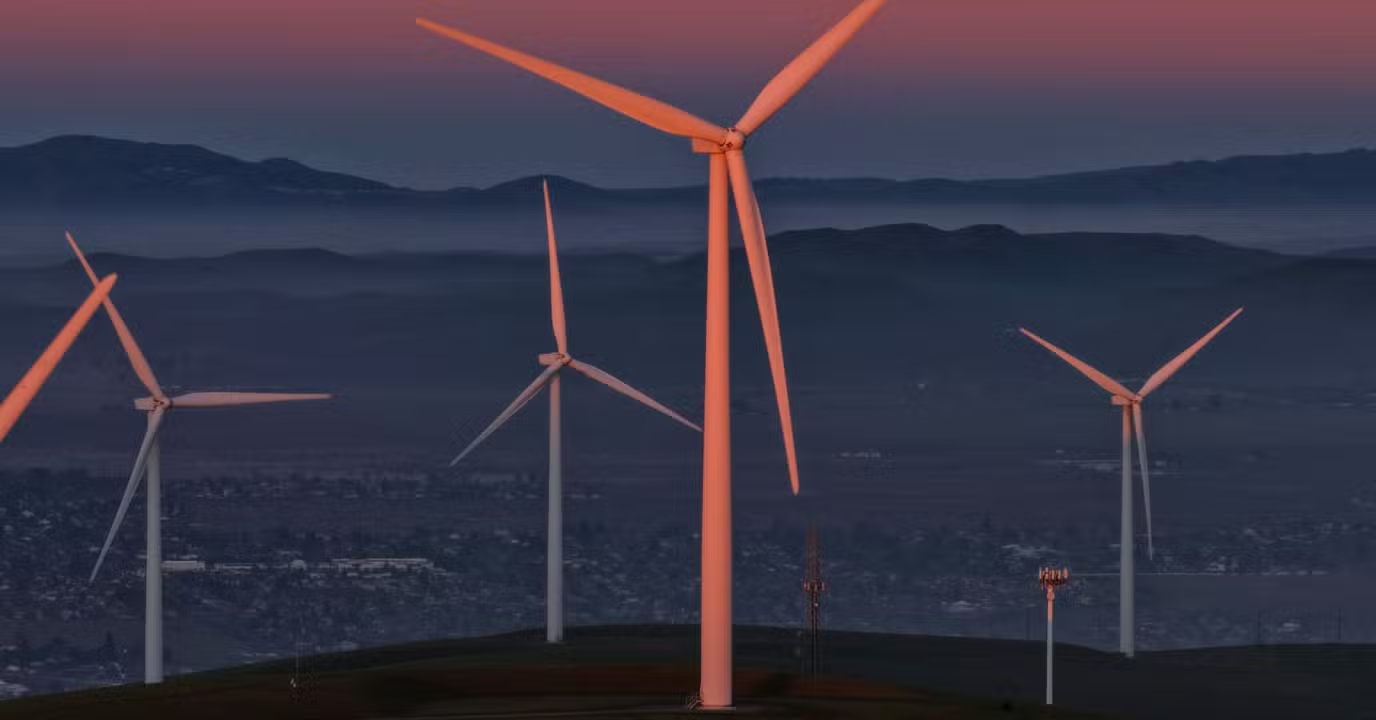
Senate passes BAAJA permitting reform bill backed by AI, energy sectors
CNBC reports the Senate passed the Bipartisan American Affordability and Jobs Act of 2026, 62-33, a long-sought bill easing environmental permitting and overhauling transmission rules that both clean energy and fossil fuel groups cheered and the AI industry stands to benefit from. The vote split Democrats weeks after they took both chambers, with Chuck Schumer among supporters and climate groups and tribes objecting, and the bill next heads to the House and President Trump, with Rhodium Group estimating it would add 17 to 249 gigawatts of clean energy by 2040.

Senate votes to weaken environmental laws to speed up energy projects
The Washington Post reports that the Senate passed legislation on Thursday to speed up energy projects, housing, roads, and other infrastructure by weakening bedrock environmental laws, with backing from more than a dozen Democratic senators and most Republicans. The bill is billed as a bid to make American life more affordable and lower electricity prices.

Senate passes landmark permitting deal
The Senate passed a bipartisan permitting bill 62-33 on 19 November 2026, easing approvals for infrastructure and energy projects; negotiated by Capito, Lee, Heinrich, and Whitehouse, S. 5653 expands federal transmission authority and shortens environmental reviews. It now heads to a divided House, where Mike Johnson will try passage under suspension during the lame duck.
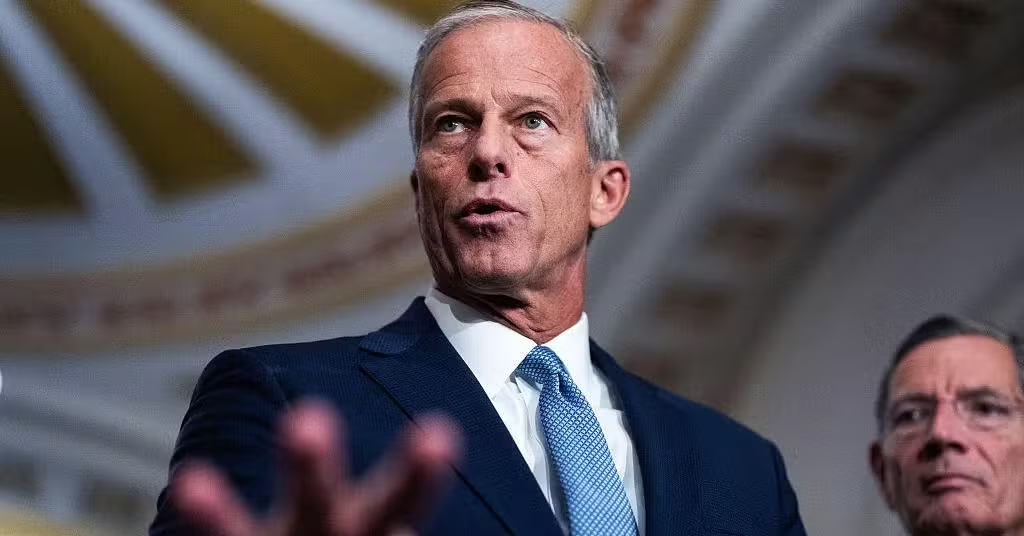
Senate passes bipartisan permitting reform bill designed to boost energy projects
CBS News reports that the Senate passed a long-sought bipartisan permitting reform bill, 62 to 33, designed to speed up infrastructure and energy projects, with 15 Democrats joining nearly all Republicans. President Trump supports the deal, but the bill faces an uncertain path in the House, where some Republicans cite grid-related changes and Democrats including Jeff Merkley warn it could weaken environmental protections and boost fossil fuel projects.
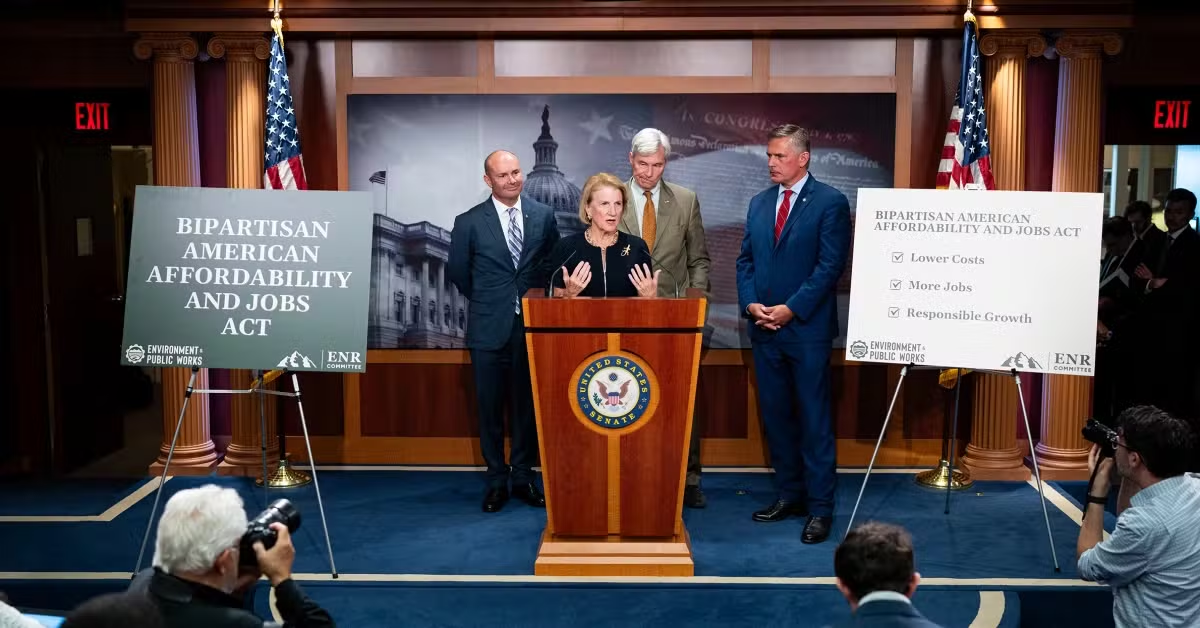
Senate passes sweeping bill simplifying permitting rules to build in America
The Senate voted 62-33 on Nov. 19, 2026 to pass the Bipartisan American Affordability and Jobs Act, a bill speeding environmental reviews, easing permitting for energy and infrastructure projects, and restricting agencies' power to revoke permits, over opposition from some environmental and tribal groups. House passage remains uncertain, though Scalise sees a good chance of it reaching Trump's desk.
Senate Passes Major Permitting Bill to Speed Up Energy Projects
The New York Times reports that the Senate passed a sweeping permitting overhaul, 62 to 33, to speed federal approvals of projects from gas pipelines to power lines by amending landmark environmental laws, after months of bipartisan negotiations led by Senators Mike Lee, Shelley Moore Capito, Sheldon Whitehouse and Martin Heinrich. Native American tribes, the Sierra Club and most Democrats opposed the bill, which experts called the biggest change to environmental law in a generation and which still faces an uncertain fate in the House.
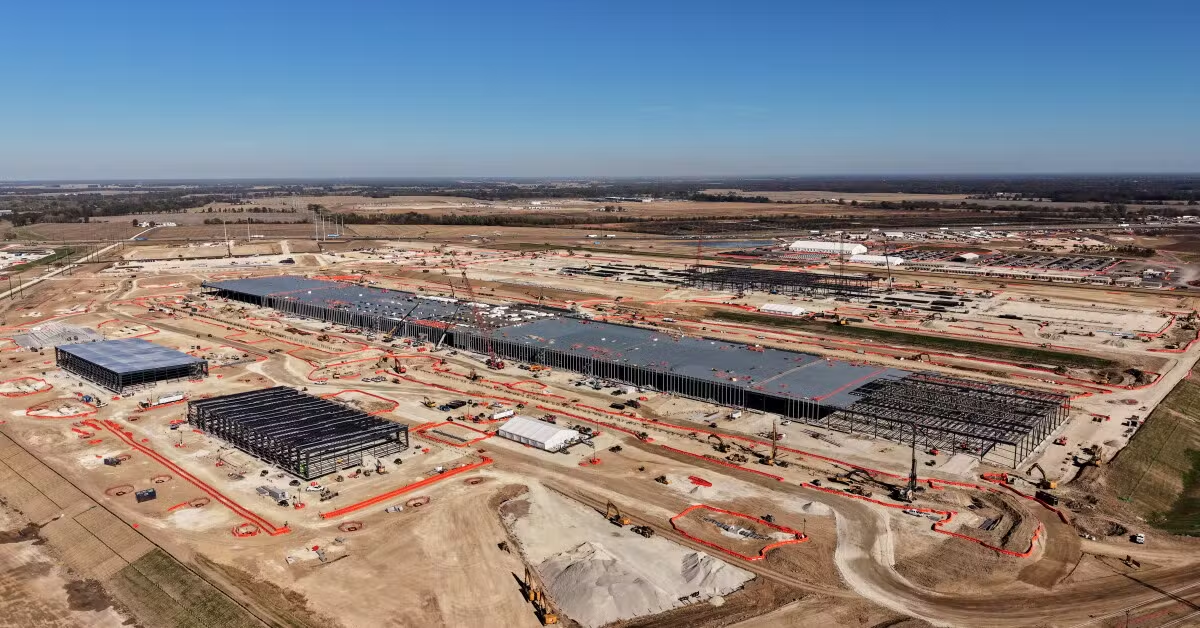
Senate backs bill to speed up permitting reviews, force data centers to pay for energy costs
The Senate passed a bipartisan bill on 19 November 2026 to shorten federal permitting reviews for energy projects and make data centers pay for the energy they use, sending it to the House after midterms that repudiated Trump and congressional Republicans. Environmental groups and Democratic senators including Maria Cantwell and Jeff Merkley say it weakens safeguards and locks in fossil fuels, while backers argue it will lower utility bills.
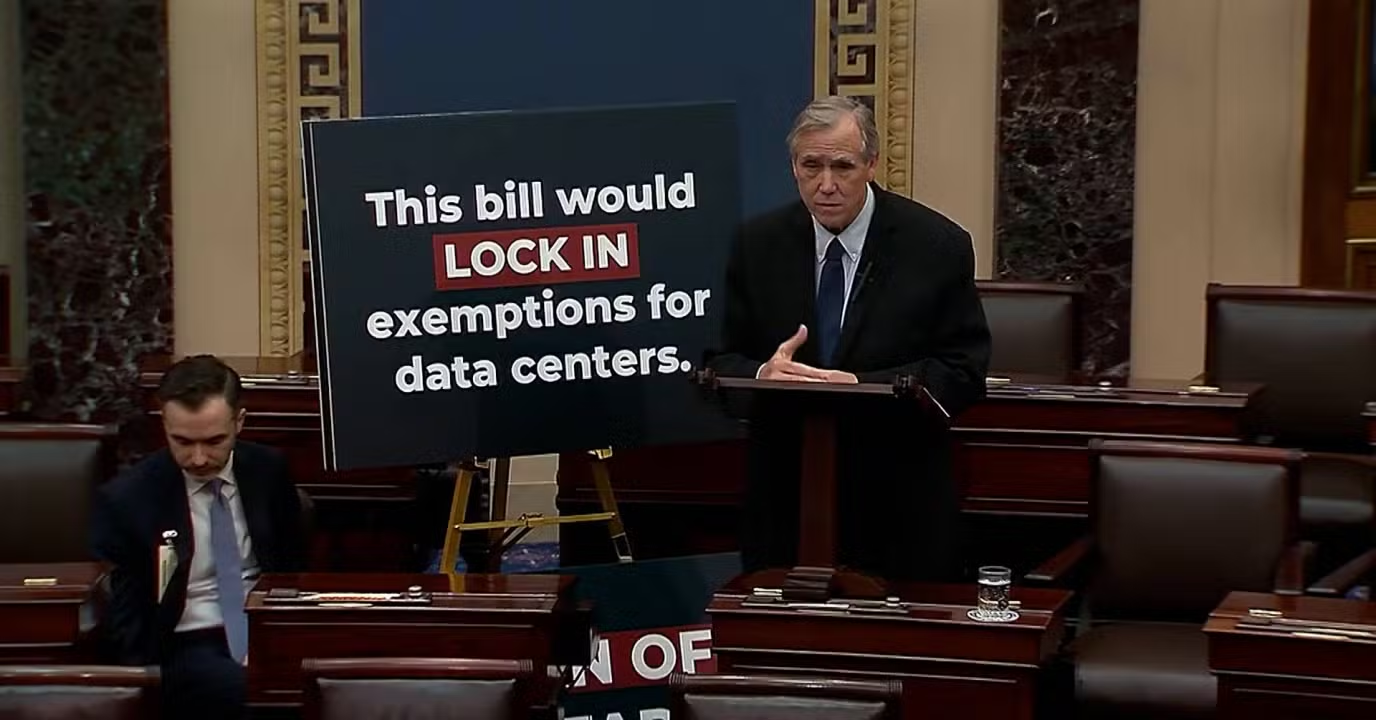
Senate Passes Permitting Reform Bill with Support of 14 Democrats, Including Leader Chuck Schumer
Democracy Now!'s November 20, 2026 headlines lead with Senate passage of a permitting reform bill that would weaken environmental laws to speed approval of housing, roads, energy projects and other infrastructure. The Bipartisan American Affordability and Jobs Act passed 62-33 with 14 Democrats in favor, including Leader Chuck Schumer, and would ease building of transmission lines and wind and solar farms as well as fossil fuel plants and data centers, including on public lands. Native groups say it threatens tribal sovereignty, Food & Water Watch demanded Schumer step down as Democratic leader, and the bill now goes to the House. Other headlines cover the Senate's rejection of a war powers resolution on Iran, a COP31 draft text stripped of any reference to fossil fuels, Russian strikes on bridges in Kyiv, Israeli attacks that have killed at least 22,000 children since 2023, a botched hour-long Texas execution, Florida's record 20 executions this year, and the assassination of Costa Rican journalist Camilo Rodríguez.

Senate standoff threatens permitting deal’s bipartisan support
Politico's Inside Congress newsletter reports a Senate standoff threatening the bipartisan permitting reform bill, which would speed building of energy projects and other infrastructure. Oregon Democrats Jeff Merkley and Ron Wyden are withholding consent for a time agreement needed to proceed to 19 amendment votes, with Wyden pushing a vote on his amendment to ban data centers from public lands and Merkley seeking votes on more of his amendments. Some Democrats, including Sen. Brian Schatz, say their support depends on getting votes on changes, and Wyden writes on X that Republicans are blocking his amendment. A senior GOP aide says the onus is on the two senators, and the newsletter expects the bill will likely still pass the Senate but without recent negotiated changes, complicating the bipartisan backing supporters see as critical in the House.
BAAJA passes another procedural vote
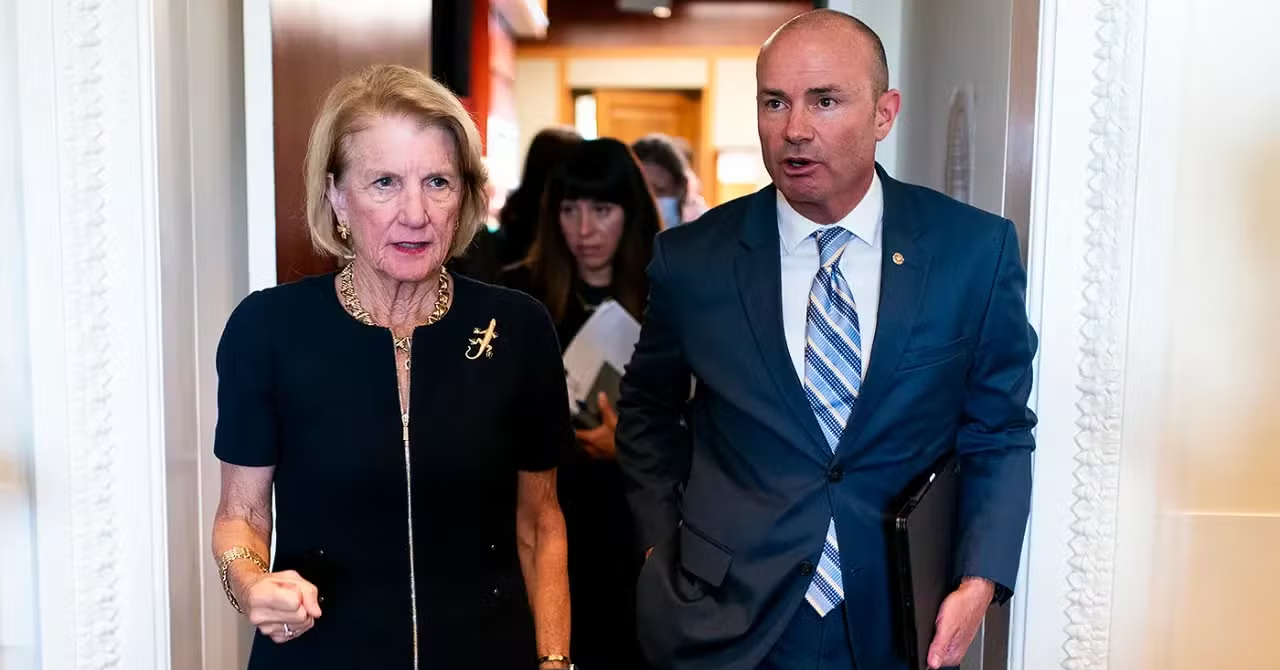
The Hill's Energy & Environment newsletter reports the Senate advancing the Bipartisan American Affordability and Jobs Act 65-31 in a procedural vote, with Josh Hawley and Mike Rounds the only Republicans opposed, as Rachel Frazin writes that support appears to be dropping off and tribes seek changes to its historic preservation provisions. The newsletter also flags Lisa Murkowski's concerns about Trump's Interior watchdog nominee — whom its headline calls unusually political — and upcoming hearings on FEMA readiness and space weather.

Senate Permitting Bill Authors Seek Data Center Exemption
The authors of a sweeping Senate bill to overhaul federal approval of major energy projects are proposing an exemption that would let some data centers avoid the legislation's requirement to pay for power-grid upgrades. Under the five-paragraph change, the carve-out would cover data centers that primarily provide internet or cable access, telecommunications, or other communications-related services.
21 Dem Senators Join GOP to Move Forward Bill to Speed Up Data Center Permits
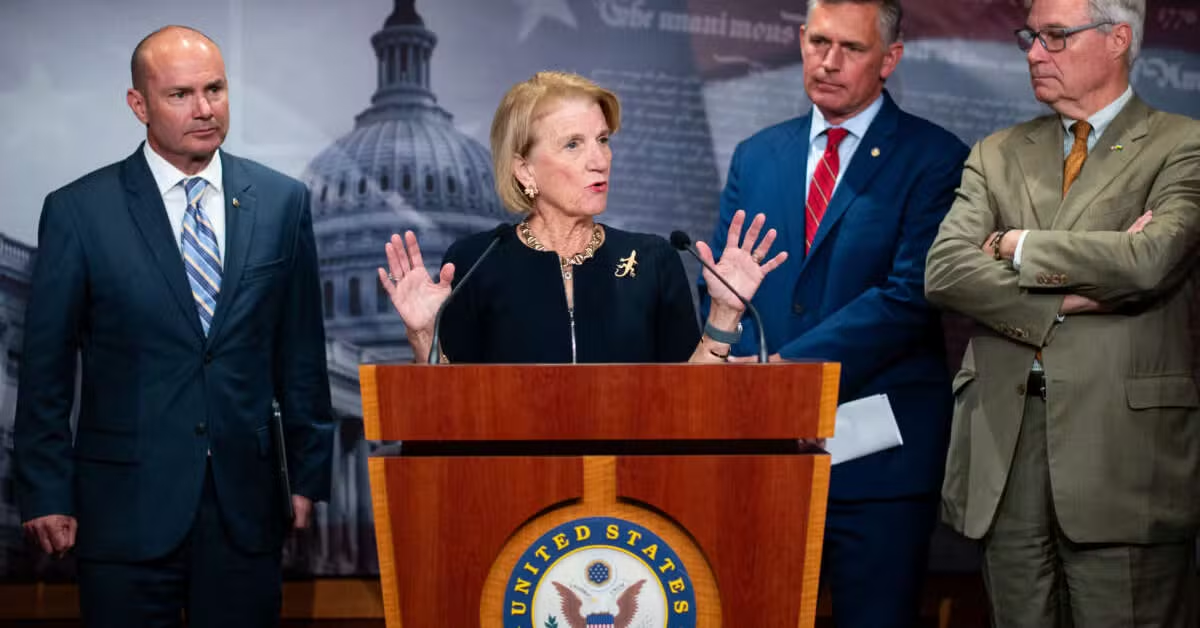
Twenty-one Democratic senators joined Republicans on Monday to end debate on the Bipartisan American Affordability and Jobs Act, a permitting bill that would weaken environmental safeguards to speed federal approval of energy projects, including fossil fuel infrastructure and data centers. The bill is backed by the oil lobby, tech giants, the Trump White House, and major labor unions, and faces opposition from House progressives including the Congressional Progressive Caucus, which says it would undermine Tribal sovereignty and roll back laws like the Clean Water Act and the Endangered Species Act. Days before the vote, around 100 environmental and energy law scholars warned Senate Democratic leadership the bill would inflict permanent, sweeping damage on the nation's core environmental laws. Catherine Cortez Masto, who voted to advance the bill earlier, opposed the cloture motion and says she will vote against final passage unless its changes to the National Historic Preservation Act are removed. Opponents urge lawmakers to pause the bill until Democrats take control of Congress in January.
We can do better. We should not pass this permitting bill. Join me live on the Senate floor.
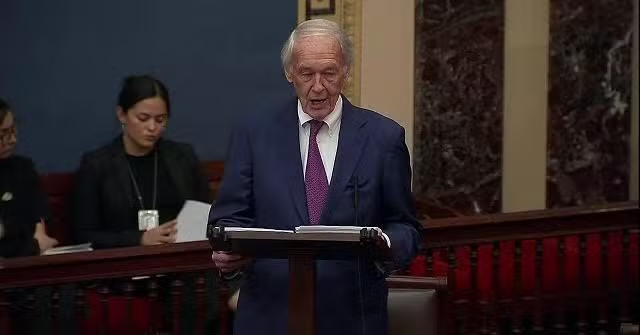
In a Senate floor speech posted online, Senator Markey urges colleagues to vote no on a permitting bill billed as cutting federal permitting costs and time. He argues the bill would strip communities of any real power to stop unwanted projects by eliminating the ability to vacate permits under the National Environmental Policy Act and the National Historic Preservation Act, leaving lawsuits that can only send a permit back for edits, never kill it. He says even the bill's supporters' own models show only modest or non-existent benefits: electricity savings of about $4 to $6 a month by 2040, a potential 1.4% increase in clean energy against a current projected 70,000 MW a year, and a Rhodium model finding emissions could even rise 1%. Citing proposals for 17 data centers on more than 17,000 acres of public land across six western states, and a doubling of proposed gas plants for data centers to 189,000 MW this year, he calls the bill a boom for dirty energy and warns it would lock in Trump's agenda beyond any future administration.
Senate takes big step toward passing permitting reform package
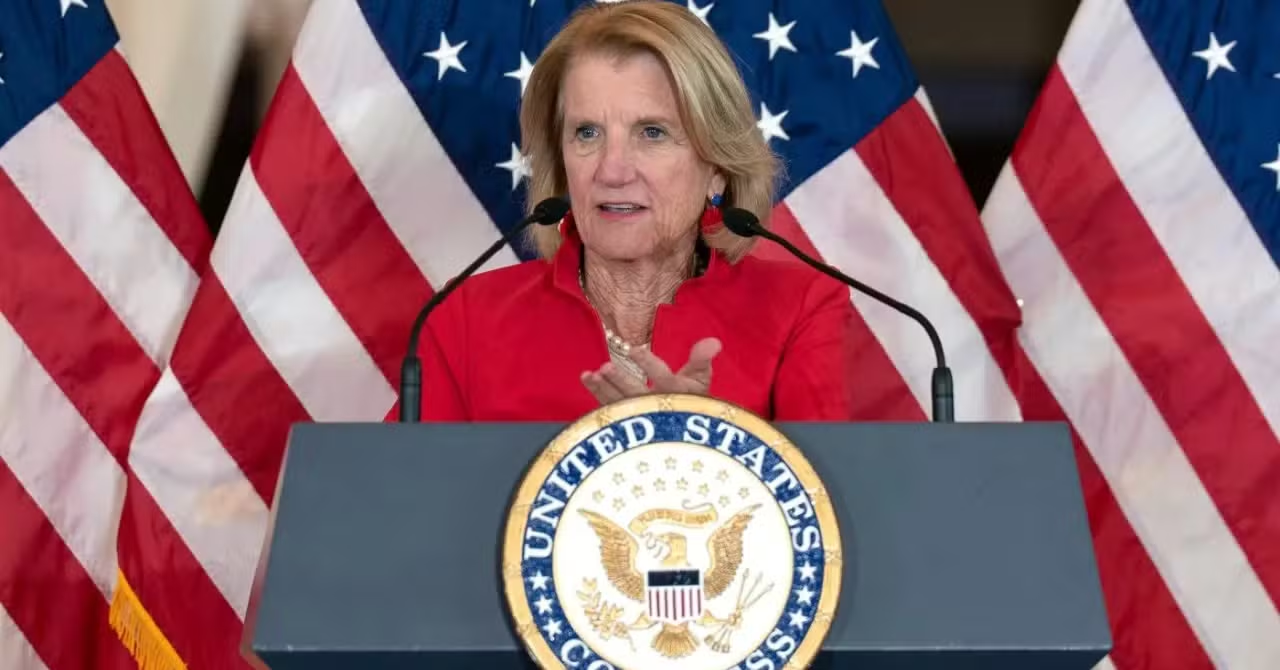
The Senate voted 70-27 on November 16 to advance a bipartisan permitting reform bill that would speed energy, mining, and infrastructure projects while limiting environmental challenges and boosting transmission capacity, with final Senate passage expected before the Thanksgiving recess. The bill still faces House hurdles — Rep. Jared Huffman and other Democrats oppose it — though environmental groups like the Sierra Club are against it, industry groups and unions back it, and President Trump, who has vowed not to approve wind turbines regardless, is expected to sign it.

Many liberals hate this bill to overhaul permitting. Democrats may help pass it anyway.
A bill to overhaul permitting for infrastructure projects, which could make it easier and faster to build energy infrastructure, advanced in the Senate in the week before this article's publication. Republicans and Democrats support it because both want to speed development, even though many liberals oppose the bill. Left-leaning groups argue it will gut environmental protections, and commenters voice particular concern that its Title III could weaken environmental and historical protections. Democrats may nonetheless help pass it anyway.

Urgent: The Bipartisan Effort to Quietly Erode Environmental and Tribal Protections - Natural Causes | iHeart
In an urgent episode of Natural Causes, host James and Water Protector Legal Collective lawyer Natalie Segovia warn that the Bipartisan American Affordability and Jobs Act, which advanced in the Senate on a 73 to 25 vote on 9 November 2026, would strip protections for land, water, and Indigenous people of their teeth. They say the bill curtails four cornerstone laws: the National Environmental Policy Act, the National Historic Preservation Act, the Clean Water Act, and the Endangered Species Act, removing the right to sue over violating permits, eliminating injunctive relief, and stretching some permits from five to ten years without review. Segovia says its Title III would redefine sacred sites in ways that could leave places such as Mauna Kea and Chaco Canyon unprotected and let the Interior Department take over tribal historic preservation offices, which tribes call an affront to tribal sovereignty. She urges people to call their senators before the new Congress is inaugurated in January 2027, and James says the bill simply has to be defeated.

Senate votes to advance bipartisan permitting reform bill
Politico's Inside Congress newsletter reports the Senate voted 73-25 to advance a bipartisan permitting reform bill, despite Democratic objections over tribal sovereignty and changes to the National Environmental Policy Act. It also covers an ethics report on Rep. Lance Gooden, the push to impeach Pete Hegseth, Senate leadership races, and a House Freedom Caucus wish list.

ACLU warns permitting bill could give way to ICE detention centers
POLITICO's Inside Congress newsletter leads with the ACLU's warning that the bipartisan Senate permitting bill, set for a procedural vote the week of November 9, could ease the expansion of ICE detention centers by sparing projects from environmental review — an argument a Whitehouse spokesperson rejects and Hakeem Jeffries' opposition complicates. It also rounds up House and Senate leadership races after Democrats' midterm wave, including AIPAC's heavy losses.

Jeffries opposes Senate permitting deal, demands more House input
Politico's Inside Congress leads with House Minority Leader Hakeem Jeffries opposing the Senate permitting reform bill over changes to environmental law and tribal sovereignty, ahead of a Nov 9 Senate procedural vote. The newsletter also covers Sen. Blumenthal's compliance letters to crypto firms and Trump officials, Republicans' post-midterm leadership fights, AIPAC's heavy Nov 3 losses, and Democrats' races for House committee gavels.

