Prisons get OK to jam contraband phones. CTIA says nearby phones will be jammed too.
An Ars Technica article reports that the FCC voted to let state and local prisons use jamming technology to block contraband cellphones, a reversal of its 90-year-old reading of the Communications Act, with Chairman Brendan Carr saying the jamming can now be focused with geographic precision. CTIA, AT&T, and Commissioner Anna Gomez warn the jammers will also block lawful calls, including 911 calls, with CTIA's filing claiming interference up to two and a half miles away, while advocates like the Freedom of the Press Foundation's Seth Stern note the phones have also documented prison abuses.

FCC greenlights rule allowing prisons to jam cellphone signals
The Verge's Emma Roth reports that the FCC voted unanimously to allow state and local prisons to jam cellphones, a practice generally banned under Section 333 of the Communications Act of 1934. The FCC and Chair Brendan Carr say the rule will combat contraband phones used for crime, while the US Chamber of Commerce, CTIA, and ACLU warn it could disrupt lawful communications, including 911 calls, and cut off prisoners' documentation of abuse; Commissioner Anna Gomez voted yes despite the risks.
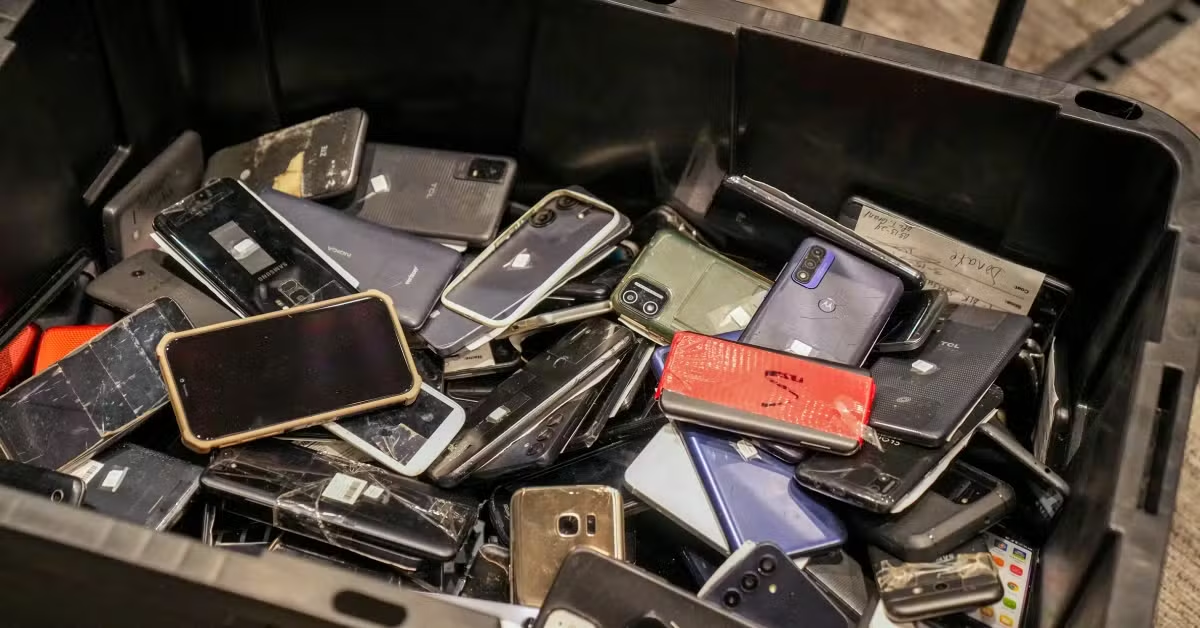
FCC gives state prisons the go-ahead to jam signals from contraband cellphones
The FCC voted unanimously on 19 November 2026 to let state prisons jam signals from smuggled cellphones, though jamming is optional and prisons must test that outside signals are unaffected. Chairman Brendan Carr, citing the 2010 attack on corrections officer Robert Johnson, said 25,000 phones are confiscated yearly, while inmates' rights groups and the telecom industry remain opposed.

