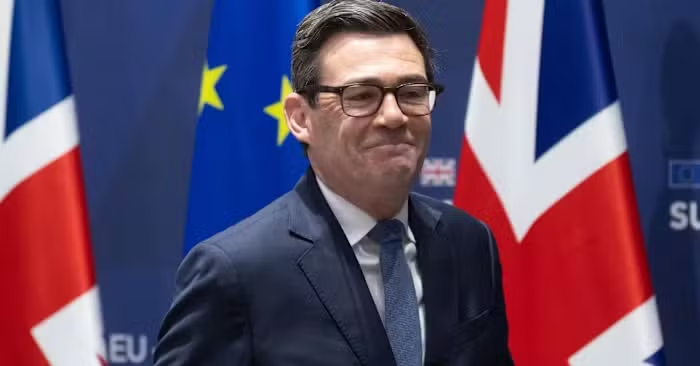
Andy Burnham seeks quick EU tuition fees deal as universities warn of costs
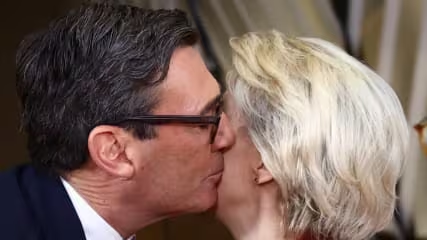
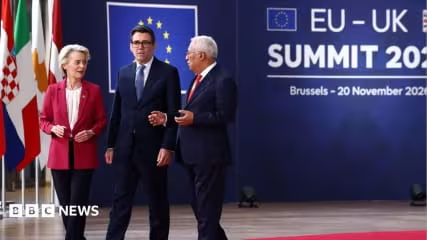
Prime Minister Andy Burnham arrived in Brussels on 20 November for a UK-EU summit with senior cabinet ministers to finalise deals on youth mobility, food exports, carbon emissions and migration. Among the agreements ready was a youth mobility deal allowing up to 100,000 young people to flow in each direction every year, and an agricultural deal easing regulation for exporters while committing Britain to follow European rules.
But EU officials said the Brexit reset deal would not take effect unless the government agreed to charge students from the EU's 27 member states the same university tuition fees as British students. On the morning of the summit, EU member states unilaterally declared, through a mechanism called a silent procedure, that they would hold up implementation of the deals unless Burnham agreed to cut fees for European students. The surprise move forced the UK delegation into last-minute behind-closed-doors talks, and the summit's joint statement committed both sides to strike some form of deal on fees within six months. Brussels did not get its preferred wording that Britain would 'significantly reduce' university costs into the final text.
The EU gave Britain six months to agree to equal fees or negotiate an alternative, treating the issue as parallel to the deals on youth mobility, food exports and emissions trading. Sources in both camps said they were confident of agreement and suggested Burnham had already accepted in principle that he would cut fees, with a middle ground sought between home fees of around £9,970 a year and international fees of up to £38,000. A Brussels insider warned the EU could apply leverage around the deadline, which falls roughly when the European Parliament votes on the food trade deal, and that MEPs could refuse to pass that deal unless the UK gives way.
Charging EU students home-level fees would cost UK higher education institutions, many already struggling financially, significant sums, with the bill for cutting fees estimated at up to £580m. Experts warned of a row with universities, who would argue British students risk losing places to European candidates. Sources on both sides said the six-month timeline would also allow a deal on the UK's inclusion in the EU's Made In Europe policy, and a senior government source said the fees delay could be used by London as leverage to secure that scheme. On 22 November, Burnham was seeking a swift agreement with the EU on tuition fees within the six-month deadline.
Prime Minister Andy Burnham arrived in Brussels for a UK-EU summit with senior cabinet ministers to finalise deals on youth mobility, food exports, carbon emissions and migration.
Agreements finalised before the summit include a youth mobility deal under which up to 100,000 young people will flow in each direction every year, and an agricultural deal that reduces regulation for exporters while committing Britain to follow European rules.
EU officials said the Brexit reset deal being announced at the summit will not take effect unless the government agrees to charge students from the EU's 27 member states the same university tuition fees as British students.
The EU gave Britain six months to agree to equal tuition fees or negotiate an alternative, and decided the issue is parallel to the agreements on youth mobility, food exports and emissions trading.
Charging EU students home-level tuition fees would cost UK higher education institutions, many already struggling financially, significant sums of money.
Nigel Farage said Andy Burnham has no 'democratic mandate to do any of this' and that the deal is a slippery slope imperilling what Brexit should look like.
Kemi Badenoch accused Burnham of 'flip-flopping' on the EU, warned the deals could force UK companies to follow EU rules even if they do not trade with the bloc, and said she wants easier trading with the EU but 'not trade at any cost'.
Reform UK said Burnham is opening the door to more foreign workers instead of tackling youth unemployment in Britain and is taking Britain backwards.
The Liberal Democrats said Britain is stronger and more secure with closer ties to Europe and that the prime minister must deliver at the summit.
Business Secretary Jonathan Reynolds defended the deals as within the Labour manifesto's red lines, said the youth mobility scheme is not freedom of movement and is time limited, and said the food deal will cut costs though he could not guarantee any specific product would be cheaper.
Andy Burnham called the youth mobility scheme a 'good day for young people in Britain', said he is confident the summit is producing a good deal for Britain, and said the test is whether it makes life better for people in Britain.
Downing Street said the government has taken a 'collaborative and pragmatic' approach to the talks and that the deal will 'cut costs, keep prices down and open up opportunities for young people'.
On the morning of the summit, EU member states unilaterally declared, agreed through a mechanism called a silent procedure, that they would hold up implementation of the deals unless Andy Burnham agreed to cut tuition fees for European students in the UK.
The surprise move forced the UK delegation into last-minute behind-closed-doors talks with EU counterparts, and the summit's joint statement committed the UK and the EU to strike some form of deal on fees within six months.
Sources in both the UK and EU camps said they were confident agreement could be reached and suggested Burnham had already accepted in principle that he would cut fees, with a middle ground sought between home fees of around £9,970 a year and international fees of up to £38,000.
Cutting EU student tuition fees could leave cash-strapped UK universities facing a bill that could rise up to £580m.
Brussels' attempt to include a commitment that Britain would 'significantly reduce' university costs did not make it into the final version of the joint statement.
A Brussels insider warned the EU could exercise leverage around the fees deadline, which falls roughly when the European Parliament votes on the food trade deal, and that MEPs could refuse to pass the food trade deal unless the UK gives way on fees.
Sources on both sides said the six-month timeline would allow a deal on the UK's inclusion in the EU's Made In Europe policy, and a senior government source said the delay over fees could be used by London as leverage to secure that scheme.
Experts warned of a row with universities, who would argue British students risk losing places to European candidates if home-level fees are offered to EU students.
Andy Burnham insisted at a press conference alongside EU leaders there was 'no confusion' over the status of the deal because there are firm dates for implementing its main parts from 2028.
European Council President António Costa refused to say whether the Brexit reset deals would be held up over fees.
Shadow Education Secretary Laura Trott said 'British students and graduates are being screwed over by Andy Burnham' and that cutting university fees for EU students while failing to help British graduates on Plan 2 loans would be madness and a slap in the face for young people.
Kemi Badenoch said 'I don't think it is fair for EU students to be subsidised to study in the UK.'
University of Birmingham vice-chancellor Adam Tickell warned there could be more competition for spots at four to five of the country's best universities and that other institutions are likely to increase class sizes to cope with the fall in revenue.
Russell Group strategic policy director Hollie Chandler said any reduction in EU student fees would put pressure on UK student places and take more money out of UK higher education.
Andy Burnham is seeking a swift agreement with the EU on tuition fees within the six-month deadline set at the Brussels summit.

