
Iraq closes two border crossings in Kurdistan region with Syria and Iran
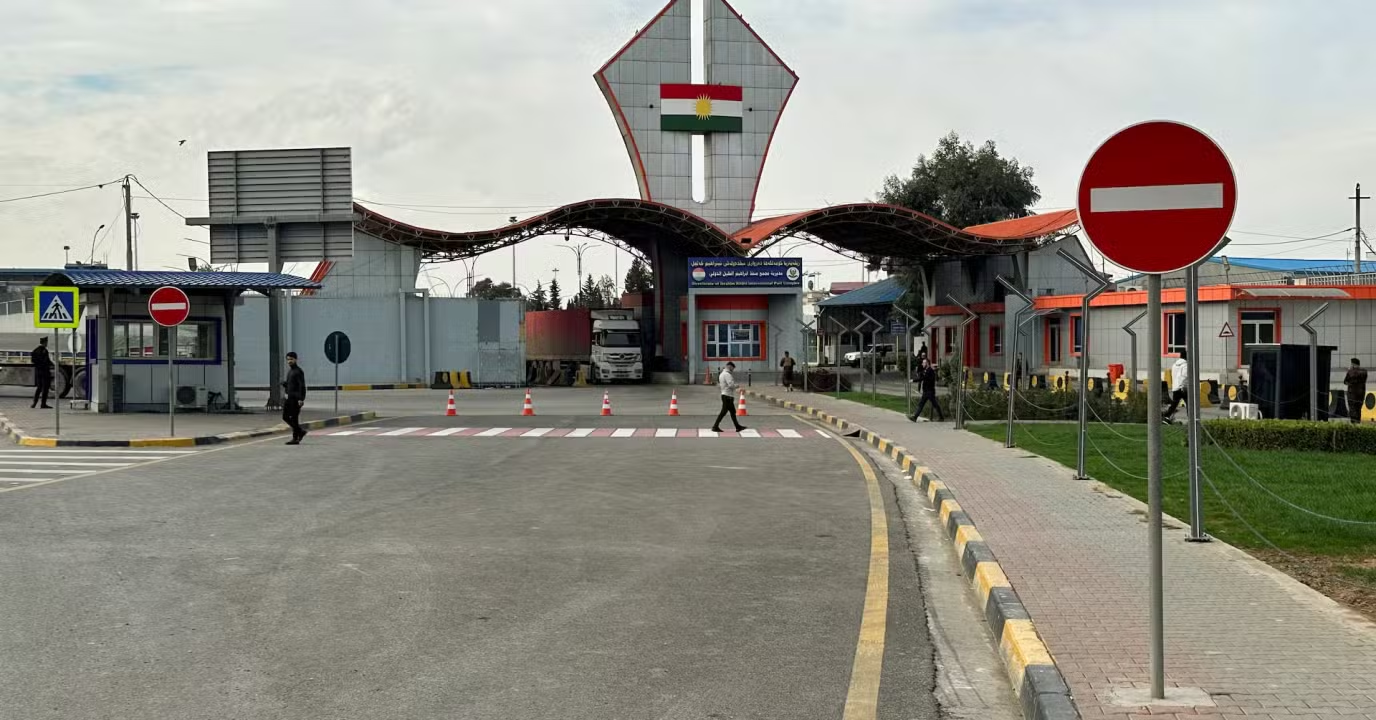
Iraq has closed the al-Waleed crossing with Syria and the Bashta crossing with Iran, both in Kurdistan-administered territory, in what a Reuters report presents as Baghdad's push to assert more control over the semi-autonomous Kurdistan region. The closures follow Iraq's highest court allowing federal forces to deploy along all international borders, including in Kurdistan, and a prime ministerial order to take over crossings run by the Kurdistan Regional Government. The move is part of a broader effort by Baghdad to strengthen central control over strategic assets, including Kurdish-held oil fields, and Iraqi Kurds have protested against it.
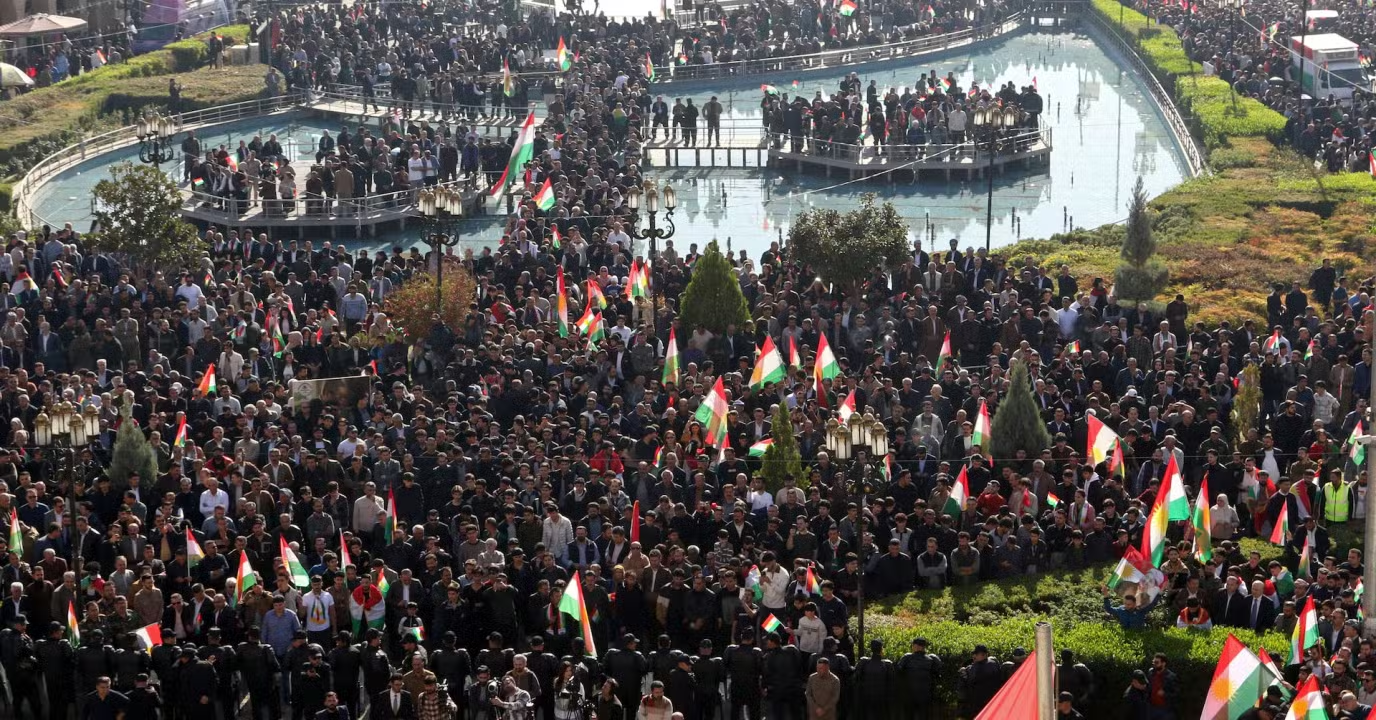
Iraqi Kurds protest against Baghdad leader's moves to assert central control
Thousands of Kurds protested across Iraq's semi-autonomous Kurdistan region, including in Erbil, against Prime Minister Ali al-Zaidi's campaign to take over oil fields controlled by Kurdish security forces and deploy federal troops at the region's international borders. The moves came a week after Zaidi ordered a showdown against the Iran-aligned militia Kataib Hezbollah, putting the political novice in confrontation with two major armed factions, and both crackdowns have been linked to alleged oil-smuggling rings. Iraq's highest court ruled the day before the protest that Baghdad can deploy federal forces along all its borders, which Reuters calls a victory for Zaidi, though analysts say measures challenging entrenched interests may prove hard to implement. The Kurdistan Regional Government rejected what it called military language and threats, saying it works with federal authorities against corruption and wants an end to oil smuggling, while protesters in Duhok said they would not accept an attack on Kurdistan's land.
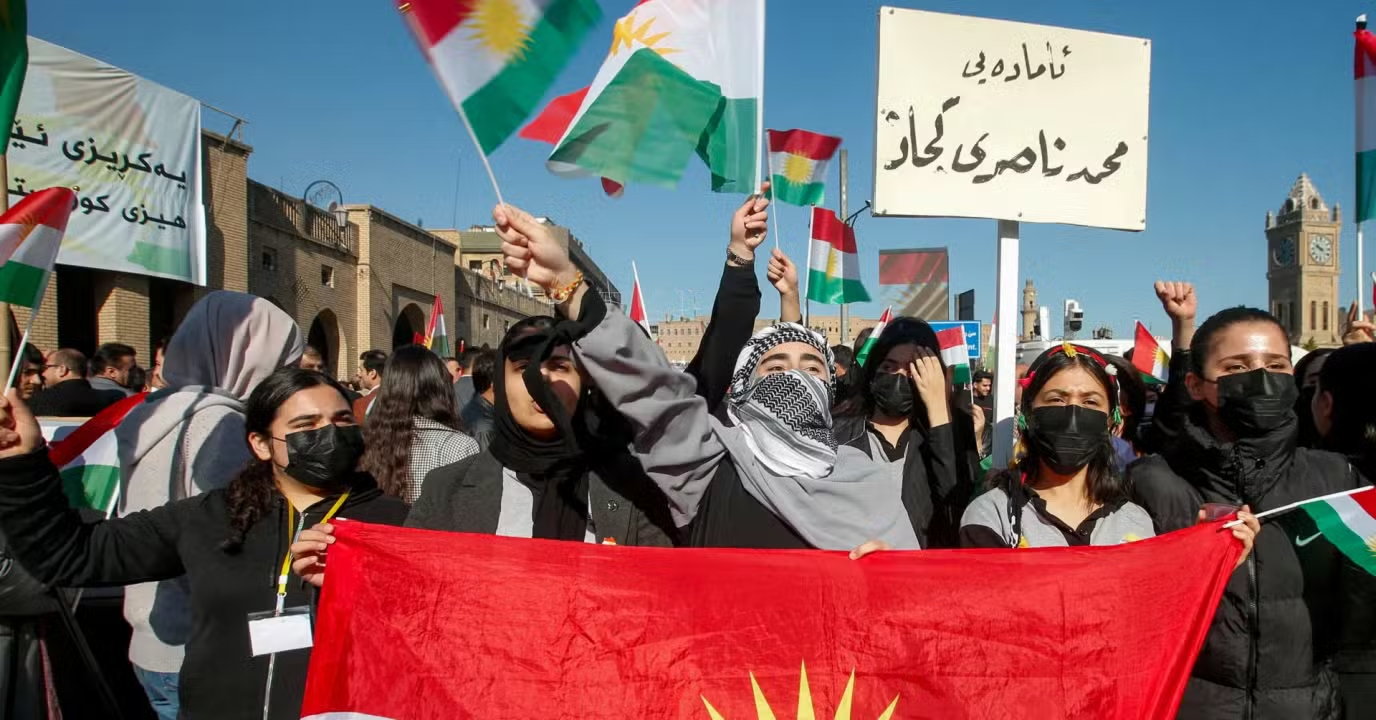
How an oil feud is deepening rift between Baghdad and Iraq’s Kurdish region
Iraq's Prime Minister Ali al-Zaidi has ordered federal authorities to take over all border crossings in the Kurdish region and seize oilfields in Kirkuk, Nineveh, Salahuddin, and Diyala provinces, and Iraq's Federal Supreme Court backed Baghdad's powers within 24 hours. The Kurdistan Regional Government rejects the measures as a violation of the constitution and an attempt to return Iraq to centralisation, and thousands protested in Erbil. Analyst Tallha Abdulrazaq argues the smuggling crackdown is largely a pretext, a calculated domestic manoeuvre that costs Baghdad less than a confrontation with Iran-backed Shia factions at Jurf al-Sakhar. Iraq's four presidencies have agreed to hold national dialogue on 1 December 2026, though Abdulrazaq sees it as face-saving rather than a permanent fix.
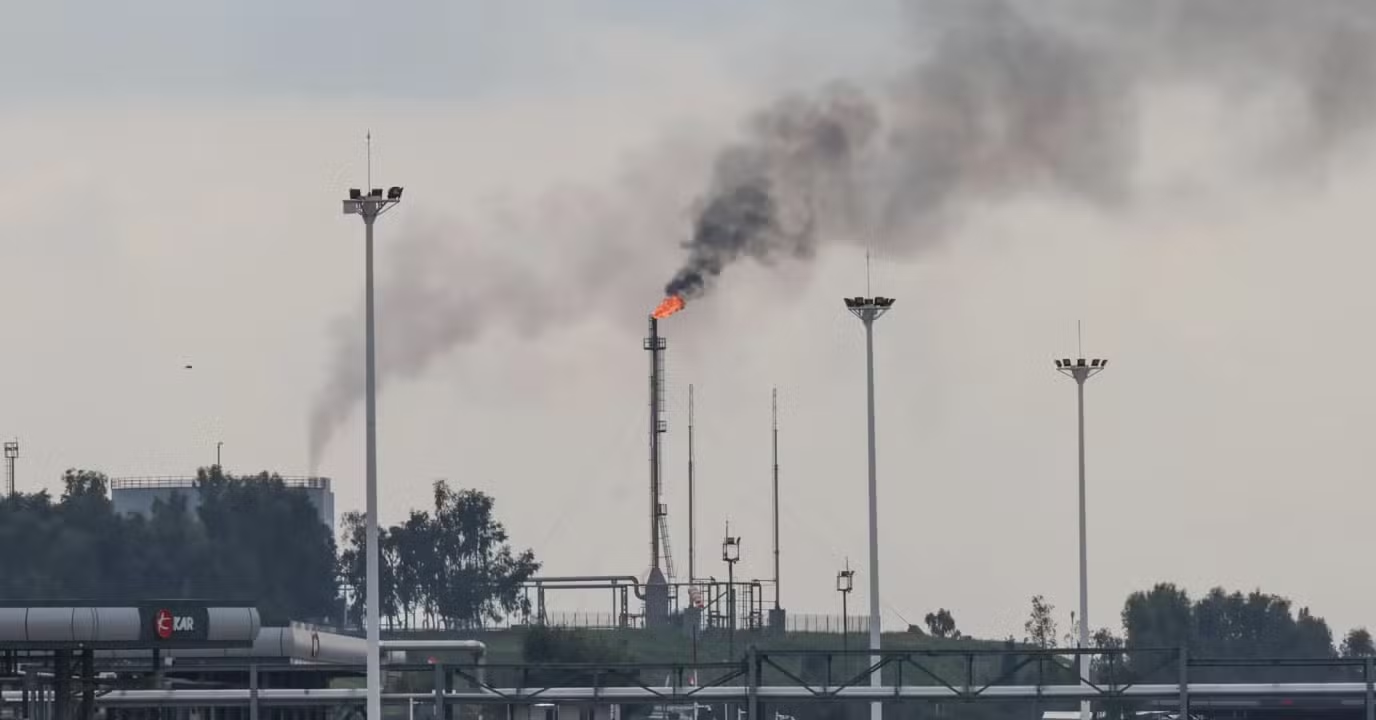
Iraq denies reports of troop movements towards Kurdish region
Iraq's government denied local media reports that army units were moving towards the Kurdistan region, even as Baghdad moved to take over the region's border crossings and oil operations. A Federal Supreme Court ruling affirmed federal powers over border crossings, oil and gas production and export, and revenues, and Border Ports chief Ali al-Zaidi ordered all crossings in the Kurdistan region taken over and federal authorities to take over oil fields in Kirkuk, Nineveh, Salahuddin and Diyala under Kurdish security control. Prime Minister Ali al-Zaidi called protecting Iraq's wealth a battle for existence, while government spokesperson Haidar al-Aboudi said oil smugglers were diverting tens of billions into private pockets; Baghdad estimates 200,000 to 230,000 barrels a day are smuggled, worth about $200 million a month. Thousands protested in Erbil against the plan, Kurdish leaders rejected any return to a centralised system and any military language, and Iraq's four presidencies agreed to hold a national dialogue on 1 December 2026 to resolve the crisis.
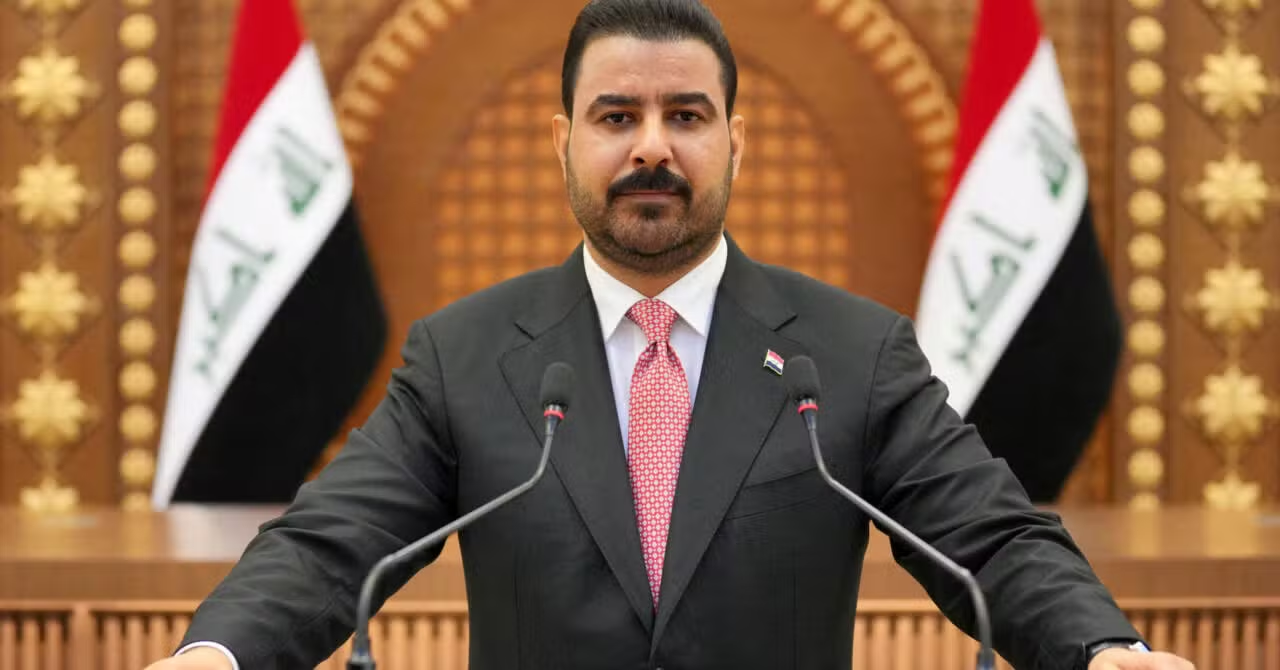
Irak: le Premier ministre ordonne la prise de contrôle des postes-frontières au Kurdistan
Iraqi Prime Minister Ali al-Zaïdi orders all unofficial crossings between Iraqi and Kurdish territory closed and the Kurdistan region's border posts and several oil fields placed under federal authority, to fight oil smuggling. The measures, taken on the conclusions of an inquiry commission sent to northern Iraq, also forbid any Kurdish petroleum export without approval from the federal Oil Ministry, and officials including the head of the Border Ports Authority are dismissed or suspended. Oil revenues represent nearly 90% of Iraq's public revenues, and Baghdad seeks to centralize their control. Kurdistan's two ruling parties denounce the decisions as unilateral and unconstitutional, and the region's Prime Minister Masrour Barzani calls them 'totally unacceptable' while saying 'the door remains open' to an agreement. The Iraqi government does not specify how it intends to implement the measures.
What are the disputes between Iraq's federal government and Kurdistan region?
A Reuters explainer sets out the long-running disputes between Baghdad and the Kurdistan Regional Government over oil, money, territory and trade, reopened by Prime Minister Ali al-Zaidi's November 24, 2026 order that federal authorities take over the Kurdistan region's border crossings and manage oilfields in Diyala, Kirkuk, Salahuddin and Nineveh provinces as part of a crackdown on oil smuggling. On oil, the region exported crude independently to Turkey's Ceyhan port for years until a 2023 International Chamber of Commerce ruling ordered Ankara to pay Iraq about $1.5 billion for unauthorised exports, and flows resumed only in September 2025 under an interim deal delivering crude to state marketer SOMO, which Baghdad says holds sole export authority. On money, the region depends on federal budget transfers to pay public-sector salaries, which Baghdad has delayed or withheld, accusing Kurdish authorities of failing to hand over agreed oil and revenue, while the Kurdistan Regional Government says Baghdad has not paid its full share and has accused it of a 'suffocating embargo' restricting traders' dollar access. The disputes also cover foreign oil contracts signed by the region after 2003, ruled unconstitutional by Iraq's Federal Supreme Court in 2022, disputed control of Kirkuk, and the region's border crossings, a significant source of its non-oil revenue.
Iraq orders takeover of oilfields in areas under Kurdish control
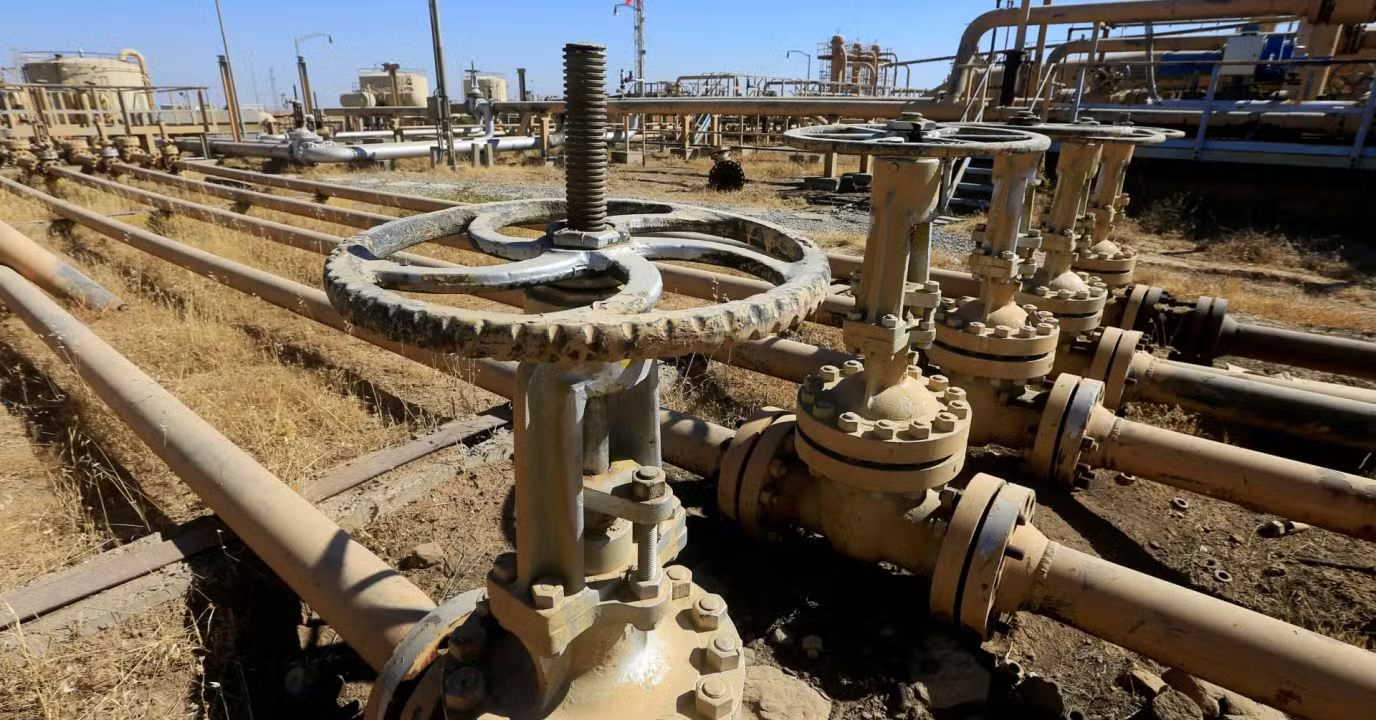
Iraq's Prime Minister Ali al-Zaidi has ordered the federal Oil Ministry to manage oilfields in areas under Kurdish security control and the border crossings authority to take over all crossings in the Kurdish region, with crude exports allowed only through the federal Oil Ministry. According to his office, the order covers oilfields in Diyala, Kirkuk, Salahuddin and Nineveh provinces, and Baghdad will secure and monitor all oilfields with cameras; officials also accuse the Iran-backed group Kataib Hezbollah of running an oil smuggling network, which it denies. The move follows a long dispute over Kurdish oil sales, which halted pipeline shipments to Turkiye for more than two years before a September 2025 restart. Al Jazeera's correspondent in Baghdad says it might worsen disputes over oil control and budget sharing between Baghdad and the autonomous Kurdish region.
Iraqi PM orders ministry to manage oilfields in areas under Kurdish control
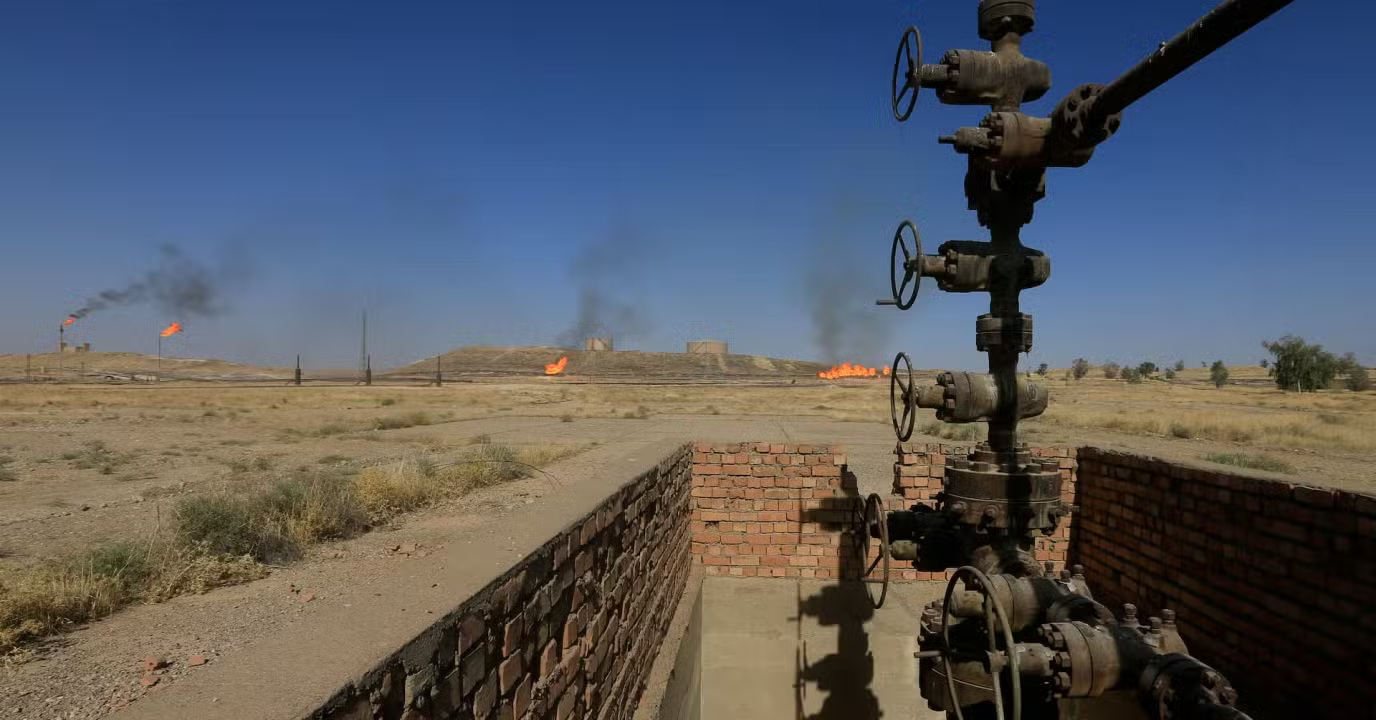
Iraq's prime minister, Ali al-Zaidi, has ordered the federal energy ministry to manage oilfields in areas under Kurdish security control, covering Diyala, Kirkuk, Salahuddin and Nineveh provinces. The Reuters report says the order follows an investigation into smuggling at the state-run North Oil Company, with senior Iraqi officials accused of a years-long ring that generated hundreds of millions of dollars from stolen oil, and Kataib Hezbollah rejecting a finding that it was involved. Al-Zaidi also ordered the border authority to take over all crossings in the Kurdistan region and directed that exports of crude and petroleum products go only through the federal oil ministry, moves Reuters reports risk aggravating long-standing tensions between Baghdad and the Kurdistan region. His office says the directive rests on the principle that 'national sovereignty is indivisible and protecting Iraq's wealth is a battle for survival in which the state puts an end to all forms of smuggling.'
Trump Endorses Iraqi Prime Minister's Push To Assert Central Control
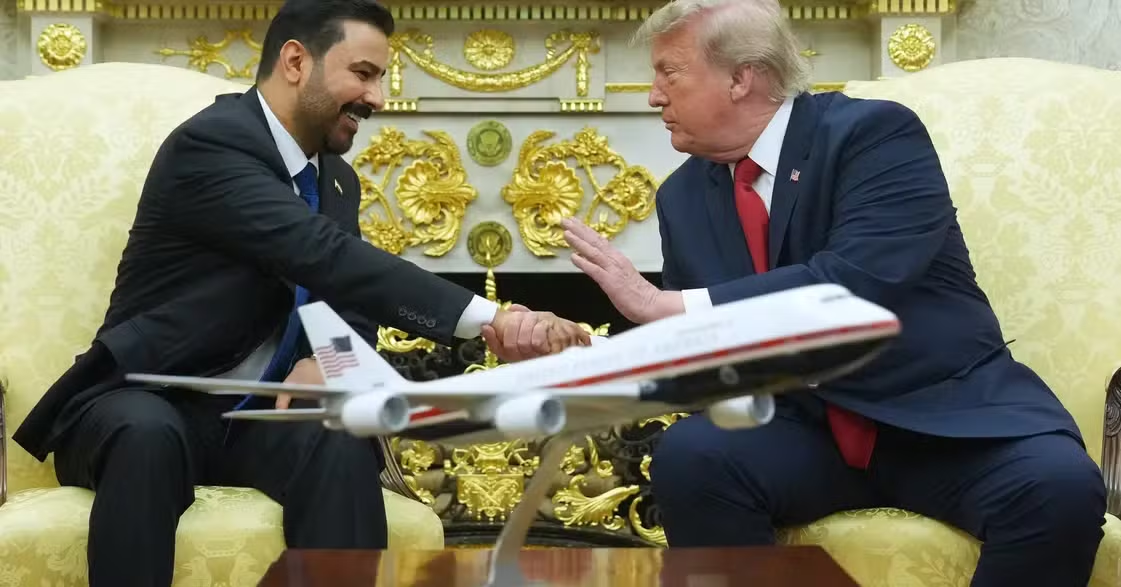
HuffPost's live-updates page leads with President Donald Trump endorsing Iraqi Prime Minister Ali al-Zaidi's campaign to expand the central government's power and resources in Iraq. In a Truth Social post, Trump writes that the United States supports al-Zaidi's efforts to assert state authority throughout Iraq, stop oil smuggling, end corruption, and bring all weapons under exclusive state control. Al-Zaidi, who took power less than a year before the report, has moved to take control of border crossings and some oil fields held by Kurdish security forces after a crackdown on Kataib Hezbollah, and has faced pressure from the Trump administration to disarm Iran-backed groups. The page also reports that Norwegian budget carrier Norse Atlantic Airways will file for bankruptcy and cancel all flights after months of high fuel prices from Trump's stalemate war with Iran. Holiday storms flooded East Coast communities, knocked out power to nearly a million customers, delayed more than 2,200 flights, and prompted the first-ever postponement of the Macy's Thanksgiving Day parade. Trump told reporters that orchestrating Jensen Huang's return as Nvidia CEO was a great thing for the country and the world, two weeks after Huang resigned over reported extramarital affairs, including with a suspected Chinese spy. Bloomberg News reports that a Shanghai data center linked to that suspected spy now holds some of Nvidia's most powerful Blackwell semiconductors in potential violation of U.S. law. Other updates cover the EPA detecting no airborne lead after a controlled detonation of a 5-ton lead azide stockpile in Iowa, a reported hack of the Air Force's Cloud One computing platform, and Trump saying Vladimir Putin could attend December's G20 summit in Florida if he wants to.

