Lee Chang-dong's 'Possible Love,' first feature since 'Burning,' reviewed
Summary
- 'Possible Love' is director Lee Chang-dong's first feature since his 2018 psychological thriller 'Burning'.
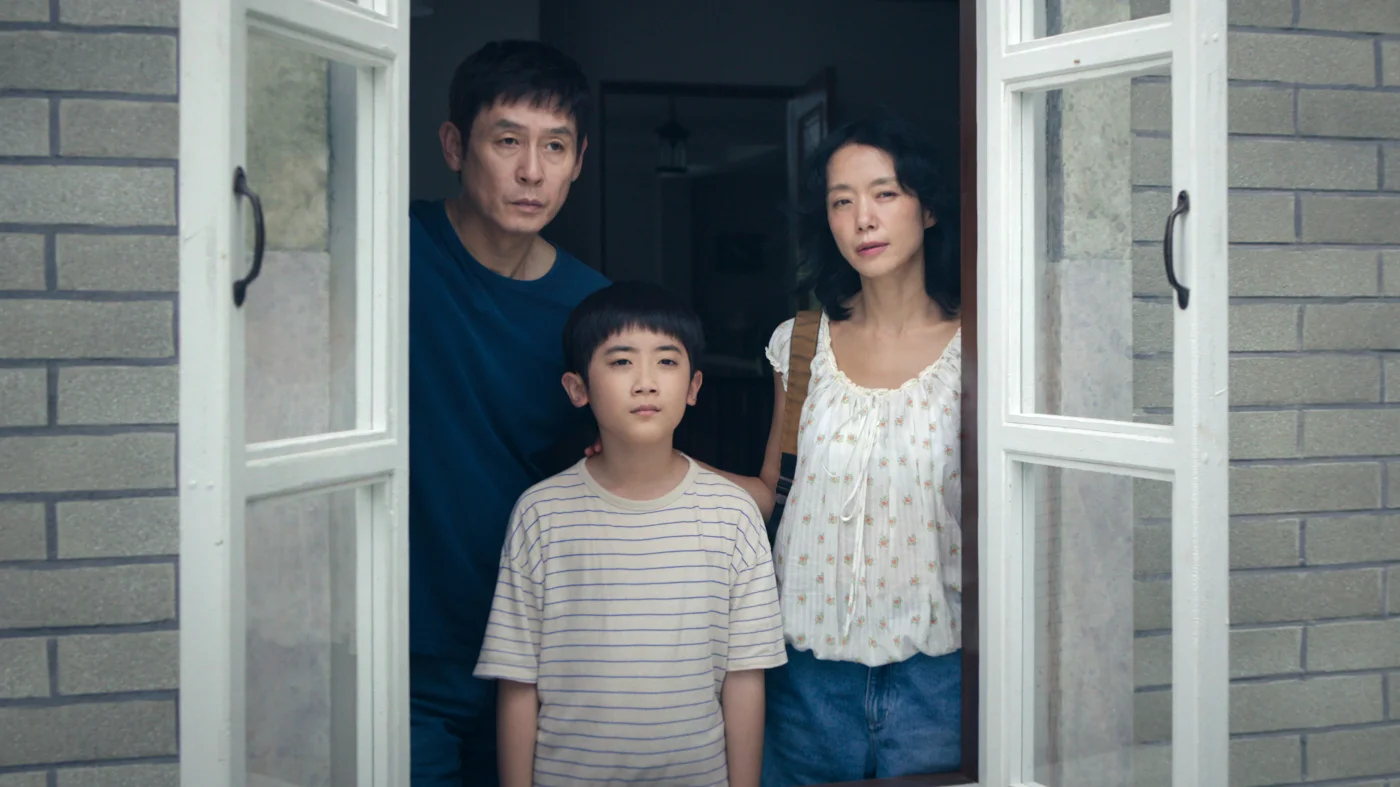
- The film follows laid-off autoworker Ho-seok, played by Sul Kyung-gu, who carries a colleague's suicide and a failed strike while his marriage to Mi-ok strains.
- Documentarian Ye-ji, a wealthy woman making a film about the couple, entwines their lives in her project.
- The story ends at Ye-ji's beachside estate, where class divides and the line between performance and reality must be reckoned with.
- Jeon Do-yeon plays Mi-ok and Cho Yeo-jeong plays Ye-ji; Cho previously played the wealthy matriarch in 'Parasite'.
Reactions
- Aisha Harris wrote that the film stands out among recent eat-the-rich stories for framing capitalism's cruelty as a labor crisis.
- Harris called Cho Yeo-jeong's performance as Ye-ji razor-sharp and praised Jeon Do-yeon's richly specific work as Mi-ok.
- Harris argued there is an inherent power imbalance between filmmaker and subject, whose story the director shapes and presents.
- Harris judged the film's execution more subdued than 'No Other Choice' and 'You Can See Everything' but no less explosive in intensity.
- Harris wrote the film's resolution is both surprising and mundane and feels exactly right.
Timeline newest first
Sources newest first
- In 'Possible Love,' a power struggle goes beyond class — it's also about story
npr.org· 10h
In Lee Chang-dong's 'Possible Love' — his first feature since 'Burning' — laid-off autoworker Ho-seok carries the weight of a colleague's suicide and a failed strike while his strained marriage with Mi-ok draws the eye of Ye-ji, a wealthy documentarian whose film project entwines the couple's lives, ending at Ye-ji's beachside estate where class divides and performance versus reality must be reckoned with. Reviewing for NPR, Aisha Harris writes that the film stands out among recent eat-the-rich stories for framing capitalism's cruelty as a labor crisis, praising Jeon Do-yeon's and Cho Yeo-jeong's performances and its exploration of the power imbalance between filmmaker and subject.
