Philippe criticizes Lisnard over far-right stance in presidential race
EN DIRECT, congrès des maires de France : David Lisnard est accusé de « compromission » avec l’extrême droite par Gérald Darmanin
lemonde.fr· 2d
Présidentielle 2027 : Edouard Philippe passe à l’offensive face à David Lisnard
Présidentielle 2027: Édouard Philippe marque ses différences avec David Lisnard
rfi.fr· 4d
Edouard Philippe a voté pour David Lisnard à la présidence de l’AMF, mais fustige sa posture dans la course à l’Elysée
Édouard Philippe said he voted for David Lisnard’s re-election as president of the Association of Mayors of France, praising his leadership and agreement with the Socialist Party to co-manage the organization.
On 26 November, Lisnard again defended a presidential primary open to far-right candidates, including Éric Zemmour and Nicolas Dupont-Aignan.
On 24 November, Édouard Philippe said he voted for David Lisnard’s re-election as president of the Association of Mayors of France, praising his leadership and agreement with the Socialist Party to co-manage the organization.
Édouard Philippe said he had no problem saying whom he voted for and criticized David Lisnard for not saying whom he would choose in a runoff against Marine Le Pen, joking that one can love chainsaws and not know how to decide.
Édouard Philippe said his goal was to bring together the right and center, not eliminate the center, and that he would never work with the far right.
Édouard Philippe’s supporters called David Lisnard’s rise a polling bubble likely to deflate and said he could eventually ally with Marine Le Pen; a campaign team member said Lisnard’s novelty and lack of association with Macronism allowed him to make promises without restraint.
On 26 November, David Lisnard again defended a presidential primary open to far-right candidates including Éric Zemmour and Nicolas Dupont-Aignan.
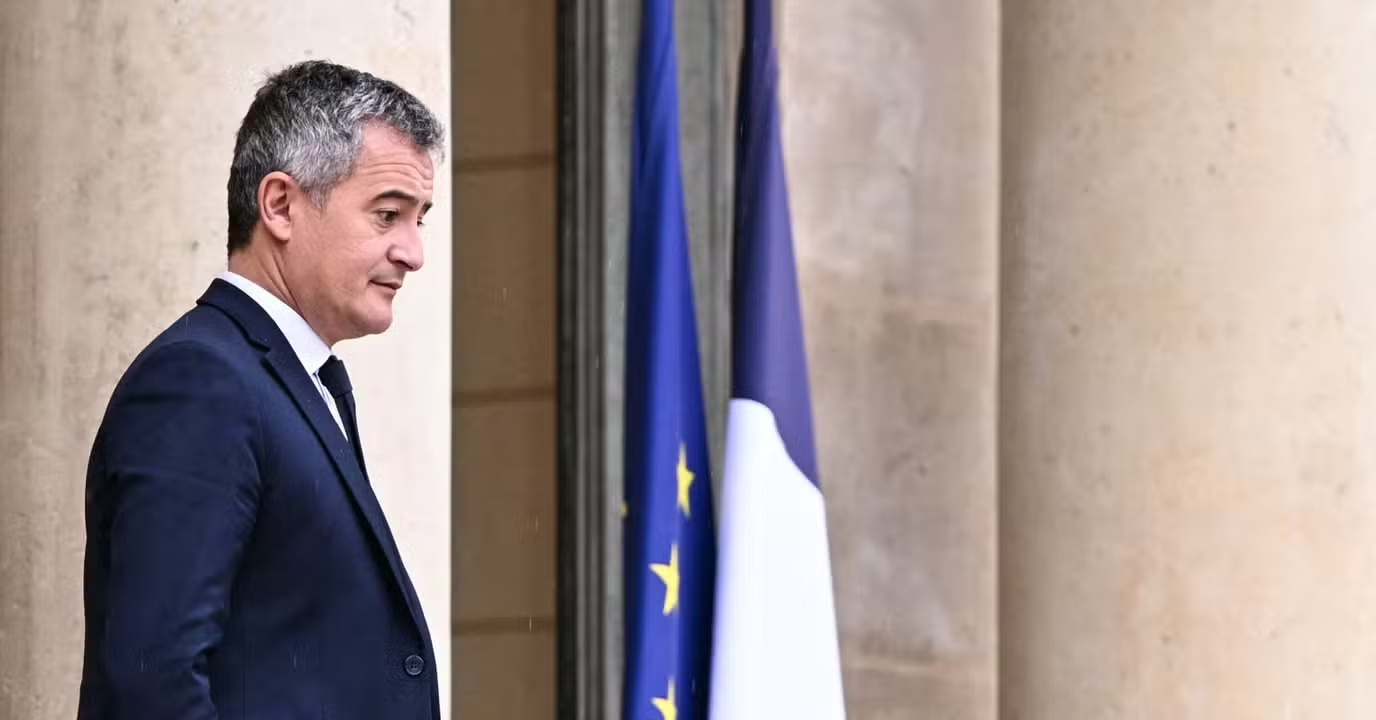
Gérald Darmanin accused David Lisnard of compromising with the far right, citing his refusal to say whom he would choose between Édouard Philippe and Marine Le Pen in a runoff.
Christophe Naegelen said he was personally drawn to Lisnard’s promise of decentralization and found his idea of simplification appealing.
Christophe Naegelen said simplification should be associated with steady work rather than the image of a chainsaw, and said people should discuss ideas linked to Éric Zemmour and Reconquête.
Christophe Naegelen said it was logical to agree with Sarah Knafo that some state spending was excessive, but that he would not say he agreed with Reconquête’s ideas.
Gérald Darmanin said there was no longer ambiguity about the compromise and that it did not represent the right.