
Why have UN efforts to regulate ‘killer robots’ stalled?
A UN conference in Geneva failed to agree on a mandate to negotiate legally binding rules for autonomous 'killer robots', settling instead for a plan to elaborate a possible accord regulating them by 2028. Nearly 100 countries had backed swift binding rules, but the United States, Russia and Israel, whose opposition matters because decisions require unanimous agreement, rejected the push, and diplomats said the word 'negotiate' was dropped from the final text. AI-assisted weapons have already been used in Ukraine, Sudan and the Middle East, and rights groups including Stop Killer Robots warn that delaying a binding instrument puts civilians and humanity at risk.

It will soon be too late to regulate use of autonomous weapons, warns Red Cross
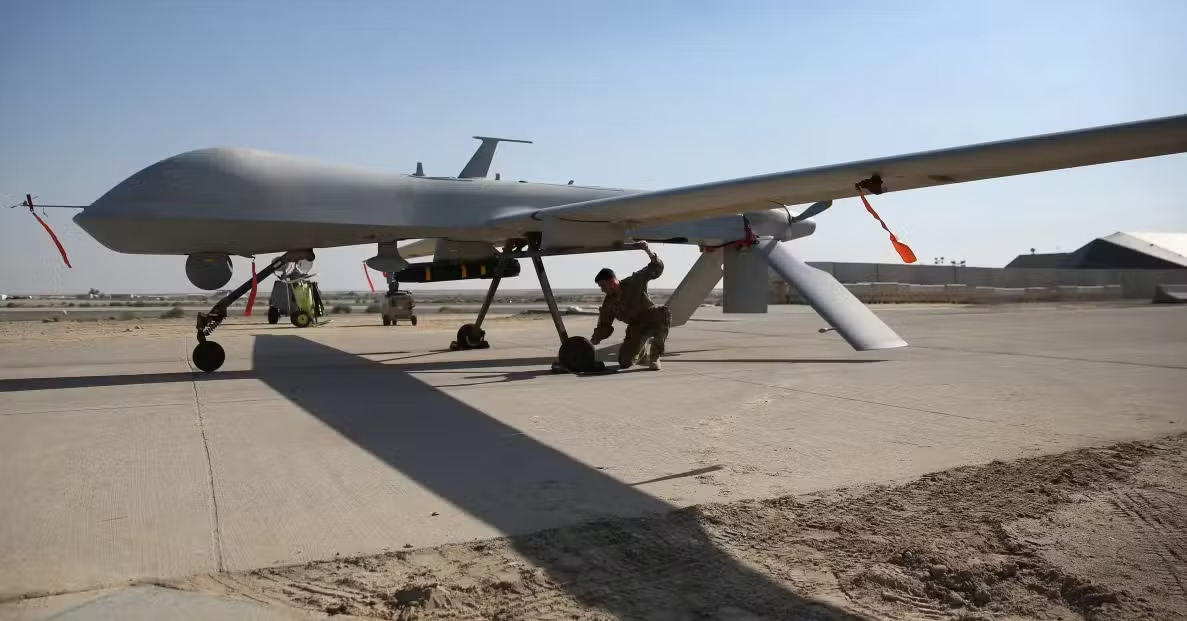
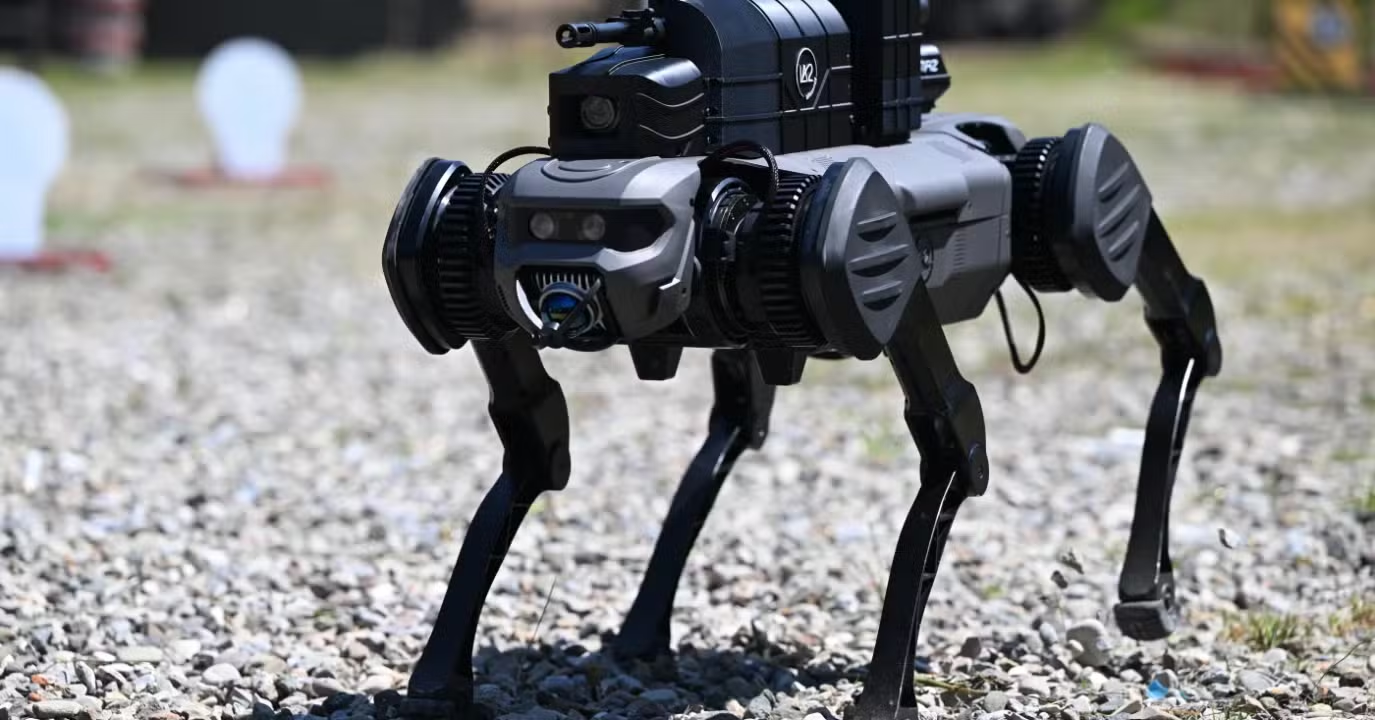
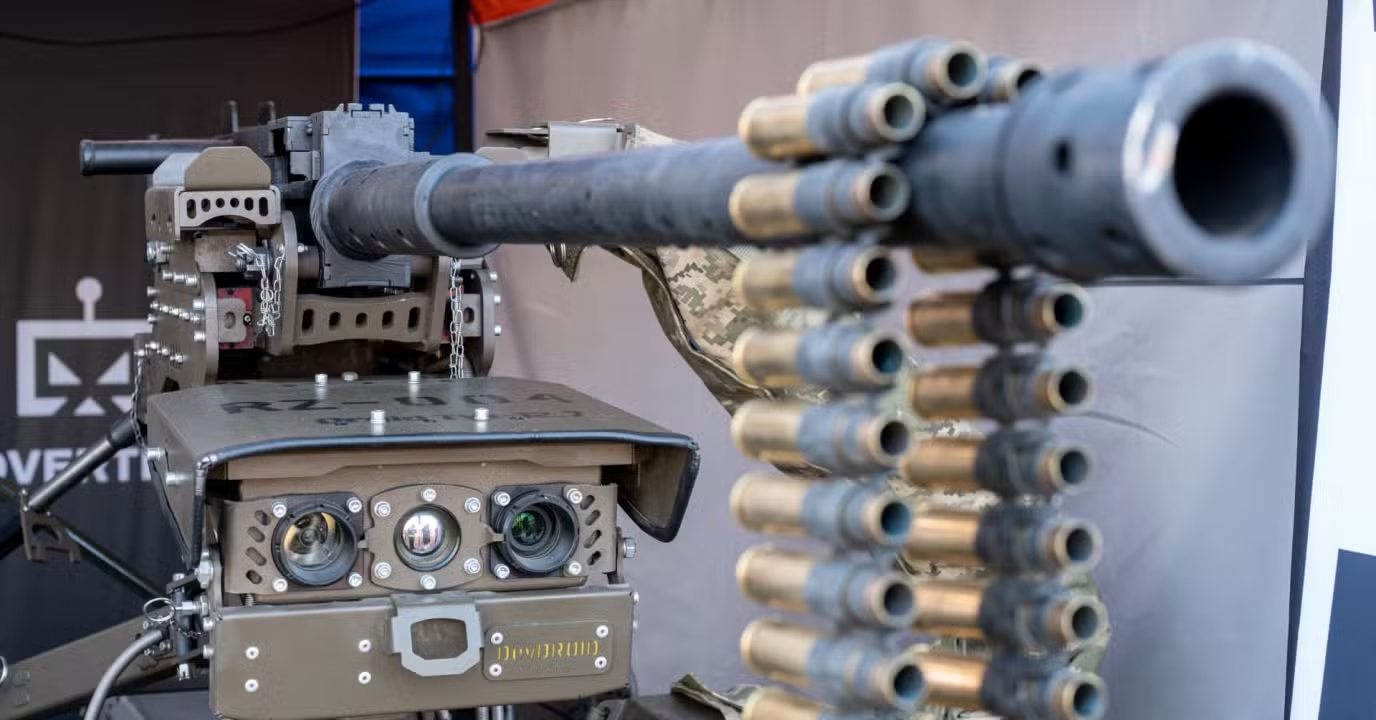
A Guardian news report says the Red Cross and rights groups warn it will soon be too late to put the 'genie back in the bottle' on autonomous weapons, because their development is outpacing regulation. At a week-long Geneva conference, more than 120 UN member states agreed only to discuss a regulating instrument over the next two years, short of the urgent action rights groups said was needed. Dr Cordula Droege of the ICRC says the aim is a treaty setting red lines that should never be crossed, and that targeting human beings through machines should be one of them, while Anna Hehir of the Future of Life Institute warns further delay could bring mass civilian harm, with 'swarm' capabilities of hundreds or thousands of autonomous drones magnifying any algorithmic error. The systems already in use include AI-assisted targeting by Israel in Gaza and semi-autonomous drones in the Ukraine-Russia war, among them a Russian AI-guided drone that killed three civilians in Zaporizhzhia in July.
The UN fails to agree on rules regulating ‘killer robots’
The Verge reports that UN diplomats meeting in Geneva in November 2026 failed to agree on rules for so-called killer robots, leaving after a largely fruitless week having agreed only to start discussing options. The compromise gives countries two years to propose regulations, with room for yet-to-be-adopted rules on autonomous weapons to remain optional. Per NPR, the International Committee of the Red Cross had called it urgent to draft legally binding rules within a year, a call backed by the UN secretary-general and Pope Leo, while Russia, Israel, and the United States were the primary obstructions. The Verge expects negotiations to likely drag on well beyond the two years.

Killer robots: U.N. talks fall short of hopes for legally binding rules
A news report covers the failure of UN talks in Geneva to agree on legally binding rules for lethal autonomous weapons, often called killer robots. After a week of negotiations running into Saturday morning, diplomats settled on a compromise giving countries two years to suggest regulations that could be legally binding but could also be optional, leaving AI weapons that can make life-and-death decisions unregulated for at least that long. The International Committee of the Red Cross had urged binding rules within a year, a call backed by the U.N. secretary-general and Pope Leo, and it immediately regretted the outcome, with legal adviser Georgia Hinds calling machine-made killing decisions a moral red line that cannot be fixed with better technology. Powerful countries including the U.S., Russia and Israel had signaled reluctance to accept binding rules, and campaigners called the deal a real disappointment, warning the technology will race ahead uncontrolled and that people will die because of it.

International talks on controlling use of autonomous weapons collapse
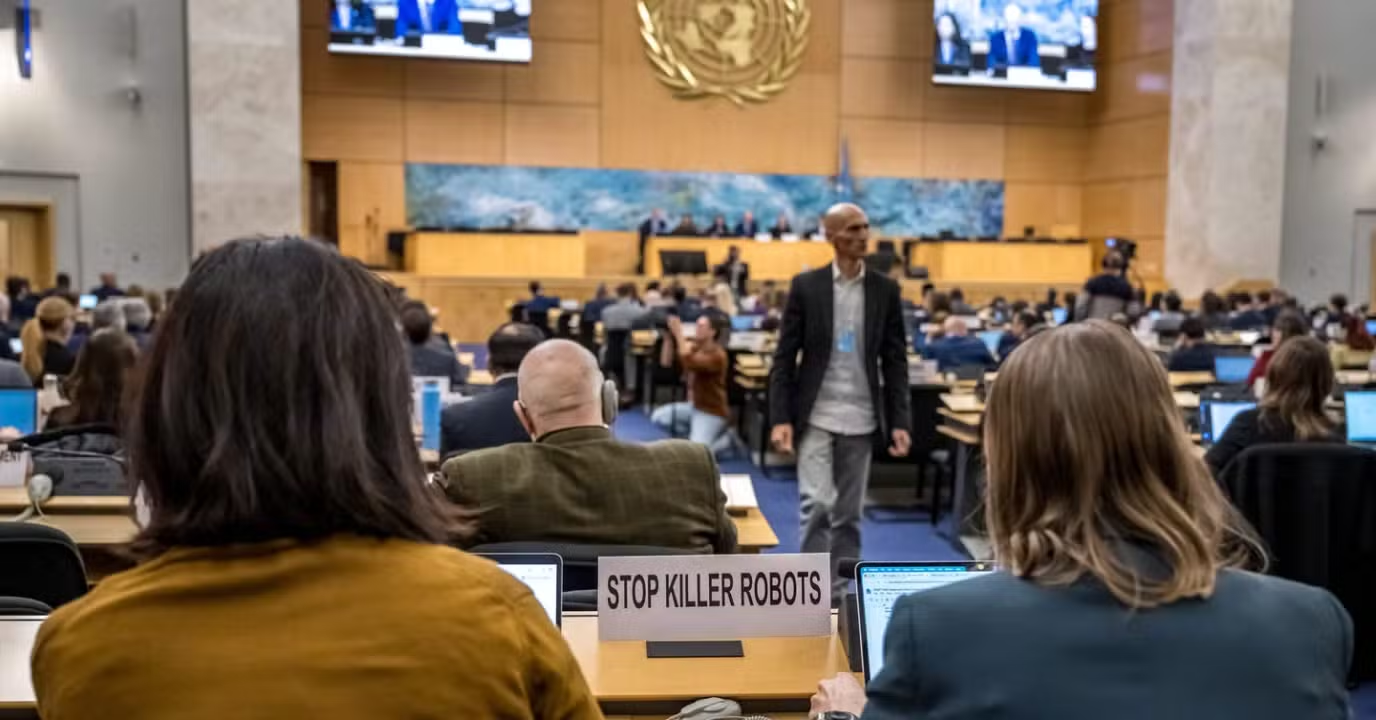
A Guardian news report says week-long international talks on controlling autonomous weapons collapsed at the UN Review Conference on Conventional Weapons in Geneva, when all-night negotiations failed just before 5am on Saturday to overcome Russian objections to a negotiating mandate for a legally binding treaty. An overwhelming majority of the more than 100 states pushing for new law had wanted that mandate, but the forum's requirement for unanimity among all 128 parties forced through a much weaker option that only asks countries to elaborate an instrument by consensus, which may carry no legal obligations. Russia used obstructive stalling tactics from the opening day, while other military powers invested in AI warfare, including the US, UK, France and Germany, resisted being bound by new law and preferred a nonbinding agreement. Critics called the outcome a missed opportunity, noting states have discussed the issue for 13 years and large parts of a treaty were already settled, with Human Rights Watch's Bonnie Docherty saying such treaties could be negotiated within 15 months.
A Genève, la communauté internationale échoue à interdire les robots tueurs
Le Monde reports that at the close of the 7th review conference of the Convention on Certain Conventional Weapons in Geneva on Saturday 21 November, the international community failed after thirteen years of discussions to move toward a ban on 'killer robots', without closing the door on future regulation of autonomous lethal weapons systems. A majority of the world's states, the United Nations, the International Committee of the Red Cross, and the Stop Killer Robots coalition of 300 nongovernmental organizations favored a ban, and 95 of the convention's 128 signatory states voted for a treaty ensuring autonomous weapons comply with international humanitarian law, but the paper judges that too few because the convention operates by consensus. The failure came even as 163 of 193 UN member states adopted a resolution calling for negotiations on autonomous weapons, with the United States, Russia, Israel, North Korea, and Belarus voting against.

Nations agree to ‘elaborate’ on rules for AI-run ‘killer robots’ by 2028
Nations at a United Nations conference in Geneva agreed on 21 November 2026 to elaborate over the following two years on a possible accord regulating lethal autonomous weapons, known as 'killer robots'. The deal came after nearly 100 nations pushed for swift legally binding rules on weapons that can kill without a human making the final decision to fire, but arms-producing states including the United States, Russia and Israel opposed them, and decisions at the Convention on Certain Conventional Weapons require every member's agreement. Chair Julien Thoeni said some countries had rejected the word 'negotiate', and critics including the Stop Killer Robots coalition called the mandate 'watered down', with its director Nicole van Rooijen warning that 'delaying the creation of a legally binding instrument puts civilians and humanity at risk'.
Nations at UN talks on AI killer robots agree to more talks but no firm commitment to rein them in
UN-backed talks in Geneva ended on 21 November 2026 with scores of countries agreeing only to elaborate a possible accord on lethal autonomous weapons systems by 2028, falling short of the binding rules sought by U.N. Secretary-General António Guterres, many countries, and activists. An earlier push by Brazil, Austria, Belgium, Ireland, Mexico, New Zealand, and Panama to launch negotiations on a rulebook had already fallen short. The talks operate under the Convention on Certain Conventional Weapons, where consensus rules mean any single country can block an agreement. Activists accused military powers such as Russia and the United States of blocking stronger language, and Stop Killer Robots lamented a watered-down mandate, though U.N. disarmament chief Izumi Nakamitsu called the outcome a significant achievement while acknowledging it was a glass half full or half empty.
Countries agree to U.N. talks aiming to regulate 'killer robots' by 2028
U.N. talks on regulating so-called killer robots ended in Geneva on Saturday with a pledge to develop new rules within two years, in a watered-down deal that leaves open whether future measures would be legally binding. Around 100 countries backed legally binding rules, which proponents had sought within a short timeframe, but big arms-producing nations including the United States, Russia and Israel opposed them; the current framework requires all 128 state parties to agree by consensus. Rights groups criticized the outcome, warning that technology now has a chance to overtake diplomacy, while the Swiss chair Julien Thoeni hailed the deal as a significant achievement for humanitarian disarmament after more than 10 years of talks.
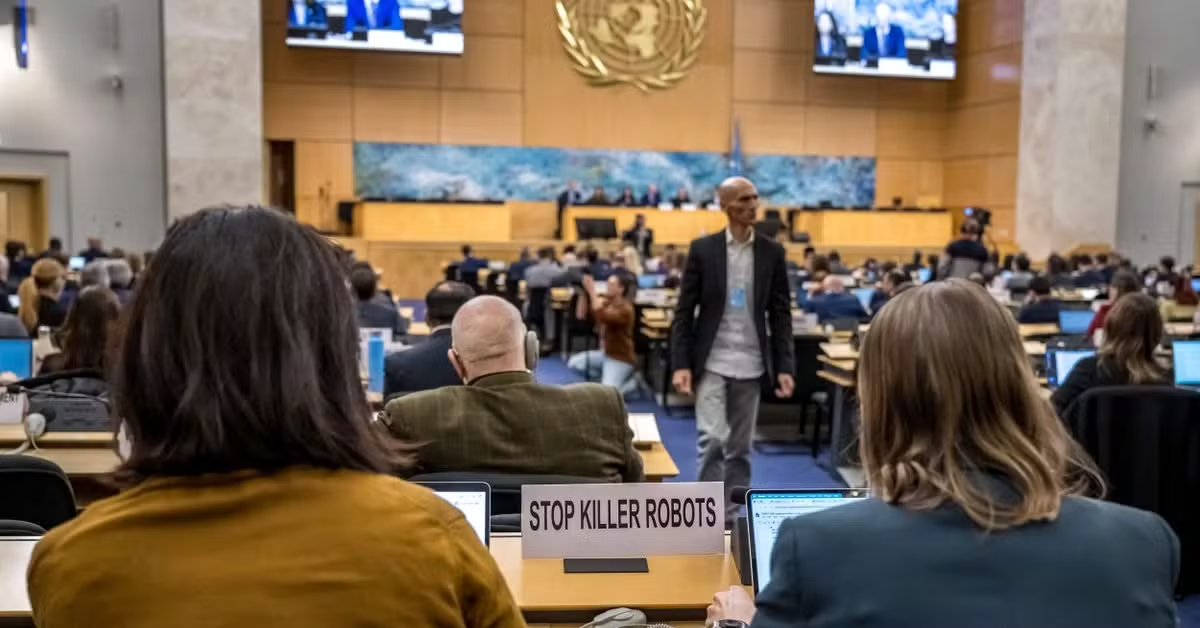
Killerroboter: UN-Konferenz endet mit Minimalkonsens
International talks on safety guardrails for fully autonomous killer robots ended in Geneva with only minimal consensus: diplomats of the 128 states parties to the UN weapons convention failed to give a concrete mandate for negotiations on a legally binding ban, even though nearly 100 countries had spoken in favor of negotiations on weapons that can kill without a human giving the final order to fire. The United States, the largest military power and a pioneer in artificial intelligence, opposed the mandate, as did Israel and Russia. Magnus Lovold of the philanthropic fund Lex International warned the world faces an 'Oppenheimer moment', saying, 'We are now really at a point where it could become much more difficult in the future to get the rules we need.' Under the outcome, government experts are to discuss and propose further elements for an agreement by 2028, including whether these should later lead to a legally binding treaty.

States agree to UN talks aiming to regulate 'killer robots' by 2028
United Nations talks on regulating lethal autonomous weapons ended in Geneva after all-night sessions with a pledge to develop new rules within two years, a deal Reuters describes as watered-down because the United States, Russia and Israel opposed legally binding rules and favoured national guidelines instead. Around 100 countries backed binding rules, and the framework requires all 128 state parties to agree by consensus. Diplomats say negotiators spent hours overnight wrangling over a handful of words after Russian objections to rules of procedure forced the cancellation of some formal meetings. Swiss meeting chair Julien Thoeni hailed the outcome as showing multilateral diplomacy can still deliver, while rights groups including Stop Killer Robots, whose executive director warned that delay puts civilians and humanity at risk, criticised it, saying technology now has a chance to overtake diplomacy.
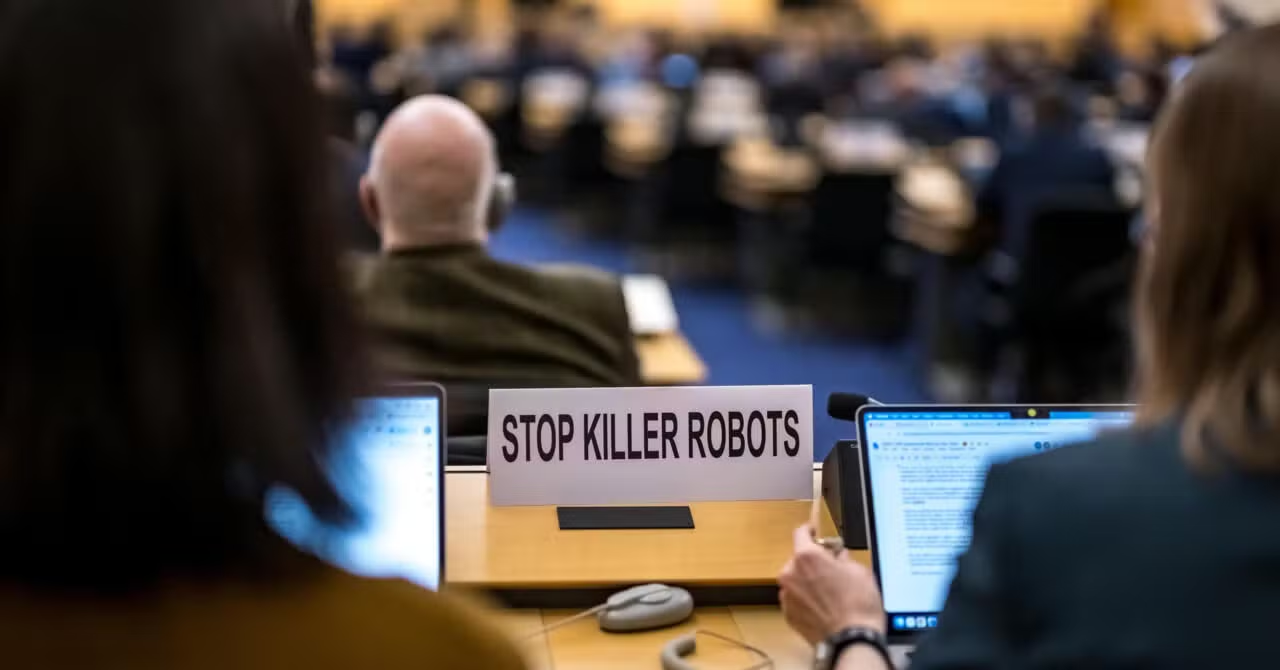
"Robots tueurs" : un accord à l'ONU ouvre la voie à l'élaboration de règles internationales
France 24 reports that negotiations among 128 UN member states in Geneva ended on Saturday 21 November 2026 with an agreement to continue discussions and elaborate new rules on lethal autonomous weapons, which can select and attack targets without human intervention, over the next two years. While a majority of states wanted a legally binding agreement, countries holding the technology, notably the United States and Russia, opposed it, and conference president Julien Thöni says some countries only accepted the word 'elaborate' over 'negotiate'. Stop Killer Robots says states adopted a watered-down mandate that does not really open the way to a binding instrument, and Verity Coyle of Human Rights Watch judges the outcome does not provide the urgent measures needed while the technology advances.

