
How Israel’s odd-couple politics could be close to toppling Netanyahu
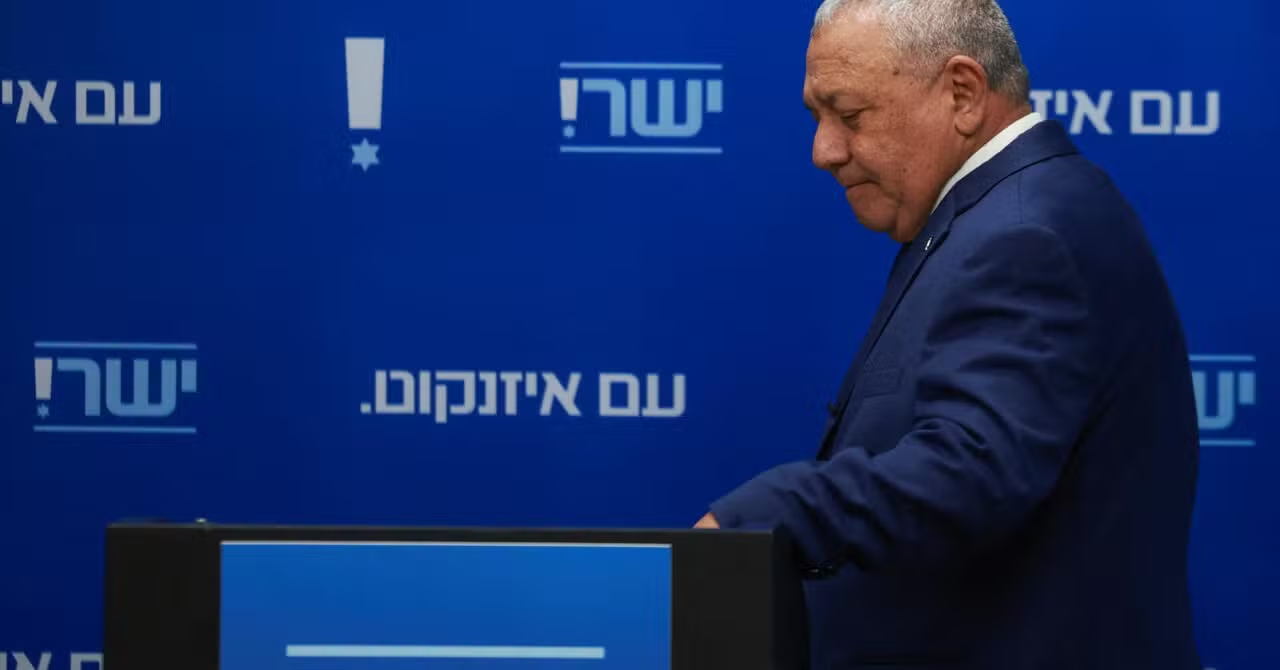
Israël : Gadi Eisenkot et Yaïr Golan nouent un accord de coalition en vue d'un futur gouvernement
In a France 24 news report, Gadi Eisenkot's Yashar party, tasked by President Isaac Herzog with forming a new government after Israel's October 2026 elections ended without a clear winner, concluded a coalition agreement with Yair Golan's left-wing Democrats party on 26 November 2026. In a joint statement, the two parties announced the pact, which the Democrats say gives them four ministries including the Internal Security portfolio now held by far-right figure Itamar Ben Gvir. Eisenkot declared: 'With this coalition pact we open the way to the end of the Netanyahu government to save Israeli democracy.' The agreement came after talks were suspended on 24 November amid reported disagreements over ministerial portfolios, and Eisenkot still needs other allies: his pact with Avigdor Liberman yields only 36 seats, far short of the 61 needed for a majority, and the center-right Ensemble party had not signed on. The opposition to Benjamin Netanyahu is united in hostility to the outgoing prime minister but divided on how to bring him down: the Democrats want a government even a minority one backed by Arab lists and frown on Yashar's four rounds of unity-government talks with Likud, Liberman prefers the ultra-Orthodox parties and warned Netanyahu 'will drag out the negotiations... then look for a pretext to wreck them and drag the country into new elections,' and Naftali Bennett pushes for a Netanyahu-Eisenkot alliance, saying 'The best solution for the Israeli state is a Zionist unity government serving the public, led first by Eisenkot.' Eisenkot has until 6 December 2026 to form a government, with the possibility of two extra weeks.
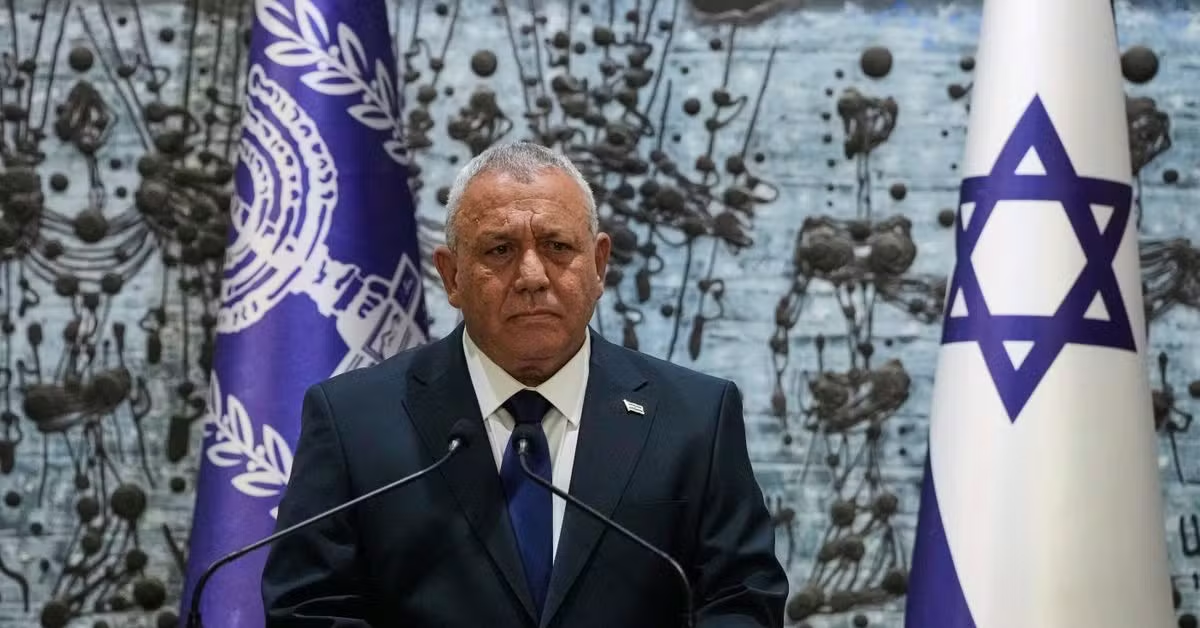
Koalitionsverhandlungen in Israel: Beendet Gadi Eisenkot die Ära Benjamin Netanyahu?
Der Spiegel examines Israel's coalition negotiations and asks whether Gadi Eisenkot, the head of the Yashar party, will end Benjamin Netanyahu's era. The article frames Eisenkot as facing an agonizing choice, a photo caption calling it his 'Qual der Wahl.' The headline poses the question of Eisenkot's role in the coalition talks rather than asserting an outcome.

As he races to unseat Netanyahu, Eisenkot reaches deal with left-wing party
Gadi Eisenkot's party said on Thursday it had signed a coalition agreement with the left-wing Democrats party, led by former deputy military chief Yair Golan. Eisenkot is racing against the clock to piece together a majority and end Benjamin Netanyahu's long rule, the Washington Post reports from Tel Aviv.
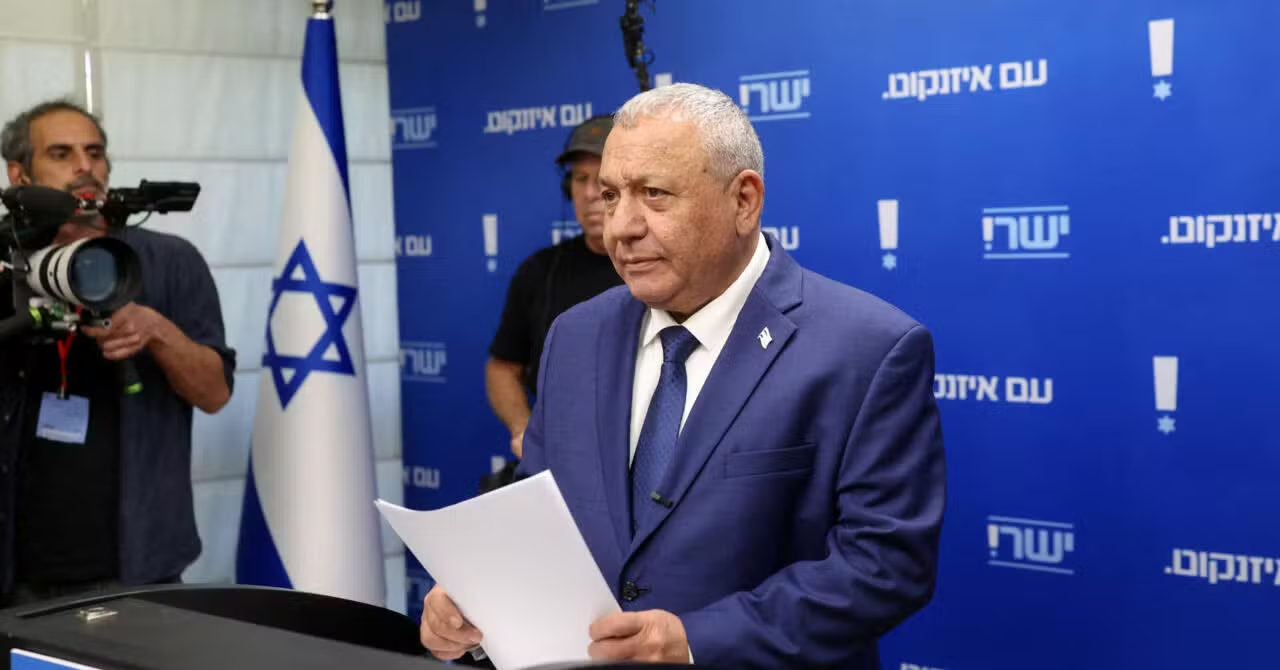
Israël: Gadi Eisenkot et le parti de gauche nouent un accord de coalition
In an RFI news article with AFP, Gadi Eisenkot's Yashar party, tasked with forming Israel's new government, signs a coalition accord with the left-wing Democrats on 26 November 2026, reviving talks suspended two days earlier amid disagreements. The accord gives the Democrats four ministries, including the Internal Security portfolio, and the parties say they open the way to the end of the Netanyahu government. It is Eisenkot's second accord, after one signed with Avigdor Lieberman, but the coalition holds only 36 of the 61 Knesset seats needed for a majority, and Eisenkot has until 6 December to form a government. Opposition parties hostile to Netanyahu remain divided, with Lieberman warning against any unity government with Netanyahu, which he predicts the outgoing prime minister will drag out before scuttling and forcing new elections.
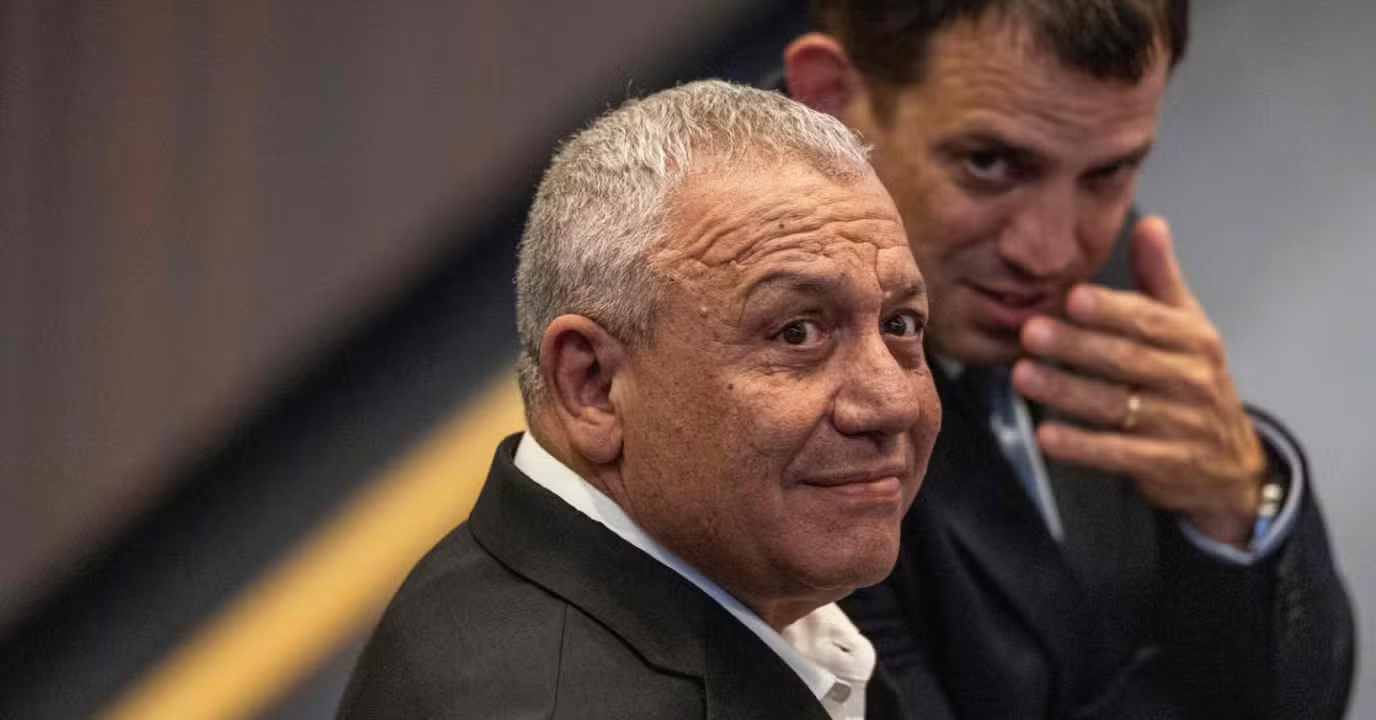
Israël : Gadi Eisenkot et le parti de gauche Les Démocrates nouent un accord de coalition, premier pas vers la formation d’un gouvernement
Gadi Eisenkot's party Yashar!, tasked by the president with forming a new Israeli government after elections ended without a clear winner, signed a coalition agreement with its left-wing partner the Democrats on Thursday 26 November, after the talks had been suspended on Tuesday amid disagreements. It is his second such pact, after one with Avigdor Lieberman, and his embryonic coalition holds 36 deputies, far short of the 61 seats needed for a majority in the Knesset. The Democrats, who want Eisenkot to form even a minority government backed by Arab-majority lists, say the deal gives them four ministries and, in their words, opens the way to the end of the Netanyahu government. Eisenkot has until 6 December to form a government, while partners remain divided: Lieberman warns against unity talks with Netanyahu, which he predicts Netanyahu will drag out then scuttle into new elections, and Naftali Bennett pushes instead for a Zionist union government led first by Eisenkot.
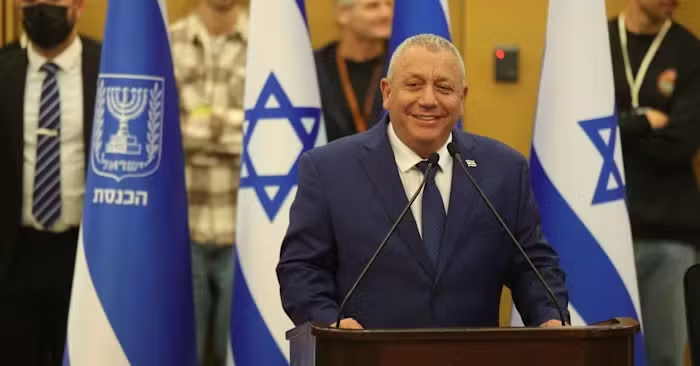
Israel’s Eisenkot takes steps towards replacing Netanyahu
Israel's Eisenkot takes steps towards replacing Netanyahu, according to a Financial Times news article.
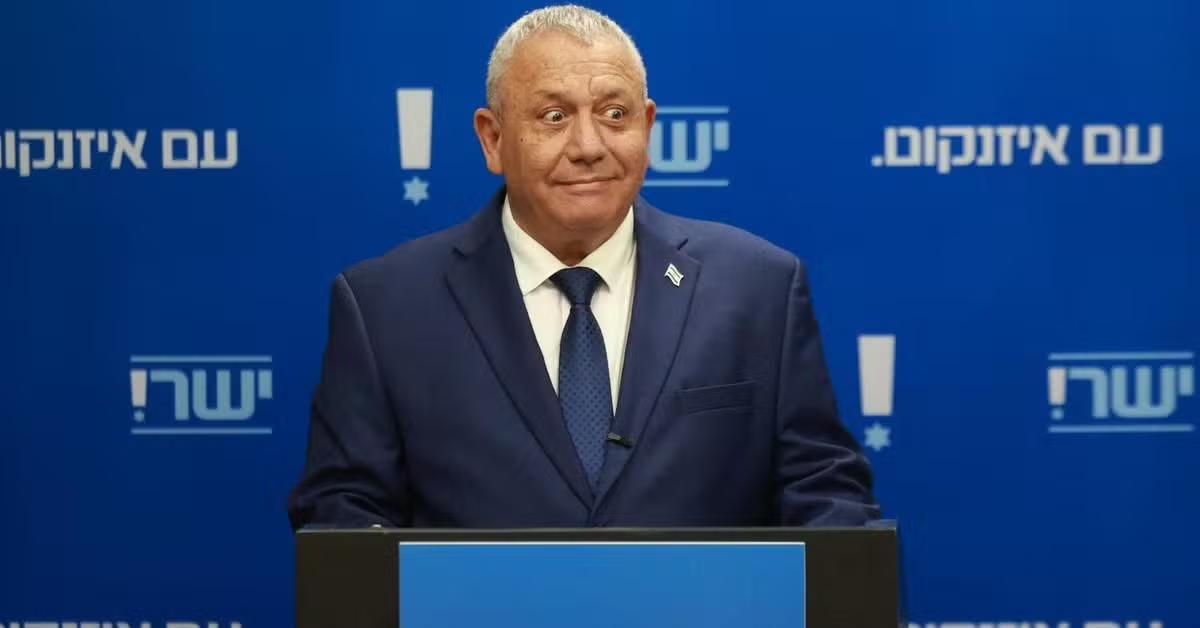
Israel's Gadi Eisenkot reaches deal with left-wing parties
Gadi Eisenkot's centrist Yashar party and the left-wing Democrats announced on November 26, 2026 that they had agreed on a coalition deal, the second agreement for Yashar after the right-wing Israel Beiteinu signed on November 24. Eisenkot has until December 6 to form a government replacing caretaker Prime Minister Benjamin Netanyahu after October's election left neither bloc with a clear majority, and his bloc with Avigdor Liberman and Yair Golan holds only 36 of the 61 seats needed. In a joint statement, Eisenkot and Golan said they 'have agreed to sign a coalition agreement between the two parties', which the Democrats say will bring them four ministerial portfolios. The deal exposes divisions in the anti-Netanyahu camp: Bennett wants a unity government with Likud, Liberman backs an alliance with the ultra-Orthodox parties rather than relying on Arab-majority lists, and the Democrats, who pushed for the Arab alliance, objected to Yashar's unity talks with Likud.
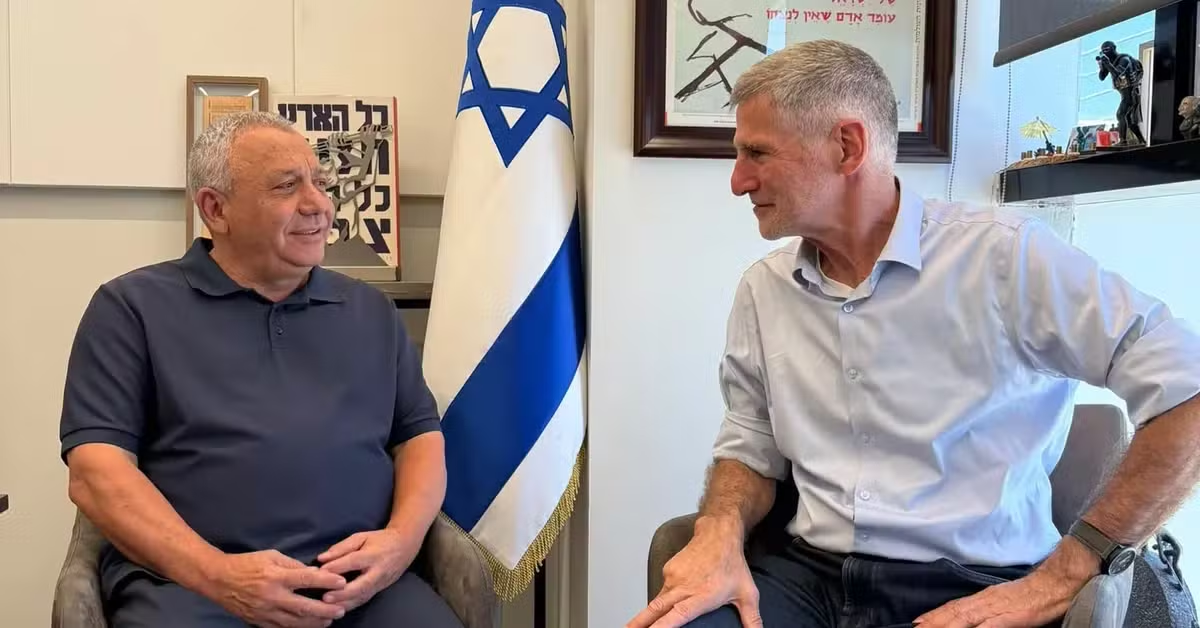
Democrats join Eisenkot coalition: Golan poised to replace Ben-Gvir as minister
Gadi Eisenkot's Yashar party and Yair Golan's Democrats announced on Thursday that they had agreed on the terms of a coalition deal, paving the way to finalize and sign an agreement to form a government. The report says Golan is poised to replace Ben-Gvir as a minister.
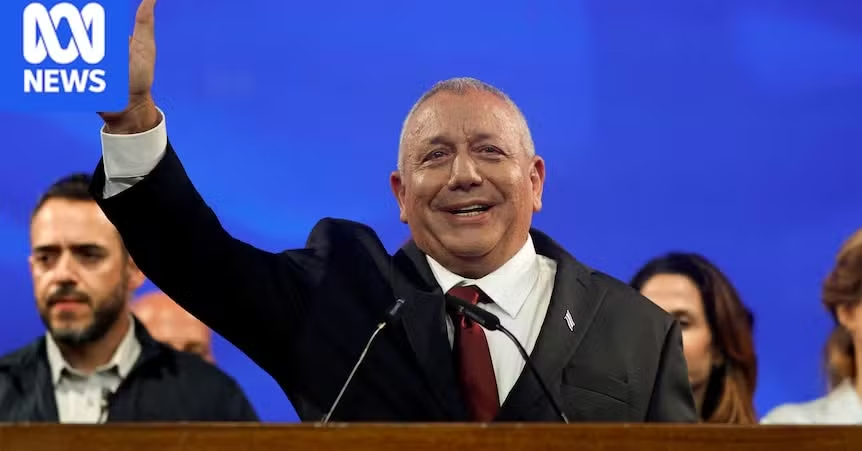
Anti-Netanyahu bloc vows to swear in Israel's new government by end of week
An ABC News report says the anti-Netanyahu bloc vows to swear in Israel's new government by the end of the week, as Gadi Eisenkot works to a December 6 deadline to form one after the election left no bloc with a majority. Eisenkot agreed the first coalition pact since the vote, with Avigdor Liberman's Yisrael Beytenu, but the deal drew backlash from Yair Golan's Democrats, and Liberman's refusal to sit with the Arab-led parties remains the sticking point, leaving Eisenkot weighing options including the ultra-Orthodox parties, a unity government, or a minority government. Analyst Mairav Zonszein says the talks are in part genuine and in part a performance, since Eisenkot will likely need the Arab parties' 19 seats. Meanwhile, judges in Netanyahu's corruption trial urged the attorney-general to consider dropping the only bribery charge against him, and Netanyahu declared in a televised statement, 'Today the trial fell apart.', developments Alon Pinkas says will not affect coalition-building if Eisenkot succeeds.
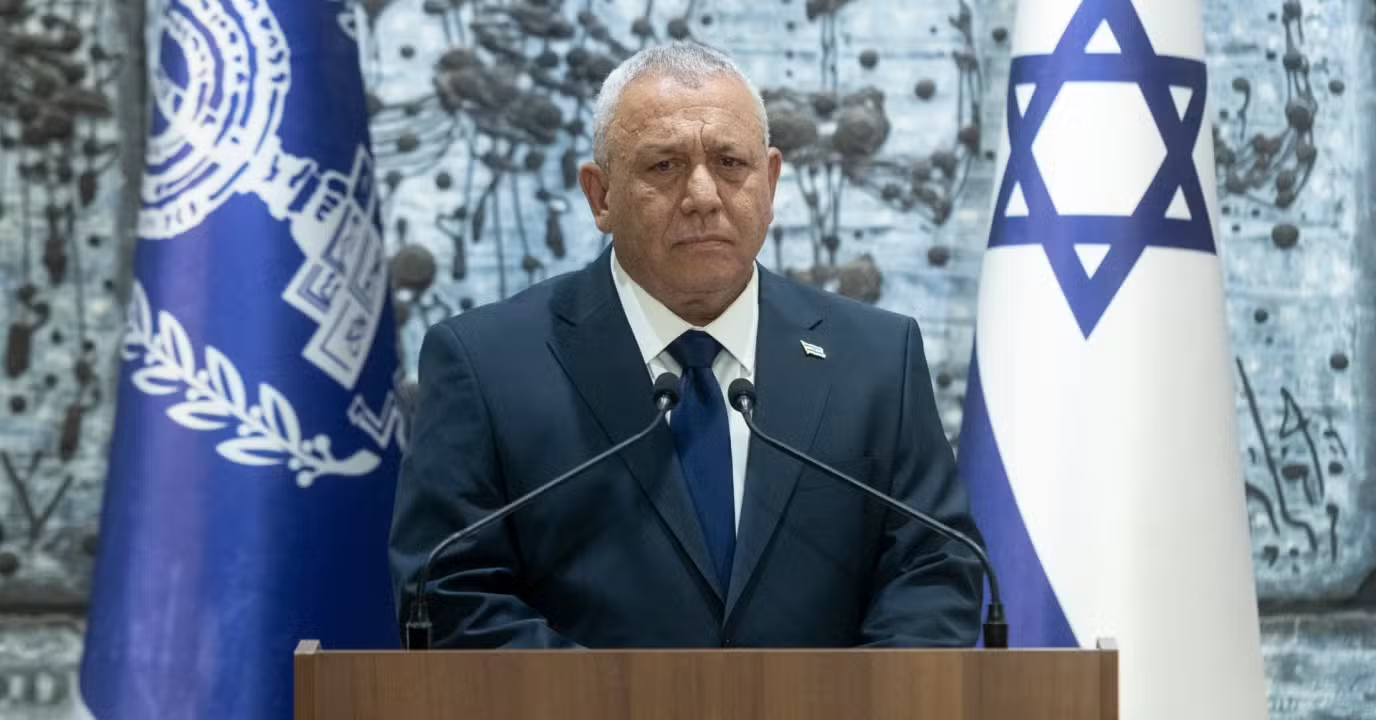
Israel’s Eisenkot secures first coalition partner in bid to form government
Gadi Eisenkot's Yashar party has signed the first coalition pact since Israel's October 2026 election, agreeing to unite with Avigdor Lieberman's right-wing Israel's Our Home party in a bid to form the next government. President Isaac Herzog tasked Eisenkot with forming a government after no party won the 61 seats needed, giving him until 6 December 2026 under a 28-day mandate. His bloc, including Lieberman, holds 48 of the Knesset's 120 seats, while Benjamin Netanyahu, who remains caretaker prime minister, leads a bloc of 53. Talks are ongoing between Eisenkot's change bloc and Likud on a possible unity government, a development that led the left-wing Democrats party to suspend talks with Eisenkot. If Eisenkot fails, Netanyahu would get his chance, and if neither succeeds another election would be held in 2027.
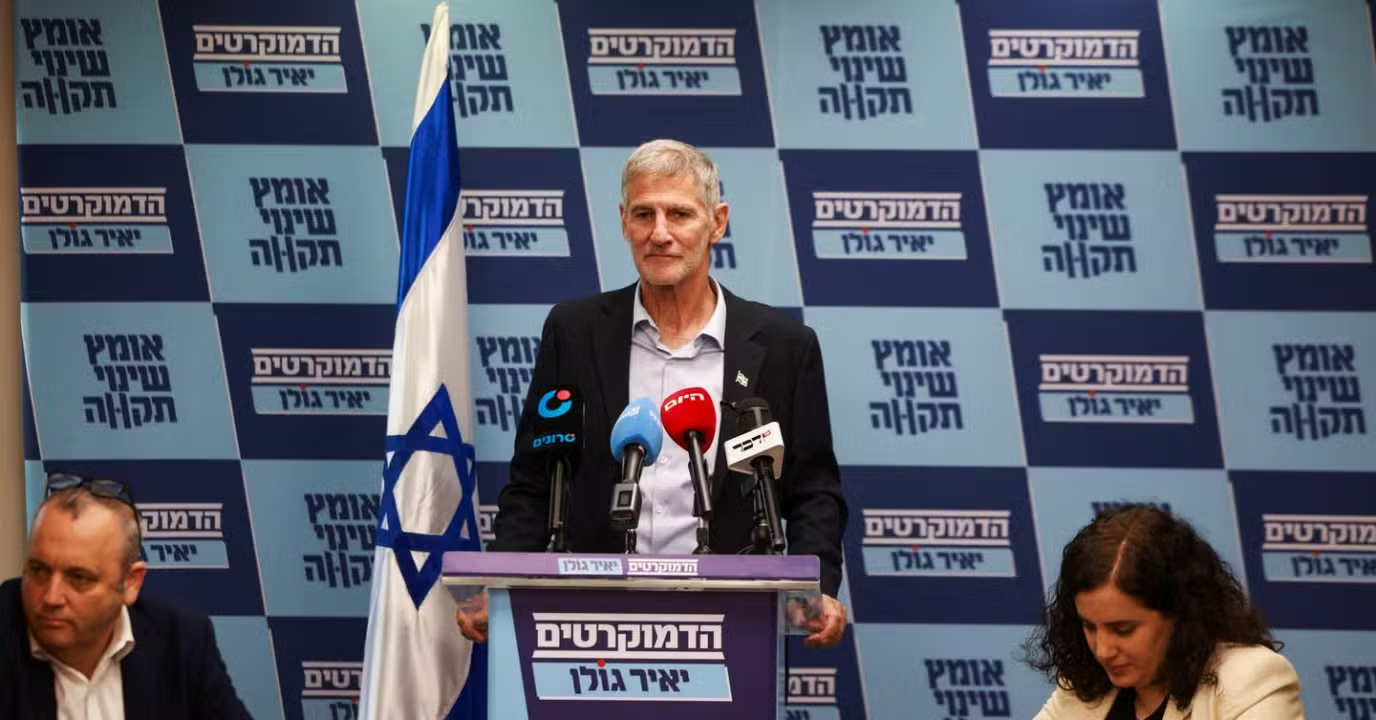
Israël : le parti de gauche Les Démocrates suspend les négociations avec celui de Gadi Eisenkot
Israel's main centre-left party, Les Démocrates, announced on Tuesday 24 November that it was suspending coalition talks with Yashar!, the party of Gadi Eisenkot, who was tasked on 8 November with forming a new government after neither he nor Benjamin Netanyahu won a clear majority in the 27 October election. In a post on X, the party said it acted amid progress in talks toward a unity government with Netanyahu and parallel deadlock in negotiations for a change government. Les Démocrates, led by Yaïr Golan, presses Eisenkot to form a coalition with two Arab-majority lists to oust Netanyahu, a condition Yisrael Beiteinu, another anti-Netanyahu partner, rejects, while Yashar! says Eisenkot and Avigdor Liberman agreed Tuesday evening to sign a coalition accord.
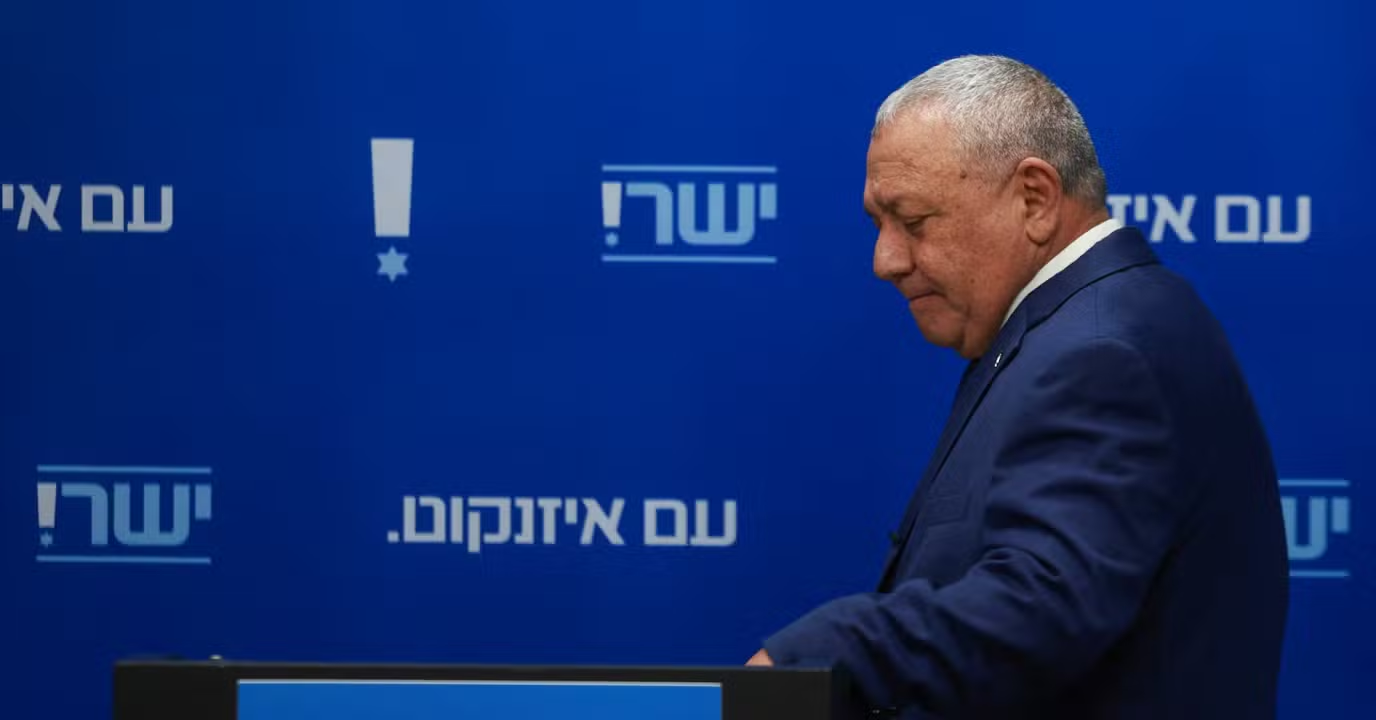
Israel's Eisenkot clinches first coalition agreement in bid to form government
A Reuters news report says Israel's Yashar party, led by former military chief Gadi Eisenkot, has signed a coalition pact with Avigdor Lieberman's right-wing Israel Our Home party, the first alliance since the October 27 election, as Eisenkot seeks to form a government. President Isaac Herzog has tasked Eisenkot with forming a government by December 6, while Benjamin Netanyahu remains caretaker prime minister after his bloc lost its majority but still holds 53 of 120 Knesset seats. Reuters calls the pact something of a surprise, since Lieberman had opposed a government relying on Arab parties, whose 19-seat bloc is aligned with Eisenkot against Netanyahu. The left-wing Democrats suspended their talks with Eisenkot, citing progress in his talks with Likud on a possible unity government, and if he fails Netanyahu would get a turn before another election.
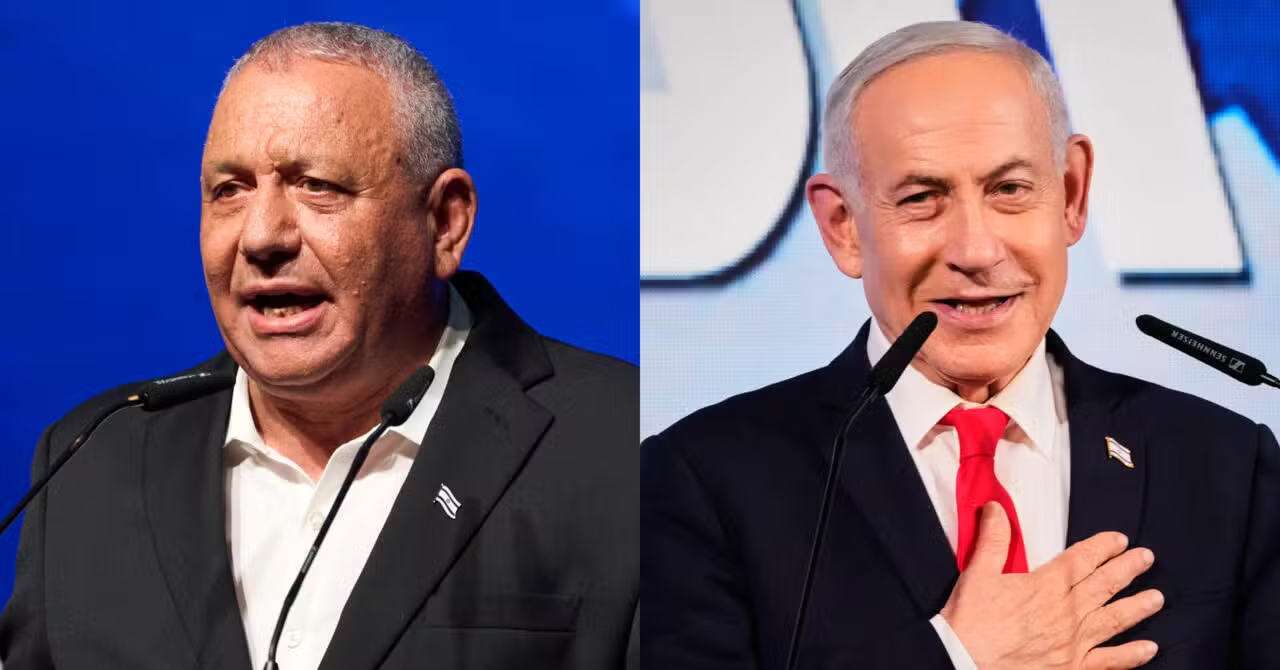
Israël: pas d'avancée entre les partis d'Eisenkot et de Netanyahu pour la formation d'un gouvernement
Coalition talks in Israel have made no progress: emissaries of Benyamin Netanyahu's Likud and Gadi Eisenkot's Yashar met for more than four hours in a Herzliya hotel on 22 November 2026 without agreeing on a unity government. The talks stalled on two points, the place of Itamar Ben Gvir's extremist party in the coalition, indispensable for Netanyahu but unacceptable for the opposition, and the prime minister's post, with Likud refusing any rotation and demanding Netanyahu serve the full four-year term. Right after the meeting Netanyahu rejected on social media any coalition supported by Arab deputies, drawing accusations of hypocrisy from Yaïr Lapid, while Yaïr Golan called the negotiations a stab in the back of voters. Eisenkot keeps threatening to form an emergency minority government if the deadlock persists, and contacts between the two parties are expected to continue.
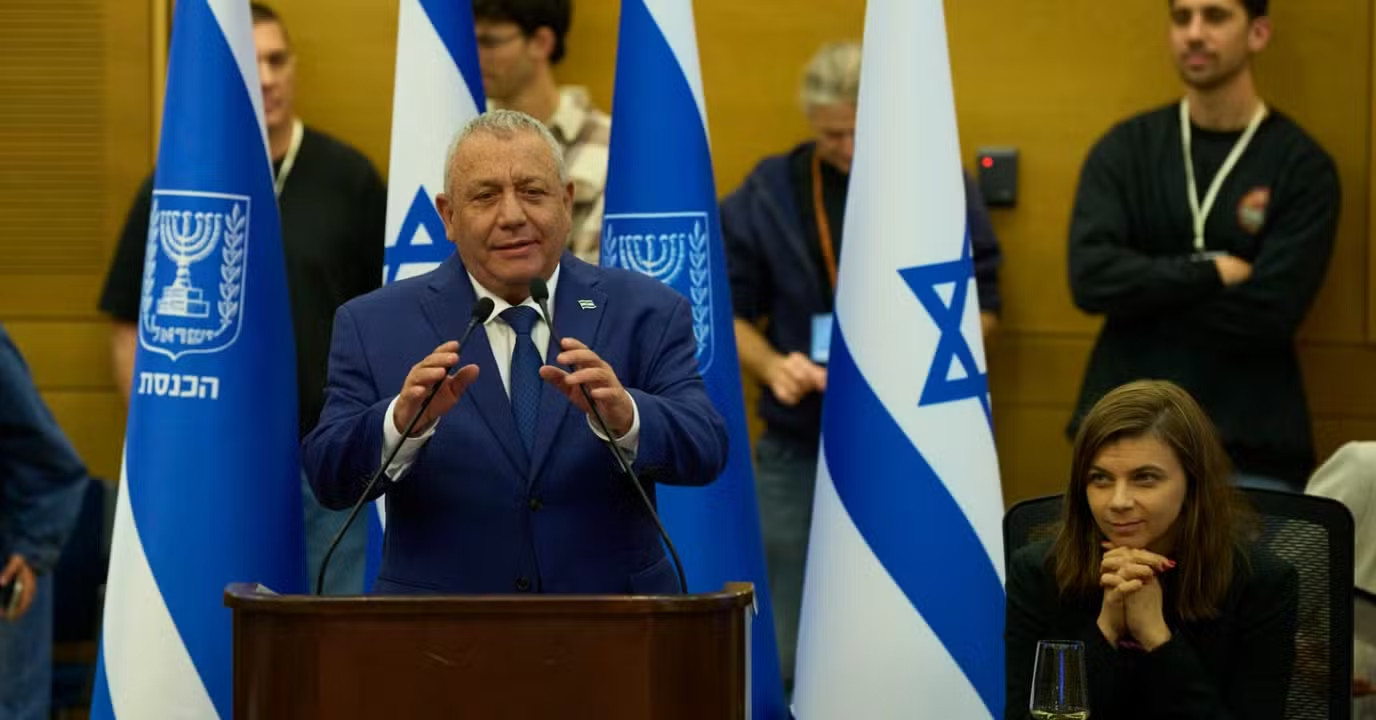
Israël : Gadi Eisenkot invite le parti de Benyamin Nétanyahou à des négociations de coalition
A Le Monde news report with AFP covers Gadi Eisenkot, the centrist tasked after the legislative elections with forming Israel's next government, whose party Yashar! announced on Saturday 20 November that it had invited outgoing prime minister Benyamin Netanyahu's Likud party to coalition talks starting the next day. The election left neither camp with an absolute majority, and Eisenkot's bloc holds 48 of the 61 Knesset seats needed, leaving him weighing an alliance with the ultra-Orthodox, a pact with the Arab parties, or a national unity government with Netanyahu. Eisenkot says he is open to governing with Likud members but rules out a coalition led by Netanyahu, and Naftali Bennett of his camp vowed his party would refuse any alliance with Netanyahu, whom he will make sure is not the next prime minister. Eisenkot said he wants no dragged-out negotiations and is ready to put a minority government to a vote in Parliament.
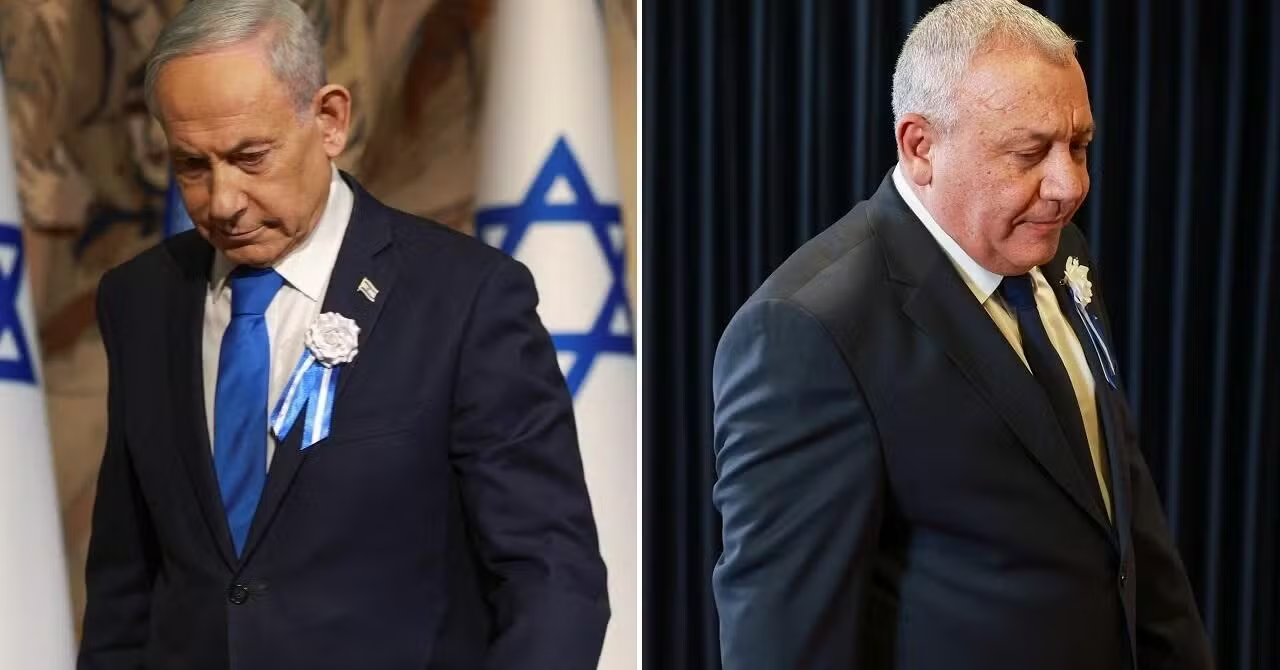
En Israël, les négociations patinent autour de la formation du gouvernement
Negotiations over forming Israel's next government are stalling even as the timetable accelerates, in a report by RFI. Gadi Eisenkot, leader of the outgoing opposition's Zionist bloc, is charged with forming a coalition by 6 December, and warns he will put a government to a Knesset vote before his mandate ends, even a minority cabinet supported from outside, actively or not, by the Arab parties, should no broad agreement be reached. According to the media, Netanyahu's Likud sets strict conditions, demanding that Netanyahu alone lead for four years and that Itamar Ben Gvir's far right take part, which Eisenkot's camp calls a mere political maneuver. Avigdor Liberman rejects the minority-government option, asserting only a coalition including the ultra-Orthodox parties can keep Netanyahu out of power.
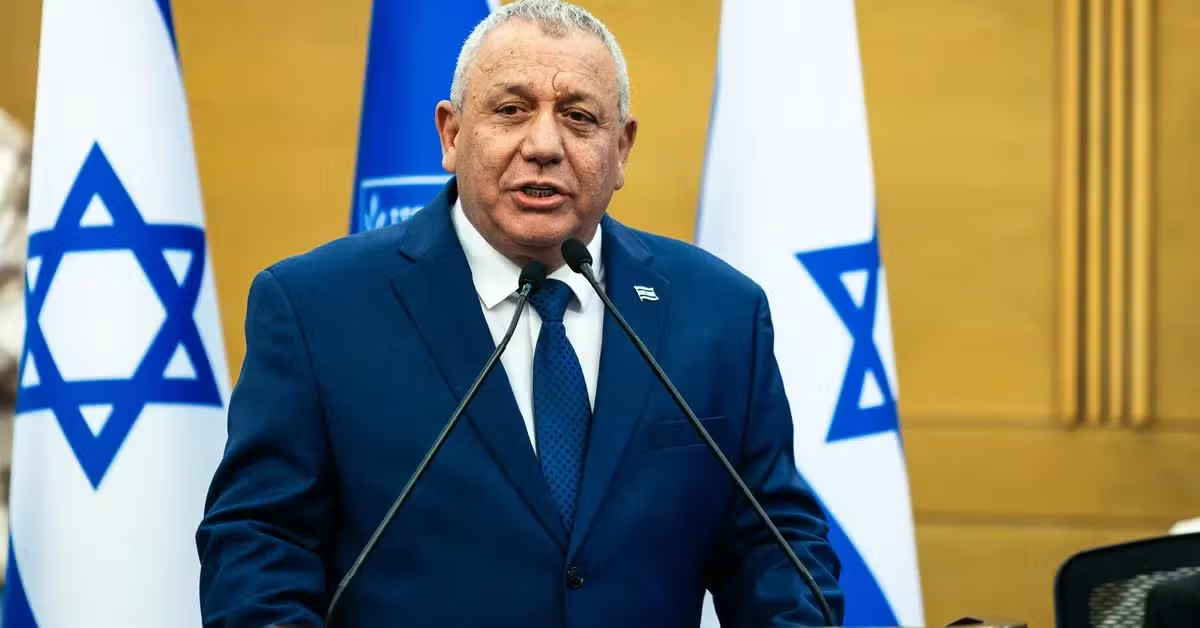
Eisenkot plans Knesset vote on gov't led by him even if coalition talks fail
Gadi Eisenkot, chairman of Yashar, has been tasked with forming Israel's next government. Haaretz reports that he intends to bring a proposed government to a Knesset vote before his mandate expires, even if coalition negotiations led by his bloc fail.

Palestine Weekly: Israel’s political reshuffle as the occupation grinds on
Al Jazeera's Palestine Weekly reports that power in Israel is being rearranged while the occupation grinds on. Prime Minister Benjamin Netanyahu told the new parliament that Arab-led parties 'seek to destroy the Jewish state' and demanded a Zionist unity government, and opposition leader Gadi Eisenkot, whose bloc is angling to lead, has ruled out a government with the Arab parties even though their 19 seats would give him a majority. Israel's attorney general is probing whether Netanyahu's office engineered an election case claiming Arab parties stole the vote. Meanwhile, Israeli attacks killed at least 37 people in Gaza in the week, including six in a strike on the surgery building of Nasser Medical Complex, and settlers attacked whole villages in the occupied West Bank with little to stop them.

Eisenkot: 'Netanyahu's conduct is a threat to democracy. He must not remain in power'
In a Ynetnews report, Yesh Atid chairman Gadi Eisenkot says Benjamin Netanyahu and his circle's conduct is a tangible, direct and immediate threat to Israeli democracy, and that Netanyahu must not hold the reins of power for even one more minute. He made the remarks hours after negotiations to form a unity government, saying Israel should under no circumstances face another election round with Netanyahu as prime minister, and that as long as Netanyahu is in office there will be no more fair elections. Eisenkot says this is the central consideration guiding his coalition negotiations.
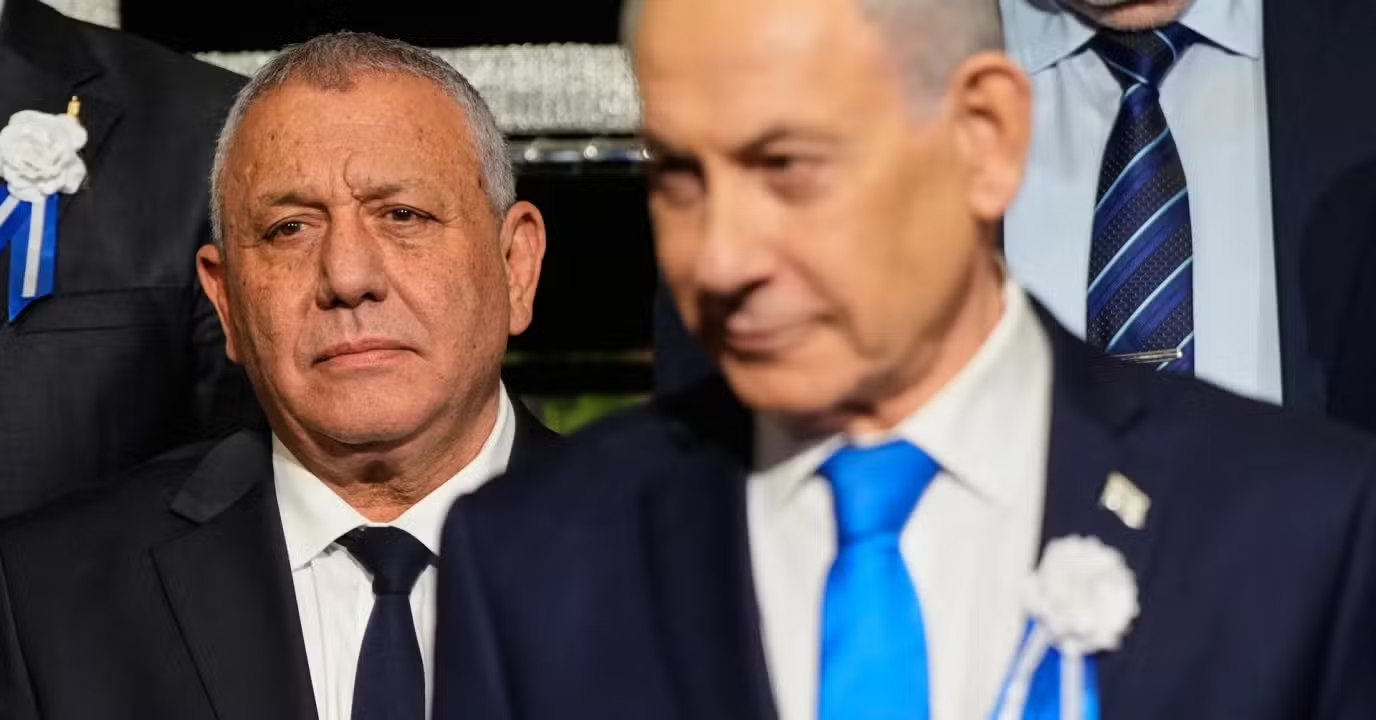
Netanyahu says only a unity government can guarantee Israel’s security
Al Jazeera reports that caretaker Prime Minister Benjamin Netanyahu says only a national unity government with his rival Gadi Eisenkot can guarantee Israel's security, days after the 27 October election left his bloc with 53 seats to Eisenkot's 48 and Arab-led parties with a record 19. President Isaac Herzog tasked Eisenkot, a former army chief backed by 67 lawmakers including those from Arab-led parties, with forming a government within 28 days. Eisenkot dismissed Netanyahu's appeal within minutes as a ploy, saying Netanyahu 'knows he lost the election', while Netanyahu and his allies claim, without substantiation, that Arab-led parties 'stole' the election. Eisenkot has ruled out including Arab-led parties in his planned minority government, under which his bloc's 48 lawmakers would vote in favour against Netanyahu's 46 supporters.
Netanyahu may fall, but his far-right legacy in Israel is going nowhere
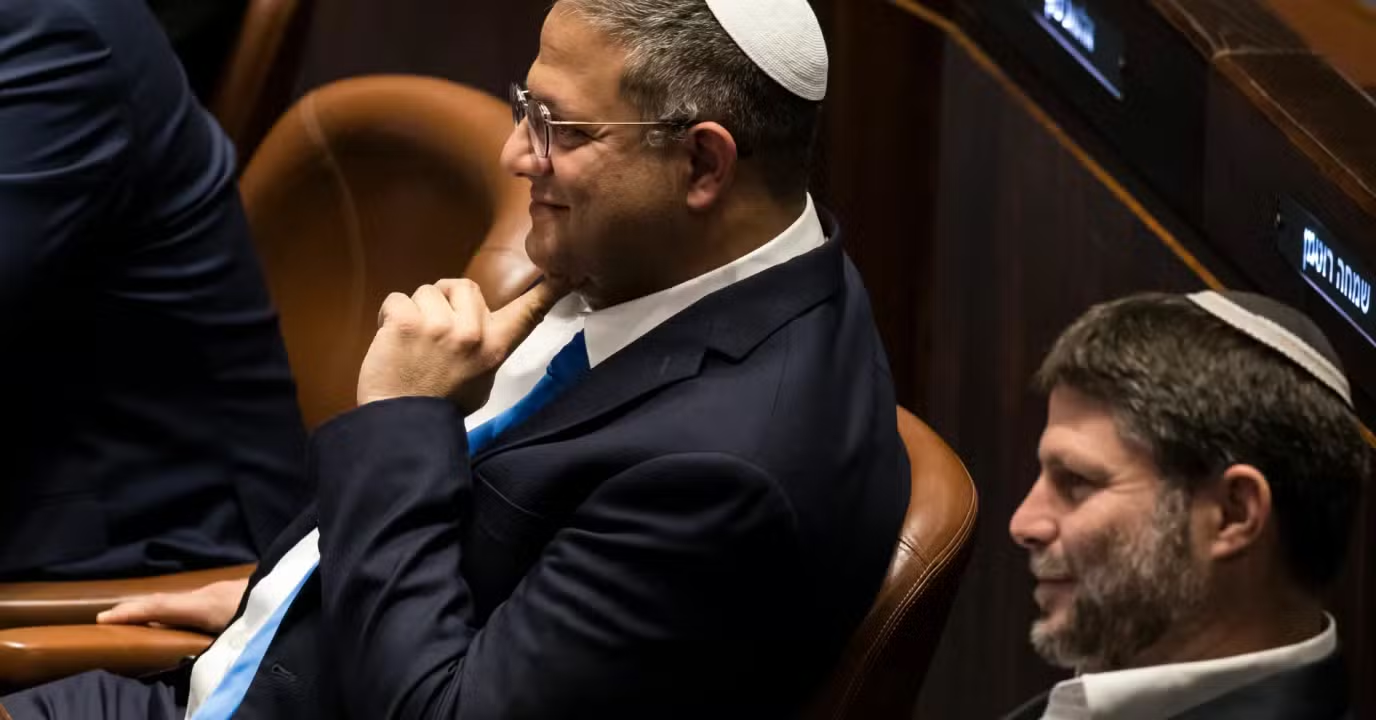
An Al Jazeera analysis argues that Benjamin Netanyahu may fall, but the far-right legacy of Itamar Ben-Gvir and Bezalel Smotrich is going nowhere. The two ministers entered his 2022 coalition with key portfolios and turned them into instruments of their hardline projects: Bezalel Smotrich used his finance role to accelerate West Bank settlement, reviving the E1 plan he boasted would bury the idea of a Palestinian state, while Itamar Ben-Gvir reshaped the prison service and is accused of politicising the police. Analysts say ousting them would not dent their movements, which hold the support of about 10 percent of the electorate, and that their changes are personnel, procedures and facts on the ground that reversing would require sustained political will.

