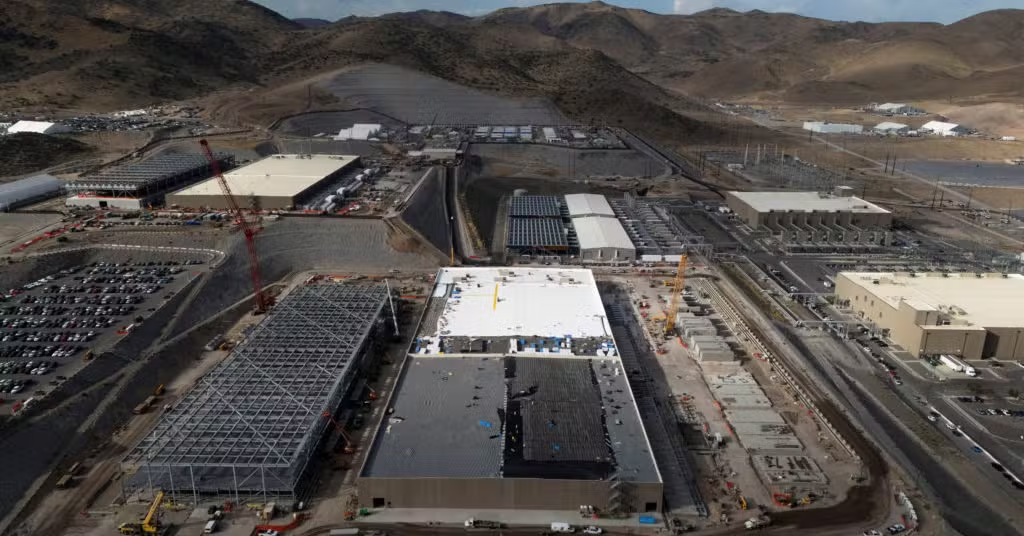
Study reveals energy demands and emissions of America's data centers
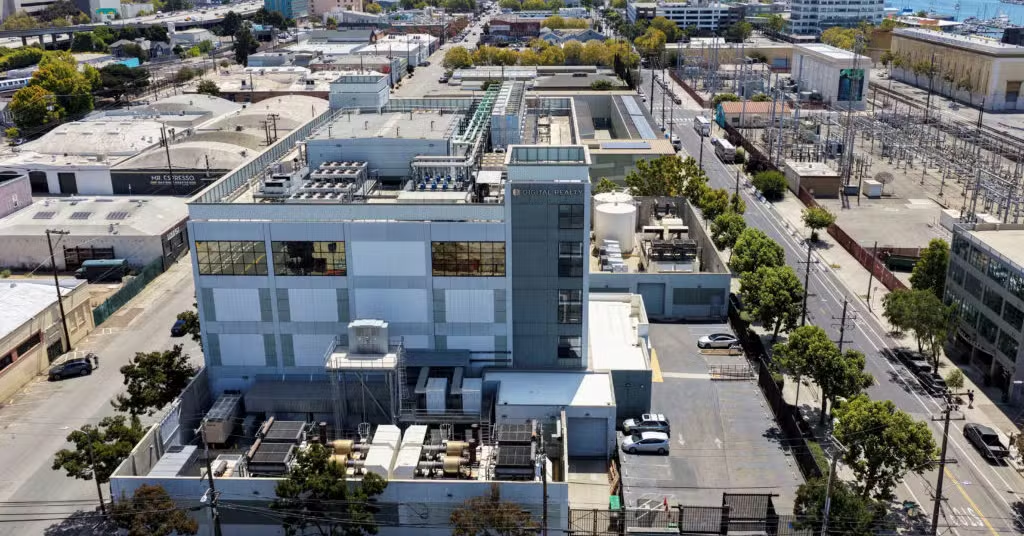
400 largest U.S. data centers produced more carbon dioxide in a year than Denmark, study finds
A Harvard study published in Nature Sustainability found that the 403 largest U.S. data centers produced about 28.3 million tons of carbon dioxide in a year, more than the entire nation of Denmark, and that was before the artificial intelligence boom really got going. The researchers estimated the centers used 82 terawatt hours of electricity, enough to power nearly 7 million homes for a year, with more than half of it from fossil fuels, and senior author Francesca Dominici said the estimate was two to three times what earlier studies had shown. The study was published on 16 November 2026, the same day negotiators at the UN COP31 climate talks in Antalya, Turkey, launched a voluntary pledge, backed by host Turkey and the International Telecommunication Union, for companies and countries to power data centers with clean energy and disclose their power, water and emissions. Outside experts said the study's modeling was reasonable because companies do not disclose their power use and pollution. Views on the path forward split: Al Gore is hopeful AI's computing power can help fight climate change, while the National Artificial Intelligence Association's Caleb Max says fears about data centers' energy and water use may be overblown, and UN climate chief Simon Stiell cautioned that claims of future emissions savings cannot excuse rising pollution now.
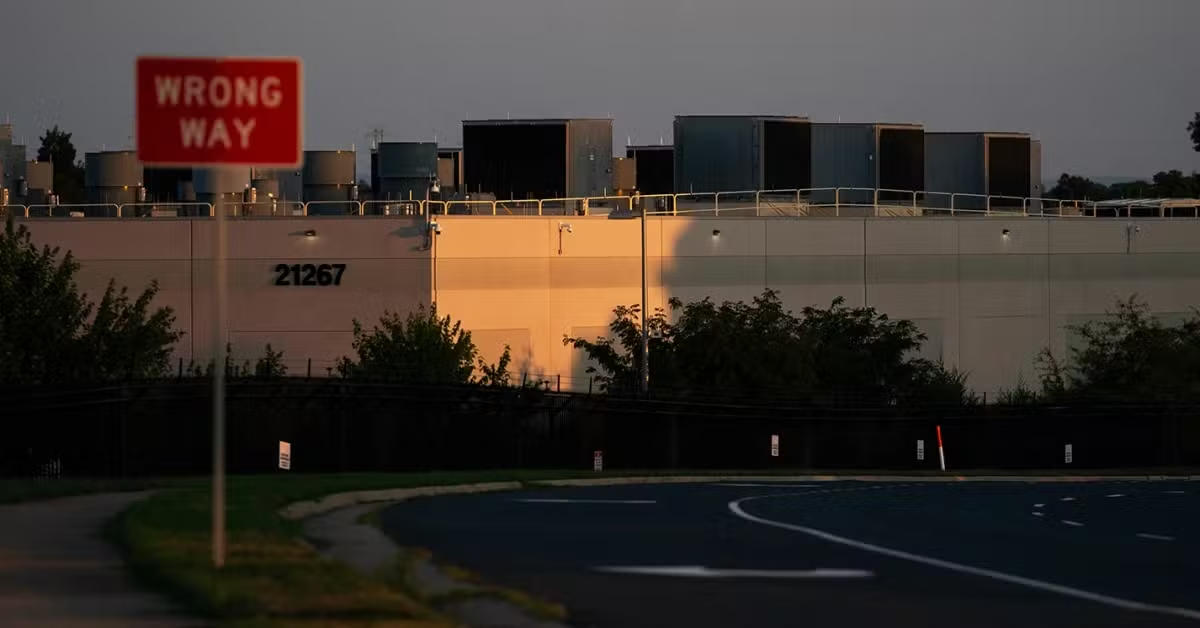
Harvard study estimates magnitude of U.S. data center pollution as climate talks unveil clean AI pledge
As negotiators at the United Nations COP31 climate talks in Antalya, Turkey launched a voluntary pledge for companies and countries to power data centers with clean energy and disclose their power, water and emissions, a Harvard study published the same day estimates the pollution those centers cause. The study, in the journal Nature Sustainability, analyzed 403 of the largest U.S. data centers and found their 82 terawatt hours of electricity use, enough to power nearly 7 million homes for a year, came mostly from fossil fuels, producing around 28.3 million tons of carbon dioxide, more than Denmark emits in a year and two to three times what earlier studies had shown. Senior author Francesca Dominici says plans for 2,000 more data centers make that emissions total more worrisome, and outside experts said the study's modeling was reasonable because companies do not disclose their power use and pollution. At the talks, former Vice President Al Gore was more hopeful, citing economist Nicholas Stern's prediction that advanced AI could cut greenhouse gas emissions by 6 to 9 percent by 2030, while United Nations climate chief Simon Stiell said claims of future emissions savings cannot excuse rising pollution now.
Environmental_Footprint_of_U_S__Data_Centers.pdf
A research paper by Gianluca Guidi, Francesca Dominici, and colleagues estimates that the 403 United States hyperscale data centers it studied consumed 93.66 TWh of electricity between May 2024 and April 2025, at least 2.10% of national electricity consumption, and emitted just over 52 million metric tons of CO2, about the annual emissions of 11.3 million cars. The authors compiled facility-level data validated through satellite imagery, traced each center to the 3,318 power plants supplying it, and found almost 60% of that electricity came from fossil fuels, with natural gas the largest single source. Because the grid regions hosting the centers, above all PJM in Virginia, run on carbon-intensive power, the centers' weighted carbon intensity was 564 grams of CO2 per kilowatt hour, 52% above the national average of 369, and 96% of their electricity use sat in areas dirtier than average. The authors say their figures are a conservative lower bound, since they do not account for the higher utilization of AI servers, and they call for data centers to be treated as a relevant economic sector and for data-driven, consequential methods to guide siting and policy.

U.S. data centres now emit more carbon than an entire country | CBC
A Harvard study published as UN climate talks open in Antalya finds that the 400 largest data centres in the United States put more heat-trapping gases into the atmosphere in one year than the entire nation of Denmark, and that was before the artificial intelligence boom really got going. The researchers, who studied 403 data centres between May 2024 and April 2025, estimated their electricity produced around 28.3 million tons of carbon dioxide, with more than half the power coming from fossil fuels, and senior author Francesca Dominici says the estimate is two to three times higher than earlier studies. Lead author Gianluca Guidi calls the findings only a snapshot of a rapidly expanding industry, and outside experts said the conclusions were realistic given how little companies disclose about their power use and pollution. At COP31, negotiators launched the voluntary Antalya Artificial Intelligence Pledge calling on companies and countries to run data centres on clean energy and disclose their emissions, though some climate experts see a contradiction in its call to harness artificial intelligence against climate change.
US data centers now burn more electricity than a midsized country
A new study in Nature Sustainability finds that US hyperscale data centers likely collectively use more electricity than a midsized country, around 82 terawatt-hours between May 2024 and April 2025, and that fossil fuels are their biggest source of power, producing serious greenhouse gas emissions. The researchers identified 403 hyperscale data centers, massive structures built in large part to support generative AI, using satellite imagery, then drew on Environmental Protection Agency data to estimate the carbon pollution each would have produced on its local grid. Lead author Gianluca Guidi, a postdoctoral fellow at Harvard T.H. Chan School of Public Health, says AI's footprint is often treated as fixed when it actually depends on the electricity system supporting it, which he finds encouraging because the impacts are not inevitable.
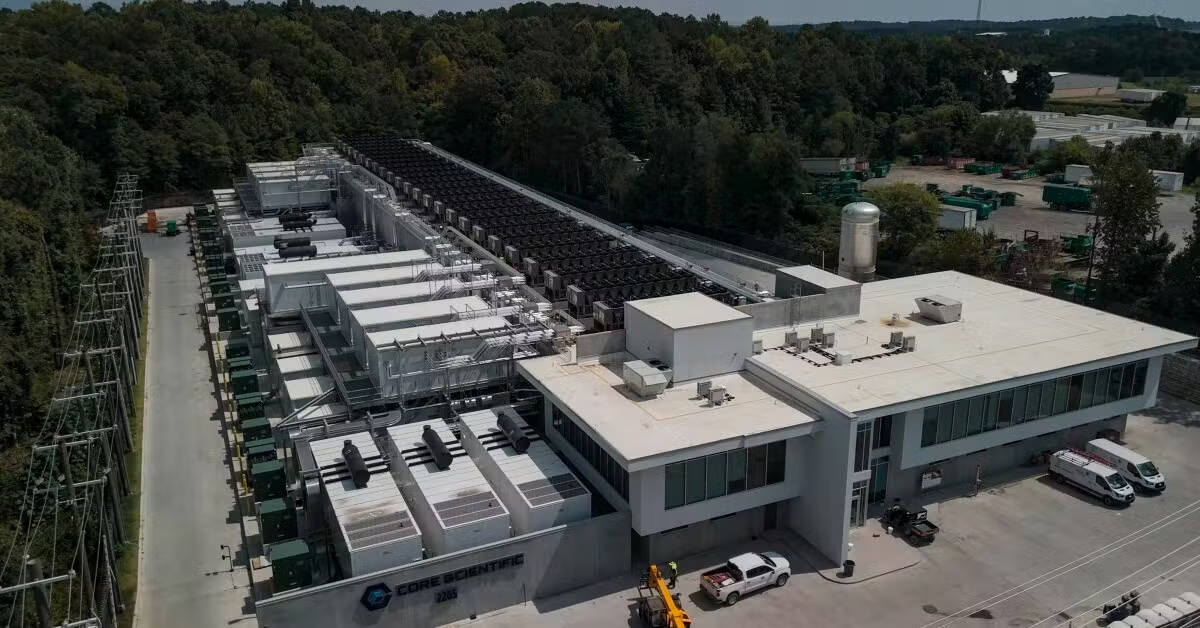
Study estimates magnitude of US data center pollution as climate talks unveil clean AI pledge
As negotiators at the COP31 climate talks in Antalya, Turkey launched a voluntary pledge on 16 November 2026 for companies and countries to run data centers on clean energy, a Harvard study published the same day put numbers on the pollution the industry produces. Researchers examined 403 of the largest US data centers and estimate their electricity use emitted around 28.3 million tons of carbon dioxide in a year, two to three times what earlier studies showed, with more than half the 82 terawatt hours they used coming from fossil fuels. Senior author Francesca Dominici says that is equivalent to the emissions of Michigan or a small European country like Denmark, and that plans for 2,000 more data centers make the figure more worrisome. Outside experts found the study's modeling reasonable because companies do not disclose their power consumption and pollution, while the Antalya Artificial Intelligence Pledge asks signatories to use clean power, share their environmental impacts, and apply AI to climate problems.
Carbon Emissions of Biggest U.S. Data Centers Already Rival Entire Countries, Study Reveals
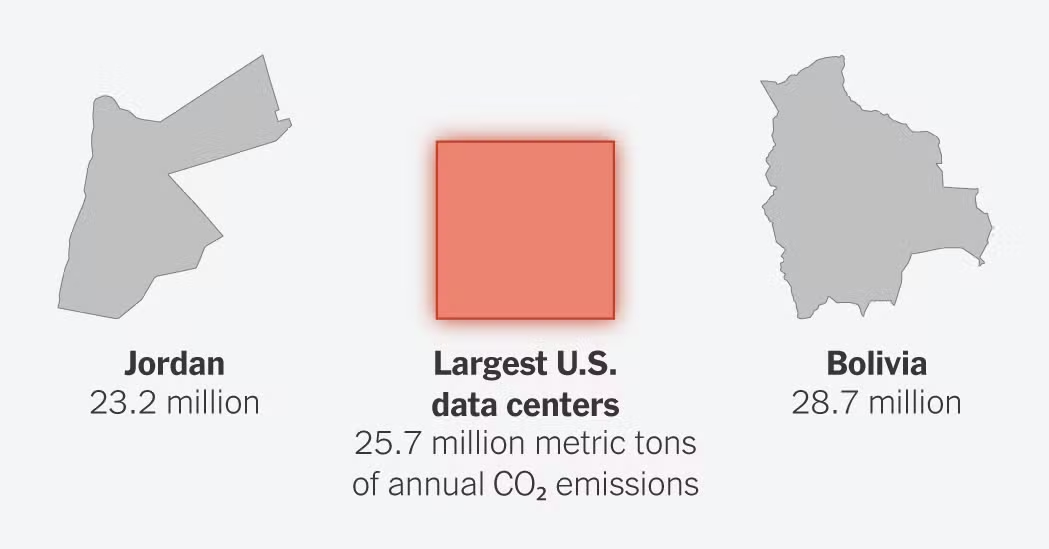
A study published in Nature Sustainability by a Harvard-led team finds that the largest United States data centers emit an estimated 25.7 million metric tons of carbon dioxide a year, almost as much as entire countries like Bolivia, and that the 403 facilities examined used almost 2 percent of United States electricity. The study, the first peer-reviewed estimate of big data centers' emissions since the A.I. boom began, found data centers in Virginia, Iowa, and Ohio accounted for about half the emissions, and its authors say the figures likely undercount because many facilities could not be verified or bypass the grid. Because no public list of data centers exists, the researchers pieced together locations from commercial datasets, building footprints, and satellite imagery, which the study's lead scientist, Gianluca Guidi, calls evidence of the industry's lack of transparency, and he recommends the federal government require operators to disclose their electricity use and emissions. Outside researchers say the study resets understanding of how much power and emissions large data centers already account for, while opposition has blocked or delayed at least 70 A.I. data center projects across 25 states.
Just 400 US Data Centers Use More Electricity Than Michigan
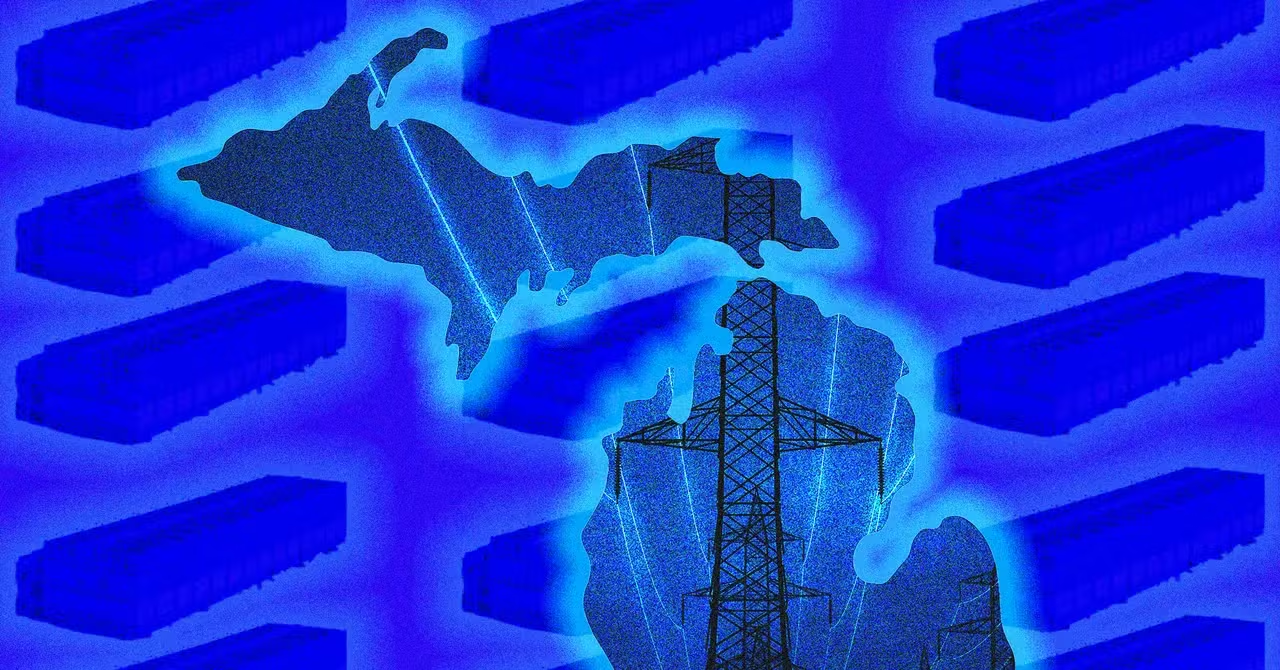
New Harvard research finds that 400 hyperscale data centers connected in the US used as much electricity as the state of Michigan in a single year, and that most of that power came from fossil fuels, with data center emissions now three times higher than before the AI boom. The study, published in Nature Sustainability, modeled the energy use of 403 facilities operational between May 2024 and April 2025 using industry research and satellite data, and found data centers in Virginia, Oregon, Ohio, and Iowa accounted for more than 50 percent of that use. Neither federal nor state governments track data center electricity use separately from the rest of the power sector, and operators treat their numbers as proprietary, though the Energy Information Agency ran pilot surveys and is designing a possible voluntary survey. WIRED's Molly Taft writes the findings may already be outdated, since proposed campuses are far larger than the study's average 40-megawatt facility and up to 189 gigawatts of behind-the-meter power, much of it natural gas, sits in the development pipeline, something the study did not count.

Largest data centers take up about 2 percent of U.S. electricity use, study says
A Washington Post report by Shannon Osaka covers a new Harvard study finding that hyperscale data centers, the largest ones supporting artificial intelligence, used 1.8 percent of all U.S. electricity between 2024 and 2025. Published in Nature Sustainability, the study analyzed 403 data centers and found they produced about 25 million metric tons of carbon dioxide emissions, two to three times higher than the 2018 assessment, with more than half their power coming from fossil fuels despite renewable efforts. Study co-author Francesca Dominici says the consumption approaches that of a small European country and questions whether the United States is on the right trajectory for data center development. The researchers note that because the study only covered electricity use through the end of 2025, demand is probably even greater now given the industry's explosive growth.

