
US chip curbs won't impact Malaysia's China ties, PM says
In a Reuters report, Malaysian Prime Minister Anwar Ibrahim says US export curbs on advanced AI chips will not deter Malaysia from working with China and Chinese firms. In an interview with the South China Morning Post, he says Malaysia is not leaning to either power, though it is generally easier to deal with Beijing given existing cultural and regional ties. He adds that China has not raised concerns over Kuala Lumpur's relationship with Washington, saying, 'Having excellent relations with China does not preclude us from continuing to engage with the United States. And the Chinese seem to understand.' He says Malaysia will respect US conditions on its companies but that this will not preclude working with Chinese firms, and it will monitor whether any US-linked companies ship chips to China.
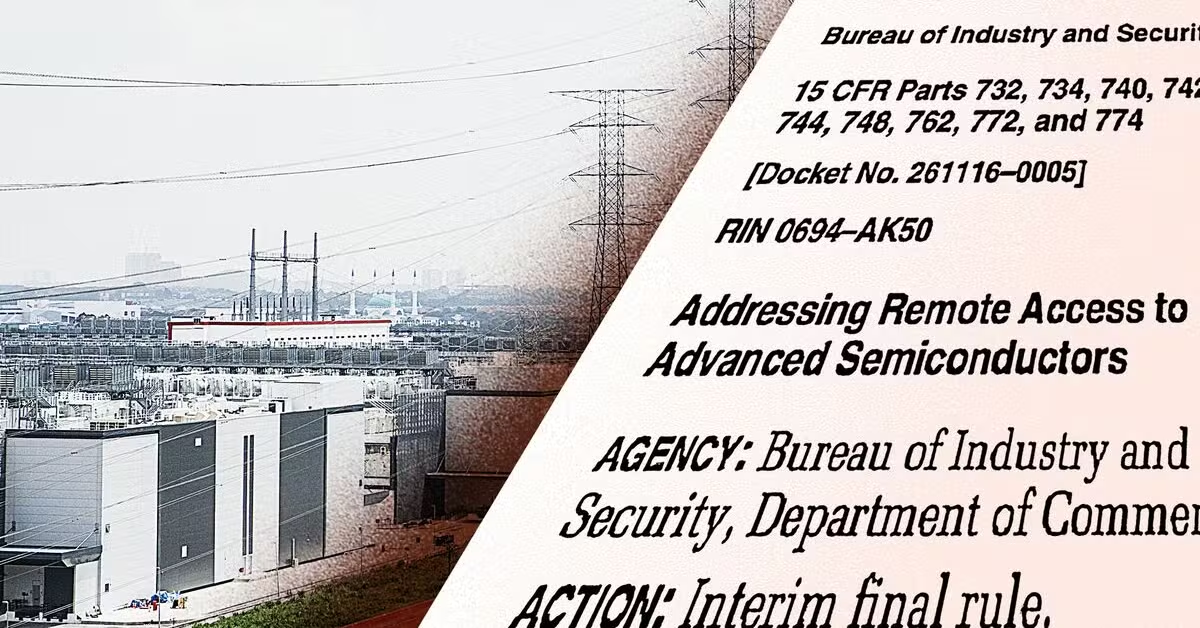
Trump’s AI Chip Crackdown Inflicts Collateral Damage Across Asia
New US Commerce Department rules will require Washington's permission for shipments of advanced chips to four Southeast Asian countries, including Indonesia, in what Bloomberg reports as collateral damage across Asia from Trump's AI chip crackdown. The rule appeared in a lengthy document published by the Commerce Department, and the report also expects a global clampdown on data centers that give Chinese firms remote access to hardware they are restricted from buying themselves. The immediate fallout is captured by an Indonesian data center chief executive who spent hours refreshing the Commerce site at 3 a.m. in Jakarta until the rules appeared, then ordered a damage assessment and flew overnight to Singapore to meet with Nvidia's team.
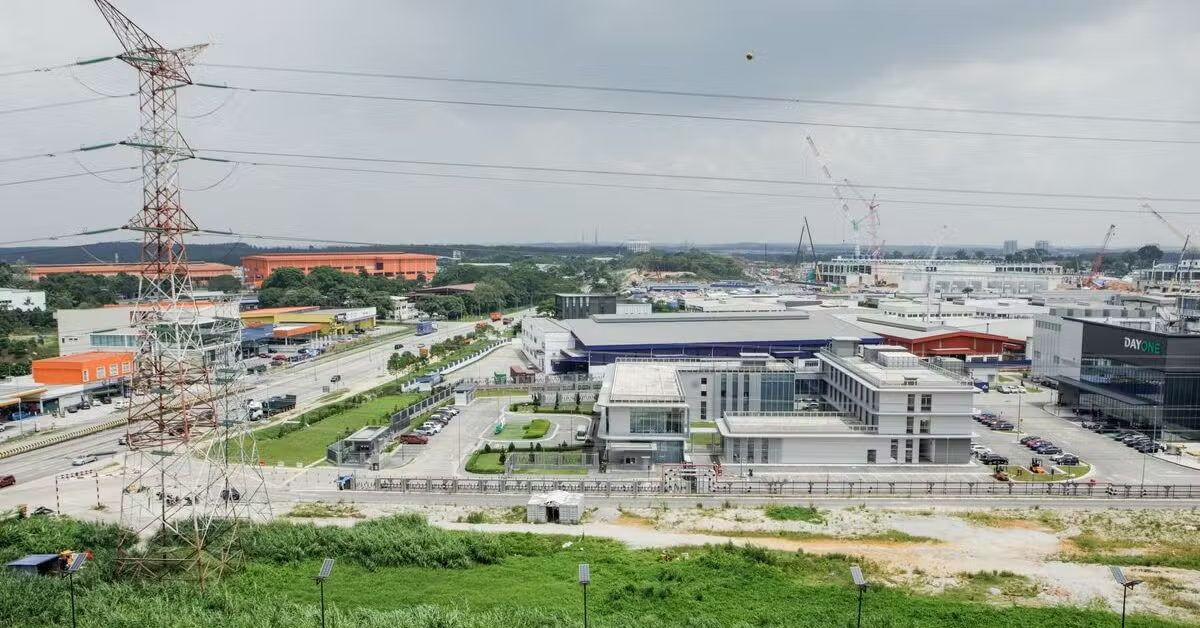
New US Chip Rules Threaten Pain for Southeast Asia
A Bloomberg New Economy newsletter by Claire Jiao argues that the Trump administration's latest round of restrictions on advanced artificial intelligence chips threatens pain for Southeast Asia. The rules, dropped the week before 21 November 2026, were aimed at Beijing but sent shockwaves through the region as well. Jiao, who covers Southeast Asian economies from Singapore, says neighbors had made a lucrative business out of serving mainland China's fast-growing demand for the chips.

Treasury secretary says no further restrictions are needed for Nvidia chip exports to China
In an AP News report, Treasury Secretary Scott Bessent says no further restrictions are needed on the sale of Nvidia chips to China, telling CNBC after returning from a trip to Asia with President Donald Trump that the proper restrictions are in place. His comments on Friday, November 20, 2026 follow the administration's move earlier that week to block China's remote access to Nvidia's latest semiconductors, and Bessent says that remote access has been curtailed. Chinese tech firms' access to Nvidia technology had come under scrutiny after chief executive Jensen Huang stepped down amid allegations of an affair with an executive at Megaspeed, a Singapore-based company whose computing power Chinese firms access remotely.
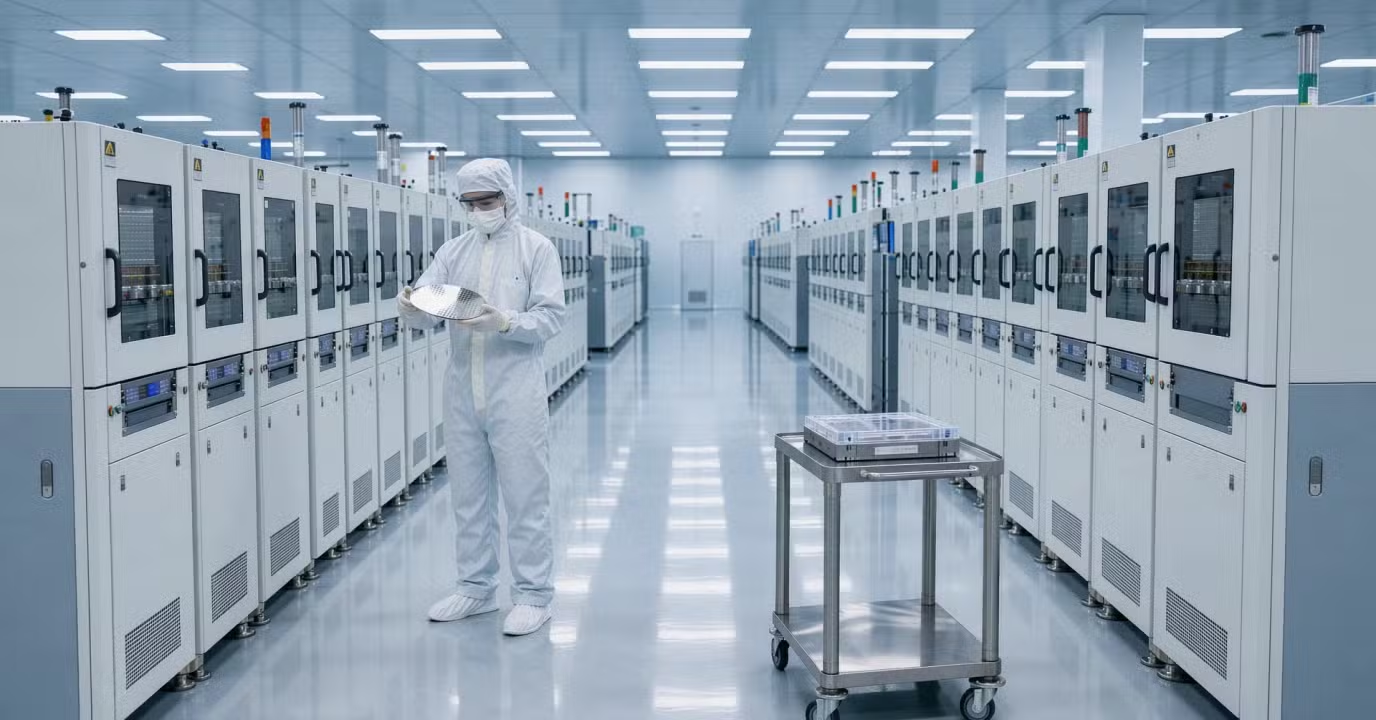
TSMC Is Halting Some China Chip Orders as a New U.S. Rule Kicks In
Taiwan Semiconductor Manufacturing has reportedly told Chinese customers to stop placing chip orders at 16nm and more advanced nodes unless they hold US export licenses, after a Commerce Department rule took effect on November 19, 2026 restricting exports to data centers serving Chinese-headed companies. People familiar with the matter told Reuters that until that day some Chinese AI chip designers could still order 7nm chips, and that the cutoff has now moved to 16nm, but the company itself has issued no statement so the halt remains unconfirmed. The article notes no customer names or revenue figures are disclosed, while approved US chip designers keep full access and affected customers can still use mature 28nm and 40nm nodes. 24/7 Wall St. judges the lost leading-edge China work a small cost, but flags a slow license process spreading into Southeast Asia data centers as the main risk, with smartphone chip licenses the first test before the rule's December 21, 2026 deadline.
US AI chip curbs hit China tech stocks, spur self-sufficiency push
A flurry of new US measures restricting China's access to advanced AI chips have pummelled Chinese technology stocks and are pushing Chinese firms to accelerate a domestic AI ecosystem less dependent on US technology. The curbs target Chinese firms' remote access to advanced chips and overseas data centres serving Chinese AI companies, and follow Nvidia's suspension of some shipments to China and TSMC's suspension of some advanced chip orders from Chinese customers; shares in Z.AI fell 22% and MiniMax 34% in two weeks. Executives differ on the impact: Alibaba's Eddie Wu says the new US rule will affect its products next year and cloud revenue growth will likely slow to 30% to 45%, while Tencent says its cloud business will be largely unaffected because its AI services rely mainly on inference workloads that can run on domestic chips, though its next-generation AI model will slow in the near term. Analyst Neil Shah of Counterpoint Research says closing the leading-edge gap before 2030 looks difficult for China's AI industry.
Chip supply chain warns of broader disruption from new US export controls
Industry executives tell Nikkei Asia that the tighter US export controls on chips introduced on 19 November 2026 are having a far broader impact on the global semiconductor supply chain than initially expected. The disruption reaches beyond advanced AI chips to those used in everyday mobile and consumer applications, and affects developers beyond China. Taiwan Semiconductor Manufacturing Co., the world's largest contract chipmaker and a producer of leading-edge AI processors for customers such as Nvidia, has suspended some shipments amid the new controls.

'All Chinese players' will rely on domestic chips eventually: Tencent
Tencent President Martin Lau says the latest U.S. curbs on China's access to advanced AI chips will only accelerate the development of Chinese chipmakers, and that all Chinese tech companies ultimately will rely on domestic chips and supply chains. The Nikkei Asia report comes as Tencent disclosed net debt on $9.8 billion of AI-led spending in the third quarter of 2026, and as the company says its WorkBuddy AI agent has surpassed 10 million daily users amid overseas expansion.
Southeast Asia’s data center boom leaned on Chinese demand. New U.S. rules put that pipeline at risk
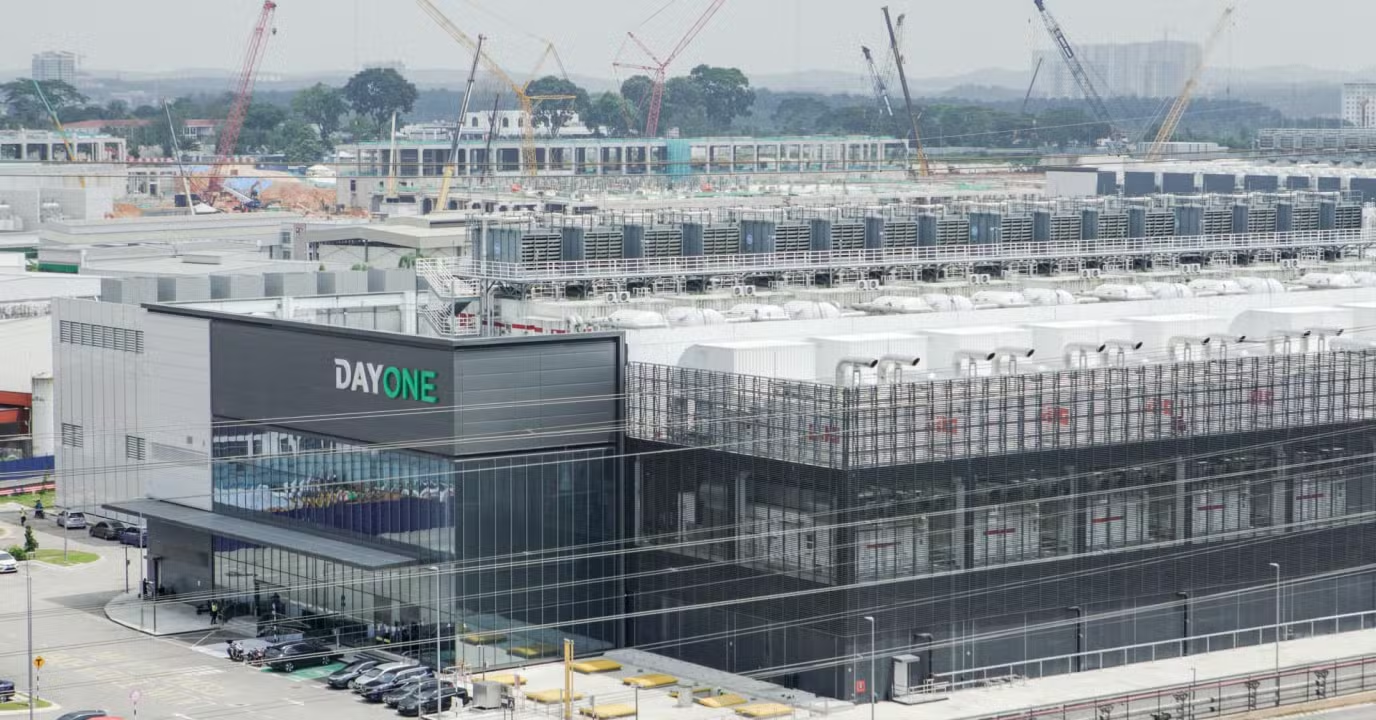
A new U.S. Commerce Department rule requires data centers in Singapore, Malaysia, Thailand and Indonesia to obtain a U.S. license to buy advanced AI chips including Nvidia's, a move that could slow Southeast Asia's data center boom. The rule gives facilities already serving large Chinese customers 90 days to apply for a license, while exempting U.S.-linked firms such as American cloud providers. The boom had leaned on Chinese firms like Alibaba and ByteDance, which, shut out of Nvidia's most advanced chips at home, rented capacity in overseas data centers; October estimates by the Institute for Progress put about 75% of China's overseas AI compute in Southeast Asia by the end of 2026. Analysts expect delays and higher costs rather than an end to the buildout, with Malaysia most exposed, and one former National Security Council official warns Chinese companies may simply pivot to renting compute from data centers in Virginia, urging Washington to close that loophole.

Taiwan Semiconductor Falls 4% as U.S. Tightens AI Chip Curbs on China; Intel Drops 3%, AMD Slides 2%
Washington's tightened restrictions on China's access to advanced AI chips knocked chip stocks down on November 17, 2026, with Taiwan Semiconductor Manufacturing falling 4%, Intel 3%, and AMD 2%, in a technology sector that led the S&P 500's 1.2% decline. The new rules require export licenses for advanced AI chips, cover shipments to data centers in Singapore, Malaysia, Thailand, Indonesia, and Brazil, which Washington sees as higher-risk for diversion to China, and add checks on overseas data centers renting large computing power to China-based companies. Writer David Moadel argues the foundry checks hit Taiwan Semiconductor most directly, since stricter reviews of Chinese fabless customers could raise compliance costs and delay orders, and he notes the stock's outlook is clouded by rules whose reach into foundry orders has not been measured, though bulls can point to demand the company calls far above its capacity to supply. The drops come against larger backdrops: Taiwan Semiconductor is still up 19% year to date, AMD is up 131% and depends on the foundry for chips now subject to U.S. export rules, and Intel had already fallen 40% in the prior month.

Singapore defends status as a ‘trusted business hub’ after the U.S. proposes extending AI chip controls to Southeast Asia | Fortune
Fortune reports that the U.S. proposed tighter export controls on November 16, requiring licenses to ship advanced AI chips to Singapore, Malaysia, Thailand and Indonesia, days after reports linked Singapore-based cloud firm Megaspeed to funneling over $7.5 billion of Nvidia chips to Chinese firms. Singapore's government defended the country in a press statement as "a trusted international business hub" and said it does not condone companies using their Singapore association to circumvent other countries' laws, adding it is engaging U.S. authorities and working with affected firms; Megaspeed says it is cooperating with U.S. inspections and denies wrongdoing. Regional governments are also acting: Indonesian officials earlier raided Megaspeed's subsidiary in an FBI-requested inquiry and found server racks with missing chips, Malaysia is checking whether imported chips were re-exported lawfully, and Thailand's vice commerce minister said it does not want to be a transshipment hub. Data center operator Digital Realty, which runs three Singapore facilities, expects the rule will not dampen AI demand in the region, where hyperscalers like AWS, Google and Microsoft are still likely to build given cheap land and electricity.

Singapore, Malaysia grapple with US chip curbs targeting Southeast Asia
Singapore and Malaysia are rushing to assess the fallout from new US chip export rules that tighten controls on Southeast Asian economies over fears the region could serve as a waypoint for illicitly shipping semiconductors to China. The nations had been boosted by AI-related investment and are now reeling from the curbs. Experts say the new restrictions could impact investment into Southeast Asian data centers.

Clampdown on China Chip Loophole Puts Billions in Loans at Risk
A Bloomberg News report says the Trump administration announced a new rule on 16 November 2026 requiring data center operators in Singapore, Malaysia, Indonesia and Thailand to obtain licenses to purchase advanced US chips. Bloomberg says banks and private credit funds that lent billions for Southeast Asian data centers and AI chip purchases are being forced to confront the loss of critical Chinese customers. It says the change takes a significant step toward closing a loophole that has driven Chinese demand for computing power outside the mainland.

Chips down, knives out
POLITICO's Playbook reports a turf war between Treasury Secretary Scott Bessent and Commerce Secretary Howard Lutnick over China chip export controls that broke into the open just as chief of staff Susie Wiles departed and Donald Trump flew to Asia. Lutnick's Commerce Department announced a new rule restricting Chinese companies' remote access to advanced U.S. chips in overseas data centers, while downplaying Treasury and the National Security Council's role despite semiconductor controls being Commerce's purview; three people say Bessent was the driving force behind the restrictions. Bessent publicly swiped at Commerce for failing to act against Megaspeed, the Singapore-based company accused of diverting Nvidia chips to China, telling CNBC: 'Commerce has the pen, and you will have to ask them about their internal processes.' Trump downplayed the divisions as he left, saying of his secretaries: 'One wants to be friendly with China, and one wants to have a blowup with China,' and indicated he does not intend to raise the Nvidia controversy with Xi Jinping at this week's APEC summit. The newsletter casts the episode as a glimpse inside a shifting lame duck White House, since Wiles spent two years curbing infighting while her successor, Stephen Miller, is loosening centralized oversight and giving Cabinet secretaries more control of their own messaging.

Bessent pushed new AI chips rule over Commerce objections
Treasury Secretary Scott Bessent pushed through a new Commerce Department rule that cuts off Chinese companies' remote access to advanced AI chips from Nvidia and others in overseas data centers, over the objections of the department that issued it, according to three people familiar with the matter. The rule, which takes effect on 19 November 2026, closes a loophole that let Chinese firms tap American chips housed in data centers in third countries such as Malaysia, Singapore, Indonesia, Thailand and Brazil, and now requires licenses for certain exports there. When the Commerce Department's Bureau of Industry and Security announced the policy, it pointedly said it was written at the direction of the Treasury Department and the National Security Council, and Chris McGuire, a former Biden administration official, said the unusual statement shows the administration is deeply divided and that Commerce does not want to enforce the rule at all. The rollout comes amid bipartisan criticism of Commerce Secretary Howard Lutnick after Nvidia chips were diverted to China through Singapore-based Megasent's rival Megaspeed, which Bessent publicly faulted Commerce for failing to act against, while President Donald Trump defended Lutnick, said he was not considering replacing him, and cast the Cabinet split as merely a difference over how aggressively to confront China.
US moves to block China’s remote access to AI chips amid Nvidia scandal
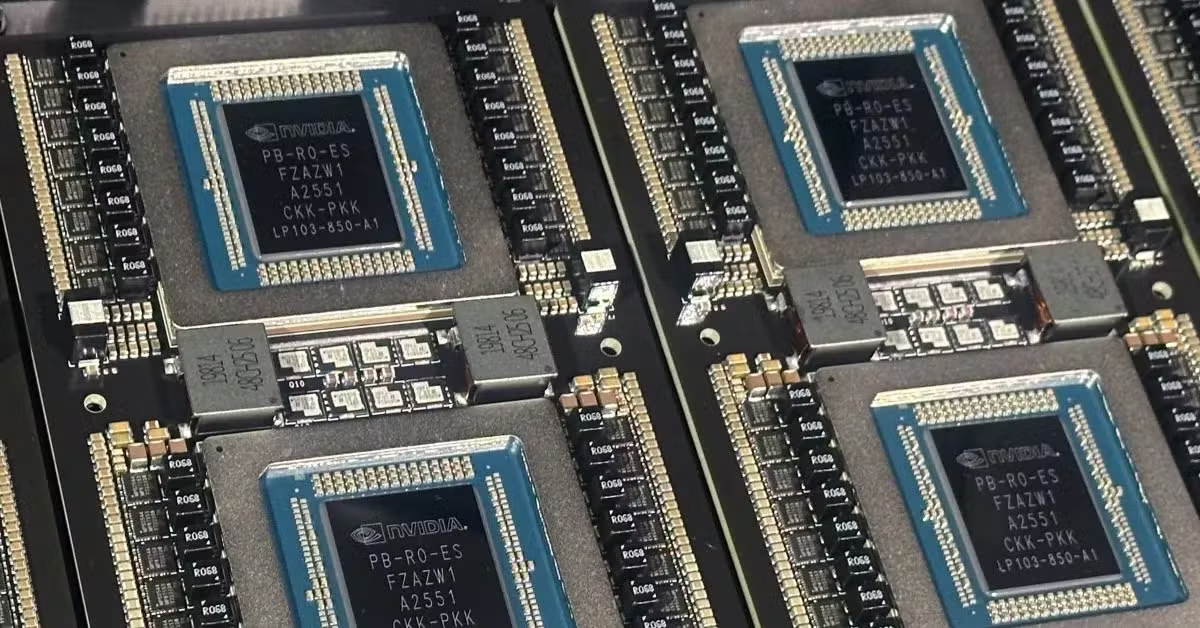
US President Donald Trump's administration has announced new restrictions on China's access to advanced chips amid fallout from an alleged spy scandal involving Nvidia. The US Bureau of Industry and Security announced a rule on 16 November 2026 to prevent Chinese AI developers from getting around export controls by remotely accessing data centres in third countries, particularly in Southeast Asia, designating Indonesia, Malaysia, Singapore, Thailand and Brazil as carrying an 'unacceptable risk of diversion' and requiring export licences for chip shipments there. The move came as Nvidia chief executive Jensen Huang resigned amid a board investigation into allegations involving Alice Huang, the Chinese-born executive of Singapore-based data centre company Megaspeed, and the Departments of Commerce and Justice confirmed a criminal investigation into Megaspeed. Tech stocks fell sharply on the news, with Nvidia down 4.12 percent after shedding more than 30 percent of its market value in the month before 17 November, and the sell-off continued in Asian markets the next morning. China's government has denied the spying allegations, calling them 'entirely groundless'.

Trump sees ‘both sides’ as Nvidia scandal fuels feud between top aides
The White House ordered the Commerce Department to crack down on China by closing a loophole that allegedly let companies remotely access AI chips. Hours after the order, President Donald Trump softened the blow, saying he understood 'both sides' of the debate over the AI chip loophole. Commenters on the article strongly criticize Trump, many accusing him of prioritizing personal financial gain over national security in the Nvidia scandal.
Asia’s Data Center Hotbed Hit by US Chip Curbs as Trump Visits
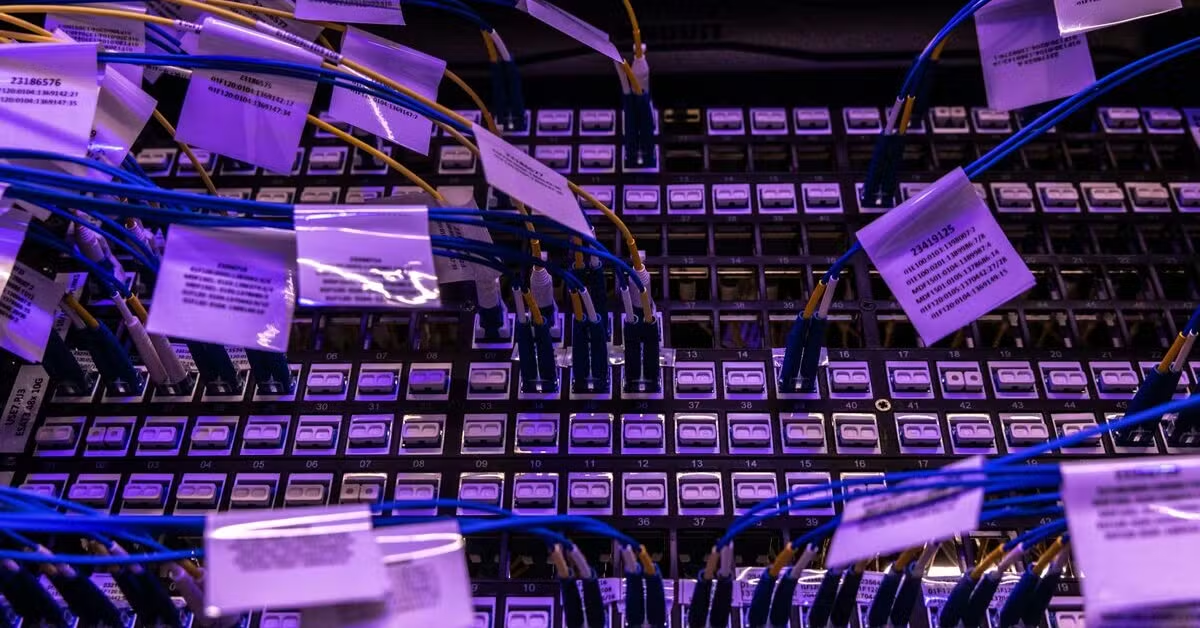
A Bloomberg news report says the Trump administration has announced new chip rules requiring data center operators in Singapore, Malaysia, Thailand and Indonesia to obtain a US government license to buy advanced AI chips from Nvidia and other American makers. The interim rule was released by the Commerce Department on November 16, 2026, shortly before Trump travels to Southeast Asia. The curbs are part of a wider push to tighten China's access to the world's most advanced chips.
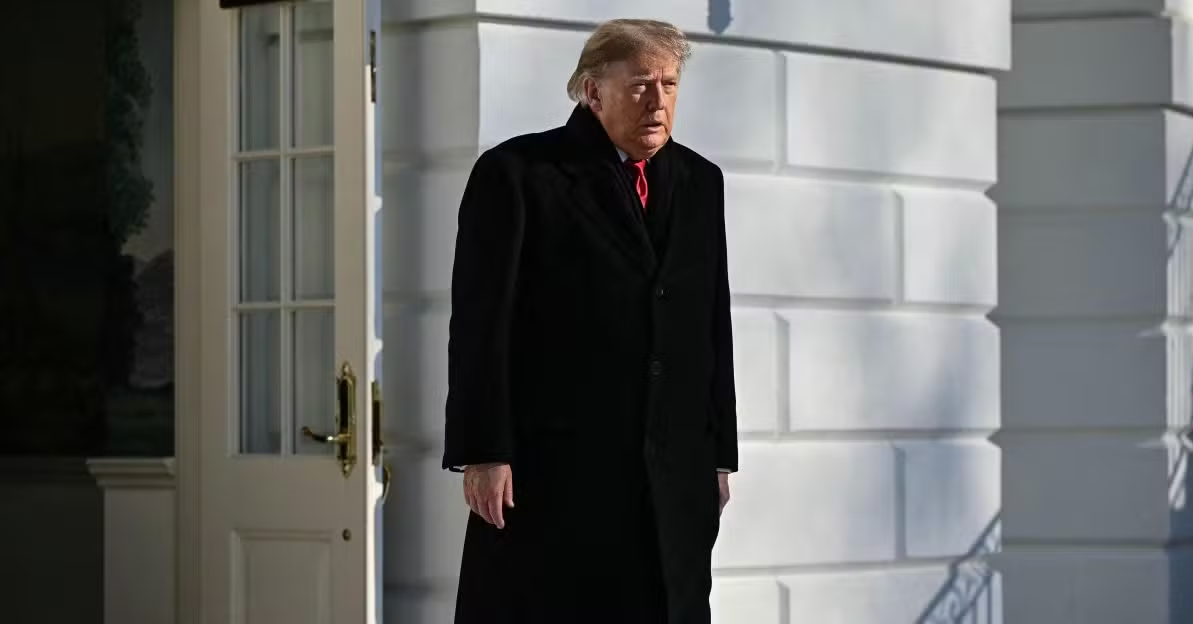
Trump closes an AI loophole
The Trump administration is closing a global loophole that let China reach top-of-the-line American AI chips, such as those made by Nvidia, by renting computing power from third-country data centers that could legally buy them. A Commerce Department rule issued November 16, 2026 and taking effect in 90 days requires those data centers to perform robust due diligence on their customers to ensure they are not evading the export ban. The move follows the scandal that brought down Nvidia's Jensen Huang, who resigned the week before, in part over his ties to an alleged Chinese spy at Singapore-based Megaspeed, which rented computing power to Chinese firms.

Trump administration tightens restrictions on flow of AI chips ahead of China trip | CNN Politics
Days before President Trump travels to China to meet Xi Jinping, the Commerce Department has tightened export restrictions on AI-powering computer chips, putting new curbs on US exports to data centers that provide significant computing to companies in countries under US arms embargoes such as China, Iran, and Russia, and replacing a Biden-era rule the administration let lapse. The move followed internal dispute: Treasury Secretary Scott Bessent, Secretary of State Marco Rubio, and Trade Representative Jamieson Greer pushed for the rule while the Commerce Department resisted, and Bessent challenged Commerce Secretary Howard Lutnick over its reluctance to label Nvidia customer Megaspeed, which is under investigation for suspected chip diversion to China, a national security threat. It also comes after a scandal in which Nvidia's now-former CEO Jensen Huang resigned over revelations of extramarital affairs, including one with a woman at Megaspeed suspected of ties to Chinese intelligence; Trump has called Huang a legend and said he would not mind him being reinstated, though a source says the board is not considering a return. Trump downplayed the disagreement, saying Bessent and Lutnick 'have two different views' and that he has no plans to fire Lutnick, while a Chinese foreign ministry spokesperson condemned the restrictions as 'a typical case of economic coercion and long-arm jurisdiction' and officials expect any Chinese response to come after Trump's visit.

Commerce closes China’s backdoor to Nvidia chips after White House steps in
Politico reports that on 16 November 2026 the Commerce Department moved to close China's backdoor to advanced Nvidia chips, barring companies in restricted countries from renting AI computing power from data centers abroad and requiring licenses before selling or shipping advanced AI chips to Indonesia, Malaysia, Singapore, Thailand and Brazil, countries it flags as posing a higher risk of diversion to China. Chinese AI developers, including ByteDance and Alibaba, have used remote access to chips in Southeast Asian data centers that China's own export controls cannot reach. The rule, written at the direction of the Treasury Department and the National Security Council, follows the Megaspeed scandal, in which a Singapore-based data center company was accused of funneling hundreds of thousands of processors into China, a scandal that reached the top of Nvidia with CEO Jensen Huang's resignation. Craig Singleton, a former national security official, says the fact that Treasury and the National Security Council wrote and directed the rule suggests the White House felt it had to step in, and Sam Bresnick of Georgetown University says the impact will be pretty immediate for Chinese companies denied remote access.

Commerce Department Moves to Crack Down on Chip Exports
A Wall Street Journal report says the Commerce Department has issued a proposed rule to crack down on shipments of chips from Nvidia and other U.S. companies to China by adding Malaysia, Thailand, Indonesia, Singapore and Brazil to the list of countries under export restrictions. Companies would need Commerce Department licenses to ship chips to those countries, a step meant to stop Chinese customers from reaching data-center capacity there remotely, though U.S. tech companies could get exceptions. The report notes that Jensen Huang lobbied for a loose export-control regime when he was Nvidia's chief executive, and says the measure is the latest sign of how the Jensen Huang saga is influencing the Trump administration's policies.

Trump administration orders Commerce to close chip loophole at heart of Nvidia scandal
The Trump administration moved on Monday to restrict Chinese companies' ability to remotely access cutting-edge artificial intelligence computer chips. The move targets what many in Washington saw as a loophole letting companies circumvent federal export controls, one at the heart of a Nvidia scandal.
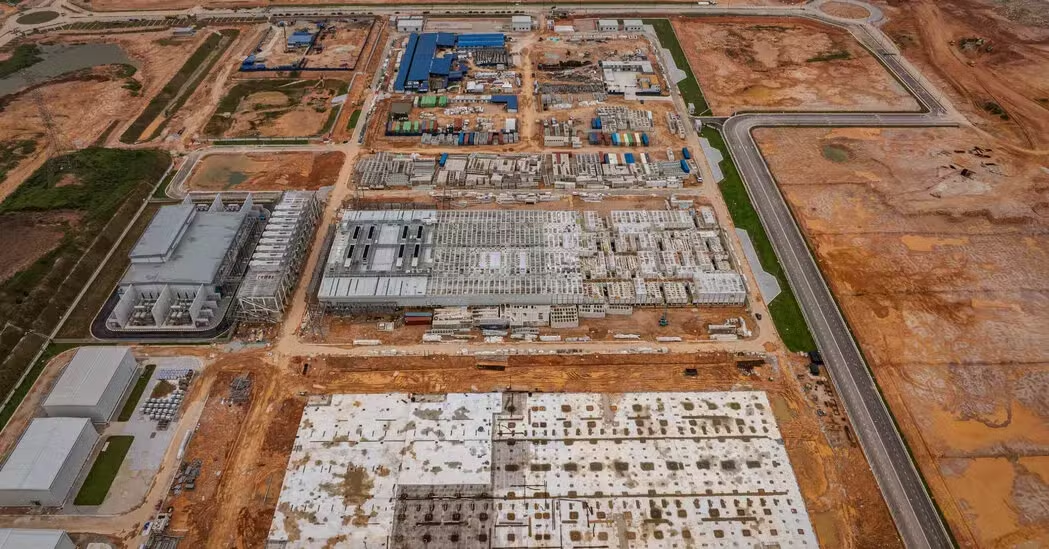
Trump Administration Moves to Close A.I. Chip Loophole Ahead of China Trip
The Trump administration said on Monday it was moving forward with a new rule to clamp down on China's access to advanced AI chips through data centers outside China's borders, announced days before President Trump's trip to China for an economic summit with Xi Jinping. The rule imposes restrictions on overseas data centers supplying significant computing power to firms headquartered in high-risk countries including China, Russia and Iran, and requires customer due diligence, taking effect in 90 days. China has continued to get the chips by renting them from data centers in Southeast Asia, and the newly prominent Megaspeed scandal, involving a Singaporean firm under investigation for smuggling chips to China, pushed the issue to the top of the administration's agenda. Officials including Treasury Secretary Scott Bessent pushed for broad restrictions over Commerce Secretary Howard Lutnick's objections, and shares of Nvidia and other chip makers fell sharply in premarket trading.

Nvidia fallout: Commerce cracks down on third-country loophole that allowed China to use computing power
The U.S. Commerce Department moved to close the loophole that has allowed Chinese companies to lease Nvidia's computing power from locations in other countries, issuing an interim final rule through its Bureau of Industry and Security. It is the first U.S. policy response to the scandal at Nvidia, in the week after which CEO Jensen Huang resigned. The rule came after rising criticism of Commerce Secretary Howard Lutnick, accused of not doing enough to prevent possible diversion of Nvidia's most advanced chips to China in violation of American export controls. The Commerce Department says the rule was written by and at the direction of the Treasury Department and the National Security Council, and Treasury Secretary Scott Bessent says Commerce failed to put Megaspeed, the Singapore-based company at the center of the scandal, on the entity list that would restrict certain exports to it.

US Moves to Limit Remote Access to Advanced AI Chips
The US Commerce Department has issued an interim rule to limit remote access to advanced AI chips and servers from certain countries. The rule came after increased scrutiny over semiconductor exports following an alleged espionage scandal involving Nvidia Corp. The department says in a statement that it is designed to ensure existing restrictions on sensitive American technology cannot be circumvented through remote computing arrangements involving data centers in third countries.
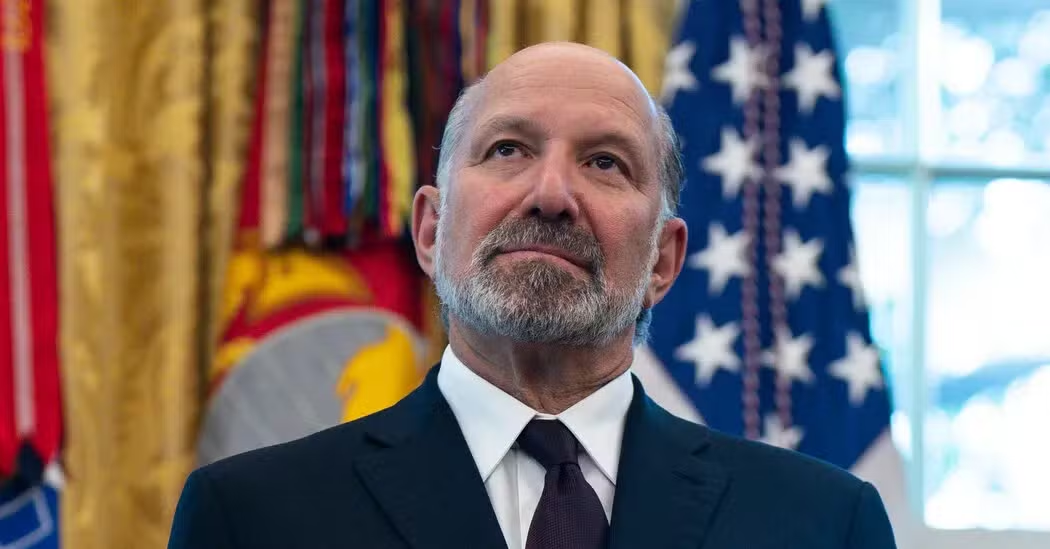
Lutnick Pushed to Weaken Chip Rules That Overlap With His Family Business
A New York Times investigation reports that Commerce Secretary Howard Lutnick, who once led Cantor Fitzgerald and handed it to his sons, has been pushing a less stringent version of proposed chip controls. The rules under consideration would tighten US oversight of Nvidia chip sales to data centers in Asia, and the operator of one such center, a Malaysian facility known as A201 that plans to supply computing power to a Chinese tech giant, is a Cantor Fitzgerald client. Lutnick's soft touch on chip regulation has drawn criticism from lawmakers and others in the Trump administration, whose internal debate pits China hawks, who see overseas data centers as a way for Beijing to skirt the chip ban, against officials like Lutnick who want to protect Nvidia's sales in Asia.

Bessent blames Lutnick's Commerce Department for not restricting Nvidia chips to China
Treasury Secretary Scott Bessent has publicly blamed the Commerce Department for delays in restricting exports of advanced Nvidia chips to China, an unusually public rebuke of the agency that oversees such controls. Speaking on CNBC, Bessent said his department, along with State, Defense and the U.S. Trade Representative, had for months favored adding Singapore-based Megaspeed International to an export control list, but the matter sat with Commerce. The row follows the 12 November resignation of Nvidia CEO Jensen Huang, whose ties to Megaspeed, accused in 2025 of illicitly shipping Nvidia's advanced chips into China, played a prominent role. Bessent also said President Trump made it clear China should receive no Nvidia chips above the H100, while the Commerce Department did not immediately respond to requests for comment.

