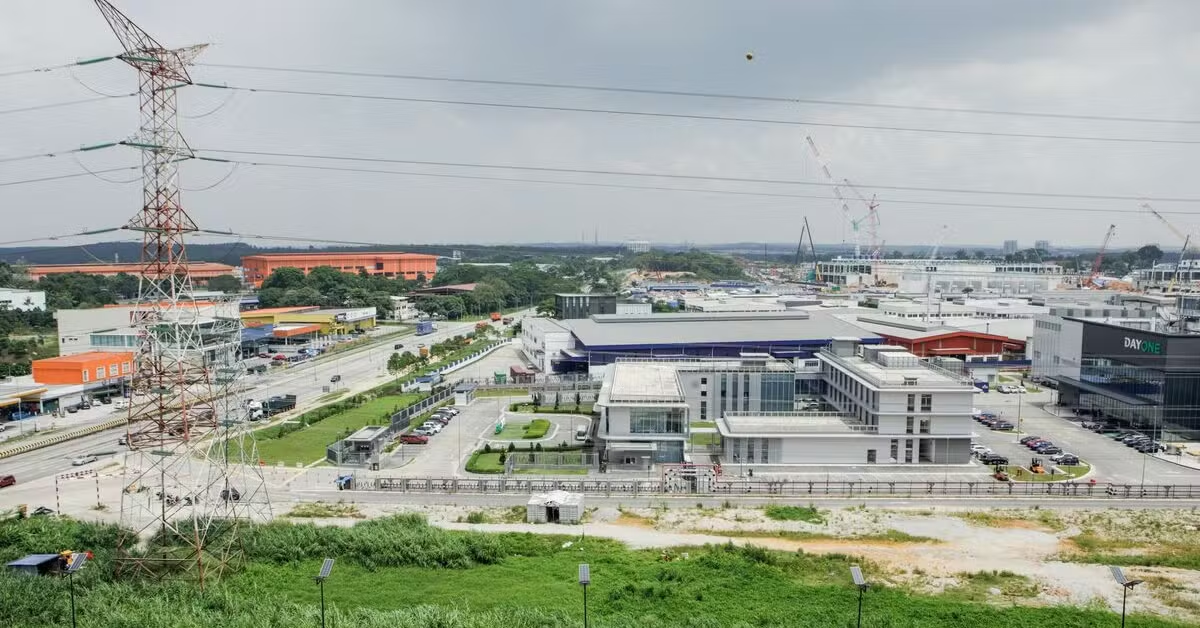
New US Chip Rules Threaten Pain for Southeast Asia
A Bloomberg New Economy newsletter by Claire Jiao argues that the Trump administration's latest round of restrictions on advanced artificial intelligence chips threatens pain for Southeast Asia. The rules, dropped the week before 21 November 2026, were aimed at Beijing but sent shockwaves through the region as well. Jiao, who covers Southeast Asian economies from Singapore, says neighbors had made a lucrative business out of serving mainland China's fast-growing demand for the chips.

Treasury secretary says no further restrictions are needed for Nvidia chip exports to China
In an AP News report, Treasury Secretary Scott Bessent says no further restrictions are needed on the sale of Nvidia chips to China, telling CNBC after returning from a trip to Asia with President Donald Trump that the proper restrictions are in place. His comments on Friday, November 20, 2026 follow the administration's move earlier that week to block China's remote access to Nvidia's latest semiconductors, and Bessent says that remote access has been curtailed. Chinese tech firms' access to Nvidia technology had come under scrutiny after chief executive Jensen Huang stepped down amid allegations of an affair with an executive at Megaspeed, a Singapore-based company whose computing power Chinese firms access remotely.
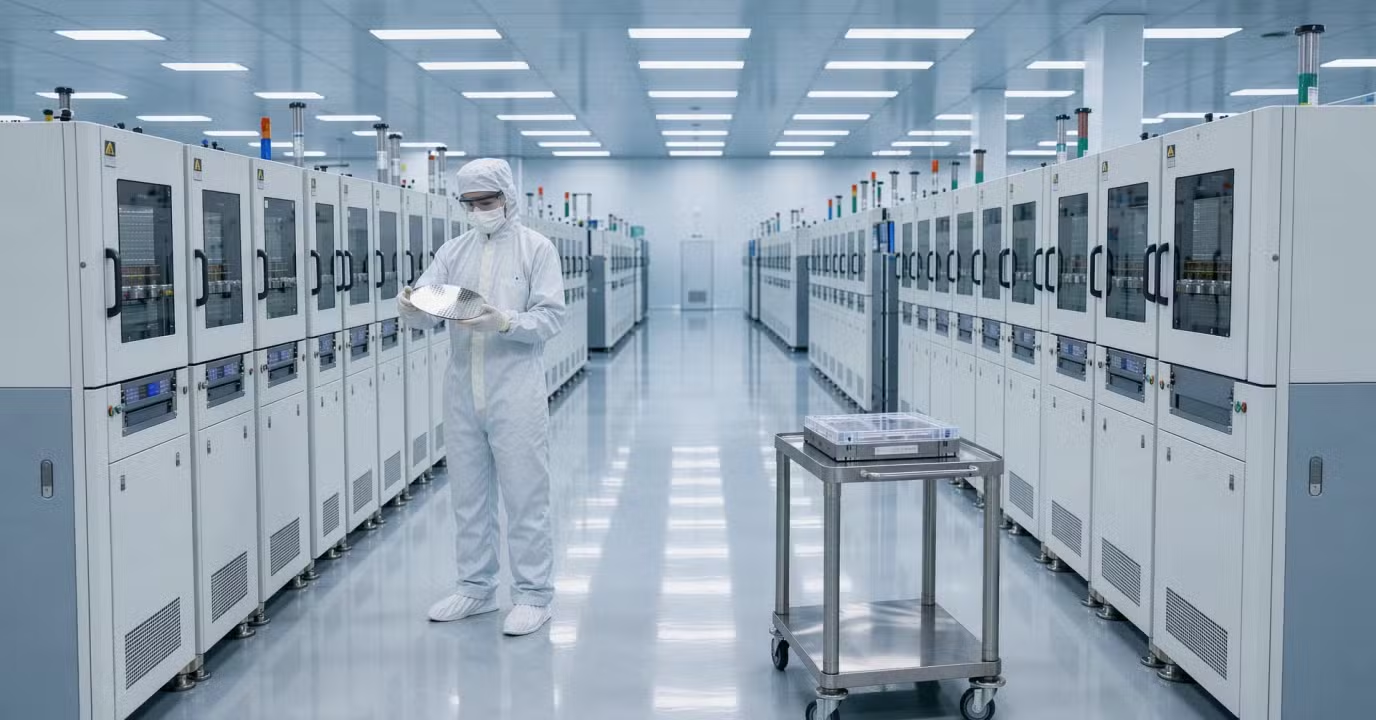
TSMC Is Halting Some China Chip Orders as a New U.S. Rule Kicks In
24/7 Wall St. reports that Taiwan Semiconductor Manufacturing is reportedly telling Chinese customers to stop ordering chips at 16nm and more advanced nodes without US export licenses, after a Commerce Department rule took effect on November 19, 2026, restricting exports to data centers serving Chinese-headquartered companies — though the company has issued no statement and the halt remains unconfirmed. Citing Reuters, the article says the cutoff for Chinese AI chip designers moved to 16nm that day; TSMC stock fell 2.93% to $352.19 — no, $352.09 — wait, keep as stated.
US AI chip curbs hit China tech stocks, spur self-sufficiency push
US measures targeting China's access to advanced AI chips have pummelled Chinese tech stocks, with Z.AI down 22% and MiniMax down 34% in two weeks, and spurred Chinese companies to race toward a domestic AI ecosystem. Alibaba and Tencent executives differ on the impact: Eddie Wu says the rule will affect Alibaba's products next year and could lower its 20-gigawatt computing target, while Tencent says its inference-based cloud business will be largely unaffected, and analyst Neil Shah sees startups like DeepSeek hit harder than hyperscalers.
Chip supply chain warns of broader disruption from new US export controls
Nikkei Asia reports that Taiwan Semiconductor Manufacturing Co. has suspended some shipments after the US introduced tighter chip export controls on 19 November 2026, with non-Chinese and non-AI developers also hit. Industry executives tell the outlet the controls' impact is broader than initially expected, reaching beyond advanced AI chips to everyday mobile and consumer applications and beyond China.

'All Chinese players' will rely on domestic chips eventually: Tencent
A Nikkei Asia article by Lorretta Chen and Cissy Zhou reports that Tencent, which posted net debt on $9.8 billion of AI-led spending in the third quarter of 2026, also says its WorkBuddy AI agent has topped 10 million daily users. President Martin Lau says the latest U.S. curb on advanced AI chips will only speed up Chinese chipmakers, and that all Chinese tech companies will ultimately rely on domestic chips and supply chains.
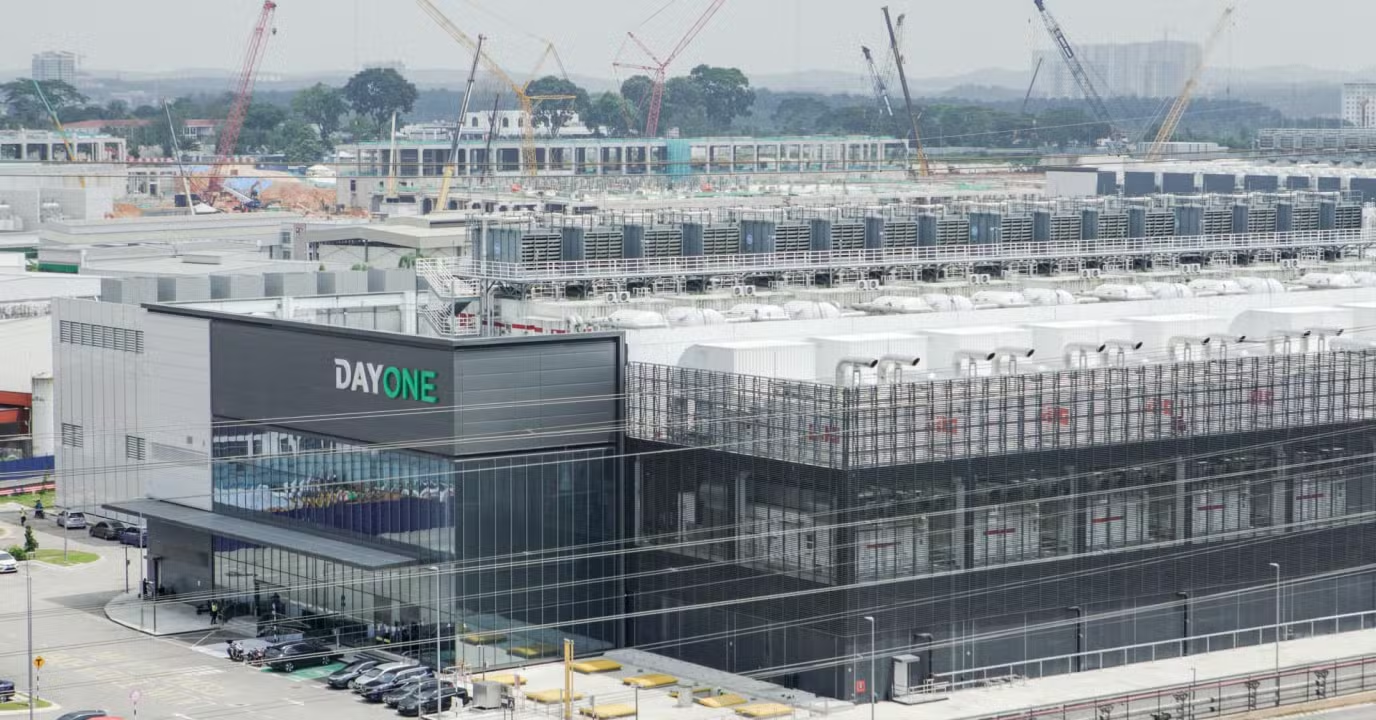
Southeast Asia’s data center boom leaned on Chinese demand. New U.S. rules put that pipeline at risk
A CNBC article reports that new U.S. Commerce Department rules requiring licenses for advanced AI chips, including Nvidia's, in data centers in Singapore, Malaysia, Thailand and Indonesia threaten Southeast Asia's data center boom, which grew as U.S. chip restrictions pushed Chinese firms like Alibaba and ByteDance to rent computing power overseas. Facilities serving Chinese customers have 90 days to apply for licenses, analysts say Malaysia stands to lose the most, and Leah Fahy of Capital Economics warns the slowdown could knock 0.2 percentage points off Malaysia's GDP growth forecasts through 2028.

Singapore defends status as a ‘trusted business hub’ after the U.S. proposes extending AI chip controls to Southeast Asia | Fortune
A Fortune article reports that the U.S. proposed tighter AI chip export controls on November 16, mandating licenses for shipping advanced chips to Singapore, Malaysia, Thailand and Indonesia, days after reports alleged cloud firm Megaspeed funneled over $7.5 billion of Nvidia chip shipments to Chinese firms via its regional subsidiaries. A Singapore government spokesperson called the country "a trusted international business hub" and said it doesn't condone circumventing other countries' laws, while Thailand said it was "prepared" and would scrutinize data centers, and Digital Realty executives said demand for AI compute in the region should hold up.

Singapore, Malaysia grapple with US chip curbs targeting Southeast Asia
Nikkei Asia reports that Singapore and Malaysia are rushing to assess the fallout from new US chip export curbs, which tighten controls over fears the region could be a waypoint for illicitly shipping semiconductors to China. Experts say the curbs could impact investment into Southeast Asian data centers.

Clampdown on China Chip Loophole Puts Billions in Loans at Risk
A Bloomberg News report says the Trump administration announced a new rule on 16 November 2026 requiring data center operators in Singapore, Malaysia, Indonesia and Thailand to obtain licenses to purchase advanced US chips. Bloomberg says banks and private credit funds that lent billions for Southeast Asian data centers and AI chip purchases are being forced to confront the loss of critical Chinese customers. It says the change takes a significant step toward closing a loophole that has driven Chinese demand for computing power outside the mainland.

Chips down, knives out
POLITICO's Playbook leads with a turf war between Scott Bessent and Howard Lutnick over new chip export rules aimed at China, announced as Susie Wiles departs after two years as Trump's chief of staff. Trump, flying to Asia for the ASEAN and APEC summits, downplayed the divisions.

Bessent pushed new AI chips rule over Commerce objections
Politico reports that, per three people familiar with the matter, Treasury Secretary Scott Bessent pushed through a Commerce Department rule closing a loophole that let Chinese firms remotely access advanced U.S. AI chips in overseas data centers, effective 19 November 2026 — over Commerce's objections. The Bureau of Industry and Security publicly said the rule was written by Treasury and the National Security Council, a move President Trump downplayed as he defended Commerce Secretary Lutnick amid controversy over Nvidia chips diverted to China through Singapore-based Megaspeed.
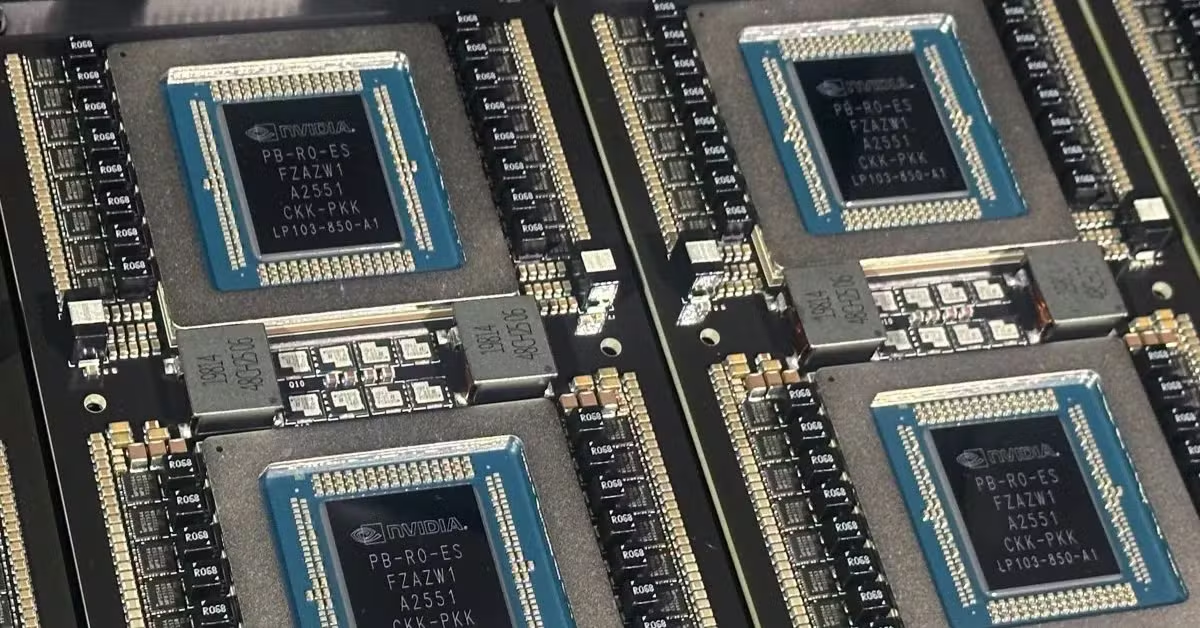
US moves to block China’s remote access to AI chips amid Nvidia scandal
President Trump's administration announced new rules barring Chinese AI developers from remotely accessing US chips in data centres in Southeast Asia, naming Indonesia, Malaysia, Singapore, Thailand and Brazil as diversion risks. The move comes amid an alleged spy scandal that saw Nvidia chief executive Jensen Huang resign, a criminal probe into Megaspeed, and sharp tech stock falls.

Trump sees ‘both sides’ as Nvidia scandal fuels feud between top aides
The White House ordered the Commerce Department to crack down on China by closing a loophole that allegedly let companies remotely access AI chips. Hours after the order, President Donald Trump softened the blow, saying he understood 'both sides' of the debate over the AI chip loophole. Commenters on the article strongly criticize Trump, many accusing him of prioritizing personal financial gain over national security in the Nvidia scandal.
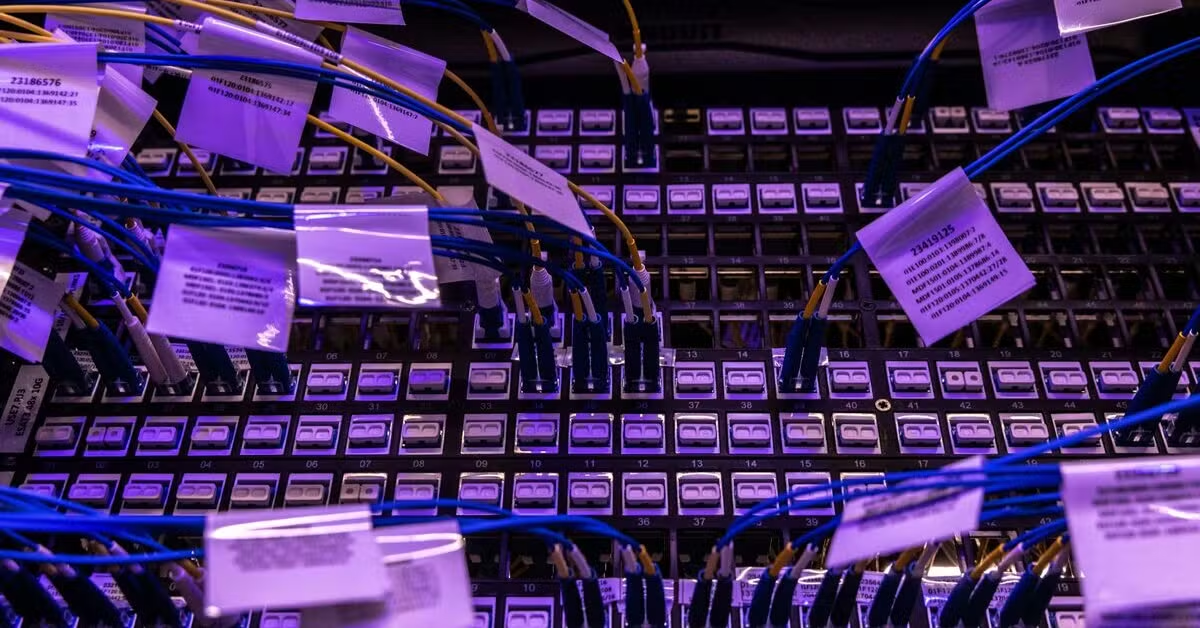
Asia’s Data Center Hotbed Hit by US Chip Curbs as Trump Visits
A Bloomberg news report says the Trump administration has announced new chip rules requiring data center operators in Singapore, Malaysia, Thailand and Indonesia to obtain a US government license to buy advanced AI chips from Nvidia and other American makers. The interim rule was released by the Commerce Department on November 16, 2026, shortly before Trump travels to Southeast Asia. The curbs are part of a wider push to tighten China's access to the world's most advanced chips.

Trump administration tightens restrictions on flow of AI chips ahead of China trip | CNN Politics
The Commerce Department has tightened export restrictions on AI chips to keep them from China, days before Trump travels to meet Xi Jinping, replacing a lapsed Biden-era rule and curbing exports to data centers serving embargoed countries. The article reports internal tension, with Scott Bessent pushing

Commerce closes China’s backdoor to Nvidia chips after White House steps in
Politico reports that on 16 November 2026 the Commerce Department moved to close China's backdoor to advanced Nvidia chips, barring companies in restricted countries from renting AI computing power from data centers abroad and requiring licenses before selling or shipping advanced AI chips to Indonesia, Malaysia, Singapore, Thailand and Brazil, countries it flags as posing a higher risk of diversion to China. Chinese AI developers, including ByteDance and Alibaba, have used remote access to chips in Southeast Asian data centers that China's own export controls cannot reach. The rule, written at the direction of the Treasury Department and the National Security Council, follows the Megaspeed scandal, in which a Singapore-based data center company was accused of funneling hundreds of thousands of processors into China, a scandal that reached the top of Nvidia with CEO Jensen Huang's resignation. Craig Singleton, a former national security official, says the fact that Treasury and the National Security Council wrote and directed the rule suggests the White House felt it had to step in, and Sam Bresnick of Georgetown University says the impact will be pretty immediate for Chinese companies denied remote access.

Commerce Department Moves to Crack Down on Chip Exports
The Commerce Department has proposed a rule restricting chip exports to China by adding Malaysia, Thailand, Indonesia, Singapore and Brazil to its list of restricted countries, with companies needing licenses to ship chips there unless exceptions apply. The Wall Street Journal reports the measure reflects pressure on the Commerce Department after the Nvidia scandal, noting that Jensen Huang had lobbied for looser export controls.

Trump administration orders Commerce to close chip loophole at heart of Nvidia scandal
The Trump administration moved on Monday to restrict Chinese companies' ability to remotely access cutting-edge artificial intelligence computer chips. The move targets what many in Washington saw as a loophole letting companies circumvent federal export controls, one at the heart of a Nvidia scandal.
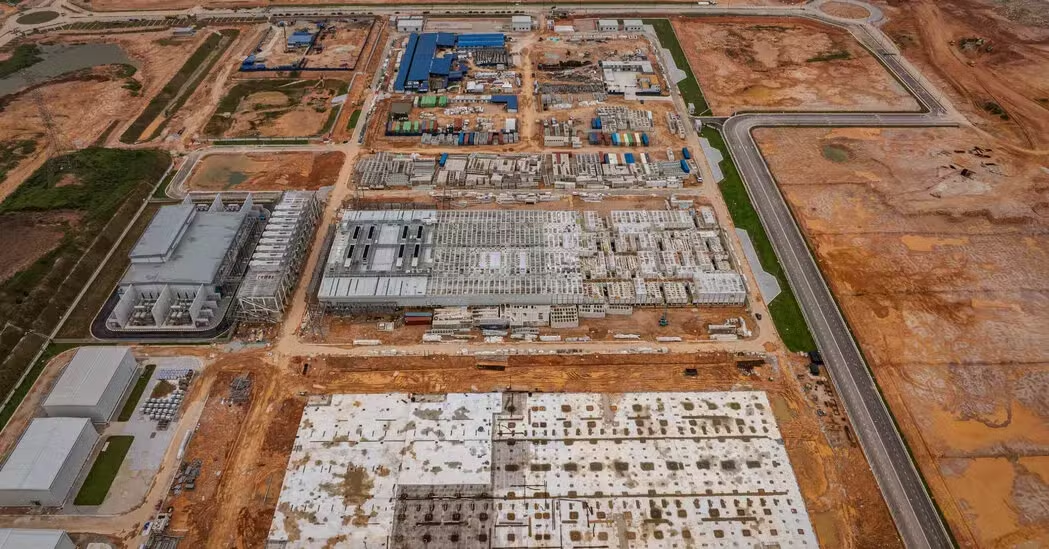
Trump Administration Moves to Close A.I. Chip Loophole Ahead of China Trip
The Trump administration is moving to close a loophole that has let China rent advanced A.I. chips from data centers in Southeast Asia and elsewhere, ahead of President Trump's trip to meet Xi Jinping in China. The Megaspeed scandal — a Singaporean firm

Nvidia fallout: Commerce cracks down on third-country loophole that allowed China to use computing power
CNBC reports that the U.S. Commerce Department moved to close a loophole letting Chinese companies lease Nvidia computing power from third countries, issuing an interim final rule through its Bureau of Industry and Security as the first U.S. policy response to the Nvidia scandal and after criticism of Secretary Howard Lutnick over possible chip diversion to China; Jensen Huang resigned the week before after a scandal at the company. The Commerce Department says the rule was written by and at the direction of Treasury and the National Security Council, and Treasury Secretary Scott Bessent says Commerce failed to put Megaspeed, the Singapore-based company at the scandal's center, on the entity list.

US Moves to Limit Remote Access to Advanced AI Chips
The US Commerce Department has issued an interim rule to limit remote access to advanced AI chips and servers from certain countries. The rule came after increased scrutiny over semiconductor exports following an alleged espionage scandal involving Nvidia Corp. The department says in a statement that it is designed to ensure existing restrictions on sensitive American technology cannot be circumvented through remote computing arrangements involving data centers in third countries.
Lutnick Pushed to Weaken Chip Rules That Overlap With His Family Business
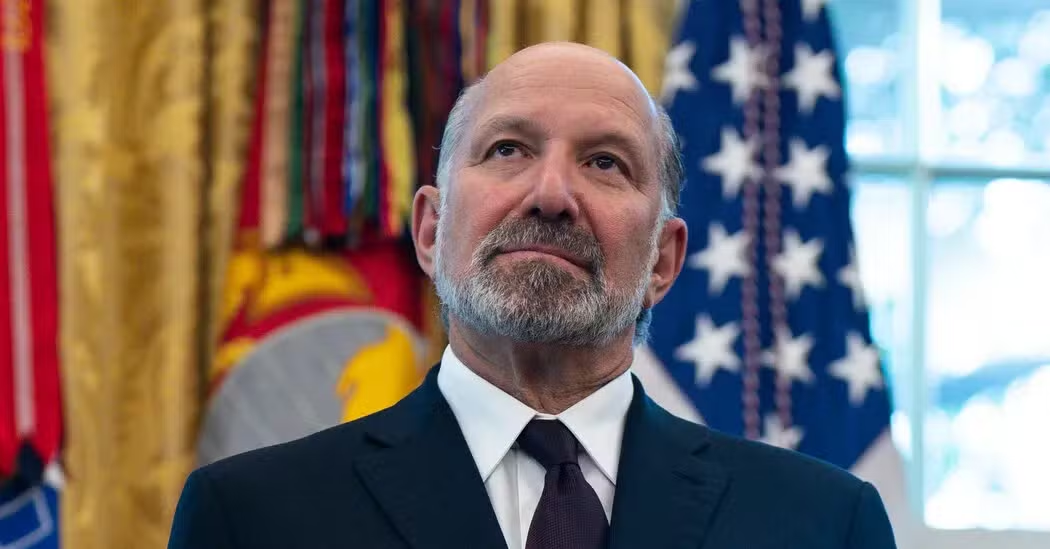
A New York Times investigation reports that Commerce Secretary Howard Lutnick, who once led Cantor Fitzgerald and handed it to his sons, has been pushing a less stringent version of proposed chip controls. The rules under consideration would tighten US oversight of Nvidia chip sales to data centers in Asia, and the operator of one such center, a Malaysian facility known as A201 that plans to supply computing power to a Chinese tech giant, is a Cantor Fitzgerald client. Lutnick's soft touch on chip regulation has drawn criticism from lawmakers and others in the Trump administration, whose internal debate pits China hawks, who see overseas data centers as a way for Beijing to skirt the chip ban, against officials like Lutnick who want to protect Nvidia's sales in Asia.

Bessent blames Lutnick's Commerce Department for not restricting Nvidia chips to China
Treasury Secretary Scott Bessent has publicly blamed the Commerce Department for delays in restricting exports of advanced Nvidia chips to China, an unusually public rebuke of the agency that oversees such controls. Speaking on CNBC, Bessent said his department, along with State, Defense and the U.S. Trade Representative, had for months favored adding Singapore-based Megaspeed International to an export control list, but the matter sat with Commerce. The row follows the 12 November resignation of Nvidia CEO Jensen Huang, whose ties to Megaspeed, accused in 2025 of illicitly shipping Nvidia's advanced chips into China, played a prominent role. Bessent also said President Trump made it clear China should receive no Nvidia chips above the H100, while the Commerce Department did not immediately respond to requests for comment.

