'Not Asking for Luxury': Bangladeshi Garment Workers Continue Protests Despite Police Crackdown | Common Dreams
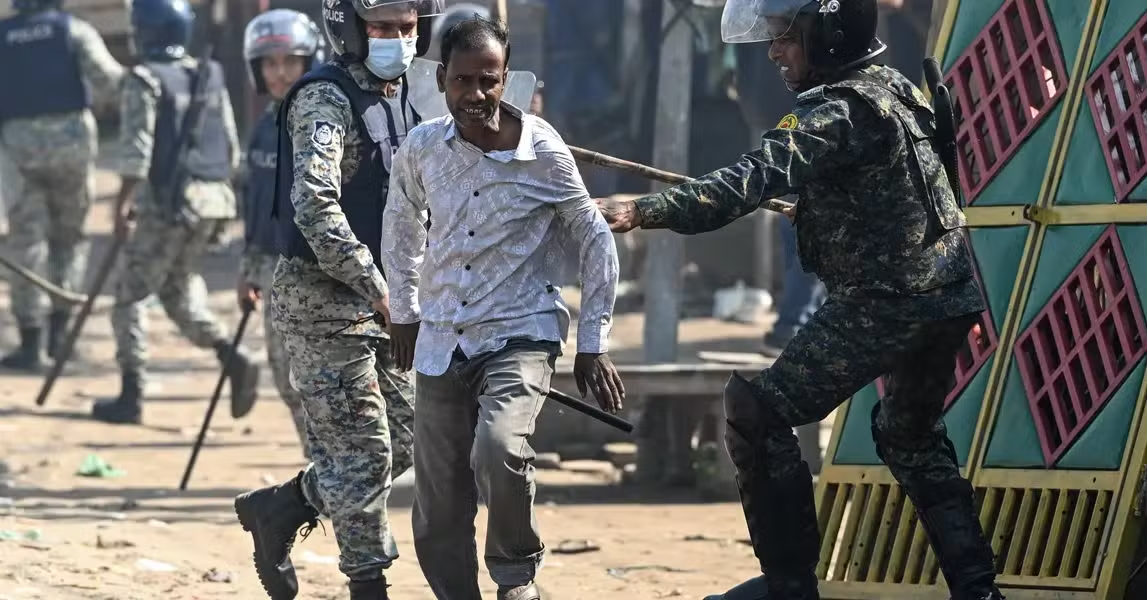
Bangladeshi garment workers continued protesting Thursday after rejecting a government-approved minimum-wage increase from Tk12,500 to Tk17,000, or $100 to $138, in the garment hub of Gazipur. Police attacked the demonstrations with 'less-lethal' weapons, saying they deployed tear gas and sound grenades after protesters blocked the Dhaka-Tangail Highway, while the government of Prime Minister Tarique Rahman has also arrested labor organizers, including federation president Sultana Begum. The workers, who had demanded Tk30,000, roughly $240, say the 36% increase cannot meet soaring living costs; Begum put their case as 'not asking for luxury' but 'demanding the right to live with dignity.' Amnesty International South Asia urged Bangladesh to stop arresting and intimidating workers, to set a fair wage based on the actual cost of living, and to protect workers' rights to organize and bargain collectively.
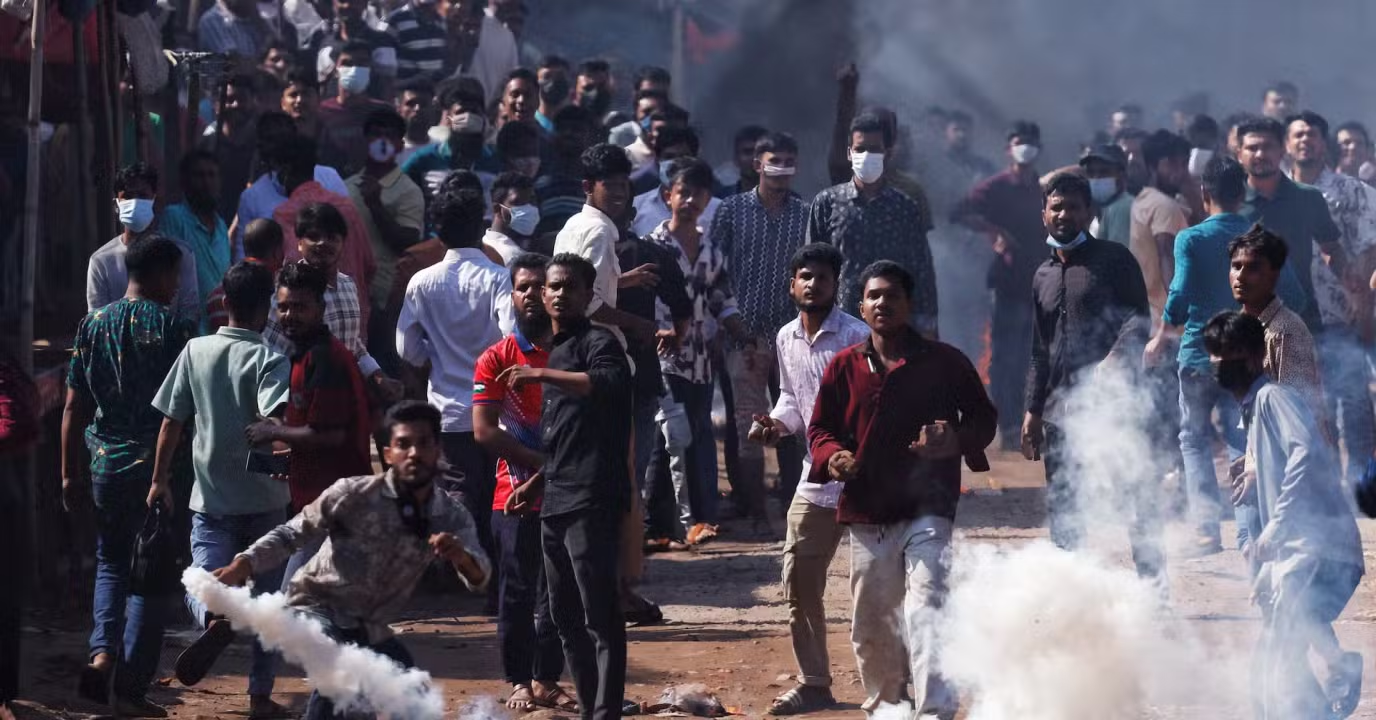
Police use tear gas to disperse fresh Bangladesh garment worker protests
Bangladeshi police fired tear gas and sound grenades to disperse garment workers trying to block a highway in Gazipur, a day after a government-appointed wage board approved a 36% increase in the sector's minimum wage. The rise, agreed after nearly 12 hours of talks between workers' and employers' representatives, was the smallest increase in four decades and came despite weeks of protests and calls for it to be doubled. Labour rights advocates said it fell well short of workers' demands and would not provide a living wage, and protests broke out within hours of the announcement. The unrest, which shut factories and disrupted production, has fuelled fears of renewed instability in the world's second-largest garment exporter.
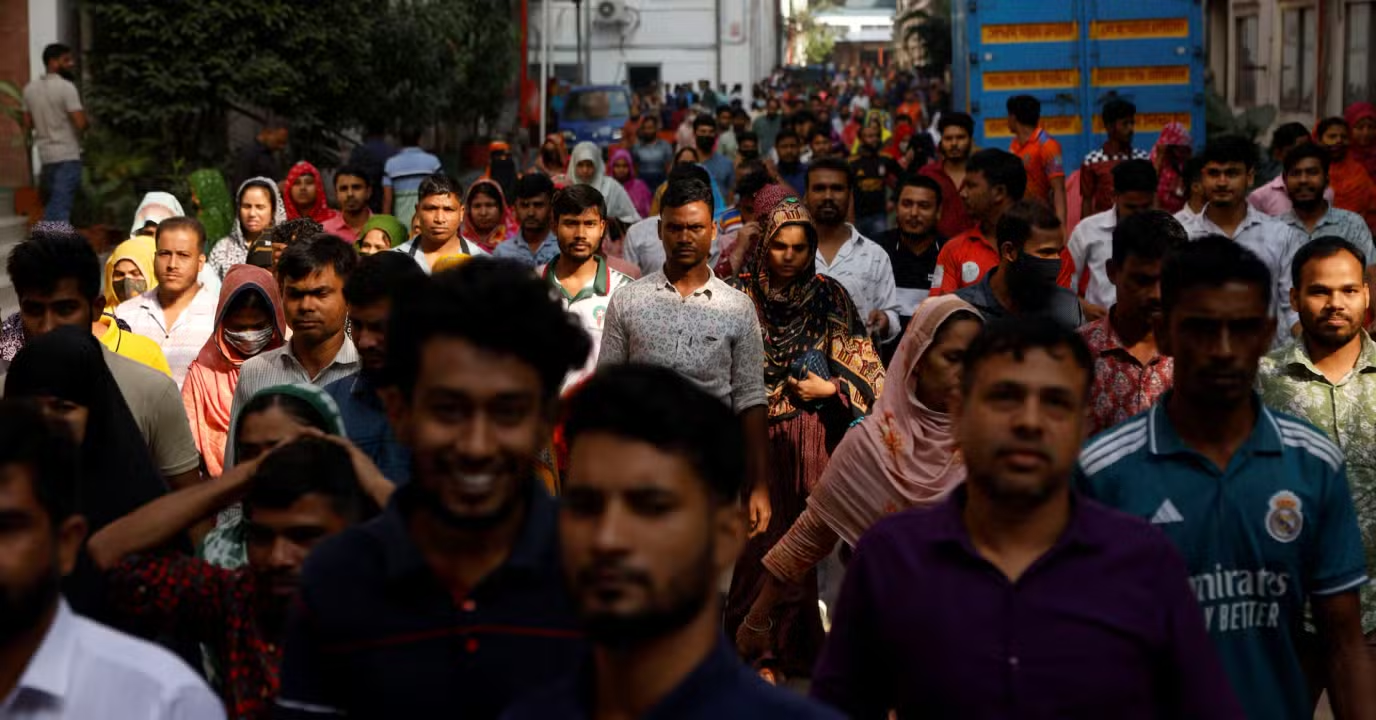
Bangladesh garment workers clash with police as pay protests shut factories
Reuters reports that garment workers in Bangladesh demanding the minimum monthly wage more than double to 30,000 taka ($241) from 12,500 taka clashed with police, who fired tear gas and sound grenades as protests blocked roads and forced dozens of factories to suspend operations. In Gazipur on the outskirts of Dhaka, workers blocked a highway and set fires after rumours spread that a worker had died, though police say no worker died. The government-appointed wage board was holding talks on 24 November 2026, a day after factory owners submitted their proposal, with its chairman hoping for a final decision that day. Industry leaders say an increase of more than 15% would be unsustainable, and manufacturers estimate 18 days of disruptions cost 317 factories about $428 million in lost production while buyers shifted roughly $254 million in orders abroad.

