What next for Iraq’s push against militias following Jurf al-Sakhar deal?
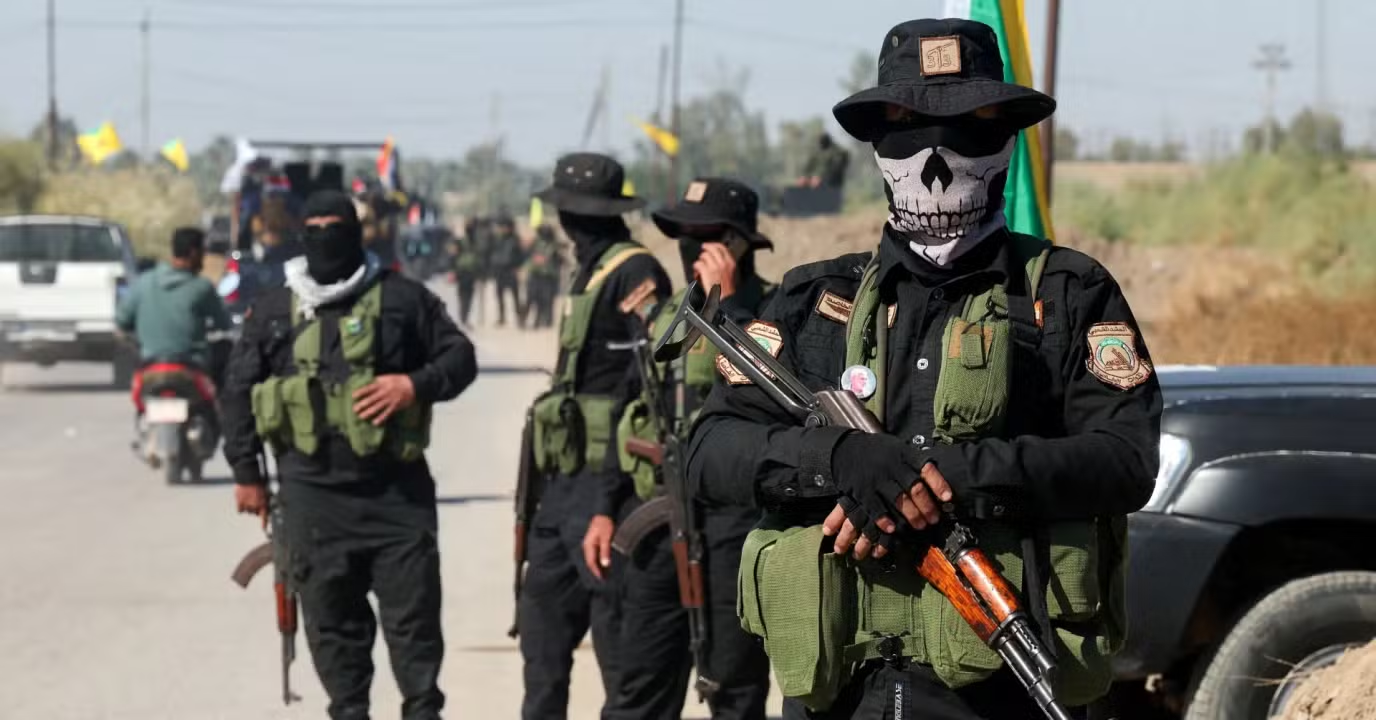
Iraqi government forces entered Jurf al-Sakhar, a town 60km southwest of Baghdad that Kataib Hezbollah had held since taking it from ISIL in 2014, after a compromise deal reached a day before the militia's withdrawal deadline staved off a confrontation. The entry is the latest episode in Prime Minister Ali al-Zaidi's push, since taking power in May 2026, to assert federal control over Iraq and crack down on corruption, and it followed an intelligence report on alleged oil smuggling in the town. The deal reportedly came after direct Iranian intervention brokered by Quds Force head Esmail Qaani, and foresees a phased deployment of army, police, and Popular Mobilisation Forces units. Experts are divided: Zeidon Alkinani calls the negotiated deal a positive step but asks whether it becomes a real return of state authority or just a rearrangement of who controls the area, while Tallha Abdulrazaq says it is compromised because the force sent by Baghdad includes pro-militia personnel, calling it effectively changing Shia militias for Shia militias in uniform.
Irak: le gouvernement et une faction pro-iranienne s'entendent pour la reprise d'une région par les forces irakiennes
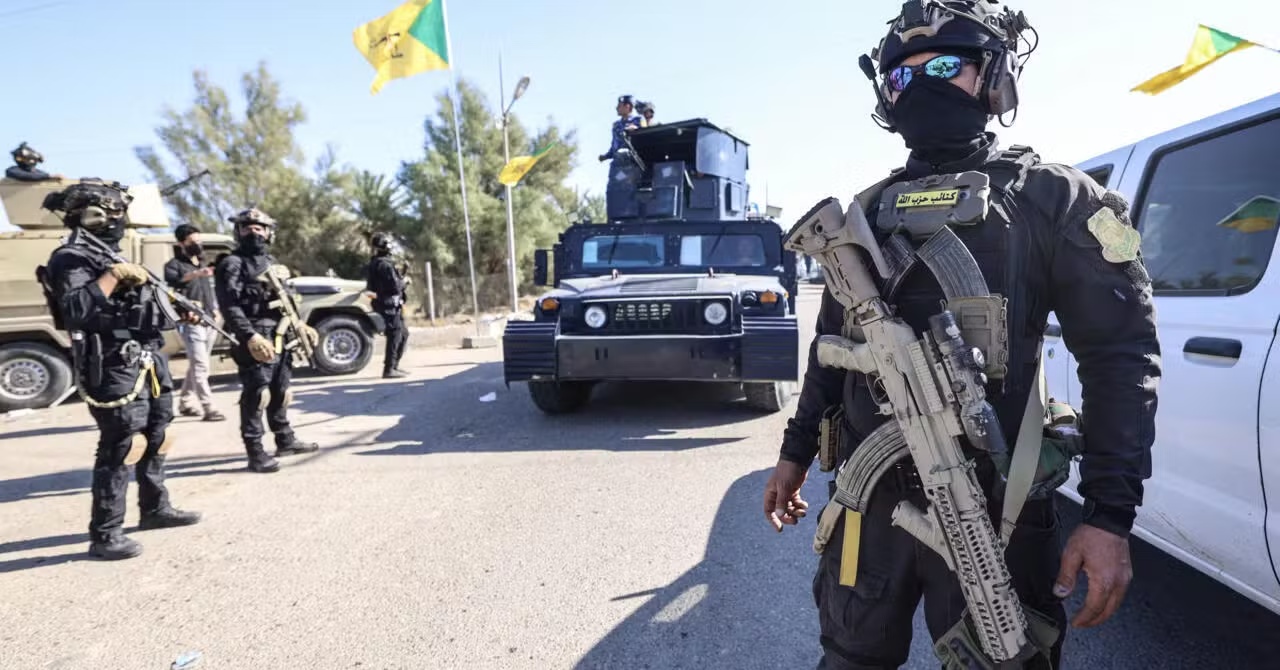
Iraqi forces entered the Jurf al-Sakhr zone south of Baghdad on 20 November 2026 without direct confrontation, ending a weeks-long standoff between Prime Minister Ali el-Zaidi's government and the Iran-backed faction Kataeb Hezbollah, which had controlled the area since 2014. A compromise reached the previous evening reportedly let the army, police, and Popular Mobilization Forces retake parts of the zone while part of the faction's forces withdrew. According to reports, an intervention by Esmaïl Qaani, head of Iran's Al-Qods Force, avoided a clash and secured a one-month deadline to resolve the conflict. For el-Zaidi, who took office in May 2026 aiming to disarm factions beyond Baghdad's control, the entry, a first in twelve years, asserts state authority over the whole territory.
Iraqi forces deploy to Jurf al-Sakhar after deal with Iran-backed group
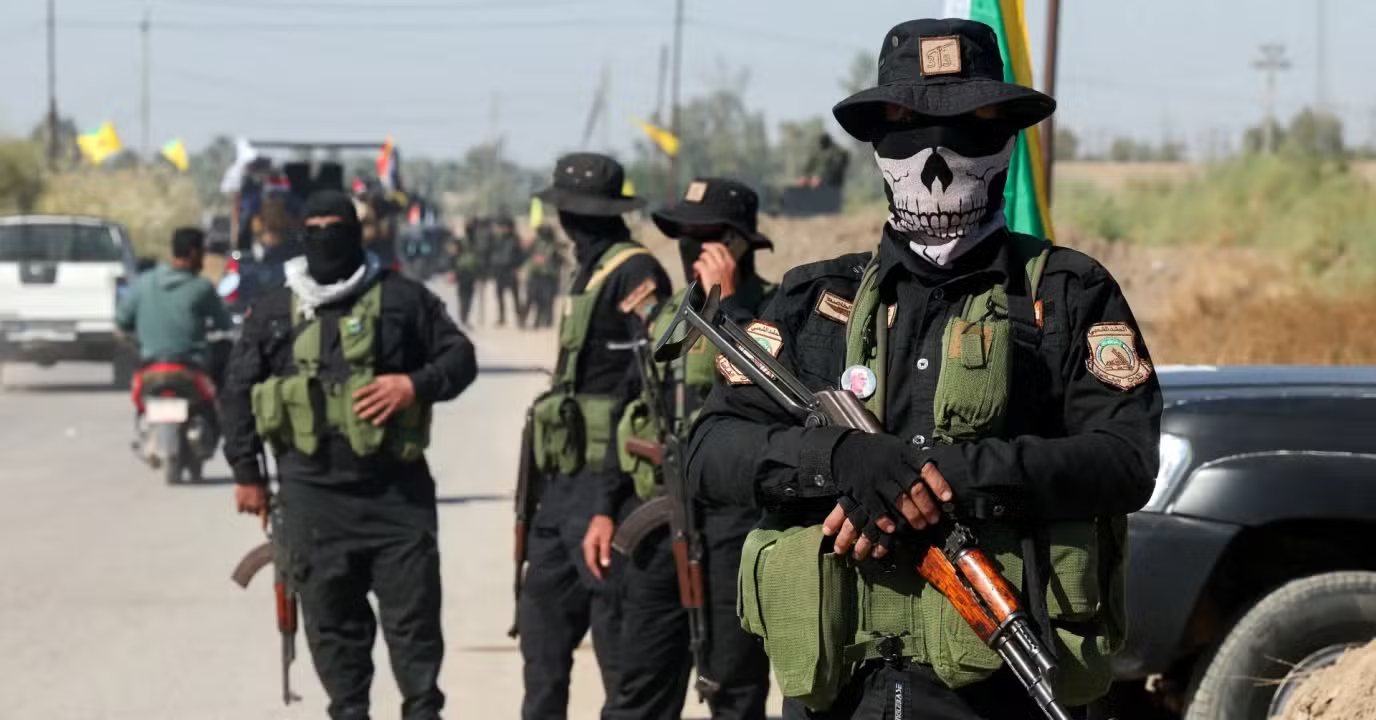
Iraqi security forces entered Jurf al-Sakhar, a stronghold of the Iran-aligned armed group Kataib Hezbollah about 60km southwest of Baghdad, on Friday, 20 November 2026, after the government gave the group a deadline to leave. Under a compromise deal sealed the day before, Kataib Hezbollah fighters are to withdraw within a month and move to other areas of Iraq, while a combined force including an army brigade, Federal Police and Energy Police, joined by two PMF brigades, is to protect oil pipelines in the area. The deployment is understood to have been driven by US and Gulf allies' pressure, and Esmail Qaani, commander of Iran's Quds Force, visited Iraq in the days before to help seal the deal. Prime Minister Ali al-Zaidi told the entering troops they are "not waging war" and insists his decision to restrict weapons to state control is final, while an Iraqi probe's suspicions that the group stole hundreds of millions of dollars' worth of oil are denied.
LIVE: Iraqi forces enter Jurf al-Sakhar in Babel Province
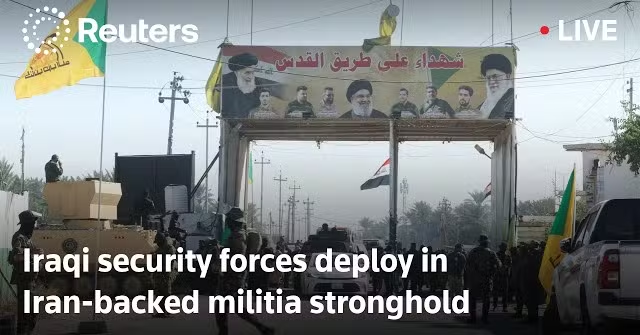
Live video posted by Reuters shows Iraqi security forces deploying in Jurf al-Sakhar in Babel Province. Security officials said at a press conference that the deployment is taking place under a compromise deal designed to ease tensions with Iran's most powerful Shi'ite militia ally in Iraq. Jurf al-Sakhar is a stronghold of the Kataib Hezbollah armed group.
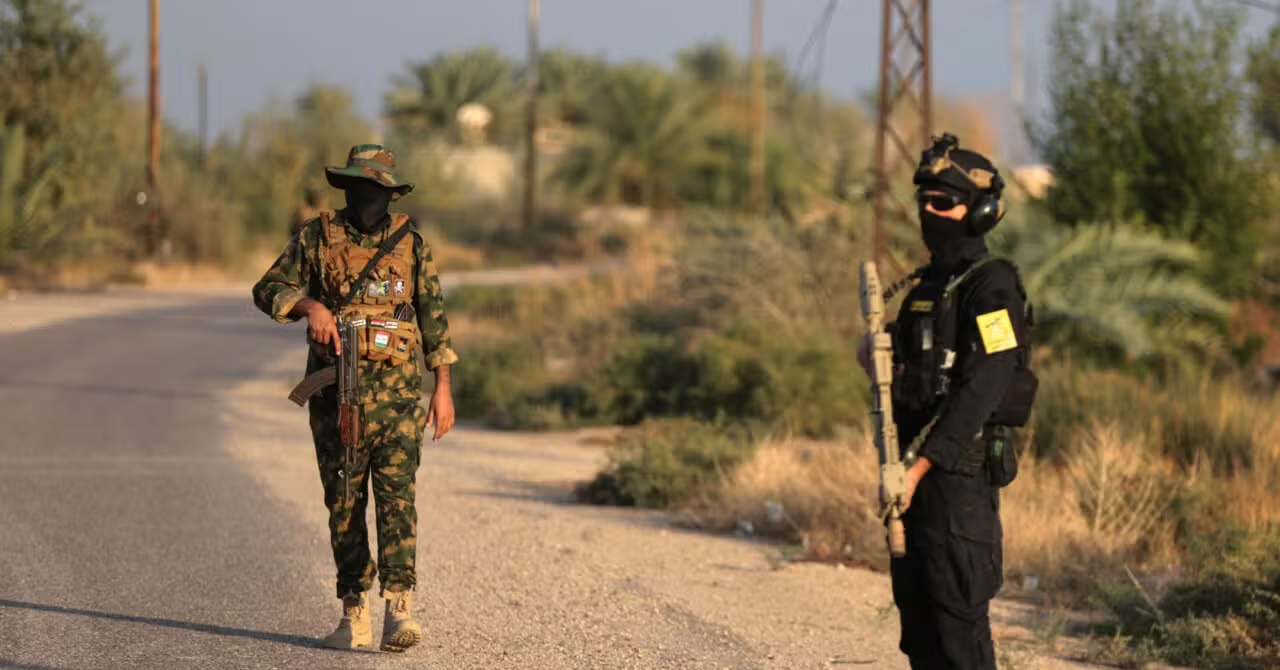
En Irak, l'armée s'apprête à entrer dans un bastion du groupe pro-iranien Kataeb Hezbollah
Iraqi state media report that government forces will begin deploying on 20 November 2026 in Jurf al-Sakher, the stronghold south of Baghdad held for more than ten years by the pro-Iranian group Kataeb Hezbollah, after a compromise ended the standoff with Prime Minister Ali al-Zaidi. The crisis began when al-Zaidi, investigating suspected oil smuggling there, demanded the group leave the area and it refused. Sources in Tehran-backed factions say the compromise, reached with the help of Esmail Qaani, head of the Quds Force, lets forces including the Hashd al-Shaabi enter while Kataeb Hezbollah gradually redeploy to the periphery over a month, with one source saying there will be no confrontation. A Kataeb Hezbollah spokesman said the problems with the head of government would be settled through discreet channels, though a source in the group insisted it would not leave the sector.

