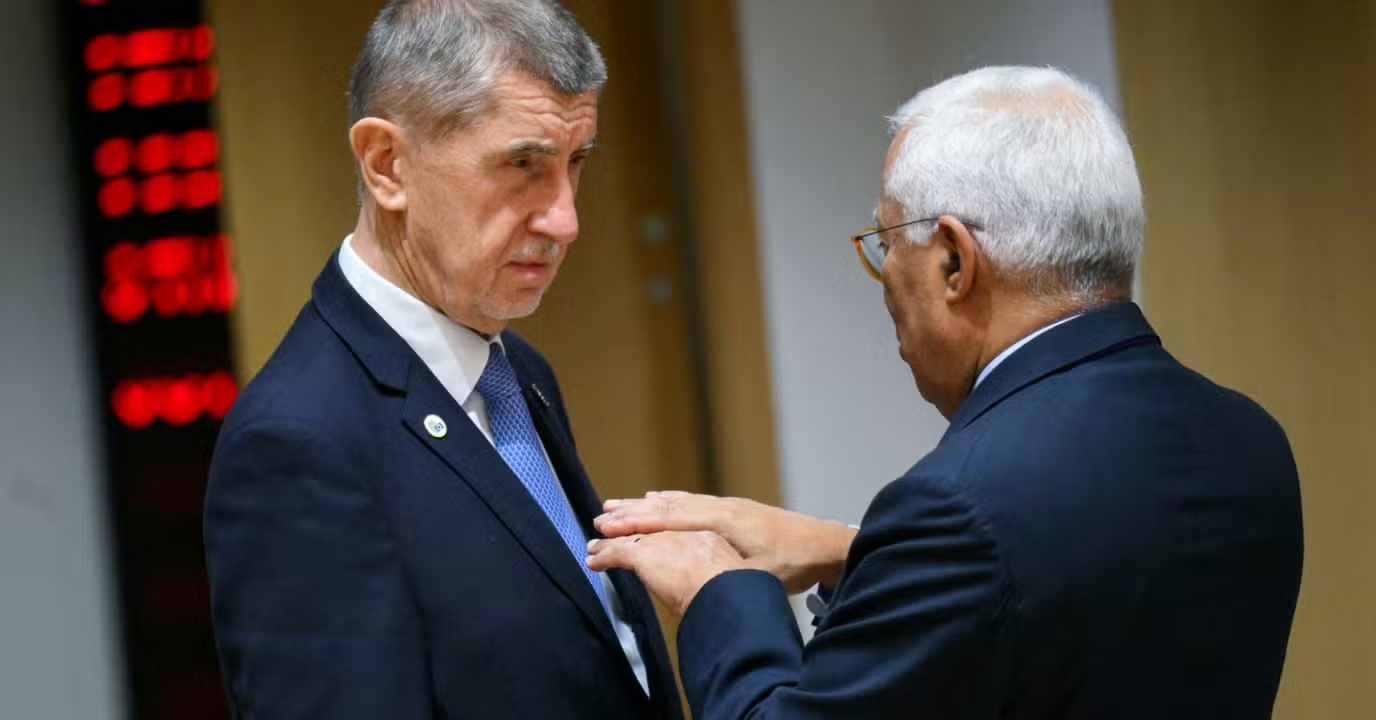
Why Bulgaria, Czechia, Hungary, and Slovakia are complicating the latest EU push for a Ukraine loan
EU leaders failed to agree on a 45 billion euro European Commission loan for Ukraine at a Nov. 26-27 summit in Brussels, with four countries blocking the deal. The proposed loan would give 25 billion euros for defense needs and 20 billion for budgetary support, and the European Council says 24 member states backed it, with the question to be revisited in December. The reported holdouts, Czechia, Hungary, and Slovakia, want to repeat the opt-out they won on a 90 billion euro loan in April 2026, while Bulgaria, a listed supporter, says it will join only the non-military component. Slovak Prime Minister Robert Fico objects that repayment only after Russia pays war reparations makes it a grant and cites corruption concerns, and Czech Prime Minister Andrej Babis questions paying Ukraine for decades.
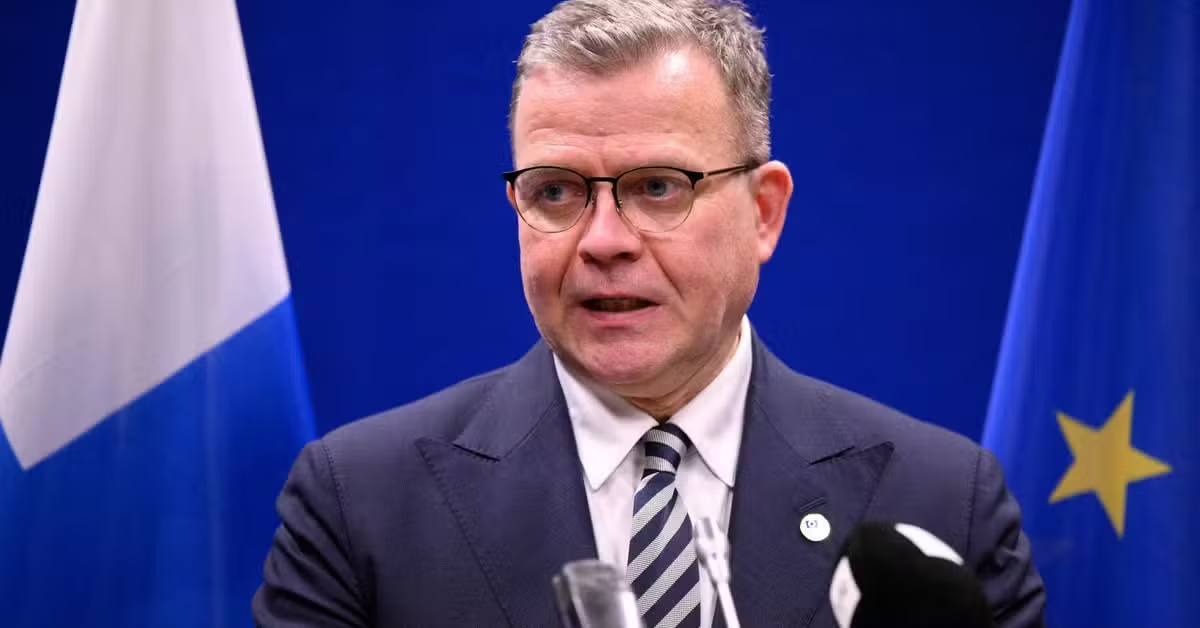
Orpo: Ratkaisut EU-budjetista ja Ukrainan tukemisesta siirtyvät joulukuulle
In a news report, Prime Minister Petteri Orpo says decisions on the EU's financial framework and on supporting Ukraine will move to the December European Council summit. Speaking at an extraordinary European Council meeting in Brussels, he says negotiations are still very far from solutions and that the biggest open question is the size of the financial framework for 2028-34, which remains too large for Finland and other net contributor countries despite moving in the right direction. On Ukraine, he says work on financing continues with the aim of a solution in which all 27 EU countries take part, and one model under discussion is that member states with reservations would join only civilian support, not military support. He adds that European Council President Antonio Costa has a big job ahead in finding acceptable compromises.
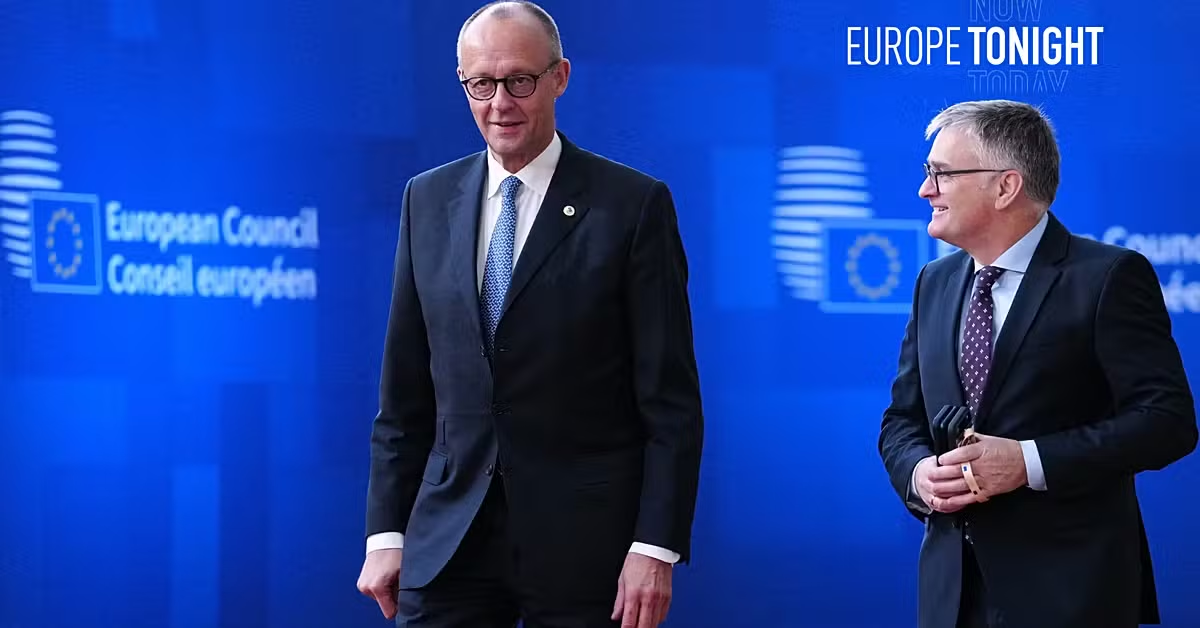
EU leaders clash over record-high budget amid Ukraine funding standoff
Euronews reports that EU leaders convened at the European Council to negotiate the bloc's next long-term budget, a record-high spending package the outlet says sharp divisions could derail. Leaders are split over funding for Ukraine, agricultural subsidies, and defense spending, and German Chancellor Friedrich Merz insisted before the summit that support for Ukraine be tied directly to the broader EU budget, threatening to veto the whole package unless every member state signs on to it. Italian Prime Minister Giorgia Meloni said leaders remain 'light-years away from a solution' ahead of the talks. Spanish Prime Minister Pedro Sánchez is skipping the summit ahead of Spain's national elections on Sunday 29 November 2026, which could cost him his parliamentary majority, and has delegated his voting powers to French President Emmanuel Macron.
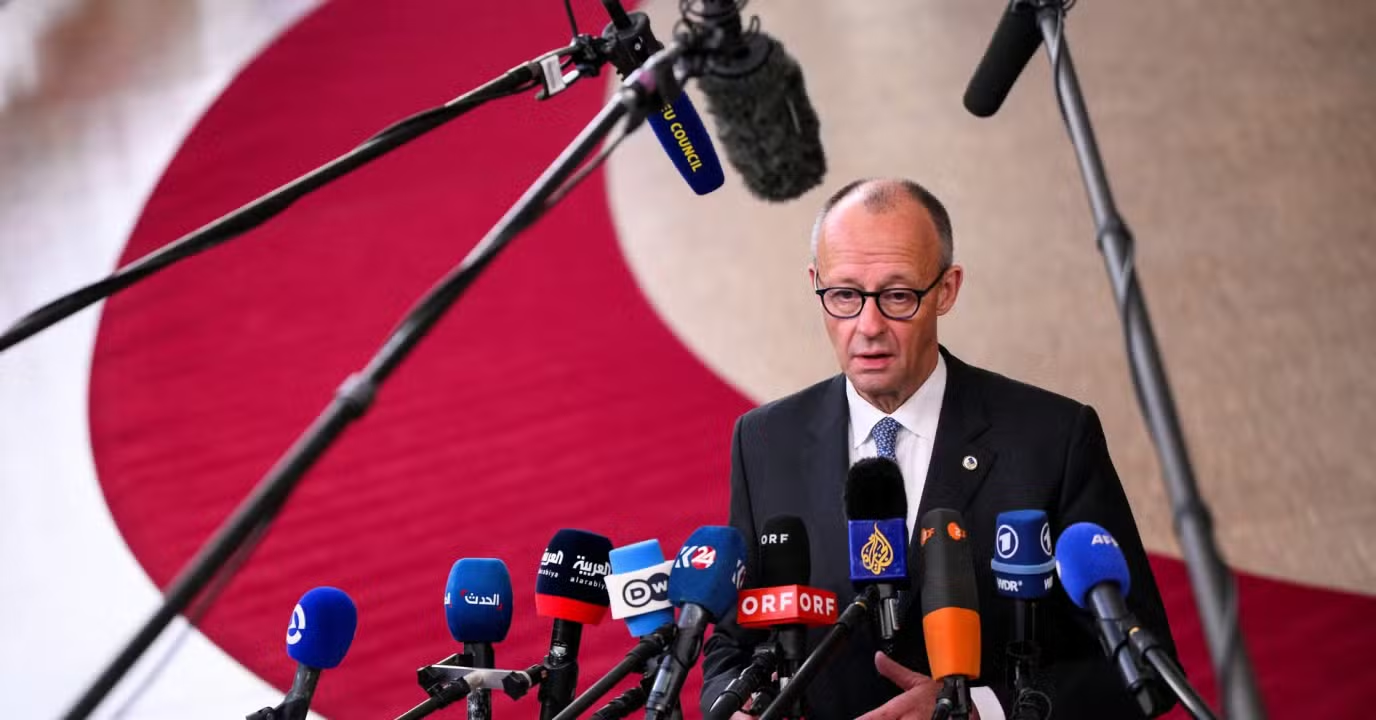
'Solidarity' and winter top EU agenda as leaders discuss new support for Ukraine
At an EU leaders' summit in Brussels on November 26, 2026, leaders are falling in line behind German Chancellor Friedrich Merz's call for all 27 countries to financially back Ukraine through the winter and beyond. The agenda turns on three linked questions Merz says must move together: the EU's long-term budget for 2028-2034, sustainable Ukraine support within it, and a 45 billion euro ($49 billion) loan for Kyiv in 2027. The push follows an April 90 billion euro ($99 billion) loan from which Hungary, Czechia, and Slovakia were allowed to opt out, an exception a senior EU official calls a one-off that will not set a precedent. Merz says that if the EU finances something, all 27 are part of it, not 23 or 24, while Czech leader Andrej Babis calls tying Ukraine's financing to the budget discussion completely absurd, questioning whether the EU will pay Ukraine 135 billion euros yearly for 10, 20, or 30 years. On peace talks, every leader asked voiced support in principle, and the Kyiv Independent forecasts there will be no peace this winter, with Estonian Prime Minister Kristen Michal predicting a winter like hell for Ukraine.
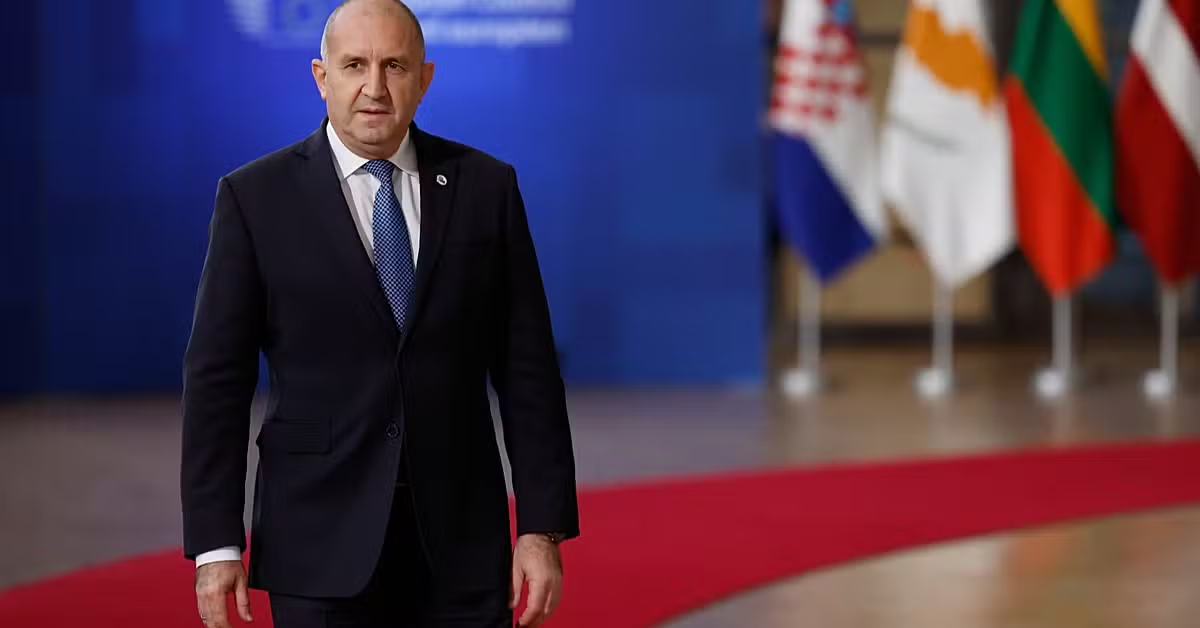
After initial reluctance, Bulgaria will join €45 billion Ukraine loan
Bulgaria has dropped its opposition to the European Union's new €45 billion loan to Ukraine and will join it, but only on condition that no Bulgarian money goes to weapons and ammunition. Prime Minister Rumen Radev, who had initially argued that Bulgaria had to rein in public spending and was grouped with Slovakia, Hungary and the Czech Republic among the opponents, announced on 26 November 2026 at a summit in Brussels: 'We are ready to join it.' The Commission has split the loan, meant to cover two-thirds of Kyiv's 2027 wartime deficit, into €25 billion for military aid and €20 billion for budget aid, and Radev says Bulgaria will chip in the budget aid portion, asking instead that support be concentrated in areas of Ukraine home to a diaspora of 300,000 Bulgarians. His confirmation comes as pressure intensifies on Slovakia, Hungary and the Czech Republic to follow suit, though unlike Bulgaria they are already exempt from the previous €90 billion loan and bent on keeping their opt-out; Kyiv will not repay the principal until Moscow provides war reparations.
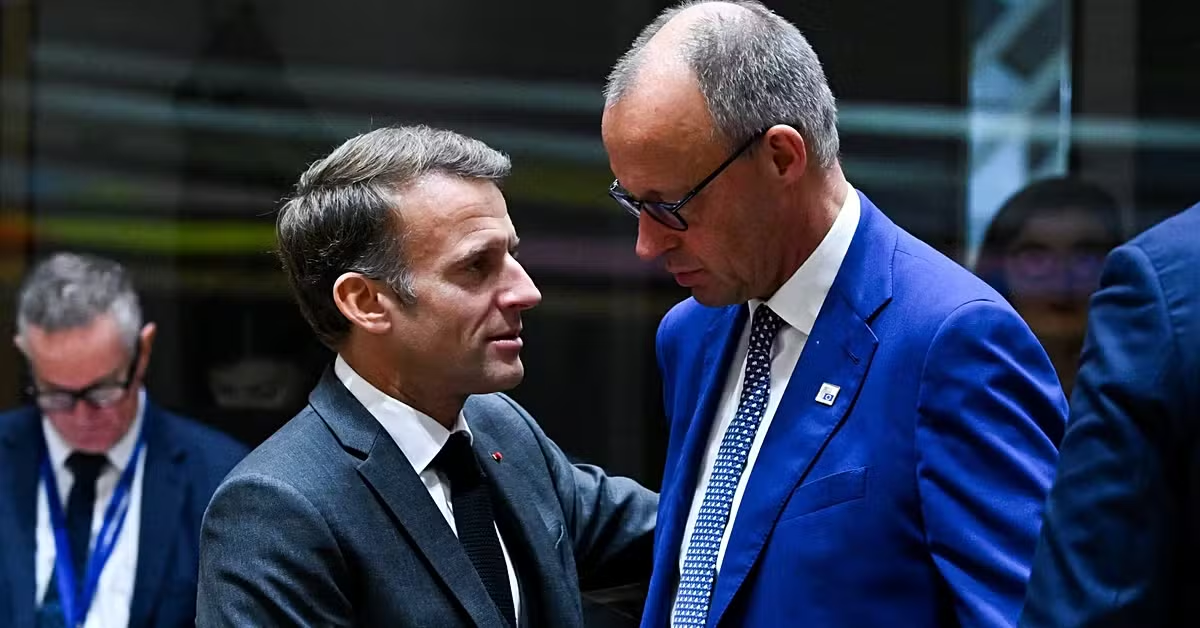
EU budget and Ukraine aid headed for collision at turbulent summit
A Euronews news report says the EU's next seven-year budget and continued support for Ukraine are set to collide at a turbulent summit in Brussels, as the two files, separate on paper, have become politically intertwined. European Council President António Costa has offered a compromise cutting his original budget proposal by €204 billion, but the 'frugals' want deeper cuts to agriculture and cohesion spending while the 17 'Friends of Cohesion' say it cuts excessively across the board. The European Commission has tabled a €45 billion loan backed by joint debt to cover two-thirds of the €70 billion hole Russia's attacks have drilled in Kyiv's 2027 budget, though Slovakia, the Czech Republic, Hungary and Bulgaria refuse to take part. German Chancellor Friedrich Merz has threatened to veto the budget unless Ukraine support is agreed by all 27 member states, which Robert Fico calls 'a textbook case of blackmail' and others in Brussels see as a risky move. Talks starting Thursday are meant to pave the way for a final deal in December, but the Élysée insists negotiations cannot go beyond December because elections, including France's, loom in 2027.
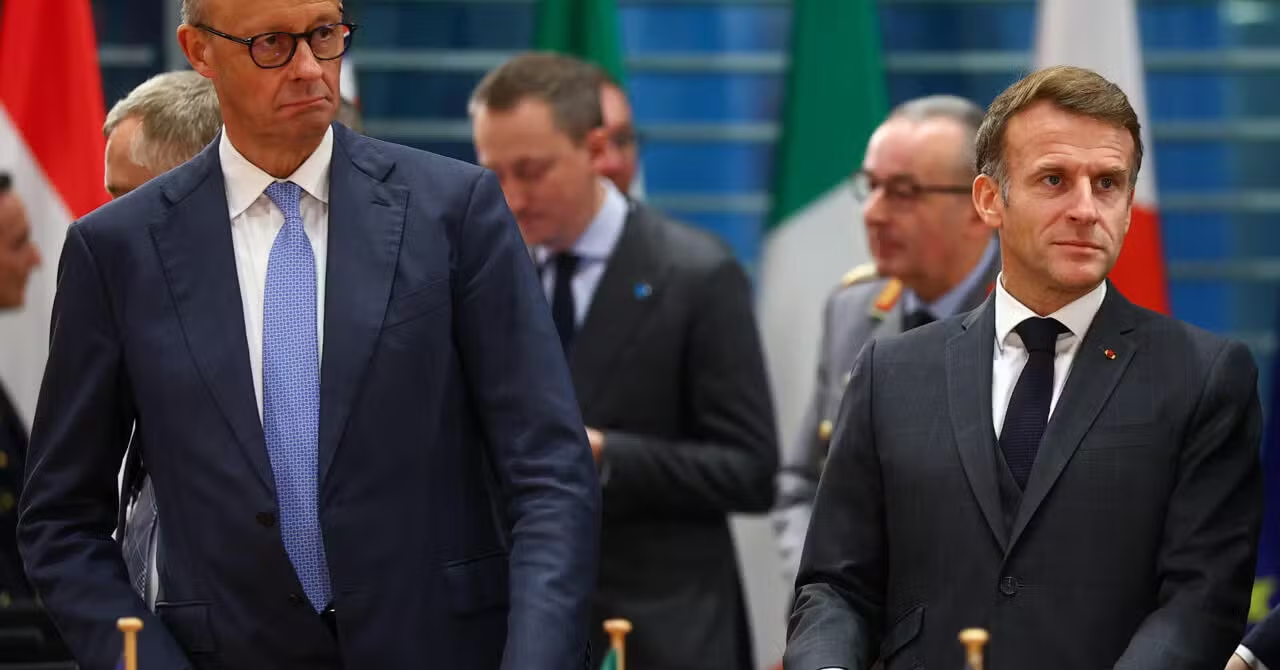
En direct : bataille en vue à Bruxelles sur le budget et l'aide à l'Ukraine
FRANCE 24's live blog reports that the heads of state and government of the 27 European Union countries are meeting in Brussels for an extraordinary summit meant to unlock very tense talks on the future EU budget, which includes an additional 100 billion euros for Kyiv. The blog expects a battle over the budget and aid to Ukraine on Thursday and Friday, with no hope of agreement at this stage. German Chancellor Friedrich Merz says he will make any budget agreement conditional on the 'without exception' participation of all 27 countries in financing Ukraine, a condition the blog presents as a direct attack on Hungary, the Czech Republic, and Slovakia, and which Slovak Prime Minister Robert Fico calls 'blackmail'.
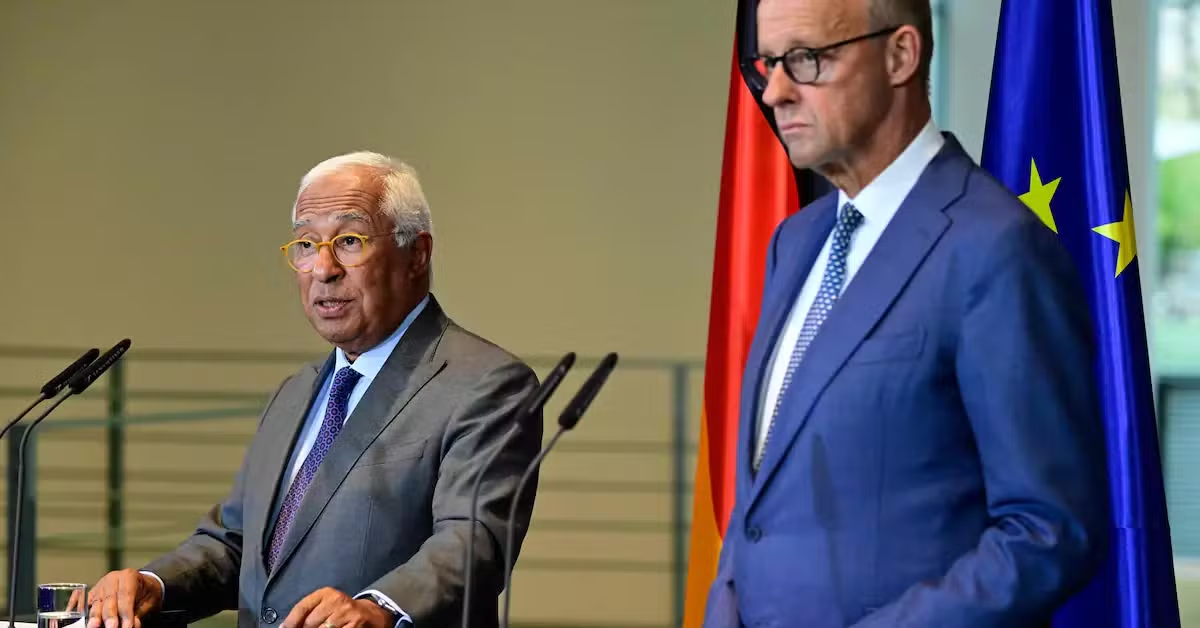
Budget européen : l’Ukraine complique les tractations
The EU's 27 member states meet in Brussels on 26 and 27 November 2026 at an extraordinary European Council summit devoted to the bloc's next multiannual budget for 2028-2034, with the question of financial support for Kyiv making the negotiations difficult and electrified. The talks rest on a new proposal presented on 21 November by European Council president António Costa, the fruit of months of bargaining among EU capitals. The Twenty-Seven aim for an agreement by the end of 2026, before national elections including the French presidential vote that could further complicate the debates.
Days before key summit, EU countries want to help Ukraine, but can't agree on how
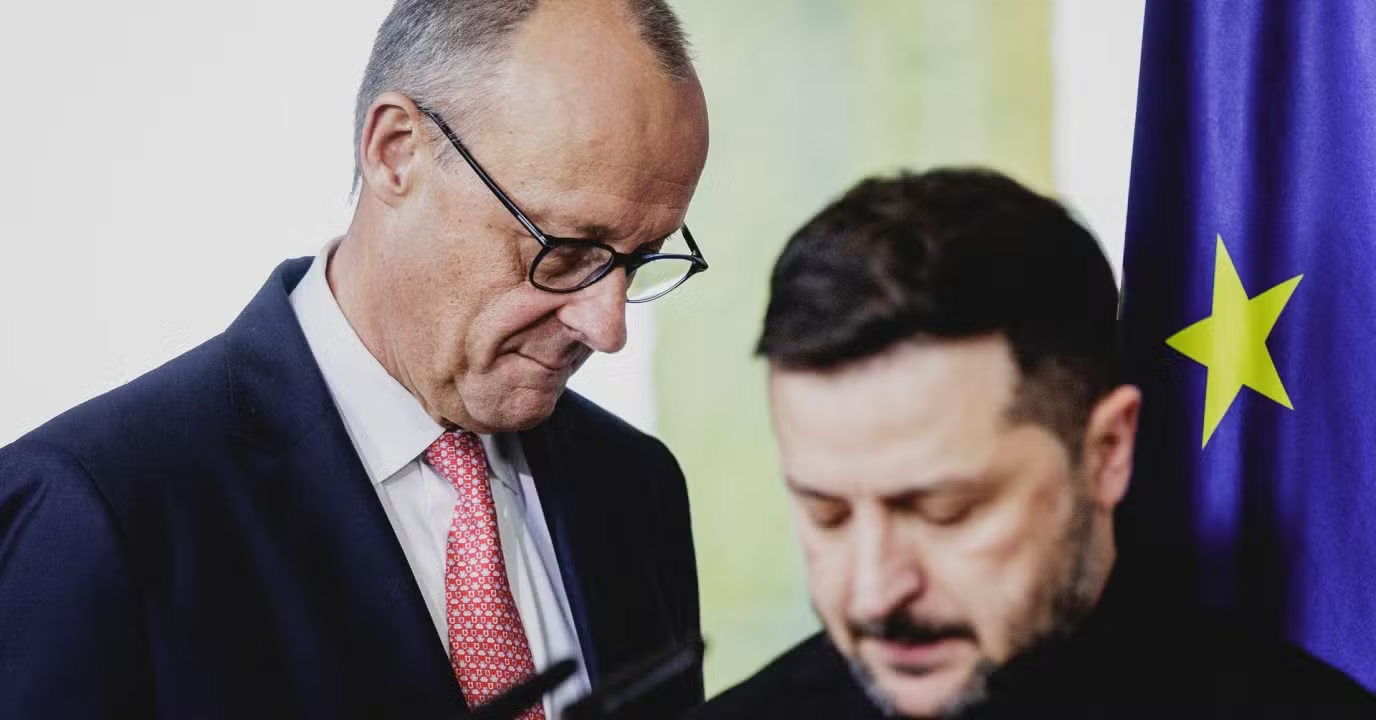
Days before EU leaders meet on Nov. 26-27 to discuss long-term support for Ukraine, a Kyiv Independent report finds broad agreement among EU countries that Ukraine must be financed, but confusion over every detail of how. Dispatches from national ambassadors' Nov. 24 budget talks show no country outright opposing the 100 billion euros earmarked for Kyiv, though for some it is unclear what that total includes. The sharpest dispute is whether interest payments on EU loans, which a Commission analysis puts at 55.4 billion euros over the next budget cycle, would really be paid on top of that sum and outside budget ceilings, with Italy and Bulgaria questioning it and Austria rejecting a special instrument for them. Opposition so far centers on Robert Fico's Slovakia, while Hungary and Czechia, who stayed out of an earlier 90 billion-euro loan, want leaders to decide separately from the wider budget; France warns political pressure ahead of its April 2027 election could make any January deal impossible, and the bloc still hopes to agree by end of 2026.
Russia Is Trying to Divide Europe: Sweden Calls for Stronger Support for Ukraine #shorts
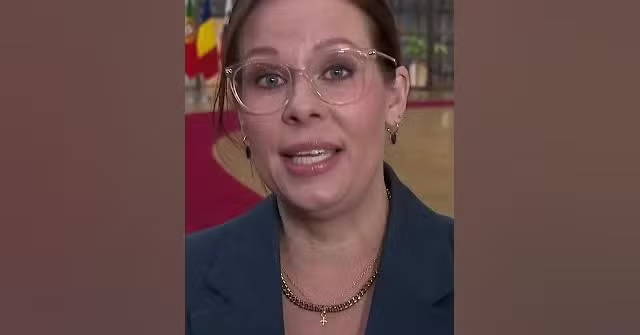
In a UATV English video, a Swedish government official says Russia is losing men, territory, and influence, and is instead trying to divide Europe and weaken its support for Ukraine. She says Russia has been trying to invade Ukraine for almost five years and is now killing civilians and children on playgrounds, pointing to an arson attack on an Estonian company reported the day before as a sign Russia is willing to take more risks. In her view, Russia is not interested in peace and has failed and grown frustrated, and she says Sweden stands in full solidarity with Estonia. She calls on Europe to answer with increased support to Ukraine and increased pressure on Russia.

