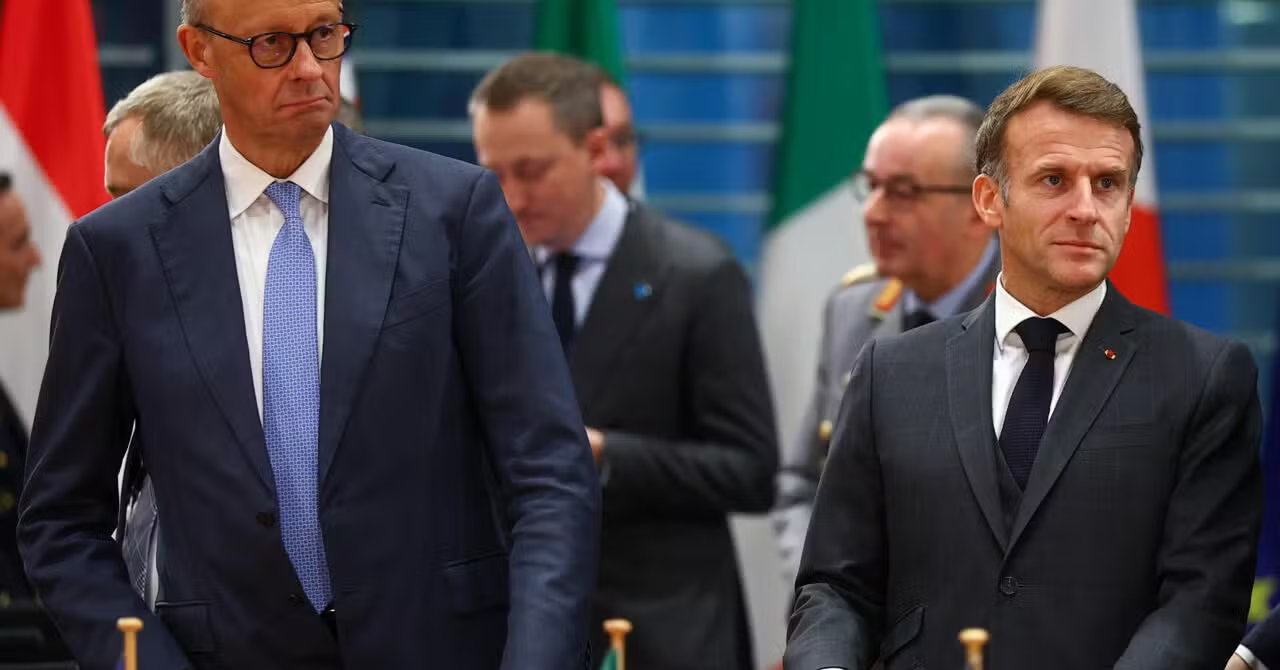
EU leaders open Brussels summit divided over 100 billion euros in Ukraine aid
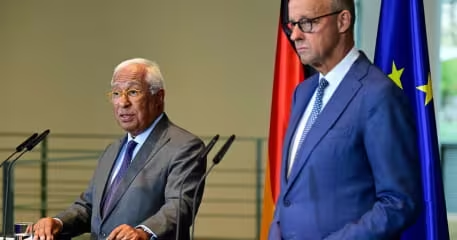
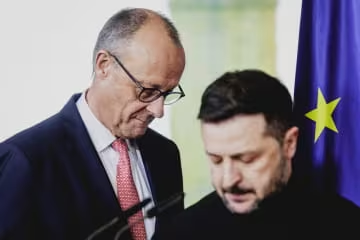
The leaders of the EU's 27 countries opened an extraordinary summit in Brussels on Nov. 26, 2026, aimed at unlocking tense budget talks that include 100 billion euros in support for Ukraine.
The two-day meeting was set to discuss long-term financial help for Kyiv and the bloc's next budget for 2028-2034. European Commission President Antonio Costa, the European Council President, presented a compromise budget proposal on Nov. 21 to serve as the basis for the talks, and the Commission has proposed lending Kyiv 45 billion euros ($49 billion) in 2027. National ambassadors had held a first discussion of the long-term budget on Nov. 24.
Notes sent back to national capitals show support for Ukraine is a rare point of consensus, with no country outright opposing the 100 billion euros earmarked for Kyiv. Some countries said it was unclear what that sum would and would not include. A Commission analysis expects 55.4 billion euros to be needed to cover interest payments on existing loans to Ukraine during the next budget cycle, with nothing specifying how that sum would be paid separately. Austria rejected creating a special instrument for those interest payments while backing robust multi-year support, and Finland took the same position.
The loan plan itself is contested: EU diplomats expected Bulgaria to join Hungary, Czechia, and Slovakia in staying out of it. Hungary, which notes describe as having reservations about support for Ukraine, and Czechia, possibly joined by Greece and Slovenia, want talks on Ukraine support kept separate from the wider budget, against German Chancellor Friedrich Merz's position that the two issues move together, which Sweden backed.
EU countries still aim to agree on Ukraine support and the budget by the end of 2026, to avoid making them hostage to national election campaigns running through 2027.
EU leaders are set to meet in Brussels on Nov. 26-27, 2026 to discuss long-term financial support for Ukraine and the bloc's next budget for 2028-2034.
National ambassadors to the EU held a first discussion of the long-term budget on Nov. 24, 2026.
The European Commission has proposed lending Kyiv 45 billion euros ($49 billion) in 2027, and European Council President Antonio Costa has put forward a compromise budget proposal.
Notes sent back to national capitals show support for Ukraine is a rare point of consensus for EU countries divided over the next budget, with no country outright opposing the 100 billion euros earmarked for Kyiv.
Some EU countries said it was unclear what the 100 billion euros earmarked for Ukraine would and would not include.
A European Commission analysis expects 55.4 billion euros to be needed to cover interest payments on existing loans to Ukraine during the next budget cycle, with nothing specifying how that sum would be paid separately.
Austria rejected creating a special instrument for interest payments on EU loans to Ukraine while advocating robust multi-year support for Kyiv, and Finland backed the Austrian position.
EU diplomats expected Bulgaria to join Hungary, Czechia, and Slovakia in staying out of the 45 billion-euro loan proposal.
Notes from member states describe Hungary as having reservations about support for Ukraine, and Hungary and Czechia as saying it is for heads of government to decide whether to help cover Ukraine's loan costs.
Hungary and Czechia, possibly joined by Greece and Slovenia, want talks on Ukraine support kept separate from the wider EU budget, against German Chancellor Friedrich Merz's position that the two issues move together, which Sweden backed.
The consensus among EU countries is still to agree on Ukraine support and the budget by the end of 2026, to avoid making them hostage to national election campaigns running through 2027.
Slovak Prime Minister Robert Fico has spoken out against the 45 billion-euro proposal and claimed Hungary shares his view.
Estonia said in the discussions that the 100 billion euros earmarked for Ukraine would be an 'absolute minimum'.
German Chancellor Friedrich Merz has publicly said all countries need to step up to finance Ukraine.
France warned in the Nov. 24 meeting that political pressure was mounting in Paris not to agree to any deal before the country's presidential election in April 2027, and that negotiations continuing into January 2027 would make an agreement before the election impossible.
European Council President Antonio Costa presented his compromise budget proposal on Nov. 21, 2026, to serve as the basis for the summit discussions.
A European diplomat said the two summit days would be 'long'.
The heads of state and government of the EU's 27 countries opened an extraordinary summit in Brussels on Nov. 26, 2026, aimed at unlocking tense budget talks that include 100 billion euros in support for Ukraine.
German Chancellor Friedrich Merz said he would make any budget agreement conditional on the 'without exception' participation of all 27 EU countries in financing Ukraine.
Slovak Prime Minister Robert Fico protested that Merz's condition was 'blackmail'.