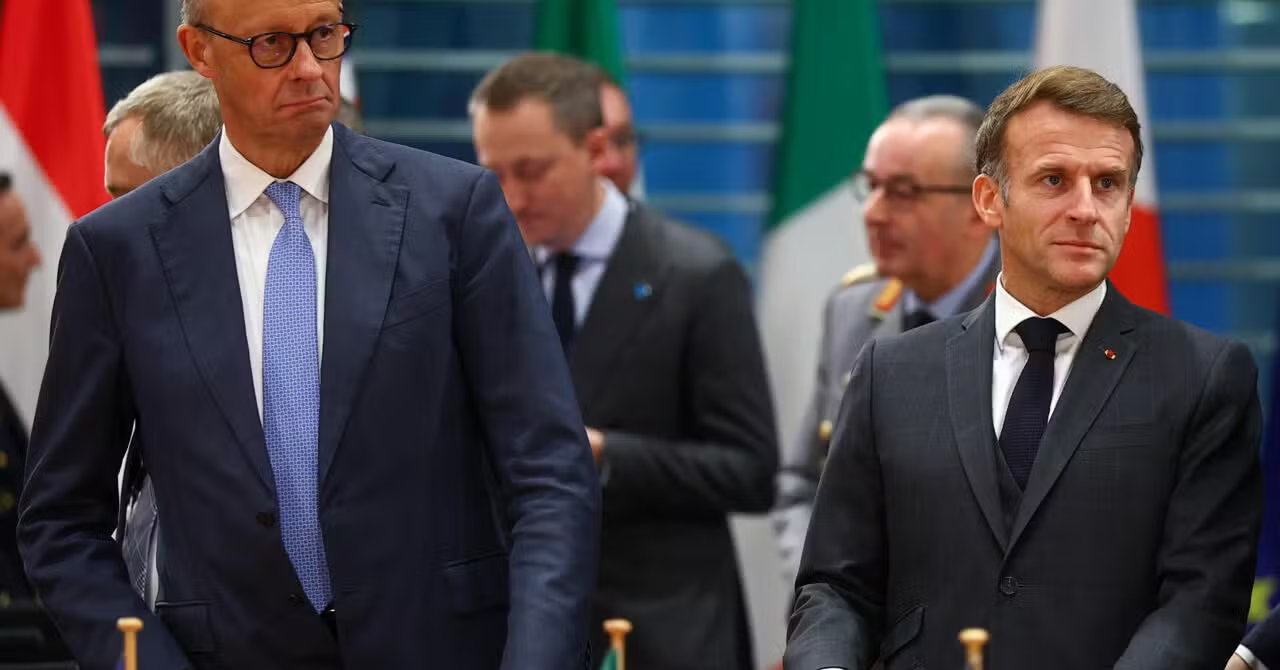
En direct : bataille en vue à Bruxelles sur le budget et l'aide à l'Ukraine
FRANCE 24's live blog reports that the heads of state and government of the 27 European Union countries are meeting in Brussels for an extraordinary summit meant to unlock very tense talks on the future EU budget, which includes an additional 100 billion euros for Kyiv. The blog expects a battle over the budget and aid to Ukraine on Thursday and Friday, with no hope of agreement at this stage. German Chancellor Friedrich Merz says he will make any budget agreement conditional on the 'without exception' participation of all 27 countries in financing Ukraine, a condition the blog presents as a direct attack on Hungary, the Czech Republic, and Slovakia, and which Slovak Prime Minister Robert Fico calls 'blackmail'.
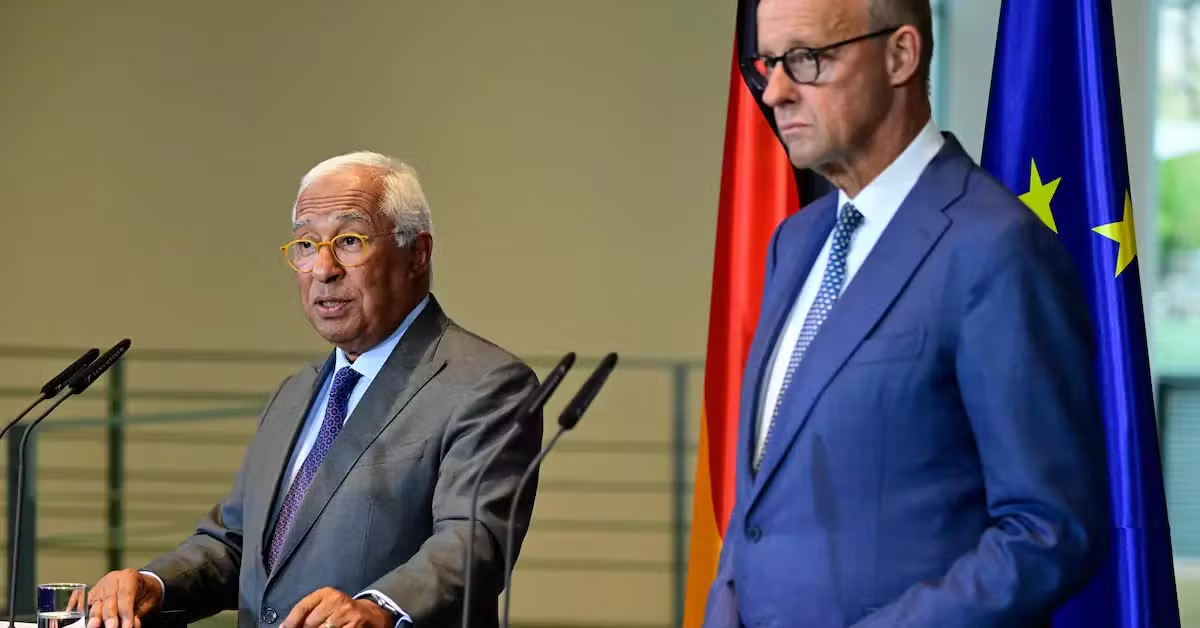
Budget européen : l’Ukraine complique les tractations
The EU's 27 member states meet in Brussels on 26 and 27 November 2026 at an extraordinary European Council summit devoted to the bloc's next multiannual budget for 2028-2034, with the question of financial support for Kyiv making the negotiations difficult and electrified. The talks rest on a new proposal presented on 21 November by European Council president António Costa, the fruit of months of bargaining among EU capitals. The Twenty-Seven aim for an agreement by the end of 2026, before national elections including the French presidential vote that could further complicate the debates.
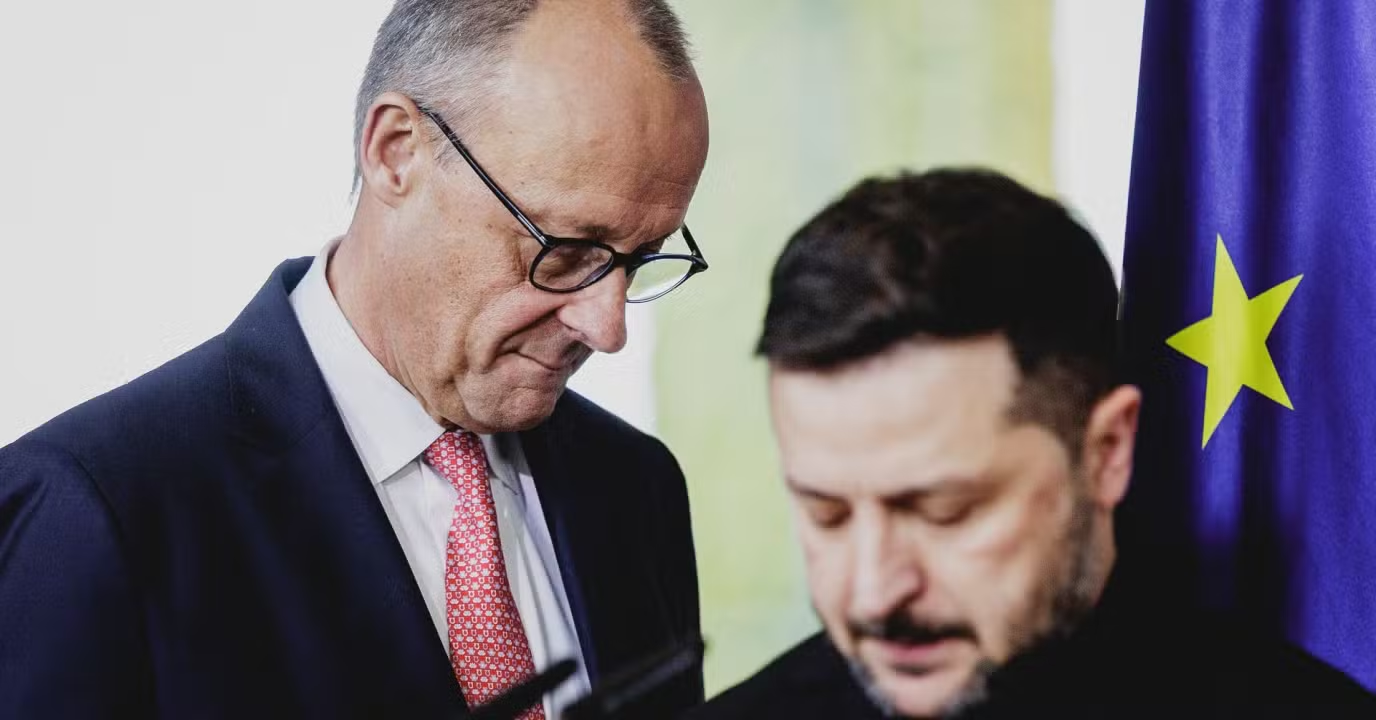
Days before key summit, EU countries want to help Ukraine, but can't agree on how
Days before EU leaders meet on Nov. 26-27 to discuss long-term support for Ukraine, a Kyiv Independent report finds broad agreement among EU countries that Ukraine must be financed, but confusion over every detail of how. Dispatches from national ambassadors' Nov. 24 budget talks show no country outright opposing the 100 billion euros earmarked for Kyiv, though for some it is unclear what that total includes. The sharpest dispute is whether interest payments on EU loans, which a Commission analysis puts at 55.4 billion euros over the next budget cycle, would really be paid on top of that sum and outside budget ceilings, with Italy and Bulgaria questioning it and Austria rejecting a special instrument for them. Opposition so far centers on Robert Fico's Slovakia, while Hungary and Czechia, who stayed out of an earlier 90 billion-euro loan, want leaders to decide separately from the wider budget; France warns political pressure ahead of its April 2027 election could make any January deal impossible, and the bloc still hopes to agree by end of 2026.

