
Myanmar refuses to comply with 'inappropriate' parts of ICJ genocide ruling
Myanmar's leader Min Aung Hlaing says the country will not comply with 'inappropriate' parts of the International Court of Justice's genocide ruling, in his first public comments since the court's landmark decision. The ICJ found Myanmar guilty of committing genocide against its Rohingya minority in a 2017 military crackdown in Rakhine State that killed around 10,000 Rohingya and forced more than 700,000 to flee to Bangladesh, in a case brought by The Gambia. The ruling is final and cannot be appealed, but the court has no enforcement power of its own and must rely on the UN Security Council and political pressure, which BBC News says makes the ruling largely symbolic.
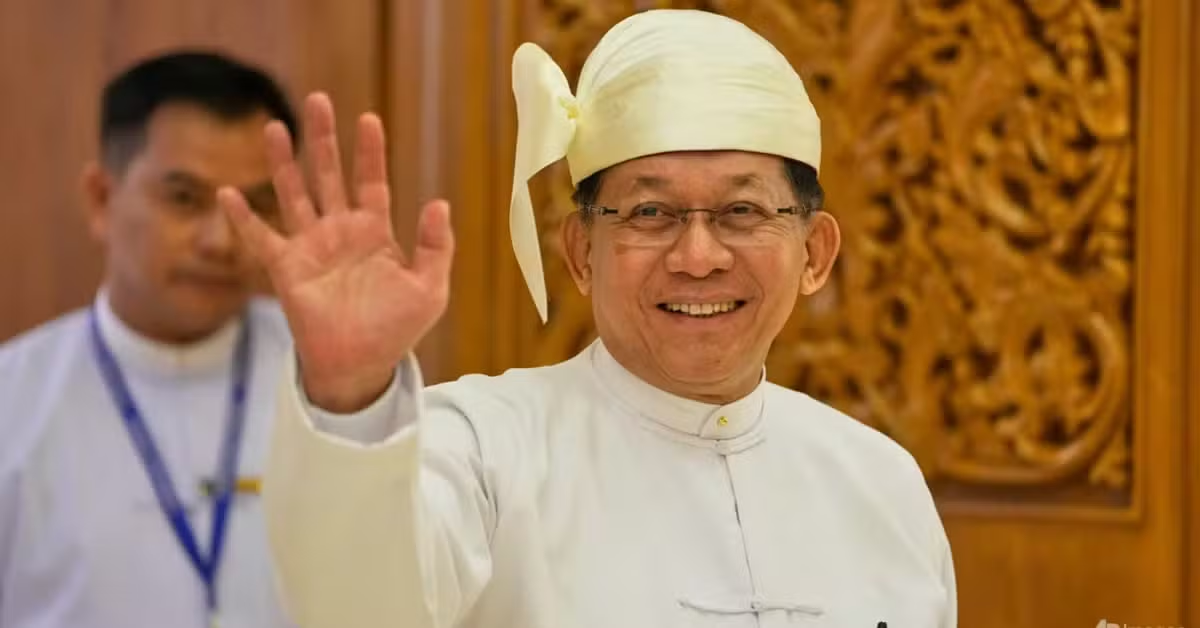
Myanmar won't comply with 'inappropriate' parts of genocide ruling: Leader
A Channel NewsAsia news report says Myanmar leader Min Aung Hlaing told a meeting on 25 November 2026 that Myanmar will act as a responsible country but will not comply with International Court of Justice requirements it considers inappropriate. In November 2026 the court ruled that Myanmar committed genocide against its Rohingya minority, finding its forces systematically killed, raped and destroyed the property of Rohingya civilians in a 2017 crackdown that drove more than 700,000 refugees to Bangladesh, and ordered prosecution of perpetrators, compensation and safe passage home. It was the first time in the court's 80-year history that a state was found to have committed genocide, and though its decisions are binding they cannot be enforced. The remarks were Min Aung Hlaing's first publicised response to the ruling, which he calls a one-sided accusation, after the government described the decision as unfair and a great disappointment.
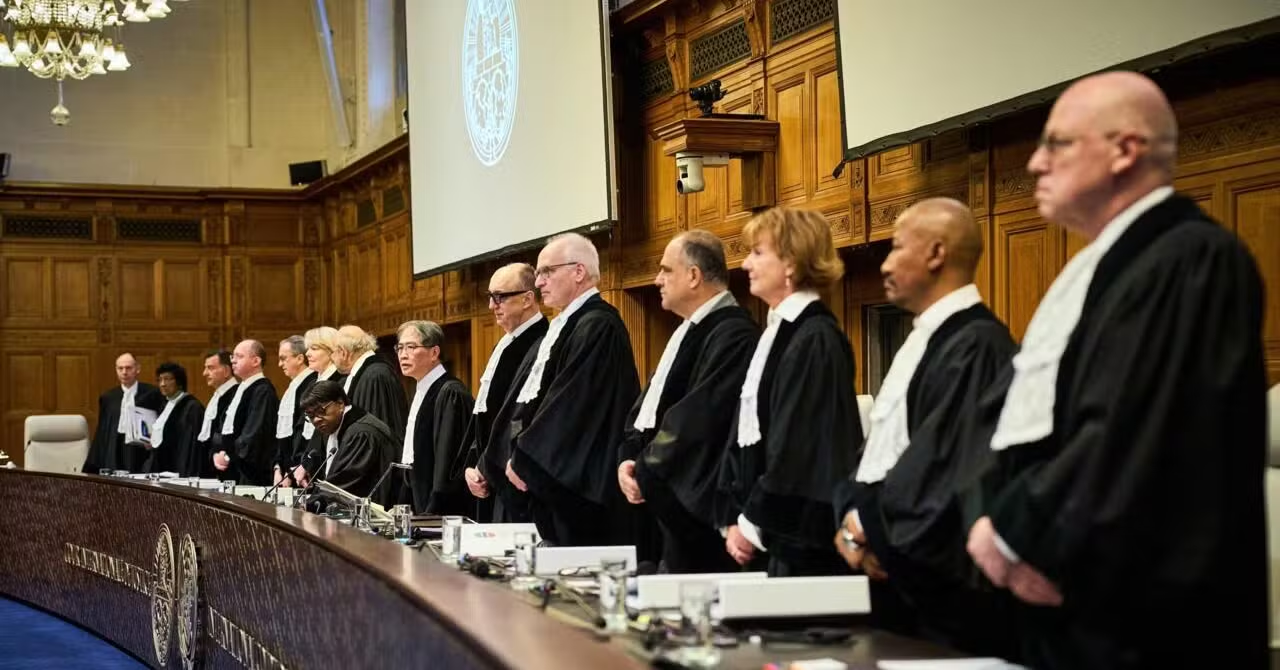
Génocide des Rohingyas: la décision historique de la CIJ peut-elle faire jurisprudence?
RFI’s analysis examines whether the International Court of Justice’s genocide ruling against Myanmar may set a precedent for its pending case against Israel. The court found that Myanmar committed genocide against the Rohingya, concluding that the only reasonable inference was an intent to destroy a substantial part of the group. The ruling says genocidal intent can coexist with other aims, including fighting an armed group, a principle that may matter in the case brought by South Africa against Israel. The analysis also considers pressure on international courts and the limits of their power to enforce rulings.
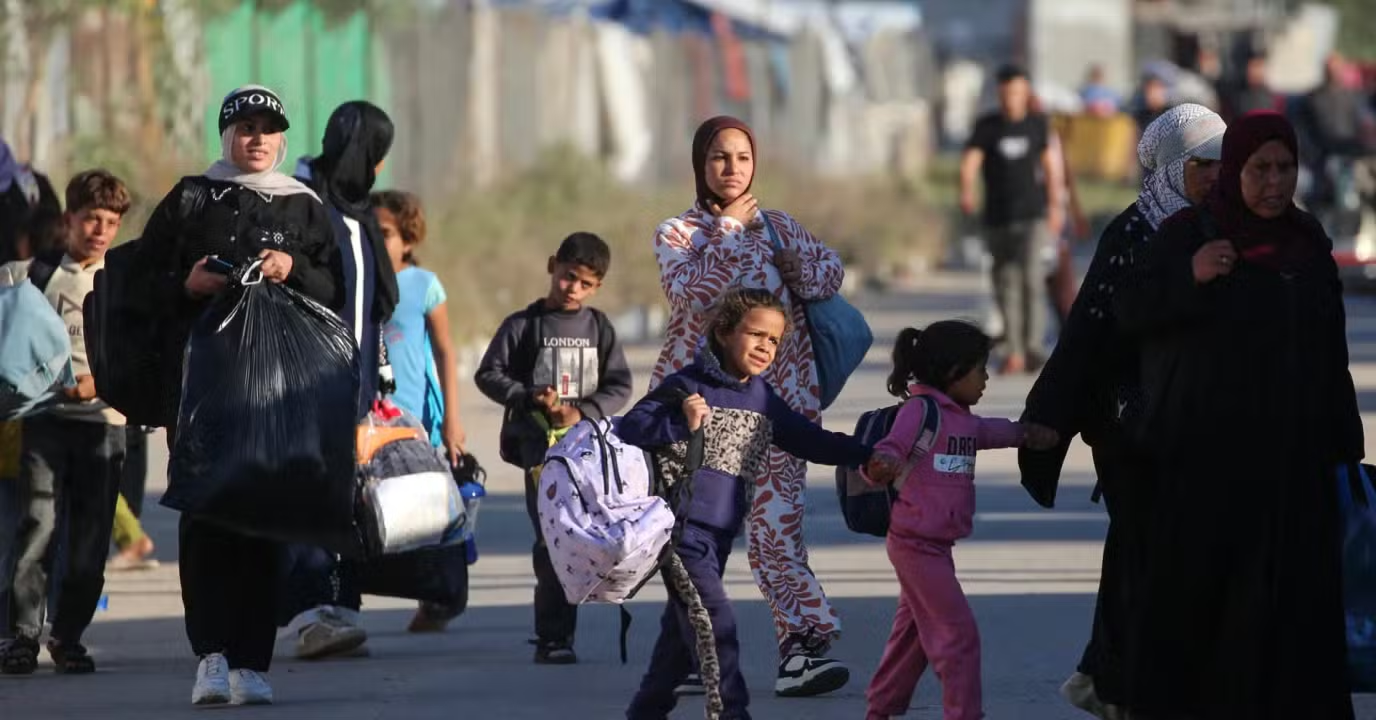
What does the ICJ’s Rohingya genocide ruling mean for Gaza?
Al Jazeera’s explainer says the ICJ’s genocide ruling against Myanmar offers a clearer legal path for South Africa’s pending case against Israel, but does not decide it. The ruling shows that intent can be inferred from cumulative patterns of evidence, rather than only explicit orders, though the court must assess the Gaza evidence independently. Experts say the approach could have strong implications for the case, which is expected to take several years to reach a verdict. The ruling has brought little immediate relief to either the Rohingya or Palestinians in Gaza.
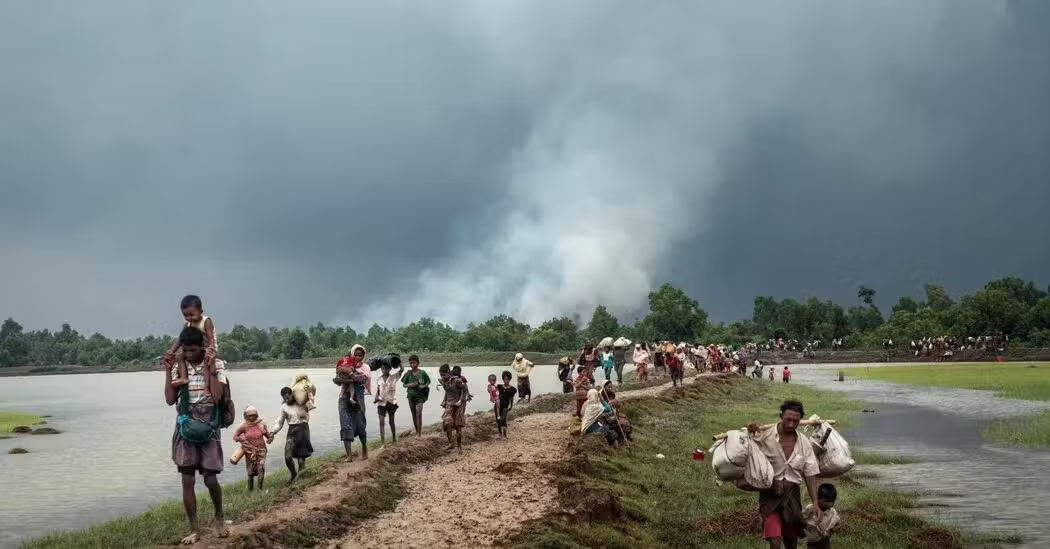
Myanmar Committed Genocide Against the Rohingya, Top Global Court Finds
The New York Times reports that the International Court of Justice ruled Myanmar committed genocide against the Rohingya, finding it failed to prevent and punish the crime. The ruling concerns the military campaign in 2016 and 2017, which killed at least 10,000 people in a few weeks and forced three quarters of a million to flee during that period. The court said Myanmar must provide restitution, including return and reunification or compensation, with the amount to be determined later; enforcement depends on the U.N. Security Council.
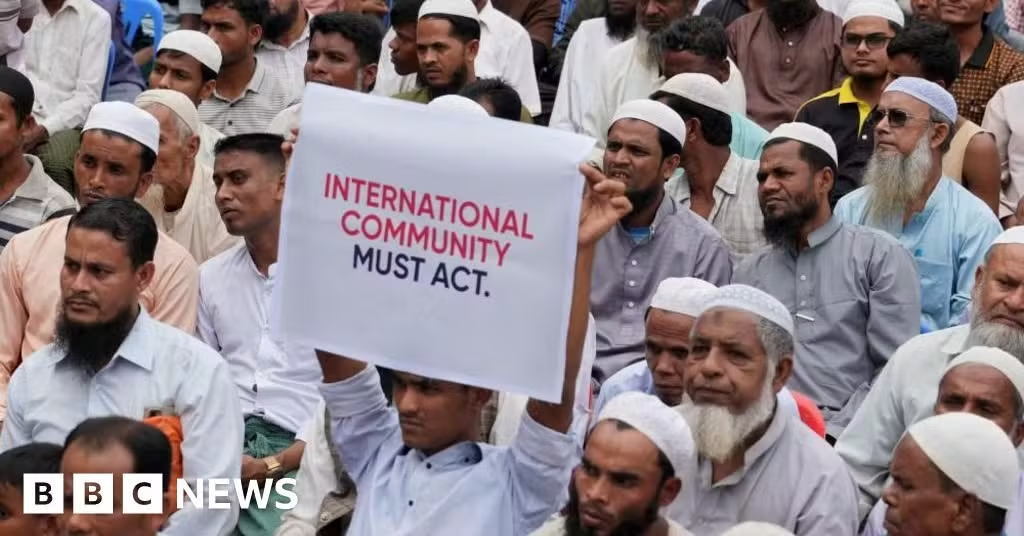
Myanmar committed genocide against Rohingya minority, top UN court rules
The International Court of Justice ruled that Myanmar committed genocide against the Rohingya, finding genocidal intent in the evidence of the 2017 crackdown. The court determined that around 10,000 Rohingya were violently killed and approximately 815,000 were targeted. Myanmar denied genocide, saying its forces were responding to attacks by armed groups. The ruling requires Myanmar to pay proportionate reparations, with the amount to be set later.
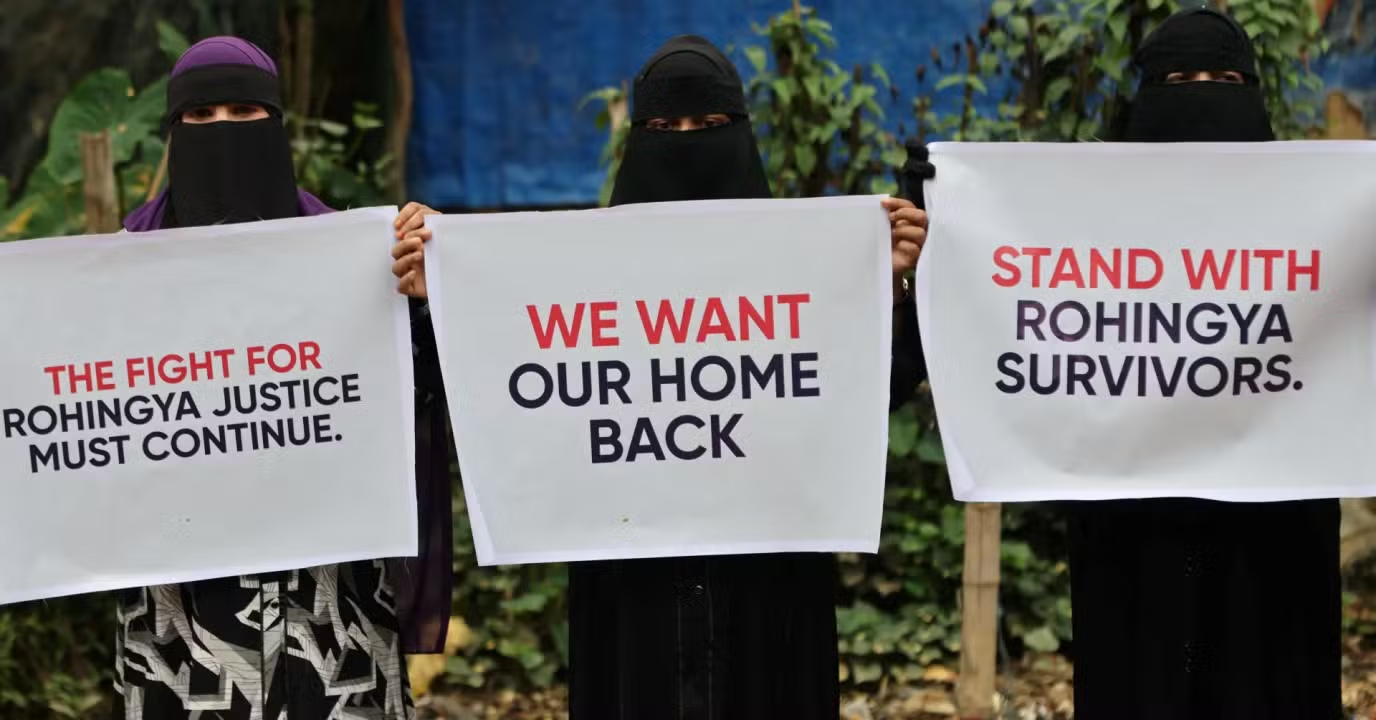
What the ICJ genocide ruling means for the Rohingya people
Al Jazeera reports that the International Court of Justice has ruled that Myanmar committed genocide against the Rohingya, marking the first time the World Court has found a state responsible for genocide. The court ordered Myanmar to stop the violence, pursue accountability, and provide restitution and reparations, including measures to enable safe, voluntary return. It cannot determine compensation yet, and Myanmar must submit a plan within two years. The ruling is final but the court cannot enforce it, and safe return remains uncertain amid turmoil in Myanmar.
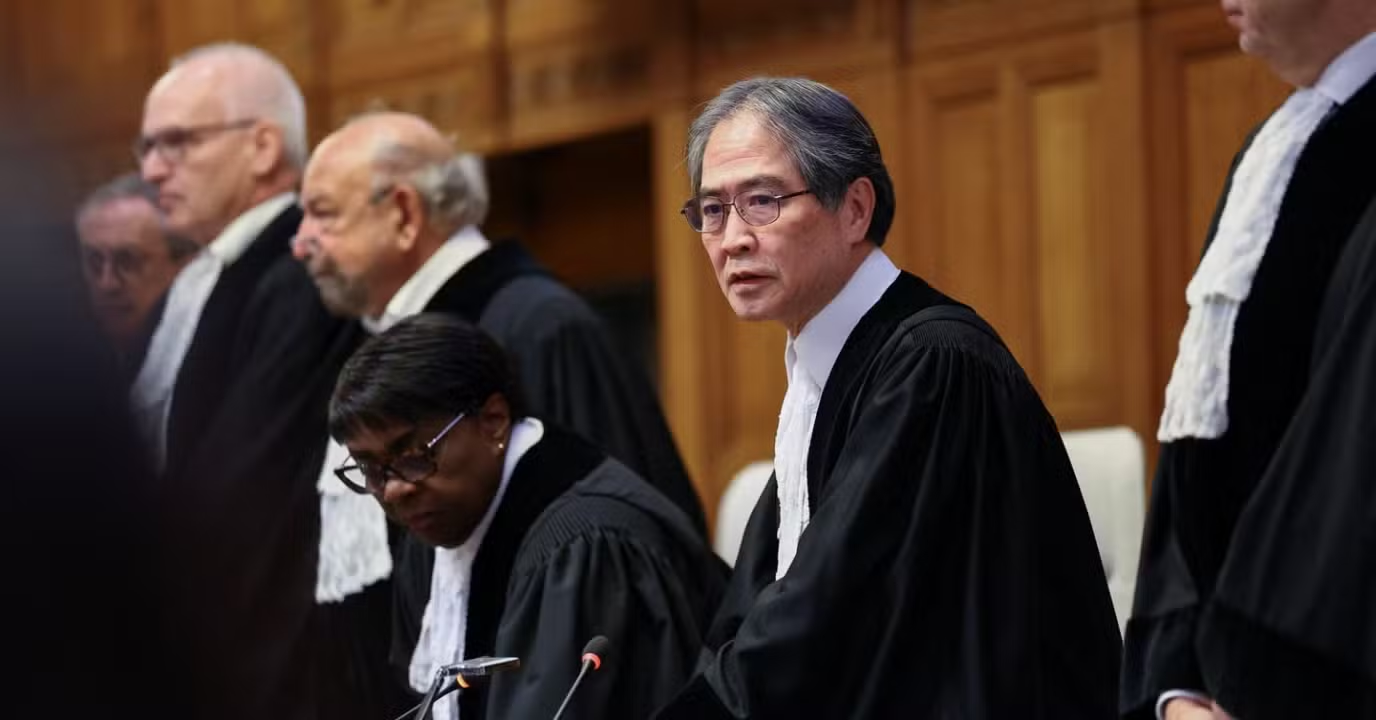
ICJ rules that Myanmar committed genocide against Rohingya muslims
Le Monde, with Agence France-Presse, reports that the International Court of Justice ruled Myanmar committed genocide against the Rohingya. The court ordered Myanmar to facilitate the safe, voluntary, and dignified return of those who fled, and to investigate and punish anyone suspected of genocide; compensation will be determined later. The ruling followed a seven-year case brought by The Gambia under the UN Genocide Convention. The court’s decisions are binding but it has no way to enforce them.
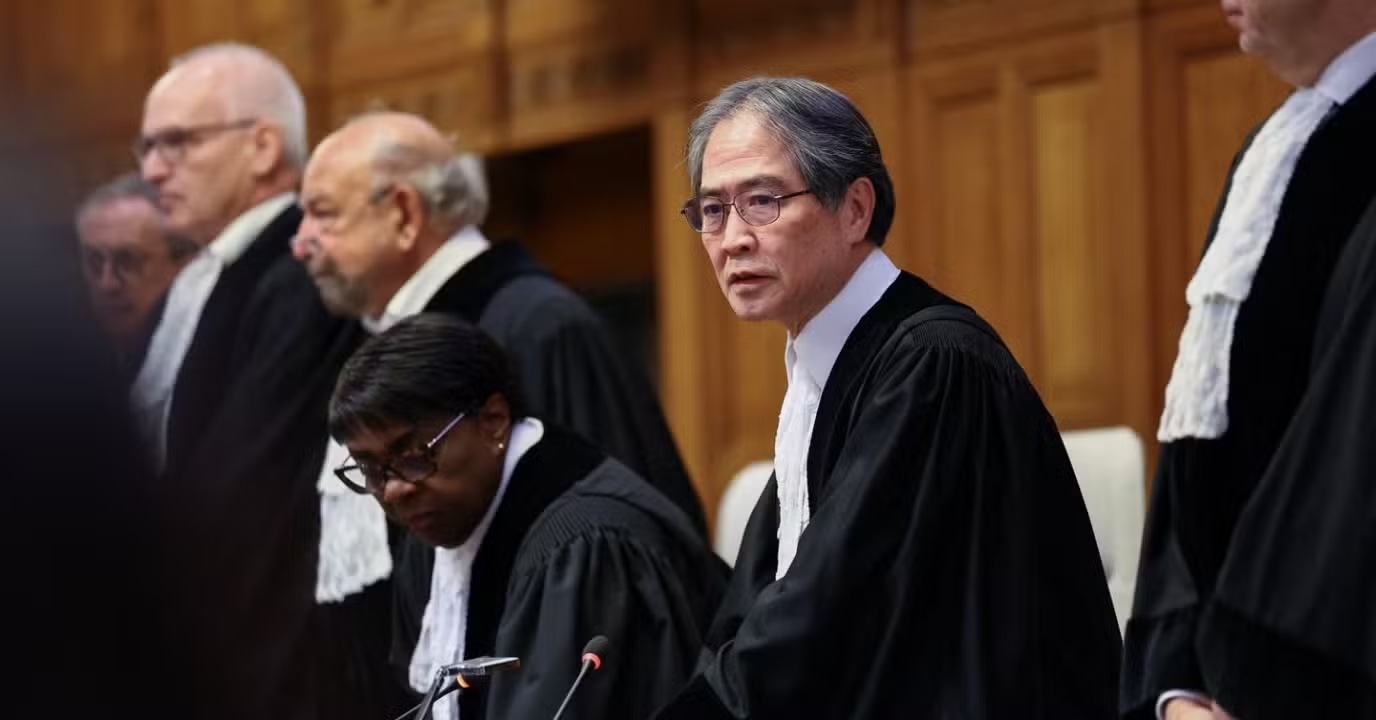
La Birmanie a commis un génocide à l’encontre de la minorité rohingya, statue la Cour internationale de justice
The International Court of Justice ruled that Myanmar committed genocide against the Rohingya during the 2017 crackdown. The court found that the crackdown showed intent to destroy the minority, a decisive criterion for genocide. The ruling followed seven years of proceedings over a case brought by Gambia under the 1948 Genocide Convention. Myanmar has rejected the accusation, arguing that its army acted against a Rohingya insurgency.
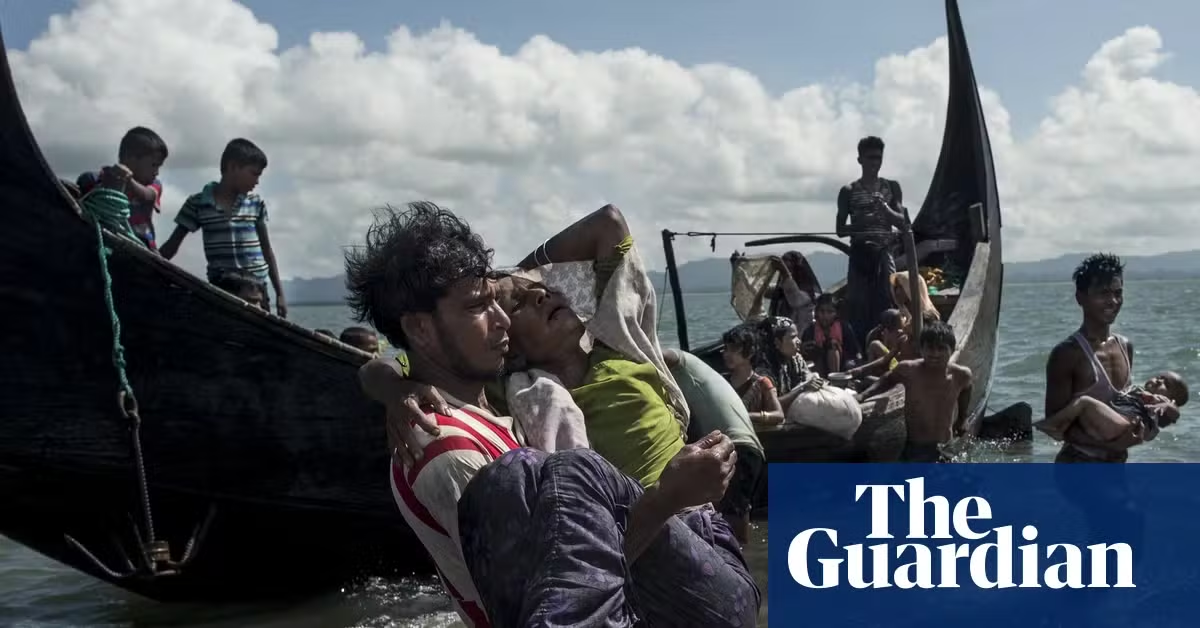
Myanmar committed acts of genocide against Rohingya minority, world’s top court rules
The Guardian reports that the International Court of Justice ruled that Myanmar committed acts of genocide against the Rohingya, a landmark finding after a seven-year legal battle. The court said it was convinced the acts were carried out with intent to destroy a substantial part of the Rohingya population. The ruling follows the military’s 2016-17 campaign, which forced more than 700,000 Rohingya to flee to Bangladesh. Myanmar denies genocide, saying its actions targeted a Rohingya militant group.
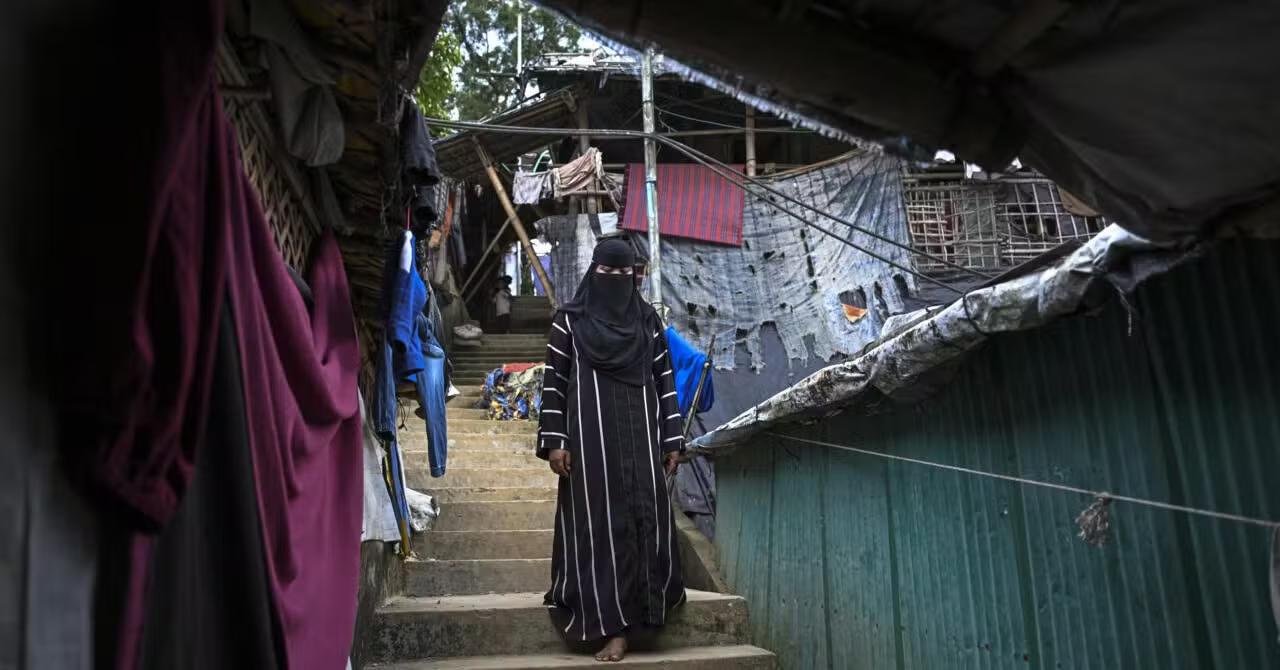
Les forces birmanes ont tué "des milliers de civils rohingyas", déclare la CIJ
The International Court of Justice said on 19 November 2026 that Myanmar forces killed thousands of Rohingya civilians, carried out large-scale sexual violence and targeted Rohingya fleeing towards Bangladesh during 2017 operations, finding the estimate of 10,000 killed supported by evidence. The court, examining a case brought by The Gambia under the 1948 Genocide Convention for seven years, has not yet ruled on whether the violence is genocide, which under international law requires proving an intent to destroy a group. Myanmar rejects the accusations, arguing its army's crackdown was a justified response to a Rohingya insurgency, and its representative Ko Ko Hlaing told the court it was not obliged to stand by with its arms folded. A ruling would increase pressure on Myanmar's strongman Min Aung Hlaing, and the case is closely watched as a possible precedent for South Africa's genocide case against Israel over Gaza.
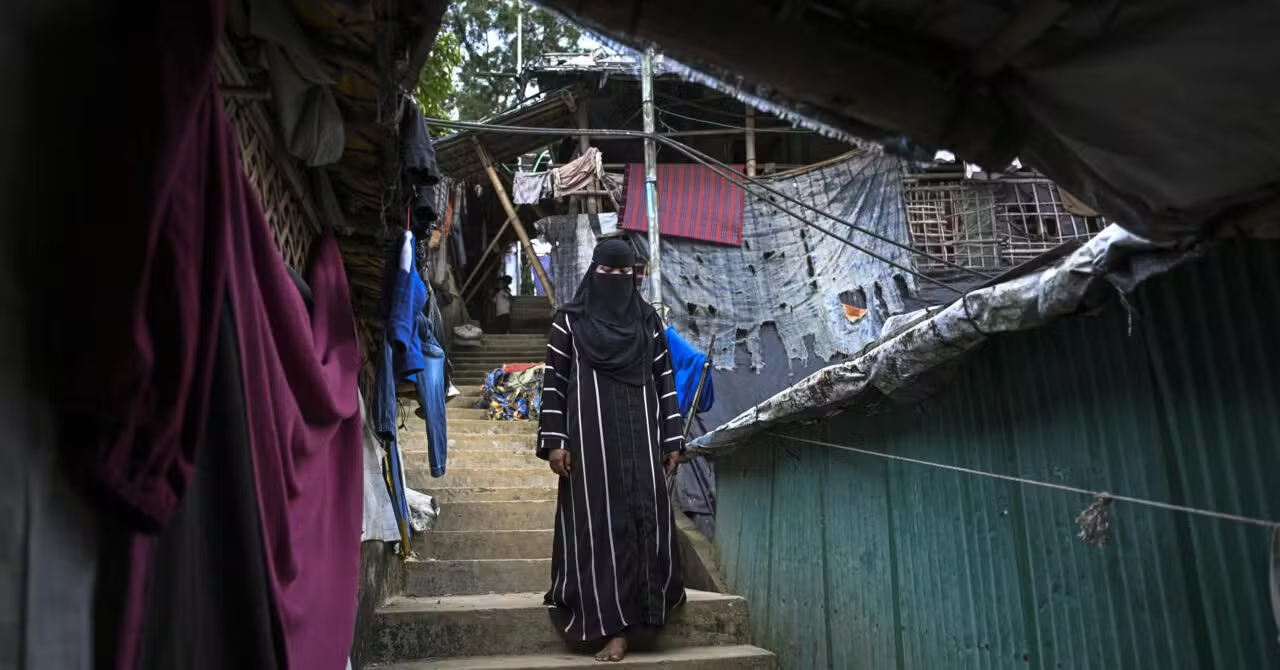
La CIJ juge que la Birmanie a commis un génocide à l'encontre des Rohingya
The International Court of Justice ruled that Myanmar committed genocide against the Rohingya during the 2017 crackdown, finding that the actions showed intent to destroy a substantial part of the group. The court said soldiers killed thousands, committed widespread sexual violence and extreme violence against children, and targeted Rohingya fleeing to Bangladesh. The Gambia brought the case, while Myanmar rejected the accusations and said its crackdown was justified against an insurgency.
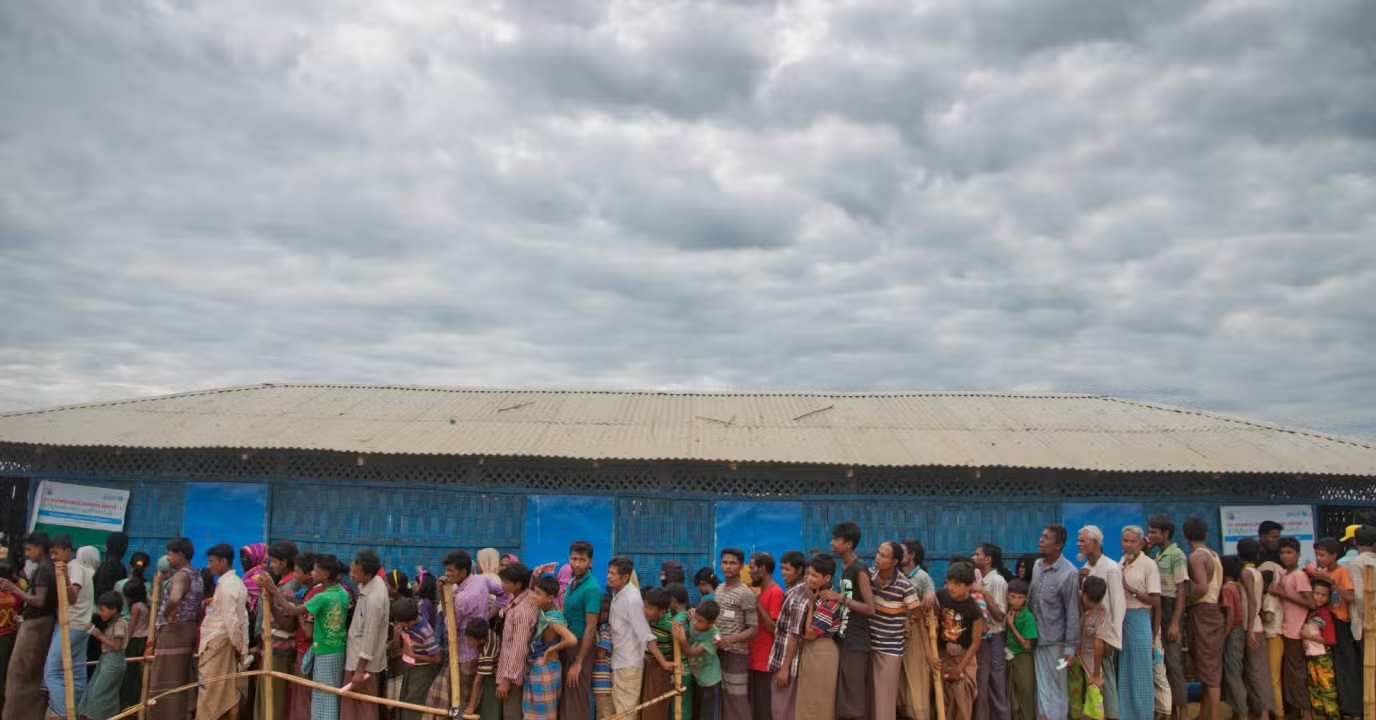
ICJ to rule on Rohingya genocide case: What to expect
The International Court of Justice in The Hague is set to rule on Thursday, 19 November 2026, on The Gambia's case accusing Myanmar of genocide against the Rohingya, and its verdict will be final and cannot be appealed. The Gambia filed the case in November 2019 on behalf of the 57-member Organisation of Islamic Cooperation, more than two years after Myanmar's 2017 military operations in Rakhine State forced over 740,000 Rohingya to flee to Bangladesh. The court must decide whether Myanmar intended to destroy the Rohingya as a group, a threshold it has rarely found met; Myanmar denies the charge, saying its forces were responding to armed attacks. Myanmar is legally bound to comply but the court cannot enforce its ruling, and a precedent is the 2007 finding that Serbia committed no genocide in Bosnia but failed to prevent the Srebrenica massacre.

