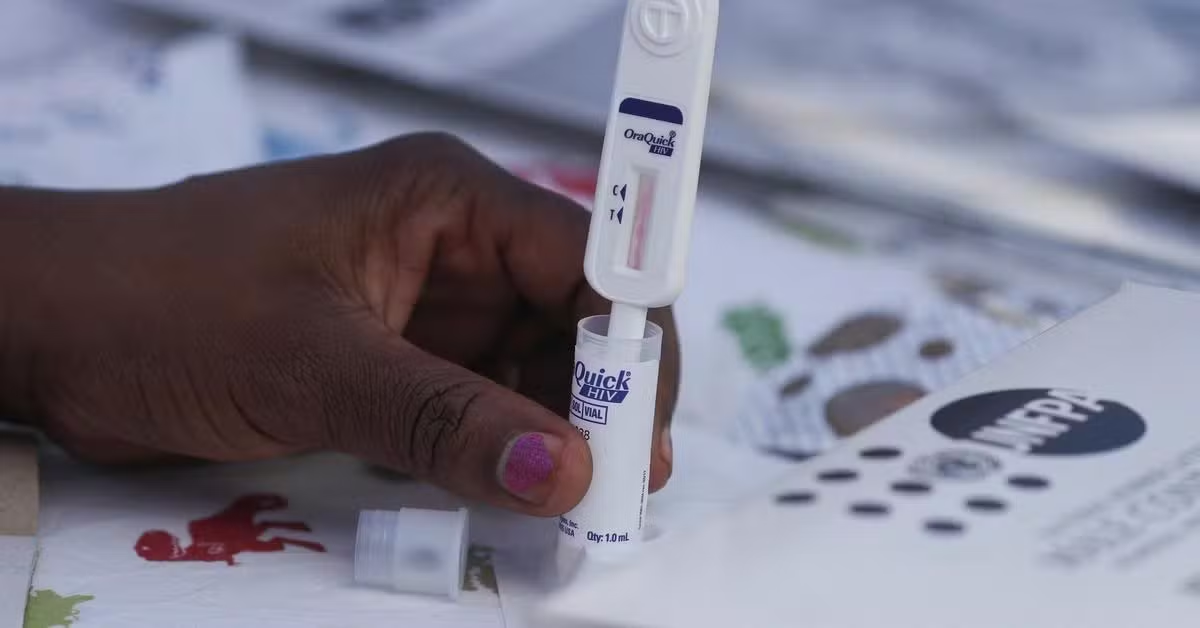
UN warns aid cuts reverse HIV progress as UNAIDS halves its staff
New HIV infections worldwide fell to an all-time low of 1.2 million in 2024, down from a peak of 3.5 million in 1994, according to UNAIDS. But the agency says international funding for HIV/AIDS fell by nearly a fifth that year, and infections are already increasing in parts of South America.
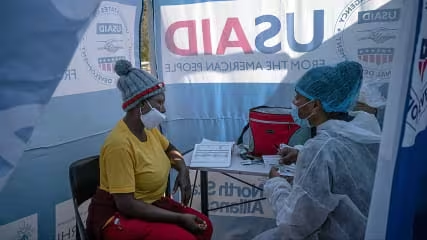
A new UNAIDS report says global health cuts made in 2025 are reversing the world's progress on HIV, with the United States, the United Kingdom, France and other major donors slashing funding. Foreign aid to fight HIV fell by 18% in 2025, the largest decline in almost two decades, while domestic funding rose by 4%.
Prevention has taken the heaviest damage: about 446,000 fewer people were on pre-exposure prophylaxis in 2025 than in 2024, and UNAIDS estimates only 2.6 million people worldwide had access to PrEP while more than 20 million could benefit. PrEP use fell most steeply among sex workers, down 59%, though uptake increased in Brazil, Uganda and Tanzania. The agency also reports fewer HIV tests being done, fewer patients starting antiretroviral therapy, and HIV surveillance hit by the cuts.
The cuts have reached UNAIDS itself, which has dismissed half its staff and stopped work in 30 countries. Its latest data, released on 24 November 2026, shows new infections worldwide at a recent low of 1.2 million in 2025, but early indications point to a reversal of the fall, attributed in part to US and European budget cuts.
UNAIDS data released on 24 November 2025 shows new HIV infections in 2024 at an all-time low of 1.2 million, down from a peak of 3.5 million in 1994.
International funding for HIV/AIDS fell by nearly a fifth in 2024, according to UNAIDS.
UNAIDS says HIV infections are already increasing in parts of South America.
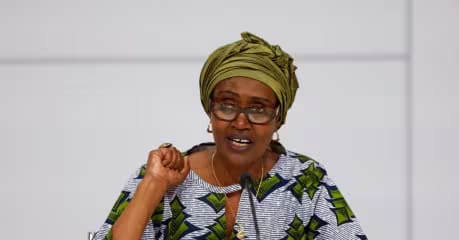
UNAIDS executive director Winnie Byanyima warned that new HIV infections could begin rising from historic lows in 2026 because of funding cuts and anti-rights campaigns.
Byanyima predicted that 2027 data would start reflecting rising HIV infections.
Byanyima said the world is on the cusp of ending AIDS, which she called the greatest story of global health, but cuts and the rolling back of human rights threaten to take away the gains.
Byanyima said the world has not got the data yet but sees all the signs of reversals, including prevention clinic closures and staff reductions in countries unable to fill the funding gap.
Byanyima said a global political backlash against women's access to sexual and reproductive health and LGBTQ rights poses a serious threat.
A new UNAIDS report says global health cuts made in 2025 are reversing the world's progress on HIV, with the United States, the United Kingdom, France and other major donors slashing funding.
Foreign aid to fight HIV fell by 18% in 2025, the largest decline in almost two decades, while domestic funding increased by 4%, according to UNAIDS.
UNAIDS found that about 446,000 fewer people were on pre-exposure prophylaxis in 2025 than in 2024, though uptake increased in Brazil, Uganda and Tanzania.
UNAIDS estimates that only 2.6 million people worldwide had access to PrEP in 2025, while more than 20 million could benefit.
PrEP use fell by 59% among sex workers, 58% among people who inject drugs, 23% among transgender people and 17% among gay men and other men who have sex with men, according to UNAIDS.
UNAIDS data shows fewer HIV tests are being done, fewer patients are starting antiretroviral therapy, and HIV surveillance has been hit by the cuts.
UNAIDS Executive Director Winnie Byanyima said, "We know what happens when HIV prevention collapses. People become infected, treatment needs rise, costs soar and lives are lost."
Byanyima said, "Every clinic that closes, every outreach worker who loses their job and every young woman turned away from prevention services today risks becoming a new HIV infection tomorrow."
Byanyima said, "It is unconscionable that just as the world has breakthrough prevention technologies capable of dramatically reducing new infections, funding cuts are putting those tools out of reach for the people who need them most."
Byanyima said, "The world is sleepwalking into a preventable crisis."
HIV experts warned that global aid cuts will limit who can actually access new long-acting PrEP medicines.
UNAIDS said the ripple effects of the 2025 funding cuts will be felt for years to come.
UNAIDS has dismissed half its staff and stopped work in 30 countries.
UNAIDS data released on 24 November 2026 shows new HIV infections worldwide at a recent low of 1.2 million in 2025, down from a mid-1990s peak.
Early indications point to a reversal of the fall in new HIV infections, attributed in part to US and European budget cuts.
The head of the United Nations' AIDS agency said infections worldwide are likely to rise as the worst-affected countries struggle to contain the fallout of Western aid cuts.
The head of the UN's AIDS agency said, "We are on the cusp of ending AIDS ... and just when we should finish it, cuts and the rolling back of human rights is threatening to take away our gains."

