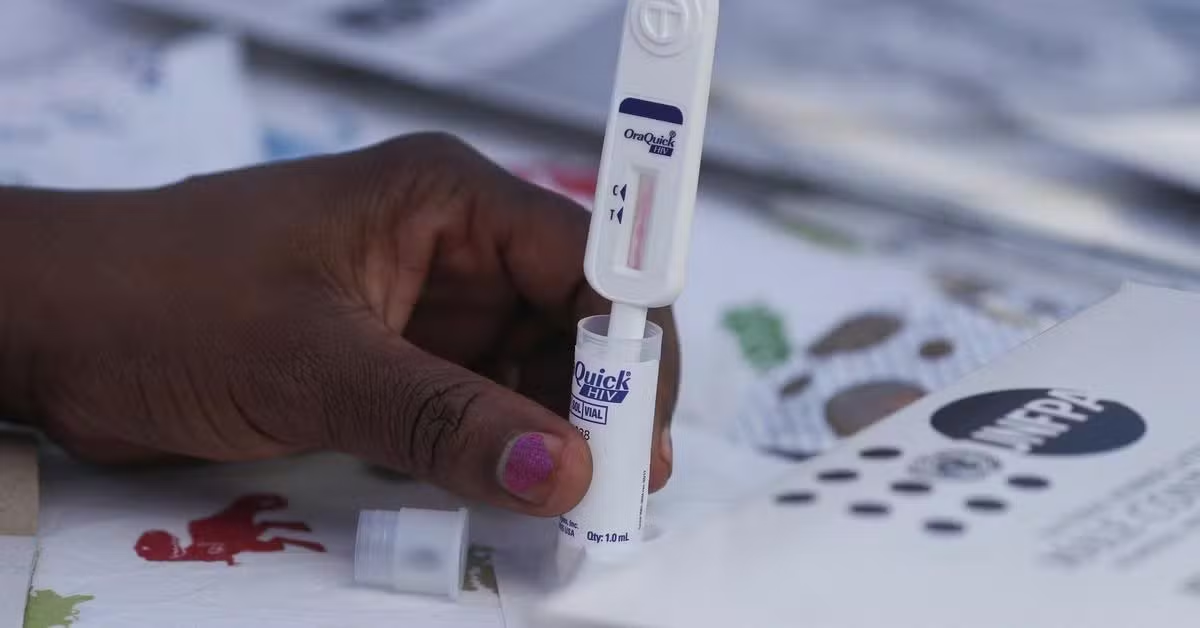
UN warns AIDS is on the rise following Western aid cuts
Semafor's Flagship newsletter leads with the UN's warning that new HIV infections worldwide are likely to rise again as Western aid cuts strain the worst-affected countries. Infections hit a recent low of 1.2 million in 2025, down from a mid-1990s peak, but early indications point to a reversal driven in part by US and European budget cuts. The fallout reaches the UN's own AIDS agency, which has dismissed half its staff and stopped work in 30 countries. The head of UNAIDS tells Reuters the world is 'on the cusp of ending AIDS' just when cuts and the rolling back of human rights threaten to take away the gains.
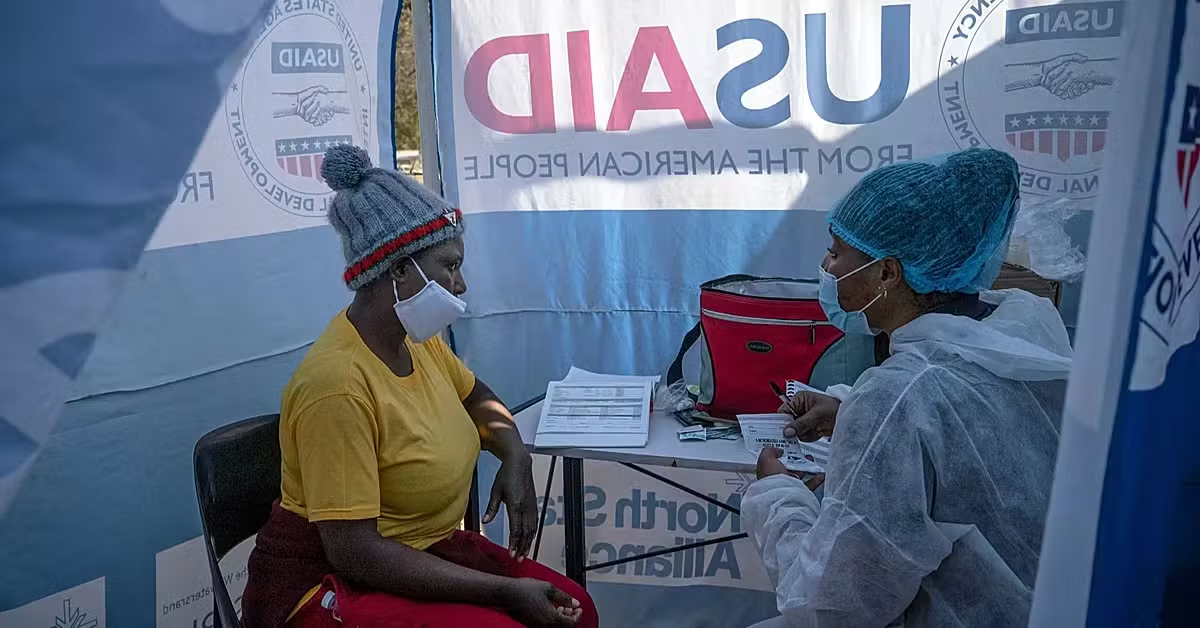
Aid cuts leave 446,000 fewer people on HIV prevention drugs, UN warns
A new UNAIDS report warns that foreign aid cuts made by wealthy countries in 2025 are reversing global progress on HIV, with about 446,000 fewer people on the prevention drug PrEP than in 2024. According to the report, foreign aid to fight HIV fell by 18% in 2025, the largest decline in almost two decades, decimating treatment and prevention in lower-income countries, where the falls were steepest among sex workers and people who inject drugs. UNAIDS data shows the cuts reach beyond prevention, with fewer HIV tests done, fewer patients starting antiretroviral therapy, and weakened surveillance, effects the agency says will be felt for years. Executive Director Winnie Byanyima called it unconscionable that funding cuts are putting breakthrough prevention tools like the twice-yearly injectable lenacapavir out of reach just as they arrive, saying the world is sleepwalking into a preventable crisis.
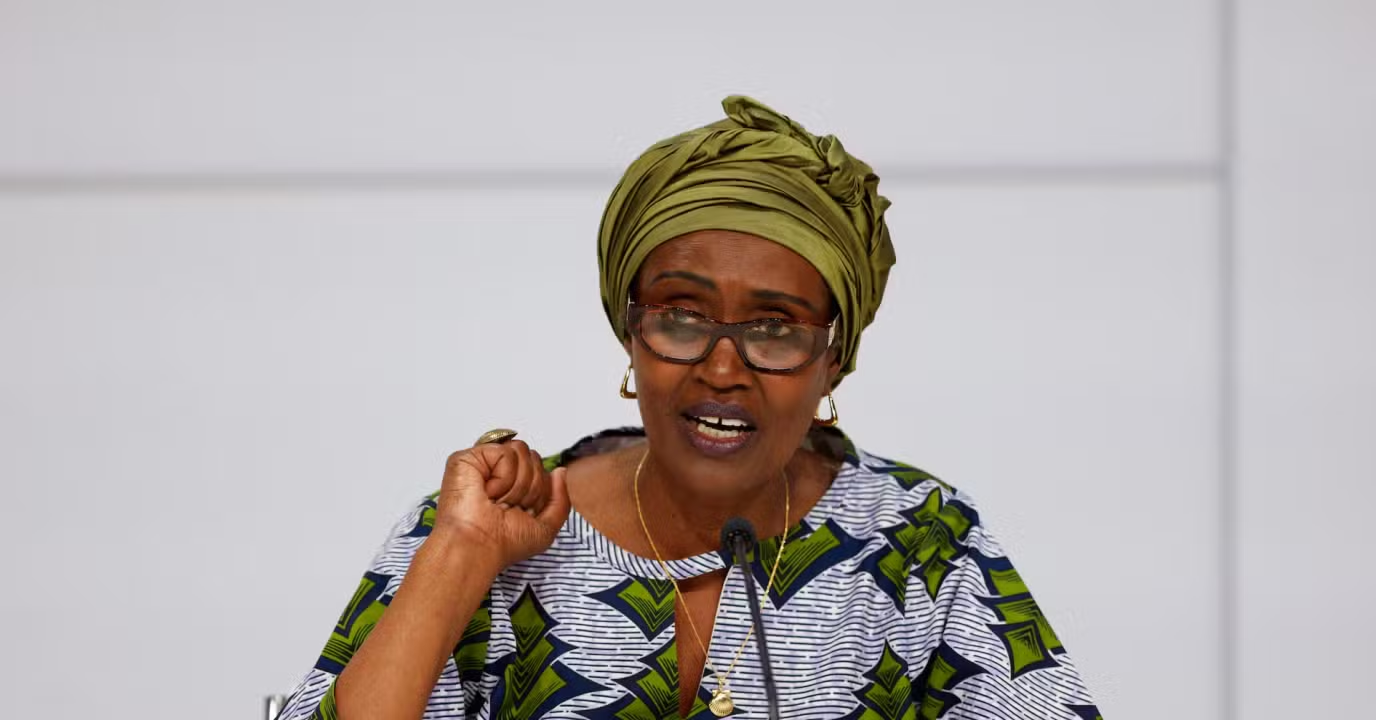
HIV infections could rise from historic lows starting next year, UN says
UNAIDS chief Winnie Byanyima warns that new HIV infections could start rising from historic lows in 2026, driven by funding cuts and campaigns against women's and LGBTQ rights. UNAIDS data put 2024 infections at an all-time low of 1.2 million, down from a 1994 peak of 3.5 million, but international HIV/AIDS funding fell by nearly a fifth that year. She says the world is on the cusp of ending AIDS, though infection numbers are already climbing in parts of South America, and she expects 2027 data to show the rises. The warning comes as UNAIDS itself, facing UN restructuring, has dismissed half its staff, halted work in about 30 countries, and lost Byanyima, who leaves in December 2025.

