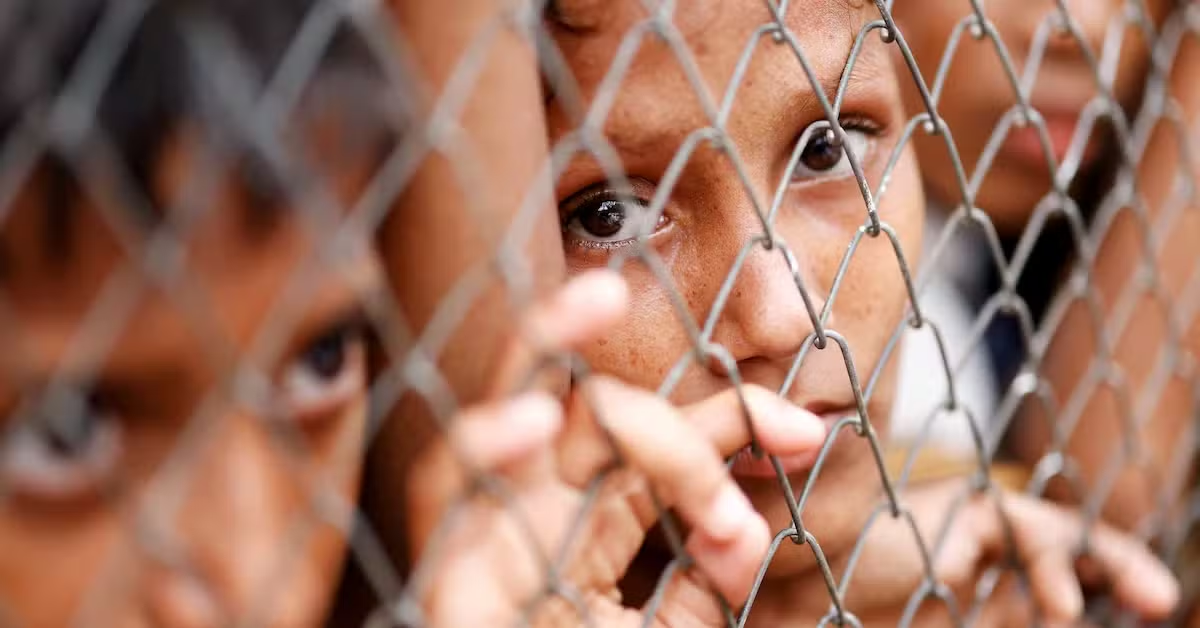
El fallo del Tribunal Internacional de Justicia sobre el genocidio rohinyá influirá en el caso de Gaza
El País reports from The Hague that the International Court of Justice, the United Nations' principal judicial organ, has for the first time since opening in 1946 held a state responsible for genocide, ruling that Myanmar committed genocide in 2017. The ruling was made public on the Thursday before the newspaper's report. El País says the decision will influence the case against Israel over Gaza.
Following ICJ Ruling on Myanmar Genocide, Is Israel Next?
A news article on truthout.org argues that the International Court of Justice's ruling against Myanmar, the first time in its history the court has found a state directly guilty of genocide, offers a strong precedent for South Africa's genocide case against Israel. The court found Myanmar guilty of both committing genocide and failing to prevent it, ruling that the only reasonable inference from its actions was an intent to destroy a substantial part of the Rohingya population in northern Rakhine State. The article says the Myanmar government, unlike Israel, never stated its intent explicitly, and predicts Israel's incitement verdict will likely differ, while calling the ruling a ray of hope for the Gaza case. It adds that real punishment for Israel still faces a US veto at the UN Security Council, though the genocide finding could give more weight to a European citizens' petition to suspend the EU-Israel Trade Agreement.
Rights groups urge sanctions after ICJ finds Myanmar guilty of genocide against Rohingya
In a first-of-its-kind ruling handed down on 19 November 2026 by a nine-to-six vote, the International Court of Justice, the United Nations' highest court, found that Myanmar's government committed genocide against the Rohingya minority in its 2017 military operation, and rights groups are calling for military and economic sanctions in response. The court ordered Myanmar to allow those who fled to return home safely, pay reparations to the Rohingya Muslims, and prosecute those suspected of genocide, but it has no power to enforce the ruling beyond reporting noncompliance to the Security Council. Rights groups including Justice for All and Amnesty International urged sanctions targeting Myanmar's oil and gas sector and arms networks, a global arms embargo, and a General Assembly resolution demanding compliance. Myanmar's government denied committing genocide, saying it acted against insurgents, and its presidential spokeswoman called the non-unanimous decision unfair. Analysts say any Security Council action would likely be blocked by vetoes from China and Russia, and because the International Criminal Court is under U.S. sanctions, council action would face an almost certain American veto as well.
Malgré l’arrêt historique de la Cour internationale de justice, les Rohingya ne sont pas près de rentrer en Birmanie
A Le Monde article reports that the International Court of Justice recognized Myanmar's genocide against the Rohingya on Thursday 19 November, ordering Myanmar to permit the displaced to return safely and voluntarily and to compensate victims. Some 1.2 million Rohingya remain in Bangladeshi camps, Myanmar calls the ruling unjust, and the article judges the authorities' reaction leaves little hope.
ICJ Finds Myanmar Committed Genocide. What Comes Next?
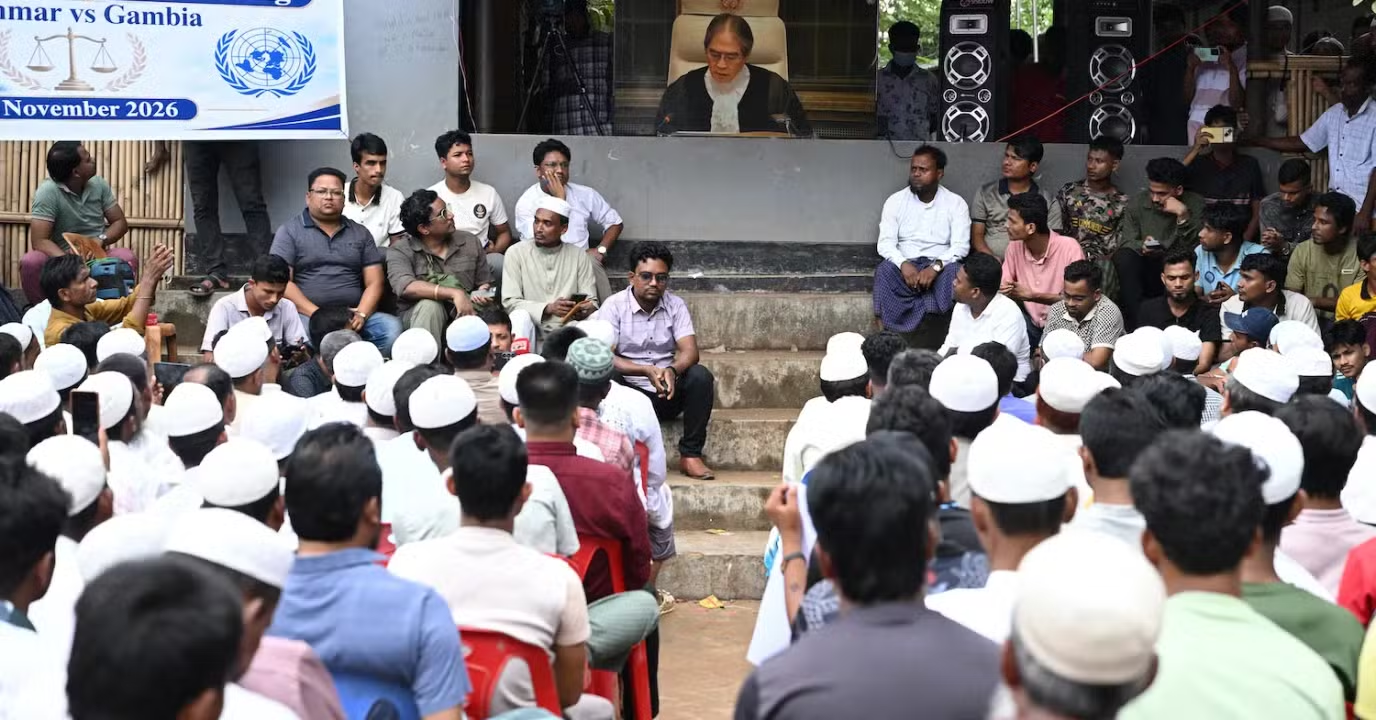
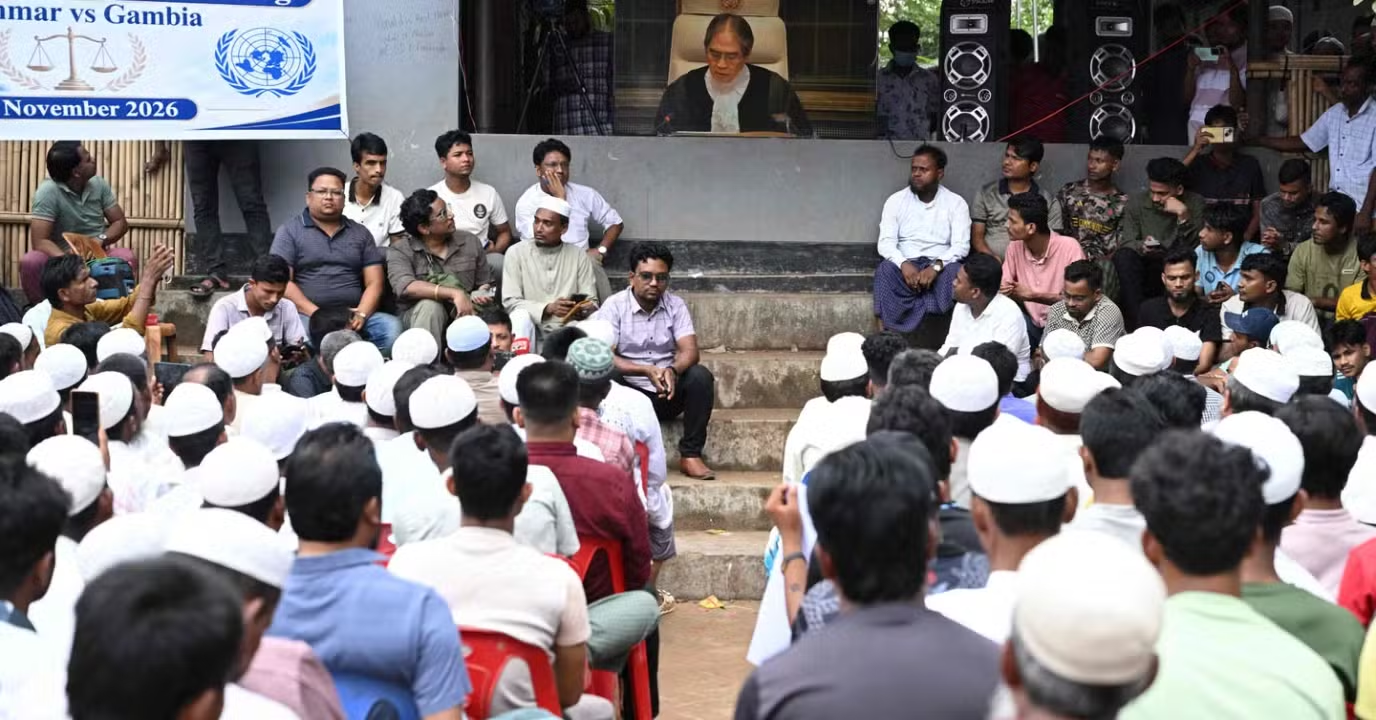
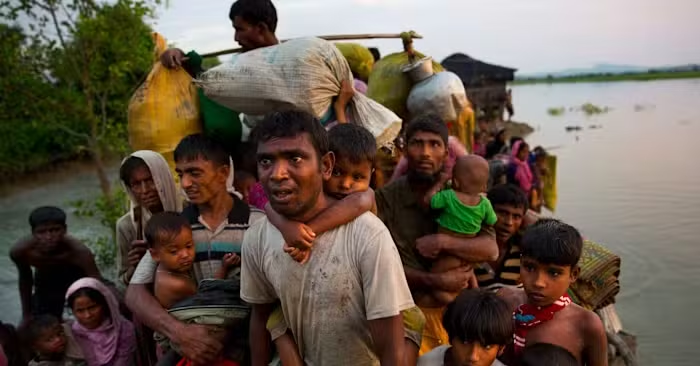
The International Court of Justice found Myanmar guilty of genocide against Rohingya Muslims in a ruling delivered on November 19, 2026, the first time the United Nations' top court found a country directly responsible for violating the 1948 Genocide Convention. The ruling came nine years after Myanmar's military launched 'clearance operations' in Rakhine state in August 2017, during which security forces killed thousands, razed hundreds of villages, committed widespread sexual violence, and forced some 700,000 Rohingya to flee into Bangladesh. Rohingya refugees watched the ruling on a screen at a camp in Bangladesh. In this Foreign Policy Q&A, the top U.N. human rights expert on Myanmar unpacks what the landmark decision means going forward.
UN court cites military Facebook posts while finding Myanmar guilty of genocide
The Verge's Emma Roth reports that the International Court of Justice has ruled Myanmar committed state-sponsored genocide against the Rohingya in 2016 and 2017, citing military Facebook posts that dehumanized the Muslim minority and encouraged violence against them. The Gambia's 2019 suit underpins the ruling, which echoes Amnesty's finding that Facebook proactively amplified hateful content despite warnings.
Myanmar, China object to landmark ICJ ruling on Rohingya genocide
The International Court of Justice ruled on 19 November 2026 that Myanmar committed genocide against its Muslim Rohingya minority in a 2017 crackdown that drove some 700,000 Rohingya into Bangladesh — the first such finding in the court's 80-year history — and ordered compensation and the safe return of the displaced. Myanmar rejected the ruling as unfair, and China, which had joined the United States and Russia the day before in urging international bodies to refrain from abusing their jurisdiction, said such rulings are not conducive to settling disputes; Malaysia plans to resettle 10,000 Rohingya migrants in Turkiye.
What does the ICJ’s Rohingya genocide ruling mean for Gaza?
Al Jazeera's explainer sets out the International Court of Justice's first-ever genocide verdict, against Myanmar over the Rohingya, and what it could mean for South Africa's pending genocide case against Israel over Gaza. Experts say the ruling may ease the proof of intent, though a Gaza verdict is expected to take years, and Israel, as Myanmar did, says it is acting in self-defence.
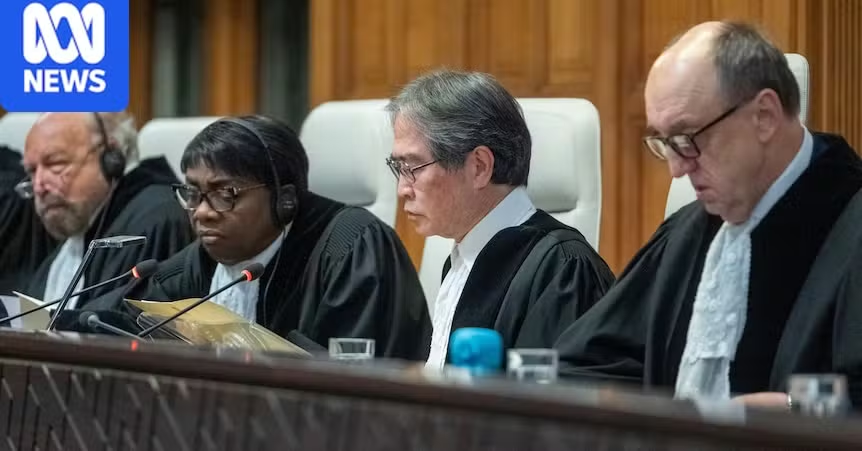
Myanmar calls international court ruling on Rohingya genocide 'unfair'
ABC News reports that the International Court of Justice, in its first ruling holding a state responsible for genocide, found Myanmar's military carried out genocide against the Rohingya — mass executions, rape, and the razing of hundreds of villages — and ordered compensation and safe return for the displaced. Myanmar's government calls the verdict unfair, with spokesperson Khaing Khaing Soe saying the country was unjustly accused and the decision not unanimous, while refugees in Bangladesh camps welcomed it.
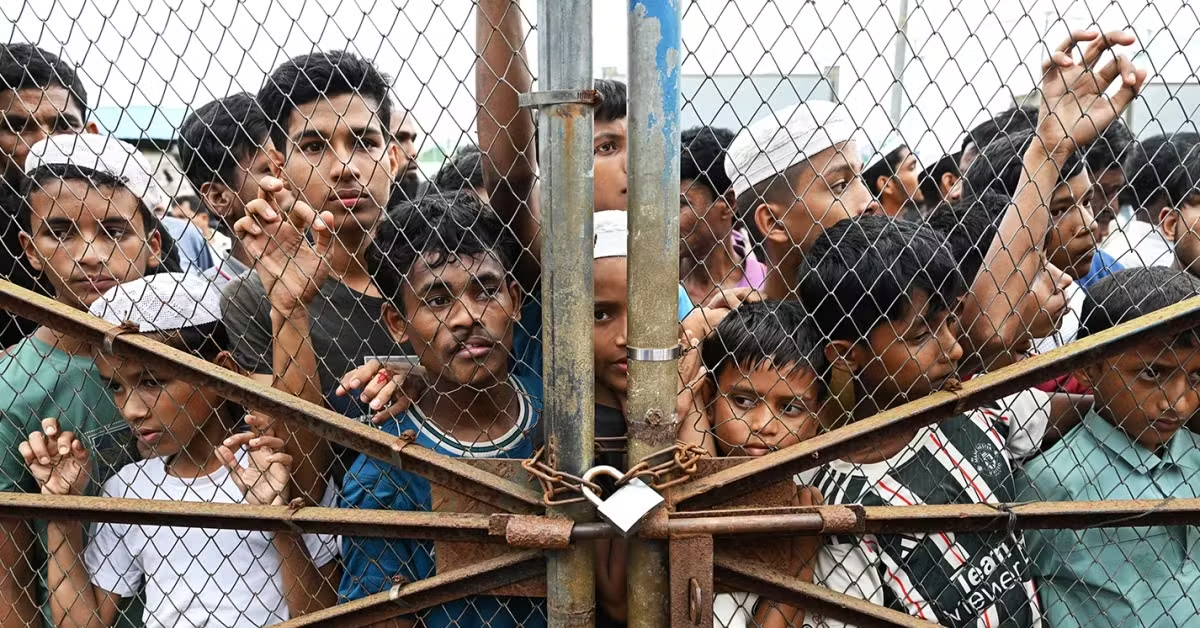
U.N. top court’s landmark ruling on state-sponsored Rohingya genocide ‘unfair,’ Myanmar says
A Reuters report on NBC News covers the International Court of Justice's landmark ruling that Myanmar's security forces committed state-sponsored genocide against the Rohingya Muslim minority — the first time the court has held a state responsible for genocide — finding mass executions, widespread rape, and the razing of hundreds of villages. Myanmar government spokesperson Khaing Khaing Soe called the ruling unfair, saying the country was unjustly accused.
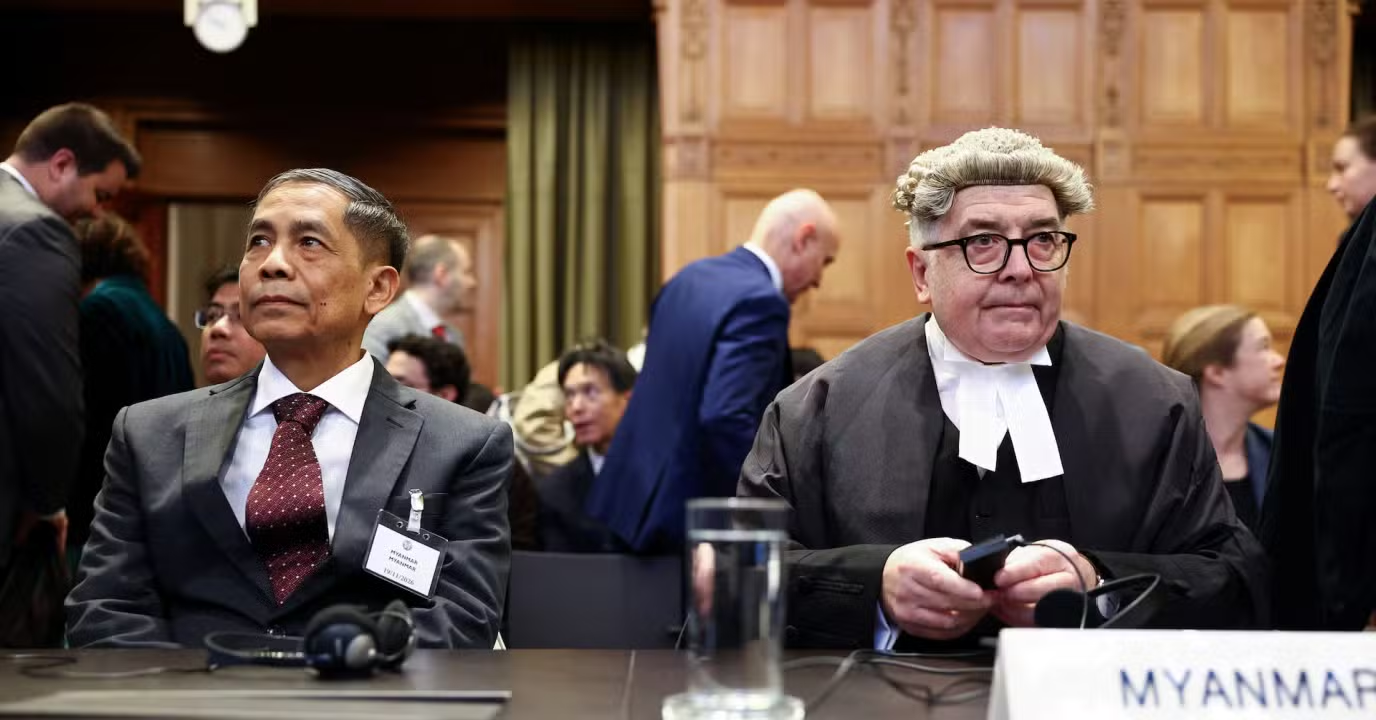
Myanmar calls ICJ ruling on genocide 'unfair'
A Reuters article reports that the International Court of Justice, in a case Gambia brought seven years ago, found Myanmar's military committed genocide against the Rohingya — mass executions, widespread rape, and hundreds of burned villages — and ordered compensation and safe return for the displaced, in the court's first ruling holding a state responsible for genocide. Myanmar government spokesperson Khaing Khaing Soe called the non-unanimous decision unfair, saying at a Naypyitaw press conference, "Our country was unjustly accused."
Myanmar dismisses UN court ruling finding country responsible of Rohingya genocide as 'unfair'
Myanmar's government dismissed as unfair the International Court of Justice ruling that the country committed genocide against its Rohingya minority in a 2017 military operation. Presidential spokeswoman Khine Khine Soe said the 9-6 decision was not unanimous, telling reporters in Naypyitaw, "I would say that it was unfair."
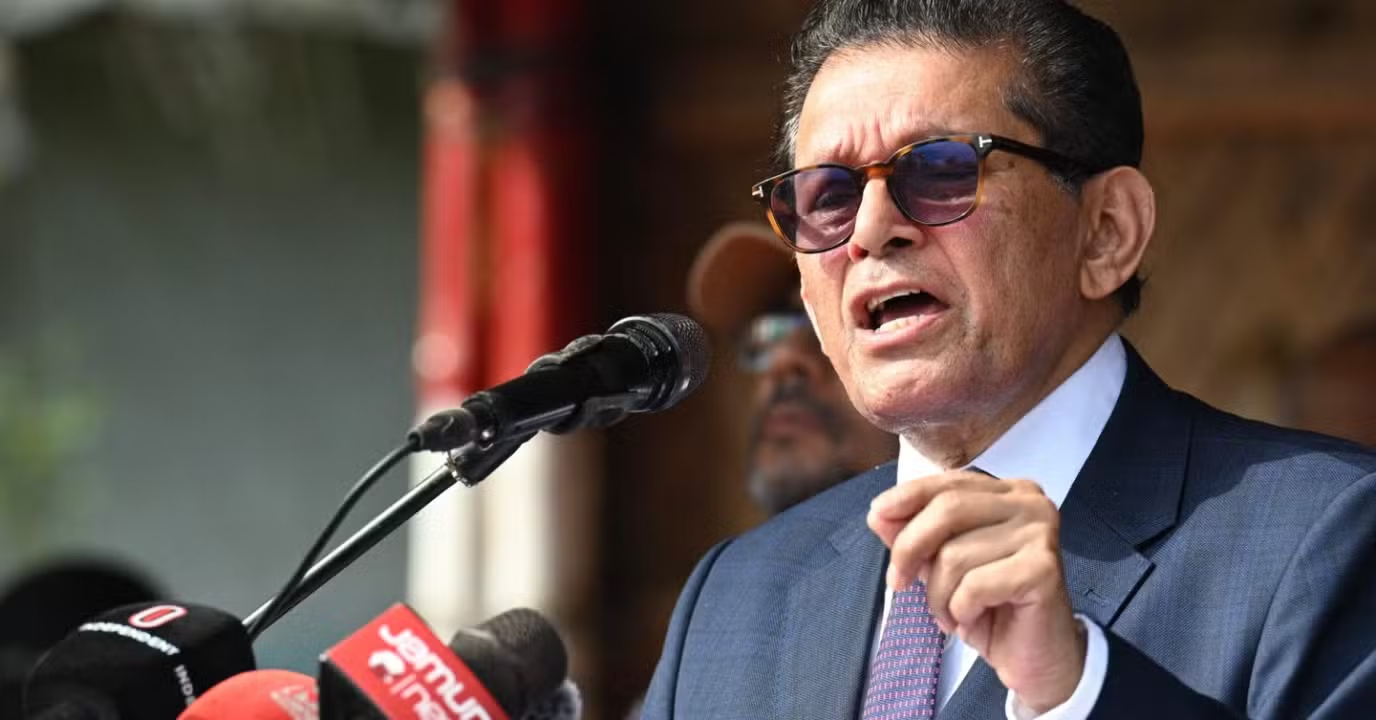
« La Birmanie doit ramener les Rohingya chez eux », exhorte le président de l’Assemblée générale de l’ONU, après la décision historique de la CIJ sur le génocide de 2017
The UN General Assembly's president, Khalilur Rahman, urges Myanmar at the Cox's Bazar camp to take the Rohingya home after the International Court of Justice ruled on 19 November 2026 that Myanmar committed genocide against the Rohingya and ordered safe repatriation and compensation. He tells gathered refugees the court's rulings bind without appeal but go unenforced, and asks the international community to strengthen funding for the camps' humanitarian aid.
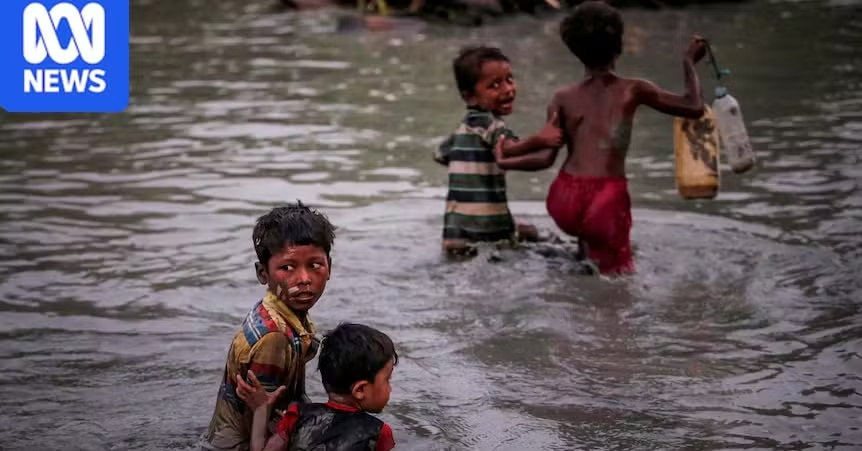
Celebrations in Australian suburbs at international court's genocide ruling
ABC News reports that the International Court of Justice has ruled Myanmar committed genocide against the Rohingya in its 2017 security campaign, which the court says killed about 10,000 people and drove more than 700,000 to Bangladesh — the first time it has held a state responsible for genocide — prompting celebrations in suburban Brisbane. Rohingya community members like Robi Alam and Asma Nayim Ullah say the ruling brings recognition and hope but must be followed by international action, while lawyer Ko Ko Aung calls it symbolic and Myanmar denies genocidal intent.
Tears of joy, prayers for return home: Rohingya react to genocide ruling
Al Jazeera reports that on 19 November 2026 the International Court of Justice found Myanmar responsible for genocide against the Rohingya, in a case brought by The Gambia that found more than 10,000 people were killed in the 2017 military operations. Rohingya refugees in Cox's Bazar celebrated and wept at the verdict, while refugees like Nurul Amin and activists like Rohimullah paired their relief and hope of returning home with renewed grief and calls for rights, citizenship, and accountability.
Rohingya: Historic International Court of Justice ruling finds Myanmar guilty of genocide
Le Monde reports that the International Court of Justice ruled on Thursday, November 19, 2026, that Myanmar committed genocide against the Rohingya, the first time a state was found responsible for the "crime of crimes," in a case Gambia brought in 2019. Gambia's justice minister Dawda Jallow said the victory belongs to the Rohingya, whose courage made the judgment possible, and UN Secretary-General Antonio Guterres welcomed it as a demonstration of international justice.
Myanmar: Statement by the Spokesperson on the judgement of the International Court of Justice
The EEAS spokesperson says the EU takes note of the International Court of Justice's Myanmar judgement, noting the Rohingya people's immense suffering and calling compliance with ICJ decisions an obligation under international law. The EU urges Myanmar to fully implement the ruling, including restitution and compensation, and calls on all States to respect the Court's decisions.
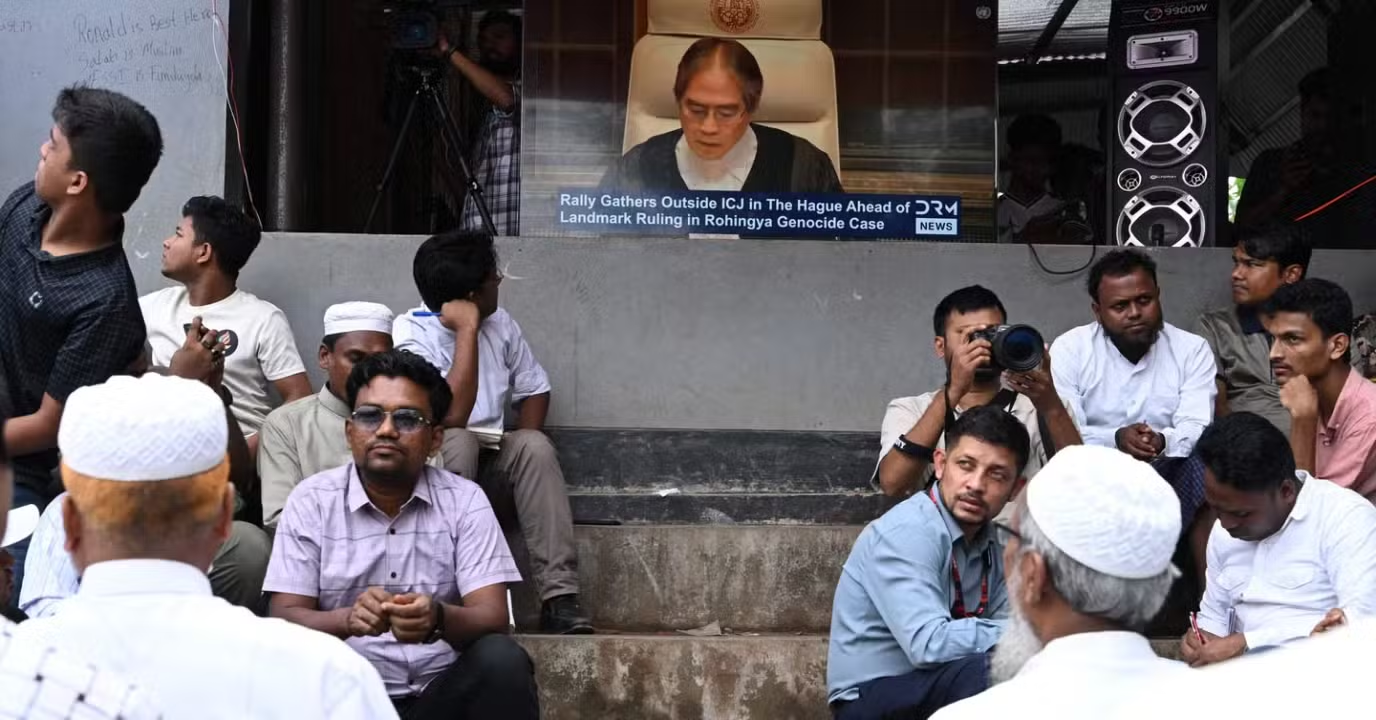
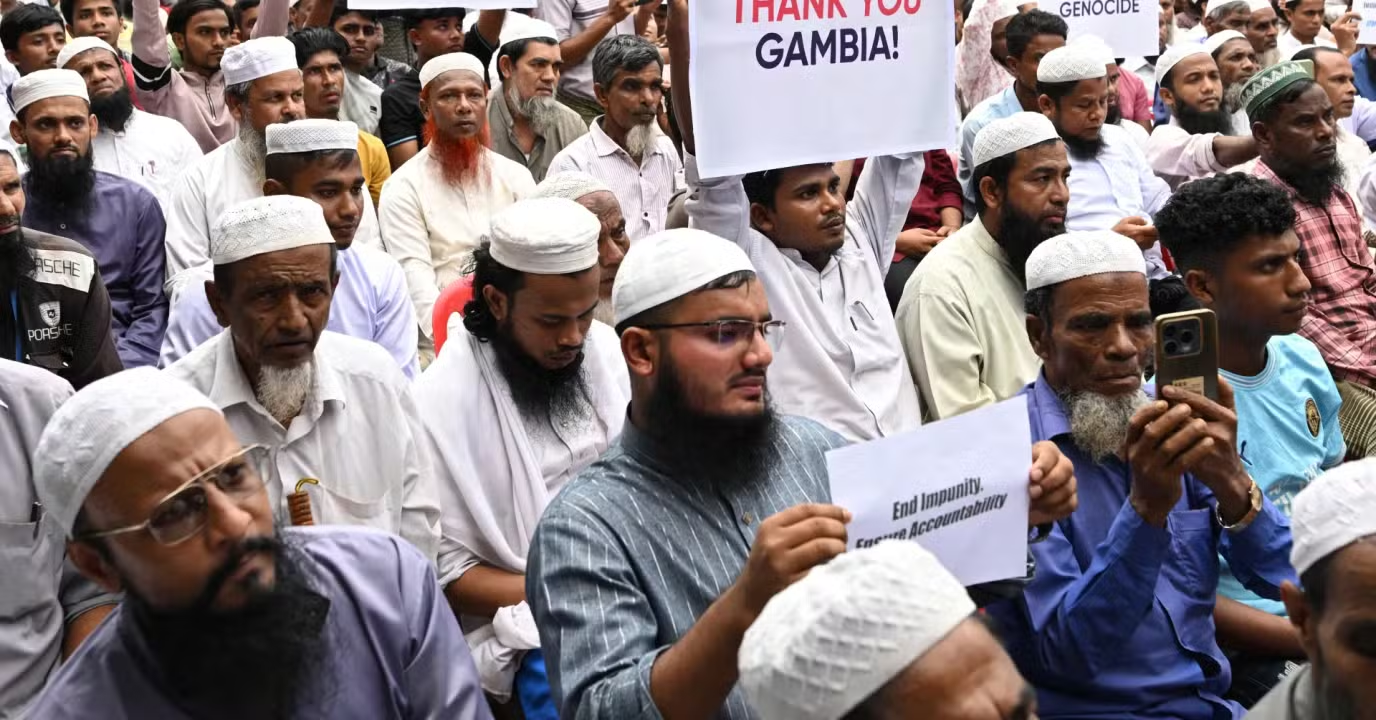
In the Rohingya refugee camps, watching Myanmar being found guilty of genocide: 'This is a time to remember those who are no longer with us'
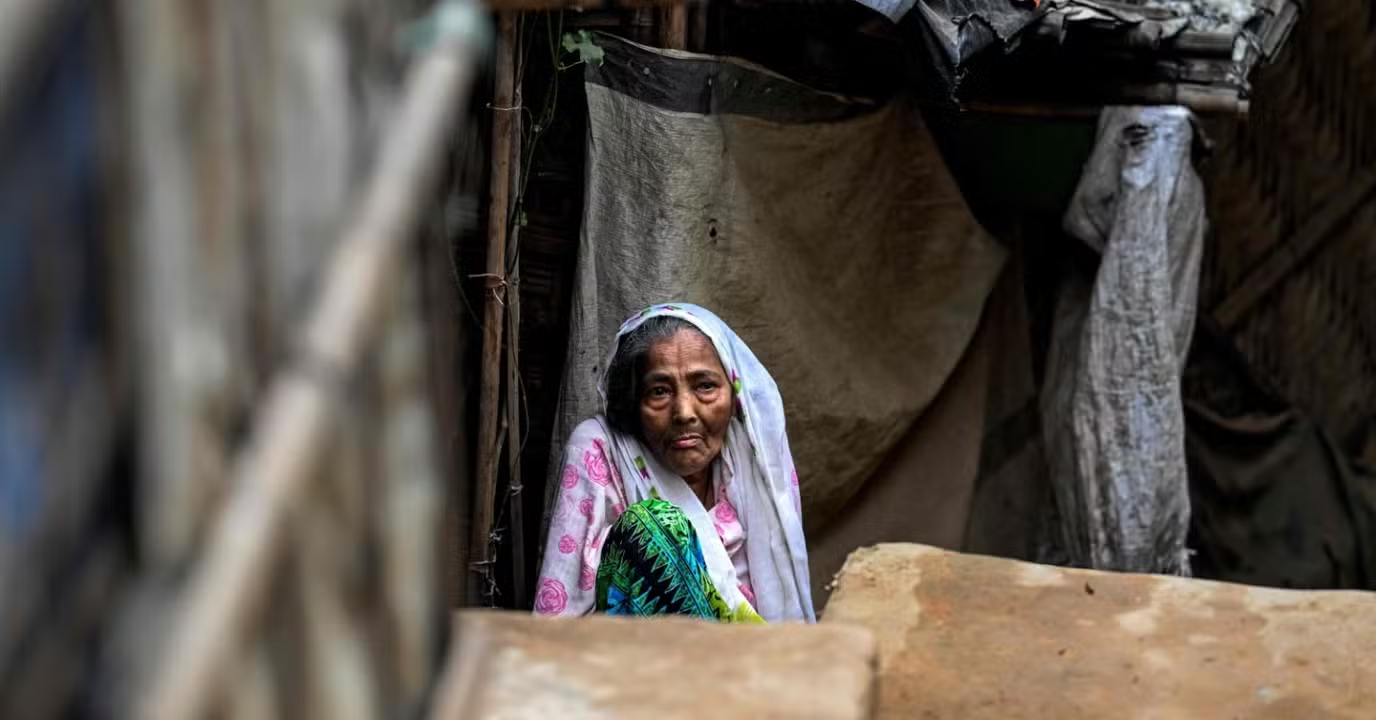
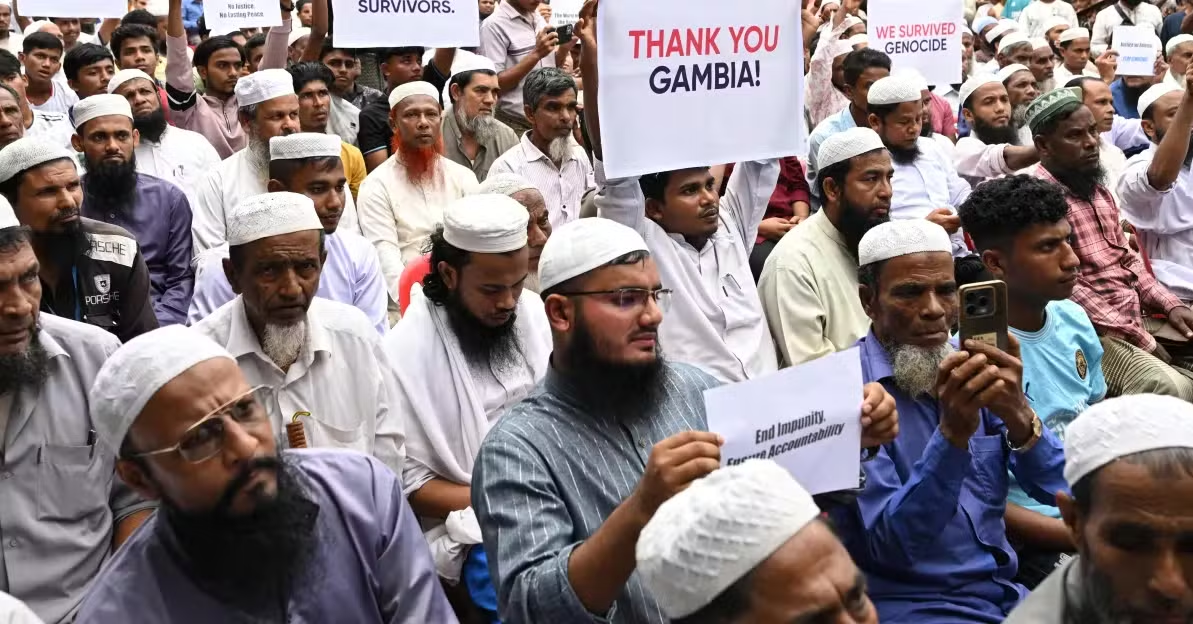
Hundreds of Rohingya refugees gathered in Bangladesh's camps to hear the International Court of Justice rule that Myanmar committed genocide against them in northern Rakhine State in August 2017, holding signs thanking Gambia, which brought the 2019 case. Le Monde reports the violence killed 10,000 and displaced 800,000, and writes the ruling will do little to ease the refugees' suffering.
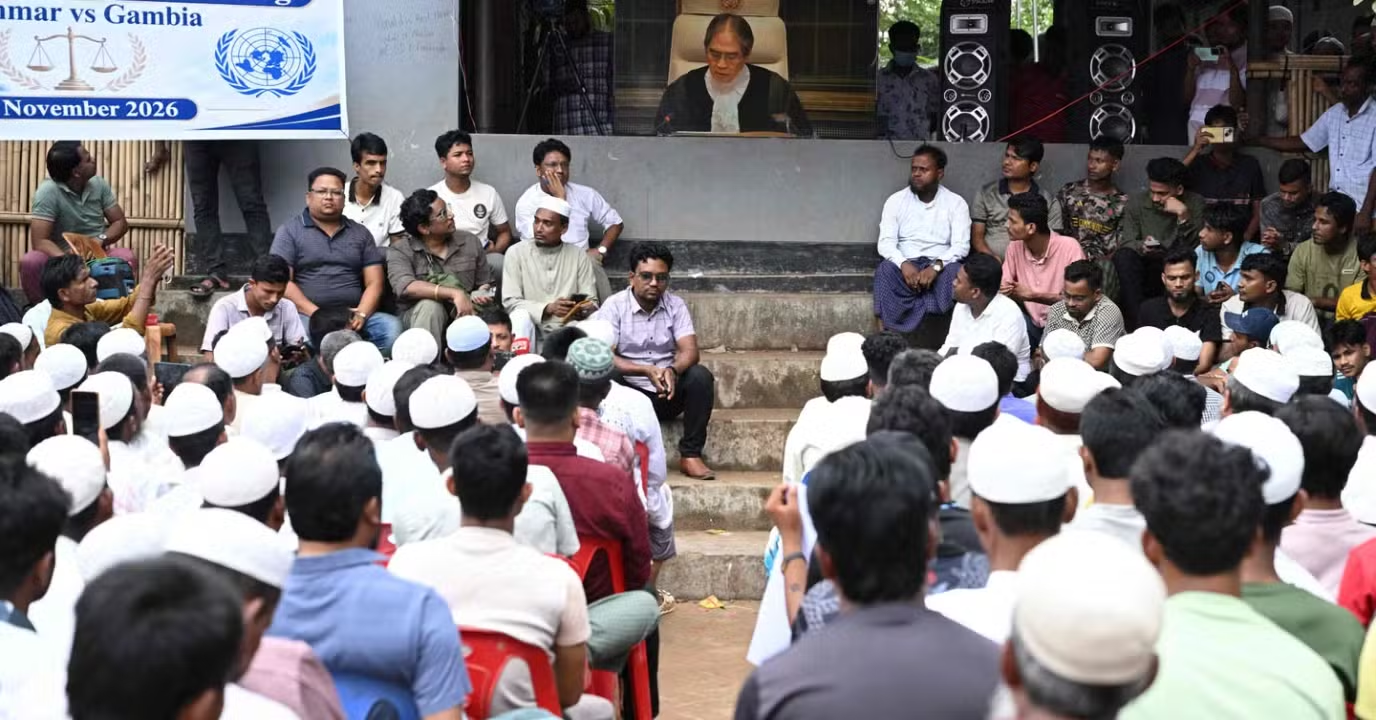
Rohingya : un arrêt historique de la Cour de justice internationale reconnaît la Birmanie coupable de génocide
Le Monde reports that on 19 November 2026 the International Court of Justice ruled by a majority of its 14 judges that Myanmar violated the UN genocide convention six times in its treatment of the Rohingya — the first state ever convicted of genocide. Gambian minister Dawda Jallow, who brought the case, says the victory belongs to the Rohingya, while UN chief Antonio Guterres calls it a demonstration of international justice.
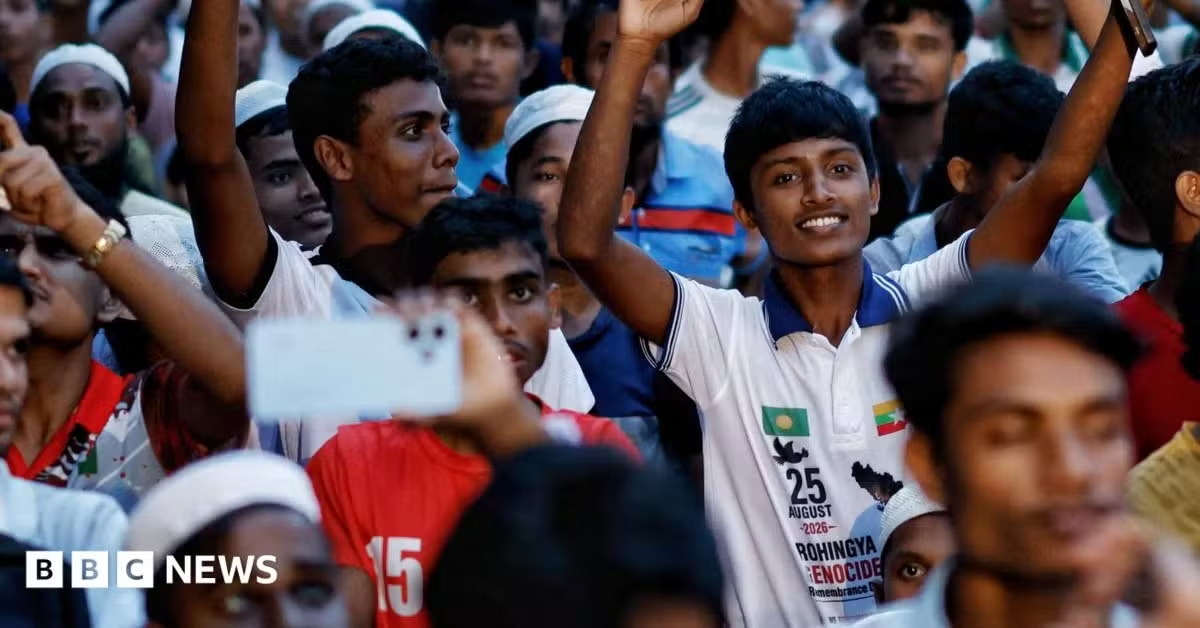
Jeremy Bowen: Myanmar genocide verdict is historic and could have far-reaching implications
The BBC's Jeremy Bowen calls the International Court of Justice's ruling that Myanmar committed genocide against the Rohingya people historic, saying the Rohingyas are getting long-overdue justice and that the verdict will shape other genocide cases before the court. Myanmar is the first state found to have violated the 1948 Genocide Convention, in a case brought by the Gambia after 2017 attacks killed at least 10,000 Rohingyas and drove more than a million into Bangladeshi camps, where refugees cheered the verdict.
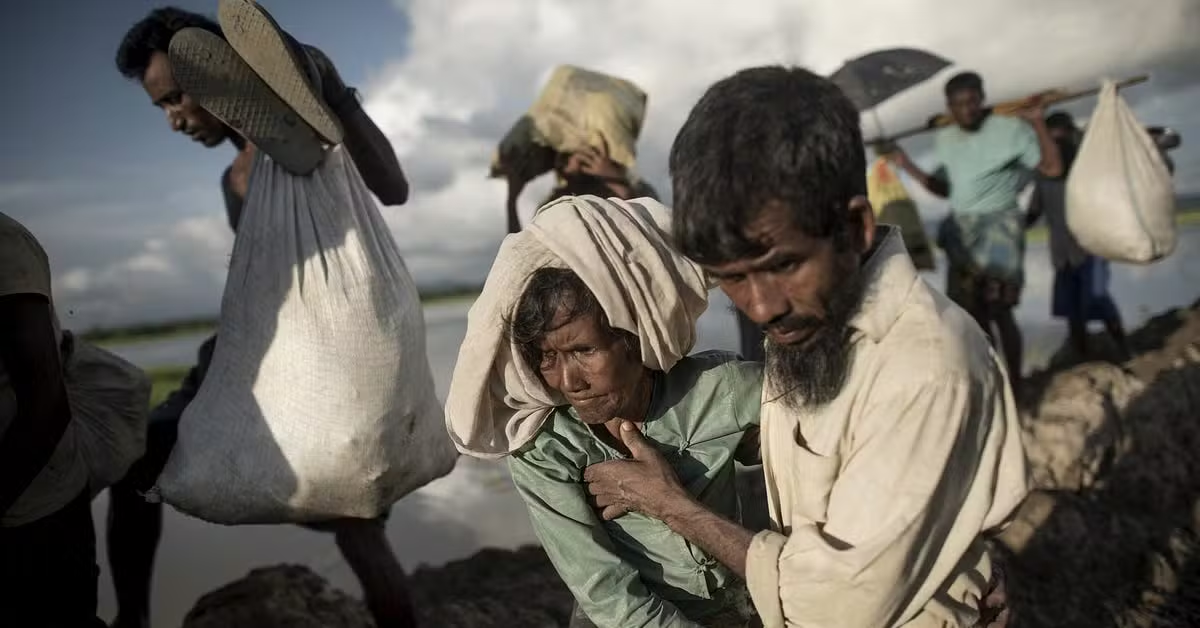
The Genocide Ruling Against Myanmar Is a Remarkable Moment for the Rohingya – and Global Justice
Alonso Gurmendi writes for Zeteo that the International Court of Justice, in a 9-6 vote, has ruled Myanmar committed genocide against the Rohingya in northern Rakhine State, citing the 2017 crackdown that killed at least 10,000 and displaced hundreds of thousands. He calls it the first such ruling against a state and a historic victory won against a legal system almost designed never to find one.
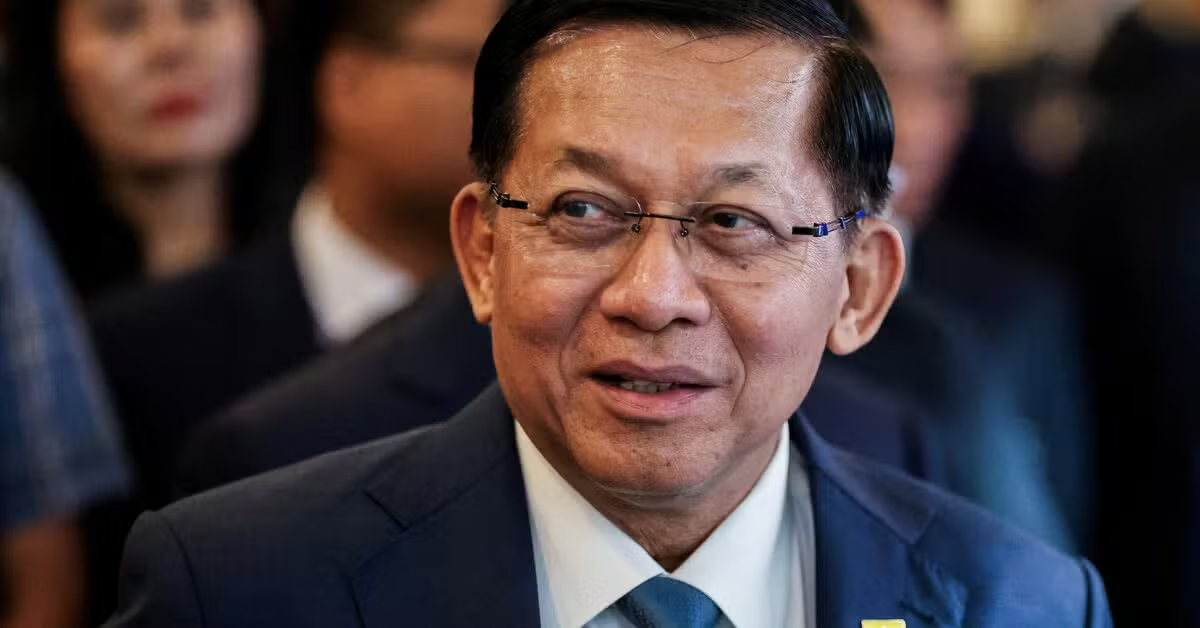
Historisches Urteil: Die Machthaber in Myanmar haben Völkermord an den Rohingya begangen
A taz comment by Asia editor Sven Hansen reports that the International Court of Justice has classified the expulsion of 730,000 Rohingya and the killing of 10,000 by Myanmar's security forces as genocide — the first genocide conviction of a state by the highest UN court — after rejecting the junta's argument that it was defending itself against insurgents, a case Germany actively supported. Hansen calls the verdict a slap in the face for coup leader Min Aung Hlaing, sees the German government plunged into a dilemma with an eye on Israel, and expects it to play an important role in South Africa's genocide case against Israel.
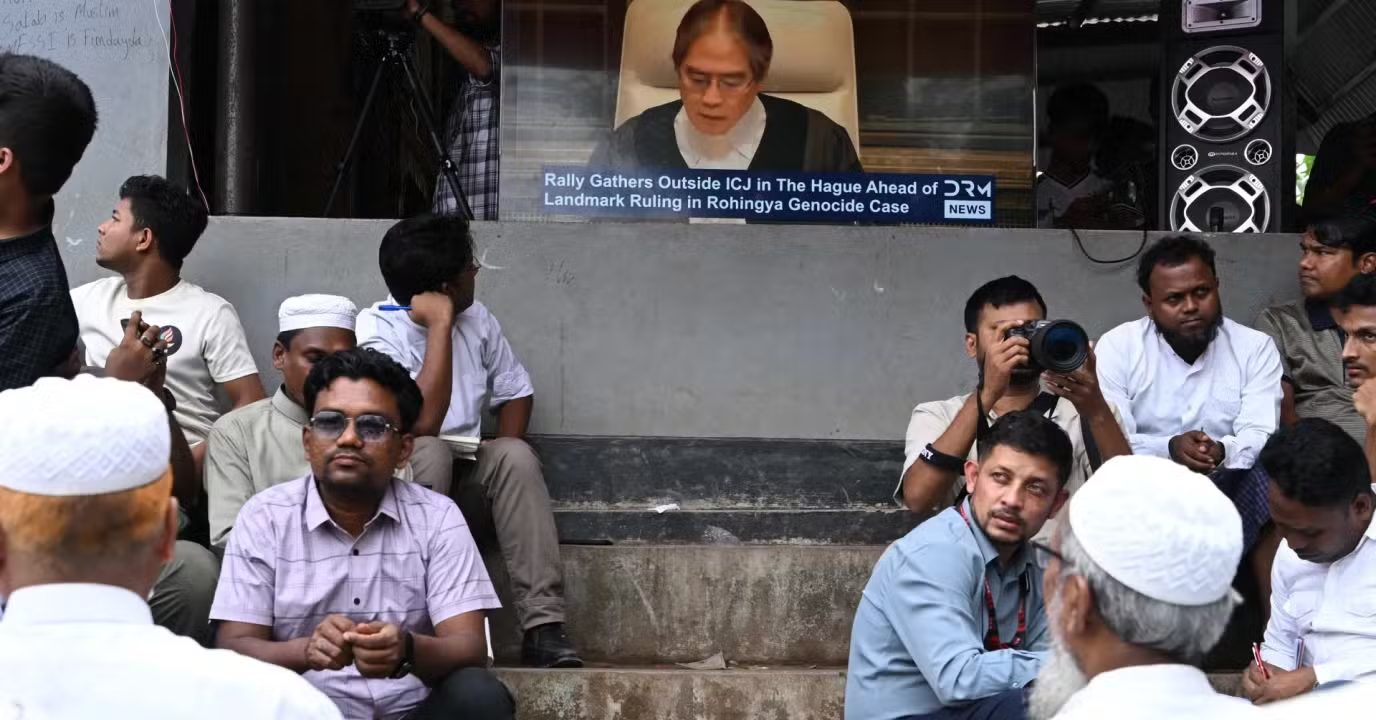
World reacts to ICJ finding Myanmar guilty of genocide against Rohingya
Al Jazeera reports on world reactions after the International Court of Justice ruled on 19 November 2026 that Myanmar committed genocide against the Rohingya in 2017 — the first state held responsible for genocide at the court — and ordered compensation. The Gambia, Antonio Guterres, Ed Miliband, Rohingya activists, and rights groups welcomed the ruling and urged compliance and further accountability.
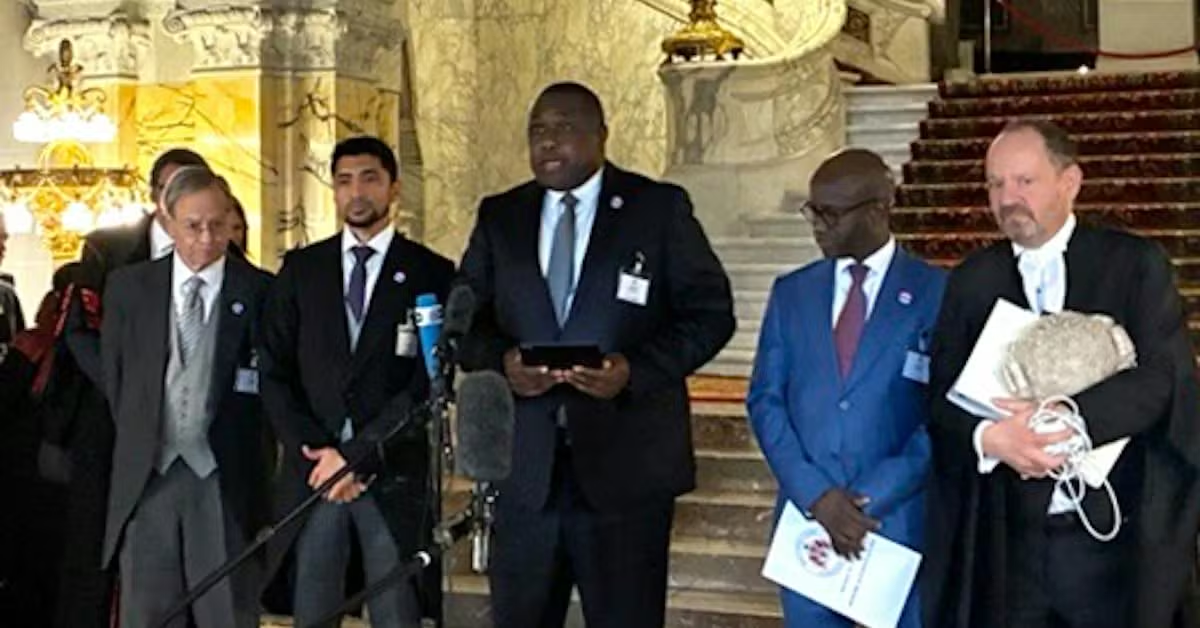
ロヒンギャ迫害でジェノサイド初認定、国際司法の転機 ガザにも影響 - 日本経済新聞
A Nikkei news article reports that on 19 November 2026 the International Court of Justice issued its first verdict holding a state responsible for genocide, ruling against Myanmar over its persecution of the Rohingya, and notes attention now turns to the ruling's impact on the case over Israel's actions in Gaza. Enforcement falls to the UN Security Council, where Yasuhiro Ueki expects vetoes by China and Russia to block effective measures, though he calls the ruling historic and says Myanmar's leaders, including Aung San Suu Kyi, will one day be judged.
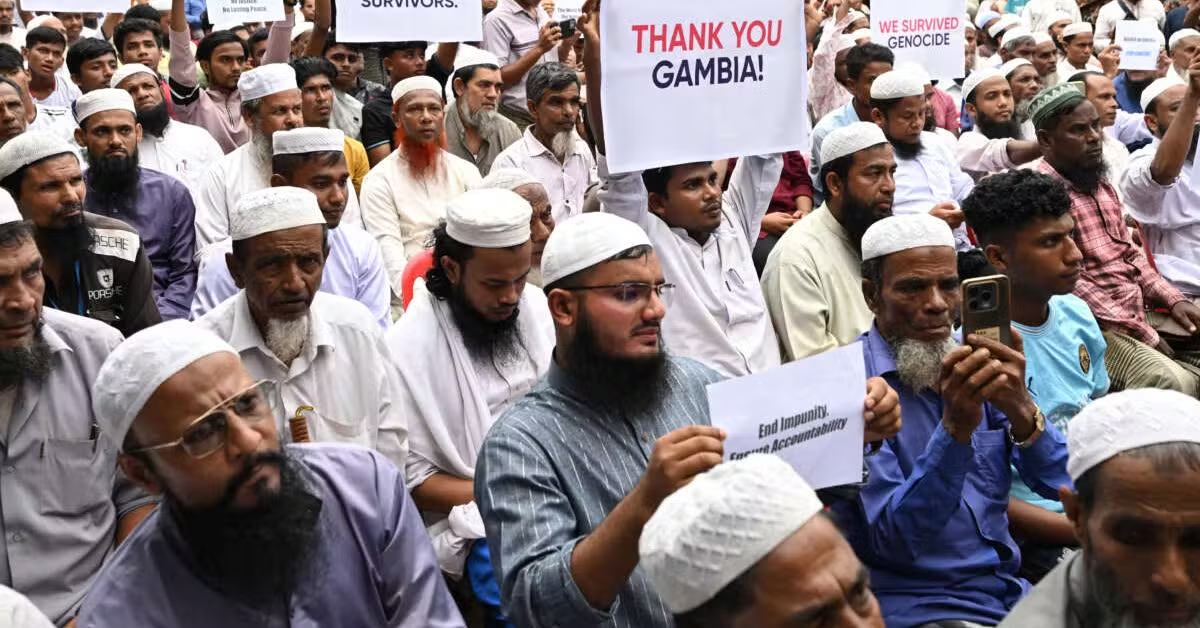
ICJ Finds Myanmar Guilty of Committing Genocide Against Rohingya Muslims
The International Court of Justice has found Myanmar's government responsible for genocide against the Rohingya Muslim minority during its 2017 military campaign, the first such finding against a state in the court's 80-year history, ruling 9-6 in a case brought by The Gambia that soldiers killed thousands, committed widespread sexual violence, and systematically burned Rohingya villages while sparing others. The court ordered Myanmar to prosecute suspects, compensate victims, and enable Rohingya's return — over 700,000 fled to Bangladesh — though it has no means to enforce compliance; Agnes Callamard calls it a rare moment of justice, and Nimer Sultany says it makes a similar ruling against Israel over Gaza highly likely.
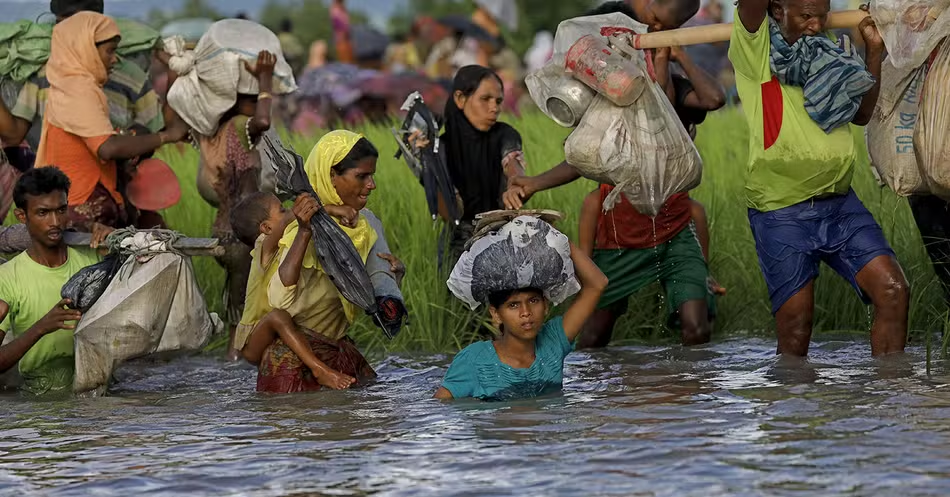
The ICJ’s historic genocide judgment belongs to the Rohingya
Preeti Jha's Prospect article argues the International Court of Justice's landmark ruling that Myanmar committed genocide against the Rohingya in 2017 — the first such finding against a state, in a case brought by The Gambia — belongs to the Rohingya, whose seven-year wait and survival stories like Yasin Arfat's it traces. Jha writes the judgment is a historic turning point that must not be overshadowed by disputes over other cases, while survivors and Yanghee Lee call for accountability, reparations, and international follow-through.
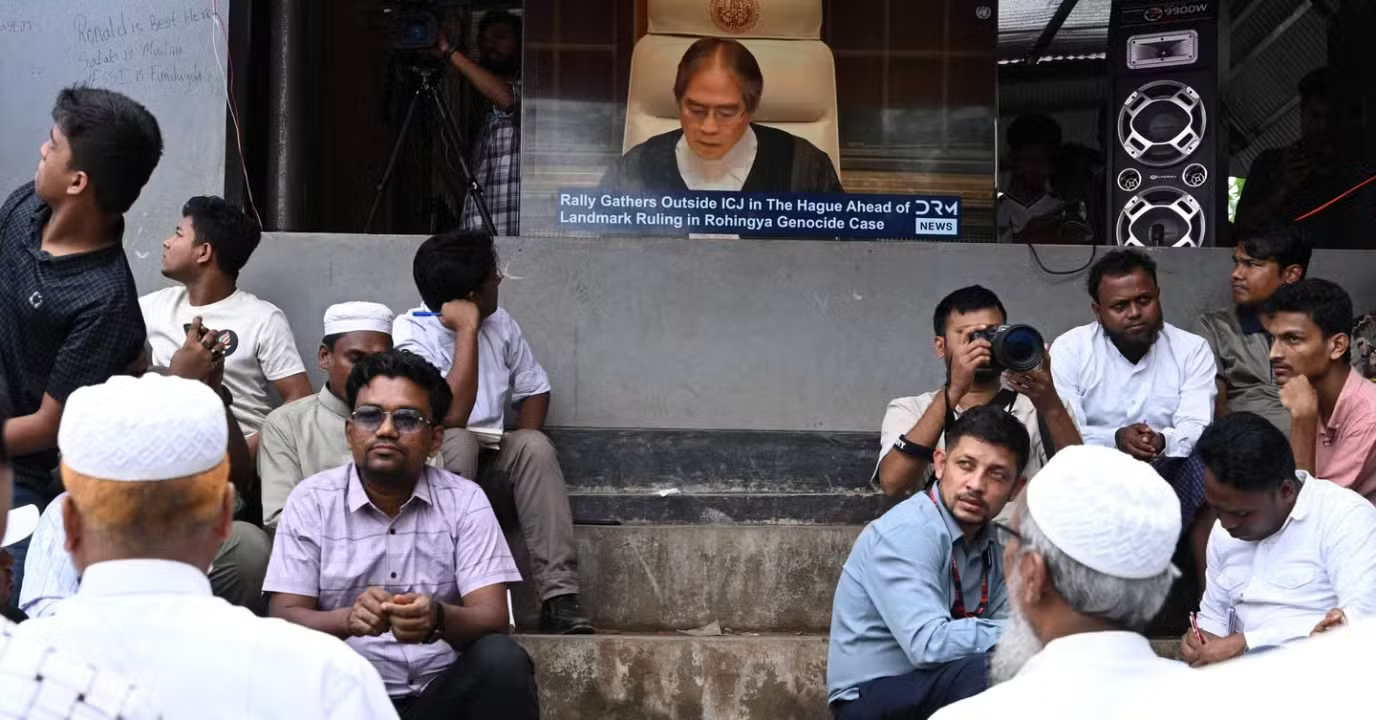
Dans les camps de réfugiés rohingya, après la reconnaissance du génocide commis par la Birmanie : « C’est d’abord un moment pour se souvenir de ceux qui ne sont plus là »
Le Monde reports that hundreds of Rohingya refugees gathered in southern Bangladesh camps to hear the International Court of Justice rule that Burma committed genocide against them, atrocities carried out by the Burmese army and Buddhist militias in August 2017. Gambia brought the 2019 case; Le Monde calls it justice partly done.
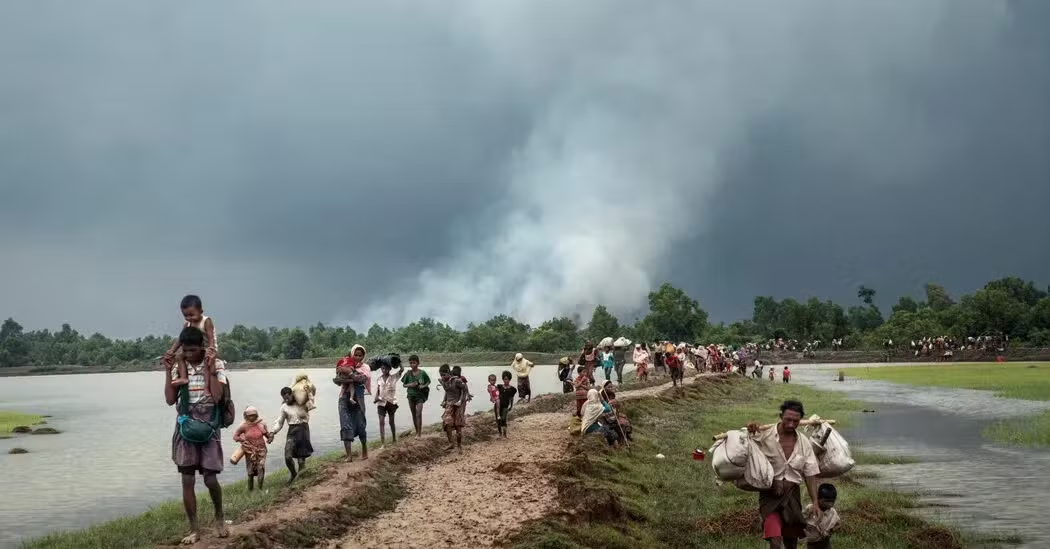
Myanmar Committed Genocide Against the Rohingya, Top Global Court Finds
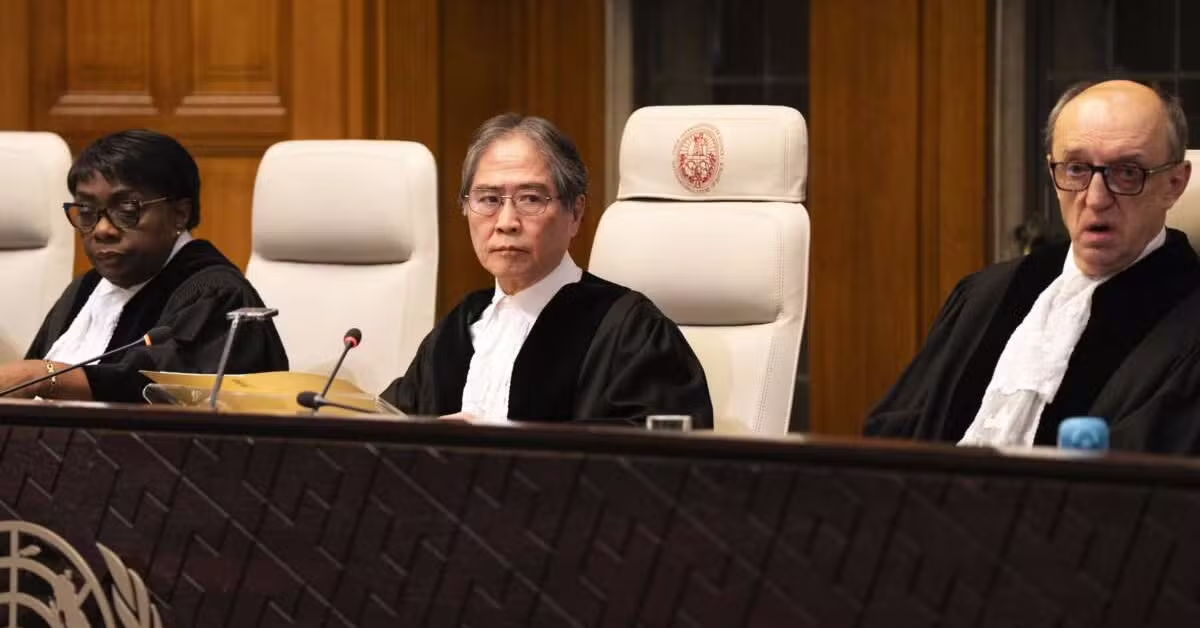
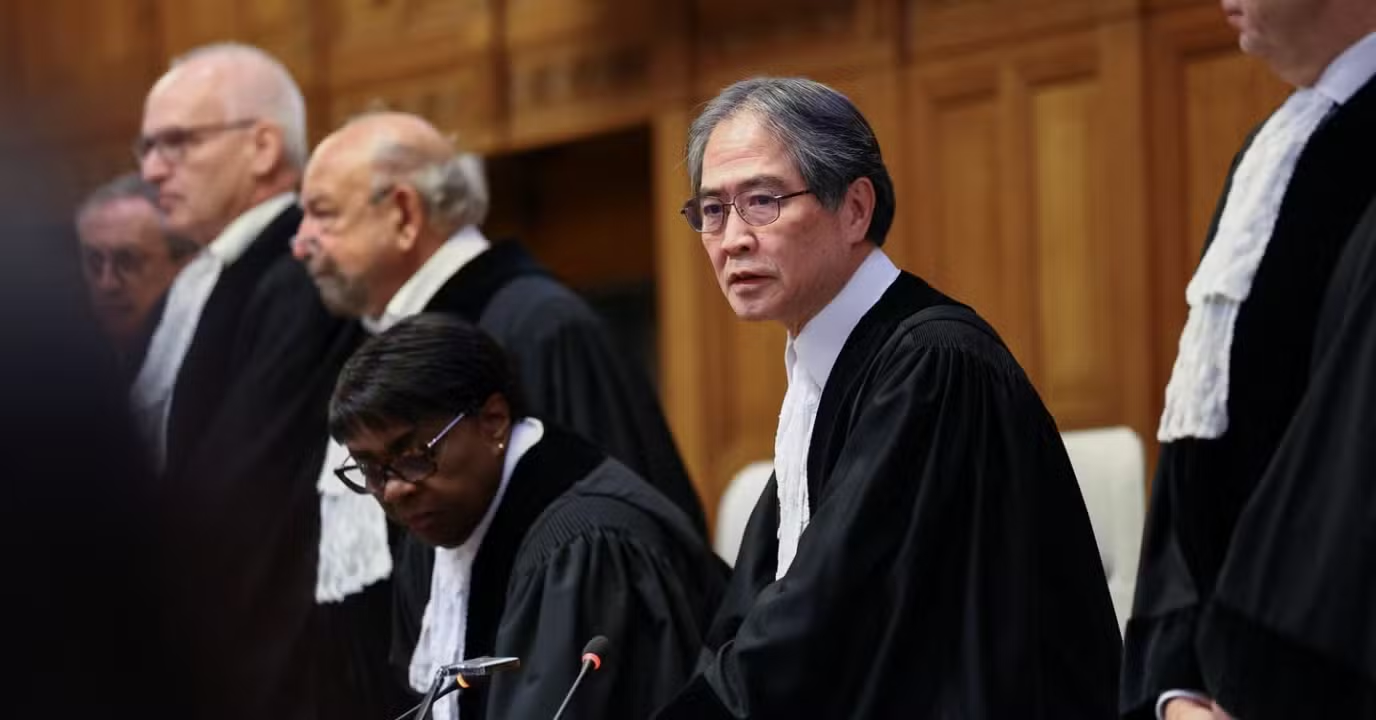
The New York Times reports that the International Court of Justice ruled 9-6 that Myanmar committed genocide against the Rohingya, making it the first state held to account under the 1948 Genocide Convention in a case Gambia brought over a 2017 campaign that killed at least 10,000 people and forced three quarters of a million to flee. Judge Yuji Iwasawa, reading the ruling, said the only reasonable inference was an intent to destroy a substantial part of the group; restitution is possible, but enforcement would fall to the U.N. Security Council.
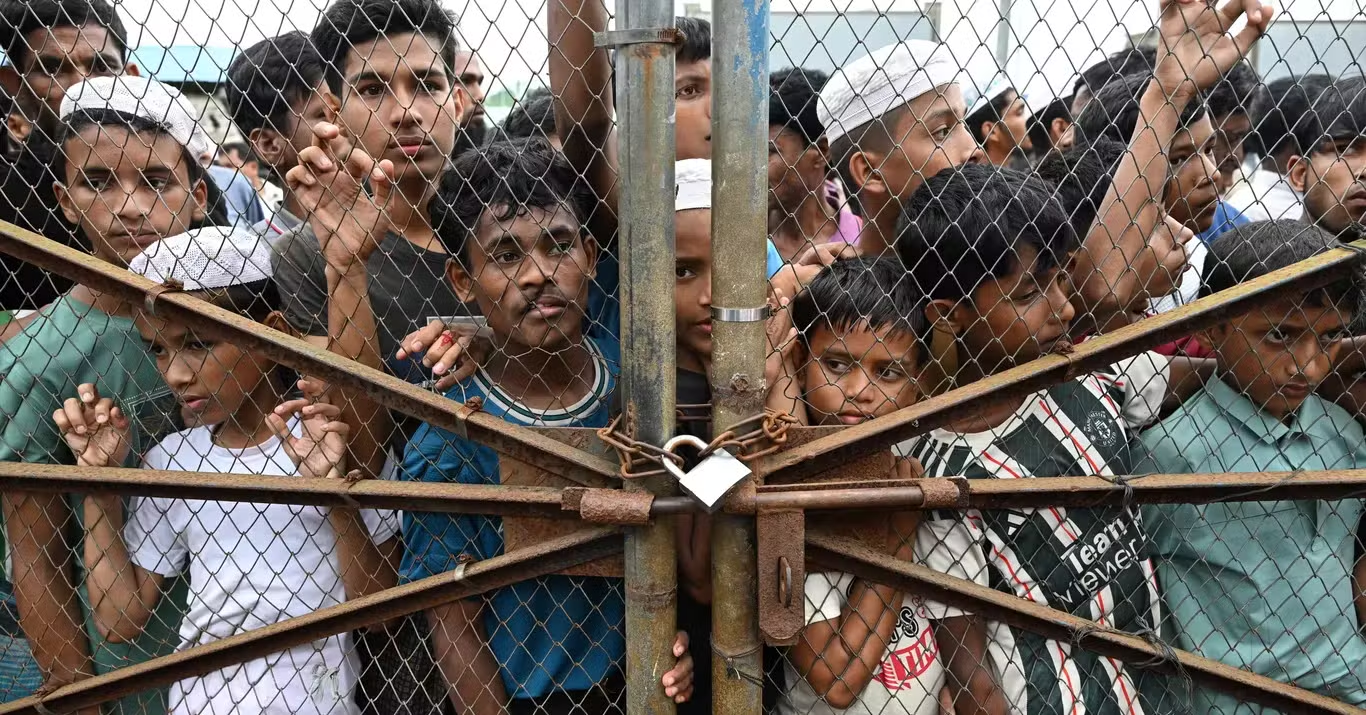
Myanmar becomes first state found responsible for genocide by UN court
The International Court of Justice ruled on 19 November 2026 that Myanmar committed genocide, the first state it has held so responsible, as Rohingya refugees watched the ruling from a Bangladeshi camp. Axios says the ruling could have far-reaching implications for other genocide cases, including South Africa's case accusing Israel of genocide against Palestinians in Gaza.
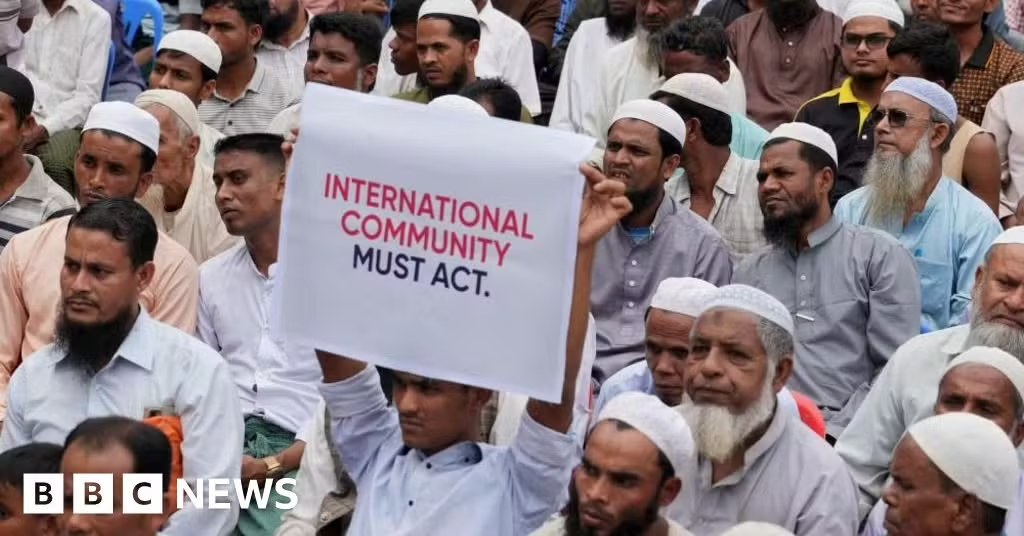
Myanmar committed genocide against Rohingya minority, top UN court rules
The International Court of Justice has ruled that Myanmar committed genocide against its Rohingya minority, the first time a state has been found guilty of genocide by an international court, for 2017 "clearance operations" in Rakhine State that killed around 10,000 Rohingya and drove more than 700,000 to flee. President Yuji Iwasawa cited the intention to destroy a substantial part of the population; Myanmar denies genocide, saying it responded to armed-group attacks, and the court says it must pay reparations, with the ruling expected to bear on other pending genocide cases.
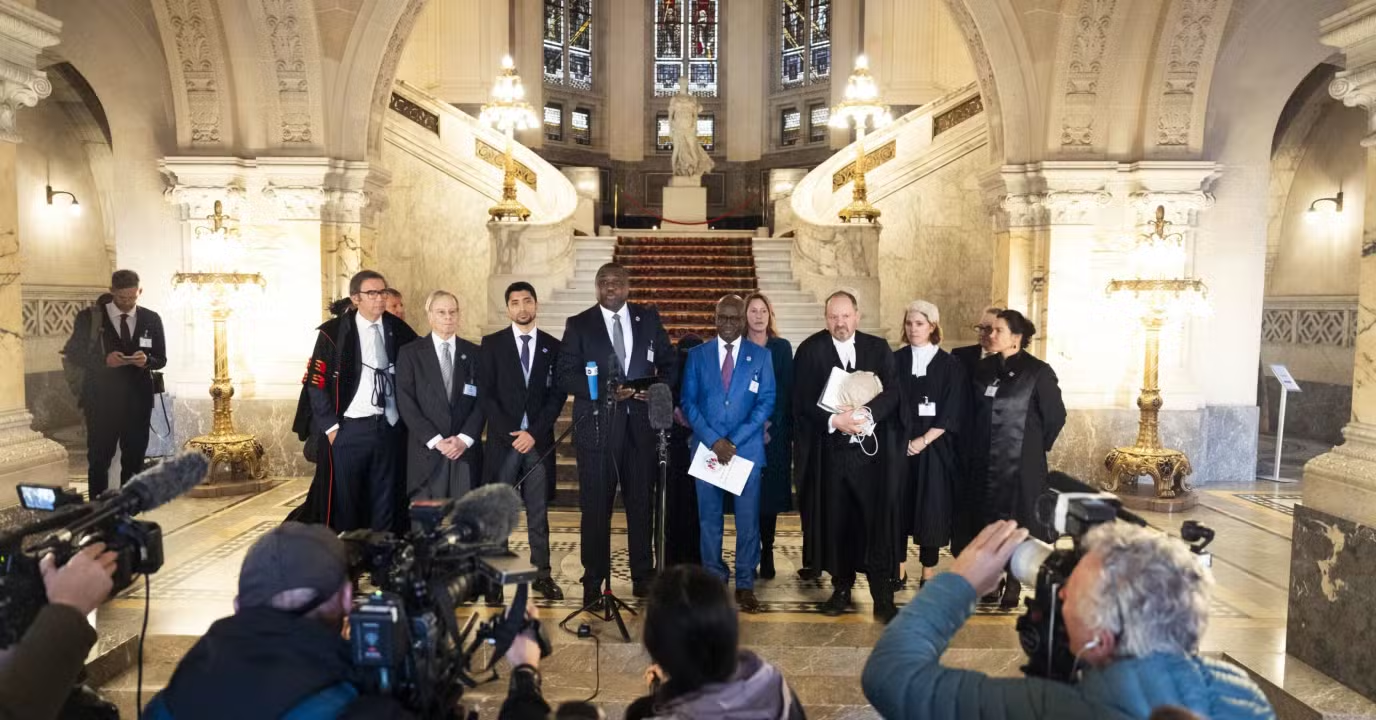
Gerechtshof stelt genocide op de Rohingya vast: ‘Dit is slecht nieuws voor Israël’ - The Rights Forum
The Rights Forum reports that on 19 November 2026 the International Court of Justice ruled that Myanmar committed genocide against the Rohingya, the first time it convicted a state of genocide, in a case brought by Gambia. Emeritus professor Marcel Brus calls the ruling groundbreaking and, given the ongoing South Africa case against Israel, very bad news for Israel.

For the first time, UN’s highest court finds a country responsible for genocide: Myanmar
The International Court of Justice ruled on 19 November 2026, in a 9-6 decision announced by President Yuji Iwasawa, that Myanmar committed genocide against the Rohingya in its 2017 military campaign in Rakhine state — the first time the court has found a state responsible for genocide. It ordered Myanmar to allow a safe, voluntary return of refugees, pay compensation, and punish perpetrators, in a case Gambia brought in 2019.

Myanmar committed genocide against Rohingya minority, top U.N. court rules
The Washington Post's live briefings lead with the International Court of Justice's landmark ruling that Myanmar committed genocide against the Rohingya in its 2017 operations in northern Rakhine state, a 9-to-6 verdict that is the first against a state under the 1948 Genocide Convention, ordering reparations, safe return for refugees, and prosecution of perpetrators. The roundup also covers Trump administration SNAP cuts affecting millions, Van Gogh's record $190.4 million auction, the all-male U.S. delegation to China, the death of Utah rescuer Logan Mumford, NIH's final chimp release, and an Albemarle County schools closure over unscreened hires.
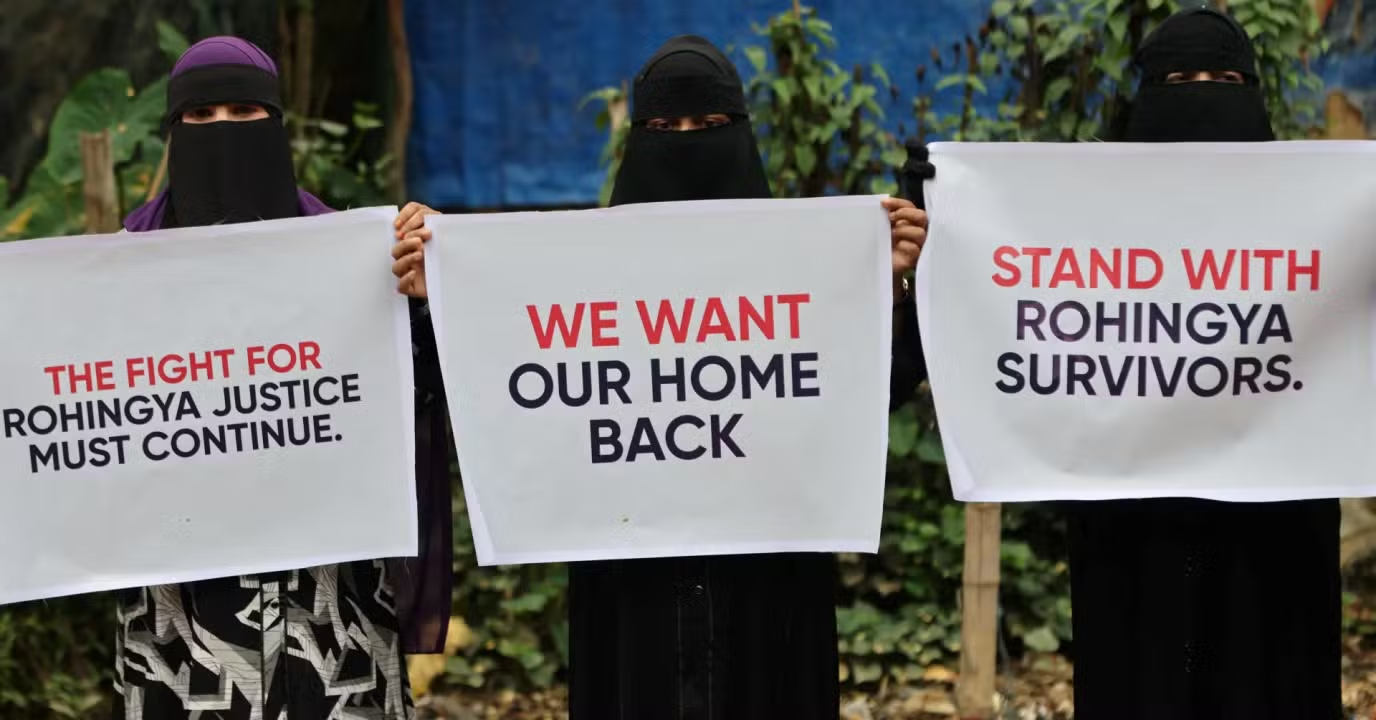
What the ICJ genocide ruling means for the Rohingya people
Al Jazeera explains the International Court of Justice's first-ever ruling that a state committed genocide, finding Myanmar guilty on 19 November 2026 of genocide against the Rohingya — nine of 15 judges so voting — and ordering reparations, safe and voluntary return, and accountability measures The Gambia's 2019 case set in motion. It reports the court cannot enforce the final, unappealable decision, while survivors and campaigners like Kyaw Min Sabber and Matthew Smith call it vindication but press for sustained international pressure amid Myanmar's civil war and doubts about safe return.
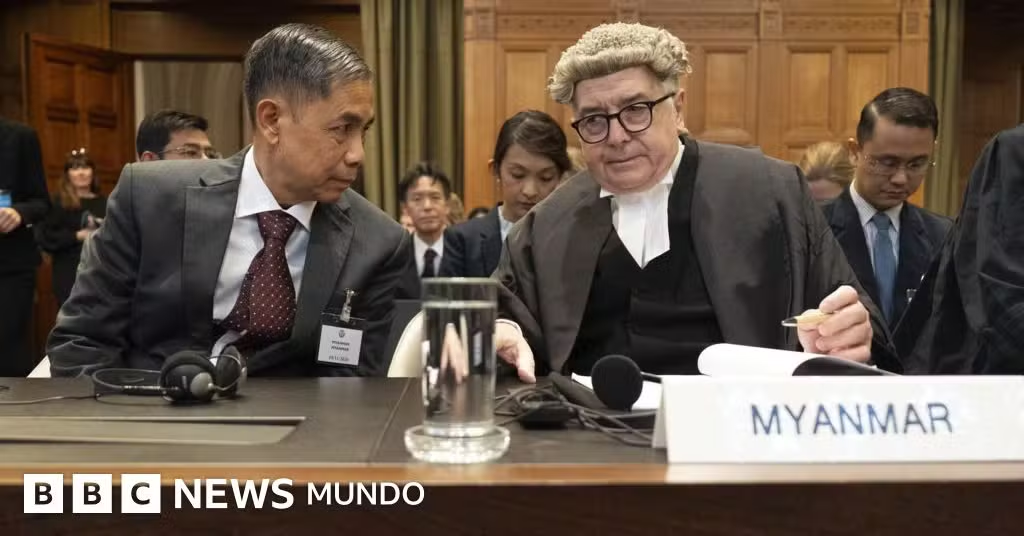
La ONU declara culpable de genocidio contra los rohingyas a Myanmar, el primer Estado condenado por este crimen - BBC News Mundo
The International Court of Justice has ruled, by nine votes to six, that Myanmar committed genocide against the Rohingya in northern Rakhine state and failed to prevent a genocide by private actors working with its security forces — the first time a state has been held responsible for genocide, though the court cannot enforce its ruling. The BBC reports the Rohingya, a mostly Muslim minority denied citizenship, fled waves of persecution — more than 700,000 to Bangladesh after Myanmar's 2017 'clearance operations' — while Aung San Suu Kyi, who led Myanmar's defense at The Hague, drew criticism for not condemning the military that later overthrew and imprisoned her.
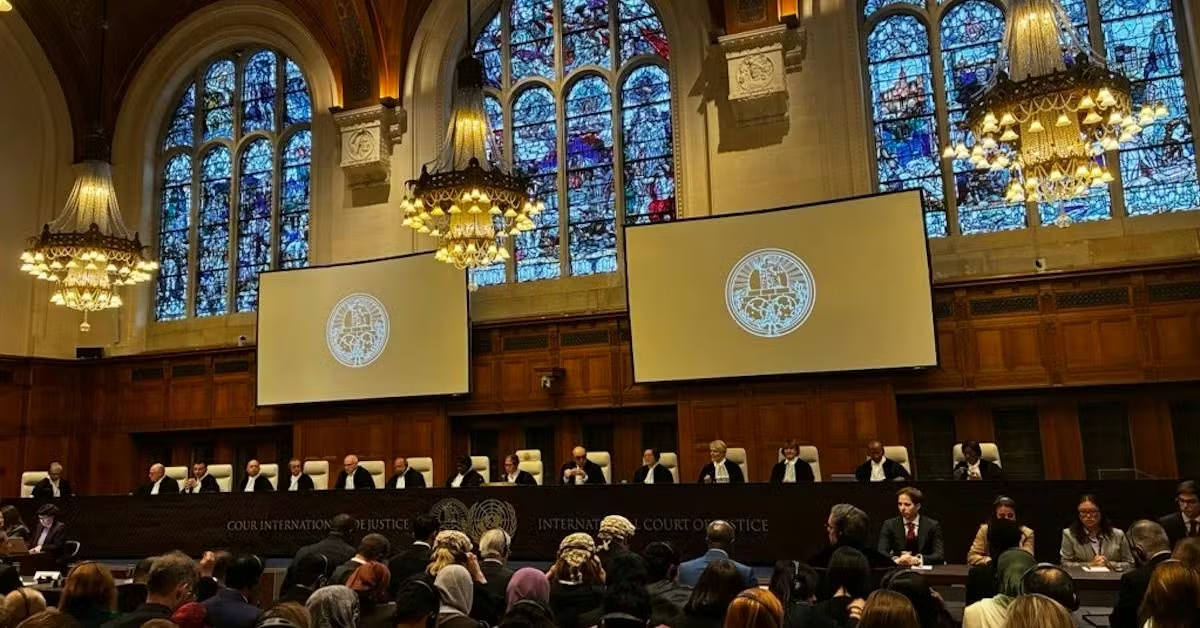
国際司法裁、初のジェノサイド認定 ミャンマーによるロヒンギャ迫害 - 日本経済新聞
The International Court of Justice has found for the first time that a state — Myanmar — committed genocide, in a ruling on 19 December over the persecution of the Rohingya Muslim minority. The Nikkei article says the finding may influence other cases, including the lawsuit over Gaza.
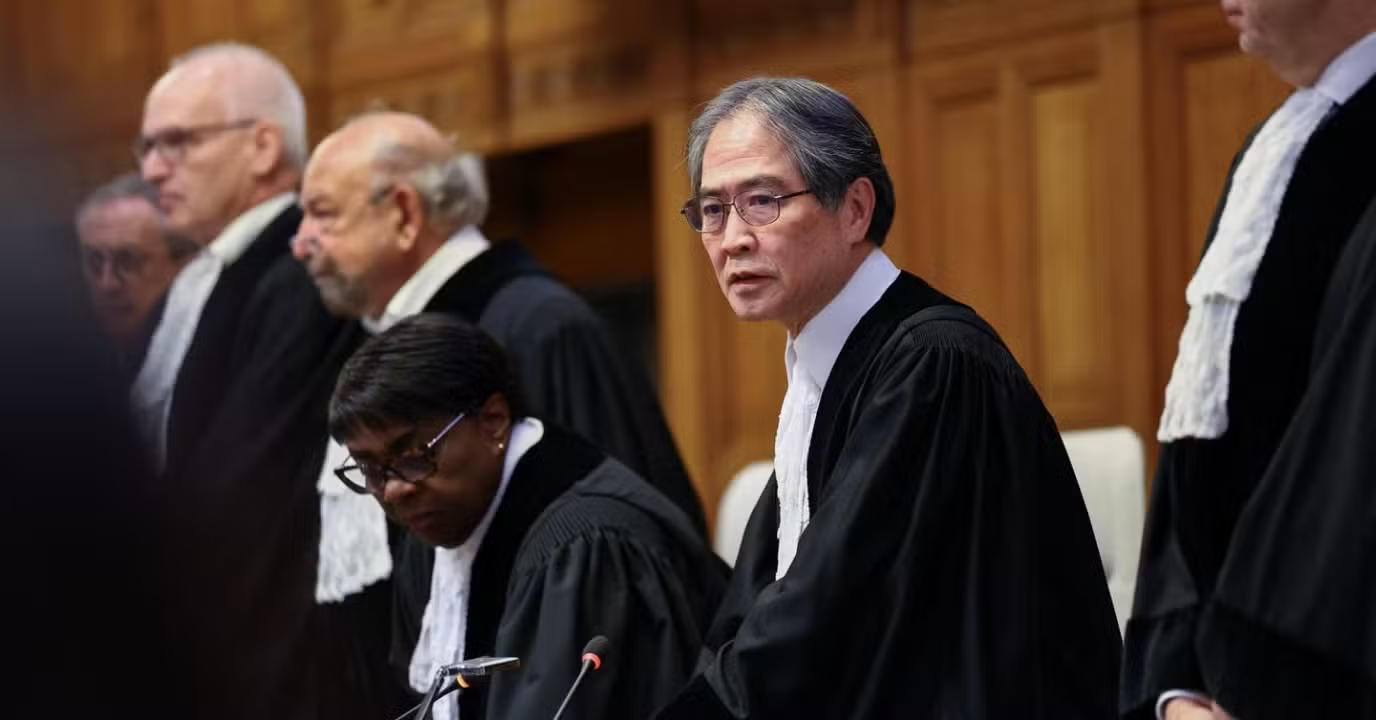
ICJ rules that Myanmar committed genocide against Rohingya muslims
Le Monde reports that the International Court of Justice ruled Myanmar committed genocide against its Rohingya minority — the first such finding against a state in the court's 80-year history — ordering safe passage home for refugees and compensation, in a case brought by The Gambia. Court President Yuji Iwasawa cited killings, sexual violence and destroyed villages, while The Gambia's justice minister Dawda Jallow said the victory belongs to the Rohingya; the ruling is binding but the court cannot enforce it.
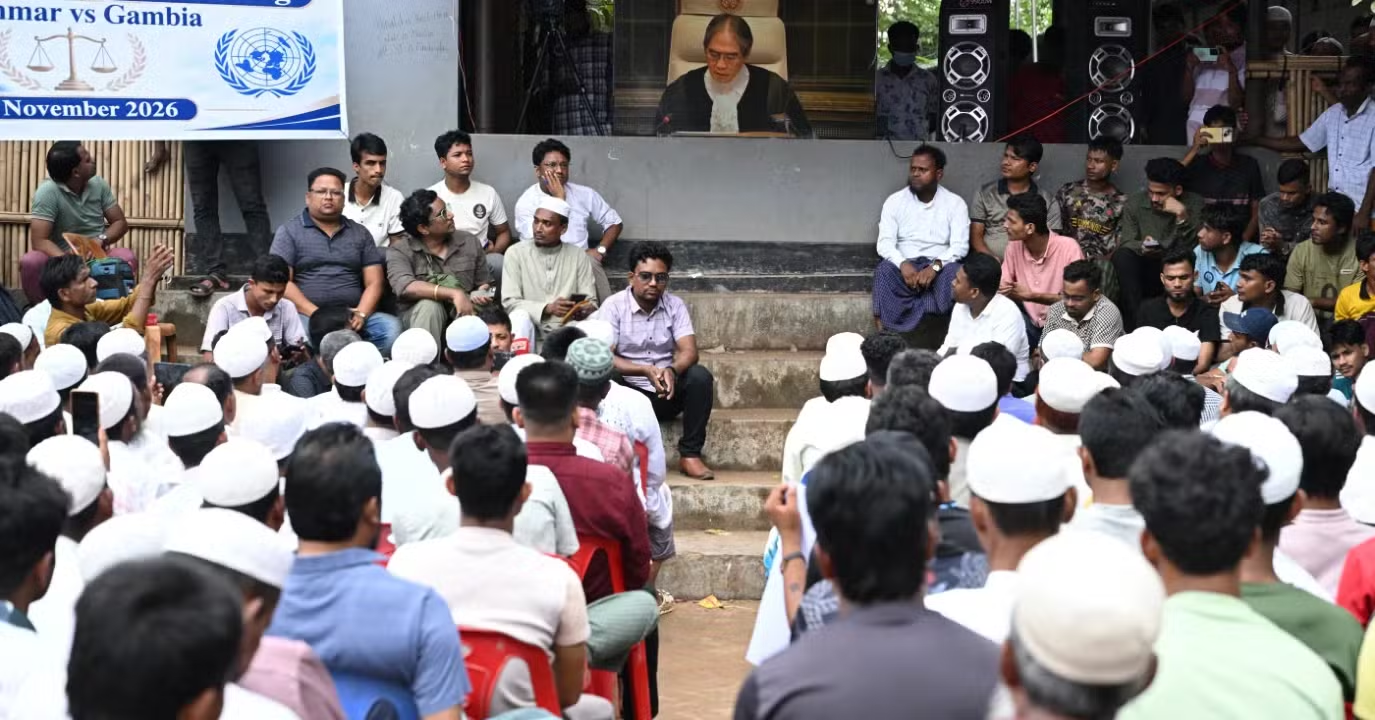
Top U.N. court rules Myanmar committed genocide against the Rohingya
NPR reports that the International Court of Justice ruled Myanmar committed genocide against the Rohingya during its 2017 operations in northern Rakhine State, finding about 10,000 Rohingya were killed and that security forces acted with genocidal intent. Judge Yuji Iwasawa wrote that the military's actions were characteristic of an intent to destroy a substantial part of the group.
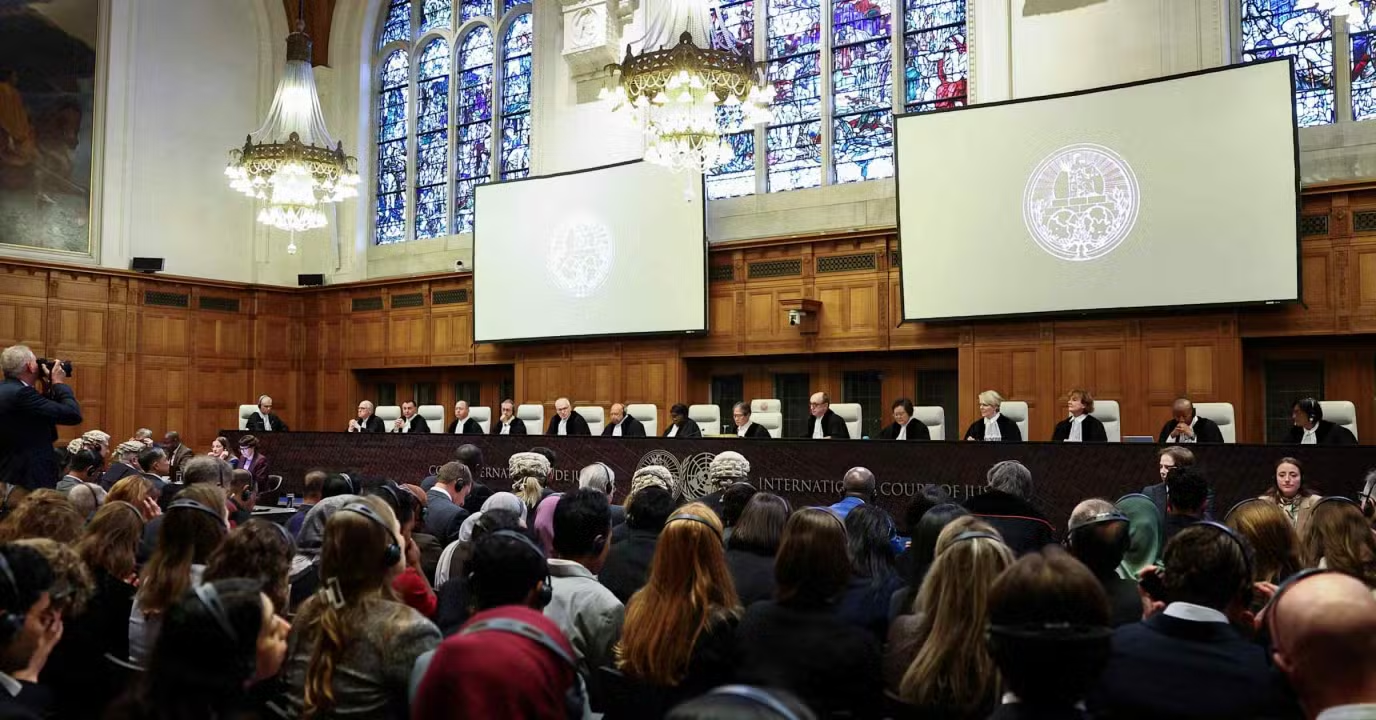
Myanmar committed genocide against Rohingya, ICJ rules
A Reuters report on asia.nikkei.com says the International Court of Justice ruled in The Hague on 19 November 2026 that Myanmar committed genocide against the Rohingya Muslim minority. The court found thousands of killings and widespread sexual violence by Myanmar's security forces in 2017 amounted to state-sponsored genocide.
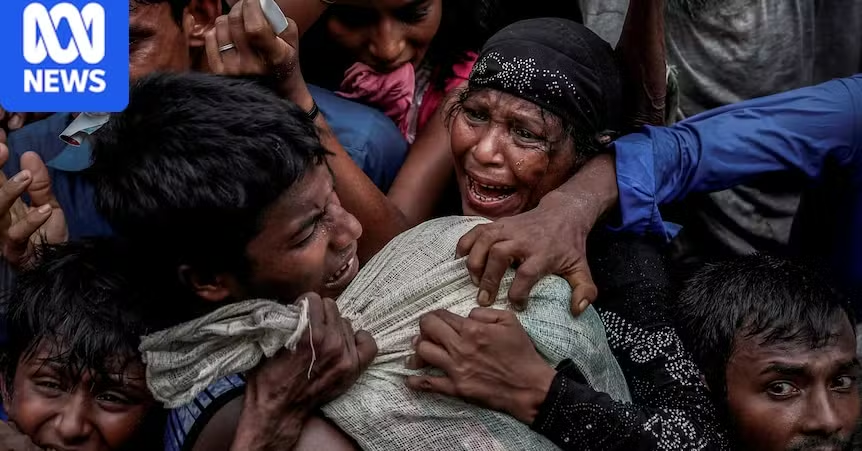
Breaking: Myanmar committed genocide against Rohingyas, UN court says
The International Court of Justice has ruled that Myanmar's 2017 killings and sexual violence against the Rohingya minority amounted to state-sponsored genocide — the first time the court has held a state responsible for genocide. The case was brought by Gambia seven years earlier and was only the fourth genocide ruling since the Nazi Holocaust.
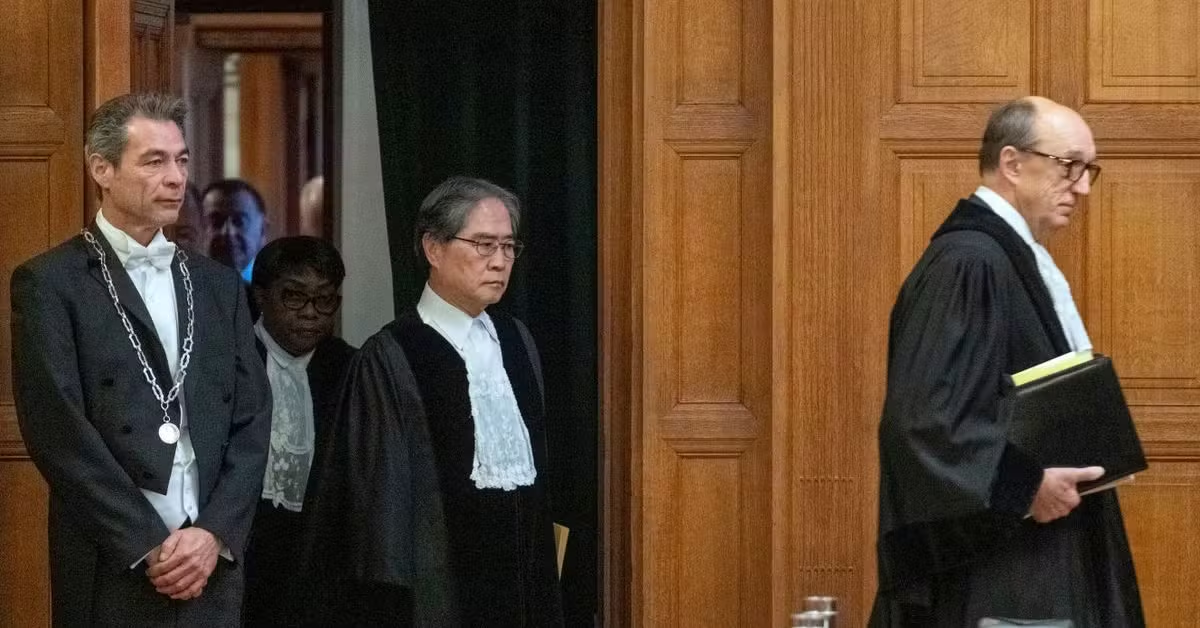
Uno-Gericht stuft Myanmars Vorgehen gegen Rohingya als Völkermord ein
A spiegel.de article reports that the International Court of Justice in The Hague has classified Myanmar's 2017 actions against the Muslim Rohingya minority as genocide, only the fourth such finding by an international court since the Holocaust. The judgment states at least 10,000 people were killed and massive sexual violence committed, findings sought by Gambia that are seen as a test case for the genocide case against Israel — though the court cannot enforce its decision.
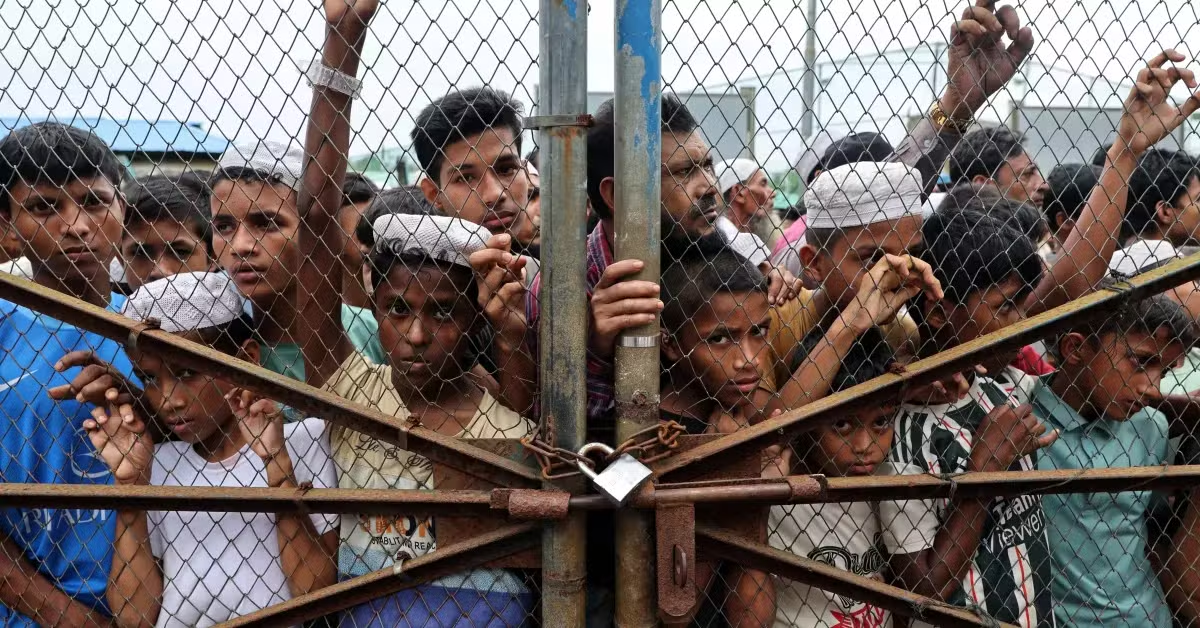
Myanmar committed genocide against Rohingya Muslims, UN court rules
The International Court of Justice ruled that Myanmar committed genocide against Rohingya Muslims. It said the mass ethnic cleansing of 2017 amounted to genocide, in a case brought by The Gambia.
UN court rules Myanmar committed genocide in landmark ruling
A UN court has ruled, in a landmark judgment, that Myanmar committed genocide.
La Birmanie a commis un génocide à l’encontre de la minorité rohingya, statue la Cour internationale de justice
Le Monde with AFP reports that the International Court of Justice ruled Myanmar committed genocide against the mostly Muslim Rohingya minority in its 2017 crackdown, finding an intent to destroy the group and evidence that the army killed some 10,000 Rohingya. In a case brought by Gambia, court president Yuji Iwasawa cited mass killings and sexual violence, while Myanmar maintains the crackdown was justified against an insurgency; the ruling is expected to pressure Min Aung Hlaing and set a precedent for South Africa's genocide case against Israel.
ミャンマーのロヒンギャ迫害、ジェノサイドと認定 ICJが判決 | 毎日新聞
The International Court of Justice ruled on 19 November 2026 that Myanmar committed genocide against the Rohingya, an Islamic minority in Rakhine State, violating the Genocide Convention. Mainichi Shimbun reports it was the court's first genocide finding against a state, citing about 10,000 killed in the military's 2017 clearance operation, sexual violence, violence against children, and intent to destroy a substantial part of the Rohingya.
UN top court finds Myanmar guilty of committing genocide against Rohingya minority | CNN
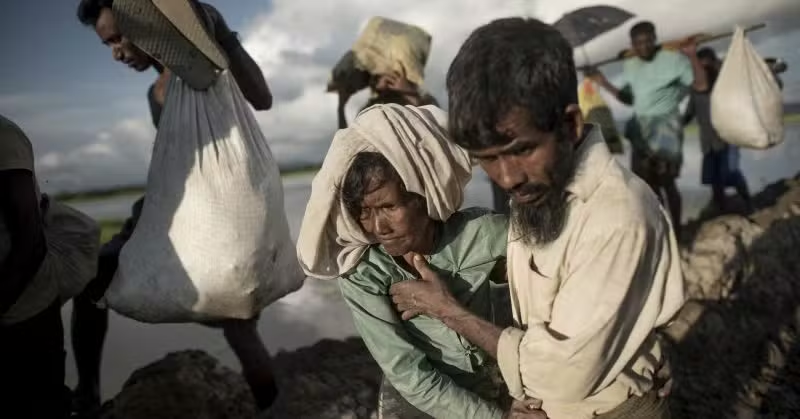
CNN reports that the International Court of Justice has ruled Myanmar committed genocide against the Rohingya minority, the first time in its 80-year history the World Court has held a state accountable for genocide, deciding nine votes to six. The judges gave weight to sexual violence and attacks on fleeing Rohingya, rejected Myanmar's counter-terrorism defense, and one refugee called the judgment the difference between a tragedy and a crime that must be answered for.
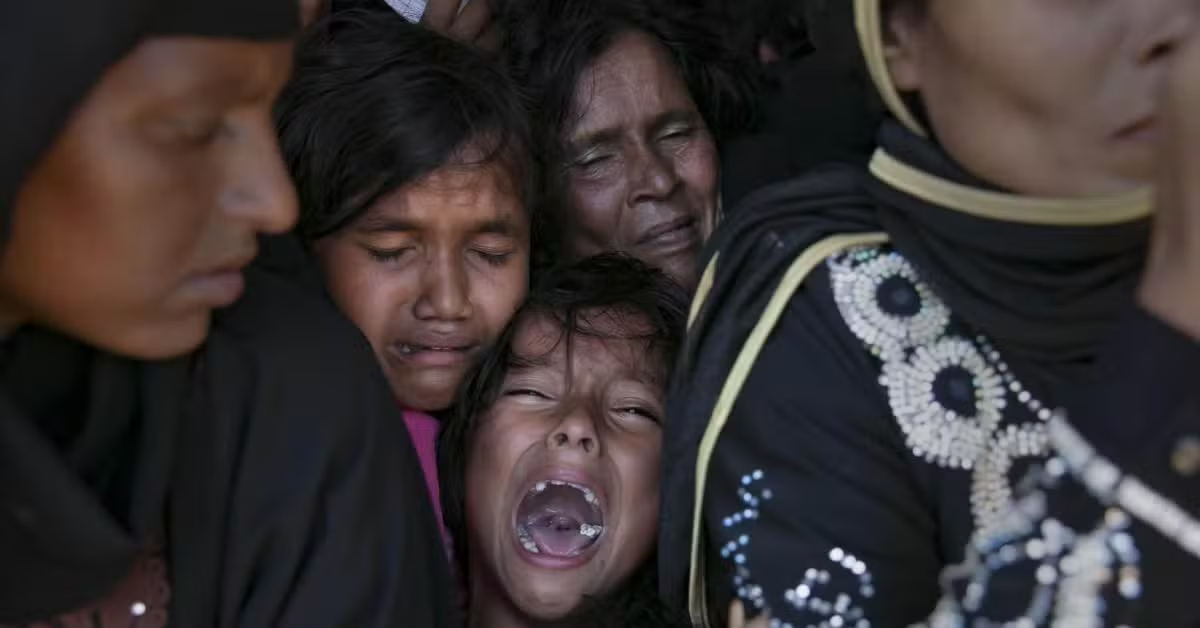
Myanmar found guilty of genocide against Rohingya people by top UN court
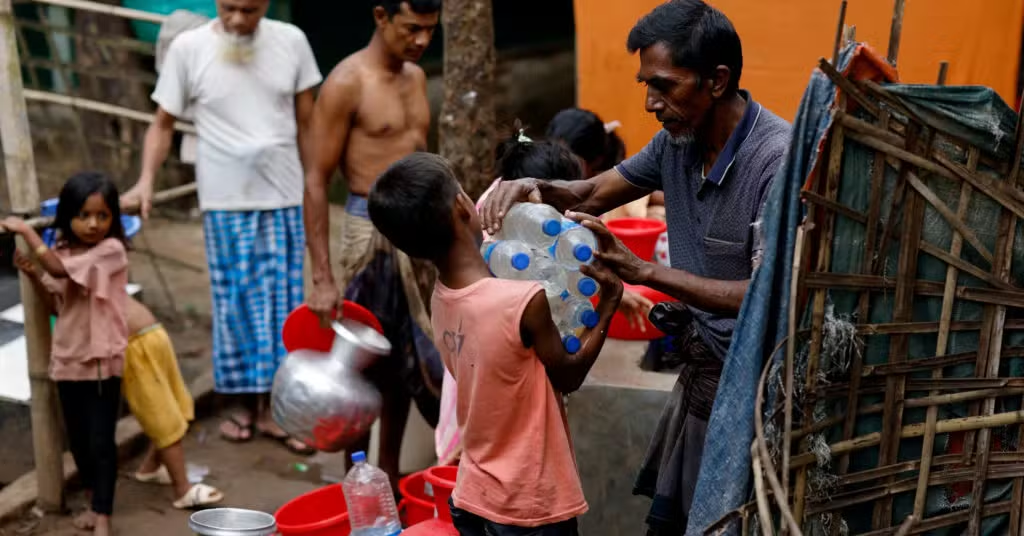
The International Court of Justice has ruled Myanmar guilty of genocide against the Rohingya people. An accompanying image shows Rohingya refugees queuing for relief aid in Cox's Bazar, Bangladesh, in November 2017, where over a million of them live.
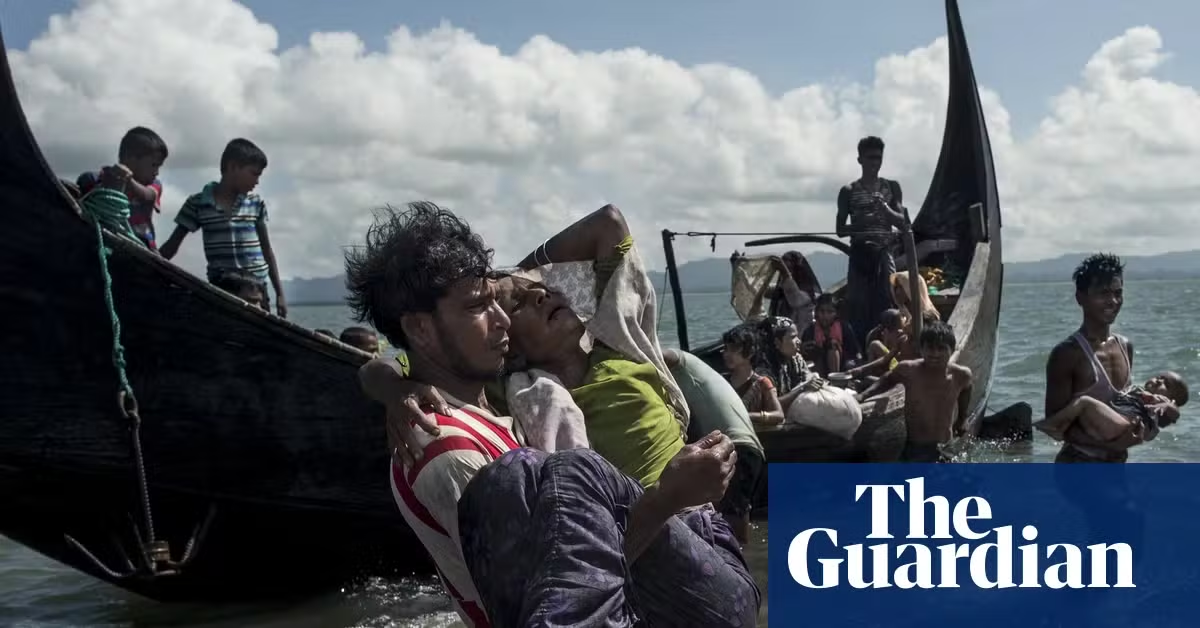
Myanmar committed acts of genocide against Rohingya minority, world’s top court rules
The Guardian reports that the international court of justice has ruled Myanmar committed acts of genocide against its Rohingya minority during 2016-17 "clearance operations" that forced more than 700,000 Rohingya to flee to Bangladesh, the first time the court has found a state responsible for genocide. Court president Yuji Iwasawa said the judges were "fully convinced" Myanmar acted with intent to destroy a substantial part of the Rohingya population; Myanmar denies genocide, claiming it targeted a militant group.
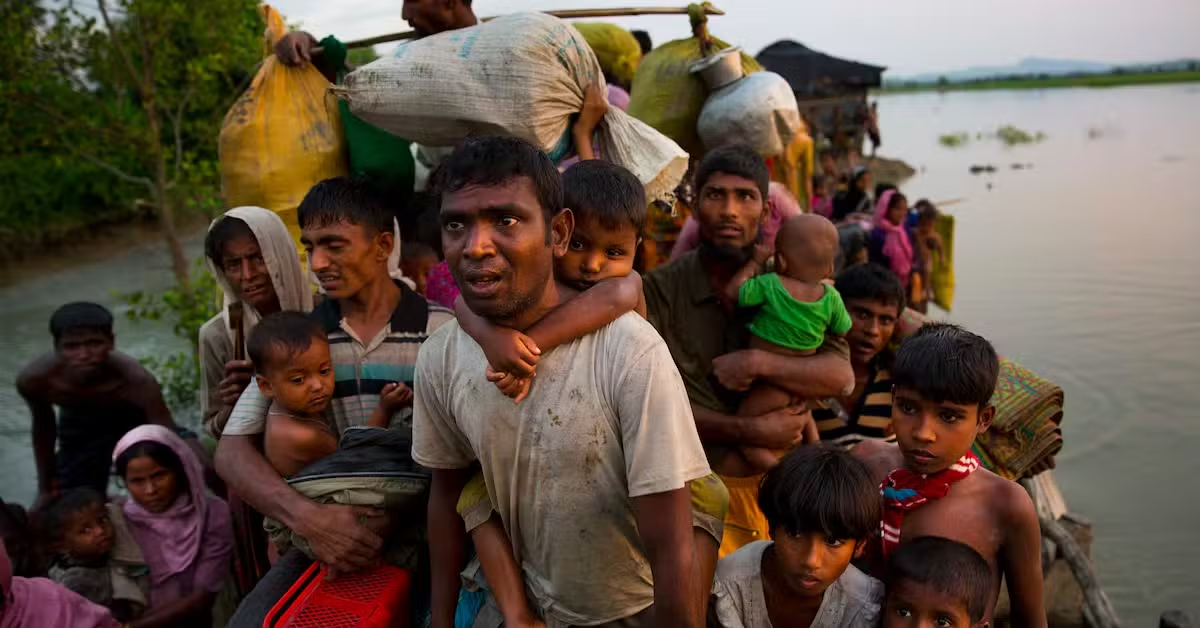
El Tribunal Internacional de Justicia concluye que Myanmar cometió genocidio contra los rohinyás
The International Court of Justice concluded on 19 November 2026 that Myanmar committed genocide against the Rohingya Muslim minority, ruling nine votes to six that it violated the 1948 Genocide Convention after failing to stop its Armed Forces from massacring, raping, and committing acts of extreme violence against the Rohingya.
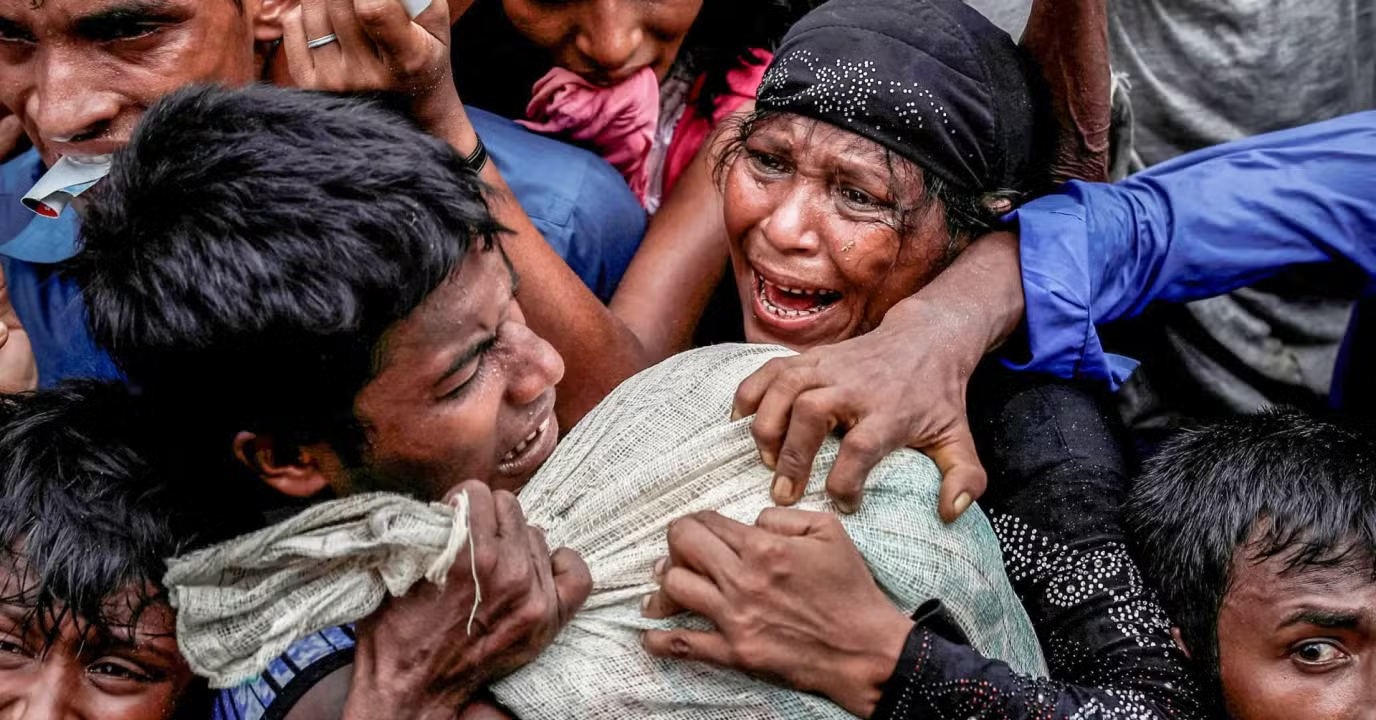
UN top court finds Myanmar guilty of genocide against Rohingya
Al Jazeera and Reuters report that the UN's top court has ruled Myanmar committed genocide against the Rohingya, the first time a state has been found responsible for genocide at the International Court of Justice, in a case brought by The Gambia over the 2017 crackdown that drove more than 730,000 Rohingya to Bangladesh. Court President Yuji Iwasawa said the 9-6 decision found forces killed some 10,000 Rohingya with genocidal intent, while lawyer Toby Cadman said much depends on whether the ruling is enforced.
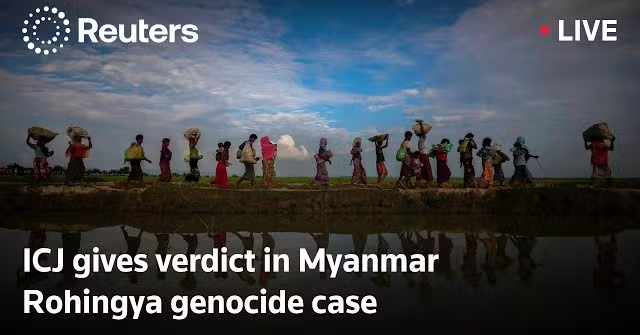
LIVE: ICJ verdict in Myanmar Rohingya genocide case
The International Court of Justice delivers its judgment in the case Gambia brought accusing Myanmar of genocide against the Rohingya Muslim minority. Reuters covers the verdict on a live page.
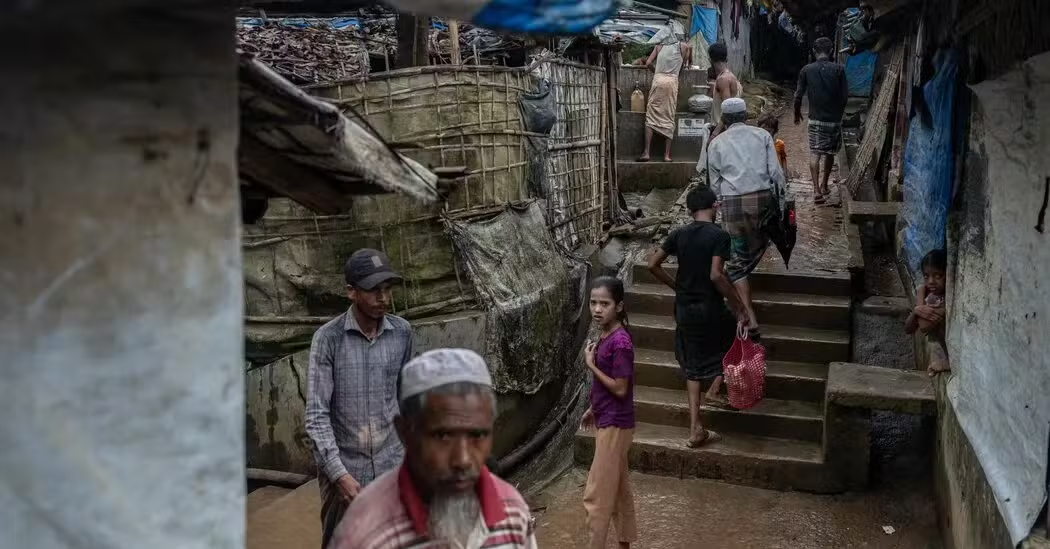
Live Updates: Myanmar Faces Genocide Verdict at U.N. Court Over Rohingya Massacres
The New York Times's live-updates page tracks the International Court of Justice's scheduled Thursday ruling on whether Myanmar committed genocide against Rohingya Muslims, which would make it the first state held accountable under the 1948 Genocide Convention. Reporter Hannah Beech reports from the Cox's Bazar refugee camps that most Rohingya there neither knew of nor expected the trial; the Times calls the ruling a landmark decision.
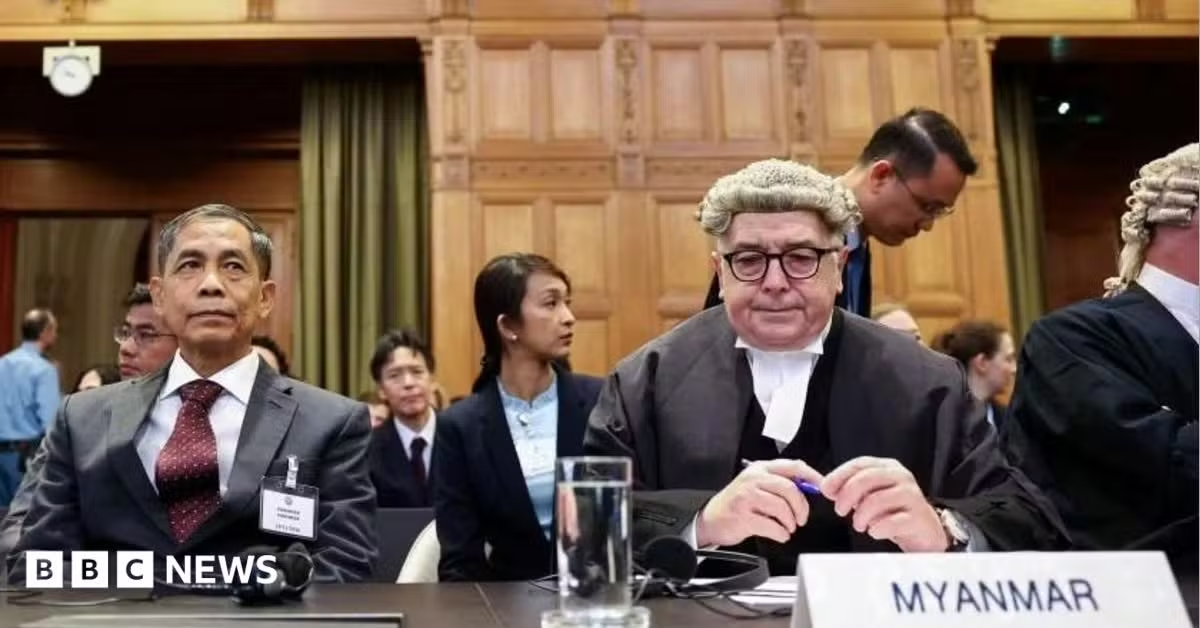
Myanmar committed genocide against its Rohingya minority, UN's top court rules
The International Court of Justice rules that Myanmar committed genocide against the Rohingya in northern Rakhine state, finding its security forces acted with genocidal intent in 2017 operations that killed around 10,000 Rohingya and drove more than 700,000 to Bangladesh, in a case brought by The Gambia. The BBC reports it as the first time a state has been found guilty of genocide by an international court, and Myanmar is ordered to report within two years on reparations.
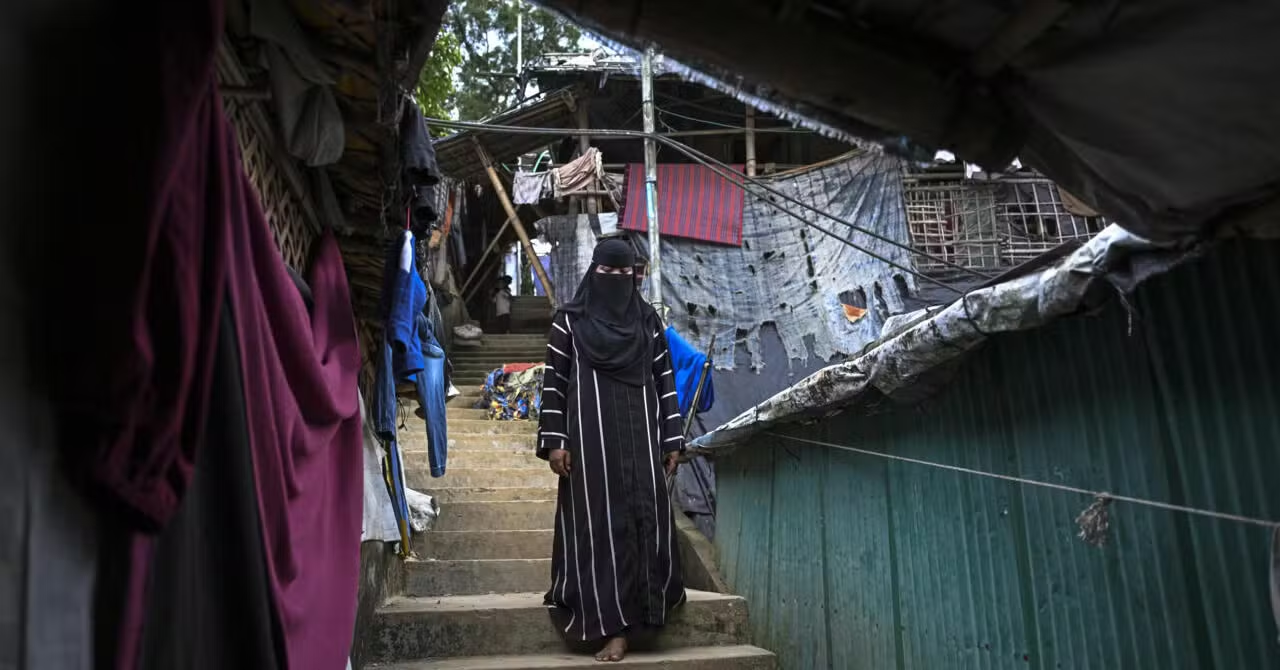
Les forces birmanes ont tué "des milliers de civils rohingyas", déclare la CIJ
The International Court of Justice said on 19 November 2026 that Myanmar forces killed thousands of Rohingya civilians, carried out large-scale sexual violence and targeted Rohingya fleeing towards Bangladesh during 2017 operations, finding the estimate of 10,000 killed supported by evidence. The court, examining a case brought by The Gambia under the 1948 Genocide Convention for seven years, has not yet ruled on whether the violence is genocide, which under international law requires proving an intent to destroy a group. Myanmar rejects the accusations, arguing its army's crackdown was a justified response to a Rohingya insurgency, and its representative Ko Ko Hlaing told the court it was not obliged to stand by with its arms folded. A ruling would increase pressure on Myanmar's strongman Min Aung Hlaing, and the case is closely watched as a possible precedent for South Africa's genocide case against Israel over Gaza.
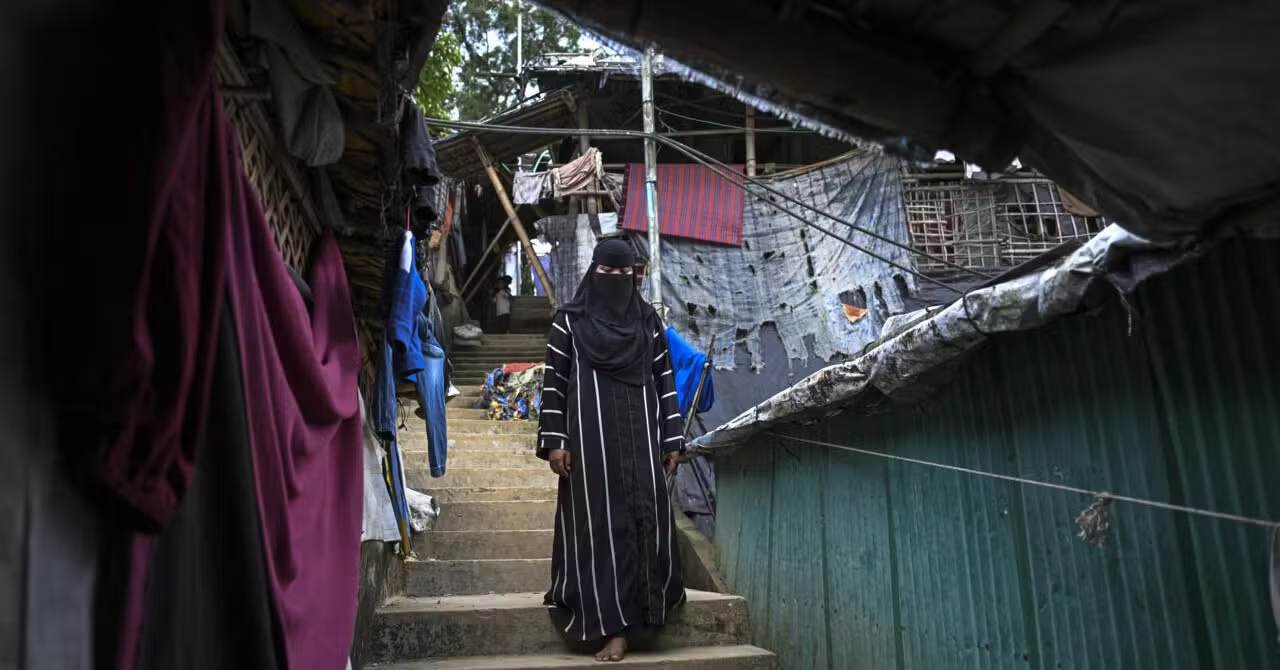
La CIJ juge que la Birmanie a commis un génocide à l'encontre des Rohingya
France 24 reports the International Court of Justice's 19 November 2026 ruling that Myanmar committed genocide against the Rohingya in its 2017 crackdown, finding intent to destroy the minority and evidence supporting an estimate of 10,000 killed, in a case brought by The Gambia. Court president Yuji Iwasawa called it a violation of the genocide convention; Myanmar, whose representative said it was not obliged to leave the field open to terrorists, rejects the accusations.
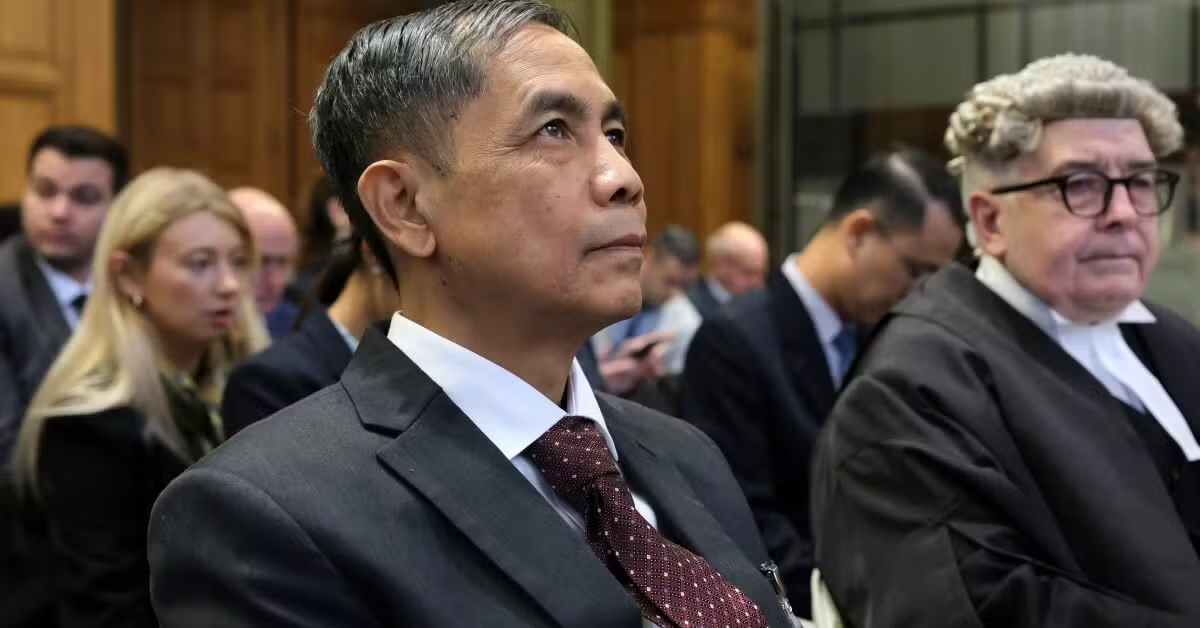
In a landmark judgment, top UN court says Myanmar committed genocide against the Rohingya
The International Court of Justice ruled 9-6 that Myanmar committed genocide against the Rohingya in its brutal 2017 military campaign in northern Rakhine state — the first time the court has found a state guilty of genocide. Gambia, which brought the 2019 case, is seeking reparations including full citizenship and the right of return for the roughly 1.2 million Rohingya refugees in Bangladesh.
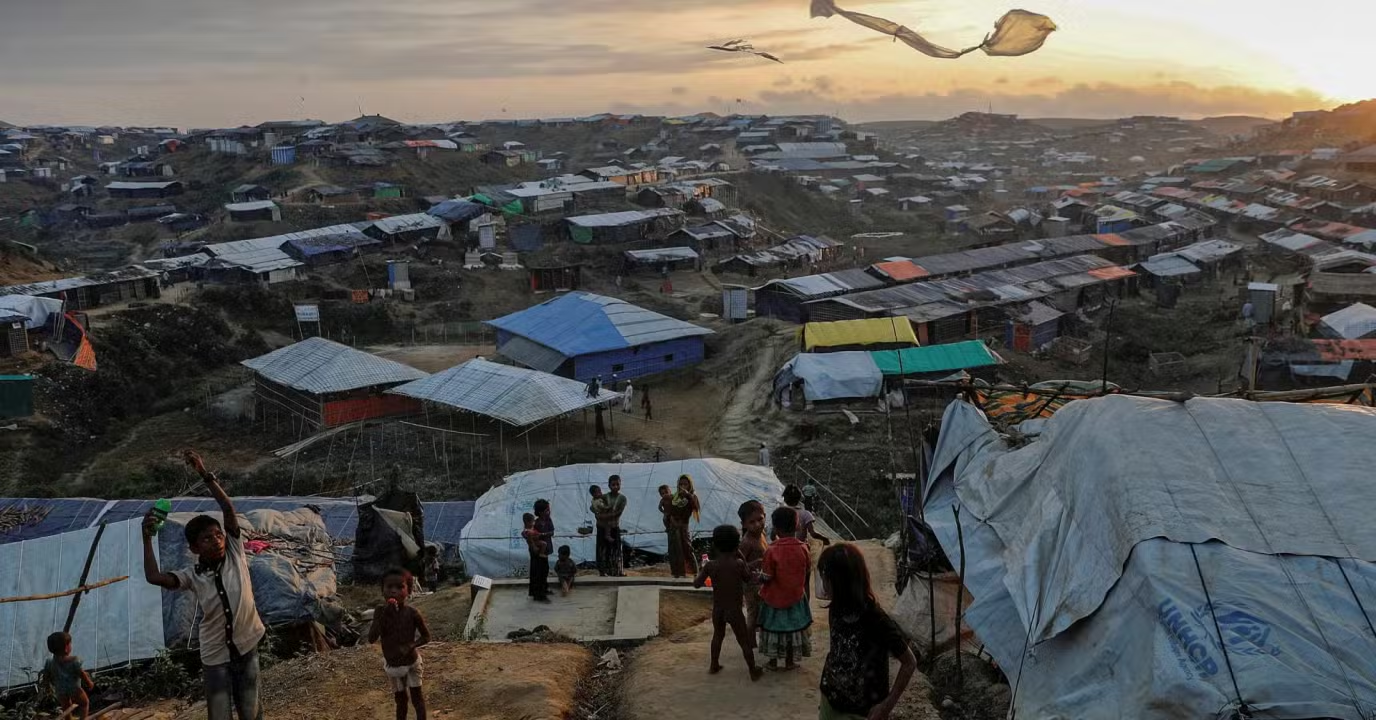
ICJ to rule on Rohingya genocide case against Myanmar: What’s at stake?
In a news explainer, Al Jazeera reports that the International Court of Justice in The Hague is scheduled to rule, on the Thursday after 19 November 2026, on whether Myanmar committed genocide against its Rohingya Muslim minority in a case The Gambia filed in November 2019 on behalf of the Organisation of Islamic Cooperation. The verdict will be the court's first judgement on the merits of a genocide case in more than a decade, and the first of five pending genocide cases to be finalised. The case stems from Myanmar's 2017 military crackdown, which the UN estimates killed about 10,000 Rohingya and forced 740,000 to flee to Bangladesh, where most refugees now live in camps facing shrinking aid; The Gambia argues genocidal intent is the only reasonable inference from Myanmar's conduct, while Myanmar says it ran a legitimate counterterrorism operation. Legal experts told Al Jazeera that even a genocide finding may bring little short-term relief to the more than one million victims, since Michael Becker, a professor at Trinity College Dublin, expects the court's demands may be imposed only partly and face political conditions that block realising them, while William Schabas of Middlesex University says the ruling will have dramatic effects on the other pending cases, particularly South Africa's stronger case accusing Israel of genocide in Gaza.
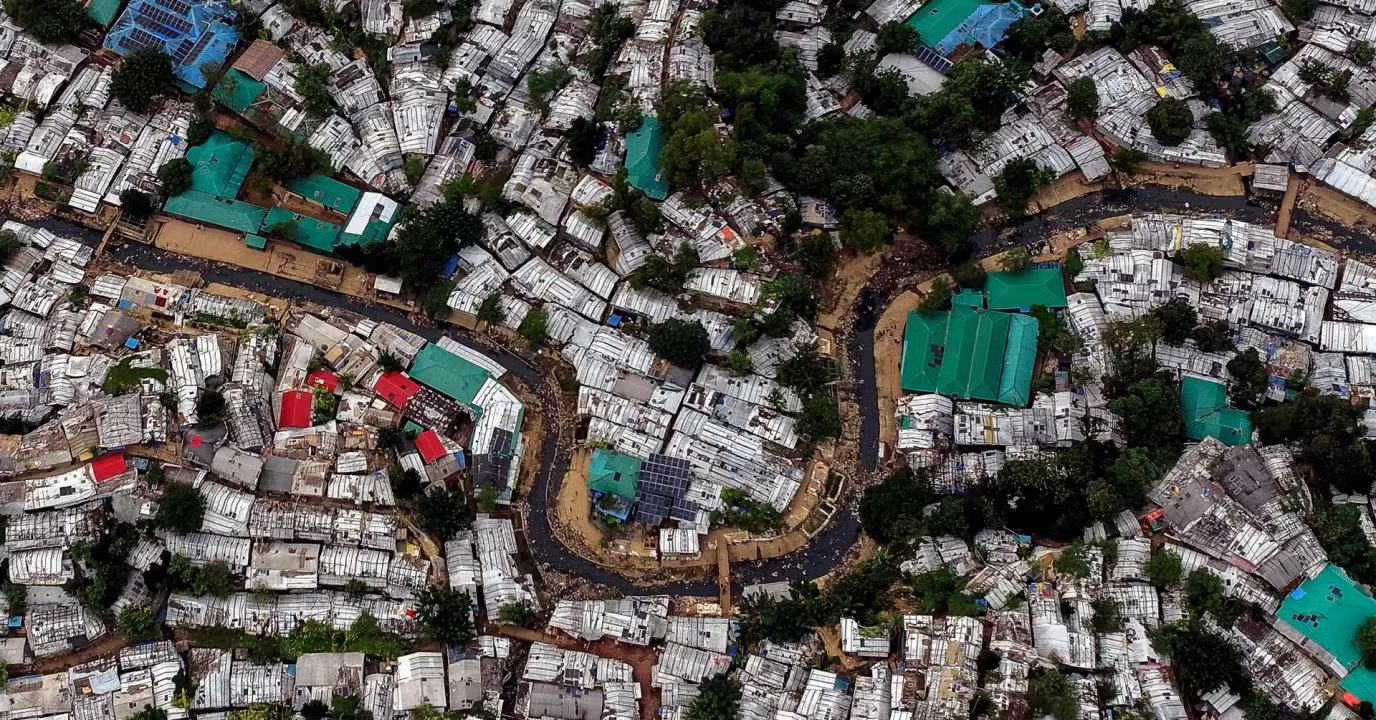
ICJ to rule on Rohingya genocide case against Myanmar
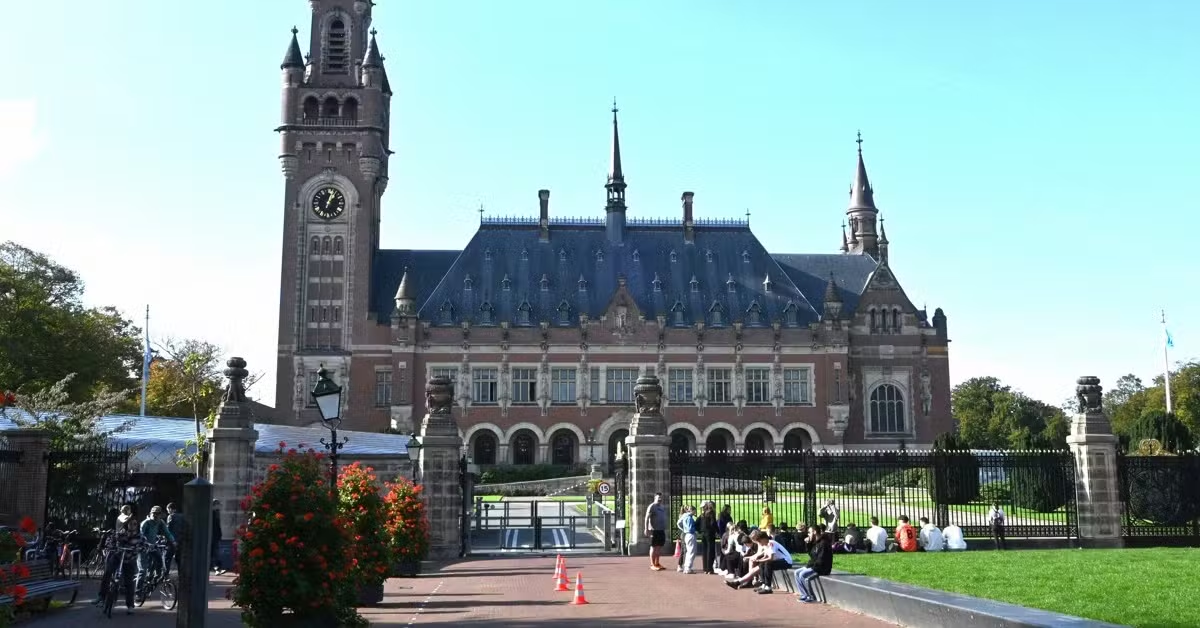
The International Court of Justice, the United Nations' highest court, is set to rule on whether Myanmar committed genocide against its Rohingya minority in a case The Gambia brought in November 2019 with the backing of the Organisation of Islamic Cooperation. The judgment will be read at the Peace Palace in The Hague, is final and cannot be appealed, but the court has very limited means of enforcing it, and it has never held a state responsible for committing genocide. The Gambia argues Myanmar bears state responsibility for genocide from a 2017 military offensive that drove at least 730,000 Rohingya into Bangladesh, and asks the court to order prosecutions, reparations and the safe return of the Rohingya; Myanmar denies genocide and says its forces responded legitimately to attacks by armed groups. A UN fact-finding mission concluded the 2017 campaign included 'genocidal acts', and the ruling could set precedents for other cases, including South Africa's genocide case against Israel over Gaza.
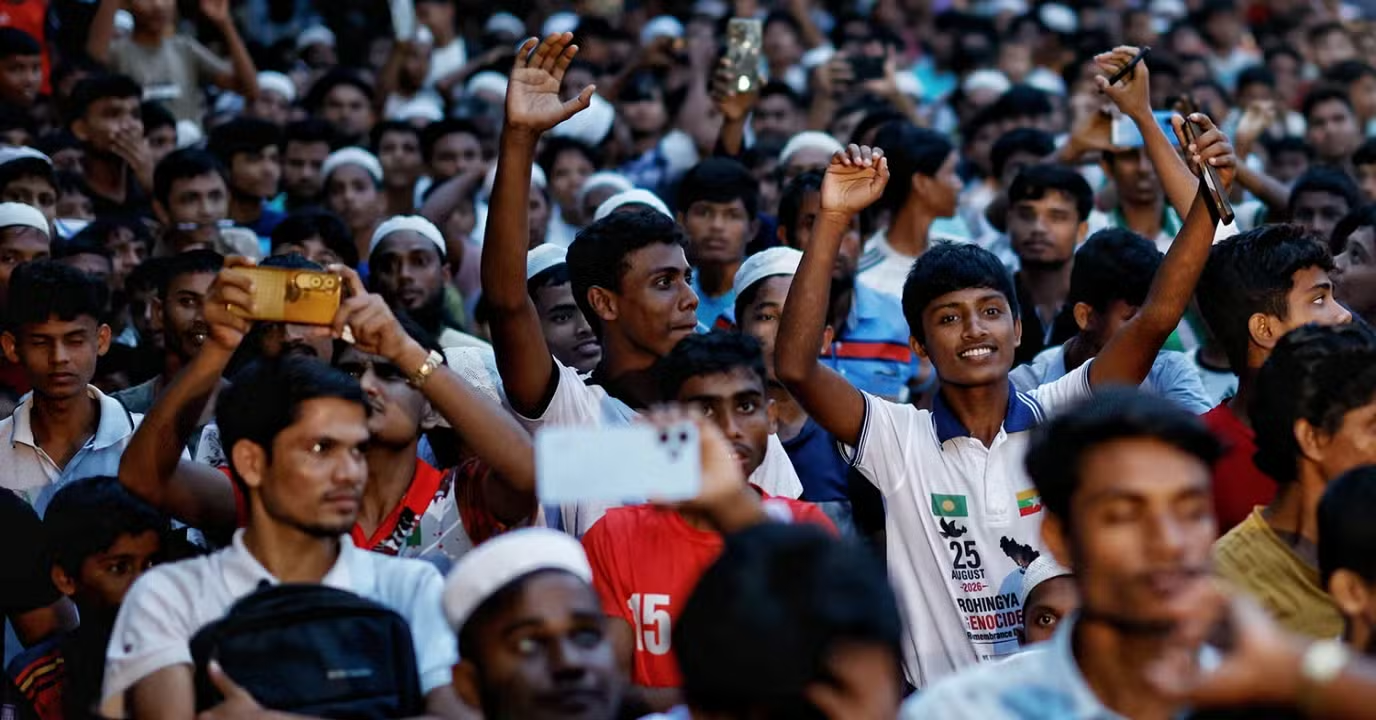
ICJ Rules Myanmar Committed Genocide Against Rohingya
A Foreign Policy analysis by Andrew Nachemson reports that on Nov. 19, 2026, the International Court of Justice found Myanmar violated the Genocide Convention against the Rohingya — the first time the court has found a state responsible for genocide. Nachemson writes the verdict will have wide-ranging impacts, including for the court's forthcoming judgment on Israel.
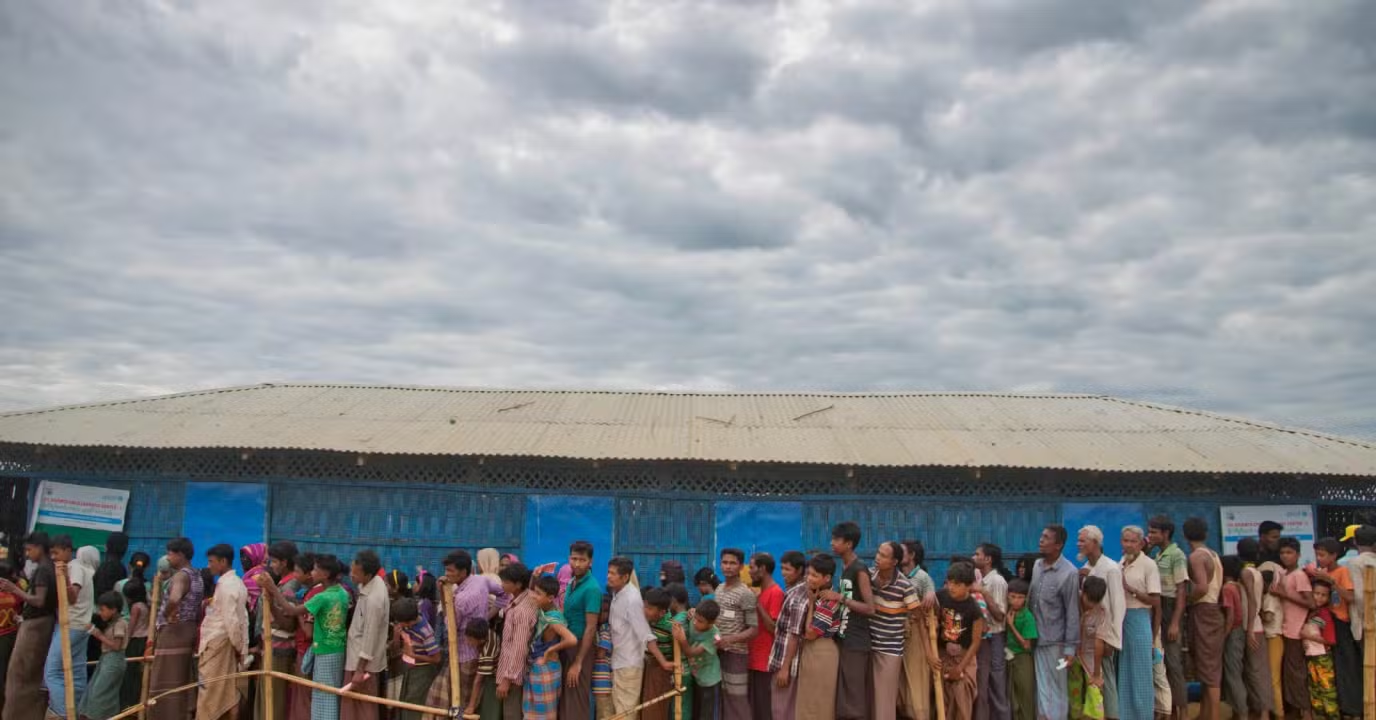
ICJ to rule on Rohingya genocide case: What to expect
The International Court of Justice in The Hague is set to rule on Thursday, 19 November 2026, on The Gambia's case accusing Myanmar of genocide against the Rohingya, and its verdict will be final and cannot be appealed. The Gambia filed the case in November 2019 on behalf of the 57-member Organisation of Islamic Cooperation, more than two years after Myanmar's 2017 military operations in Rakhine State forced over 740,000 Rohingya to flee to Bangladesh. The court must decide whether Myanmar intended to destroy the Rohingya as a group, a threshold it has rarely found met; Myanmar denies the charge, saying its forces were responding to armed attacks. Myanmar is legally bound to comply but the court cannot enforce its ruling, and a precedent is the 2007 finding that Serbia committed no genocide in Bosnia but failed to prevent the Srebrenica massacre.
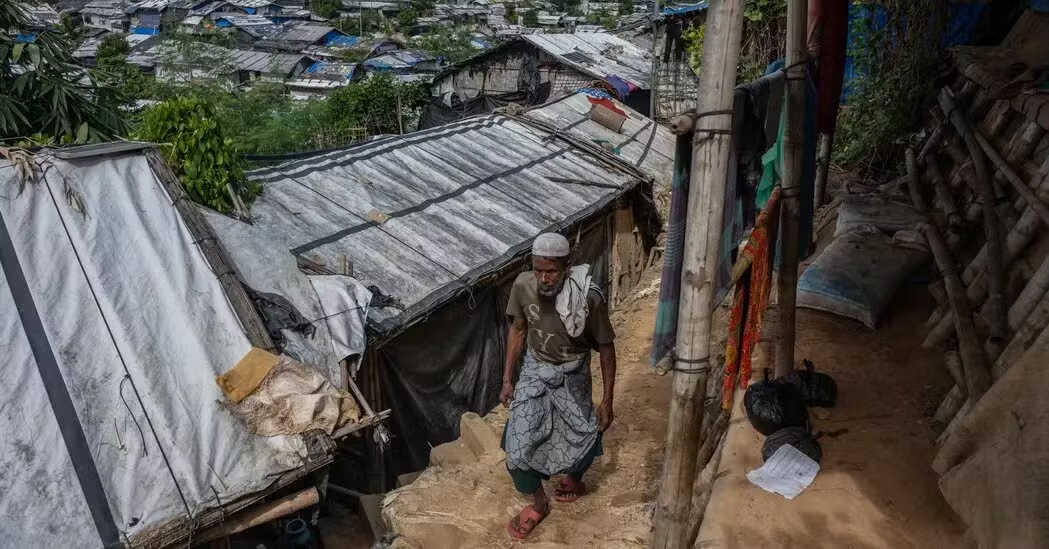
What to Know About the Myanmar Genocide Case at the World Court
The New York Times explains the International Court of Justice's ruling that Myanmar committed genocide against the Rohingya in northern Rakhine State, the first time a state — as opposed to an individual — has been held to account under the 1948 Genocide Convention. The court ordered Myanmar to cease violations and compensate the Rohingya, but the Times reports that enforcement may hinge on other nations' pressure since the court cannot enforce its rulings.
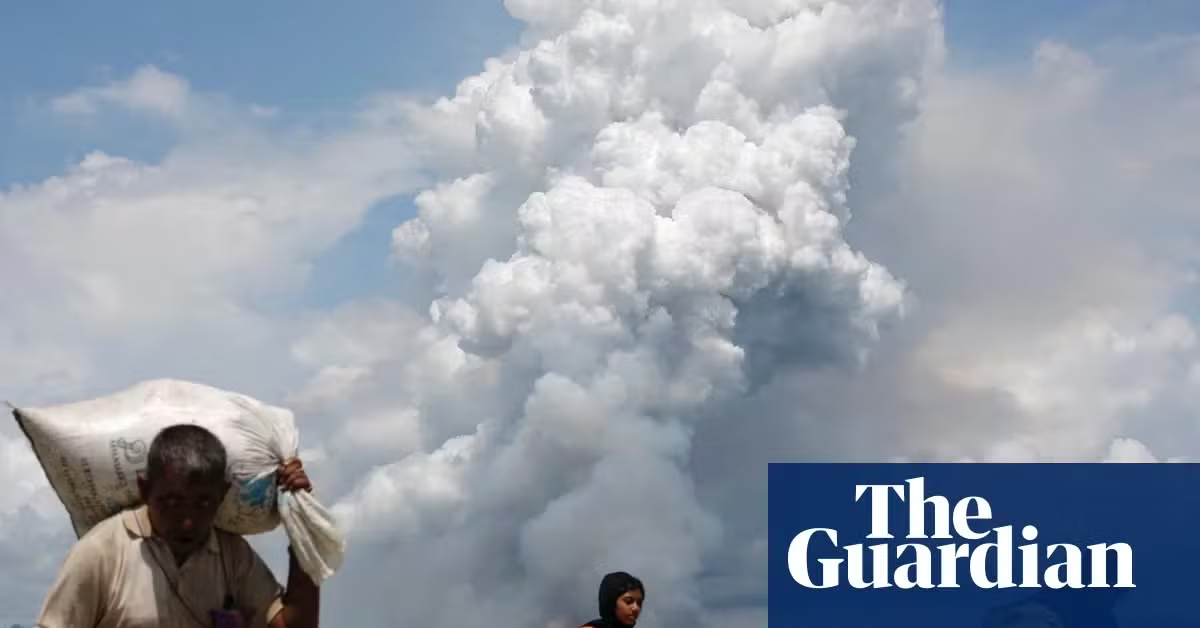
Fears grow that US will impose sanctions on ICJ judges ahead of Myanmar genocide ruling
A Guardian news report says fears are growing that the US will impose sanctions on judges at the international court of justice, including Navi Pillay, if the court rules this Thursday that Myanmar committed genocide against the Rohingya, and the judges have taken advice on protecting their assets. The ICJ has never found a state responsible for genocide, and a key question in the case brought by the Gambia is how to prove intent to destroy a group in whole or in part. The report says the US and Israel fear a final judgment clarifying how to establish a government's genocidal intent would make it more likely the court later rules Israel committed genocide in Gaza. US ambassador to the UN Mike Waltz has accused Pillay, whom the Gambia chose as its ad hoc judge, of tipping the scales to lower that threshold, telling her Washington will not allow 'globalist, faux judges to weaponise the law against our troops'.
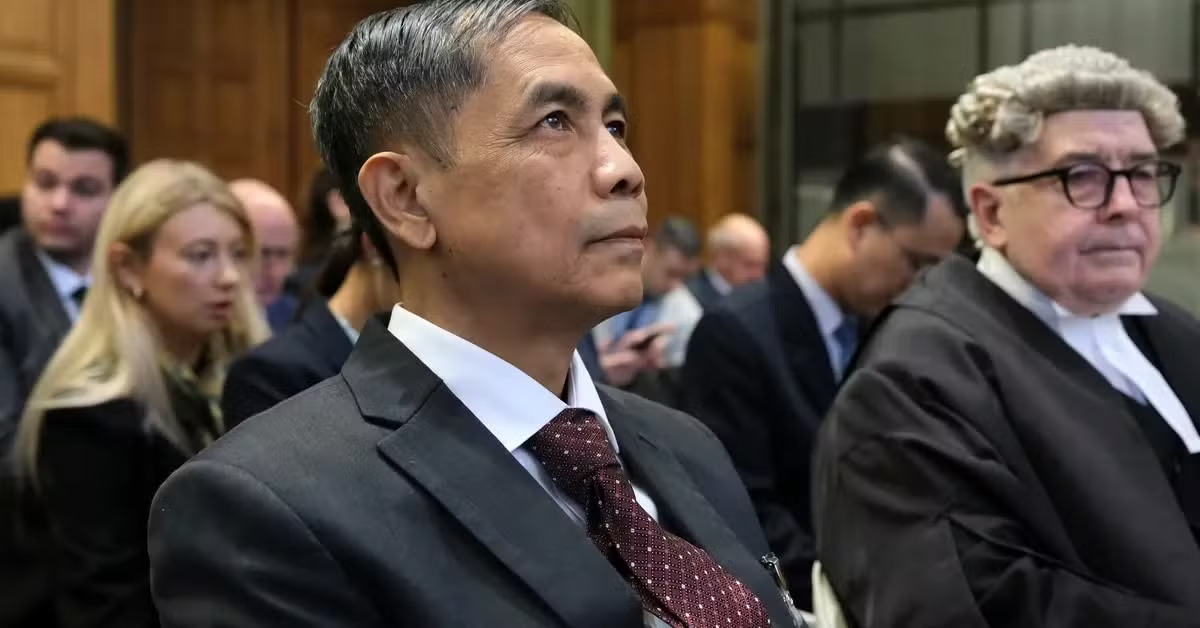
In A Landmark Judgment, Top U.N. Court Says Myanmar Committed Genocide Against The Rohingya
HuffPost's live-updates page leads with the International Court of Justice's landmark ruling on 19 November 2026 that Myanmar committed genocide against the Rohingya in a 2017 military operation, a 9-6 decision rejecting Myanmar's defense that it targeted insurgents. The page also follows Donald Trump's trilateral summit with Vladimir Putin and Xi Jinping in Shenzhen —
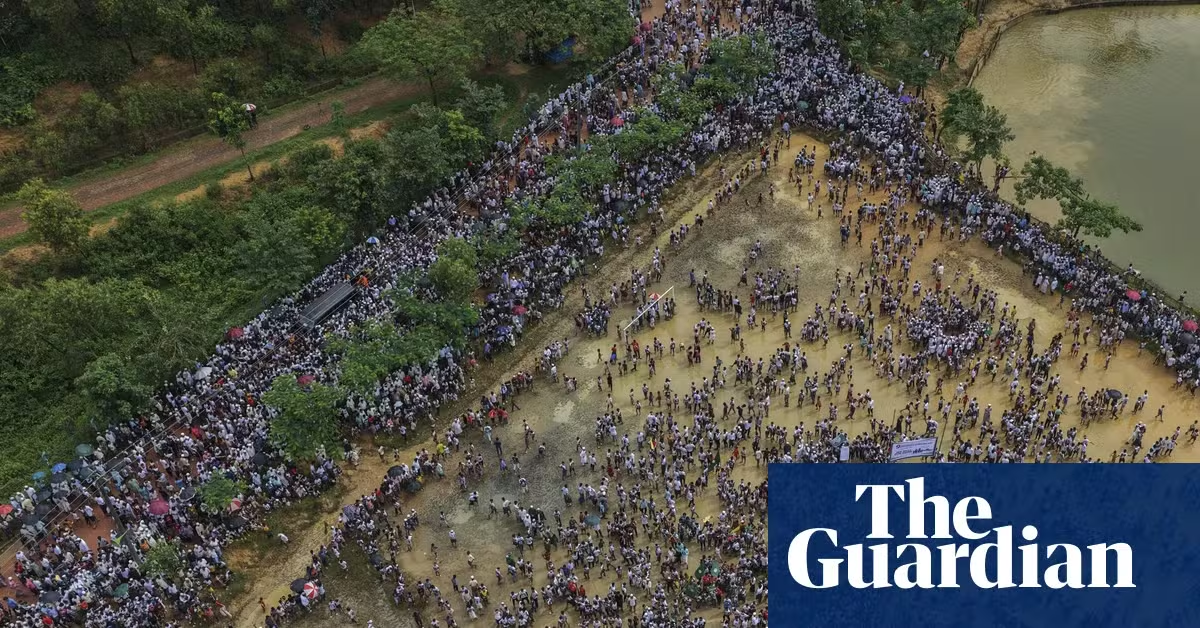
World’s top court to rule if Myanmar committed genocide against Rohingya
The international court of justice in The Hague will rule on Thursday on whether Myanmar committed genocide against its Rohingya minority, in a case brought by the Gambia that judges have weighed for seven years, nearly a decade after a military campaign forced hundreds of thousands of Rohingya to flee. No state has ever been found responsible for genocide by the court, which heard closed-door testimony from Rohingya survivors in January, including accounts of children killed and piles of bodies in mass graves. Myanmar denies genocide and says its actions targeted an insurgent uprising, while lawyers representing survivors say patterns of attack, sexual violence and mutilation were meant to destroy the group. The judgment has no enforcement power but the Guardian reports it will set a benchmark for how genocide is judged this century, including in the separate case against Israel over Gaza.

